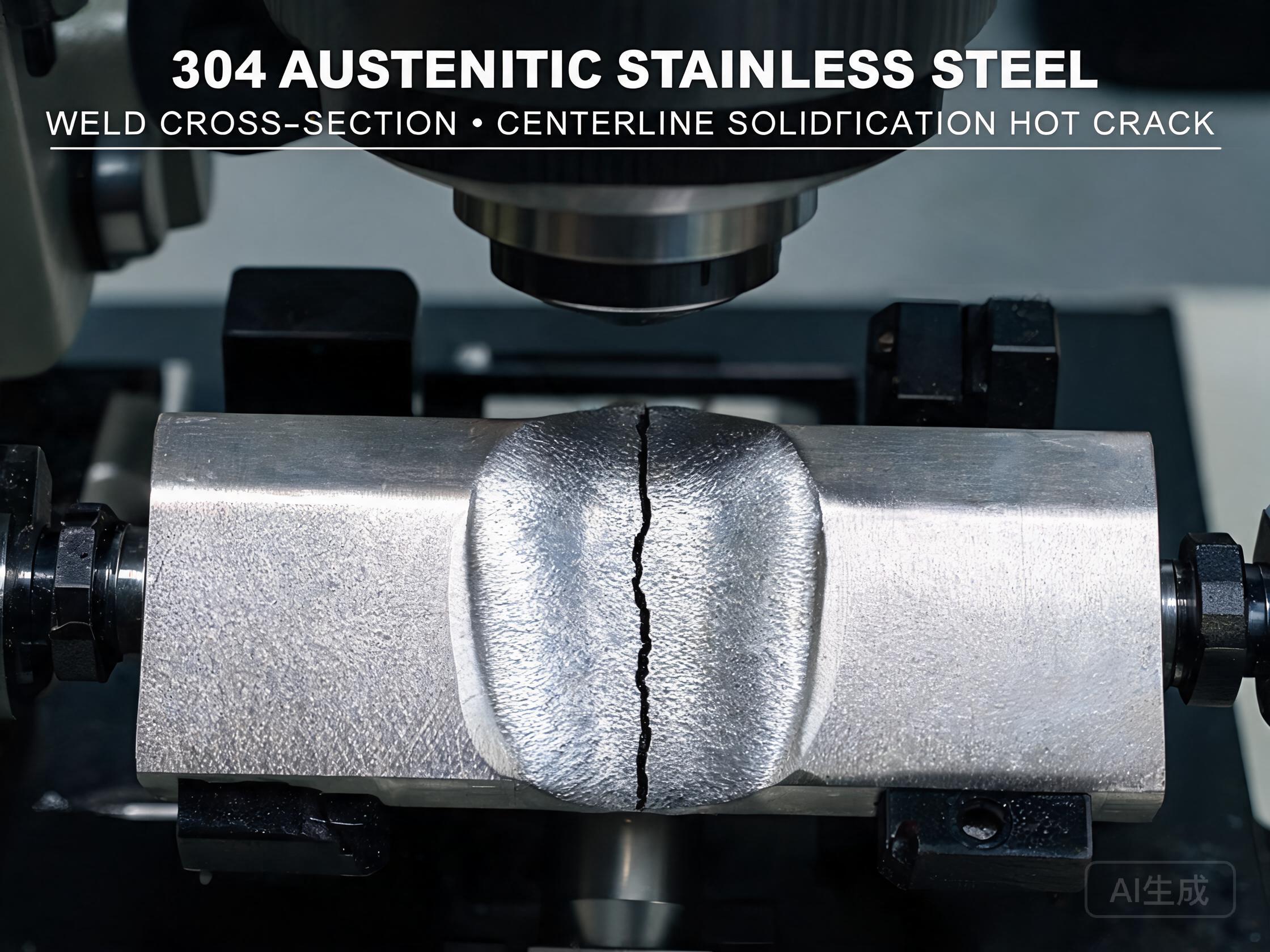
Hot Cracking in Austenitic Stainless Steel Welds: Causes and Prevention
Why hot cracking happens in 304 and 316 welds, how ferrite content prevents it, and what to specify on your filler metal and procedure spec.
 NINGBO WANGUANG
 Why hot cracking happens in 304 and 316 welds, how ferrite content prevents it, and what to specify on your filler metal and procedure spec.
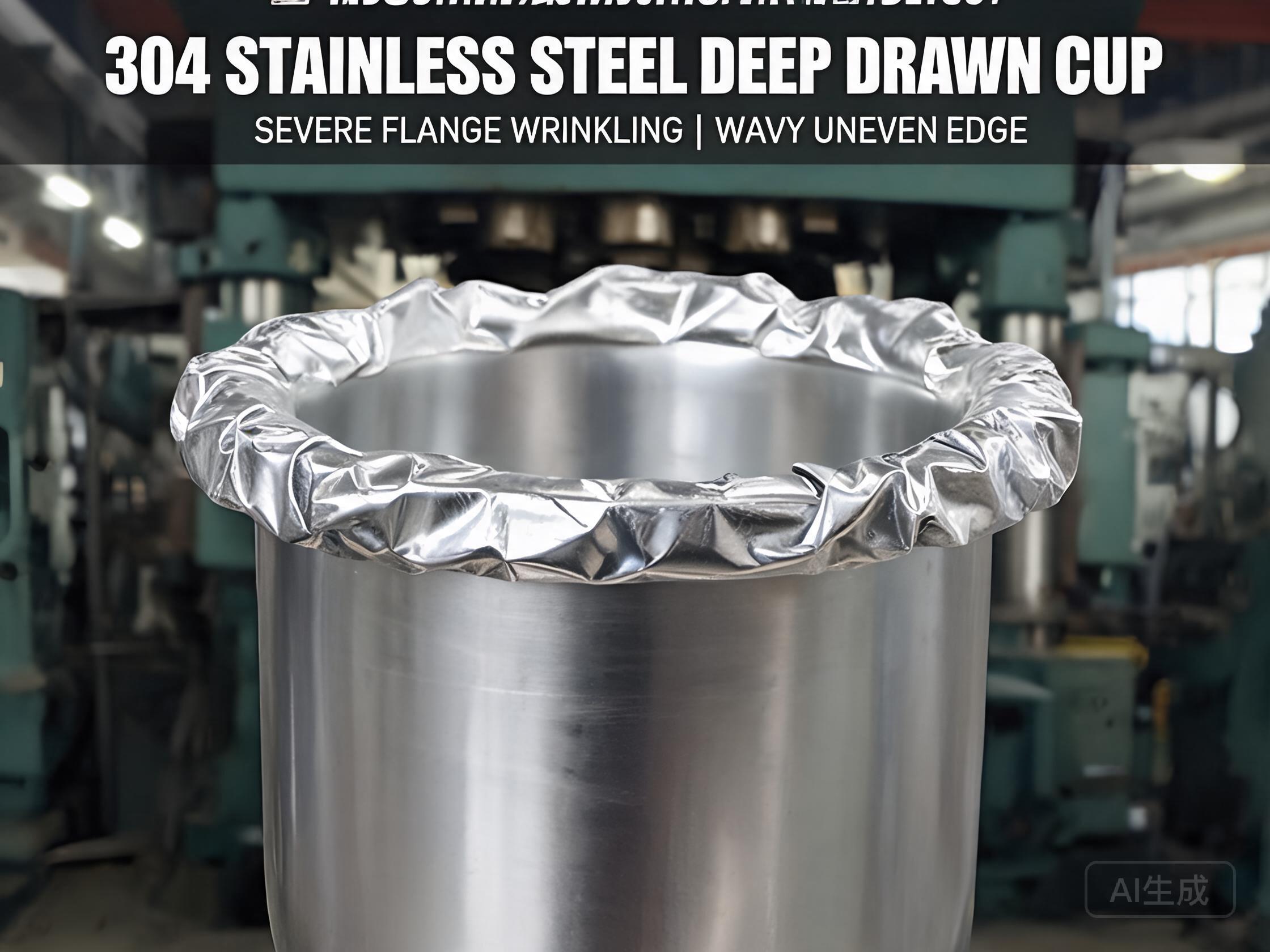
Why your 304 deep drawn cups wrinkle, what blank holder force to set, how the m value predicts 304 drawability, and a radius recommendation for the first pass.
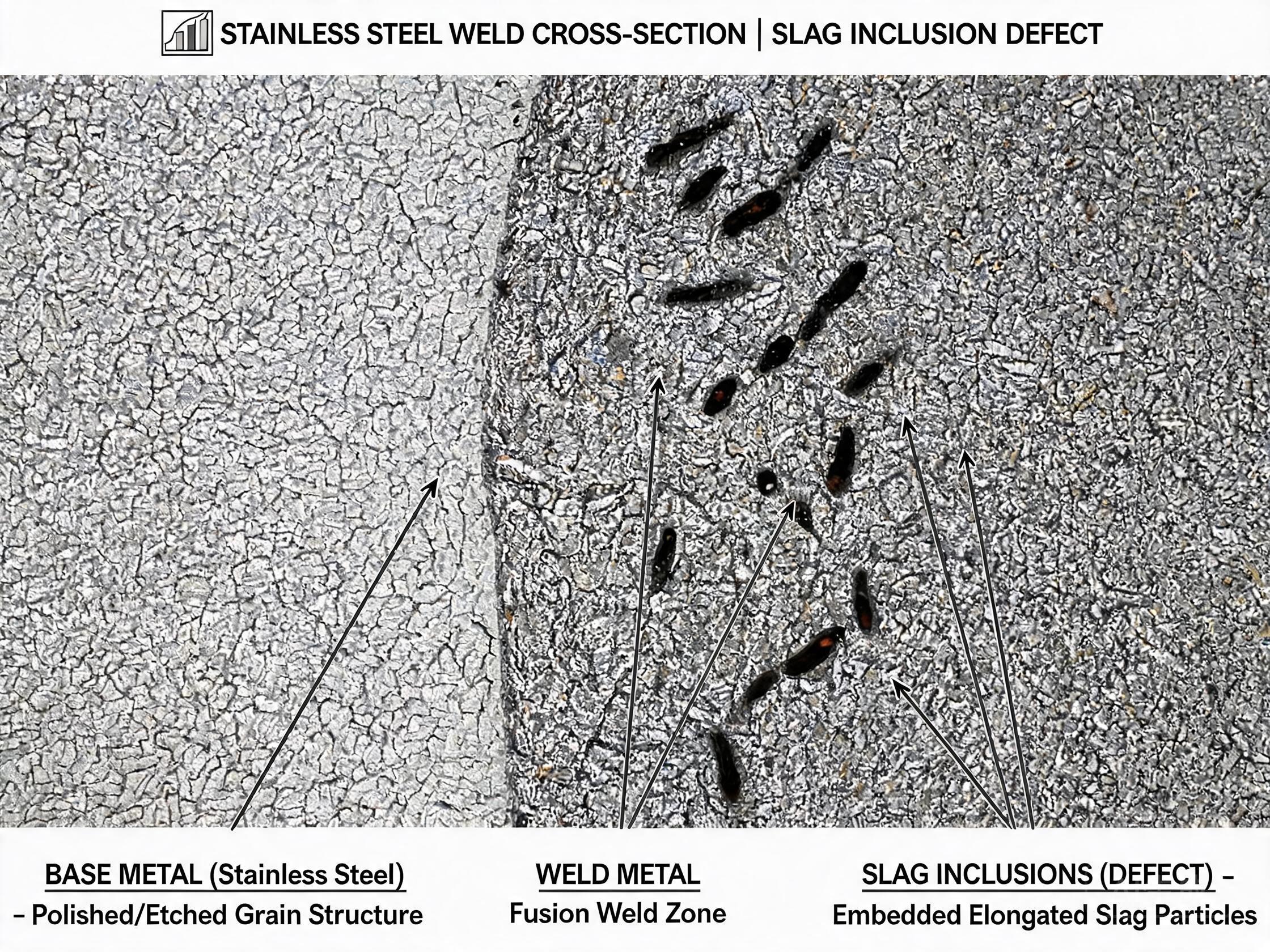
Weld slag inclusions in 304 and 316 — why high current and poor interpass cleaning cause trapped slag, how to detect with UT or radiography, and what to specify.
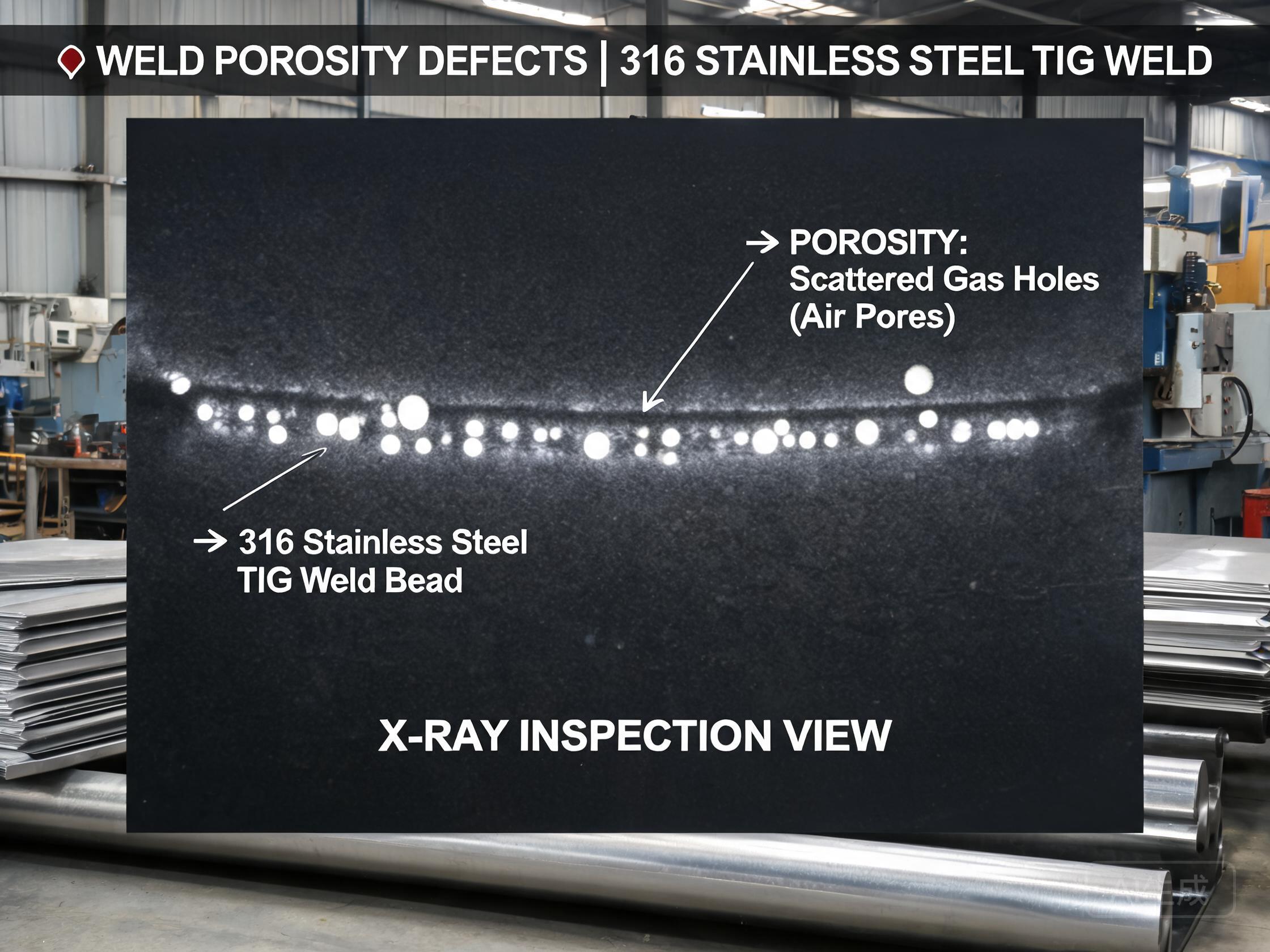
Weld porosity in 304 and 316 — why moisture, oil, impure argon and unbaked wire cause holes, and the 6-step prevention checklist buyers can enforce.
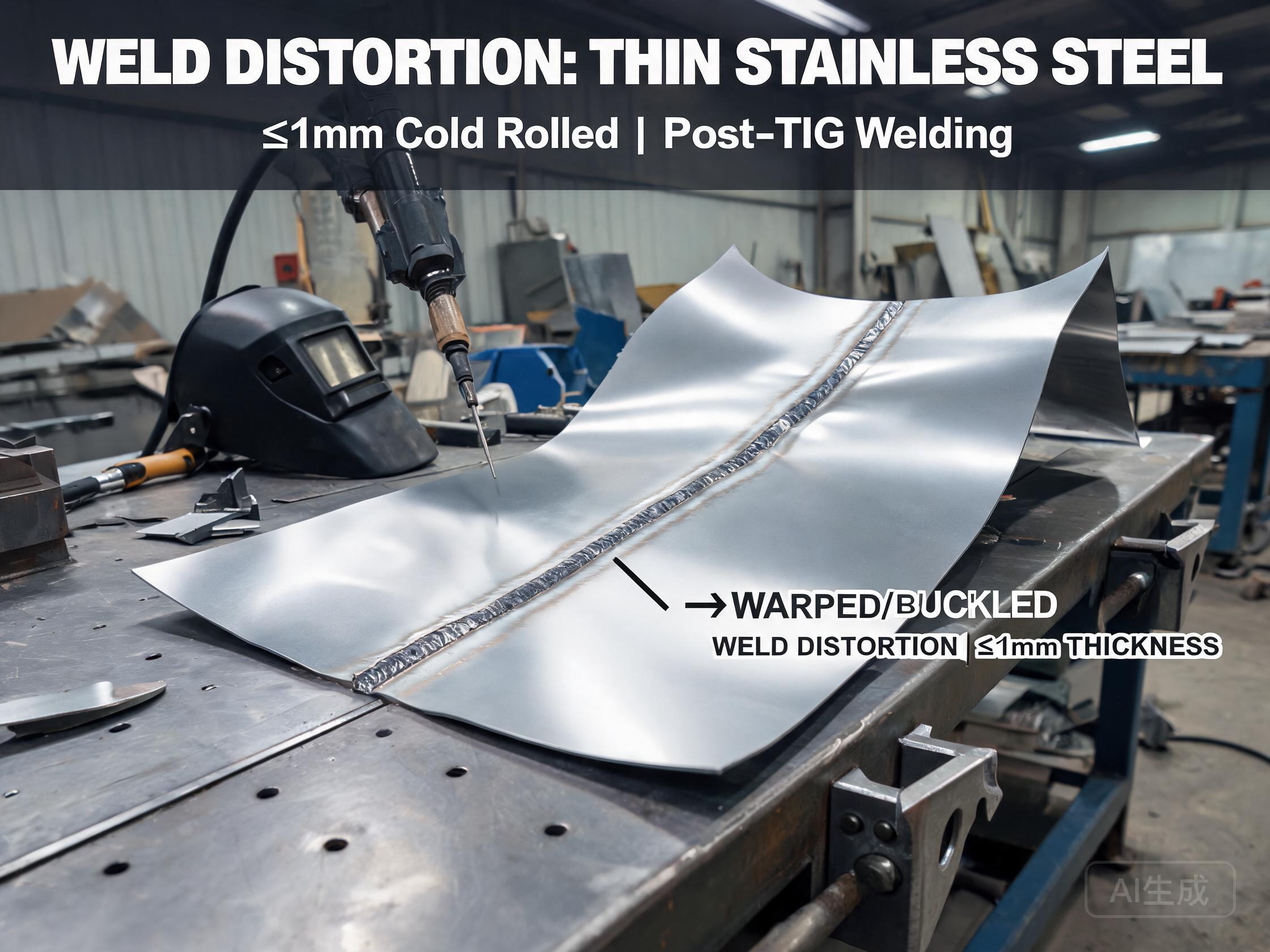
Weld distortion in ≤1mm cold rolled stainless steel sheet — why heat input causes buckling and warping, skip welding copper backing and heat sink solutions.
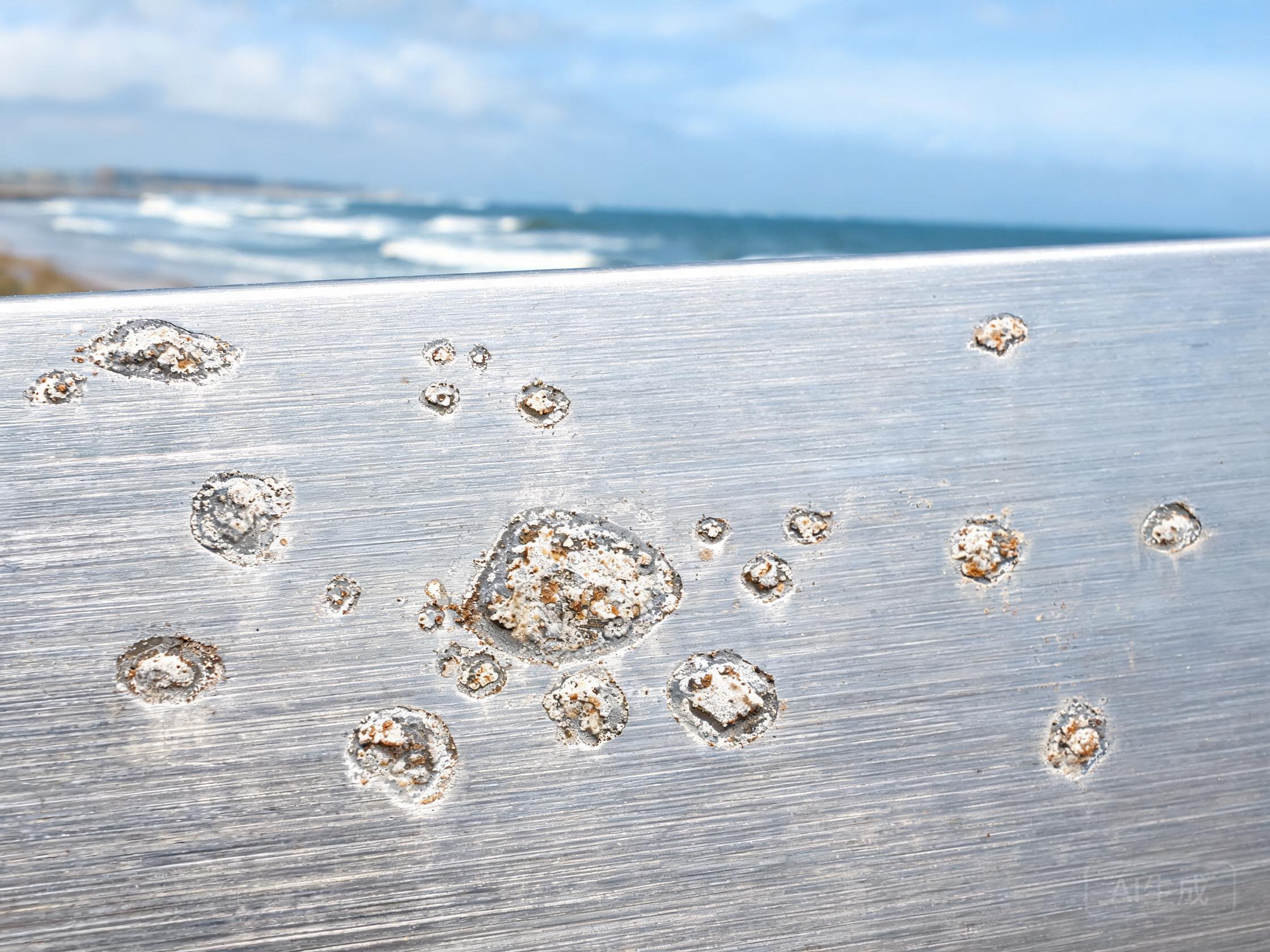
Water spots ruin 316 marine and 304 kitchen stainless panels. Learn why chloride content in tap water, storage humidity and missing spot-free rinse cause permanent staining.
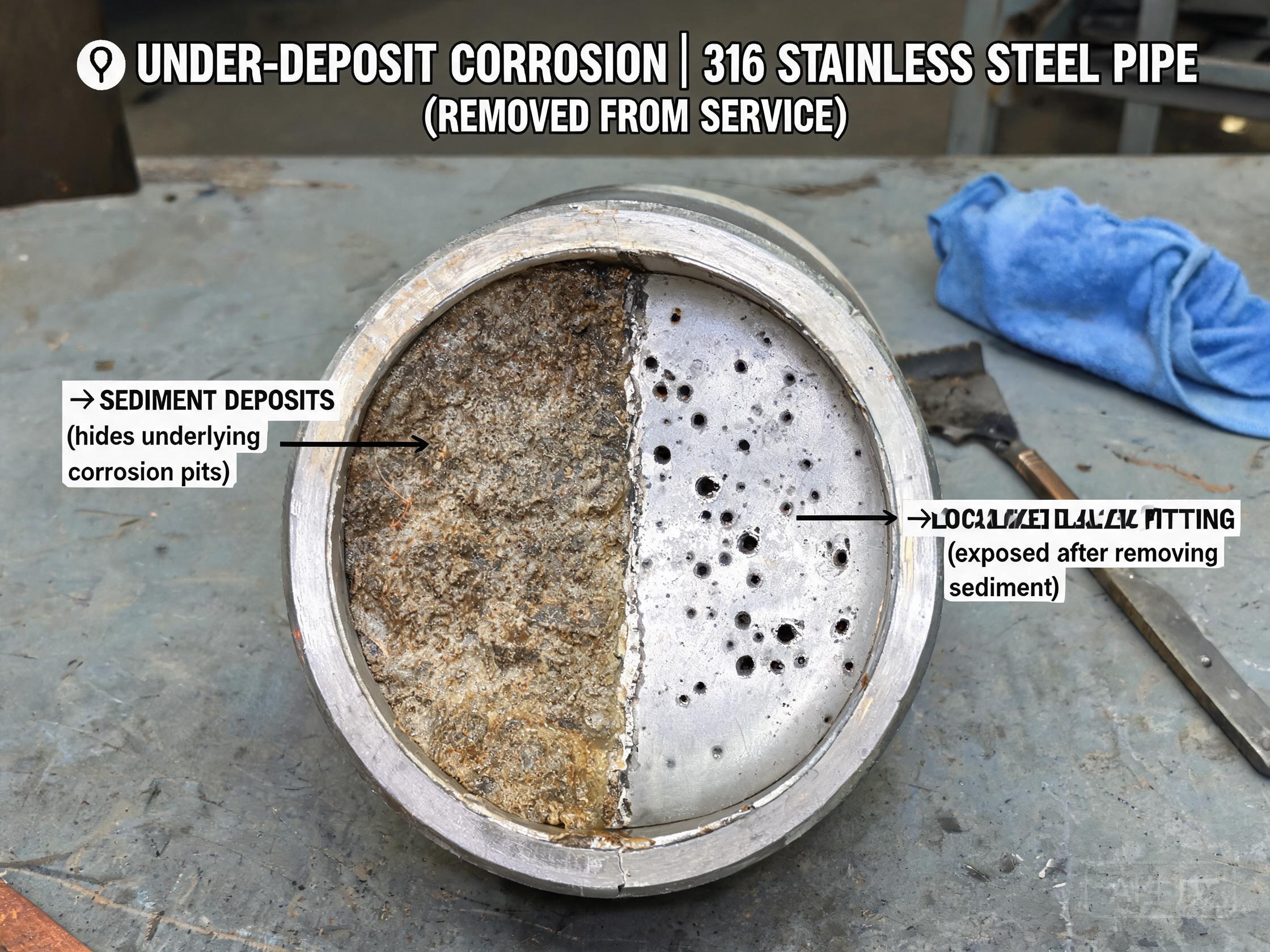
Under-deposit corrosion on cold rolled stainless steel. How sediment and scale create hidden crevices, and why 316 outlasts 304 in systems that cannot be cleaned regularly.
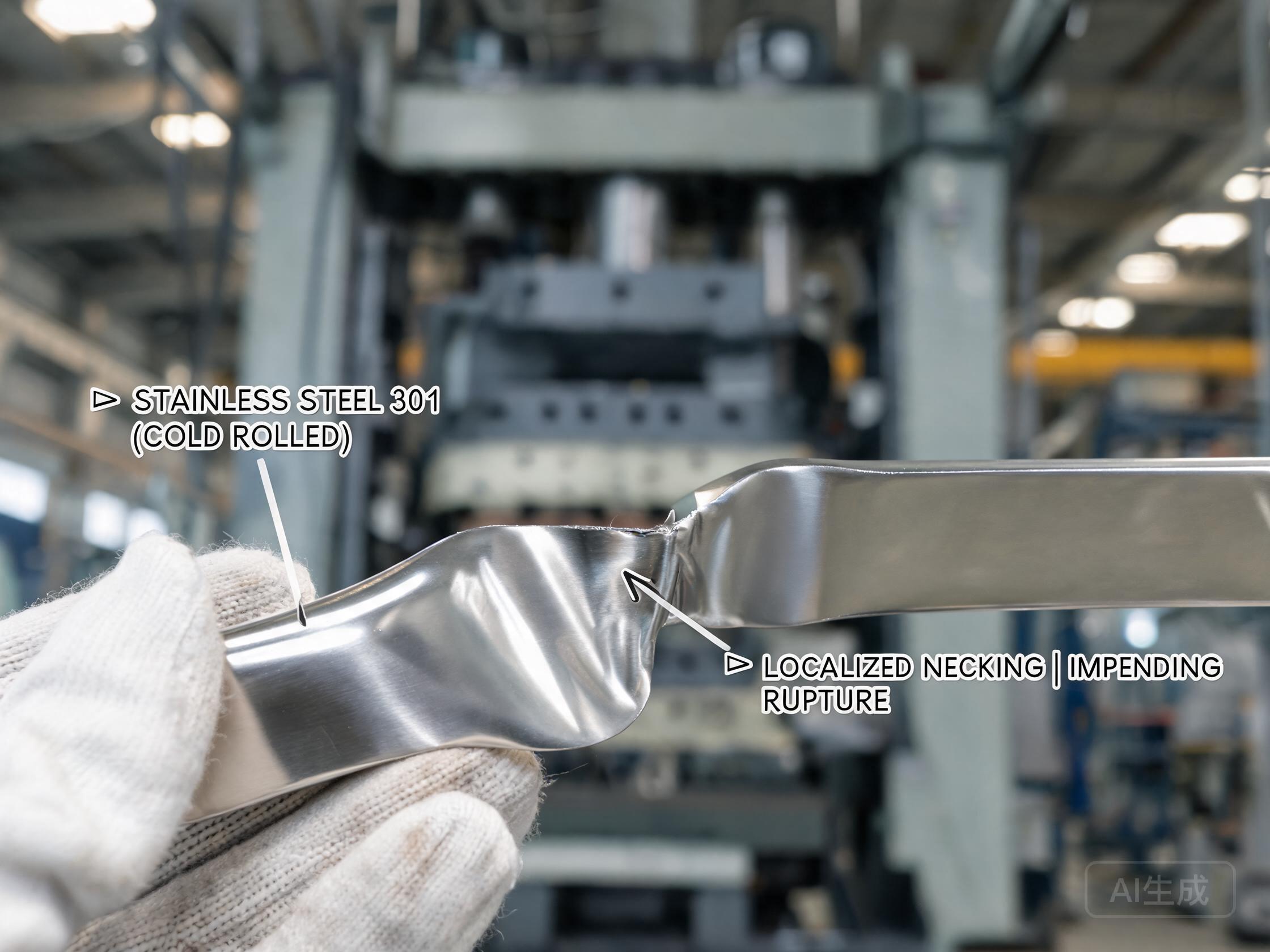
Why stretch formed stainless steel panels neck and crack, how 301 hard temper changes drawability, limit drawing ratio, and the 2B vs BA surface difference in stretch forming.
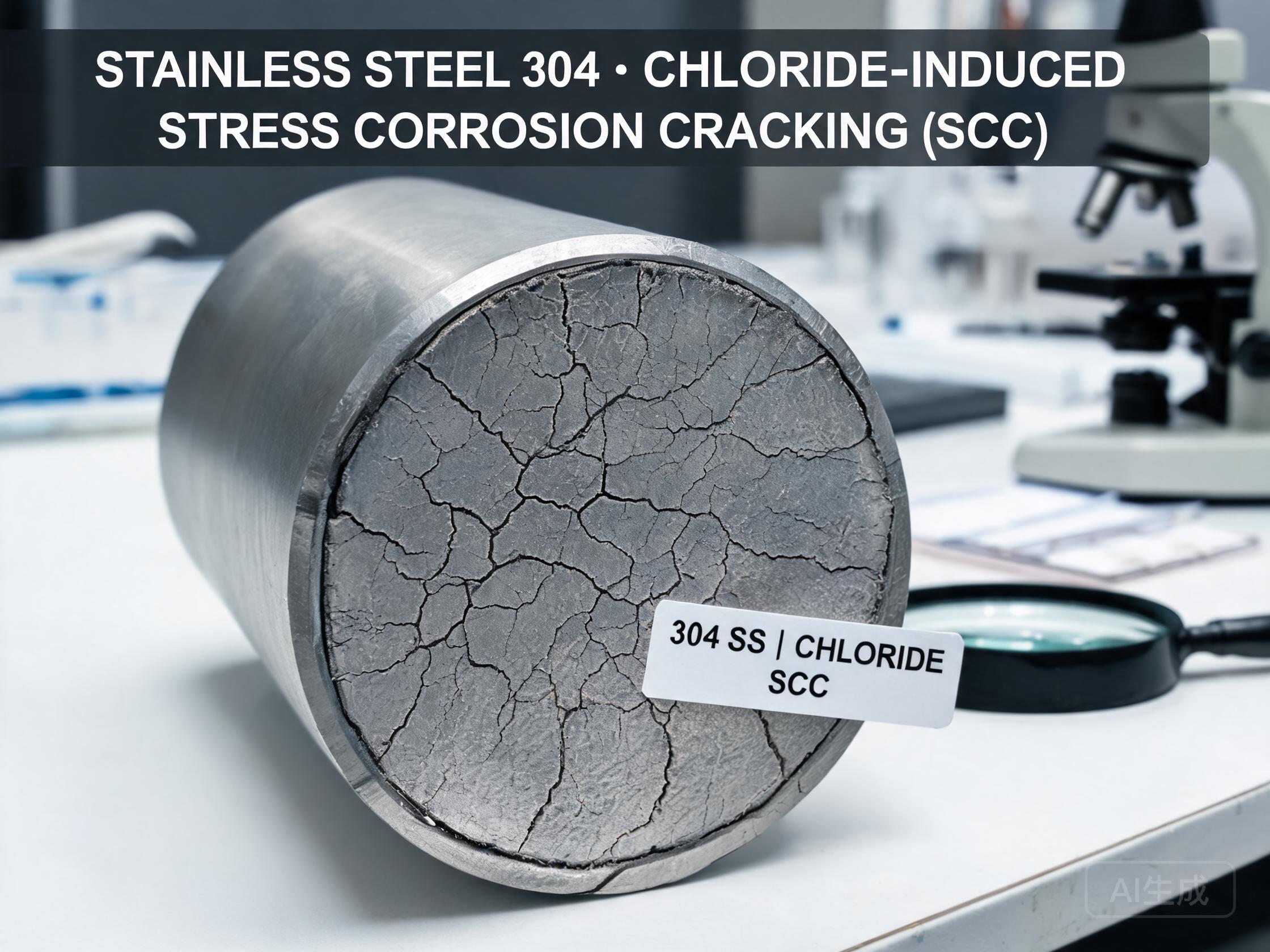
Stress corrosion cracking (SCC) on cold rolled stainless steel. Why 304 cracks at lower chloride levels than 316, and how to prevent it with stress relief annealing.
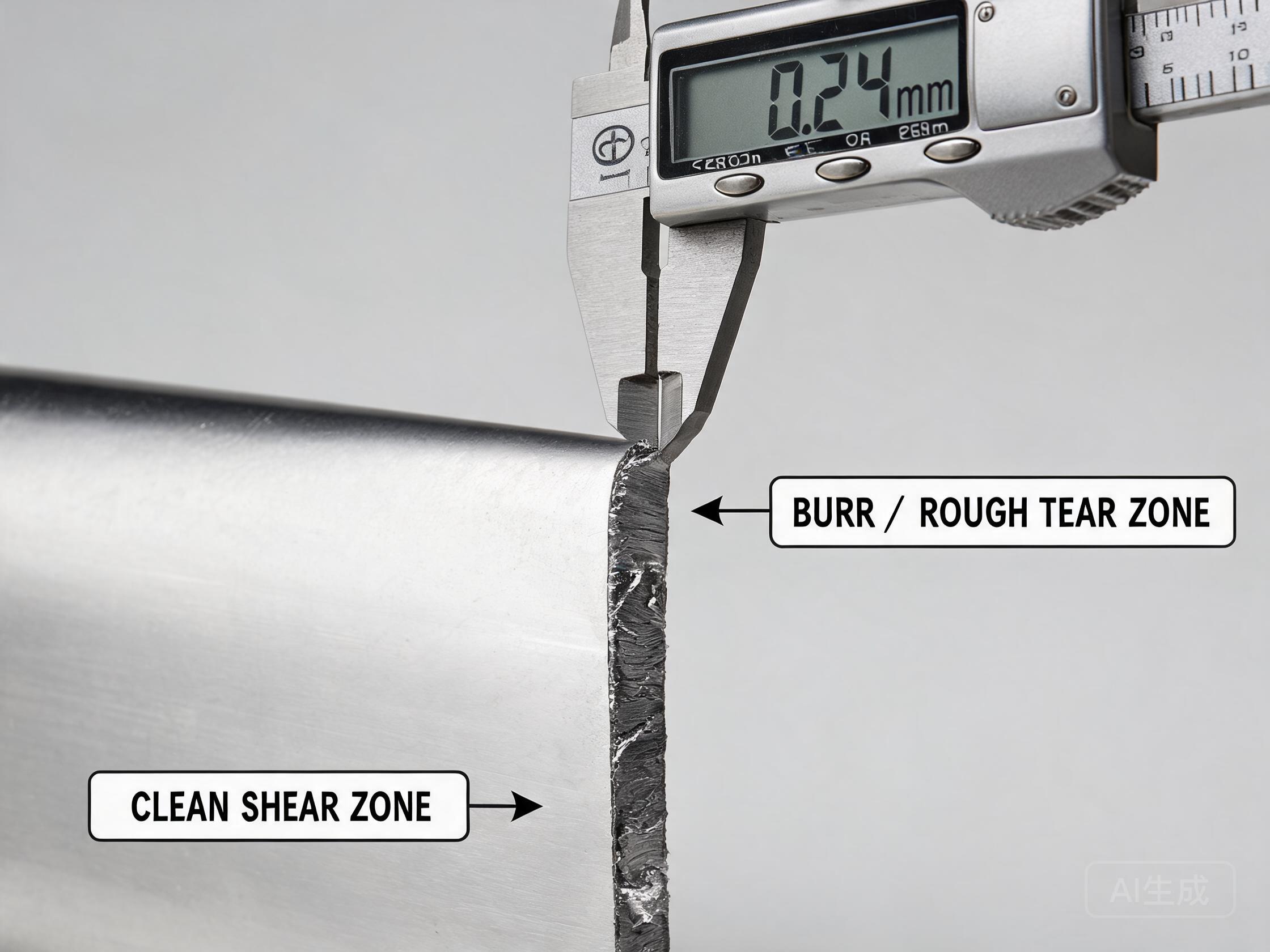
Why 304 produces taller burrs than 430, the correct die clearance for stainless stamping (6–12 % of thickness), and how the shear vs tear zone ratio controls burr height.
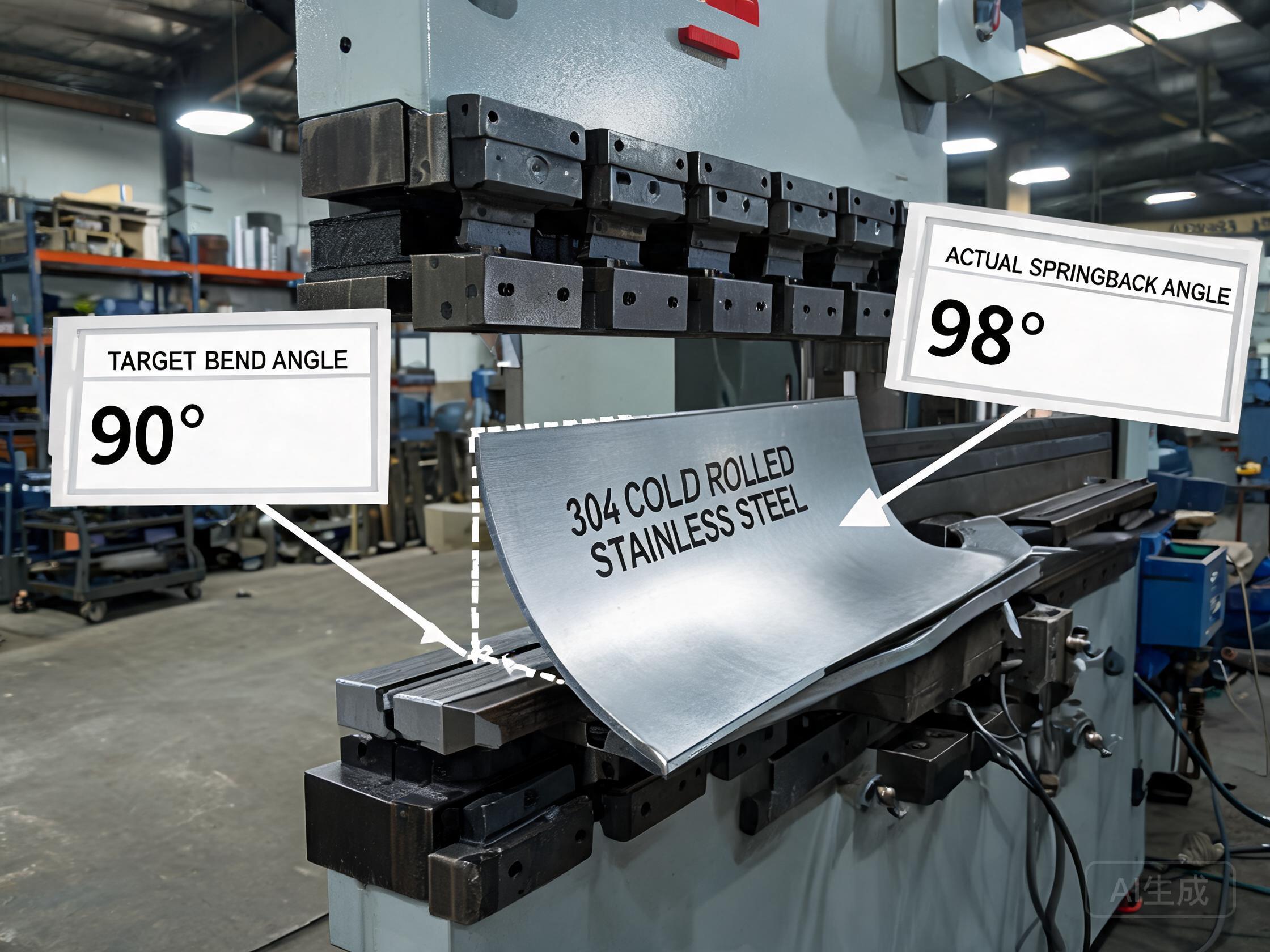
Why springback ruins stainless steel bend angles and stamped parts. Compare 304 vs 430, temper effect, and practical countermeasures for press brake and stamping.
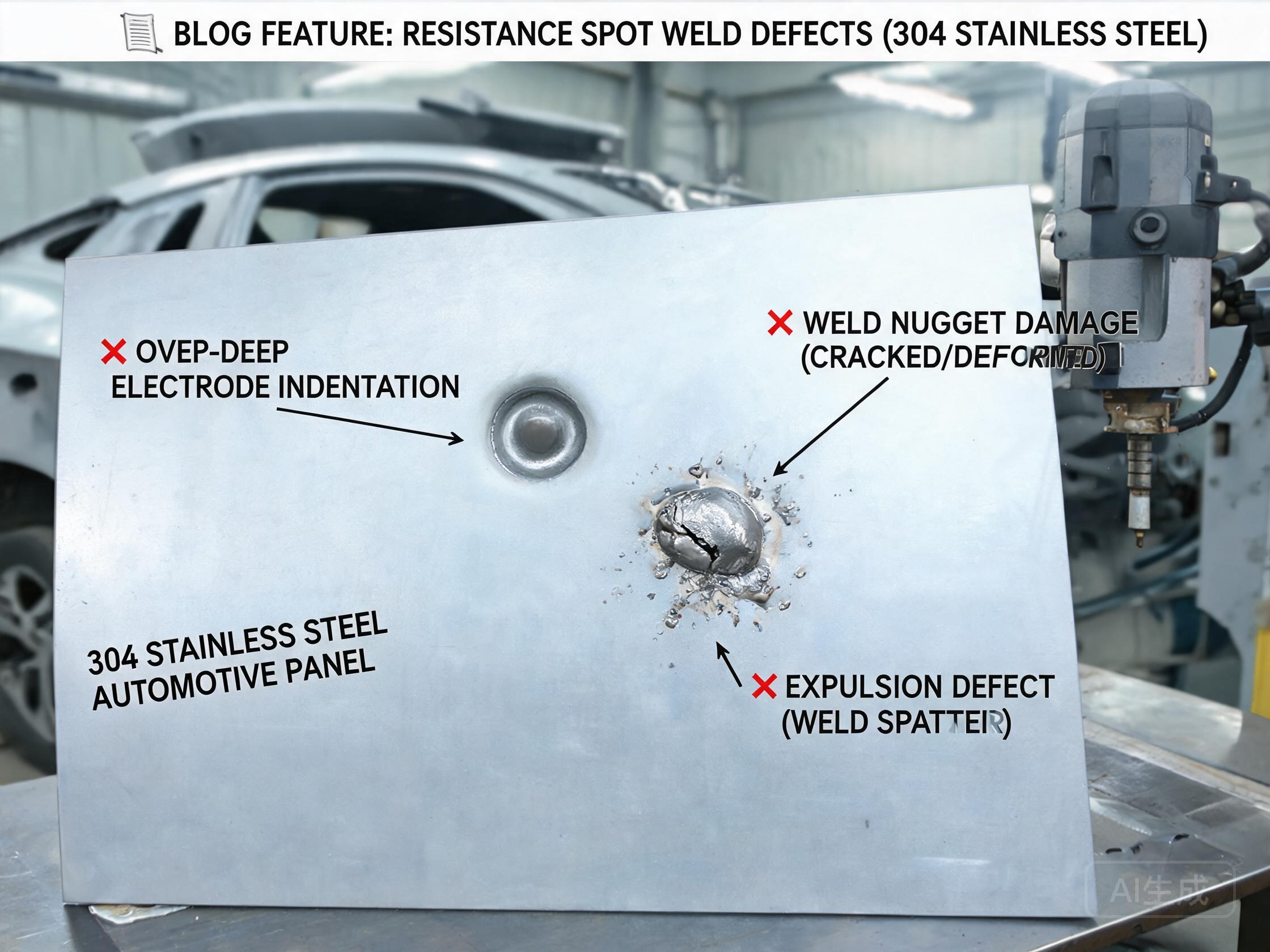
Spot welding stainless steel problems — why 304 needs more current than 430, electrode tip wear, weld shear strength and zinc contamination, with AWS D1.1 guidance.
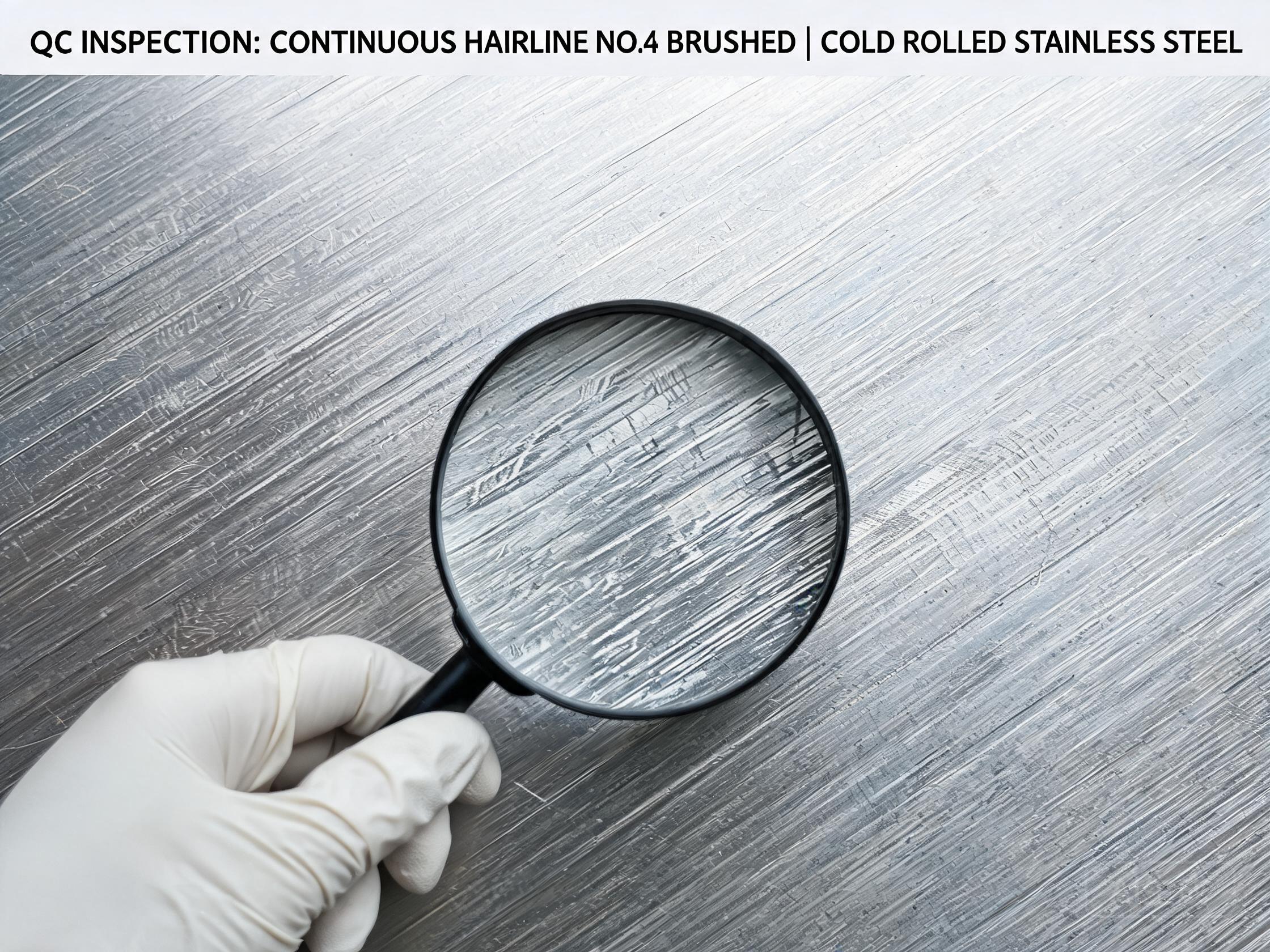
Continuous scratch brush (No.4 hairline) finish defects ruin architectural 304/316 panels. Learn why grit size, brush condition and scratch depth matter — and how to specify correctly.
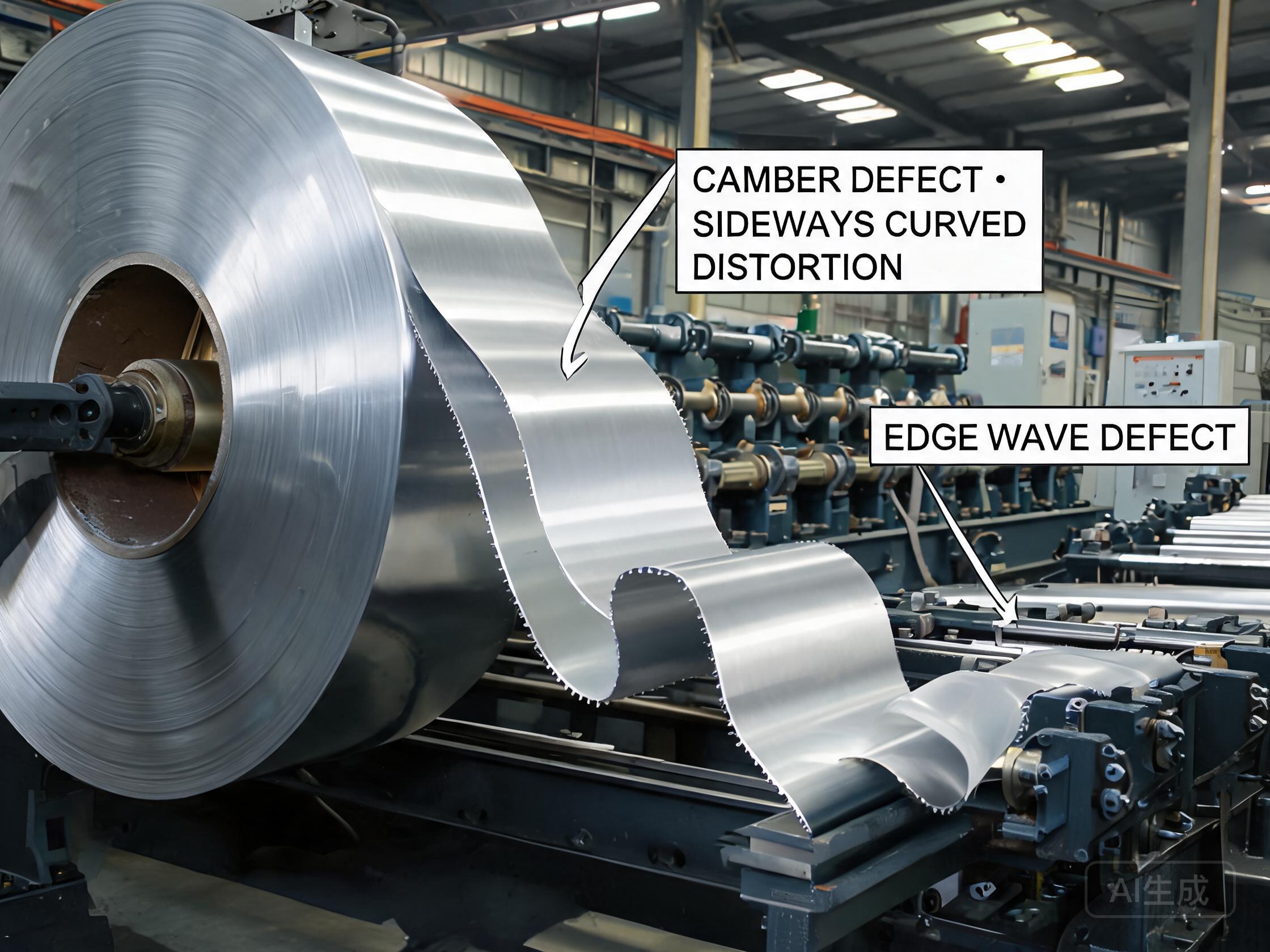
Why your cold rolled stainless steel strip cambers in the roll former, what causes edge wave and cross bow, and the critical difference between 430 ferritic and 304 austenitic behavior.
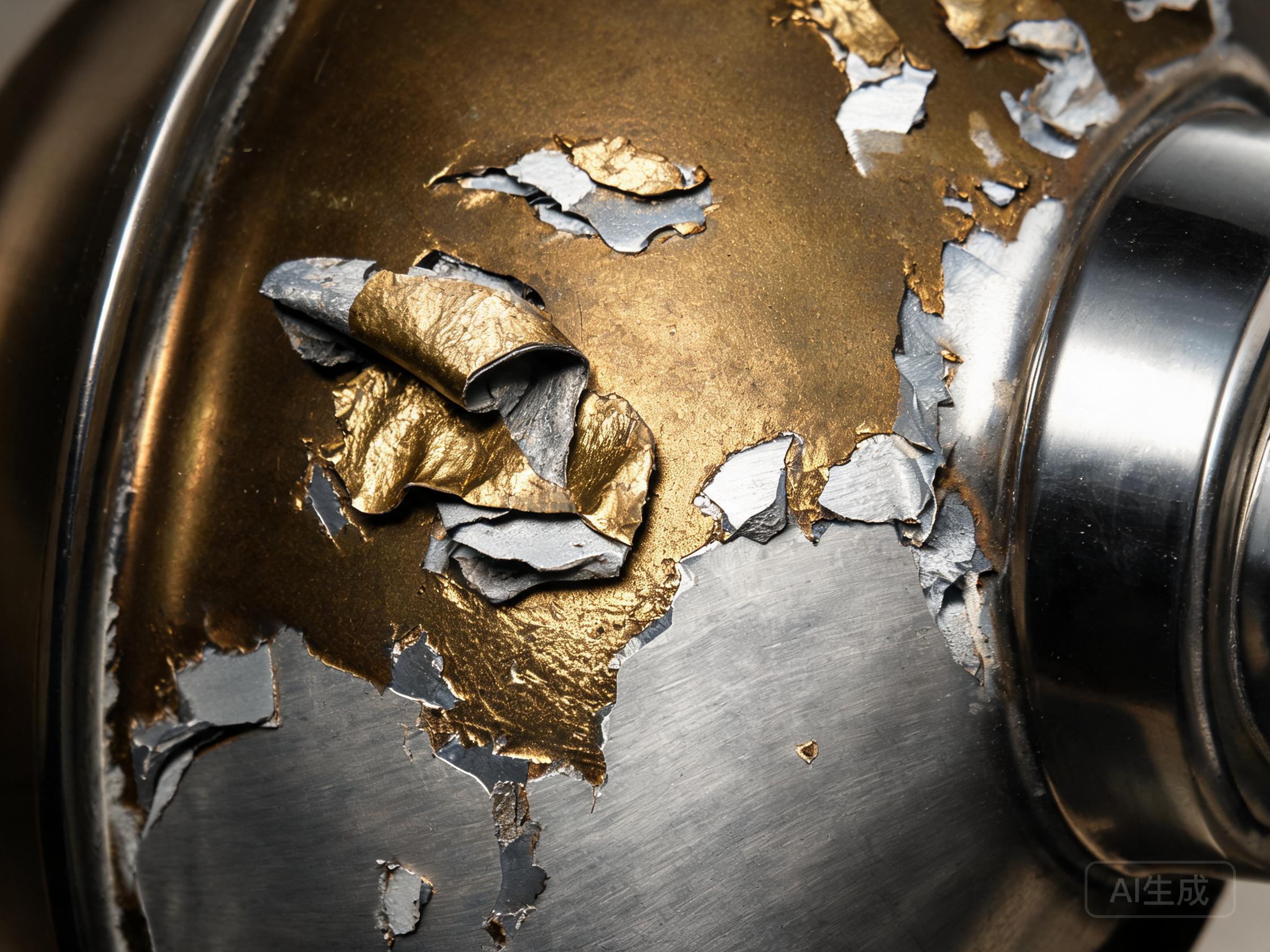
PVD coating peeling ruins colored stainless steel panels. Learn why surface prep, 304 vs 316 substrate and coating thickness cause adhesion failure, and how to specify correctly.
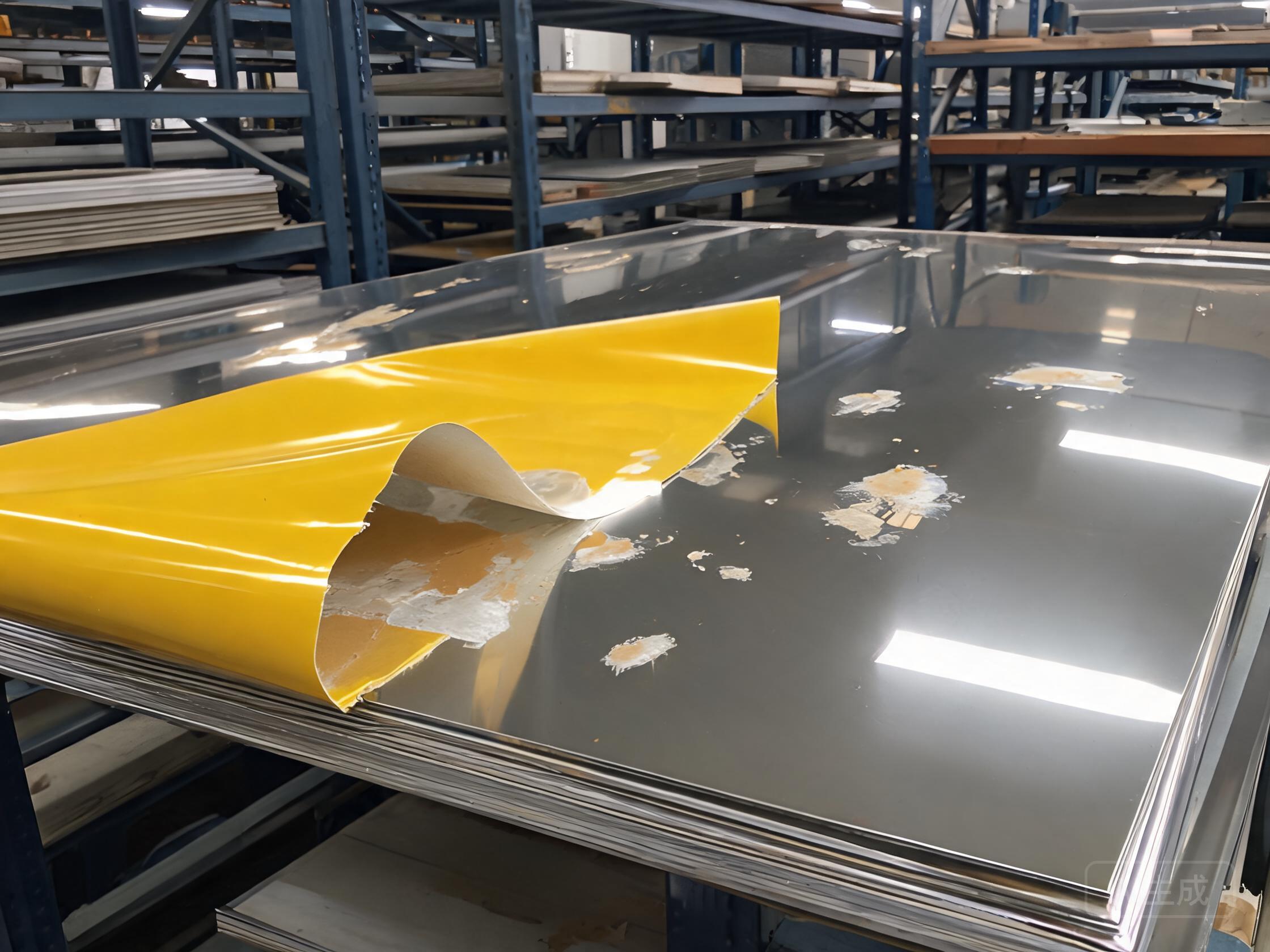
Cheap protective film leaves sticky residue or tears during peeling. Compare Chinese vs Korean/Japanese film, storage time limits and how to specify film quality on your RFQ.
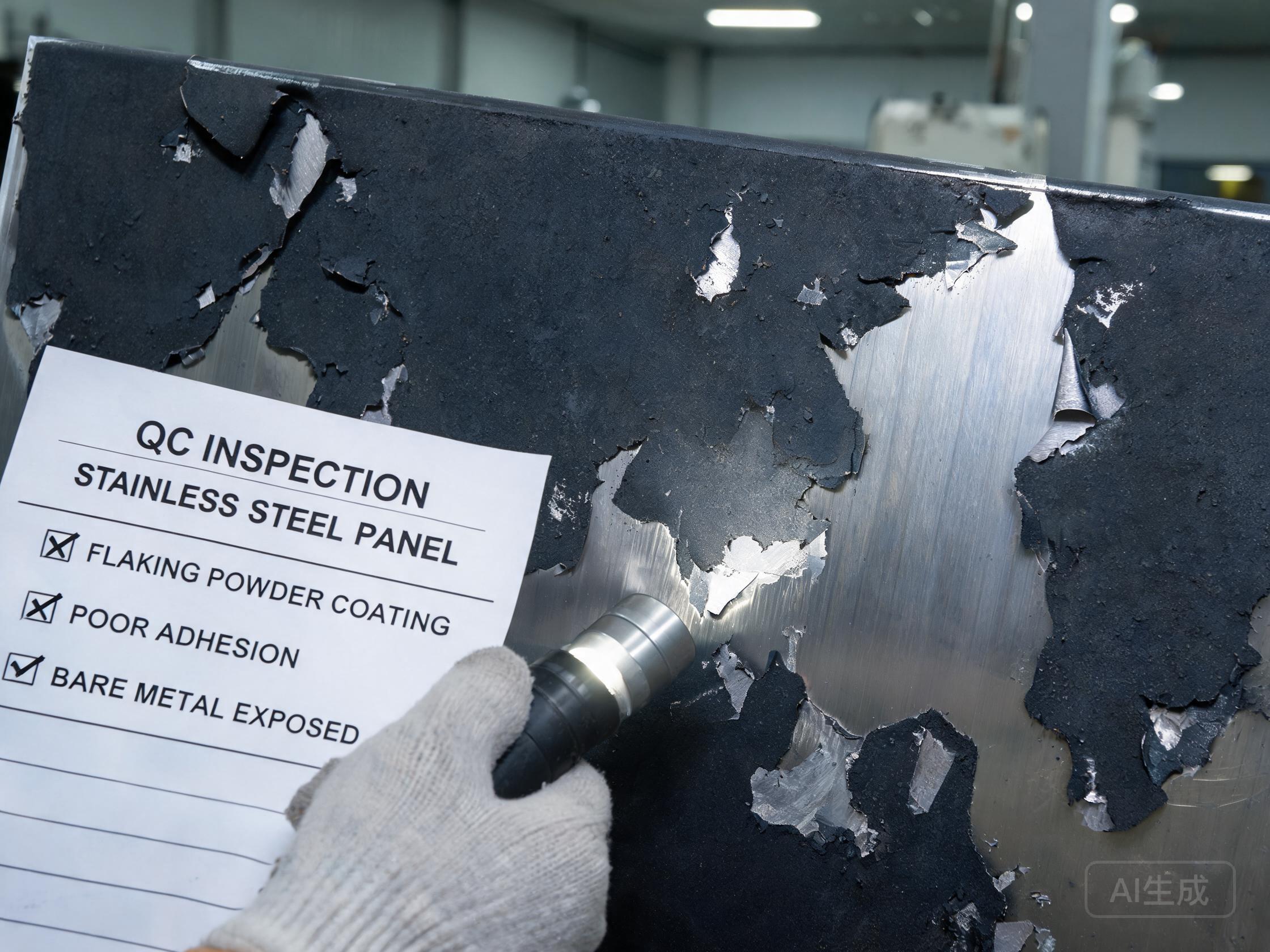
Powder coating peeling on 430 and 304 stainless is caused by missing primer, wrong Ra roughness or skipped pre-treatment. Learn the right specification here.
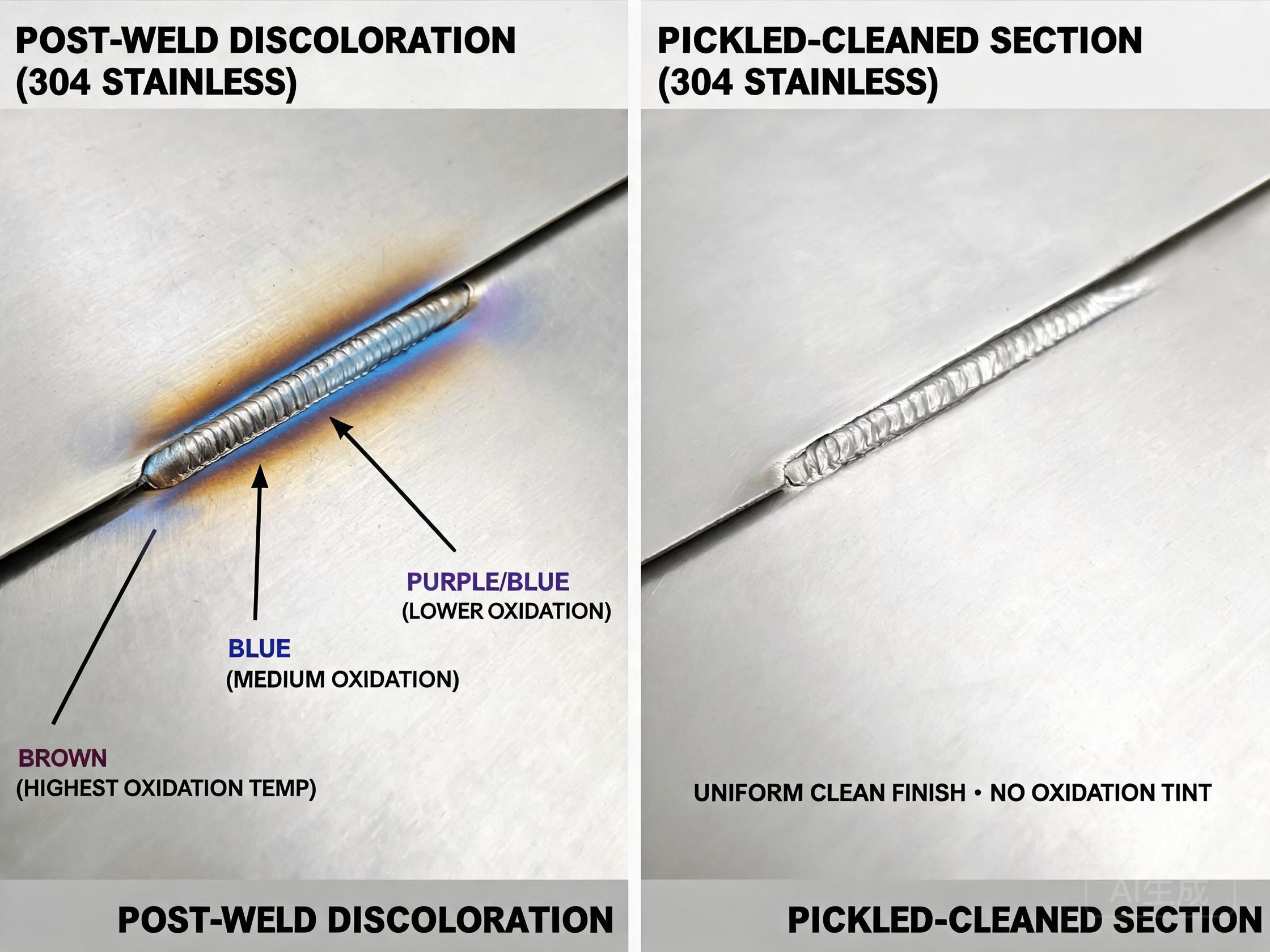
Post-weld cleaning for 304 and 316 — why heat tint and weld discoloration causes rust, pickling paste stainless steel brush and glass bead blasting procedures.
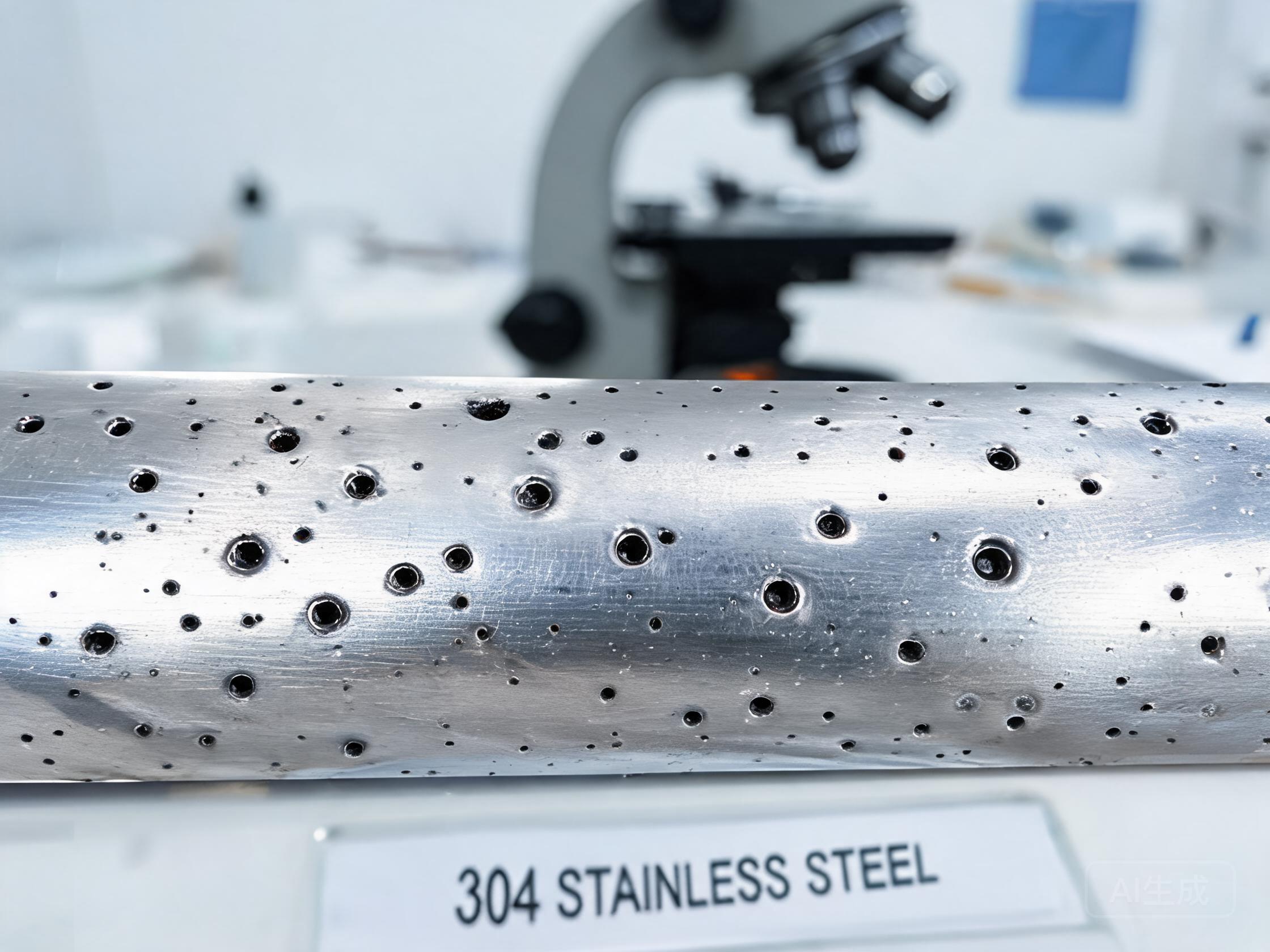
Pitting corrosion on cold rolled stainless steel: what causes it, how to calculate PREN, and why 304 fails where 316 or 2205 survives.
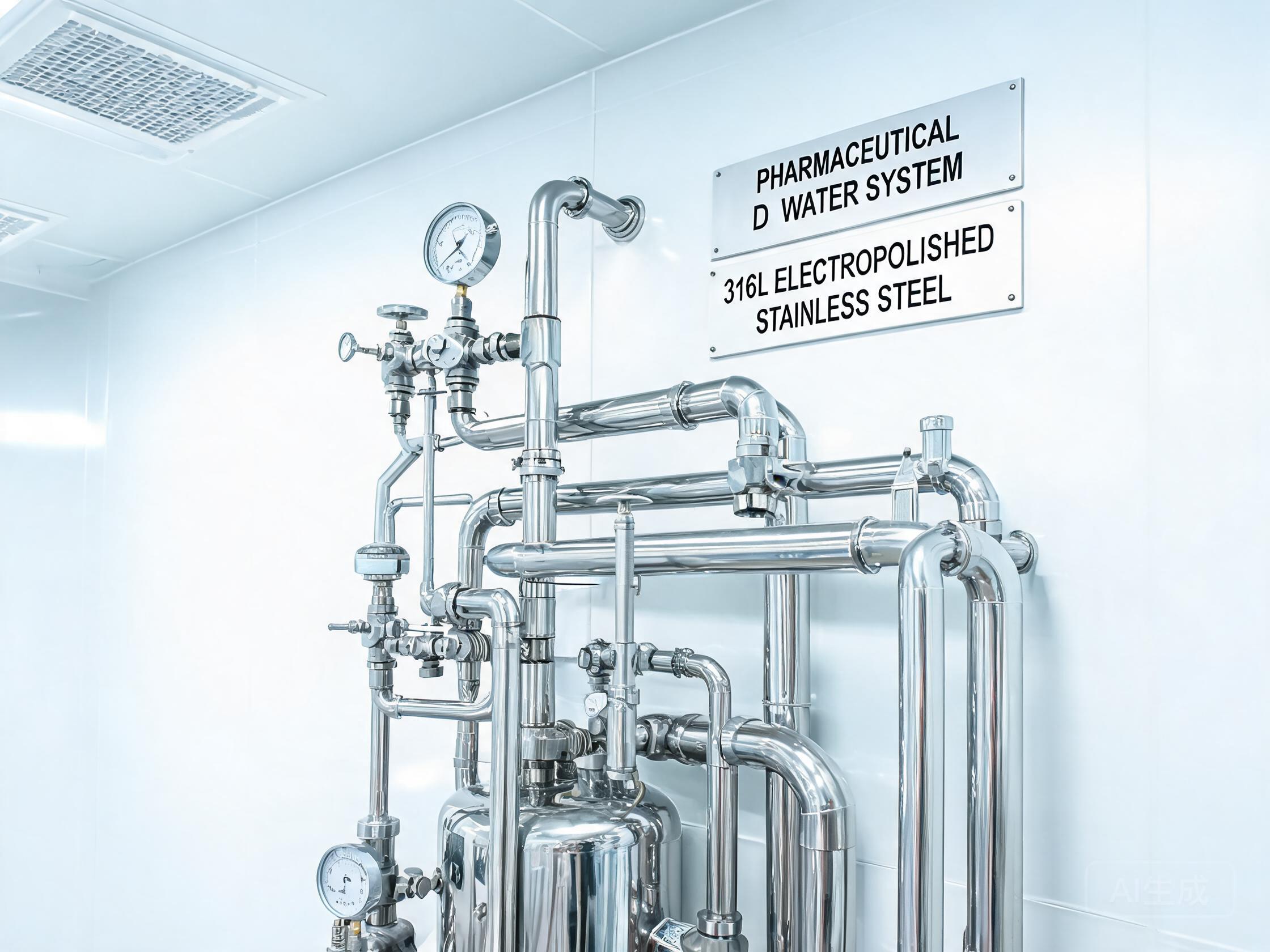
Pharmaceutical deionized (DI) water at 18.2 MΩ·cm requires 316L stainless steel only, electropolished Ra <0.4 μm, proper passivation and ASME BPE compliance. Get the cold rolled sheet spec right and your WFI system meets FDA, EMA and PIC/S audits without rework.
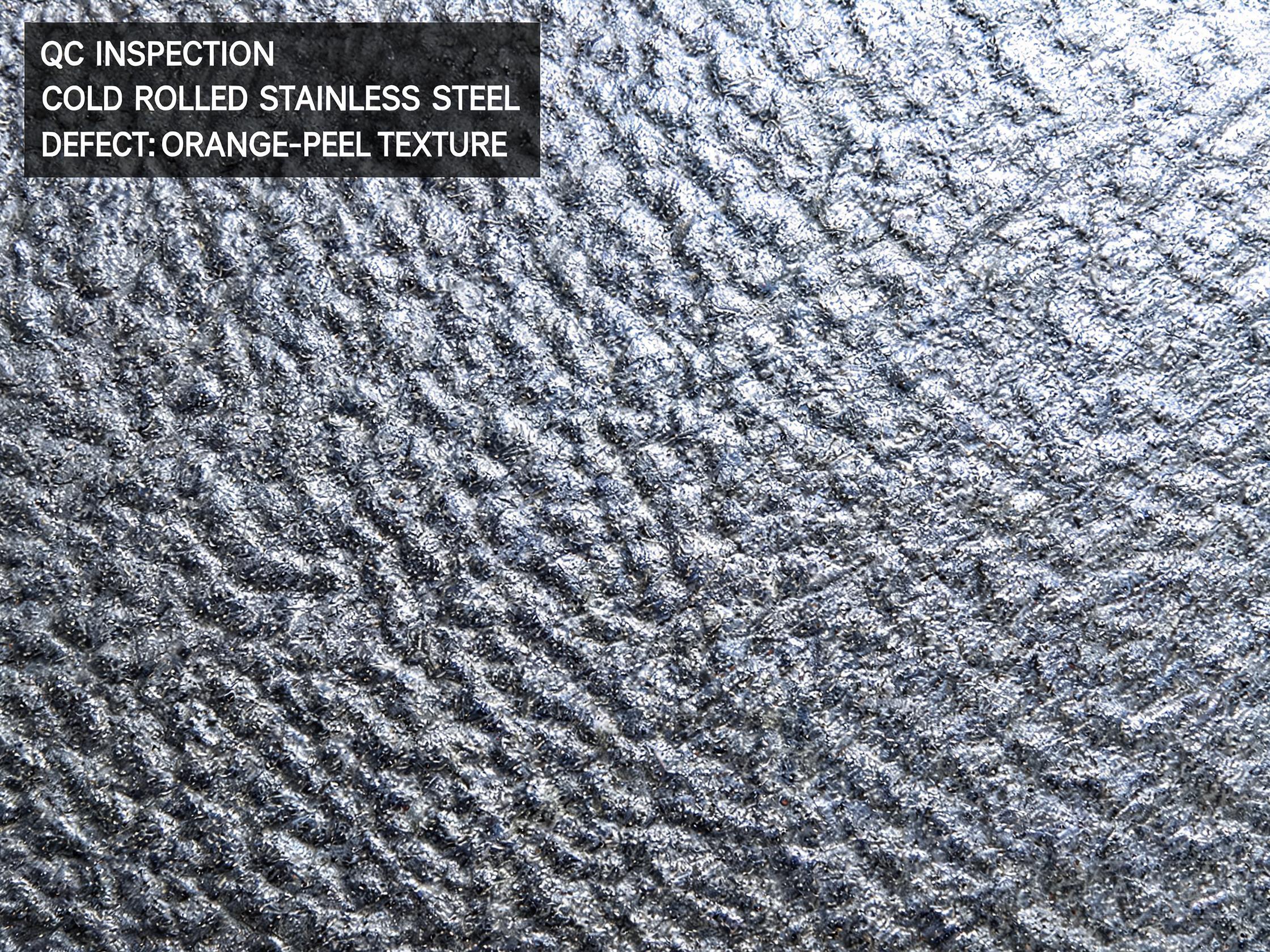
Orange peel ruins 304 deep-drawn and architectural stainless panels. Learn why grain size, surface roughness and rolling parameters cause it, and what to specify on your RFQ.
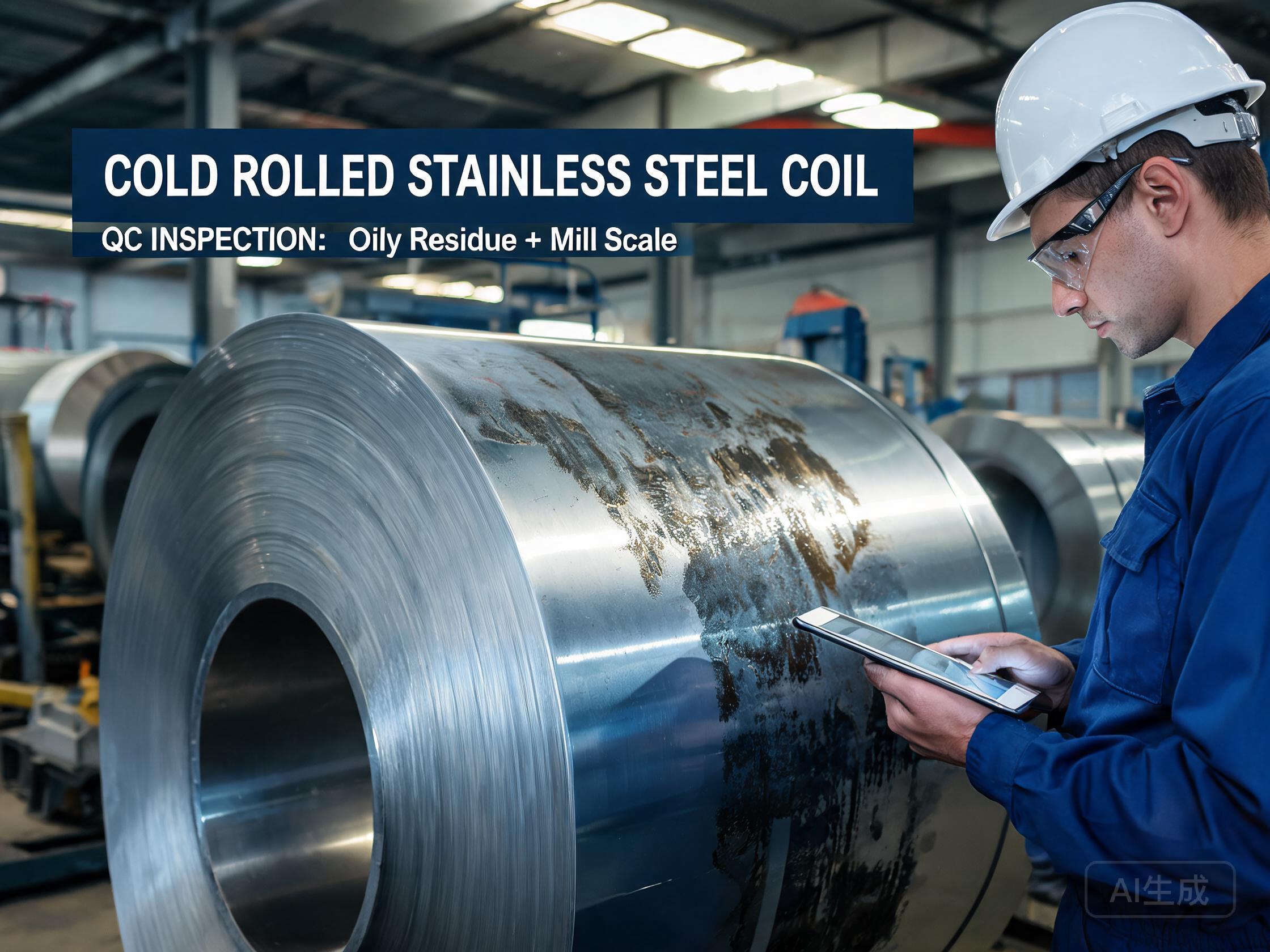
Oil residue causes poor welds, bad PVD adhesion and ugly finish on stainless parts. Learn the difference between mill rolling oil and stamping lubricant, and how to inspect and specify clean steel.
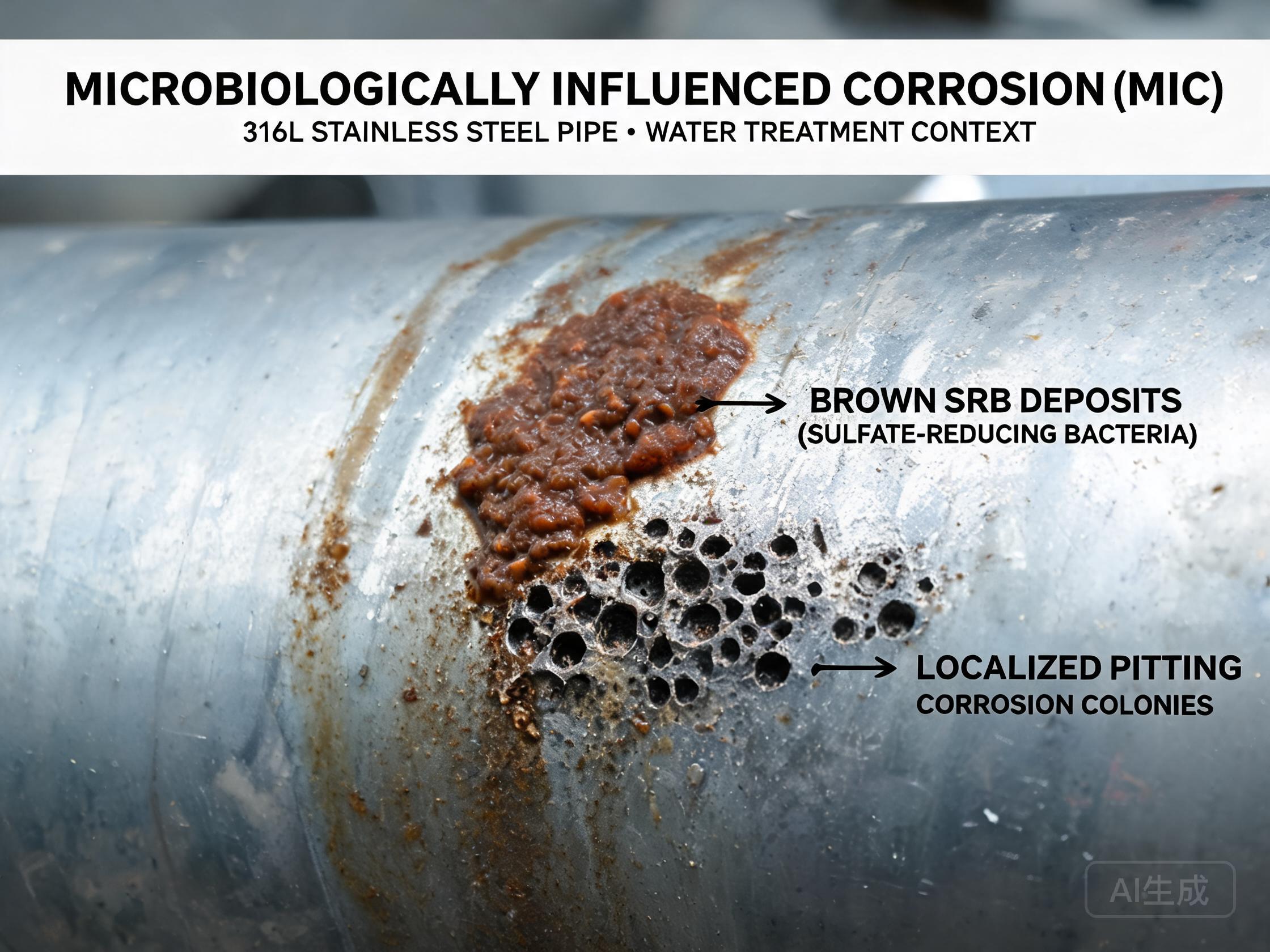
Microbiologically influenced corrosion (MIC) from sulfate-reducing bacteria on cold rolled stainless steel. Why 316L survives where 304 fails, and pasteurization frequency matters.
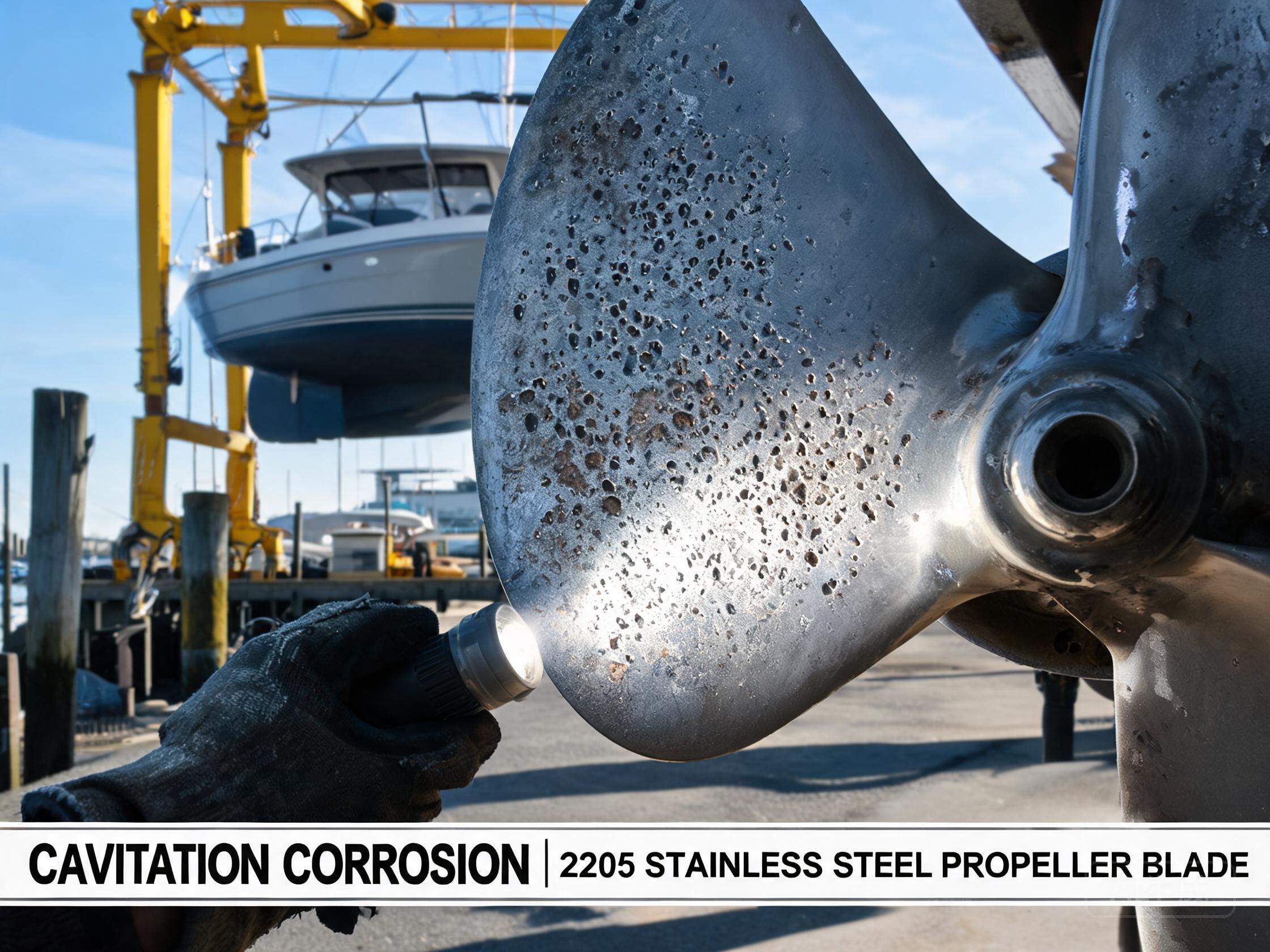
Marine propeller cavitation erodes cold rolled stainless steel in months at high vessel speeds. Compare 2205 duplex vs 316L cavitation resistance (ASTM G32), know the velocity threshold (25 m/s), and specify the grade and thickness that survive five years without repair welding.
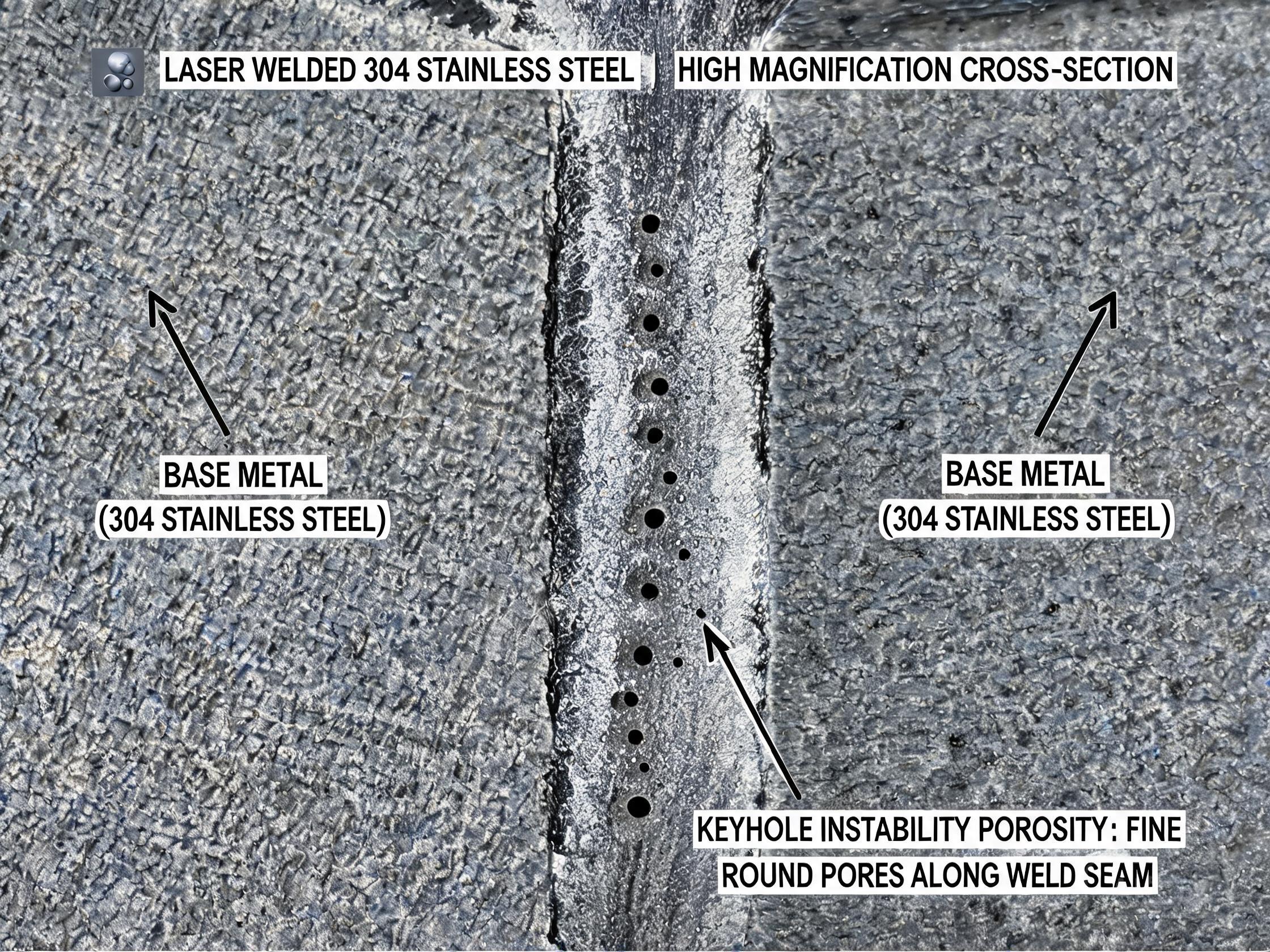
Laser welding porosity in 304 vs 316 — why keyhole collapse causes round holes, argon shielding requirements, travel speed control and the 316 nitrogen difference.
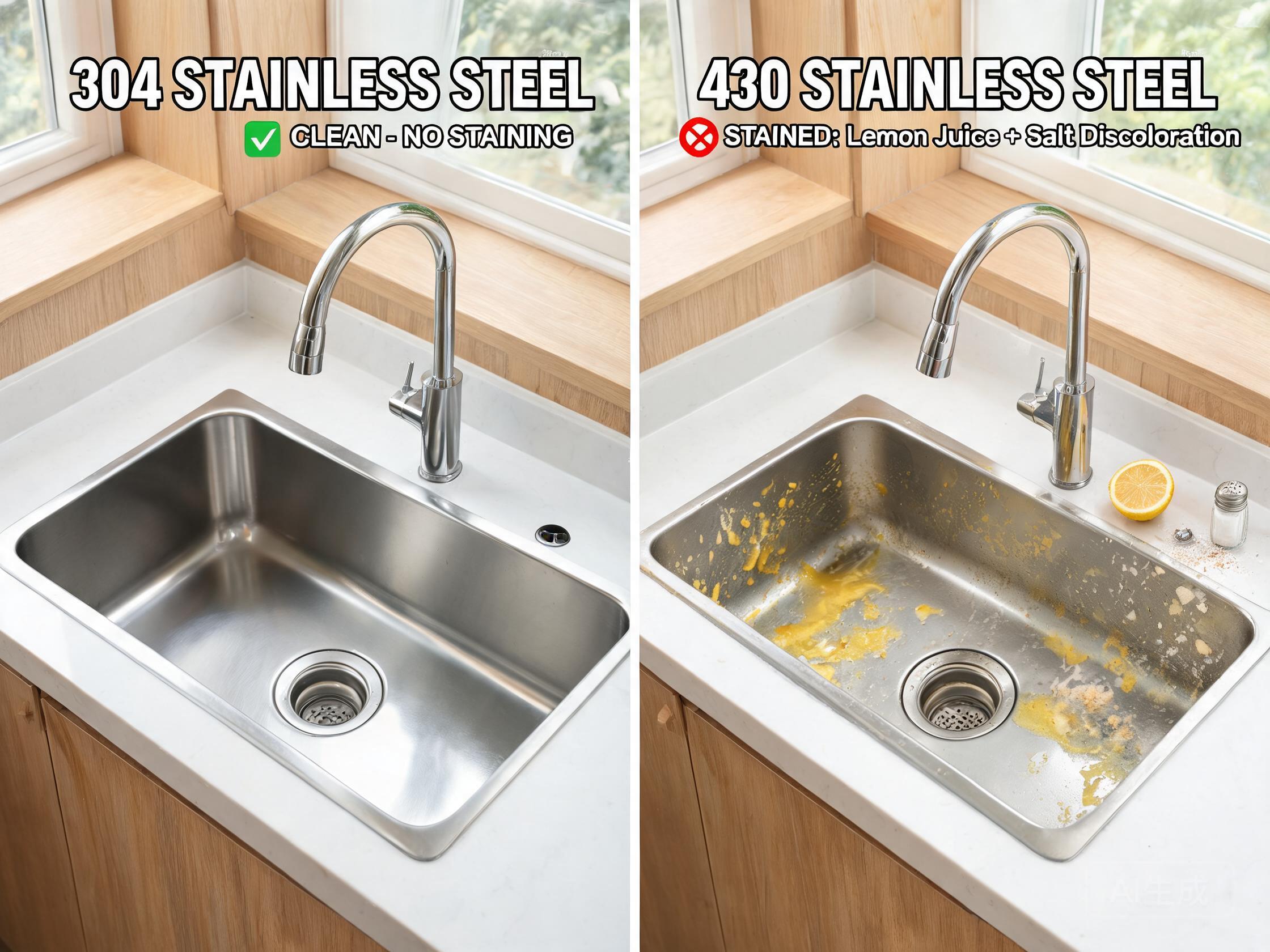
Cold rolled stainless steel kitchen sinks stain from lemon juice, salt water and coffee. Compare 304 vs 430 salt tolerance, run the 24-hour lemon juice test, and choose 8K mirror or No.4 brushed surface that survives daily use for ten years without rust spots.
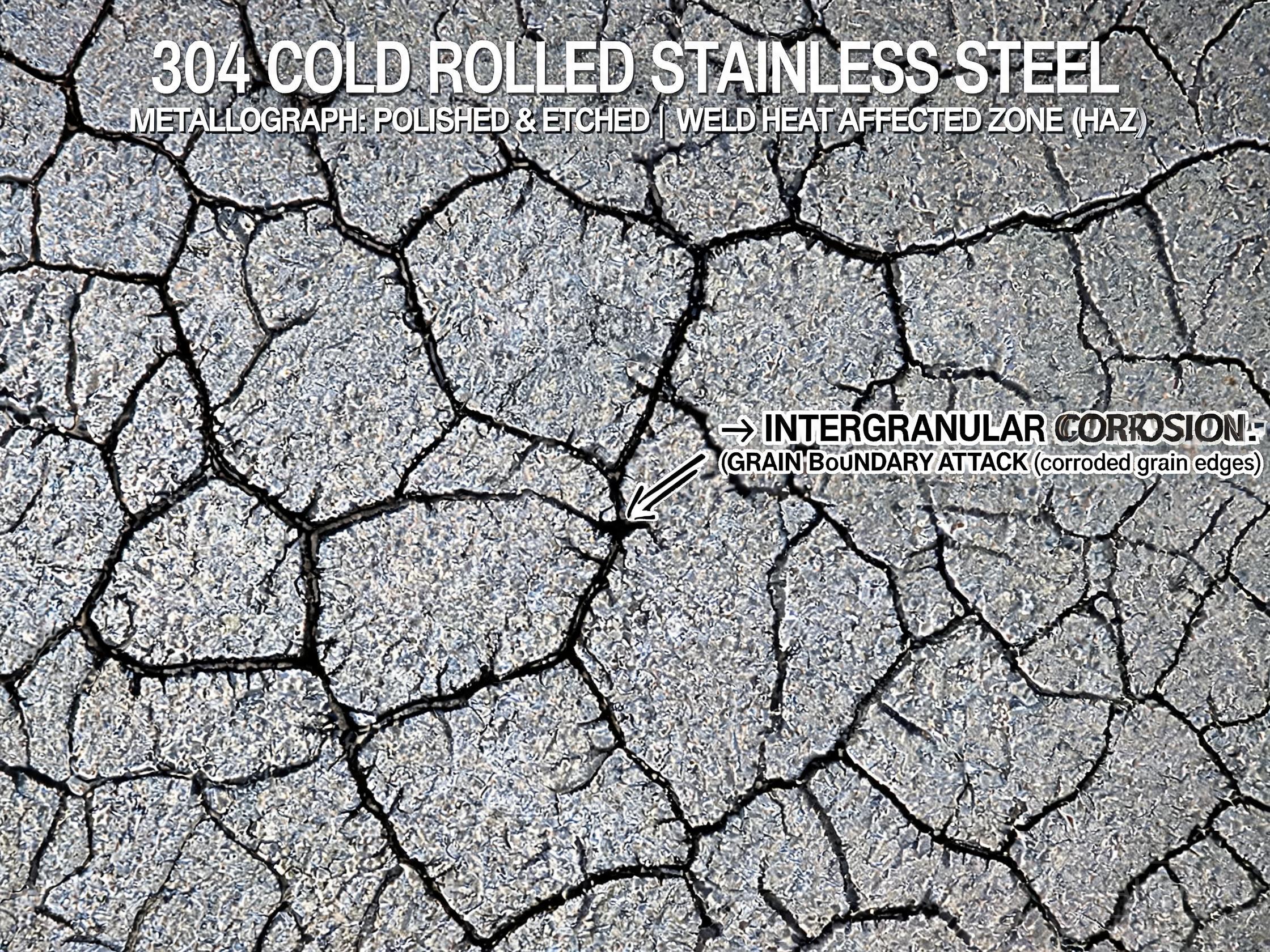
Intergranular corrosion from sensitization in cold rolled stainless steel. How Cr23C6 carbides form at 400-800°C and why 304L with low C content is the fix.
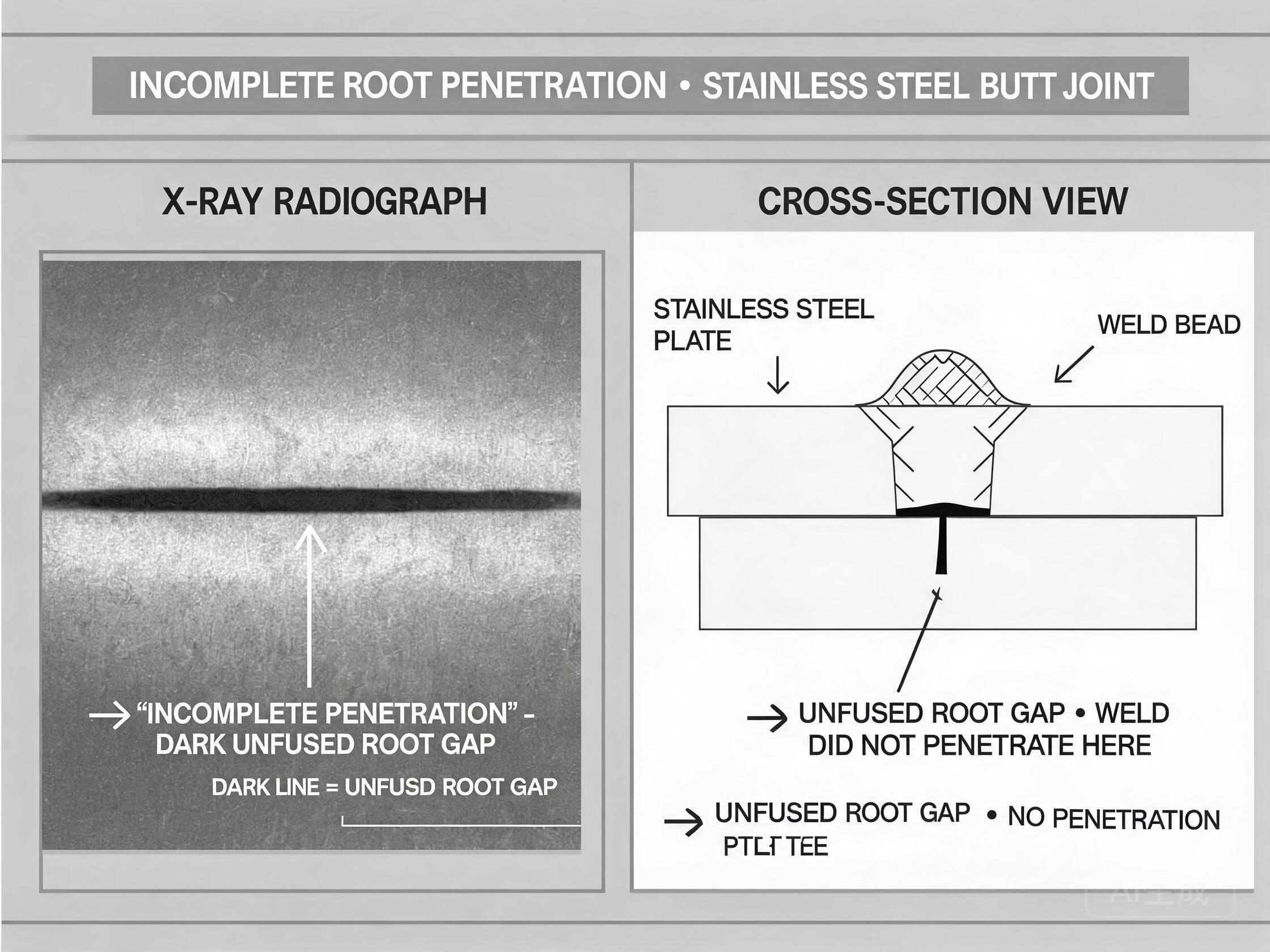
Incomplete penetration in 304 and 316 welds — why tight root gaps, no back purge or wrong joint prep cause it, and how to fix with TIG backing gas at 10 ppm O2.
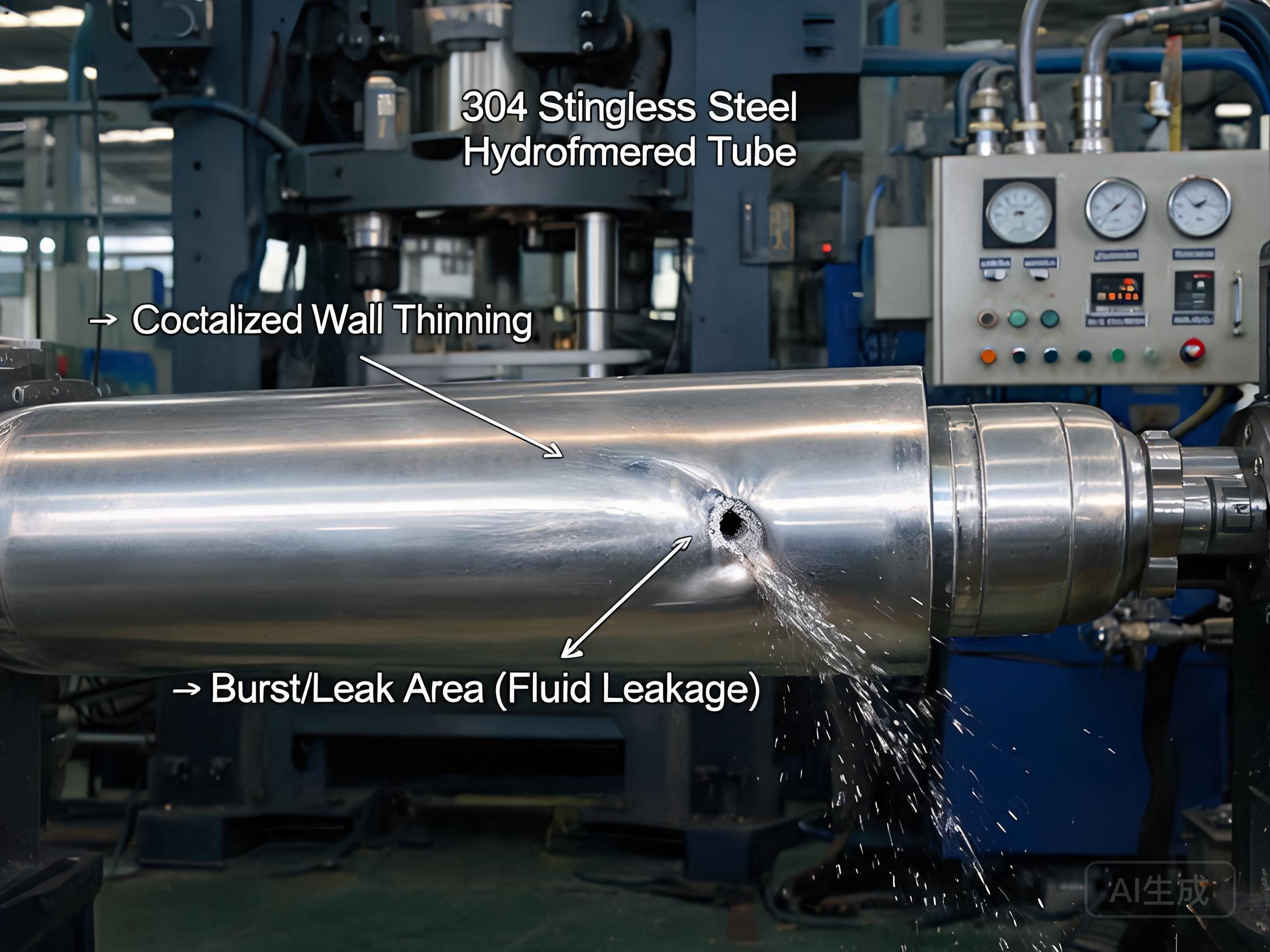
Why your hydroformed stainless steel tubes leak — wall thinning, burst pressure, 304 vs 316 comparison, and when to use high pressure vs low pressure process. Spec the right blank and test first.
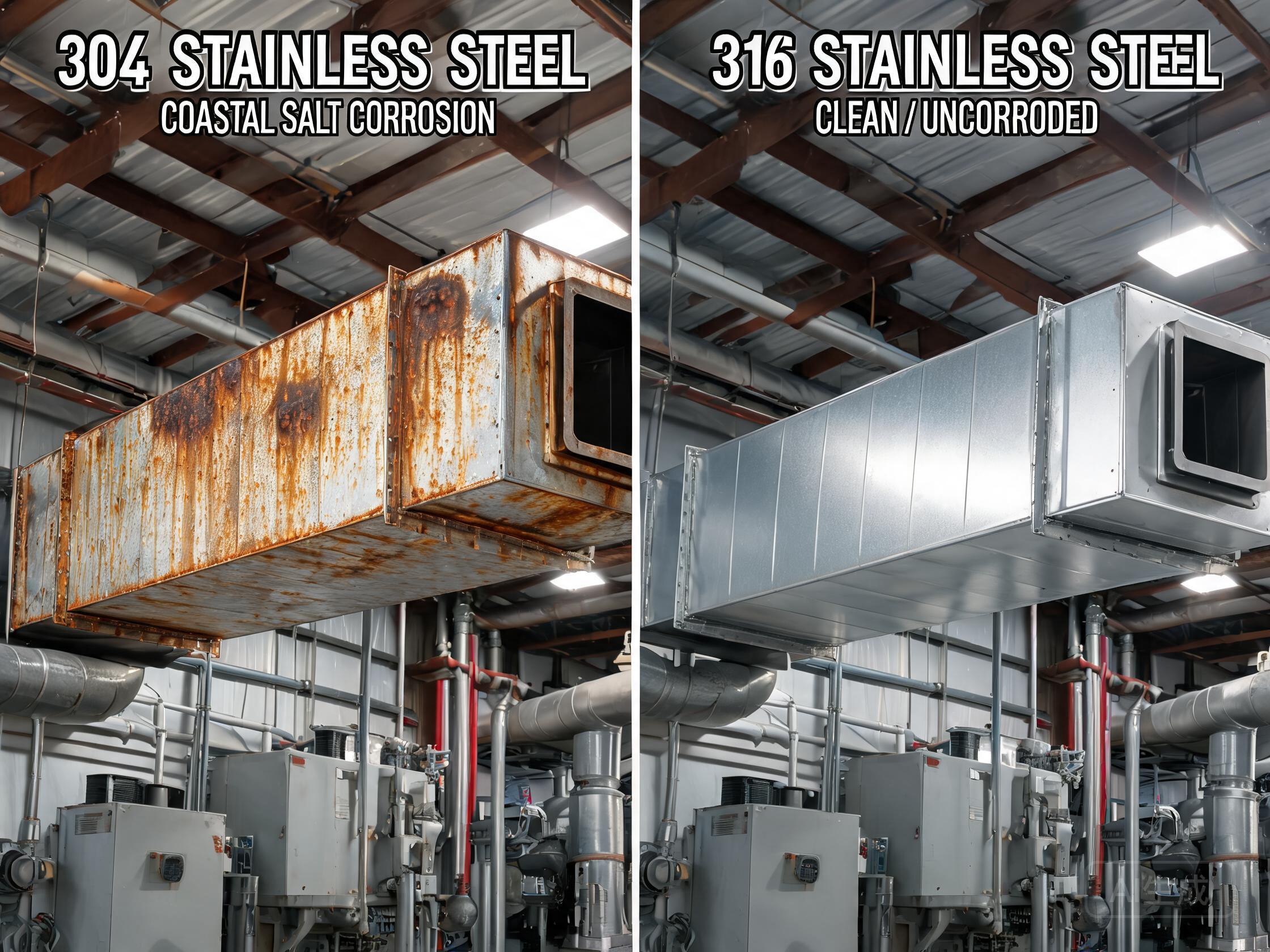
Cold rolled stainless steel HVAC ducts corrode from coastal salt spray and condensation. Compare 304 vs 316 salt tolerance, specify the right insulation and condensation control, and achieve a 10-year corrosion-free duct system that passes NFPA and ASHRAE inspection.
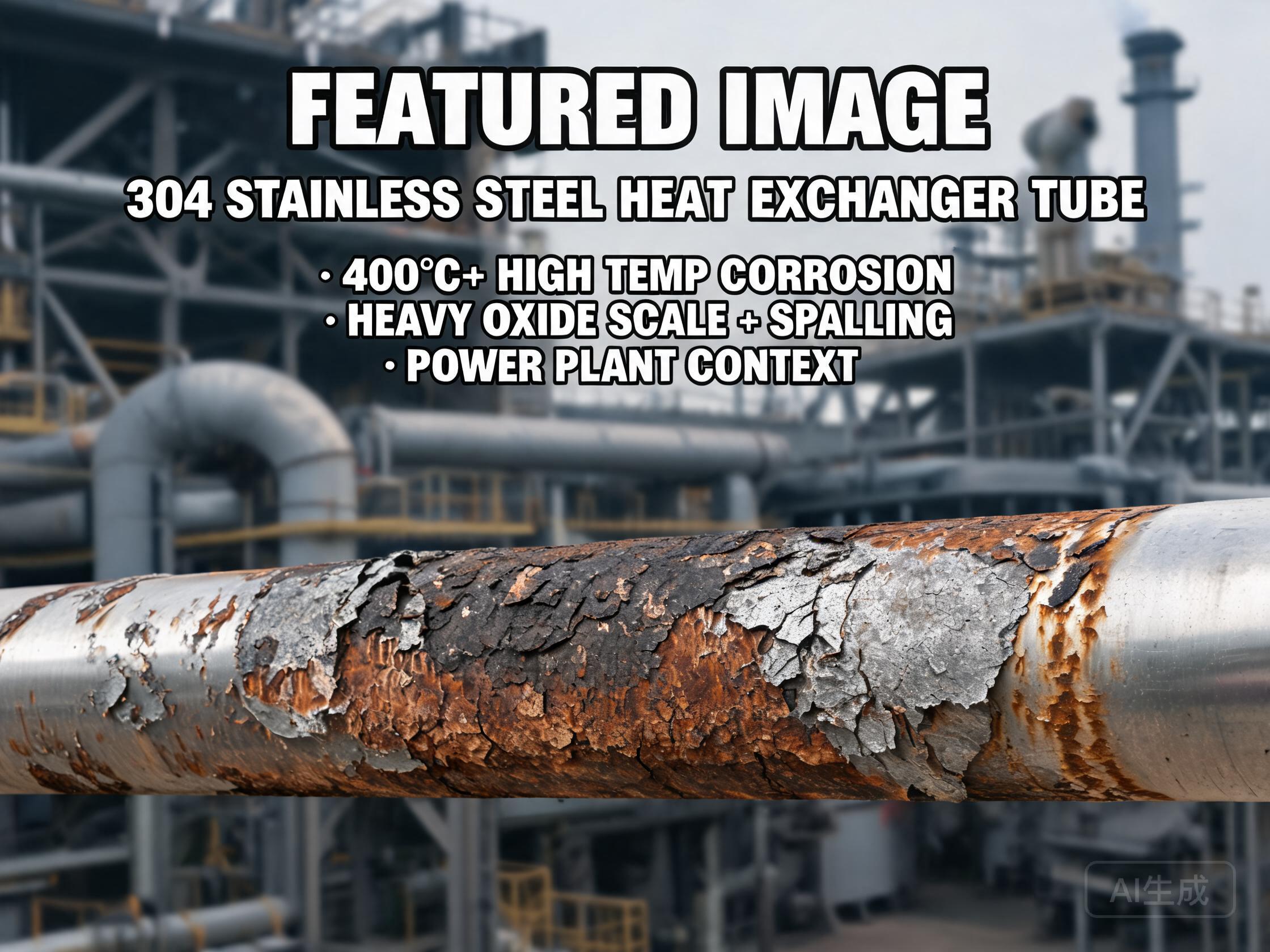
High-temperature corrosion of cold rolled 304 stainless steel at 400-600 °C. Why 310S is the preferred fireproofing and flue gas grade, and what happens when chlorides are present.
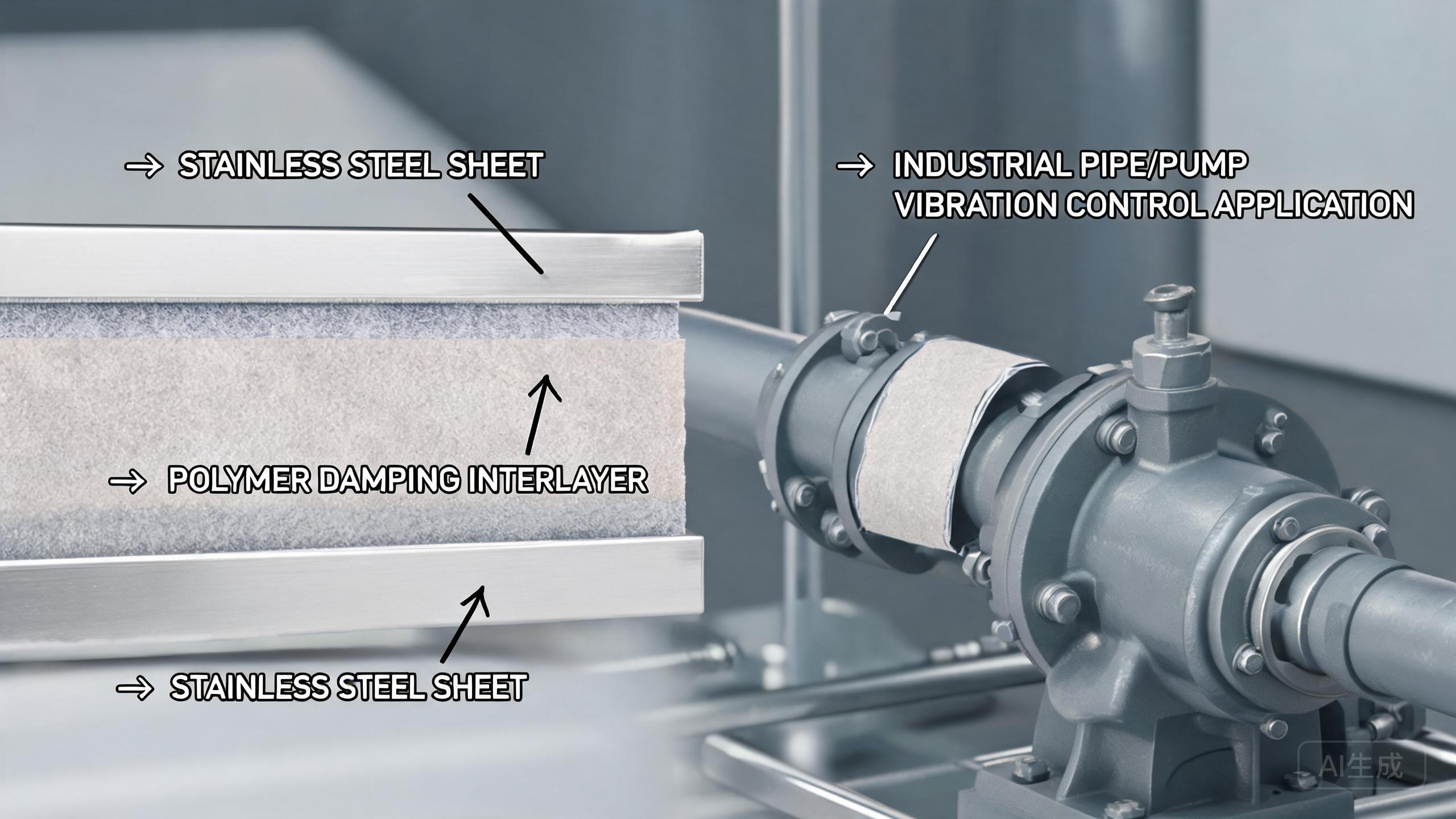
Vibration-damping stainless — 0Cr18Cu vs CLD. Damping coefficient table, compressor housing, ship deck, noise reduction.
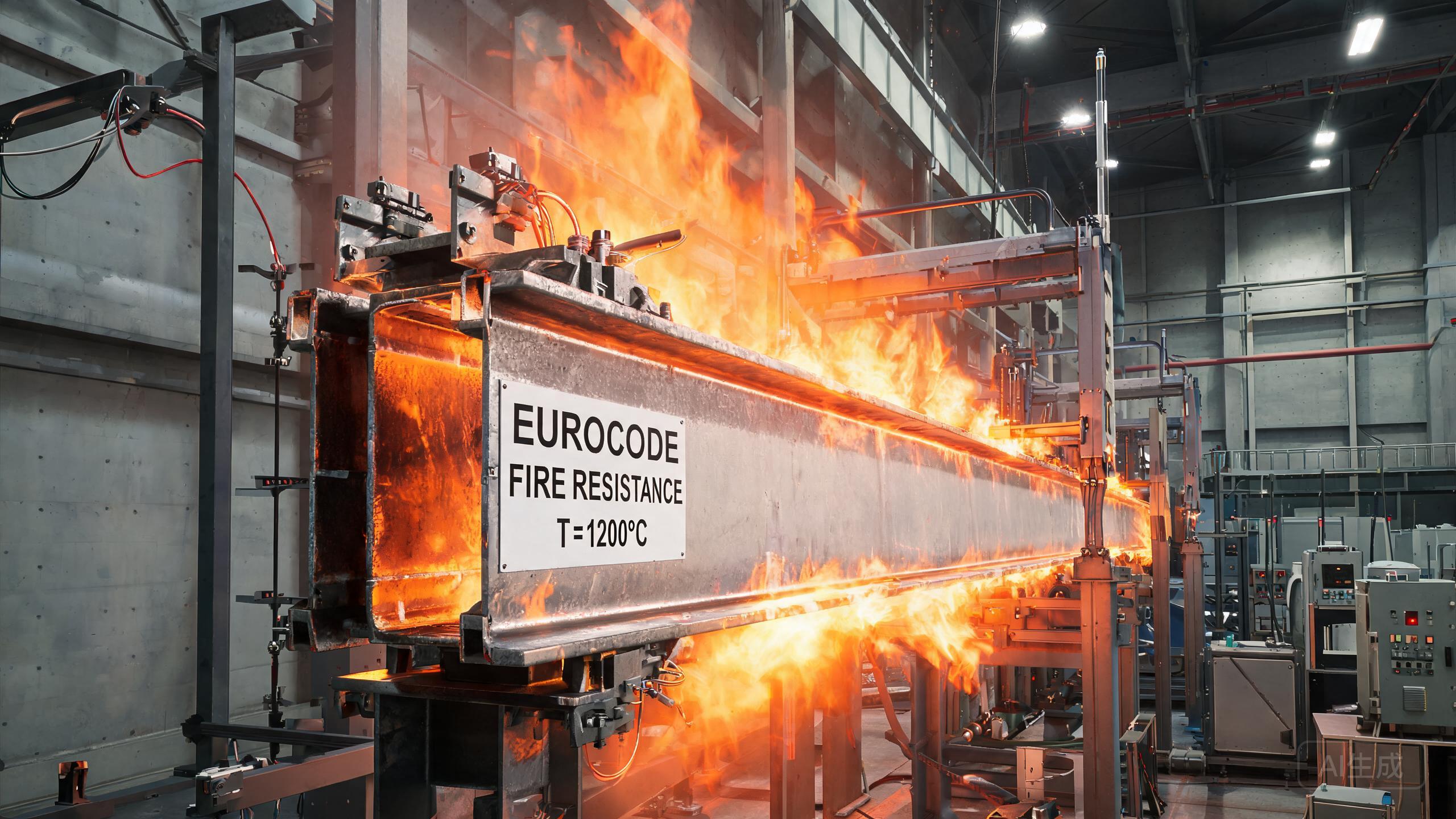
Structural stainless fire resistance per Eurocode 3 Part 1.2 — 304 retains 50% strength at ~800°C vs carbon steel ~550°C.
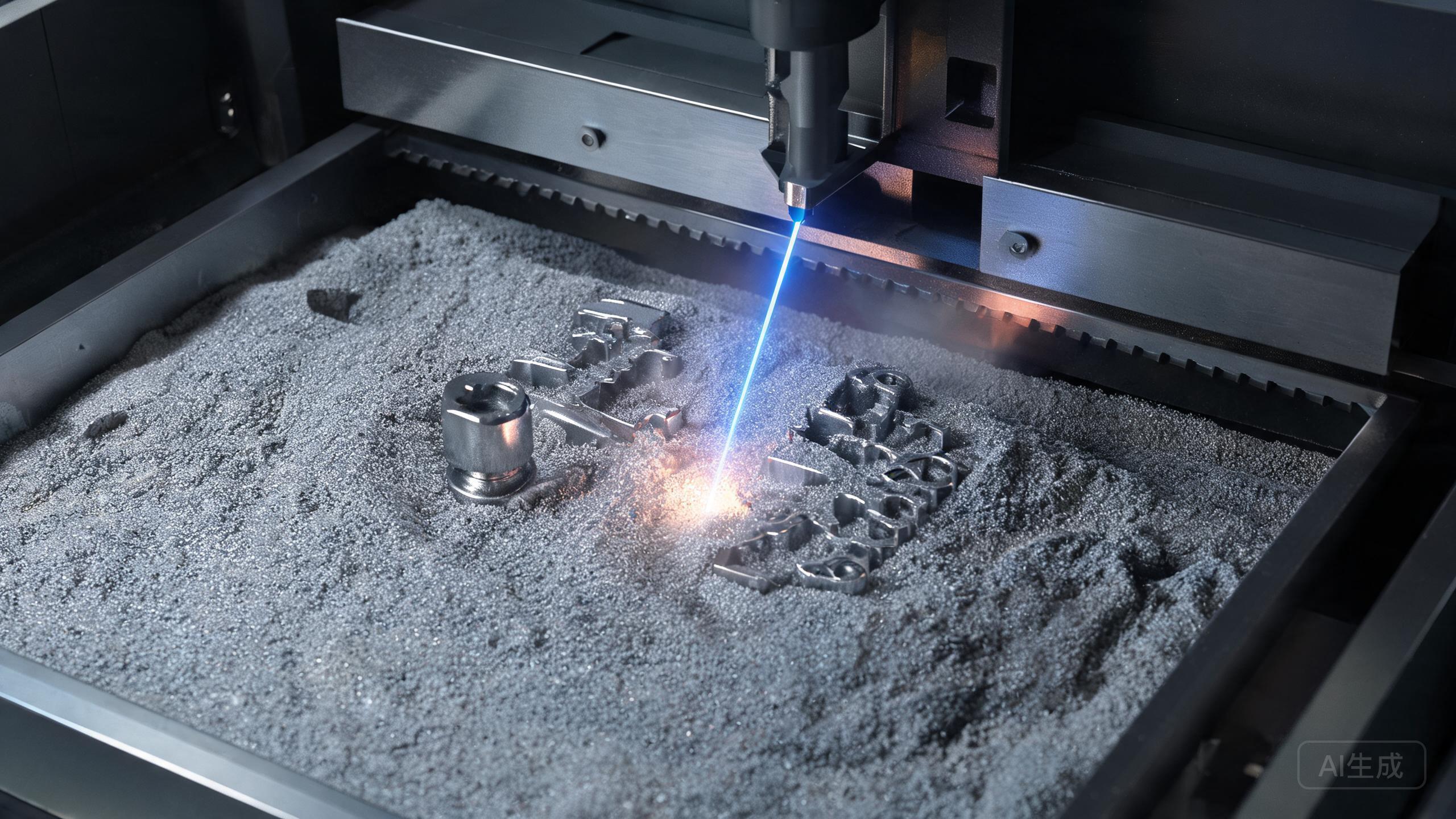
Stainless powder for LPBF additive manufacturing — 316L, 17-4PH, Invar 36. Powder D50 15-45μm, HIP post-processing.
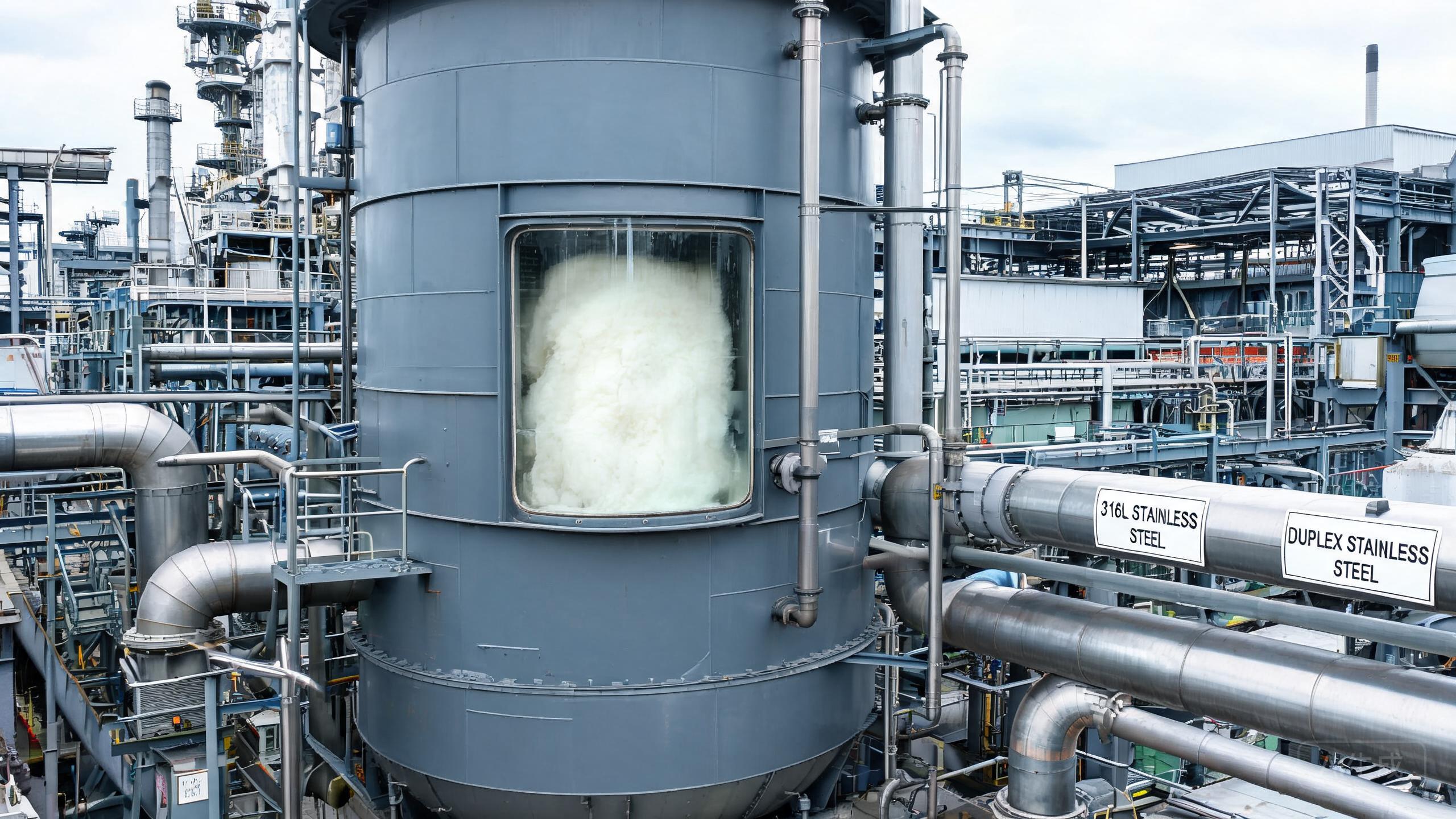
Stainless for pulp bleaching — 2205 for ClO₂, 904L for ozone, 254 SMO for hot caustic. Why 316L fails in ECF processes.
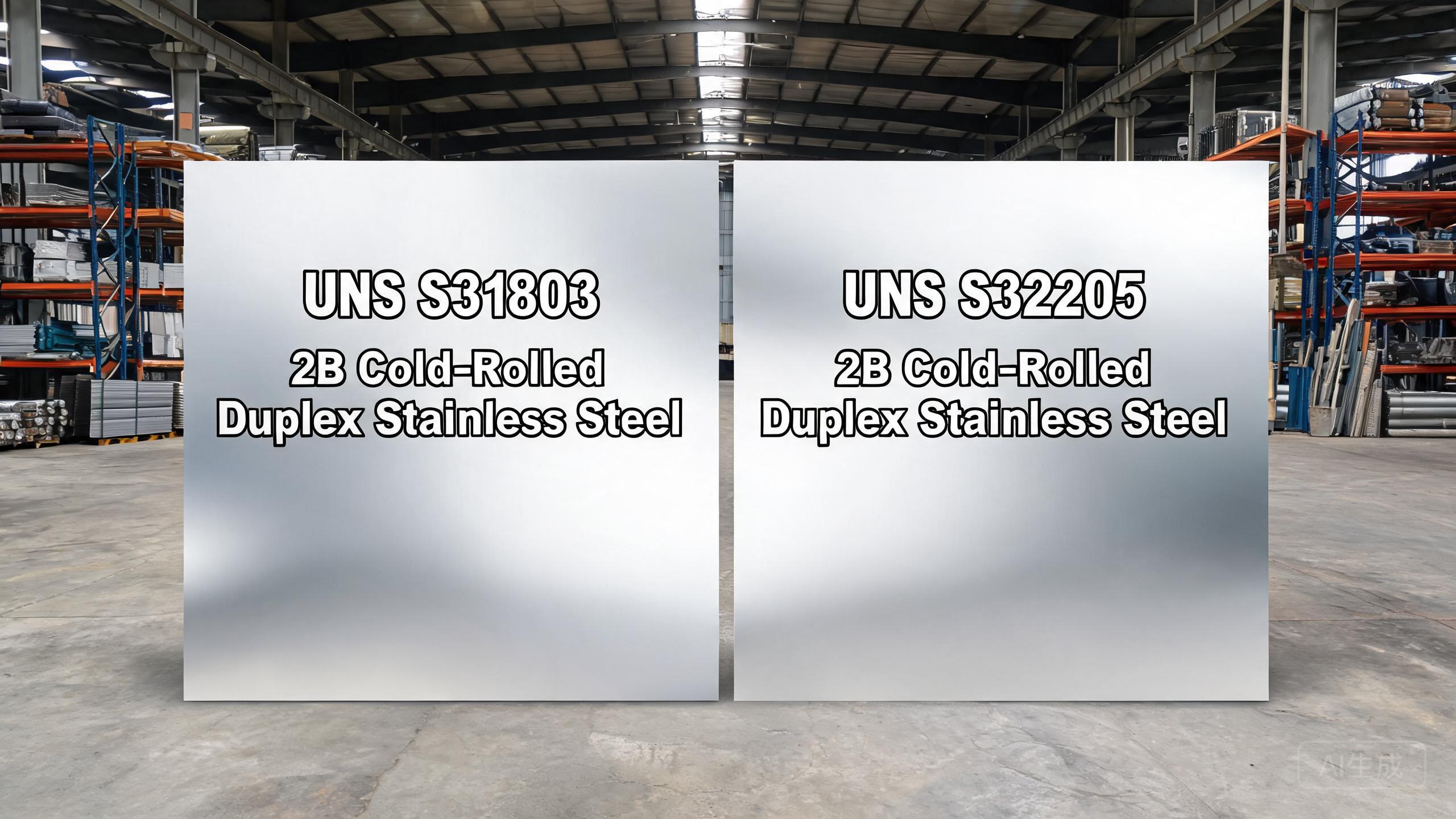
S31803 (obsolete pre-2002) vs S32205 (current ASTM A240). Mo and Cr chemistry differences, CPT pitting temperature.
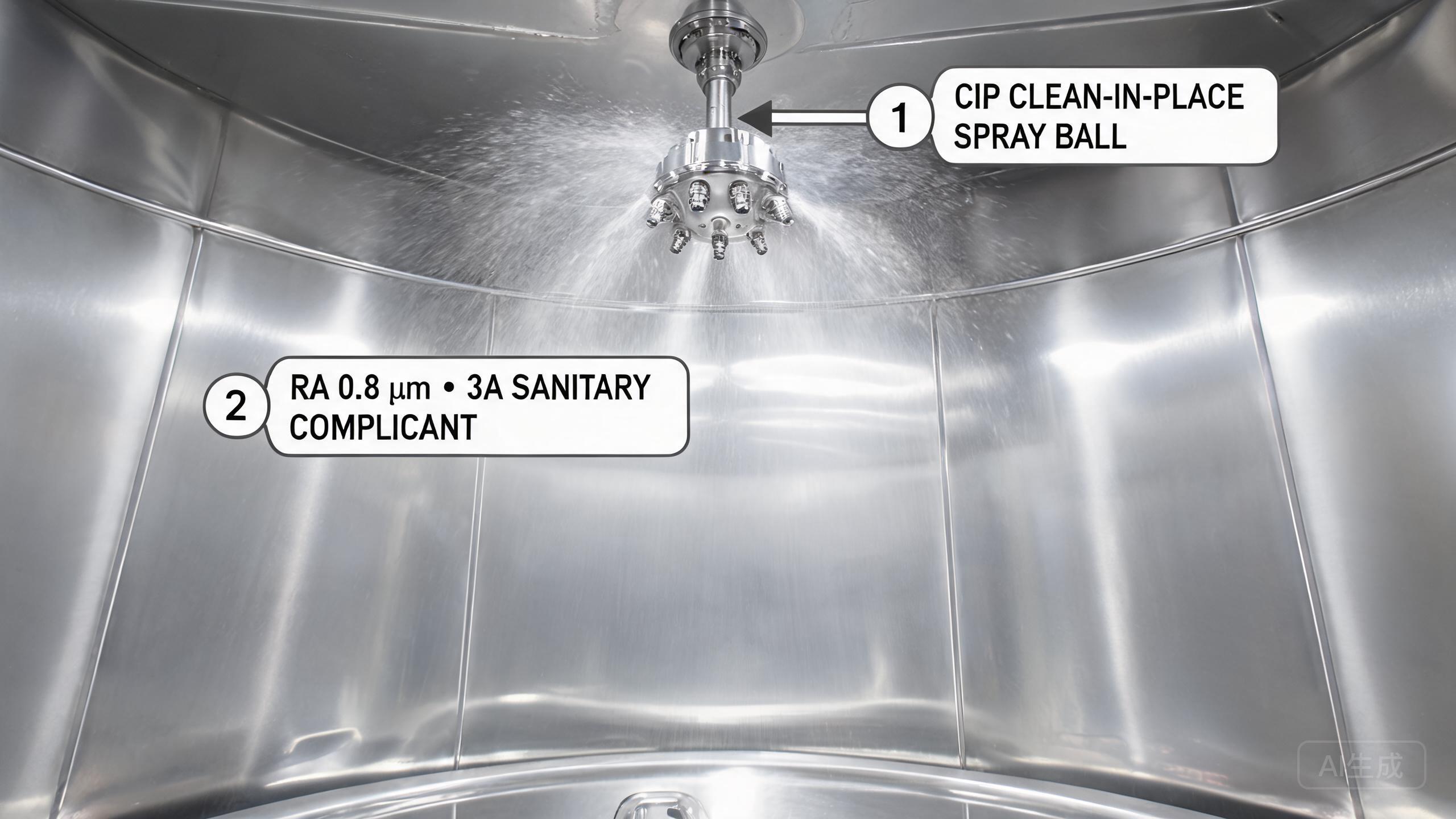
CIP food processing — Ra ≤0.4μm dairy, ≤0.8μm meat. Electropolish vs mechanical, 3-A Sanitary Standards, 304 vs 316L.
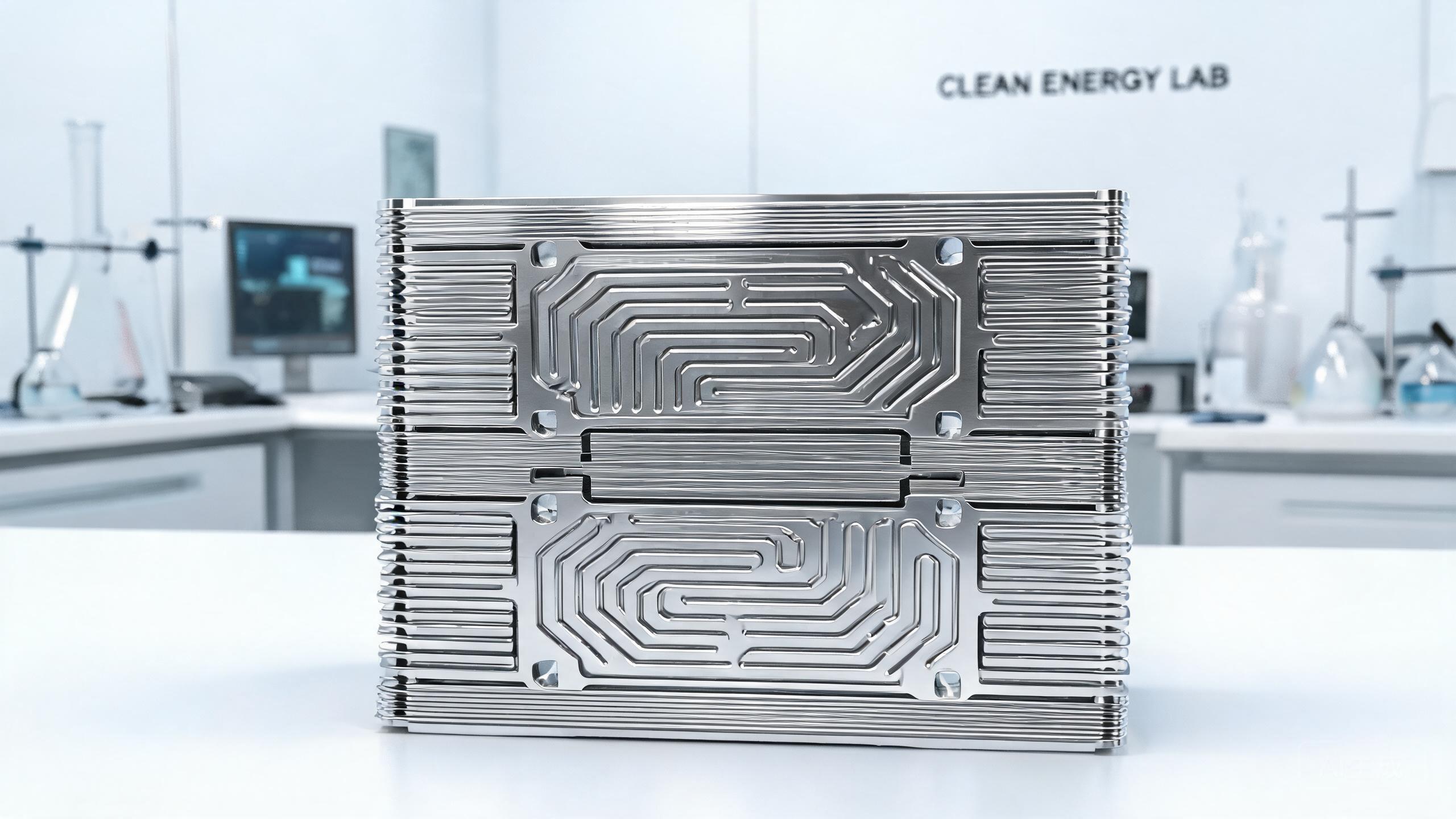
Stainless bipolar plates for PEM fuel cells — 316L with PVD coating, contact resistance <10 mΩ·cm², stamping thickness.
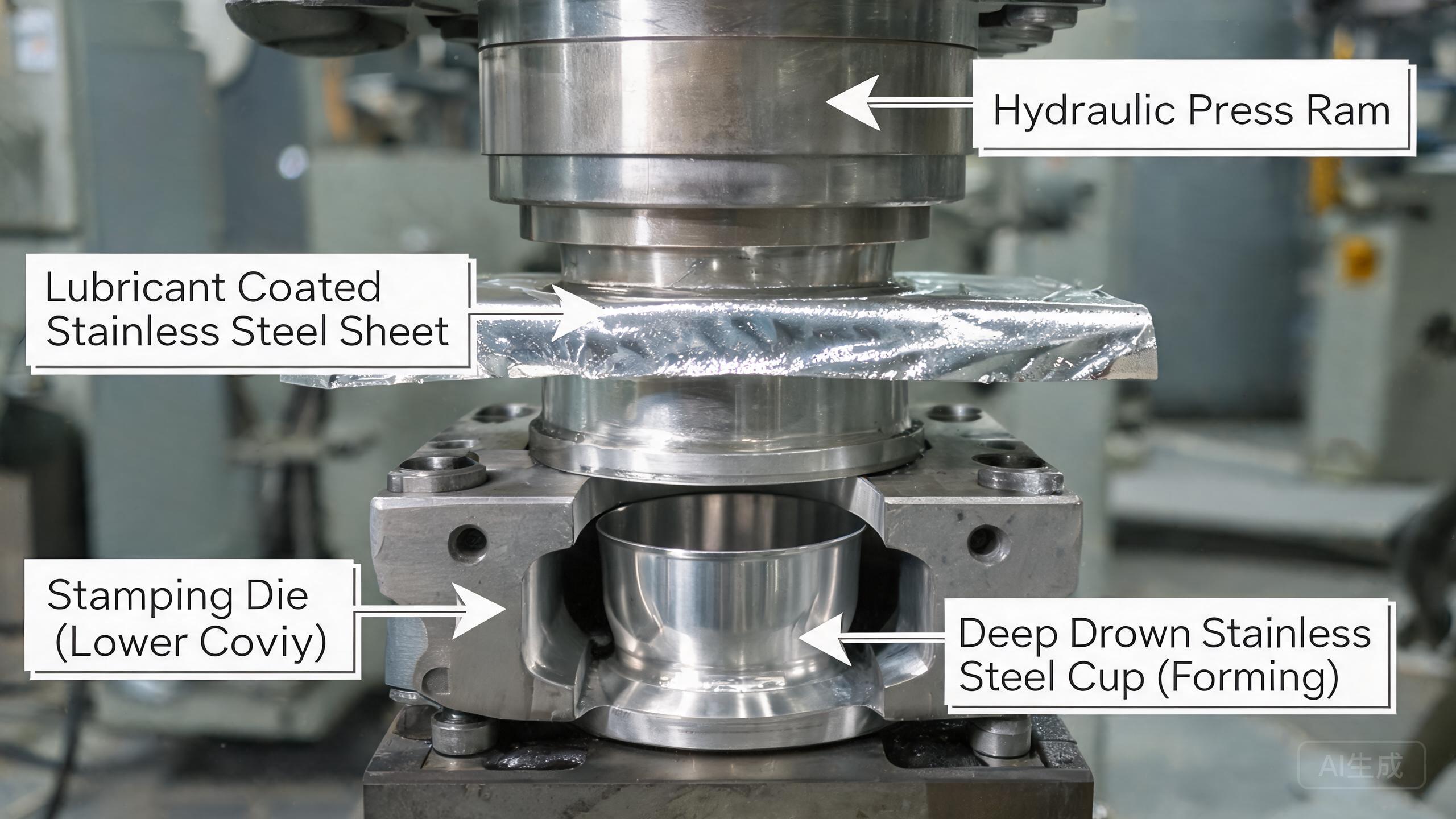
Deep drawing lubrication guide — oil-based, phosphate coating, solid lubricants. Why 304 fails when lubrication is skipped.

Stainless selection for EV chargers — 304L for standard outdoor, 316L for coastal/marine. Weather resistance, thickness, finishes.
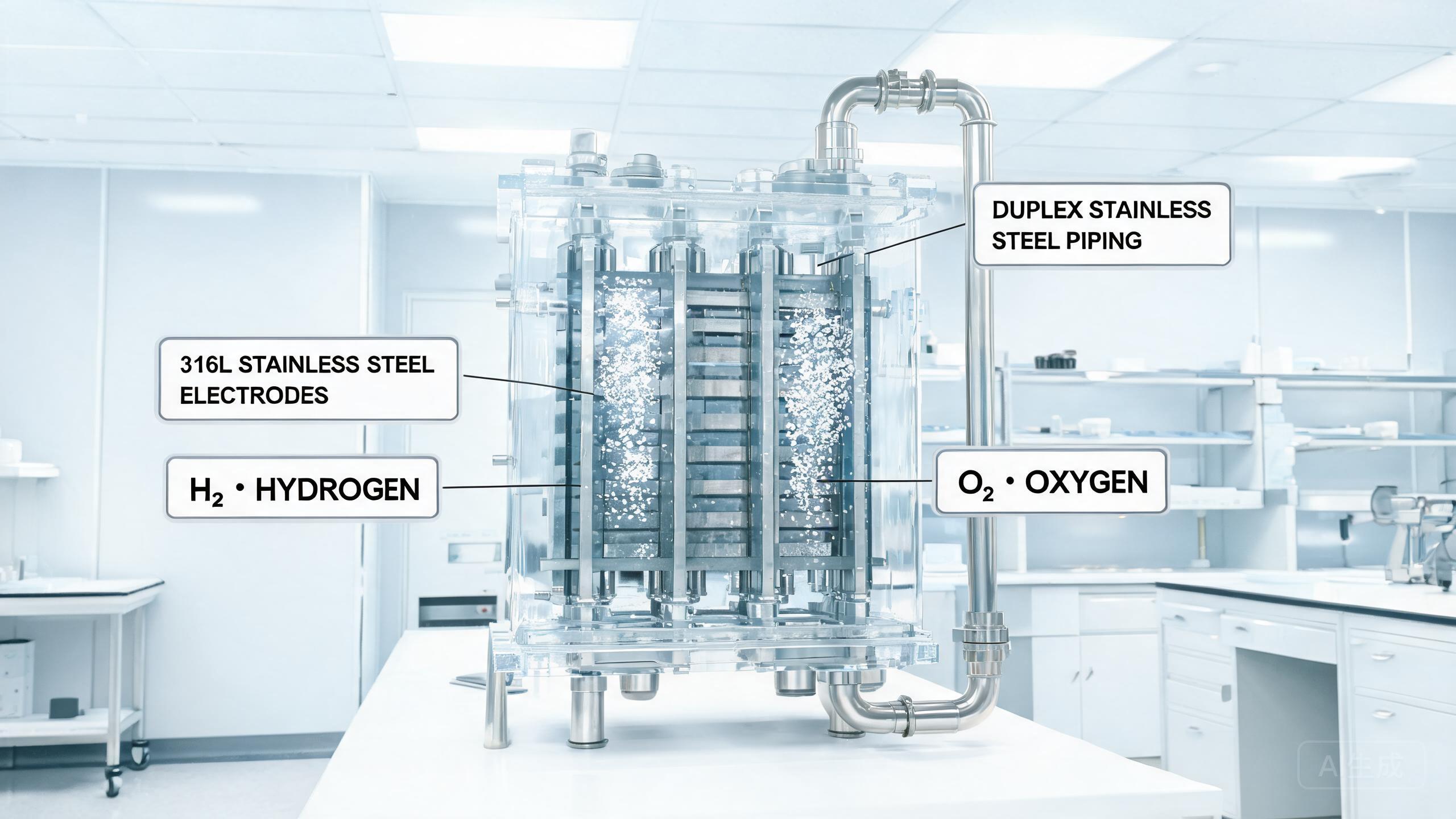
Stainless for AWE electrolyzers — 316L cathode, 2205 cell frames, 304 tanks. Corrosion in 30% KOH at 80°C, nickel plating.
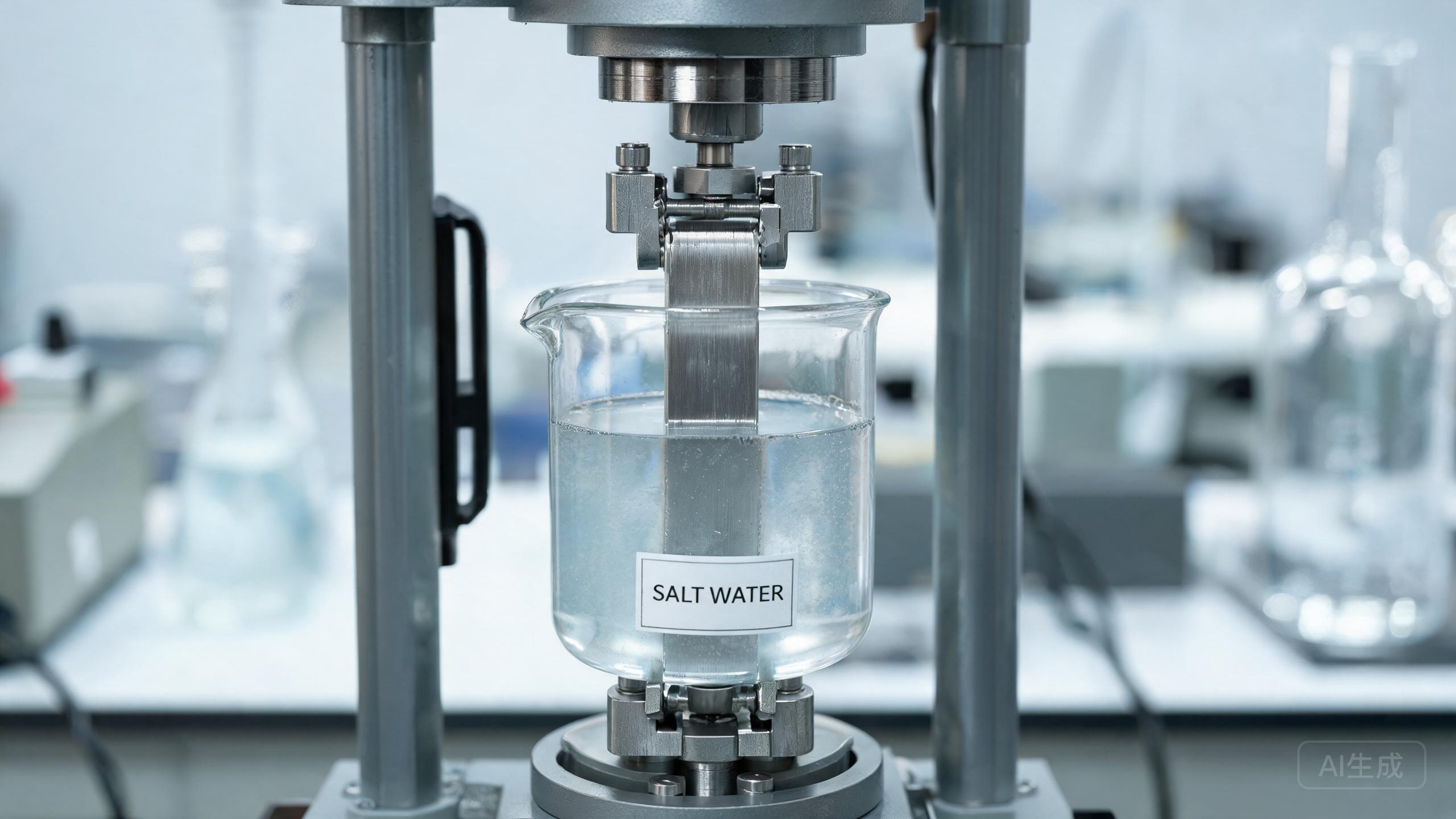
Corrosion fatigue testing — duplex 2205 outperforms 304 by 5-10x in chloride environments. ASTM E466 / NACE TM0177.
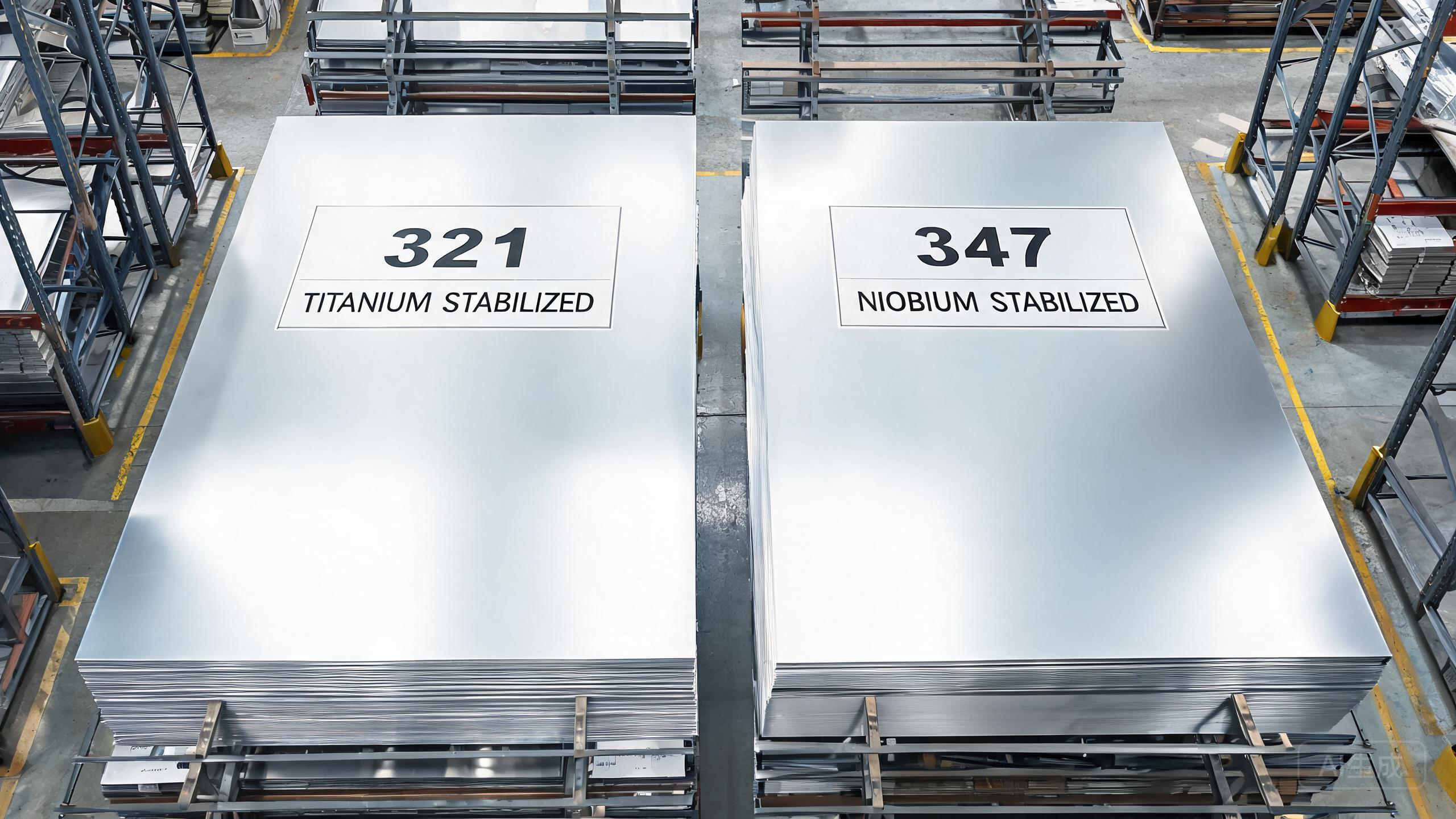
321 Ti-stabilized vs 347 Nb+Ta-stabilized austenitic. 321 up to 870°C intermittent, 347 up to 850°C continuous. ASME BPVC.
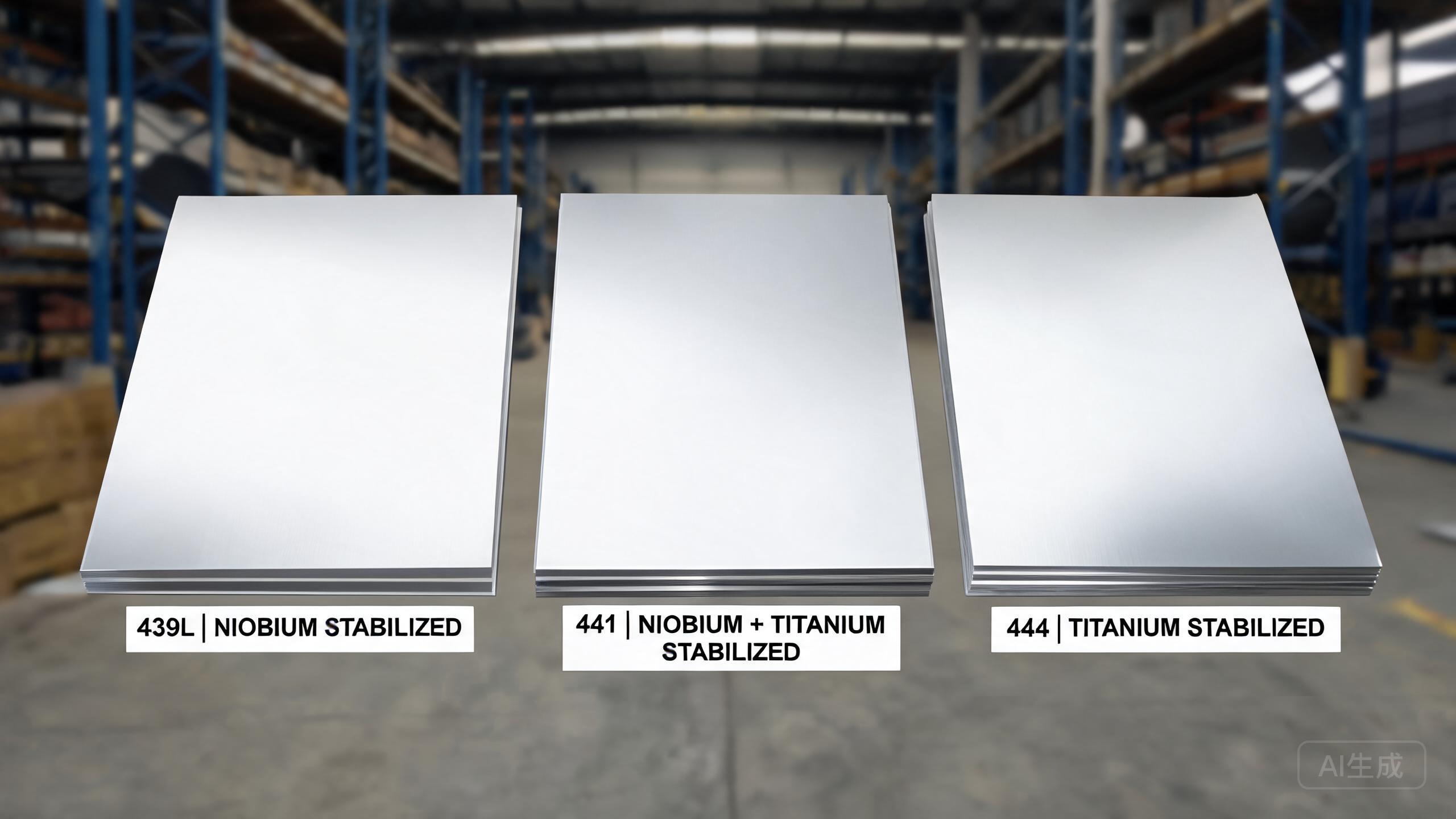
Stabilized ferritic grades for automotive exhaust — 439L Ti-stabilized, 441 Nb-stabilized, 444 with 2% Mo for coastal salt.
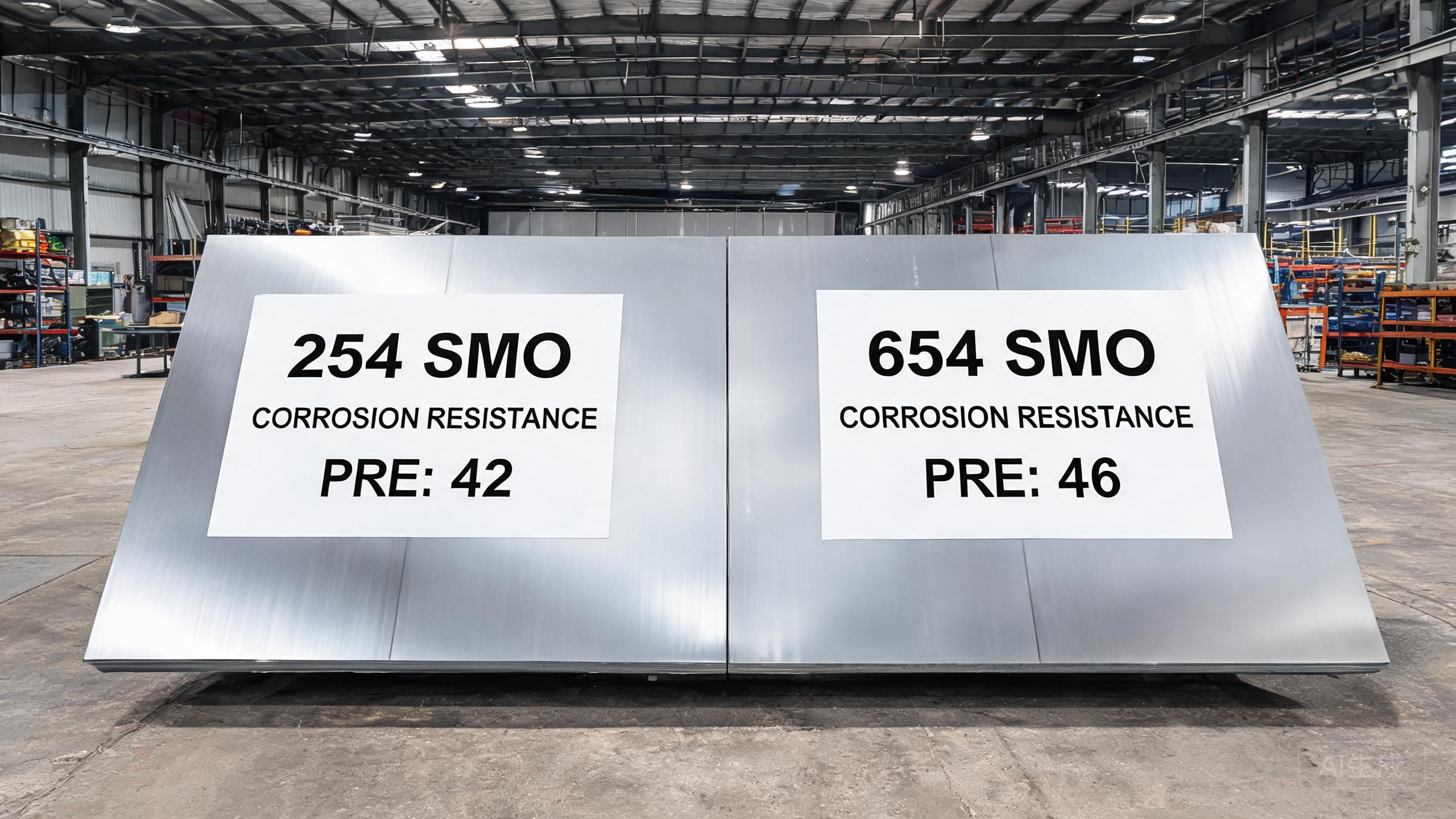
254 SMO (PREN 40) vs 654 SMO (PREN 45). 654 SMO for hot concentrated phosphoric acid. Price premium 20-30%.
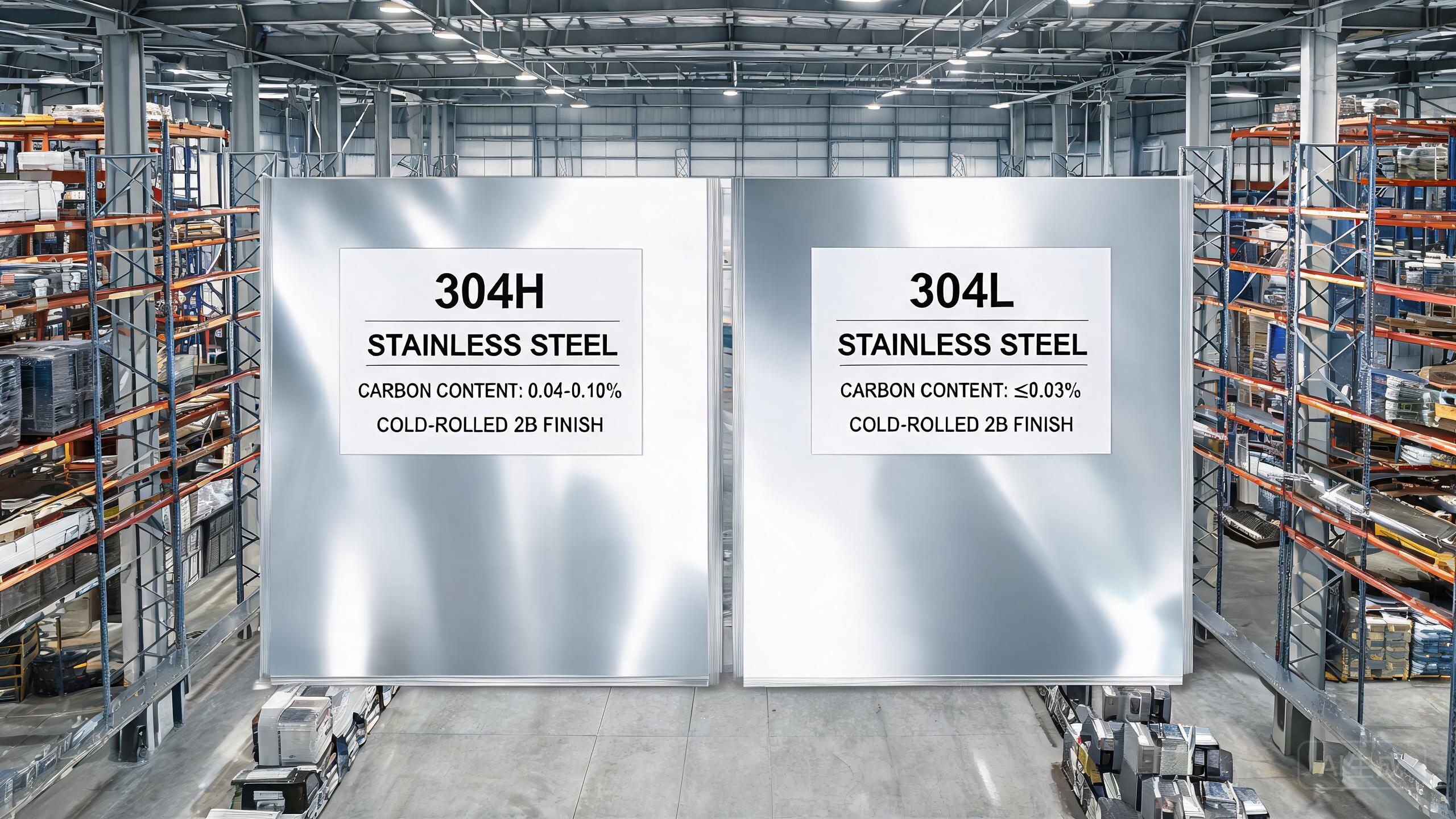
304H (0.04-0.10% C) vs 304L (≤0.03% C). 304H for 400-800°C high-temp strength, 304L for welded assemblies.
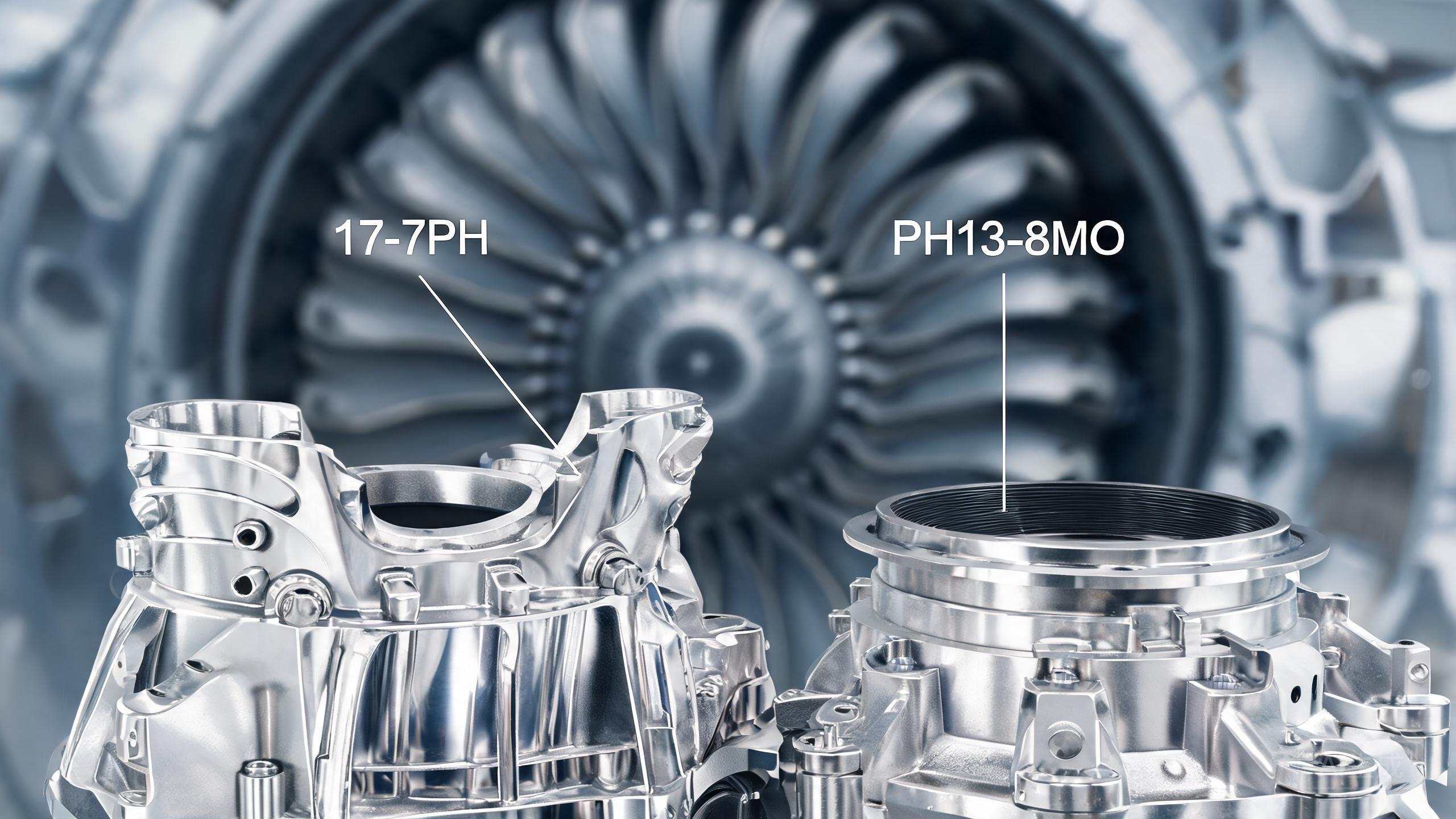
Aerospace precipitation hardening stainless — 17-7PH HRC 44 vs PH 13-8 Mo HRC 50+. AMS 5528 / AMS 5864 specs.
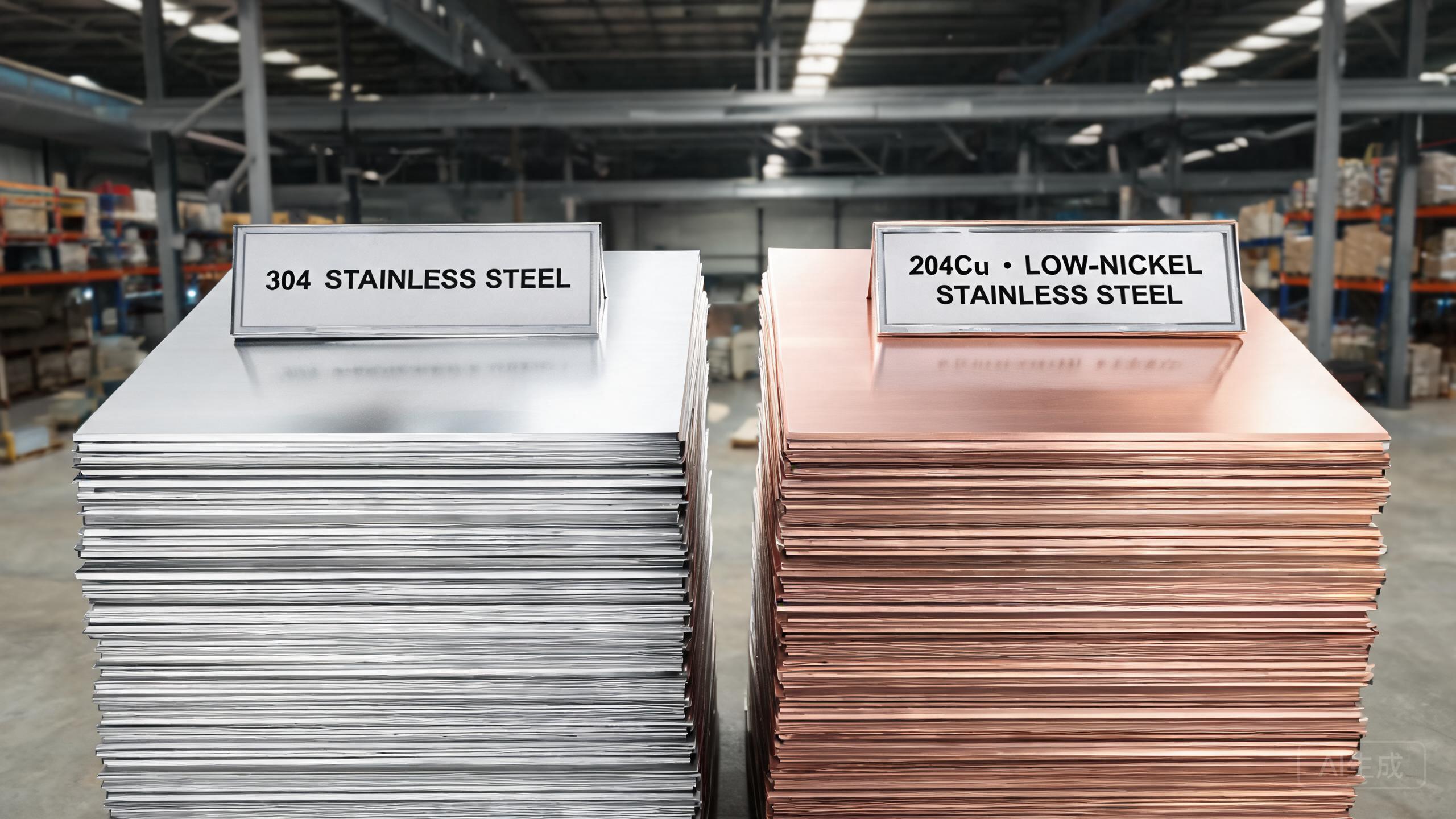
204Cu low-nickel stainless — 1.5-3.0% Ni vs 304 (8-10.5%). Factory trick: sold as 304, verify with PMI spectroscopy.
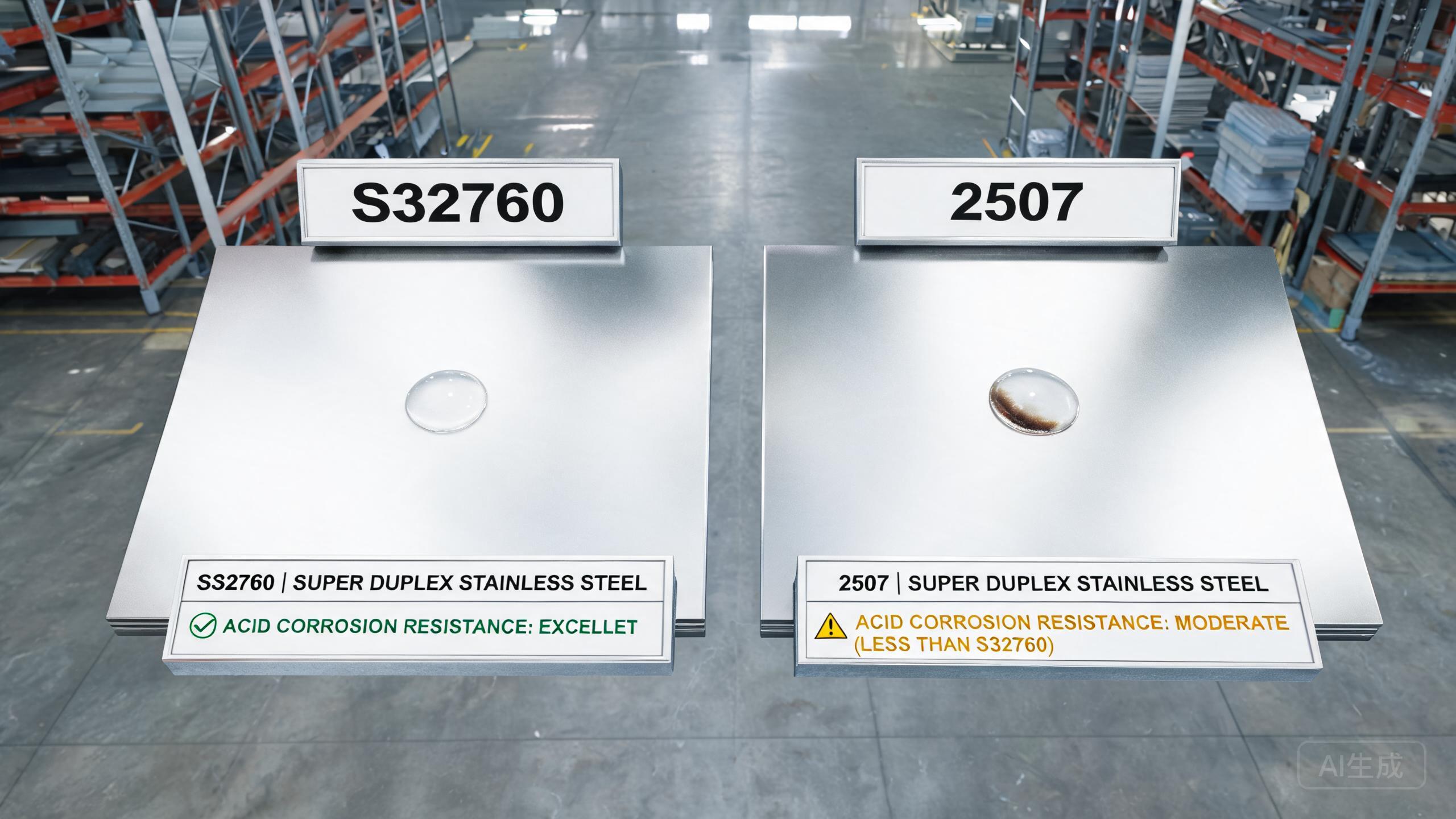
Super duplex S32760 vs 2507 — copper addition for sulfuric acid. S32760 handles H₂SO₄, 2507 excels in chlorides. Price premium.
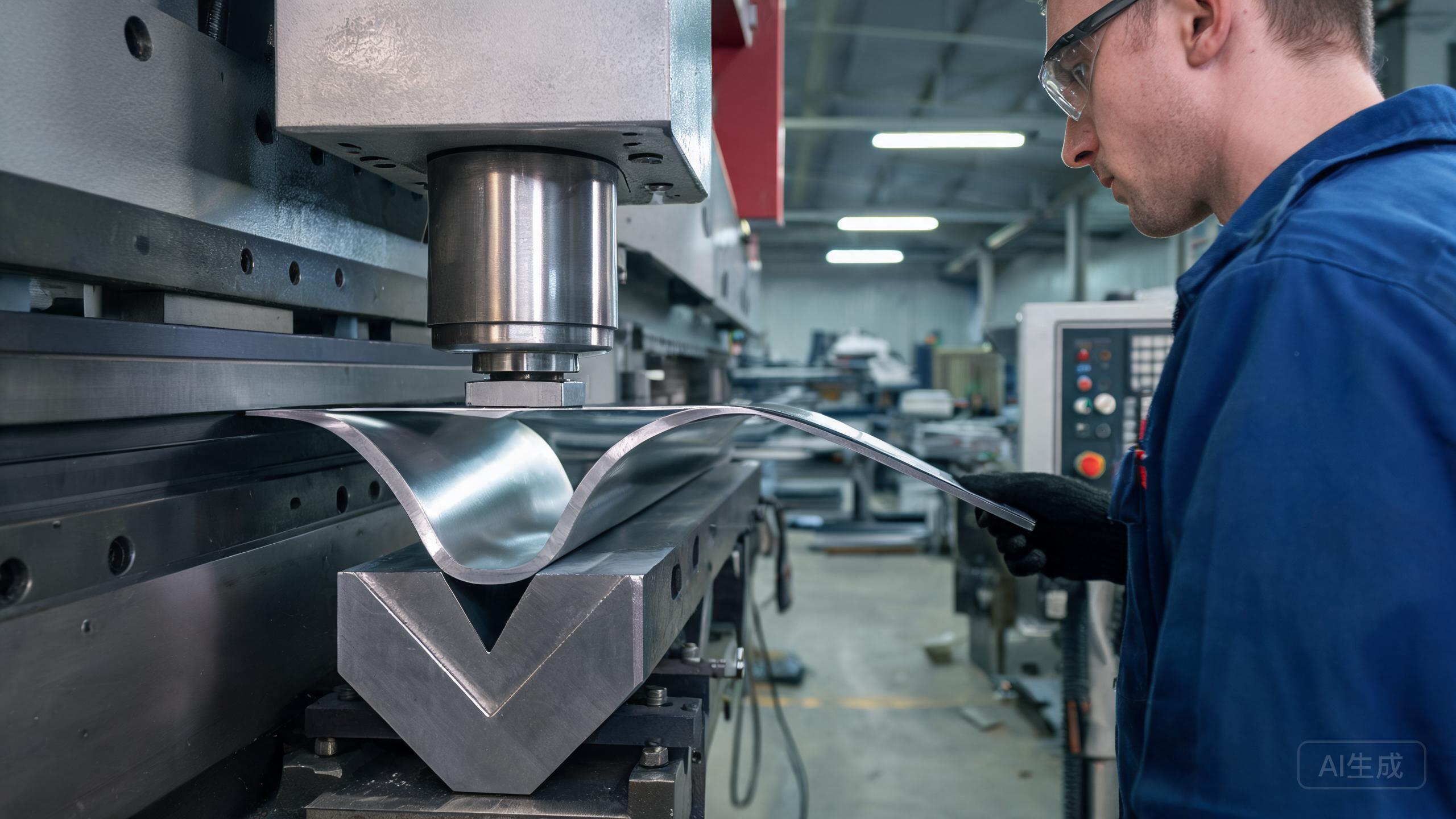
Press brake bending stainless — min bend radius per temper, springback calculation, V-die width rule, EN 10243-1 tolerances.
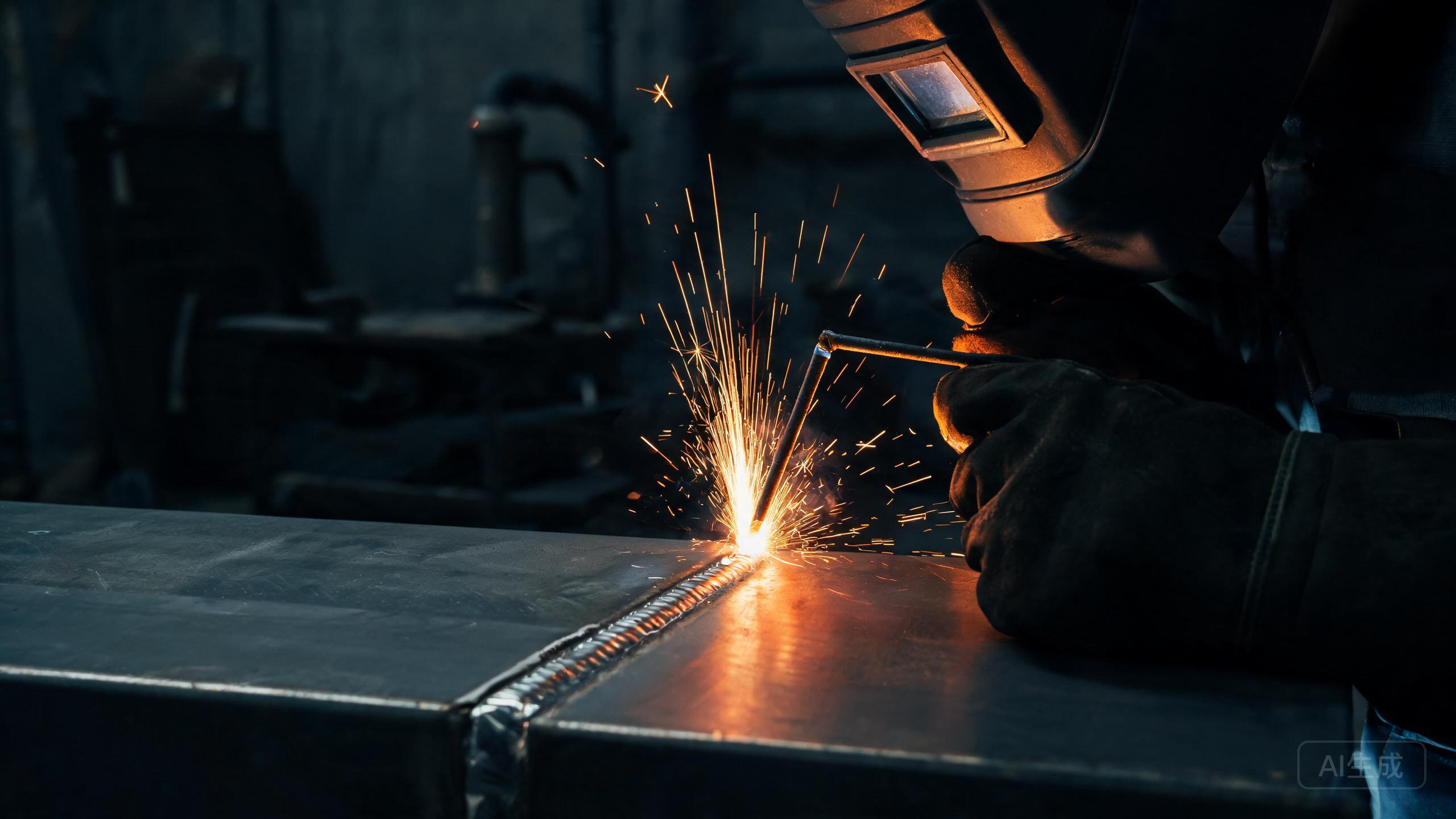
Duplex welding 2205/2507 — no preheat! Interpass temp ≤250°C, ER2209/ER2553 filler, nitrogen shielding, AWS D1.6 code.
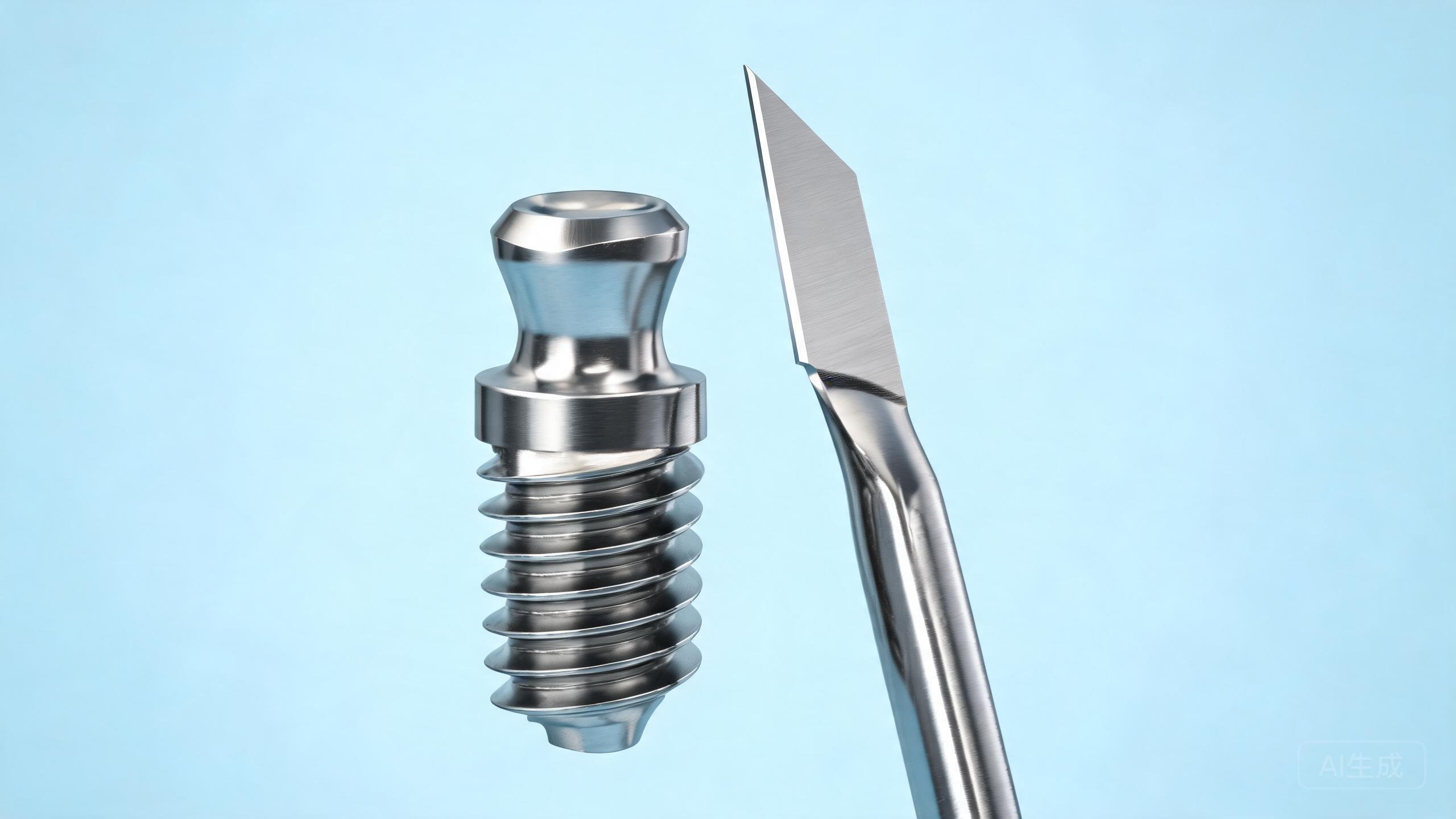
Medical stainless guide — 316LVM for implants (ASTM F138), 420 for surgical tools, 430 for forceps. ISO 7153 standards.
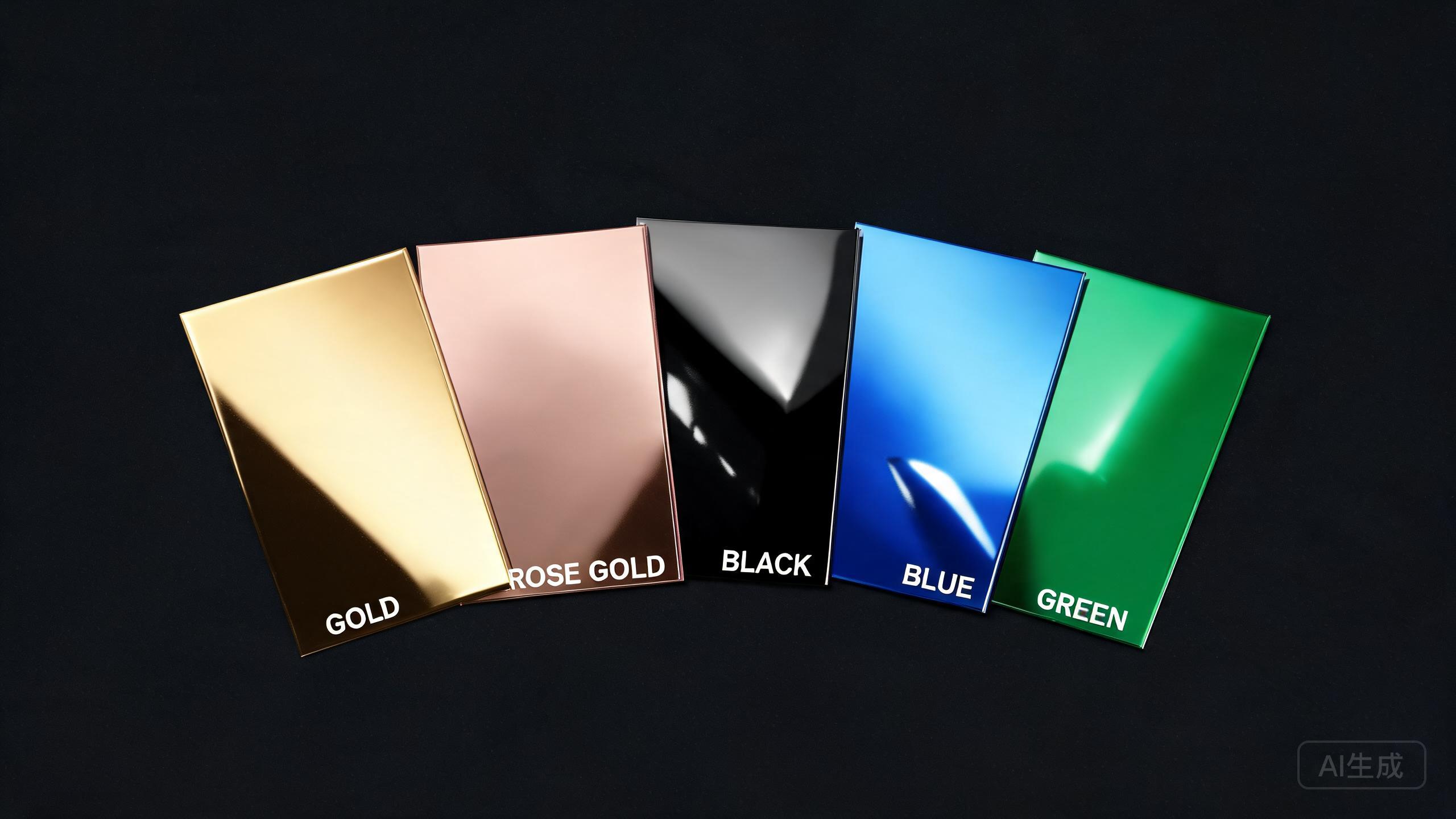
PVD colored stainless — gold, black, rose gold coating thickness, durability, FDA compliance, substrate finish requirements.
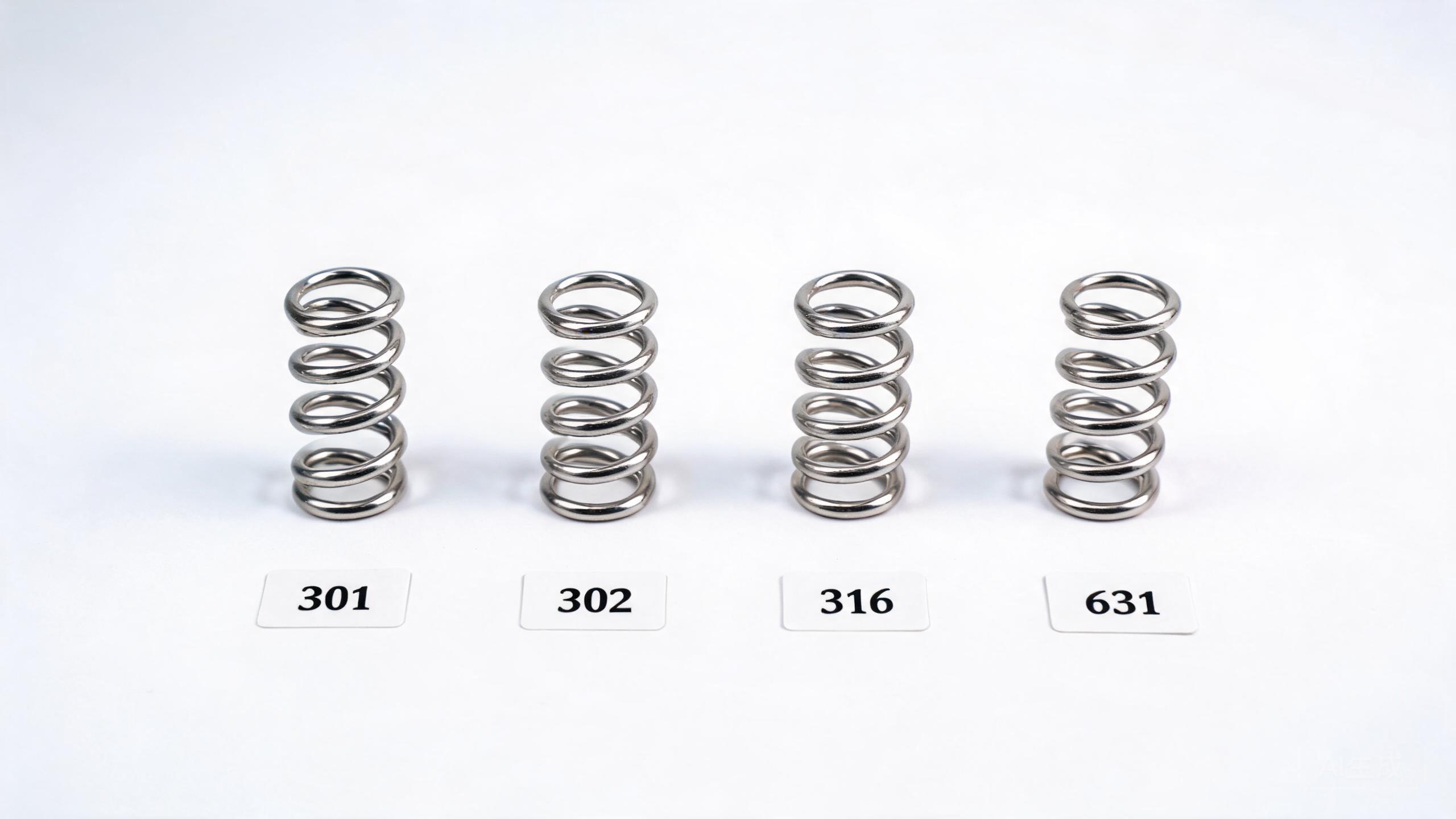
Spring temper selection — 301 full-hard, 302 3/4-hard, 631 for high-temp springs. Minimum bending radius, fatigue life.
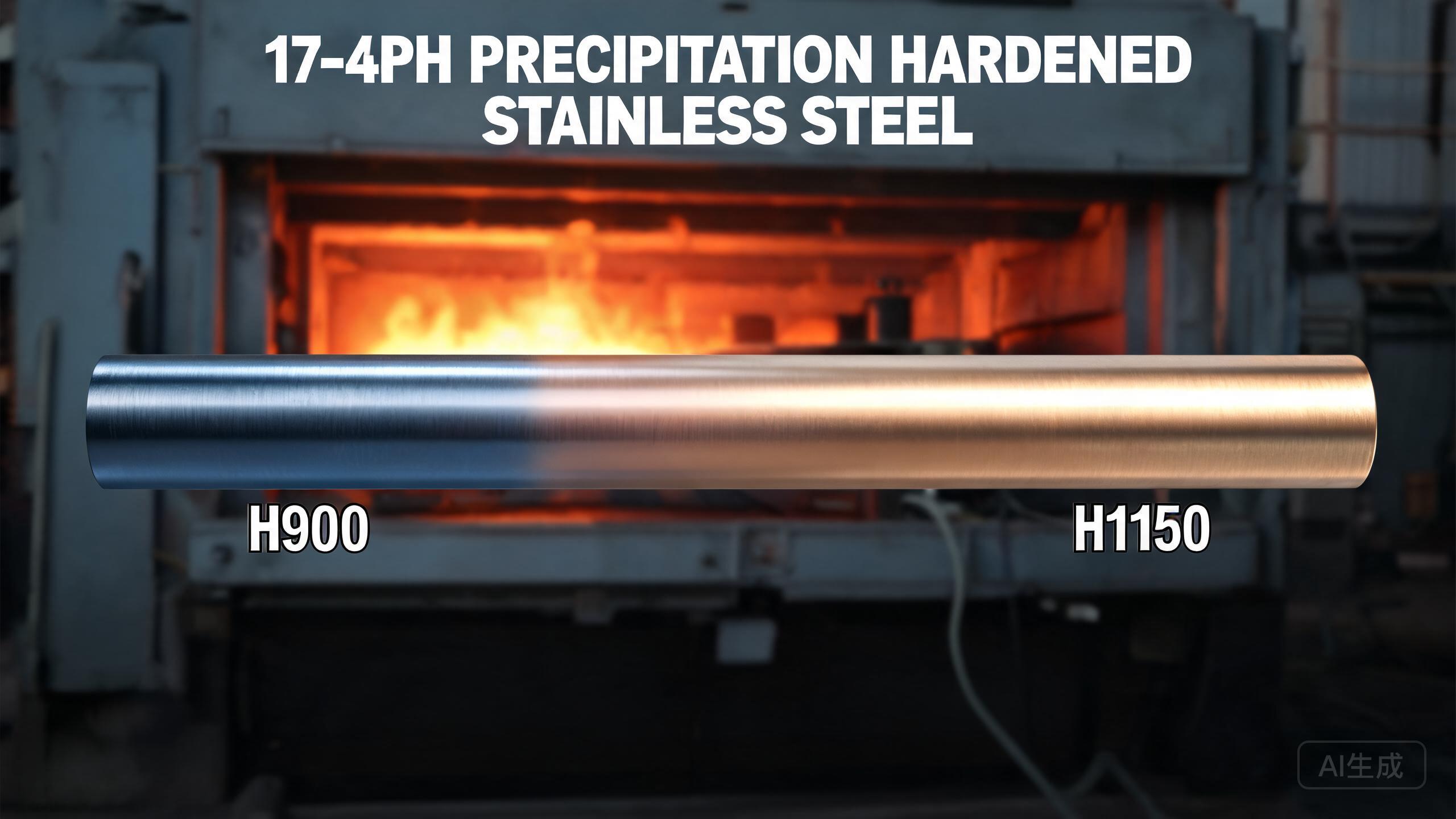
Complete 17-4PH temper guide — H900, H1025, H1100, H1150. Hardness HRC, tensile strength, toughness tradeoffs.
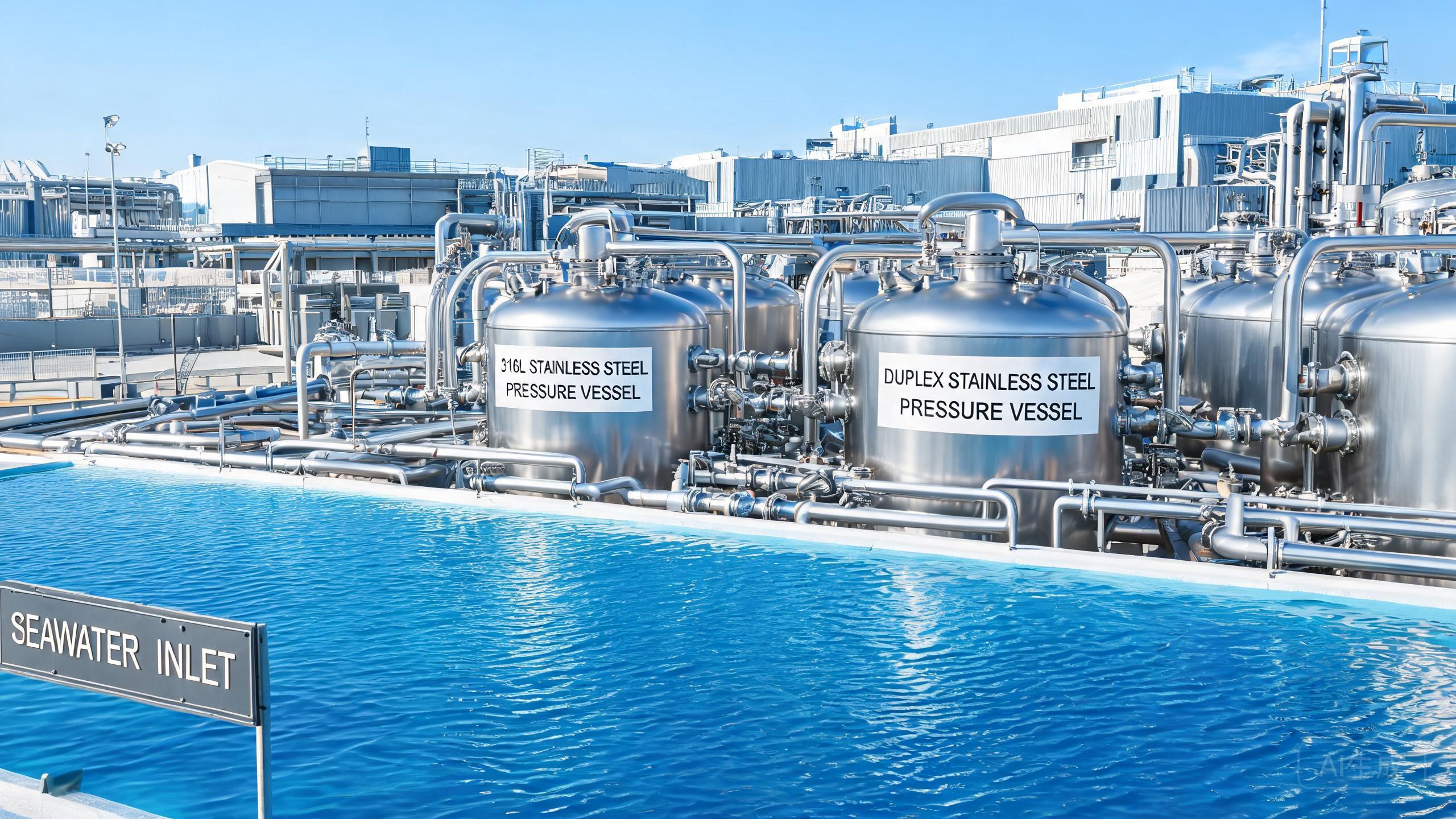
Grade selection for RO desalination plants — 2205 pressure vessels, 2507 heat exchangers, 254 SMO for brine.
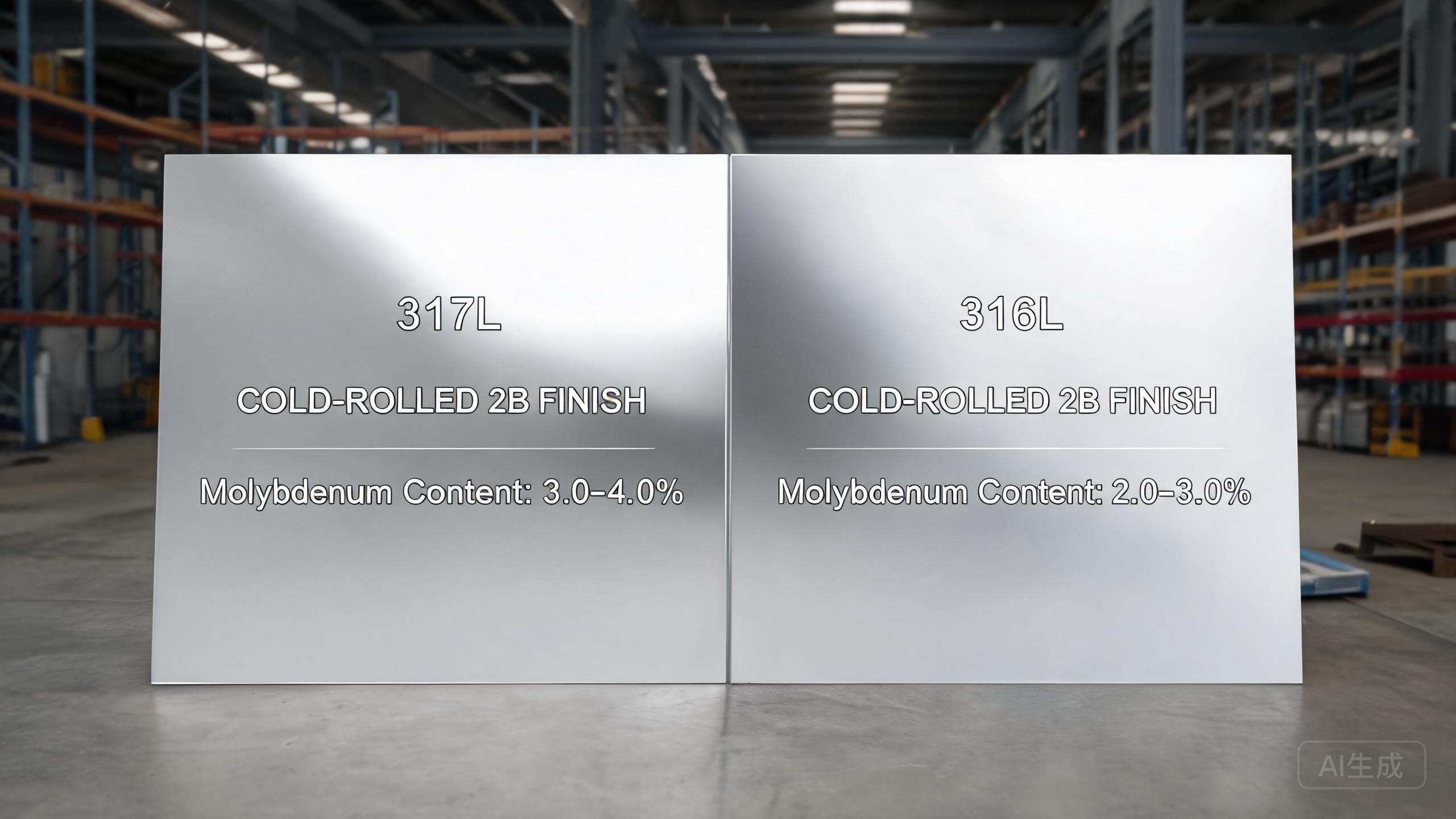
317L vs 316L — 1% extra molybdenum difference in phosphoric acid, hot acetic, and chloride processes. PREN and price.

316L wins for solid-state EV battery housings — corrosion resistance against electrolytes, formability, laser weld sealing.
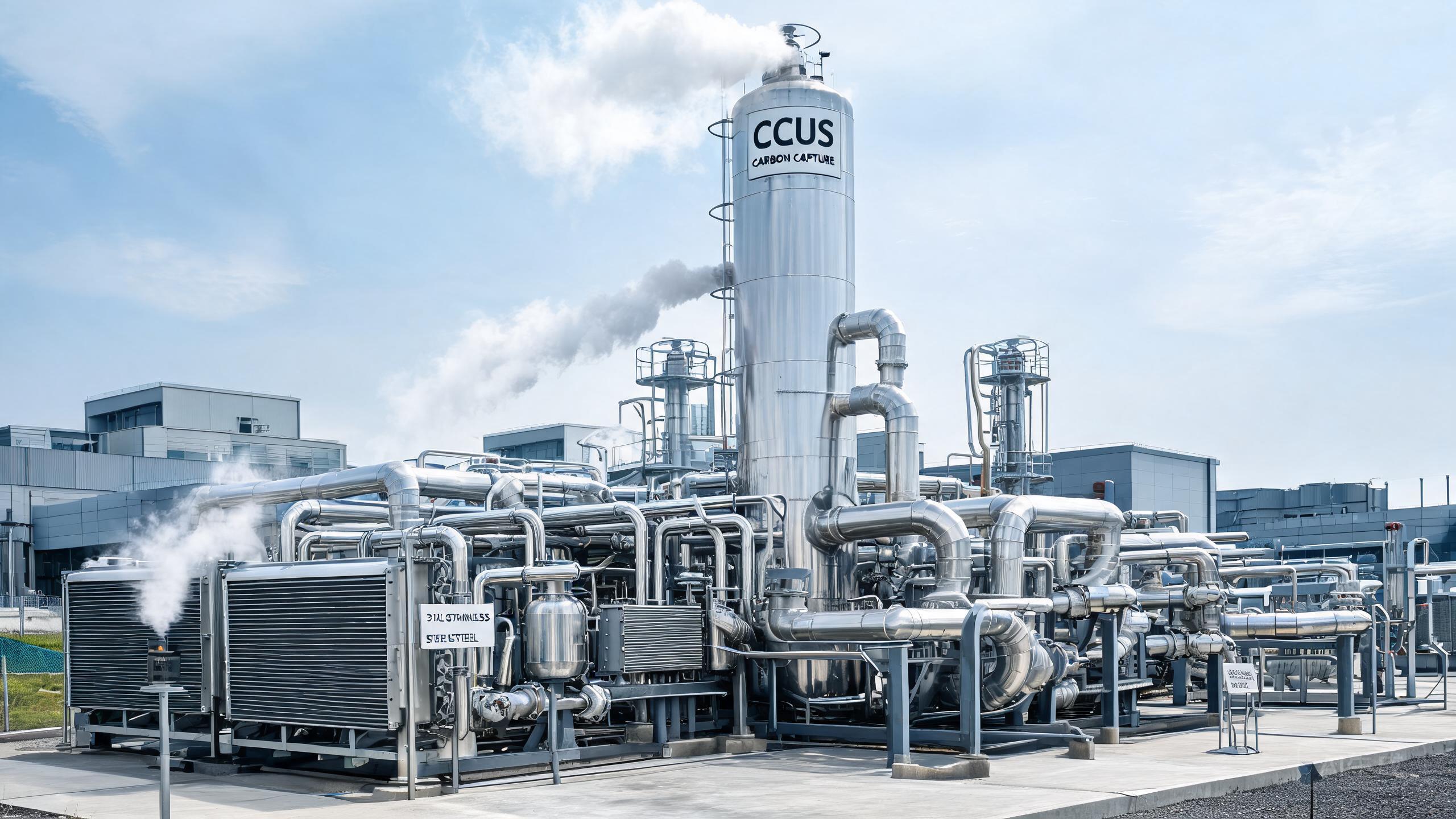
Stainless grade selection for CCUS amine absorbers and pipelines — 904L, 254 SMO, 2205 corrosion resistance.
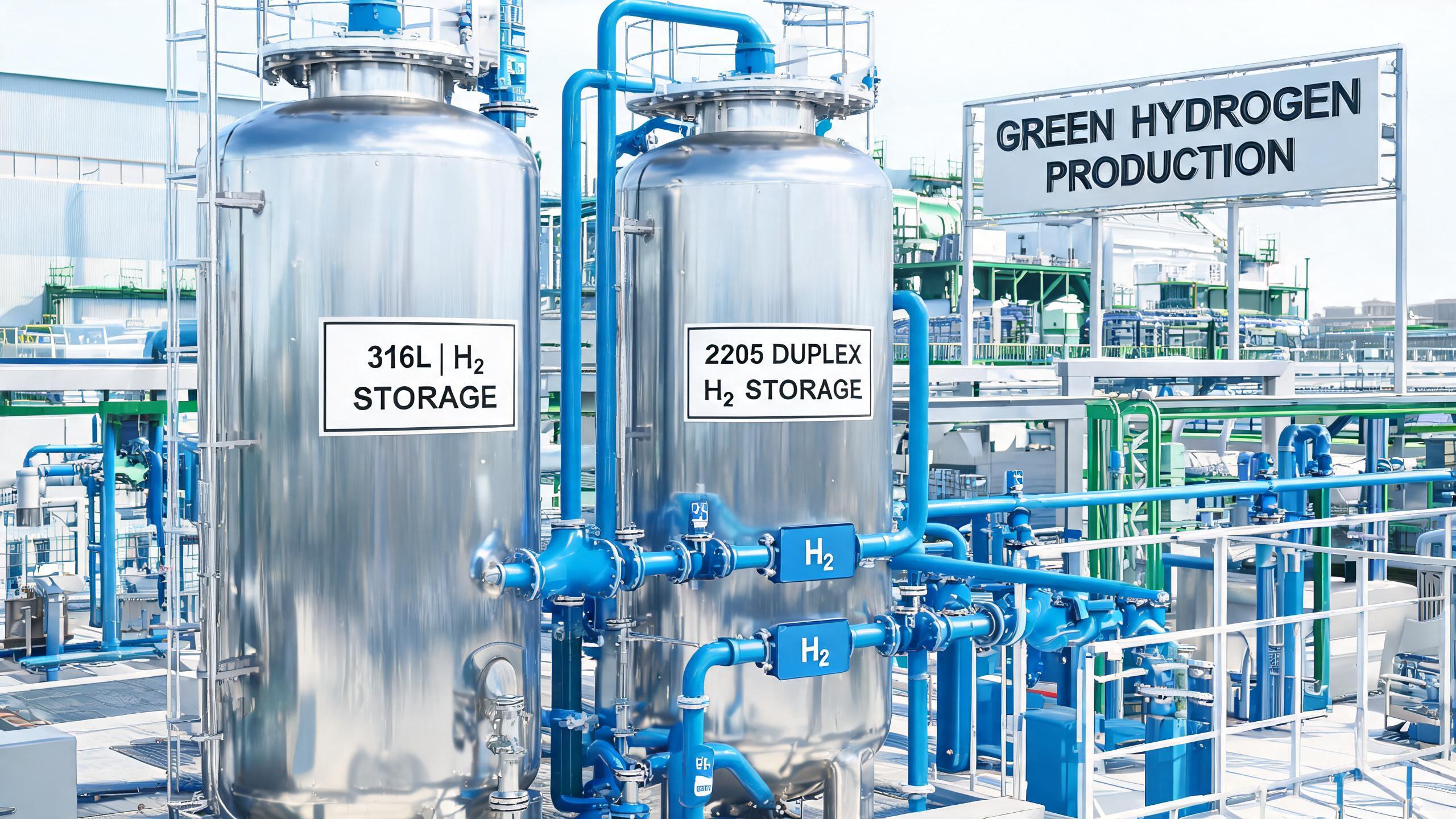
Which stainless steel is safe for hydrogen storage tanks? 316L vs 2205, embrittlement risk, ASME BPVC codes.
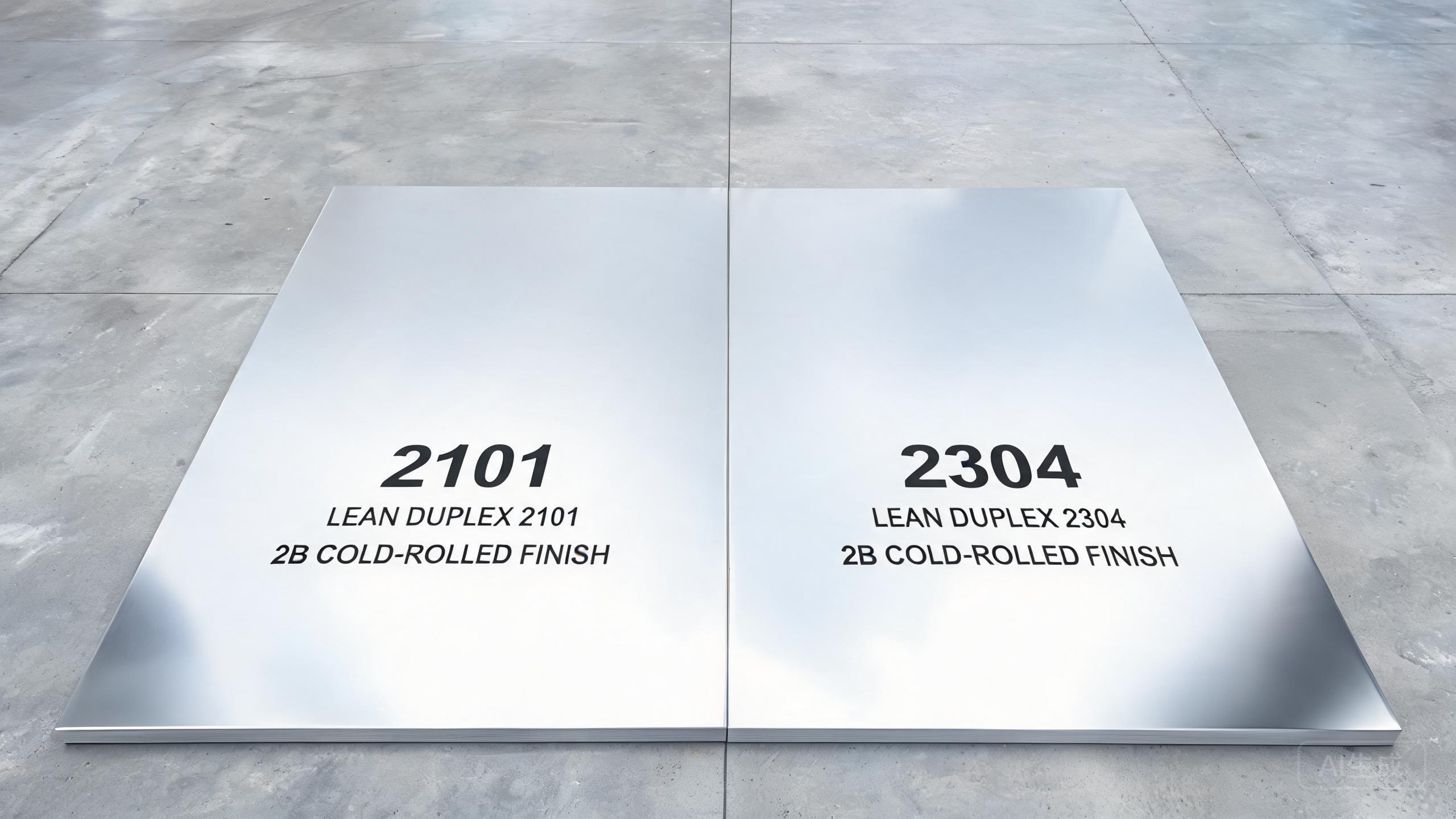
Compare lean duplex 2101 vs 2304 chemistry, PREN, strength, corrosion — which to pick for structural infrastructure.
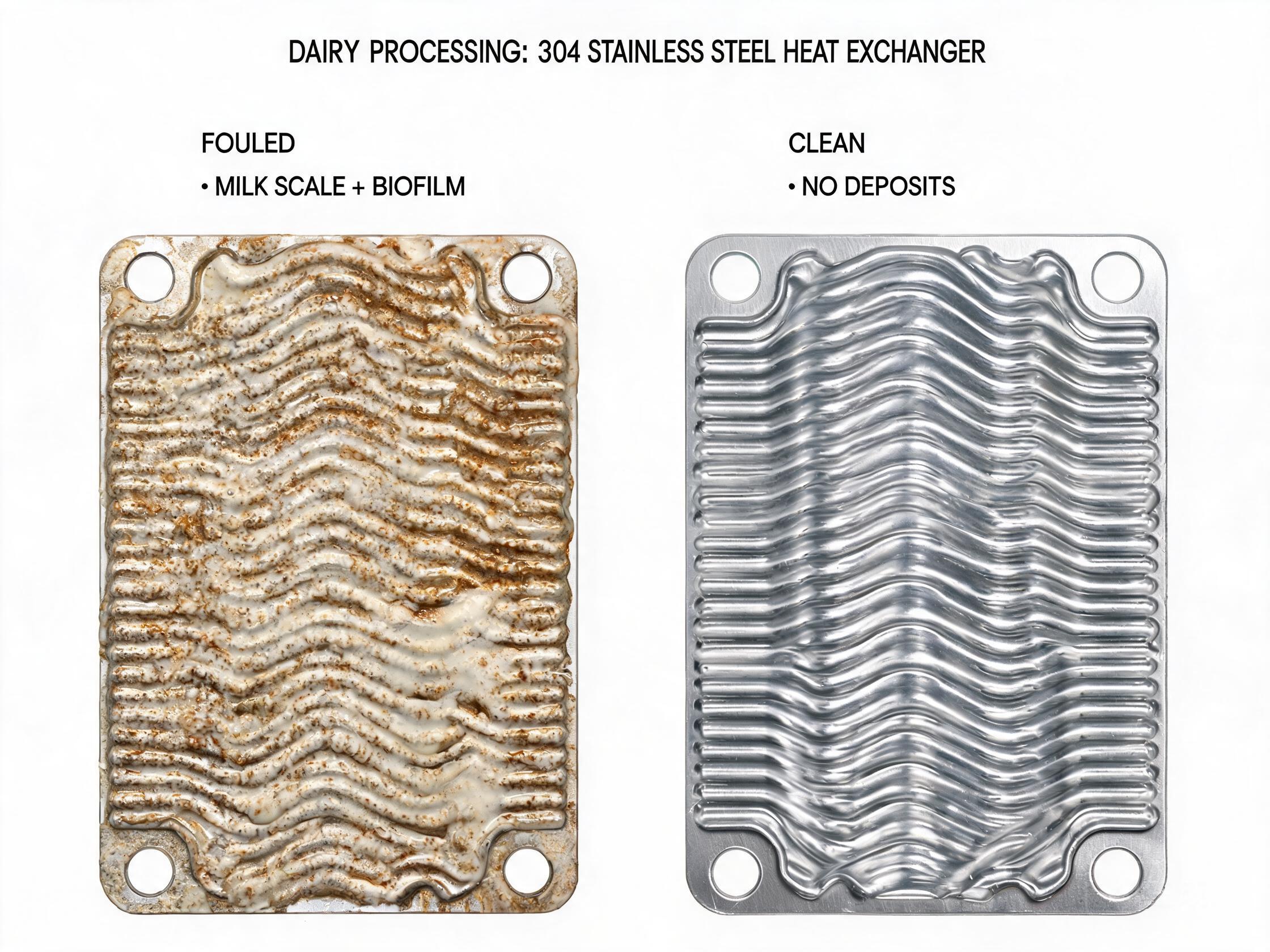
Cold rolled stainless steel heat exchangers foul in milk and food pasteurization when you pick the wrong grade, wrong surface or wrong plate gap. Compare 304 vs 316, get the fouling factor right, and specify the sheet that cuts CIP frequency by 30%.
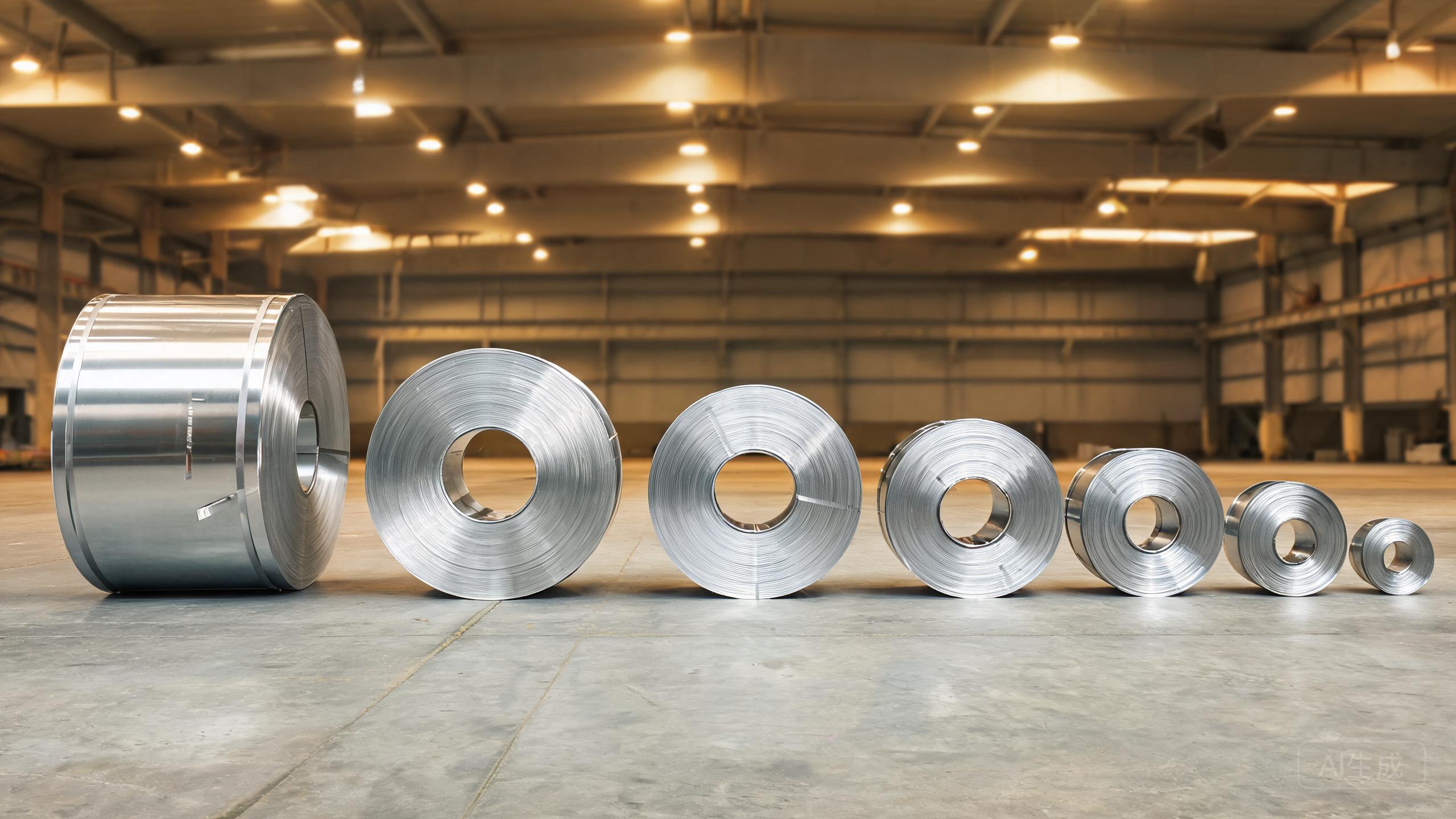
Ultra-thin 304 strip below 0.2 mm costs 50–400% more than standard sheet — six cost drivers buyers must know.
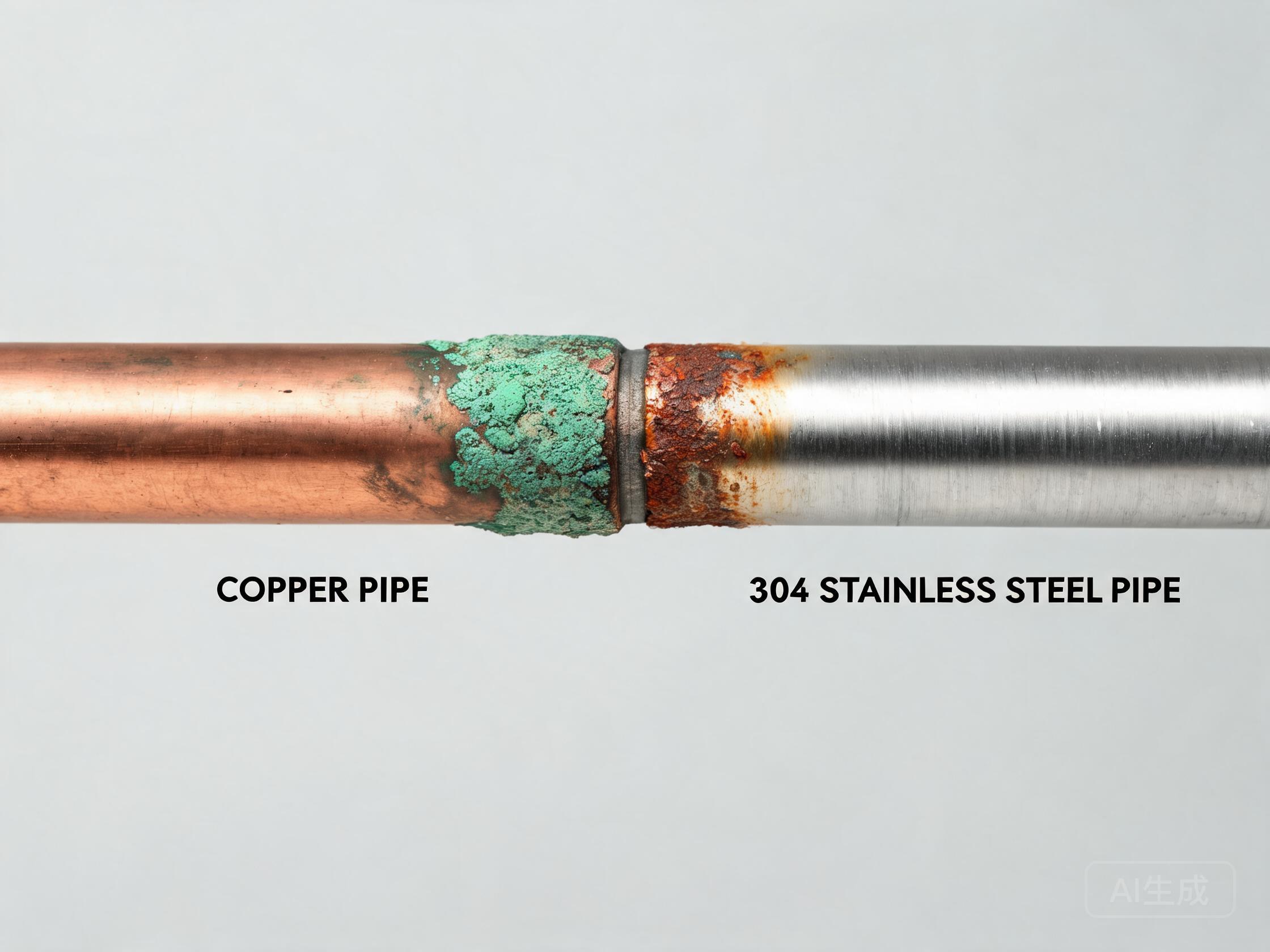
Galvanic corrosion when copper pipes connect to 304 or 316 stainless steel. Why the area ratio matters, what inhibitors work, and how to design joints that survive.
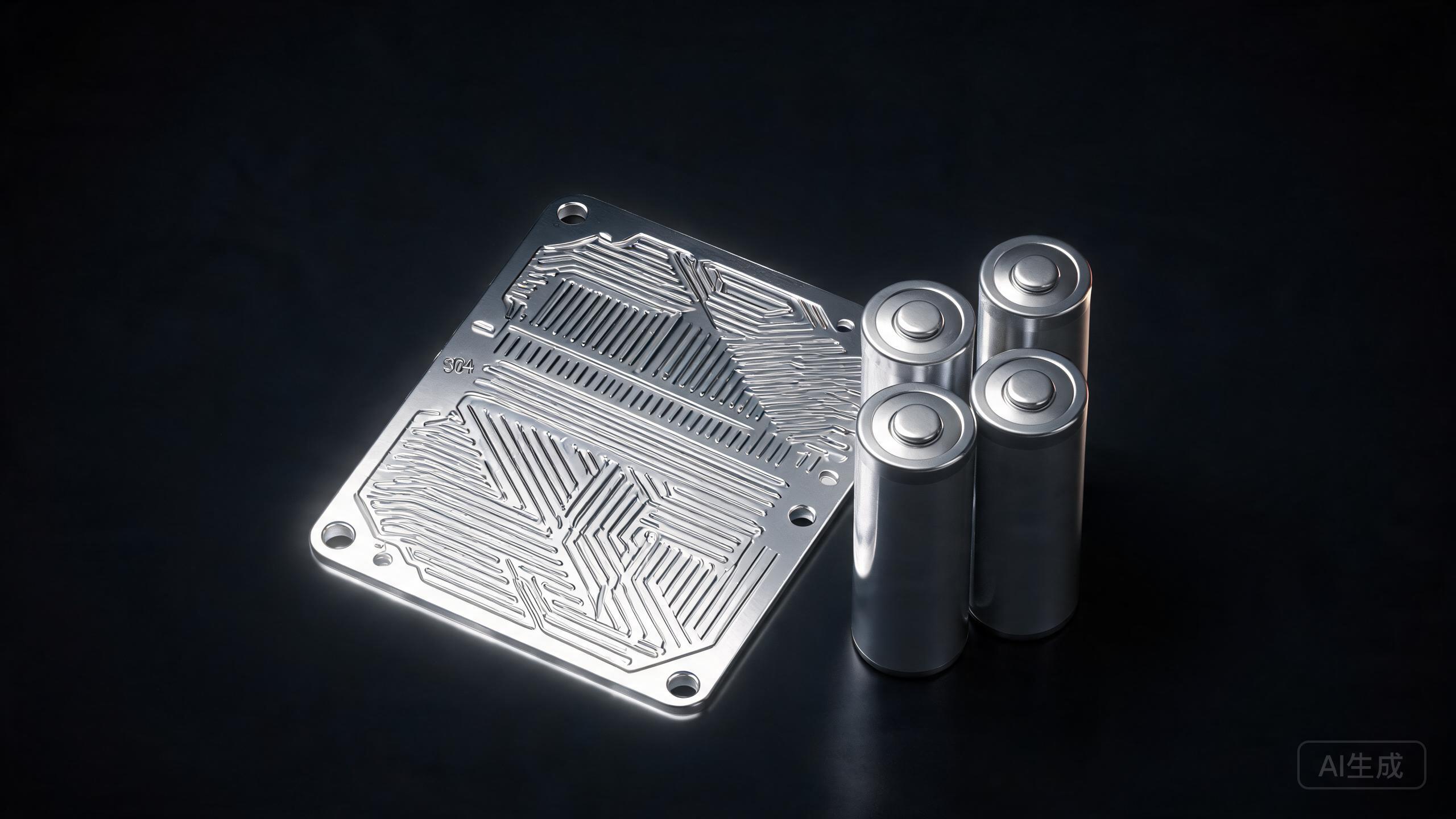
Nickel-plated 304 strip at 0.1–0.2 mm is the standard for battery tabs and fuel-cell bipolar plates — how to specify.
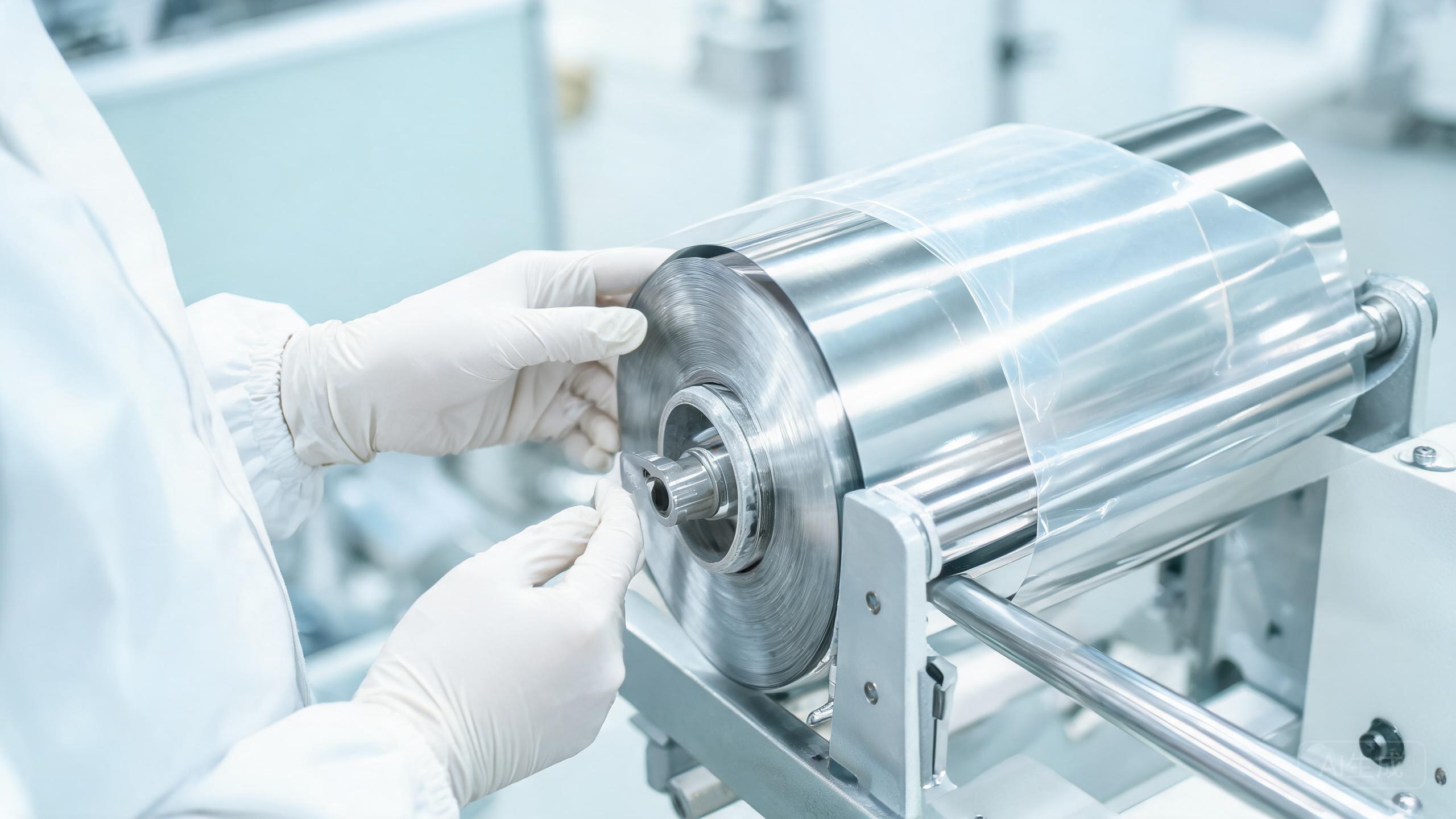
Ultra-thin stainless foil below 0.2 mm curls, creases and tears — how to protect yield from uncoiling to part.
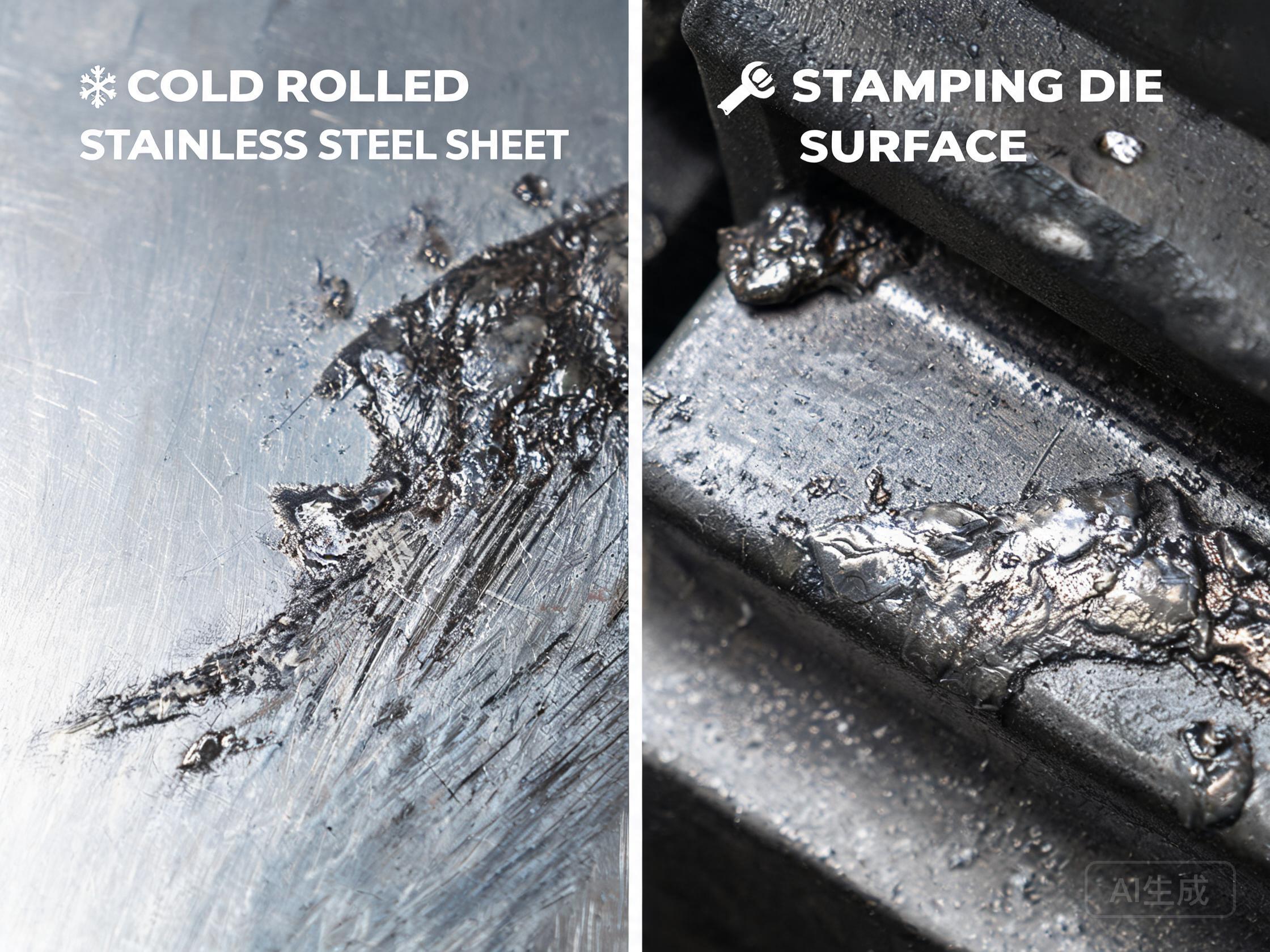
Why 304 galling clogs your die, how 430 compares, and what die steel and lubrication will actually stop it during stamping and bending.
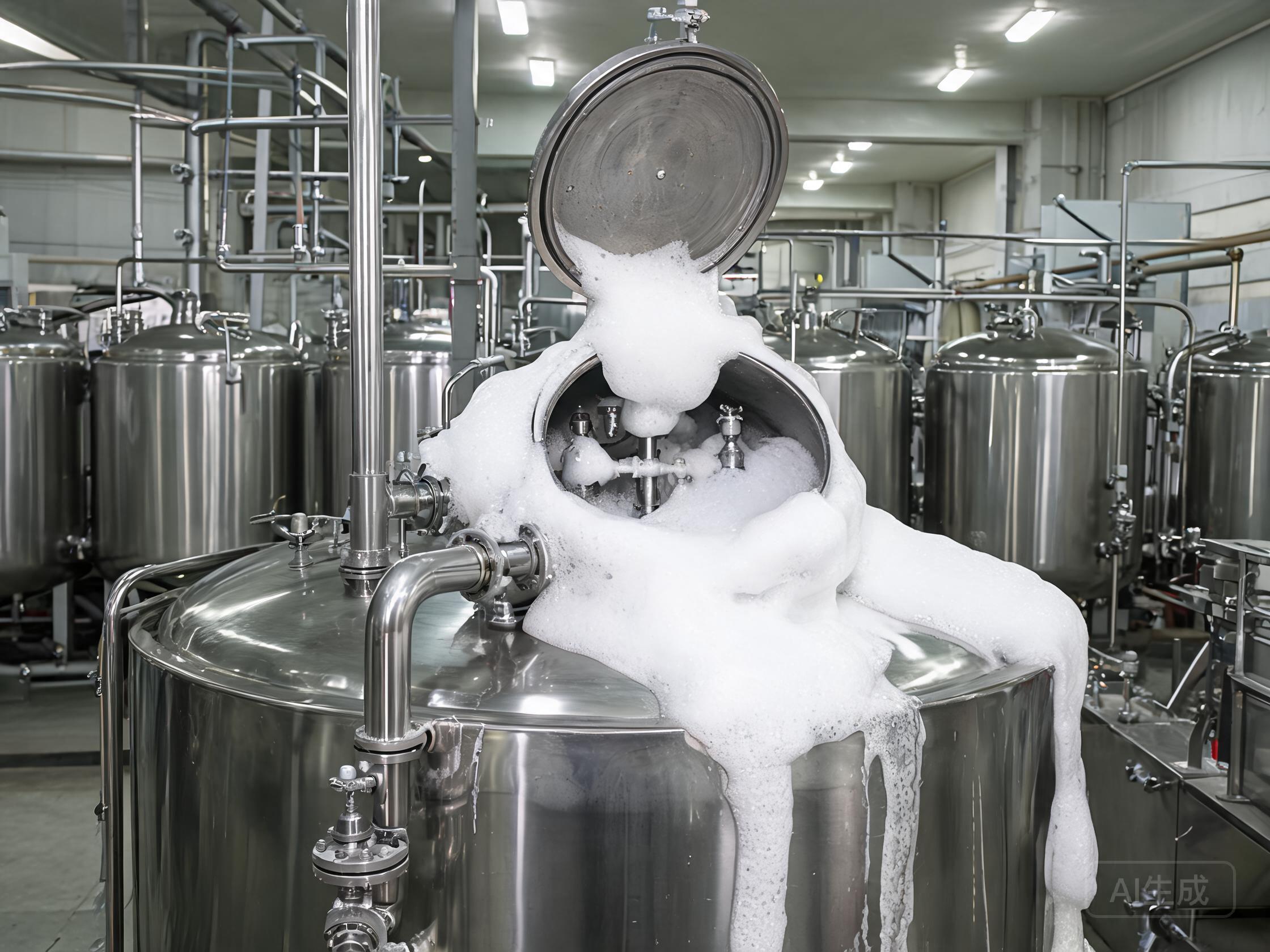
Clean-in-Place (CIP) foaming, caustic 2% NaOH corrosion, 304 vs 316 cold rolled stainless steel and ASTM A240 food contact — solve CIP foam residue and pitting by matching the grade to your cleaning agent and the surface finish to the drain.
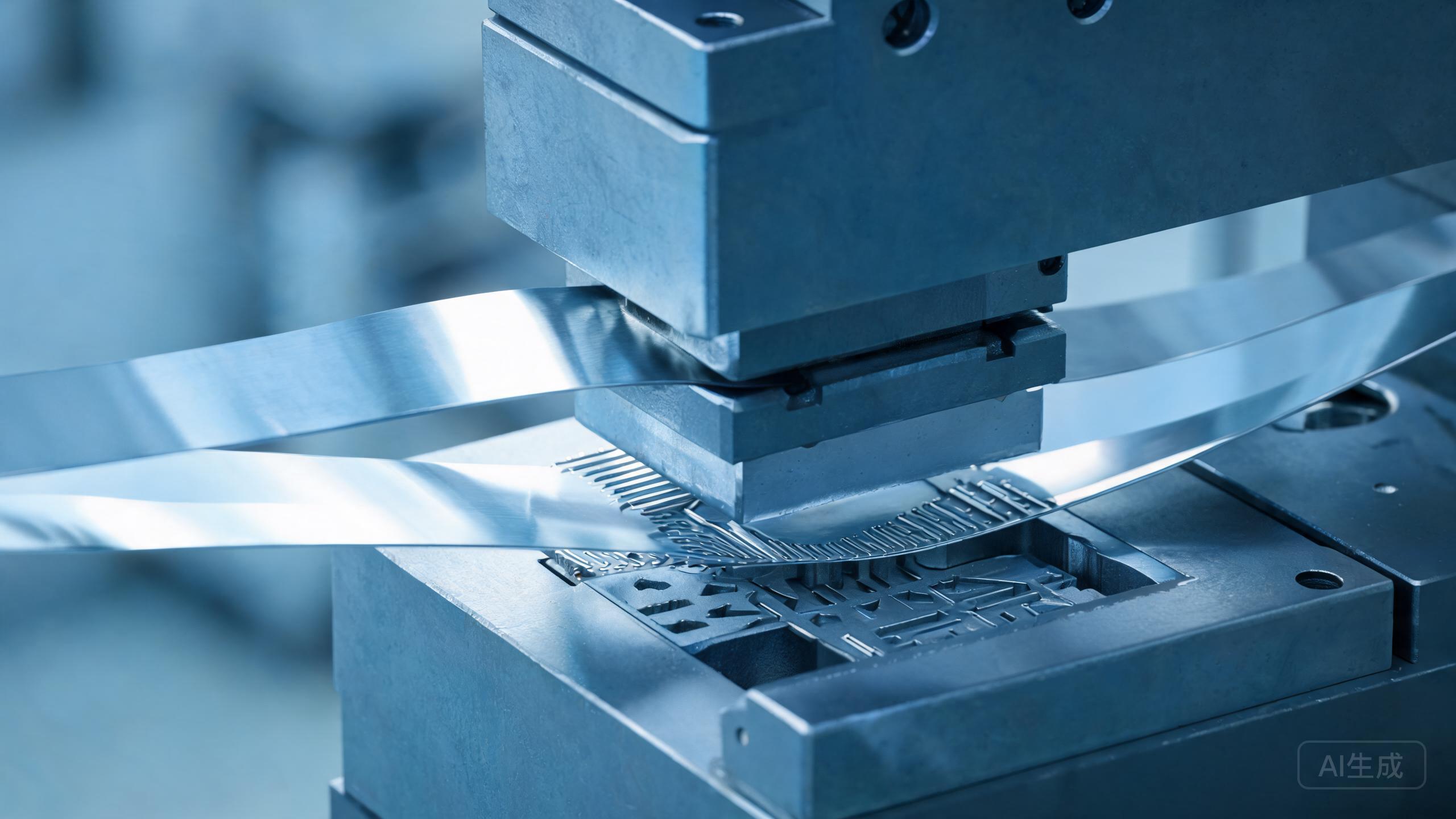
Ultra-thin stainless below 0.2 mm wrinkles, cracks and springs back during stamping — how to prevent all three.

Fingerprint stains ruin 304/316 elevator and architectural panels. Compare 2B vs BA, anti-fingerprint coating options and cleaning methods that actually work.
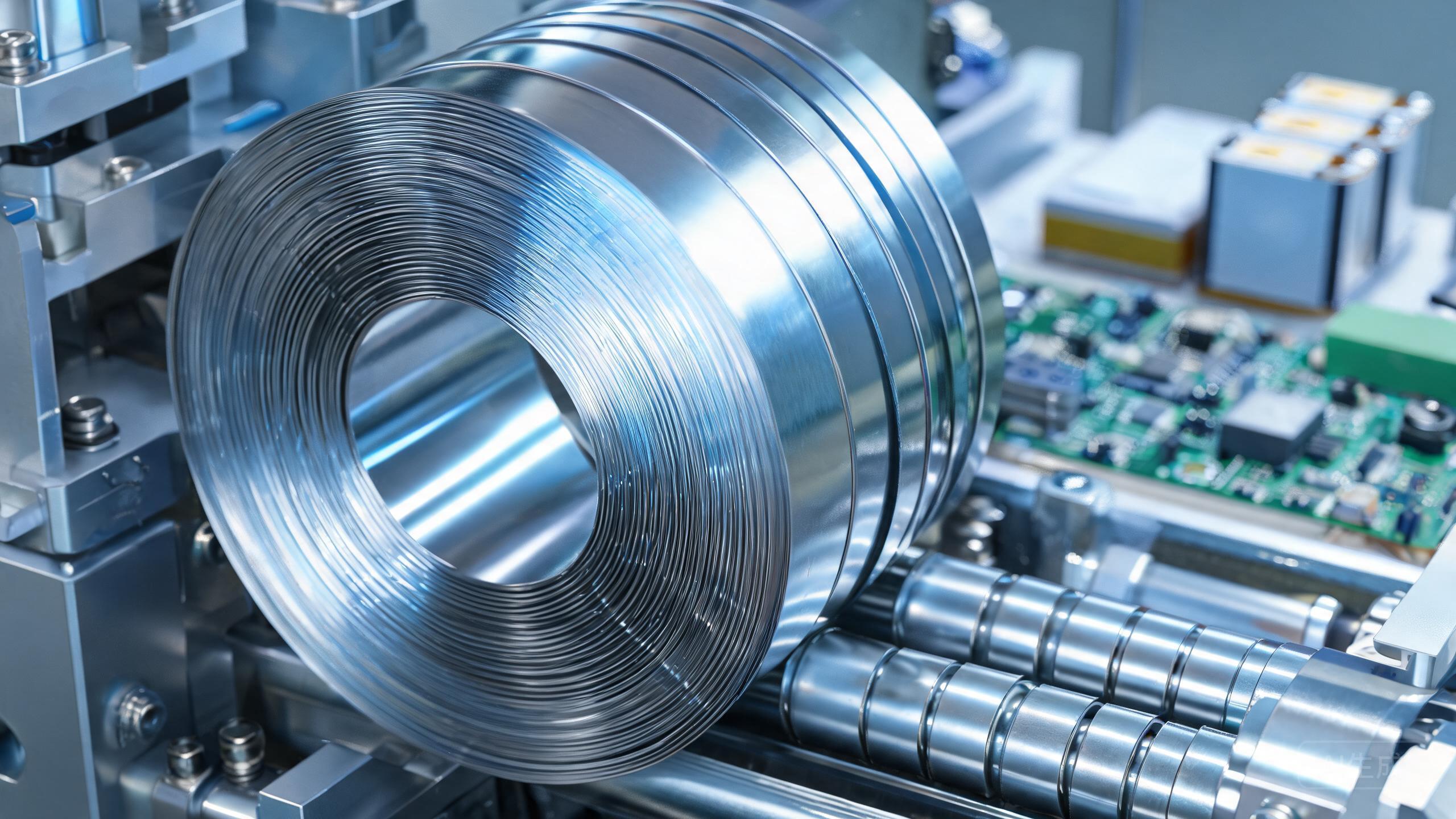
Ultra-thin 304 strip below 0.2 mm powers EMI shields, battery tabs and bipolar plates — what buyers must specify.
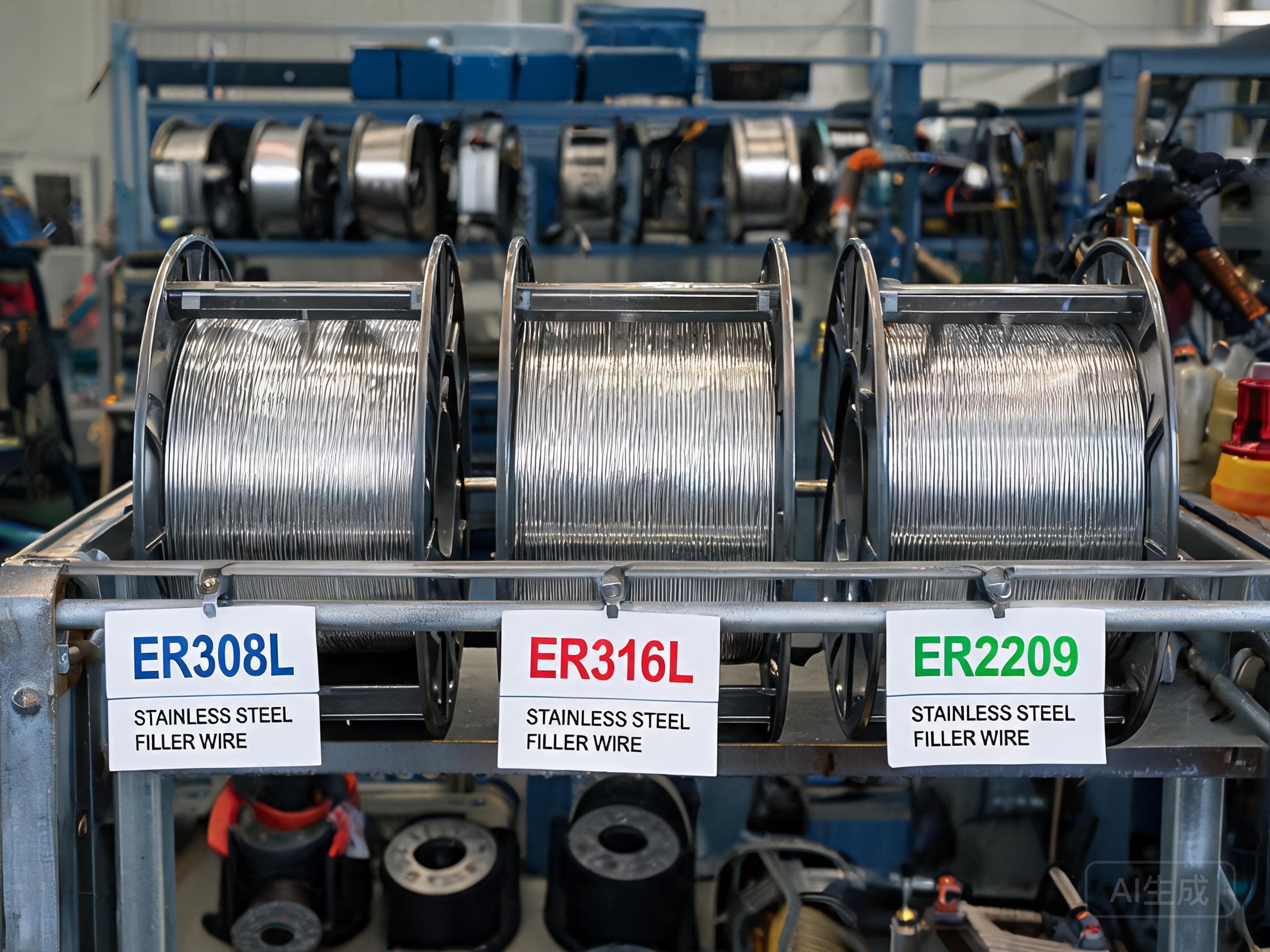
Filler metal selection for stainless steel — ER308L for 304, ER316L for 316, ER2209 for duplex, how PREN must match base metal, and the China factory low-Ni filler trick to avoid.

Deciding between 2B and BA stainless steel surfaces for cold rolled sheet and strip up to 2mm: appearance, Ra/reflectivity, forming and price differences for cookware, kitchenware, appliances and stamping.
Choosing between cut-to-length (开平), slitting (纵剪) and full-width coil for cold rolled stainless steel sheet and strip up to 2mm: which processing route matches your line, yield and tolerance needs.
A buyer guide to flatness and warpage of thin cold rolled stainless steel sheet and strip: what flatness means, how to measure it, warpage and coil set, and what to confirm before you order.
Sourcing cold rolled stainless steel sheet, slit strip and coil for the UAE and Gulf market from China: grades for architecture, dimensions, certificates, packing and delivery factors importers and fabricators check.
How gauge, thickness tolerance and surface (2B/BA) of cold rolled stainless sheet and strip interact to drive price, weight, springback and forming success for parts up to 2mm.
Representative cold rolled stainless steel sheet and strip thickness tolerances from 0.2 to 2mm, how tolerances are measured and how they affect forming, weight and price.
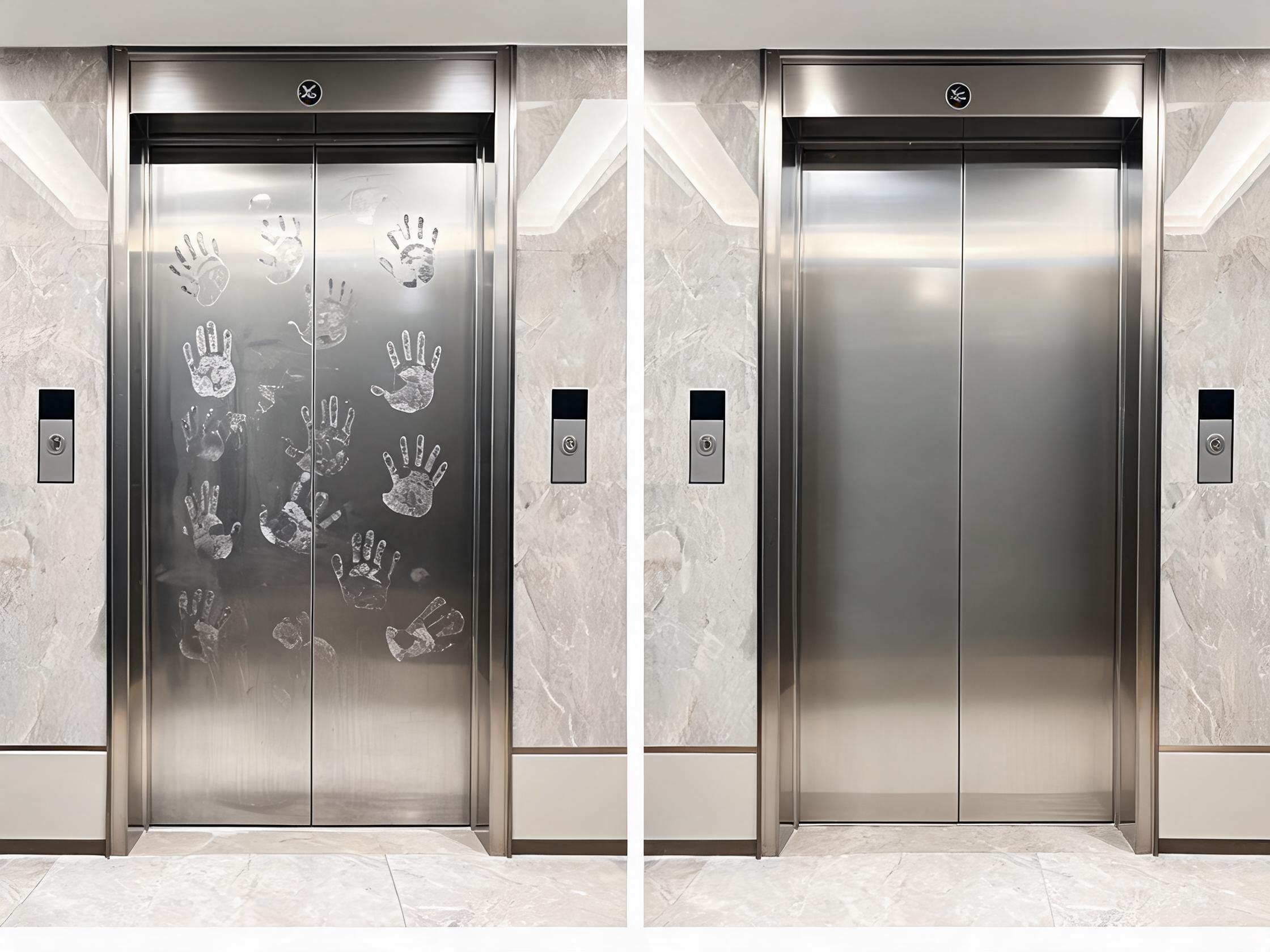
Cold rolled 304 stainless steel elevator panels show fingerprints within 30 minutes of cleaning. Compare PVD anti-fingerprint coating, SiO2 and TiO2 treatments, specify the right 8K mirror finish, and get a cleaning schedule that keeps panels spotless for 7 days instead of 1.
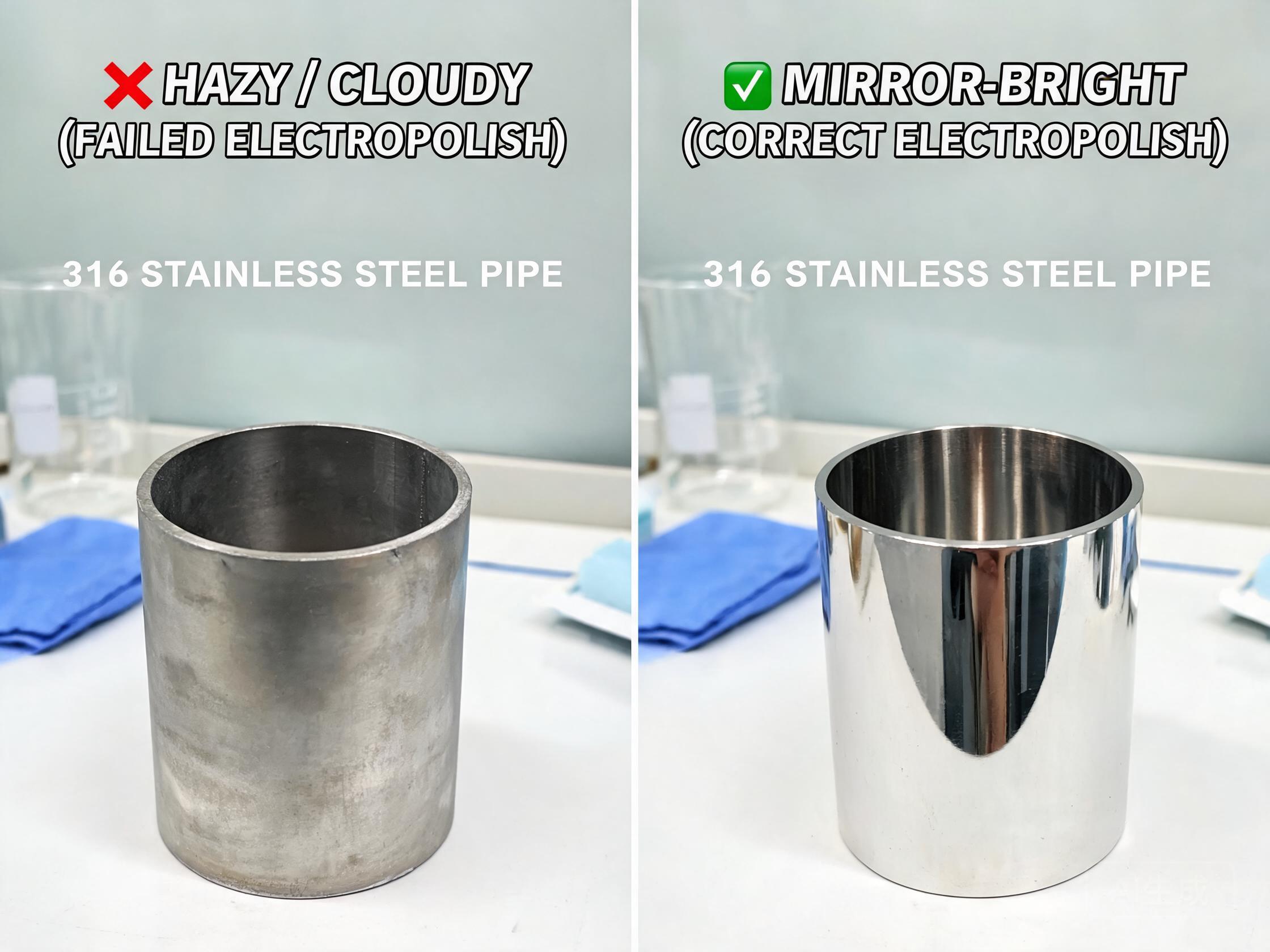
Haze after electropolishing makes 316 medical and pharmaceutical parts look cloudy. Learn why current density, electrolyte concentration and post-rinse contamination create it.
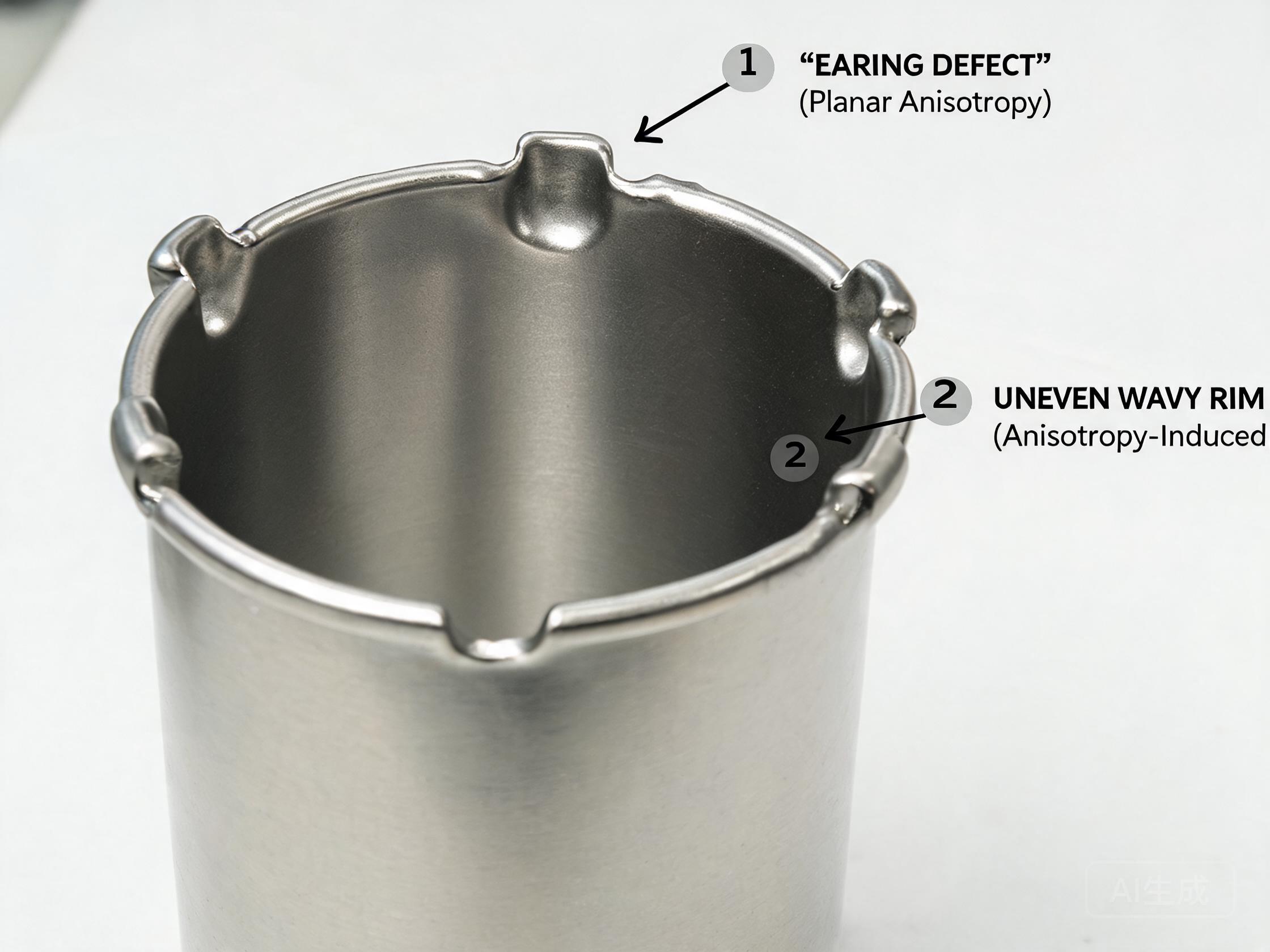
Why 304 deep drawn cups develop ears at 0°, 45° and 90° to rolling direction. Planar anisotropy Δr explained, annealing temperature to minimize it, and why coil always beats sheet.
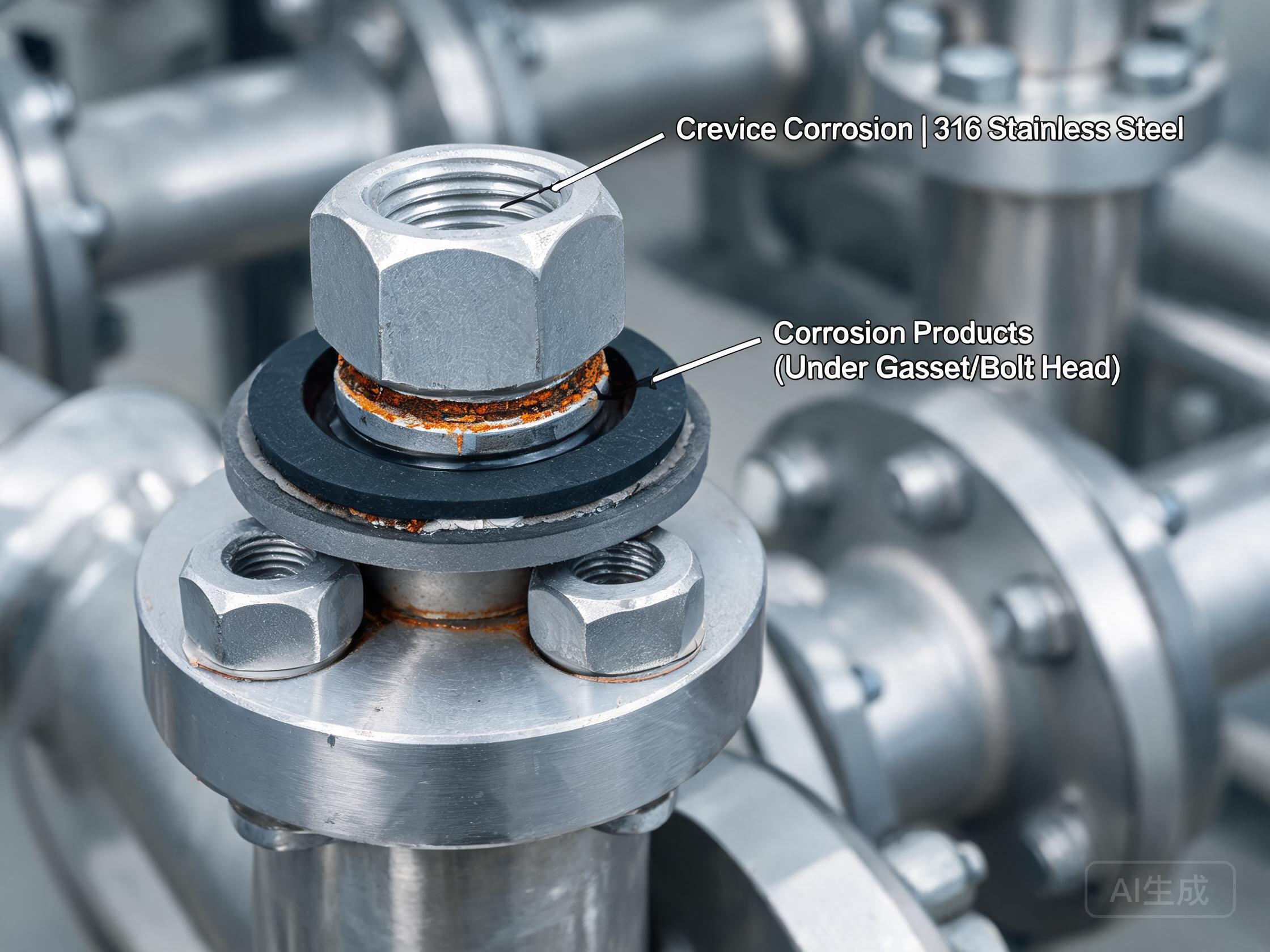
Crevice corrosion at bolted and gasketed joints on cold rolled stainless steel. Why gaps under 0.5mm kill your equipment, and which gasket material actually works.
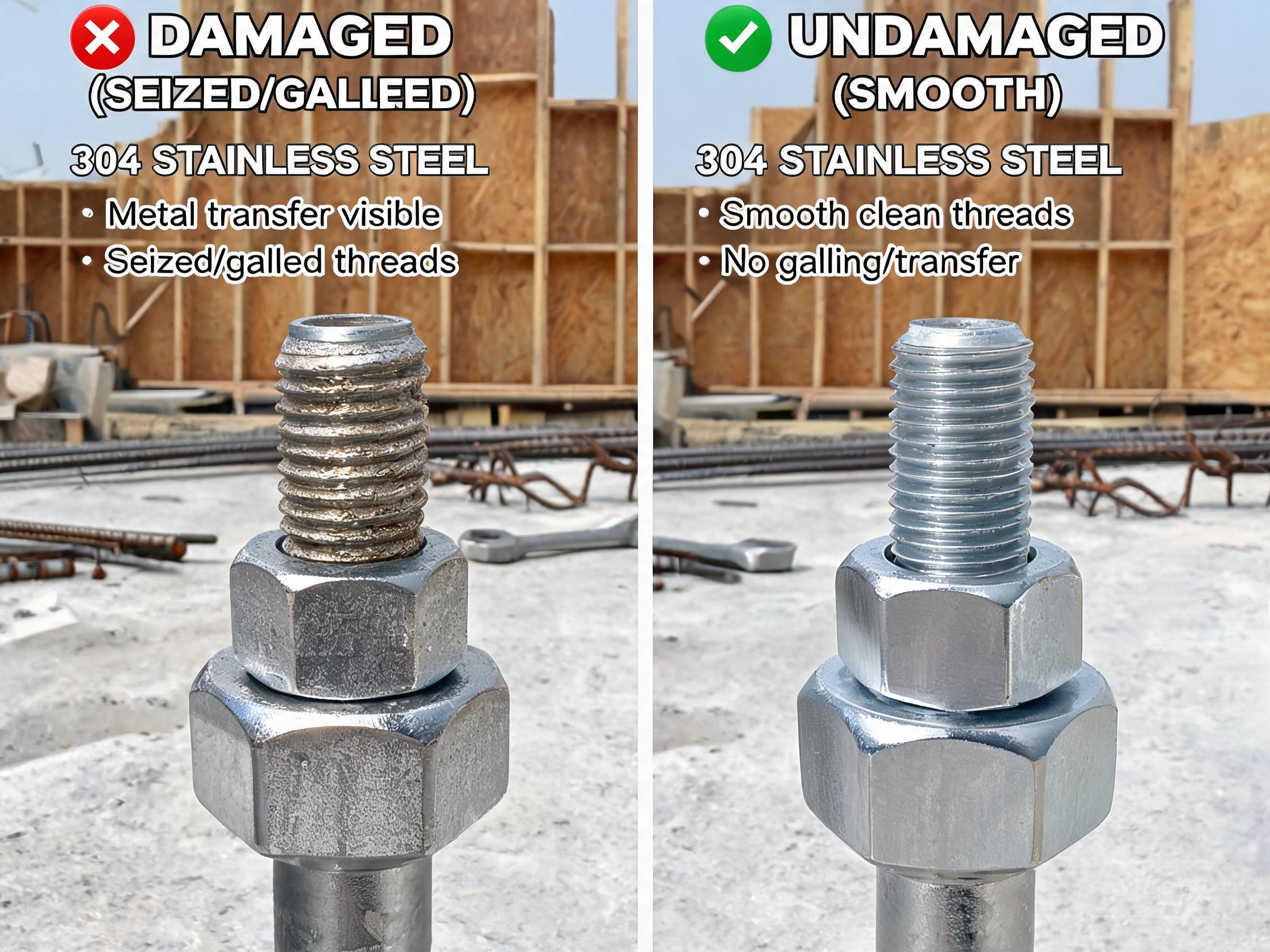
Cold rolled stainless steel construction fasteners seize and gall when both bolt and nut are austenitic. Compare 304 vs 316 galling rates, switch to 410 martensitic, use anti-seize compound, and get the thread pitch right before your high-rise bolt locks up mid-torque.
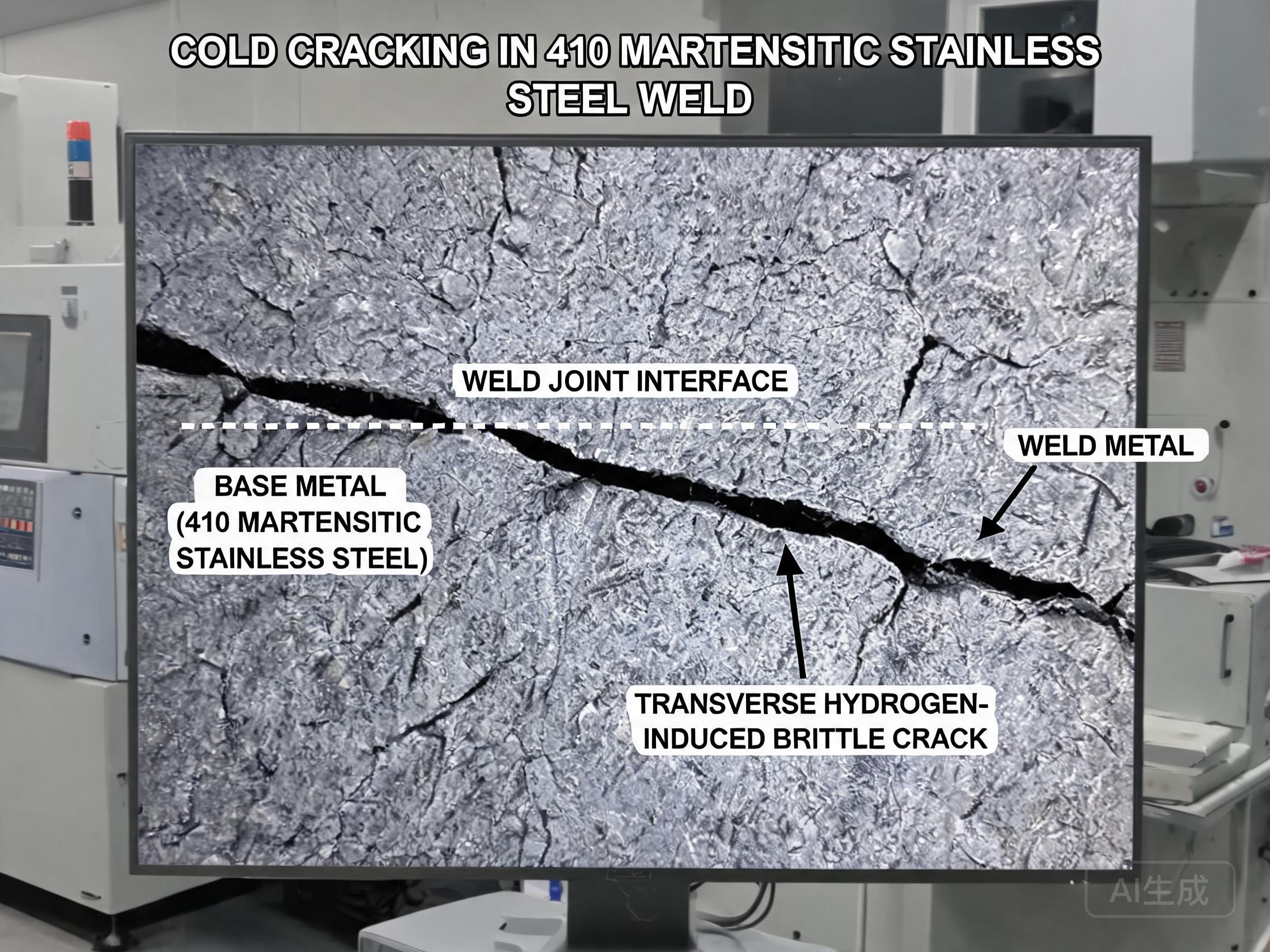
Cold cracking in 410 and 420 welds — why hydrogen, hard martensite and restraint combine to crack, and how preheat and post-weld temper stop it.
Will aluminum replace stainless steel? No. Stiffness, hardness, food safety, primary-smelting energy, anodize failure and iron-vs-bauxite reserves all keep stainless steel ahead of aluminum.
Sourcing cold rolled stainless steel sheet and slit strip up to 2mm thick: flat sheets and slit widths, thickness tolerances, edges and RFQ wording for a reliable thin-gauge supplier.
Common cold rolled stainless steel sheet sizes, standard mill cut-to-length widths and lengths, and how to dimension an order for flat sheets and blanks.
A receiving QC checklist for cold rolled stainless steel sheet and strip: thickness, width, flatness, burr, edge, film and certificate checks to reject bad batches early.
Sourcing cold rolled stainless steel sheet, strip and coil from China for the Vietnamese market: grades, dimensions, certificates, packing and delivery factors importers check.
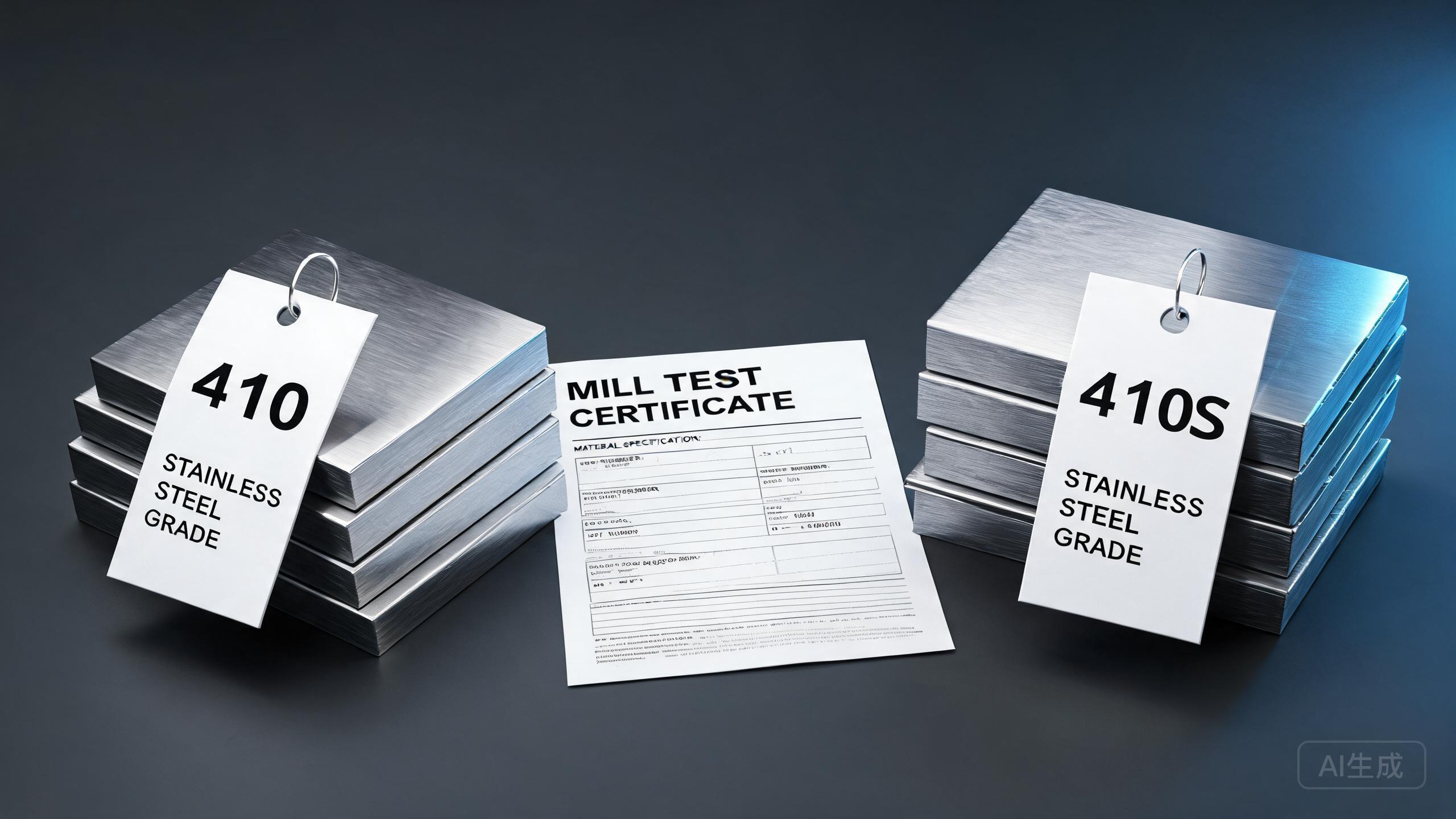
Carbon decides the difference between 410 and 410S. 410 hardens to high strength; 410S will not harden but welds cleanly. Pick by hardness or welding.
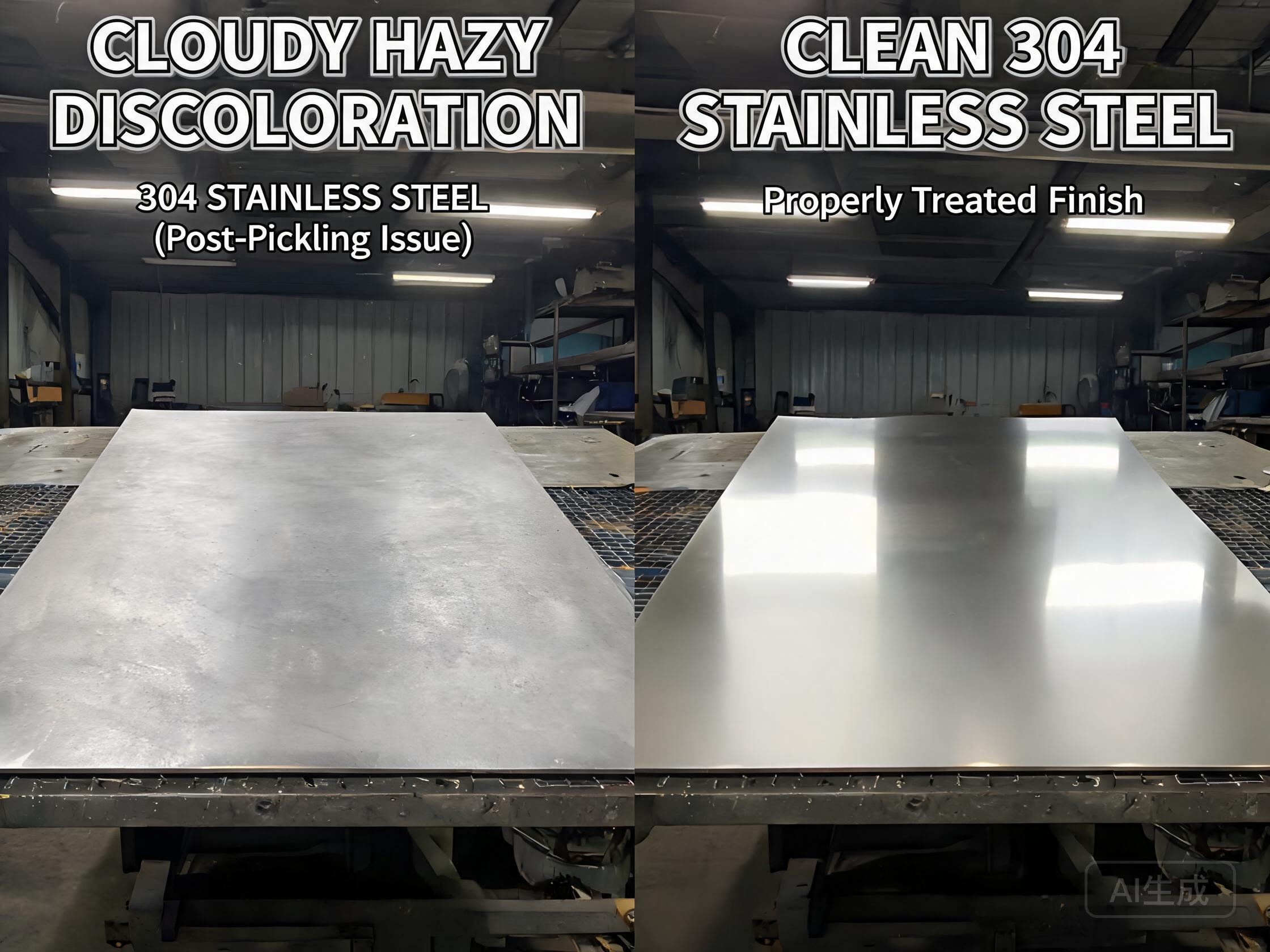
Cloudy hazy stainless after pickling or passivation is a top buyer headache. Compare 304 vs 316, water quality rules and how to specify rinse standards on your RFQ.
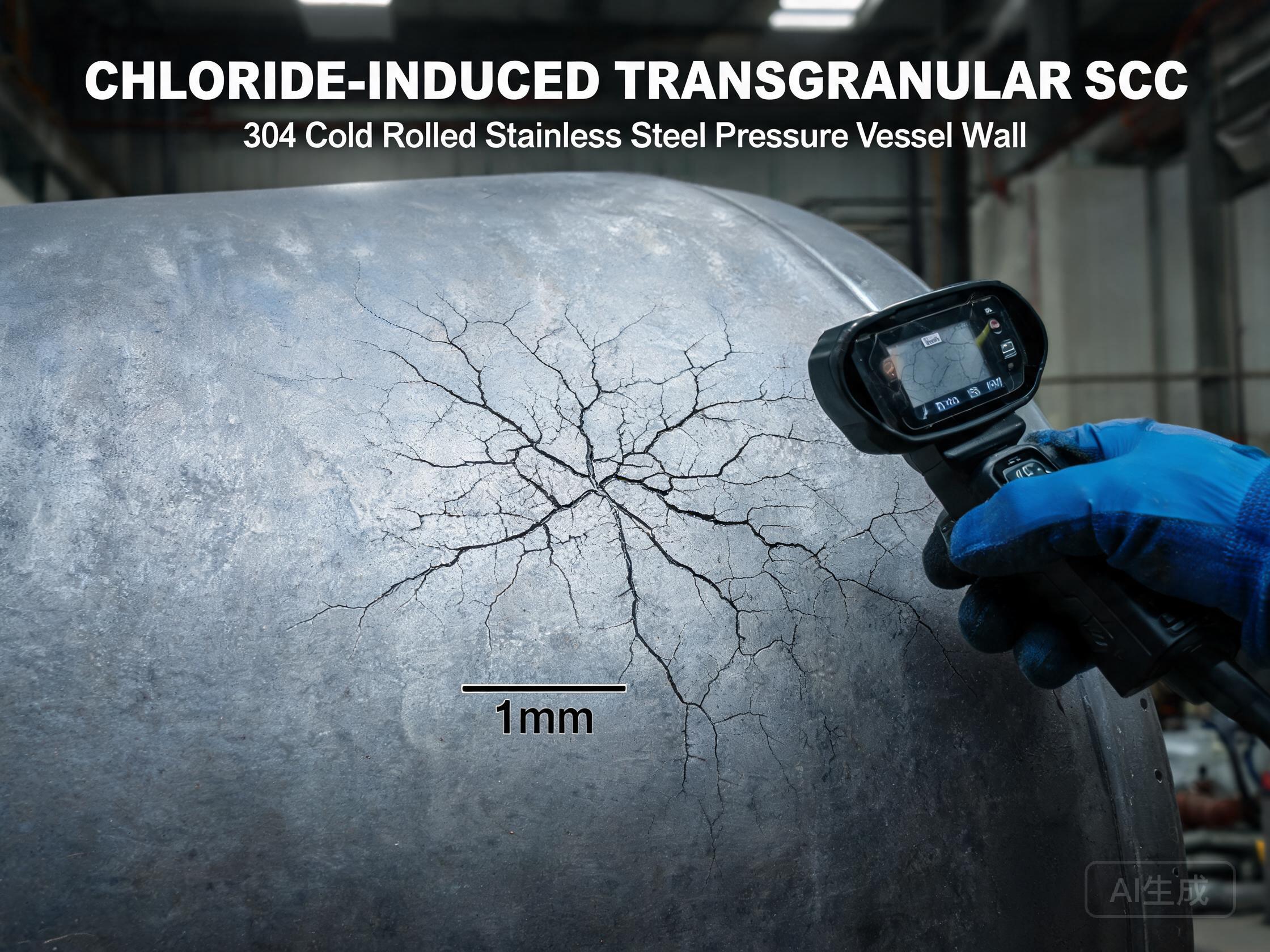
Chloride-induced stress corrosion cracking on cold rolled stainless steel. The 10 ppm threshold for 304, 100 ppm for 316, and why stress relief annealing is non-negotiable.
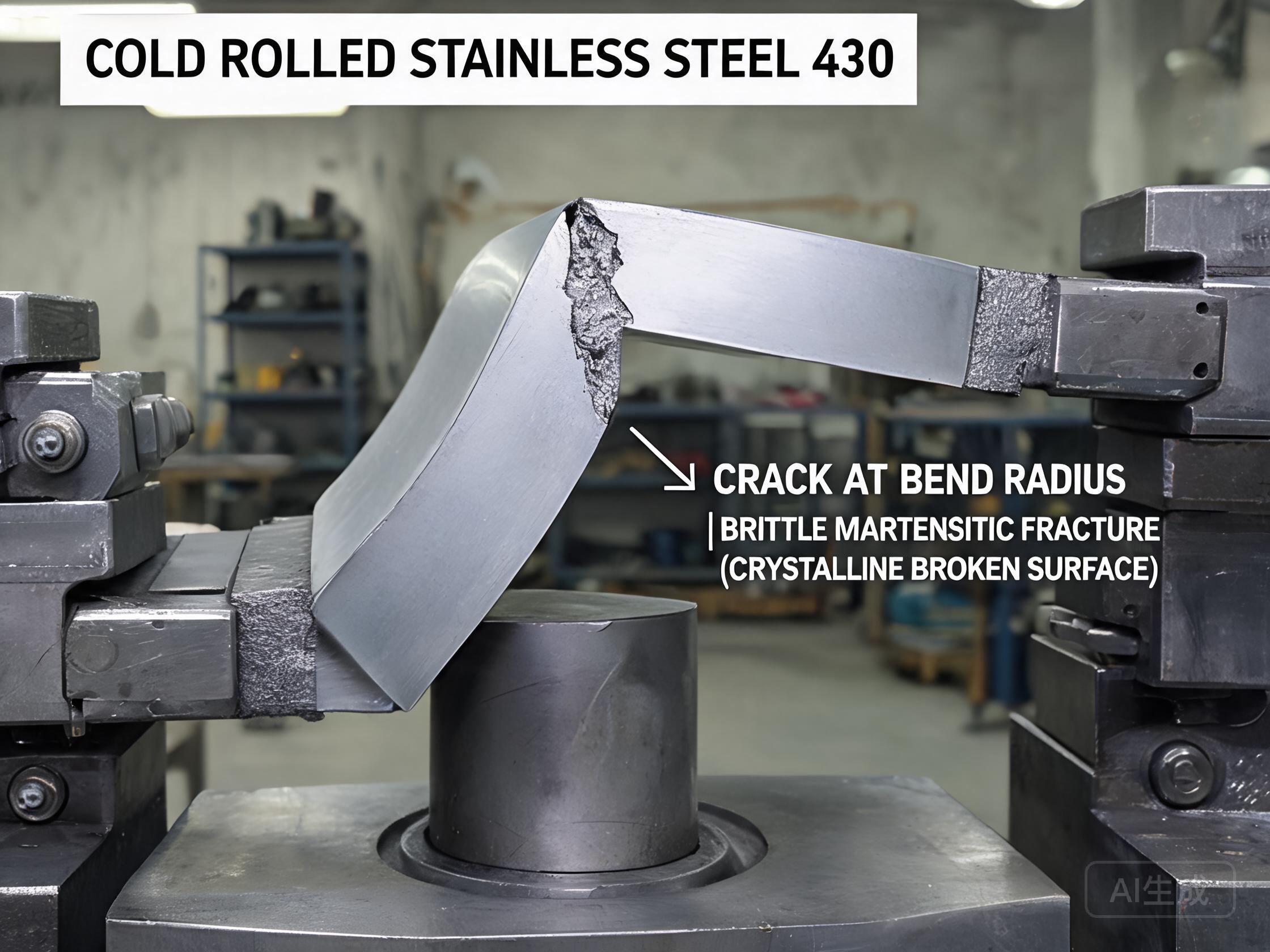
Why your 304 bends crack, what minimum bend radius 304 and 430 really need, and why bending against the grain is 2x more likely to fail — plus how to spot fake anneal from a Chinese mill.
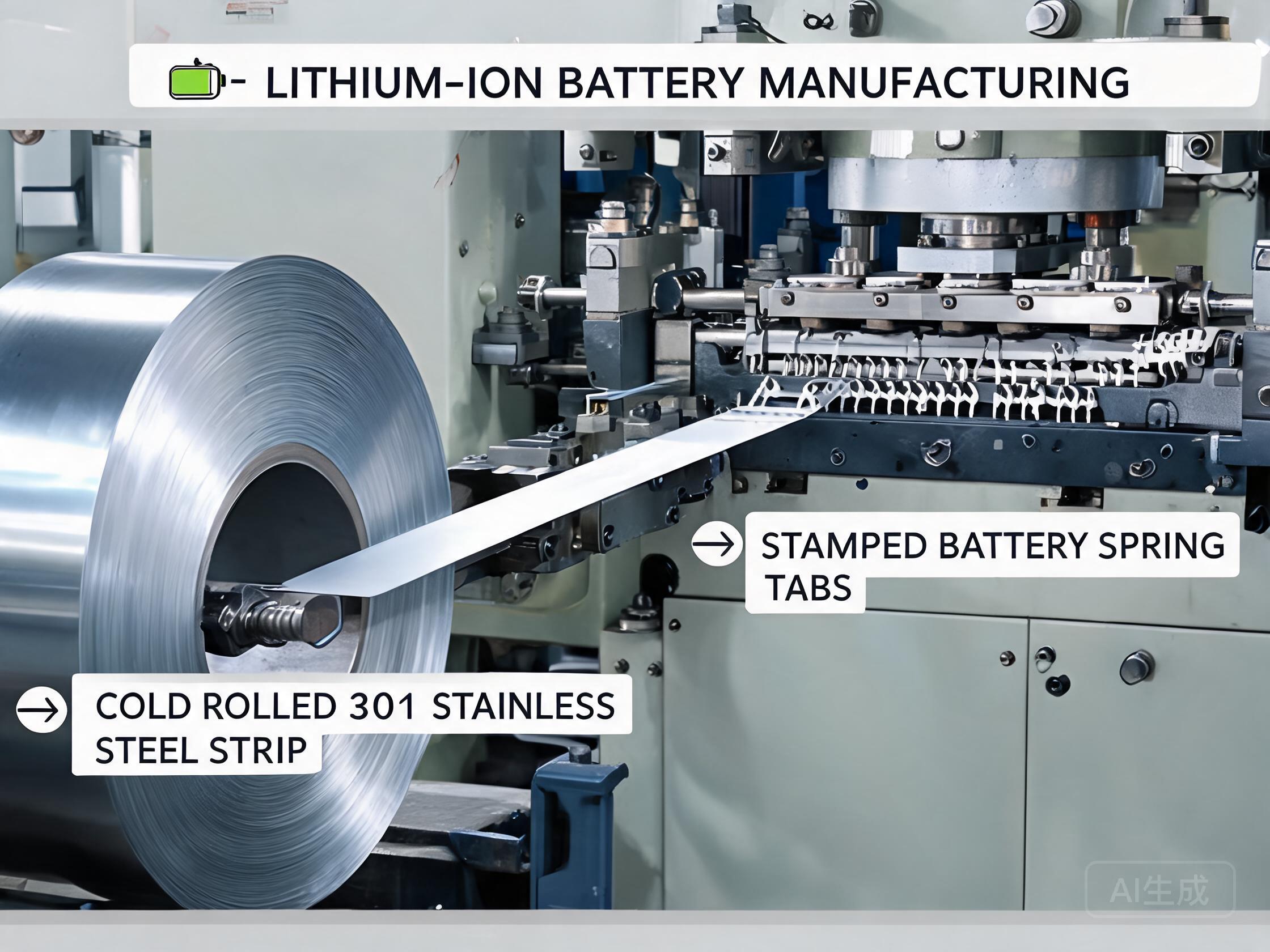
Cold rolled stainless steel for EV battery tabs and housings — 301 temper H for spring tabs, 304 for cell housing, 0.1–0.3 mm thick. Get the edge burr under 10 μm and stamping springback under 1% or your tab refuses to seat in the busbar.
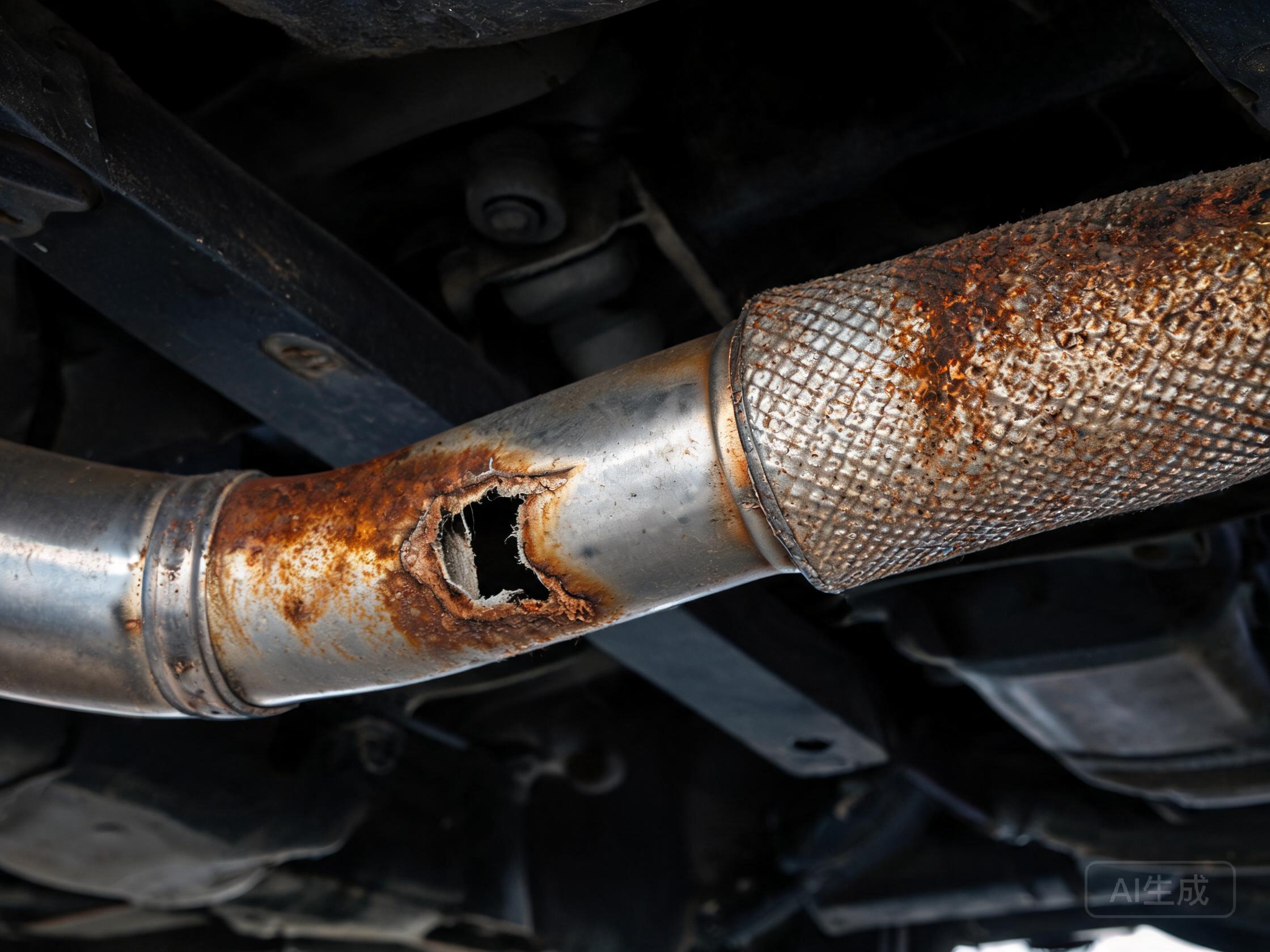
Automotive exhaust corrosion from condensate, 1000°C intermittent heat and thermal fatigue — compare 409, 430 and 304 cold rolled stainless steel and specify the right grade and thickness before your exhaust fails at the weld or the muffler seam.
Compare ferritic 430 and austenitic 304 stainless steel for appliances, cookware, decorative panels and formed components.
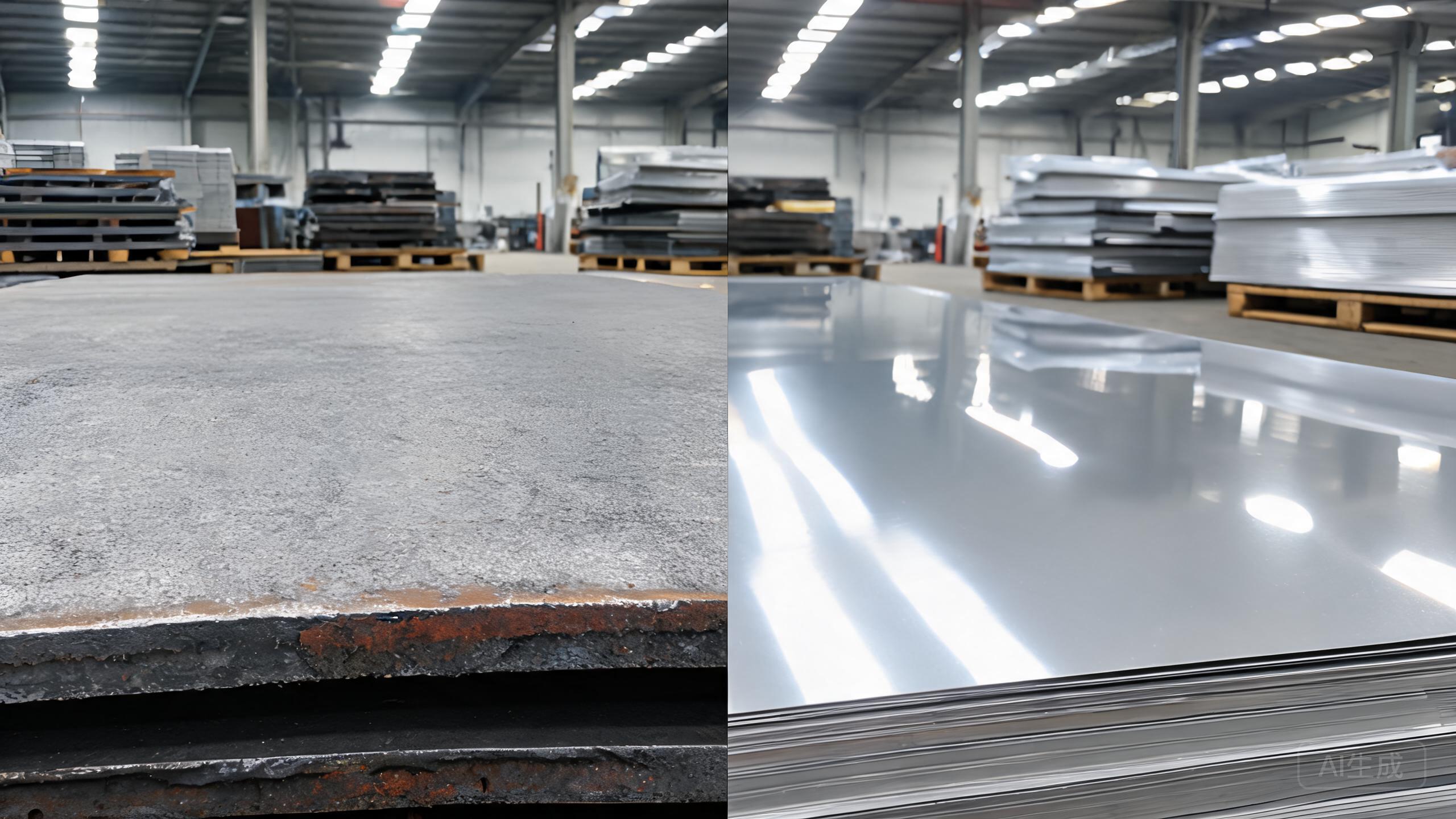
Compare cold-rolled (CR) and hot-rolled (HR) stainless steel: when to use No.1, 2D or 2B, how thickness ranges differ, and what each adds to the per-tonne cost.
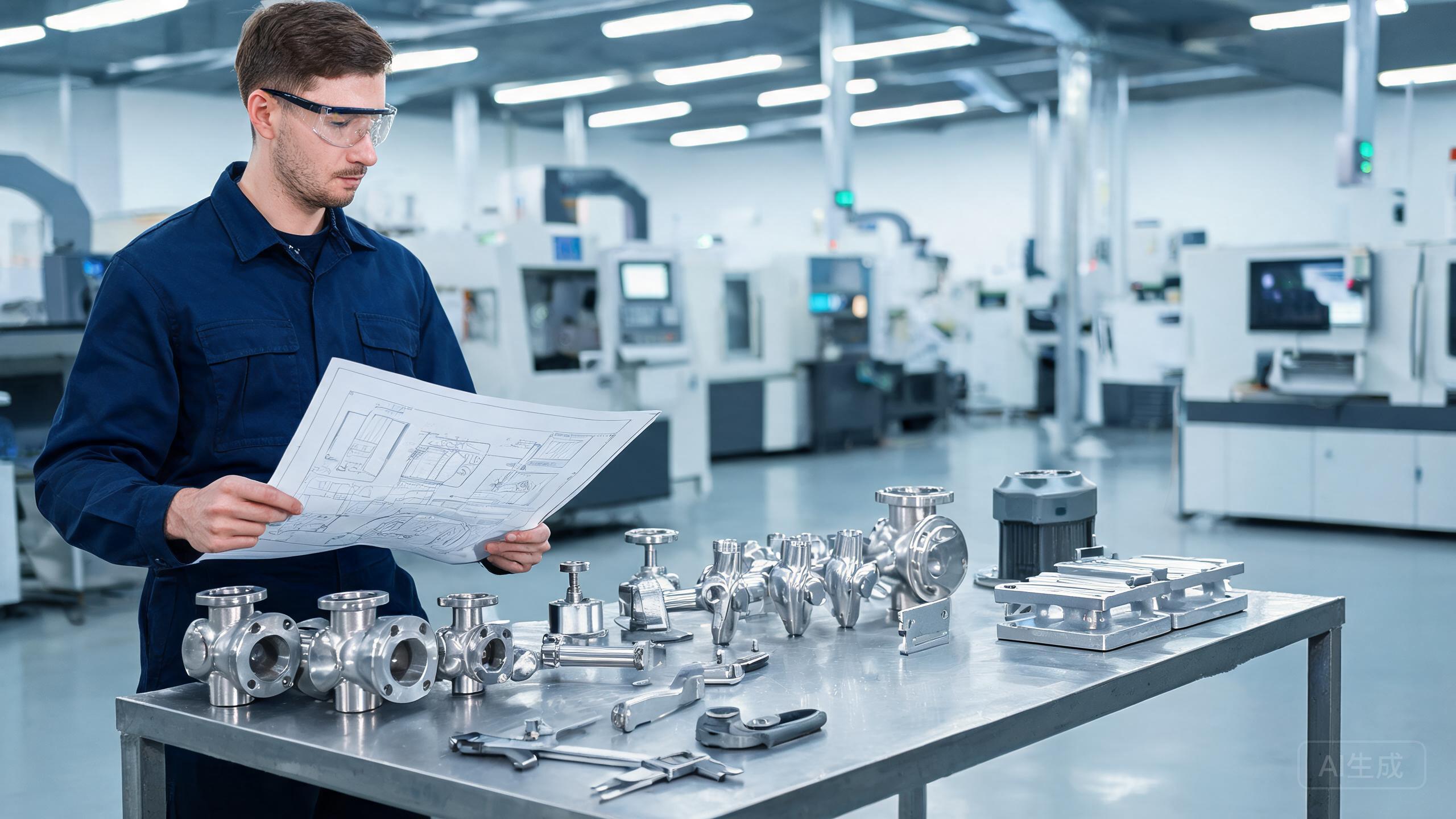
How buyers should structure custom stainless equipment projects: OEM vs ODM, drawing handover, prototype stages, NDAs and milestone payment best practices.
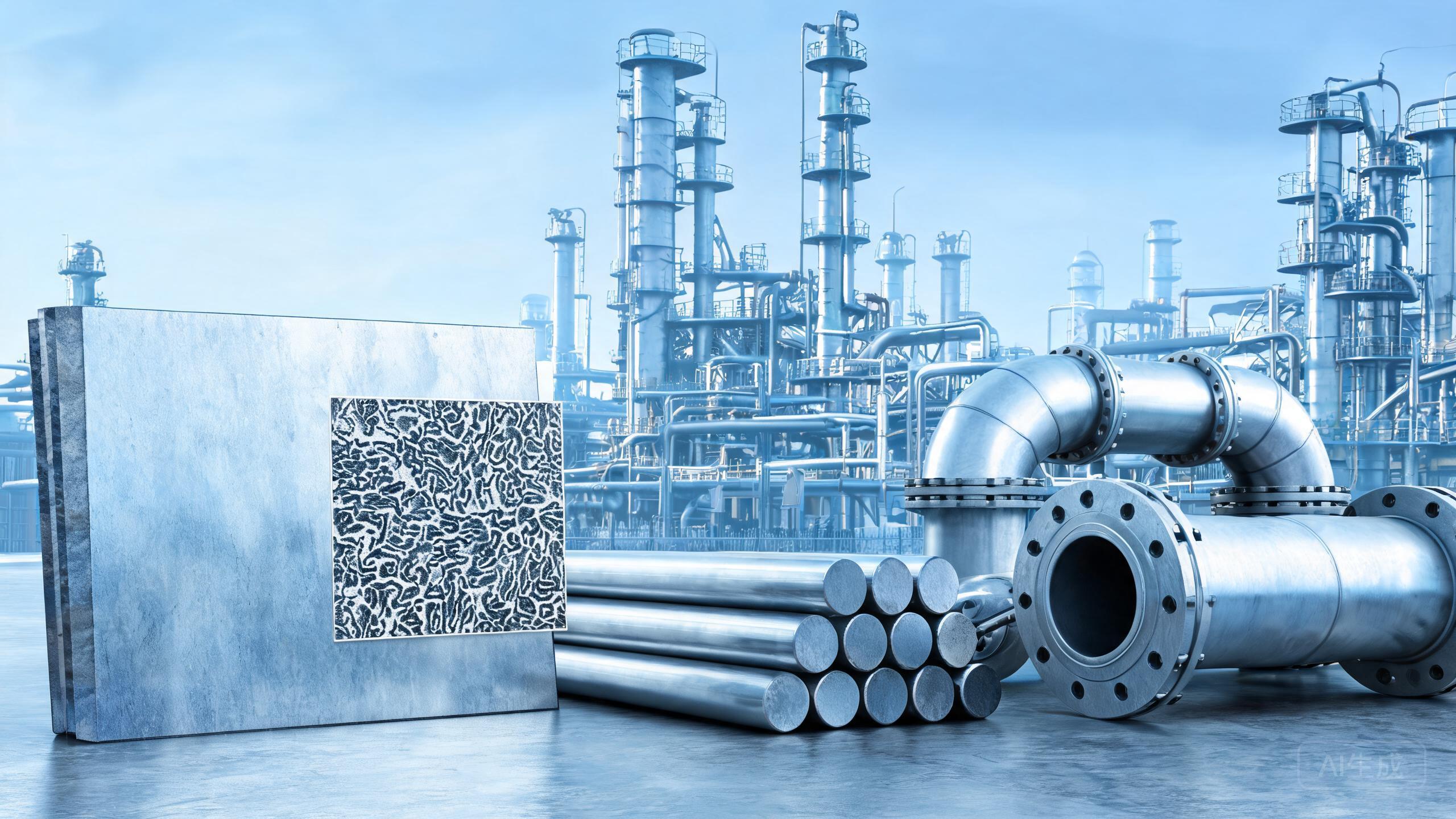
Understand standard duplex 2205, super duplex 2507 and lean duplex grades (2304, 2101) by corrosion resistance, strength, weldability and typical applications.
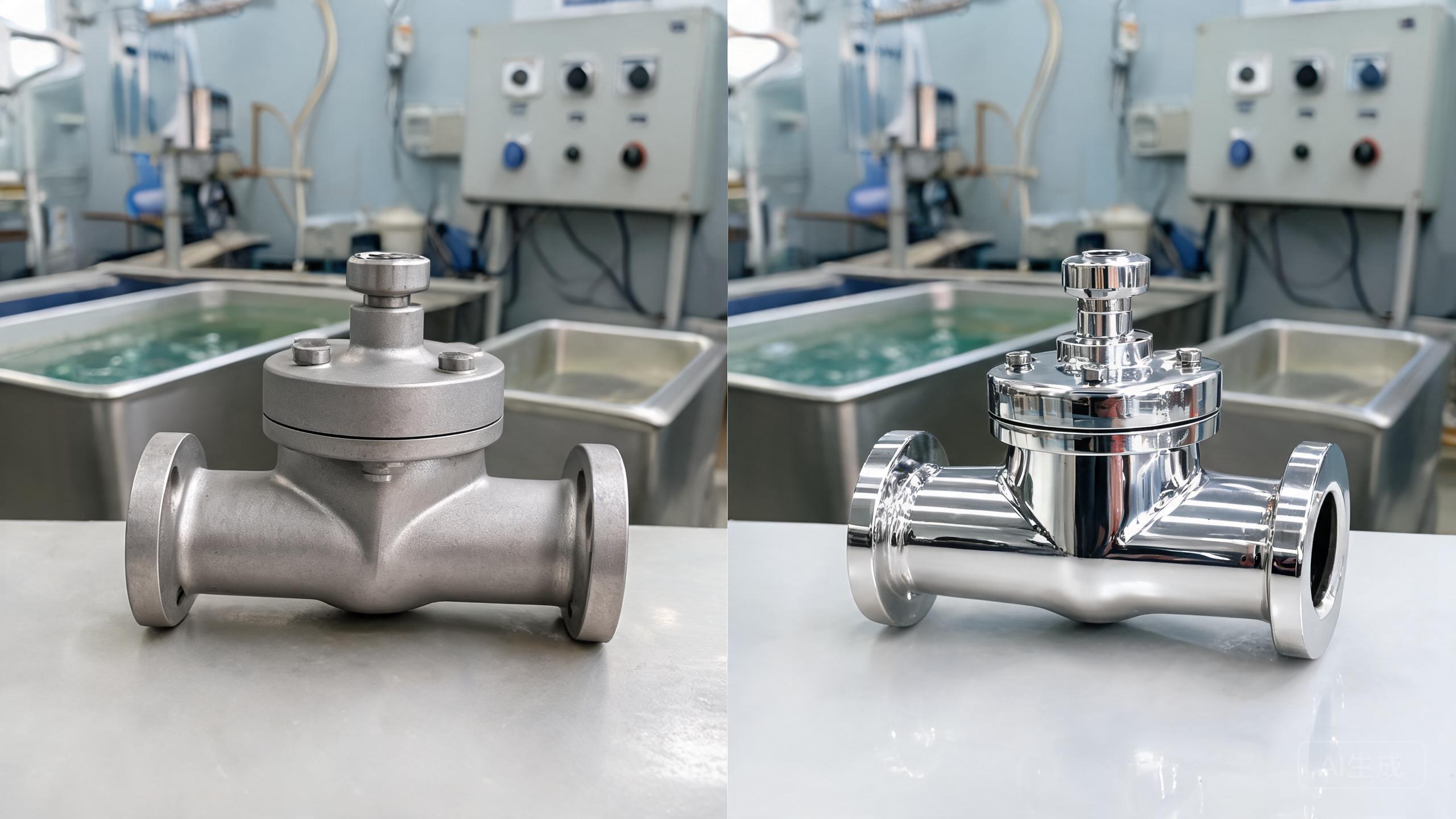
How electropolishing works, what it changes in surface roughness and corrosion resistance, and how buyers should specify it vs mechanical polishing.
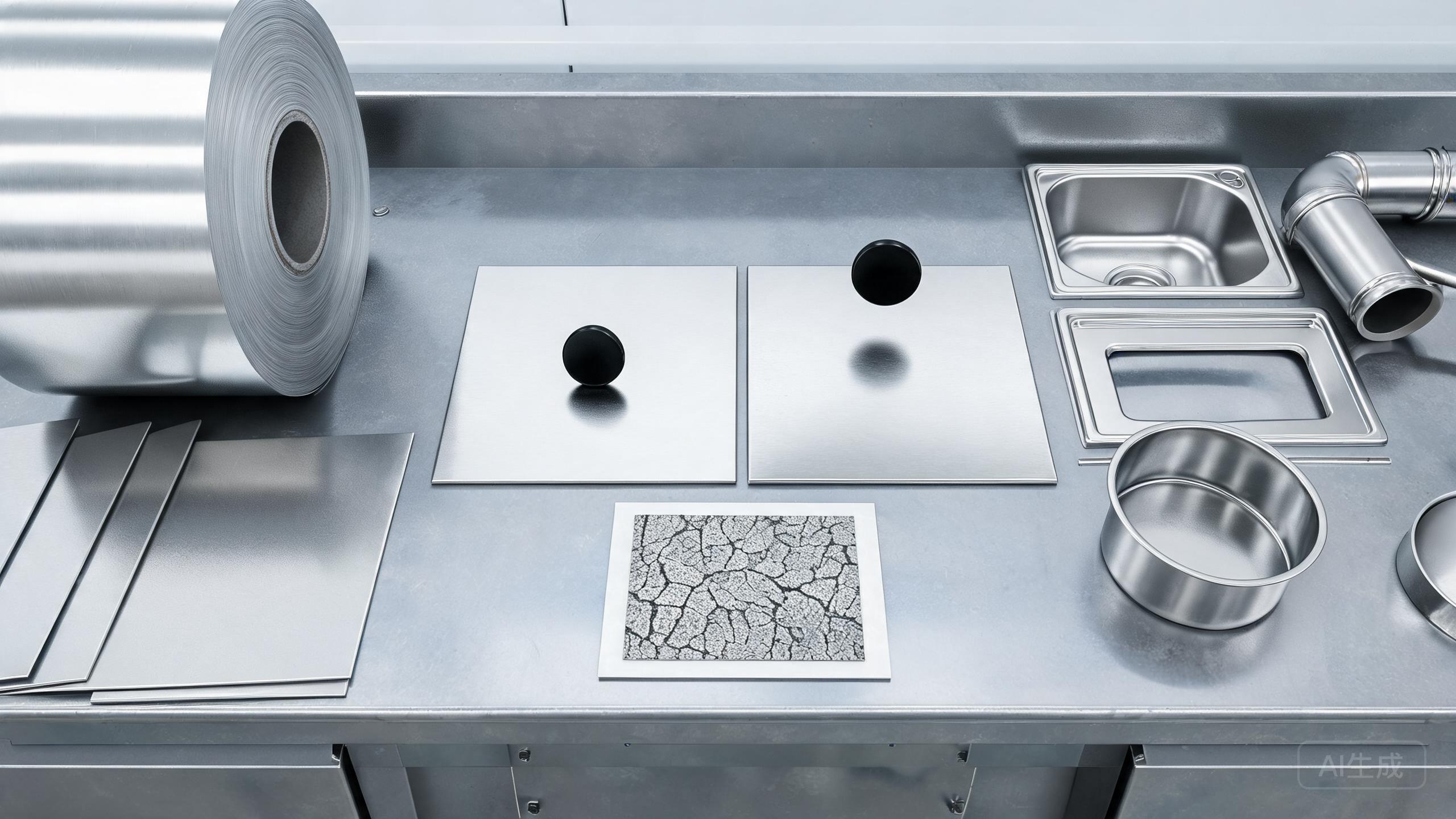
Compare common ferritic stainless grades 430, 430MA, 439, 441 and 444 on corrosion resistance, formability, cost and typical applications.
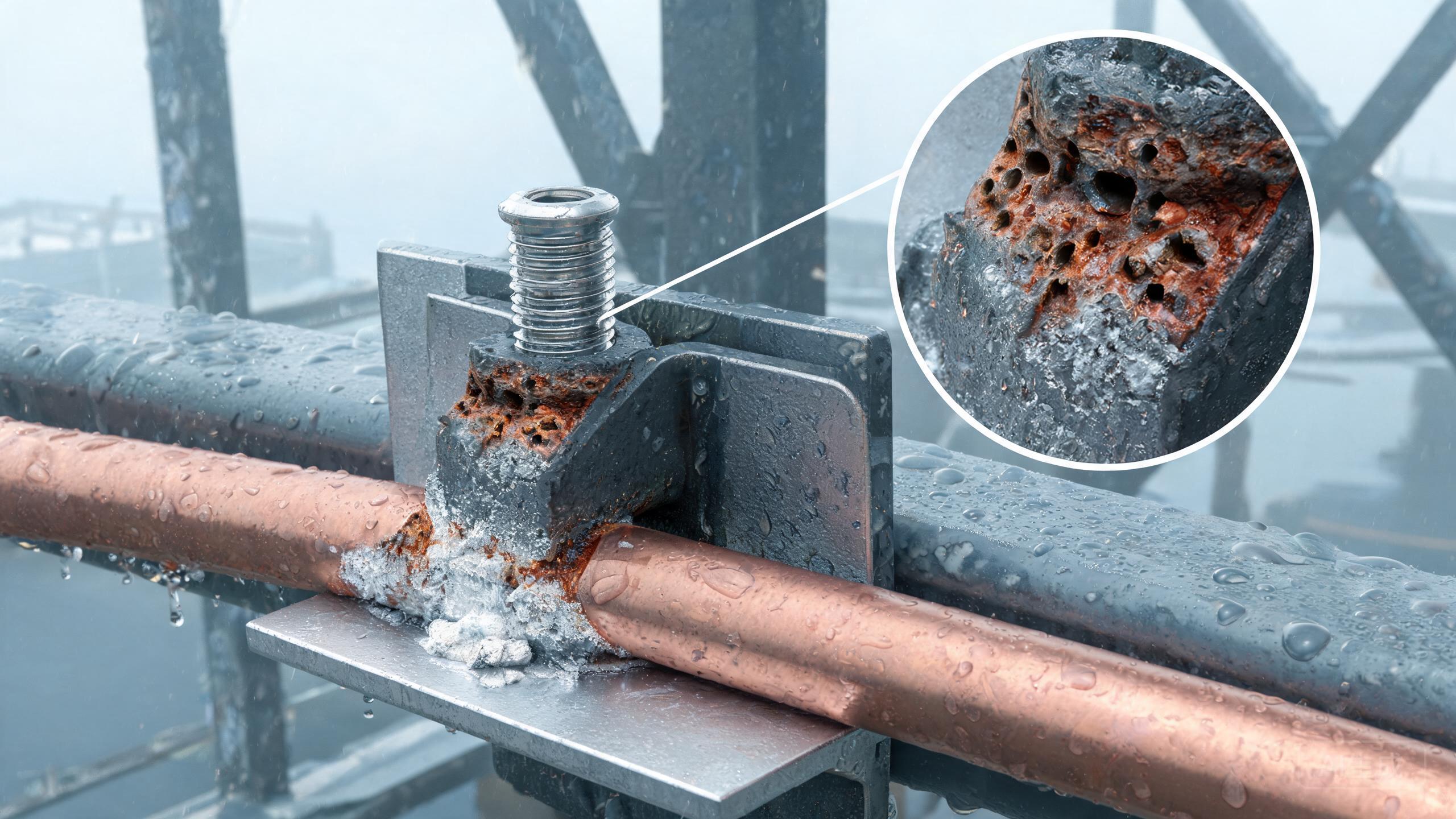
A galvanic-series guide to pairing stainless steel with carbon steel, aluminum, copper, brass: when to isolate and what prevents bimetallic attack.
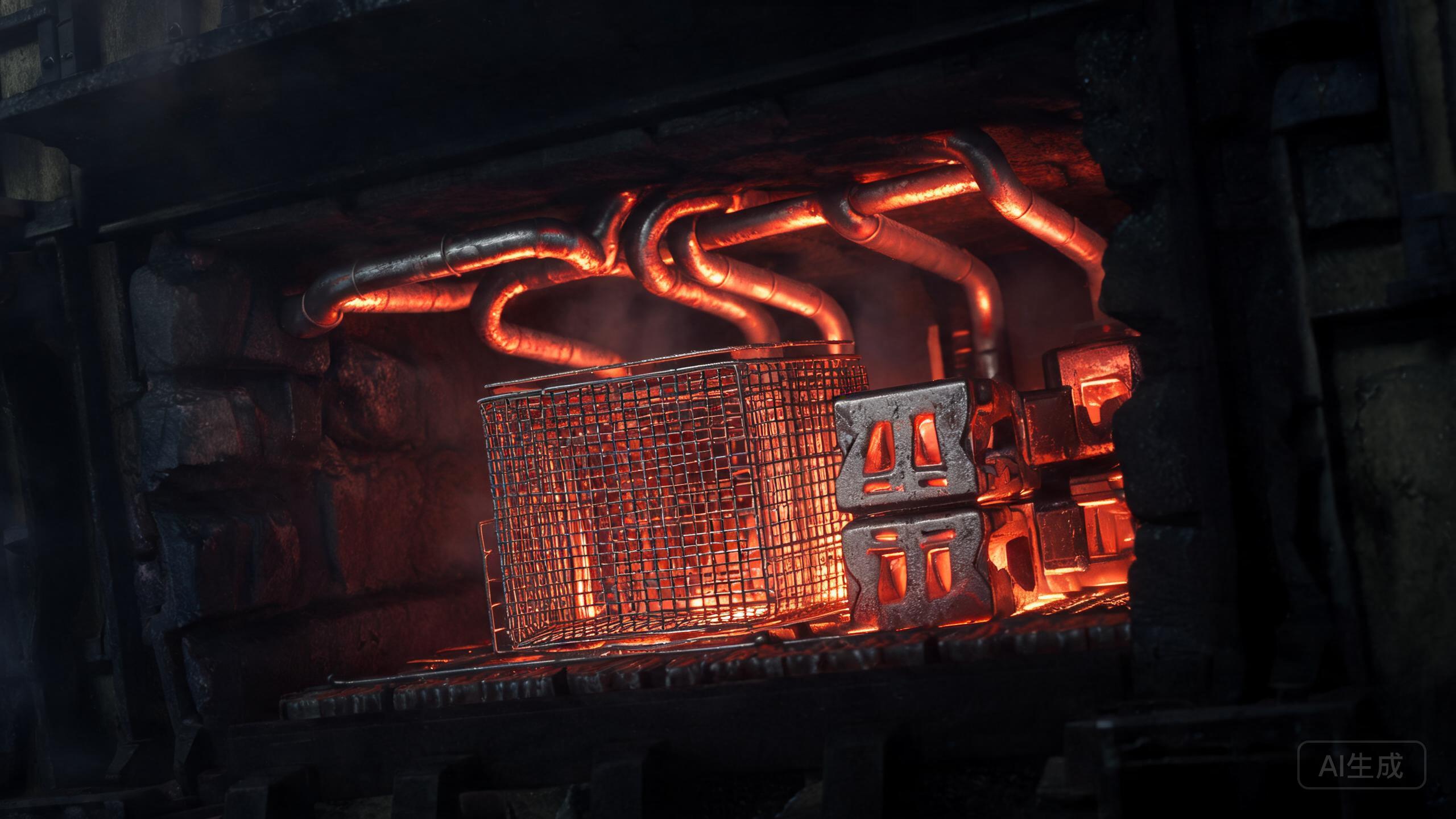
Selecting heat-resistant stainless for 700–1100 °C service: 309S, 310S, 314 and 330, plus key failure modes: carburization, thermal fatigue and embrittlement.
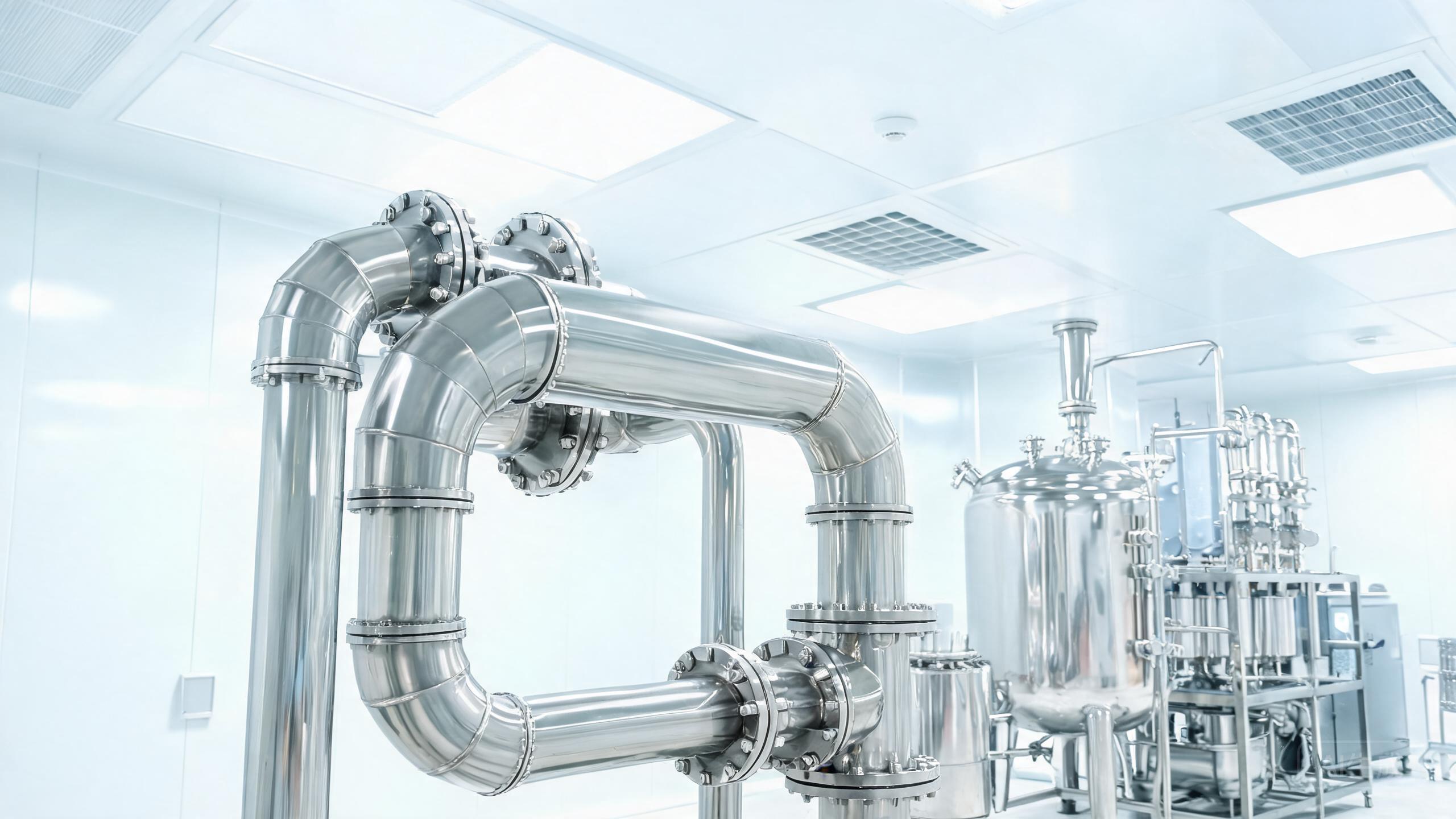
Choosing 304L vs 316L, surface finishes Ra/Rz, weld-end and gasket standards, electropolishing, and FDA / EHEDG compliance for pharma process equipment.
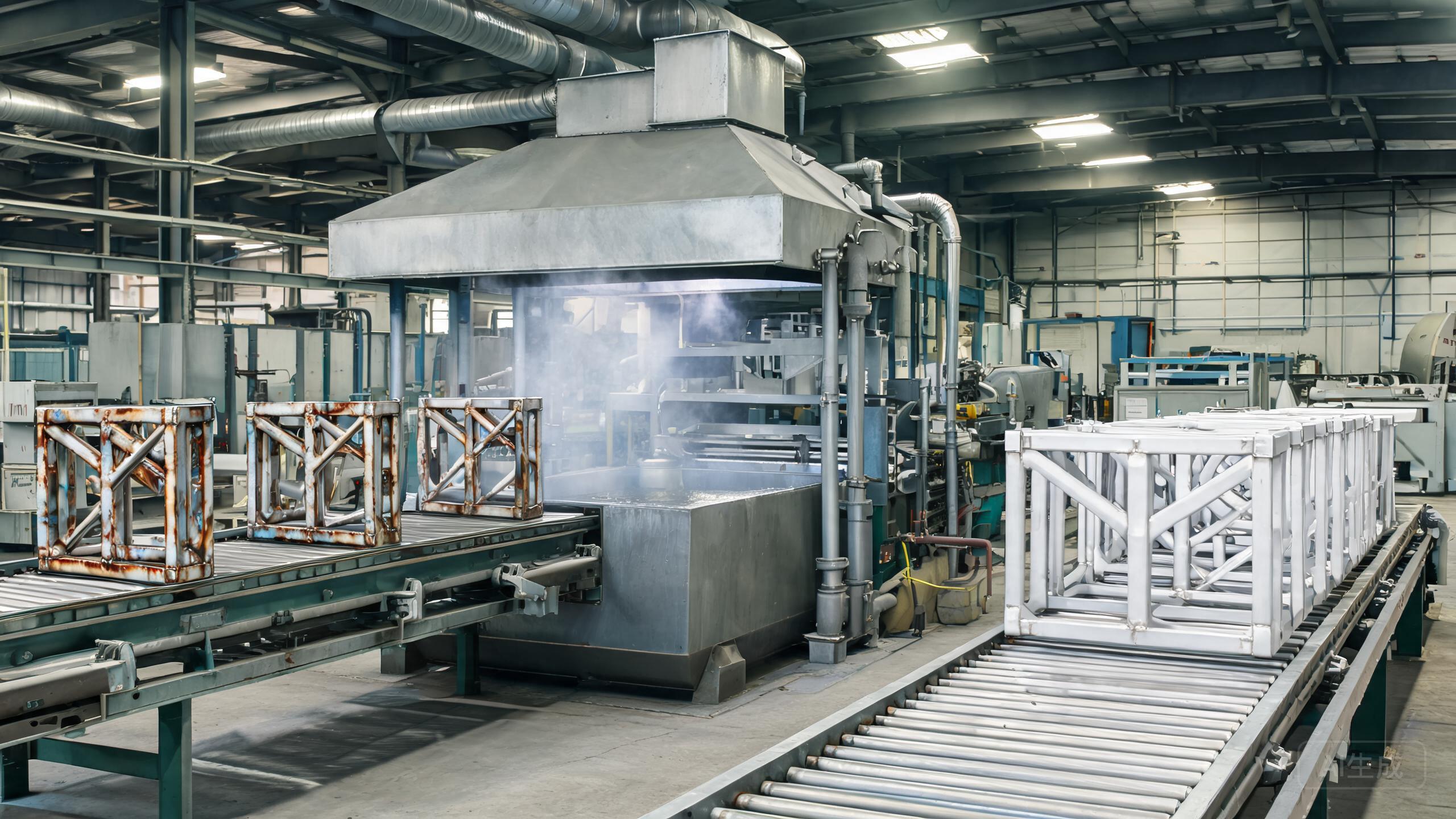
Understand pickling vs passivation, when each is required, the nitric vs citric routes, and how buyers inspect treated fabrications.
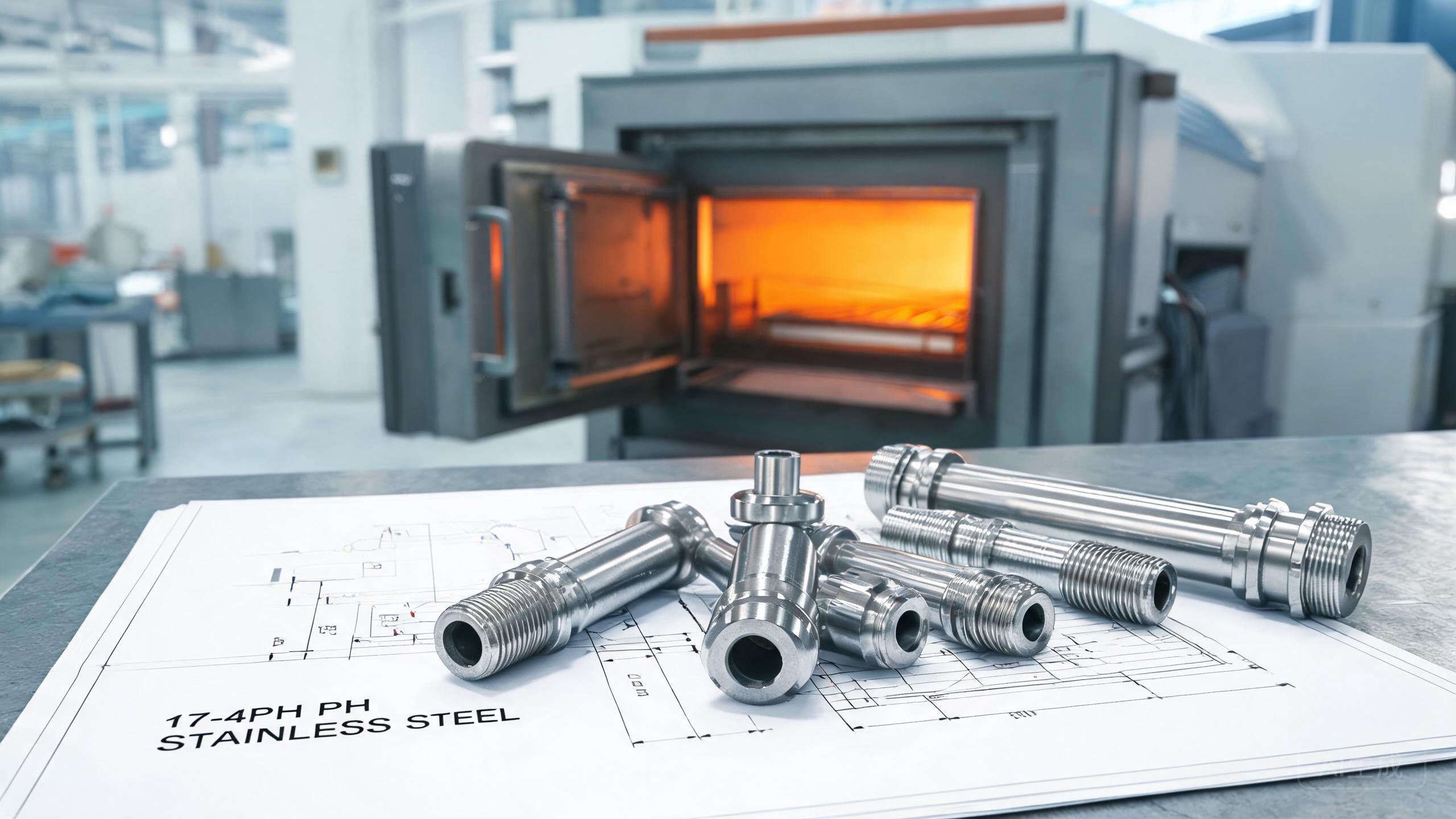
An introduction to PH stainless grades 17-4PH, 15-5PH, 17-7PH and PH 13-8 Mo: strength-toughness-corrosion tradeoffs and the typical H900 / H1100 tempers.
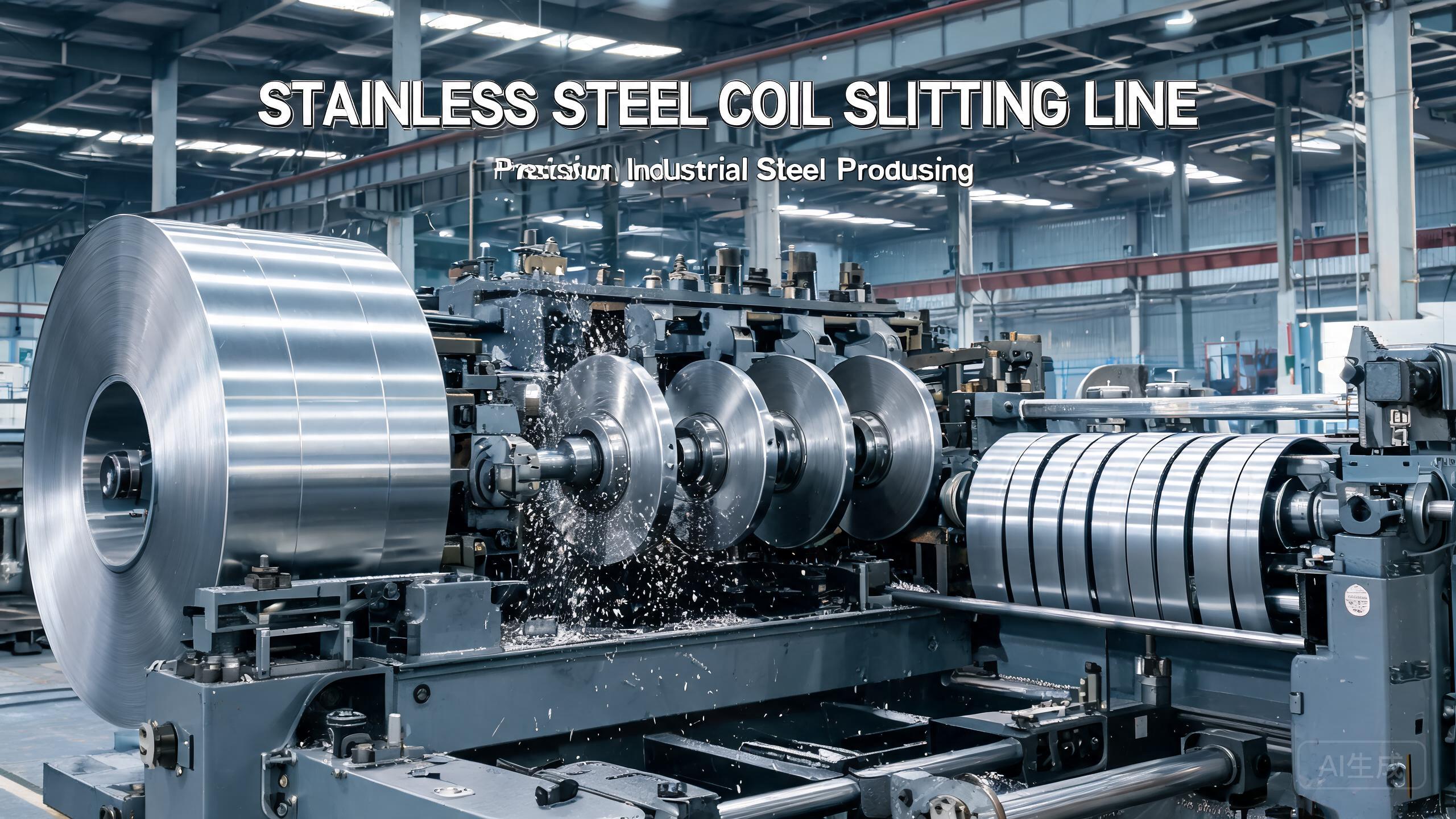
A service-center guide to coil slitting: how burr, camber, width tolerance and edge quality affect downstream stamping, roll-forming and welding.

Specify the right grade and finish for stainless balustrades, handrails, wall cladding and roofing panels, including coastal and industrial environments.
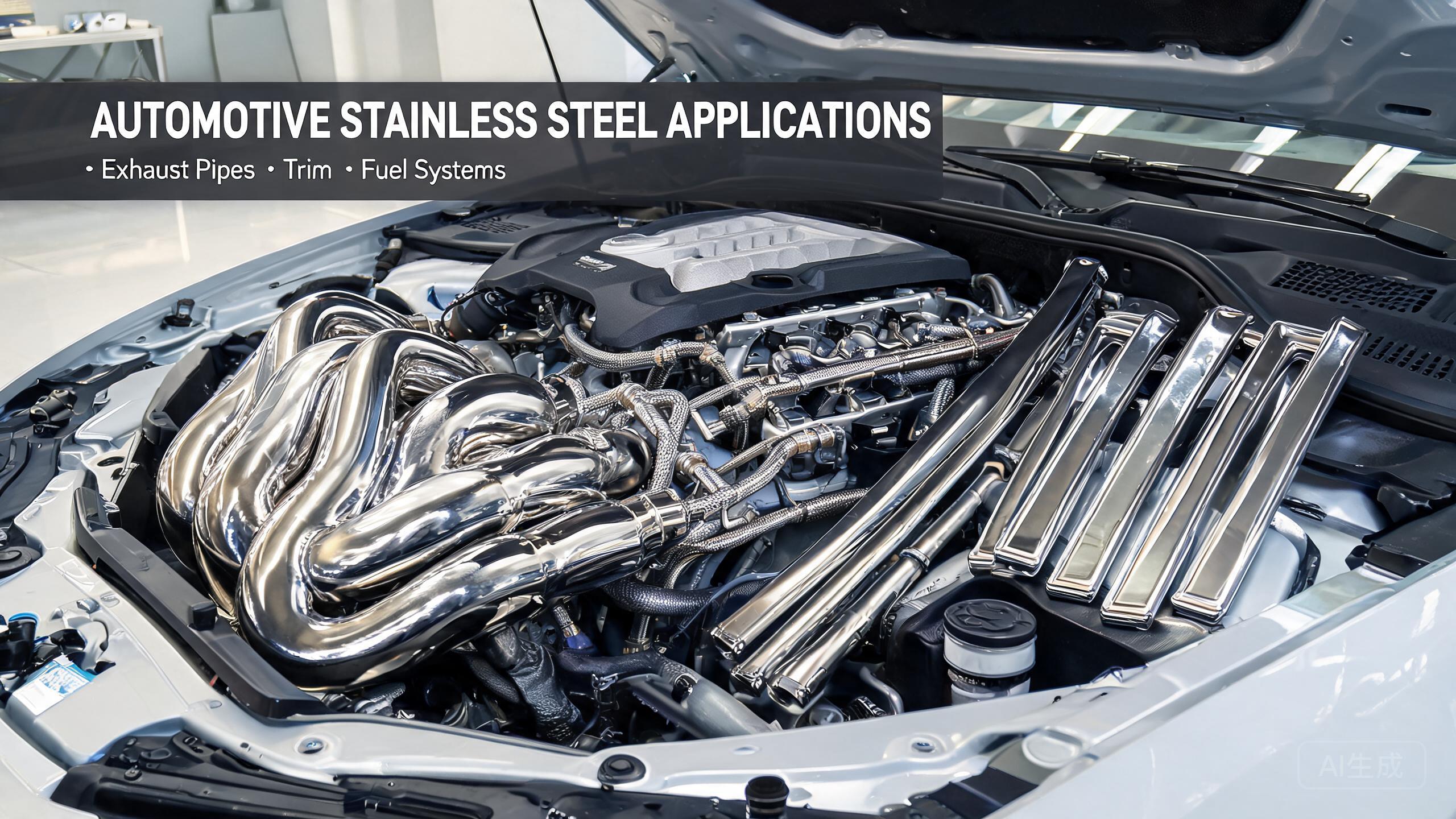
Compare 409, 439, 441, 304 and 316L for automotive exhaust manifolds, hot ends, cold ends, tailpipes and structural chassis parts.
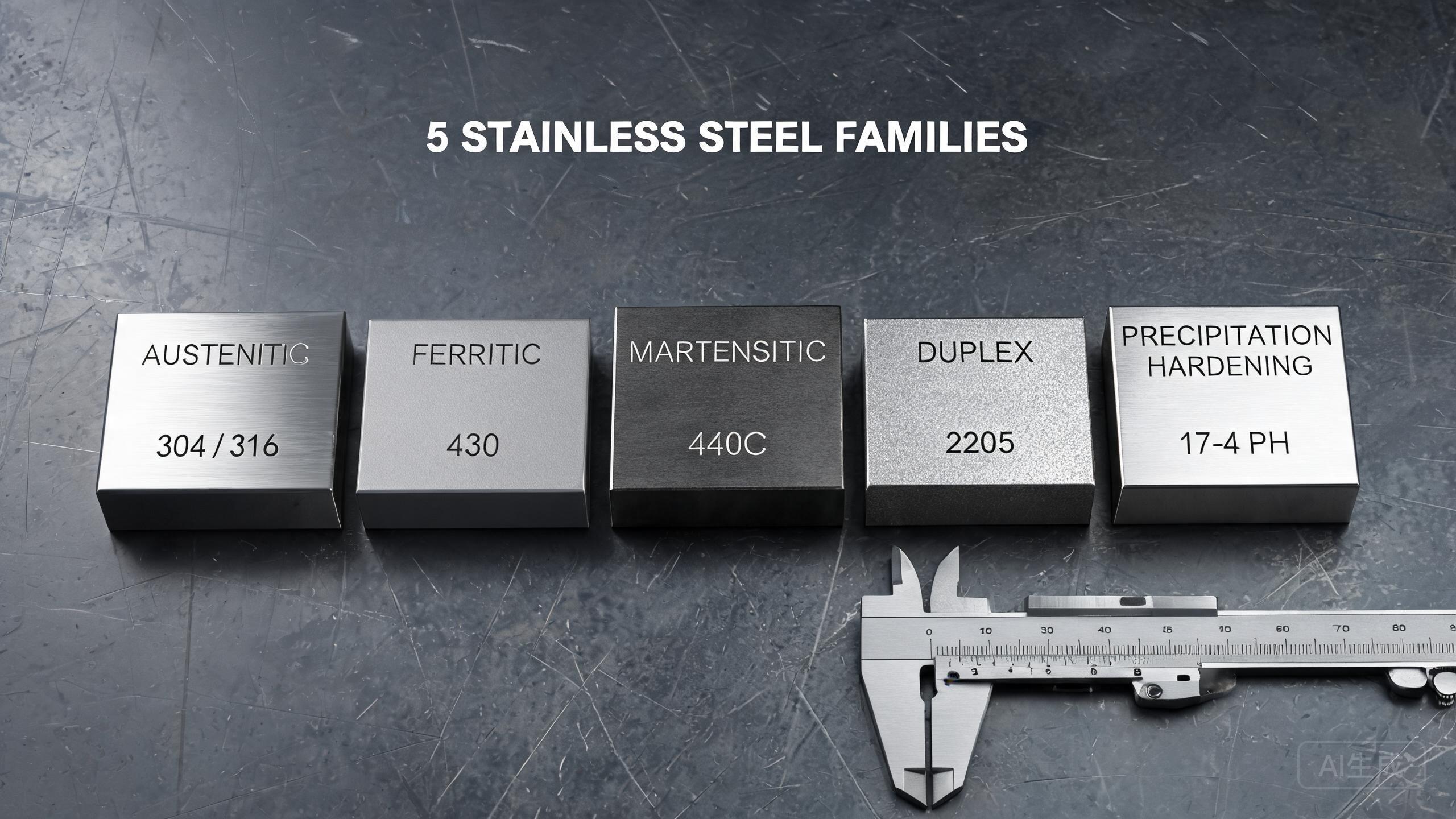
Decide between the four stainless steel families by microstructure, corrosion resistance, strength, magnetism, weldability and typical product use cases.
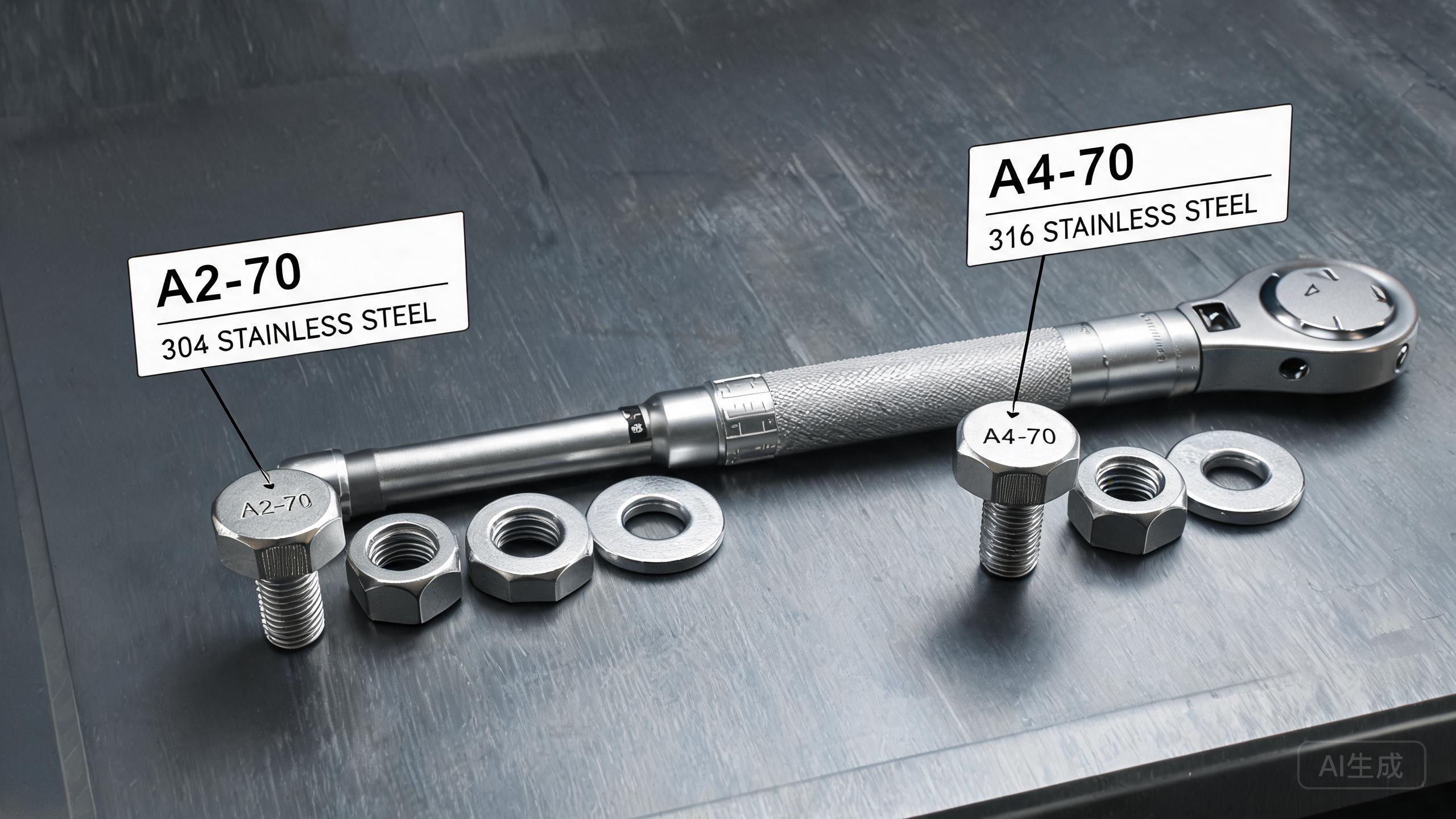
Understand ISO 3506 stainless fastener classes (A2-70, A2-80, A4-70, A4-80), how they relate to 304 and 316, and the most common field failures.
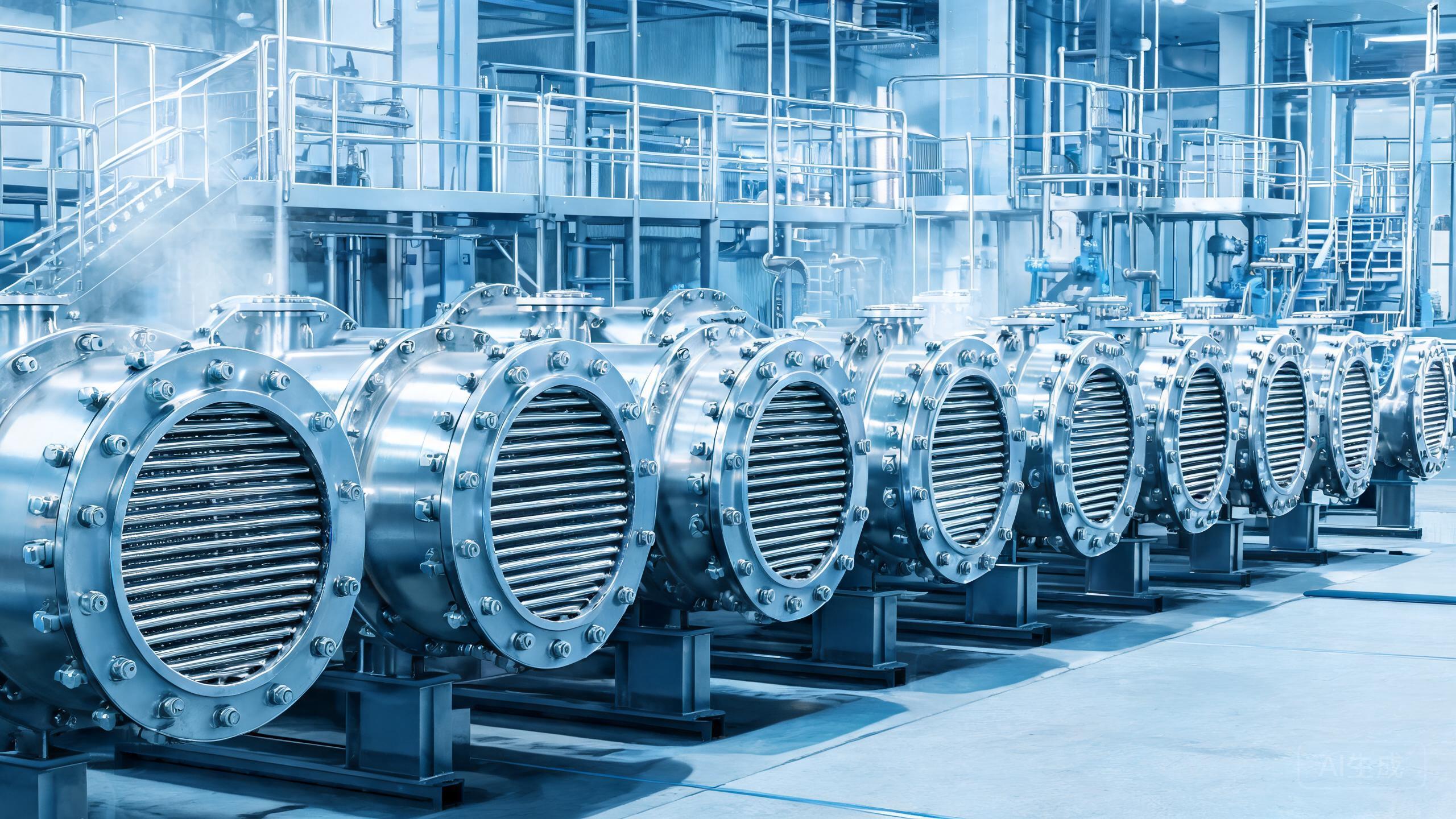
A practical buyer-side guide to choosing 304L, 316L, 2205, titanium or higher alloys for shell-and-tube, plate and brazed heat exchangers.
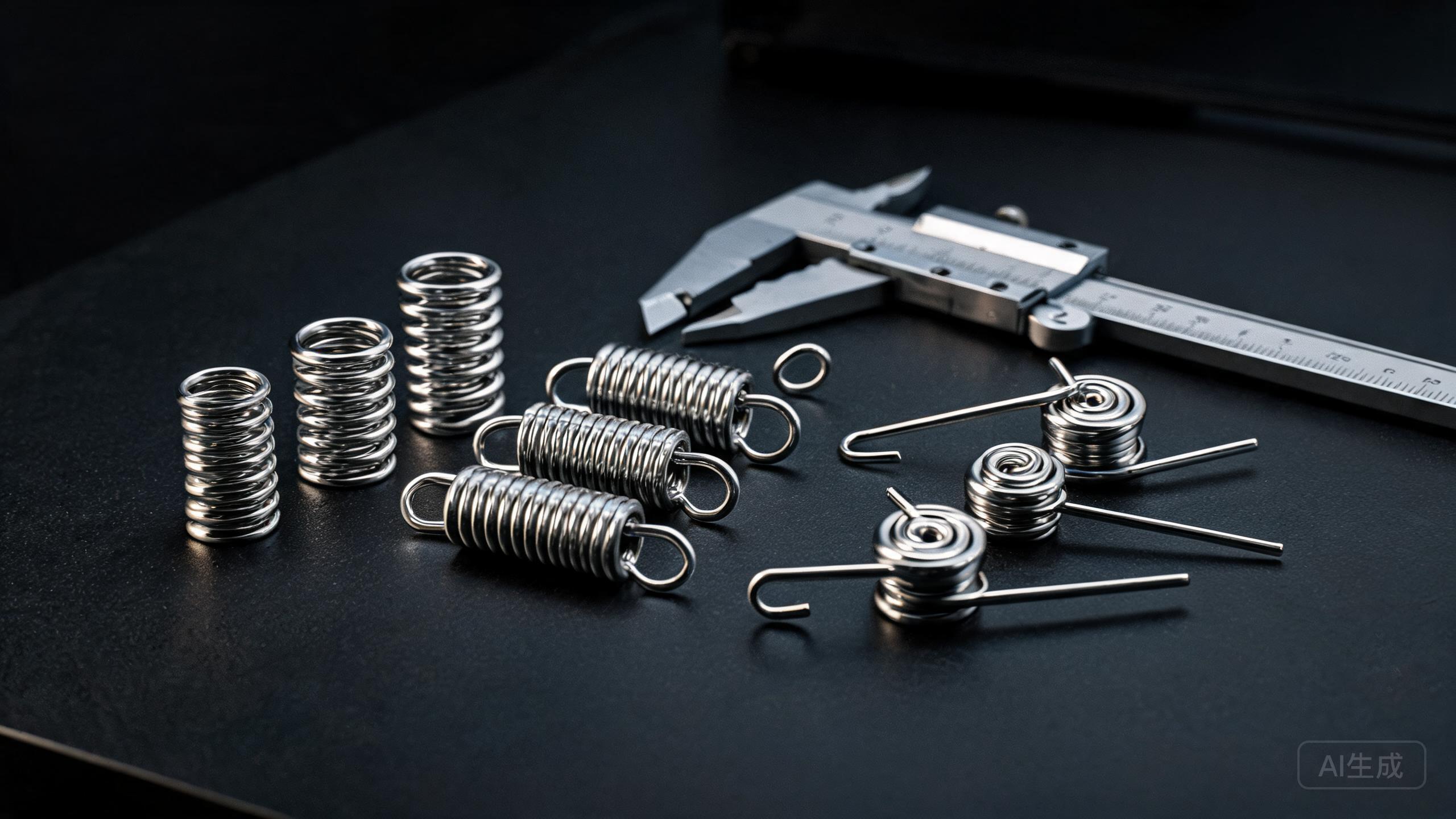
A design and purchasing guide to stainless springs: 301 high-tensile, 302 general, 316 corrosion-resistant, 631 (17-7PH) high-temperature, plus fatigue and relaxation pitfalls.
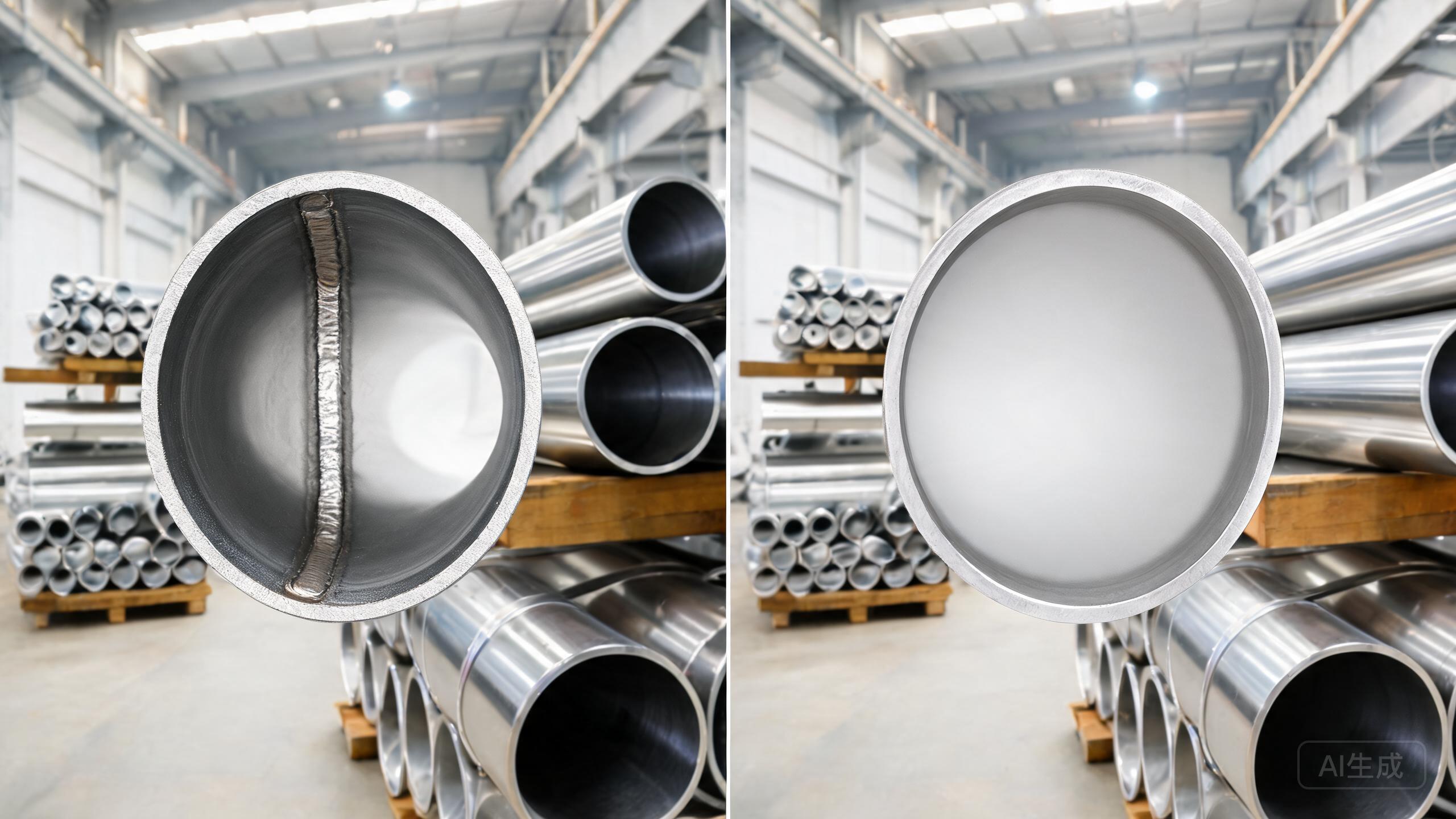
Compare welded (ERW / welded and drawn) vs seamless stainless steel tube and pipe for pressure, process, mechanical and sanitary applications.
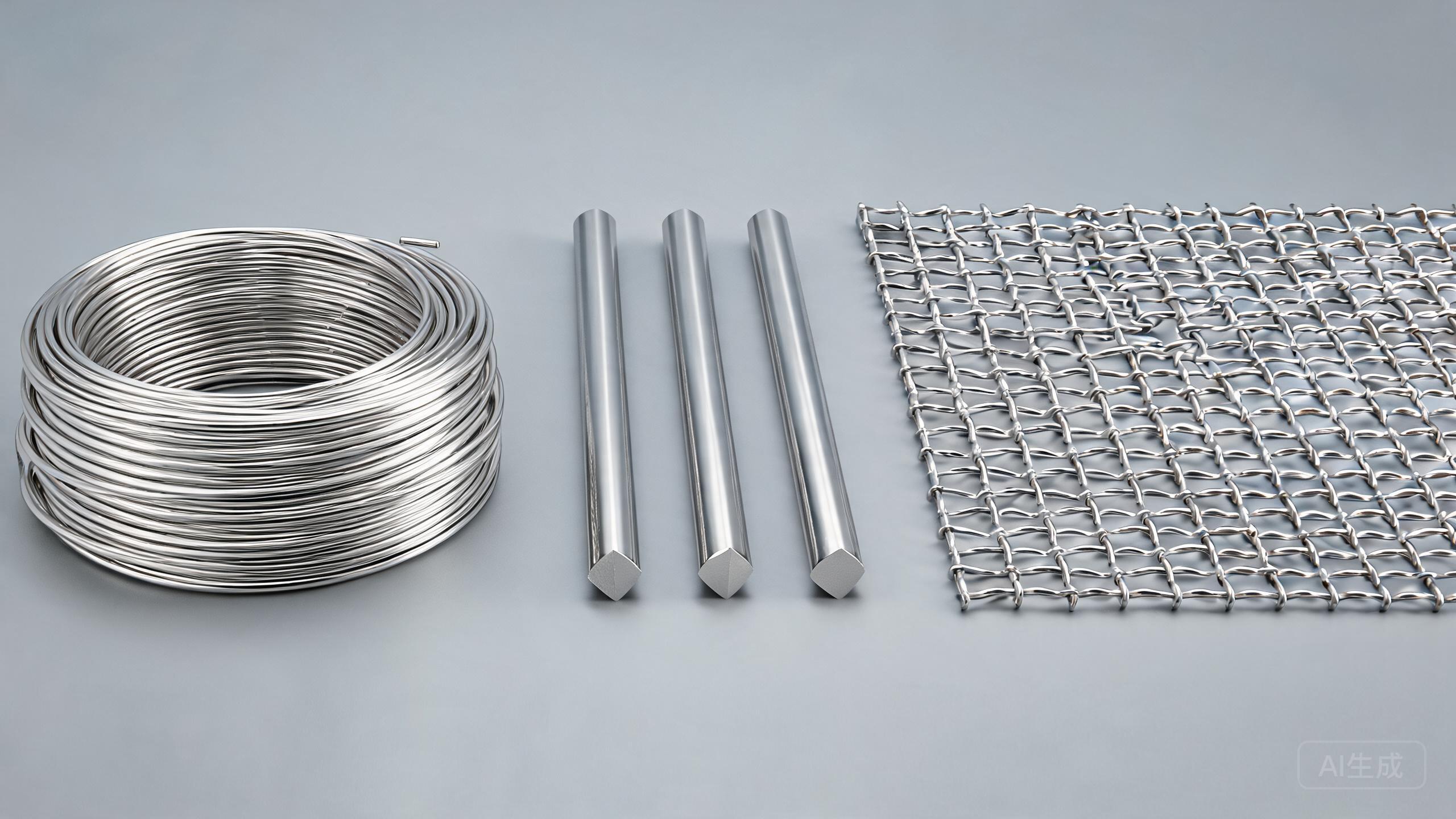
A buyer guide to stainless steel wire families: 302/304 general purpose, 301 high-strength spring, 316 marine, 430 magnetic, and 631 / 17-7PH spring wire.
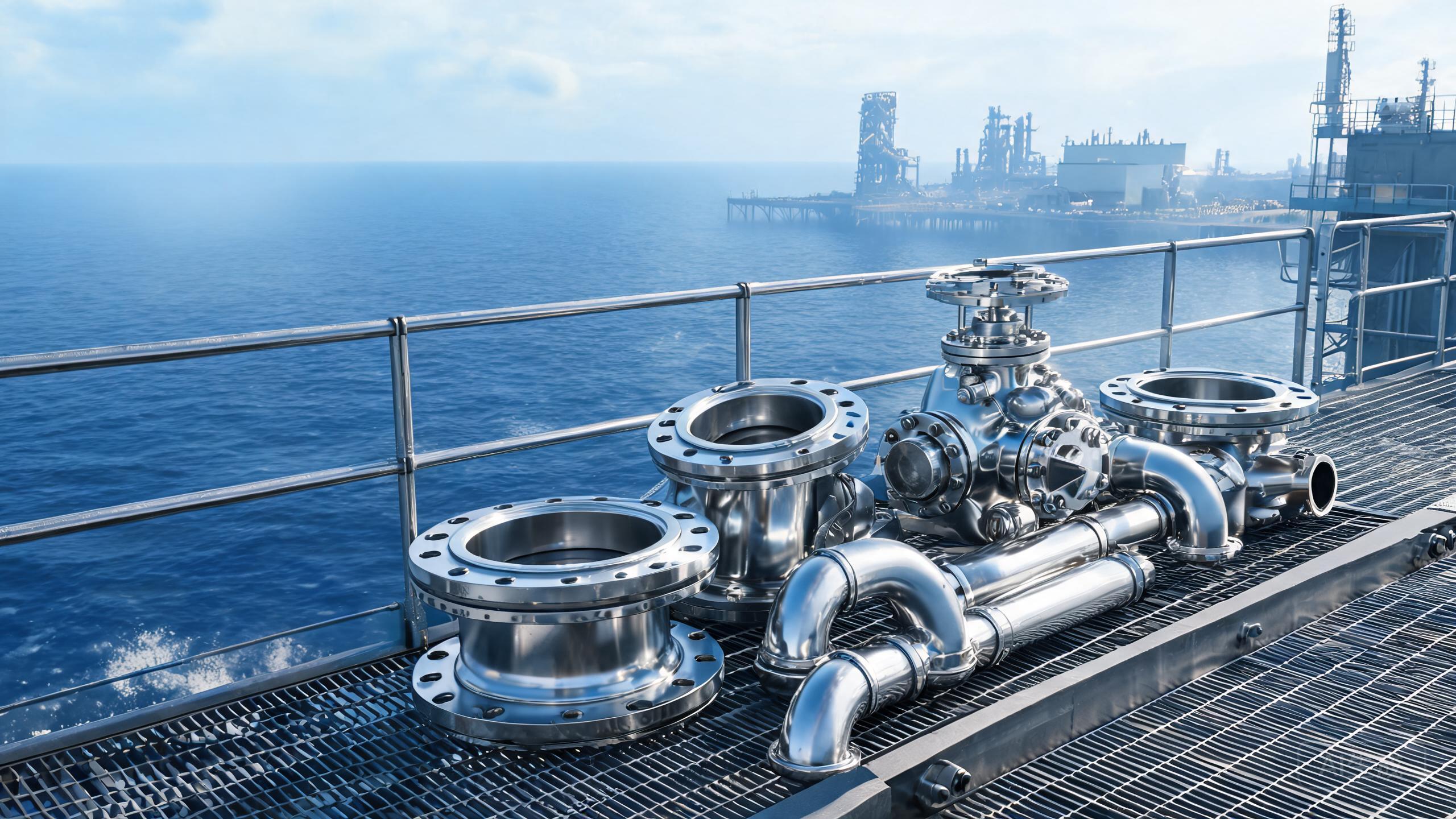
When to upgrade from 316L to super austenitic grades for sulfuric acid, seawater, scrubbers and offshore process piping, including PREN targets.
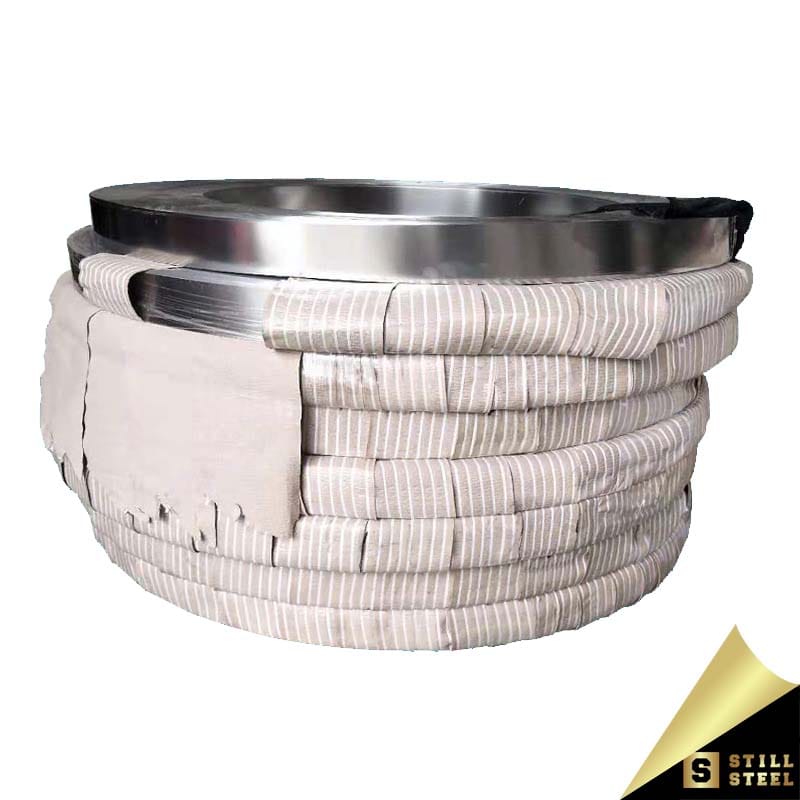
Understand carbon limits, welding, intergranular corrosion and dual certification when choosing between 304 and 304L stainless steel.
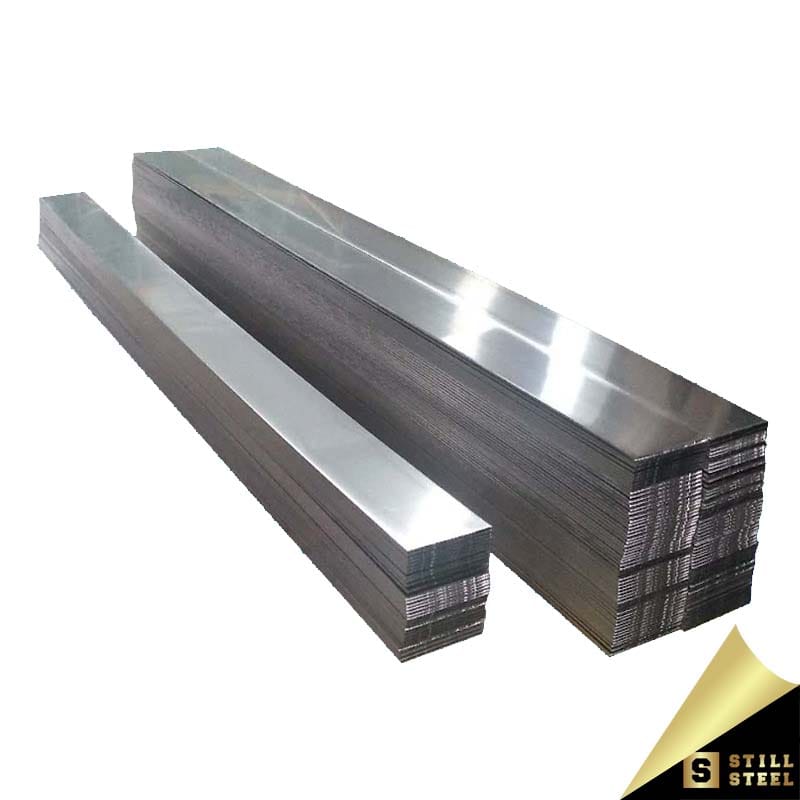
Compare 201 and 304 stainless steel for decorative panels, kitchenware and formed products without choosing on price alone.
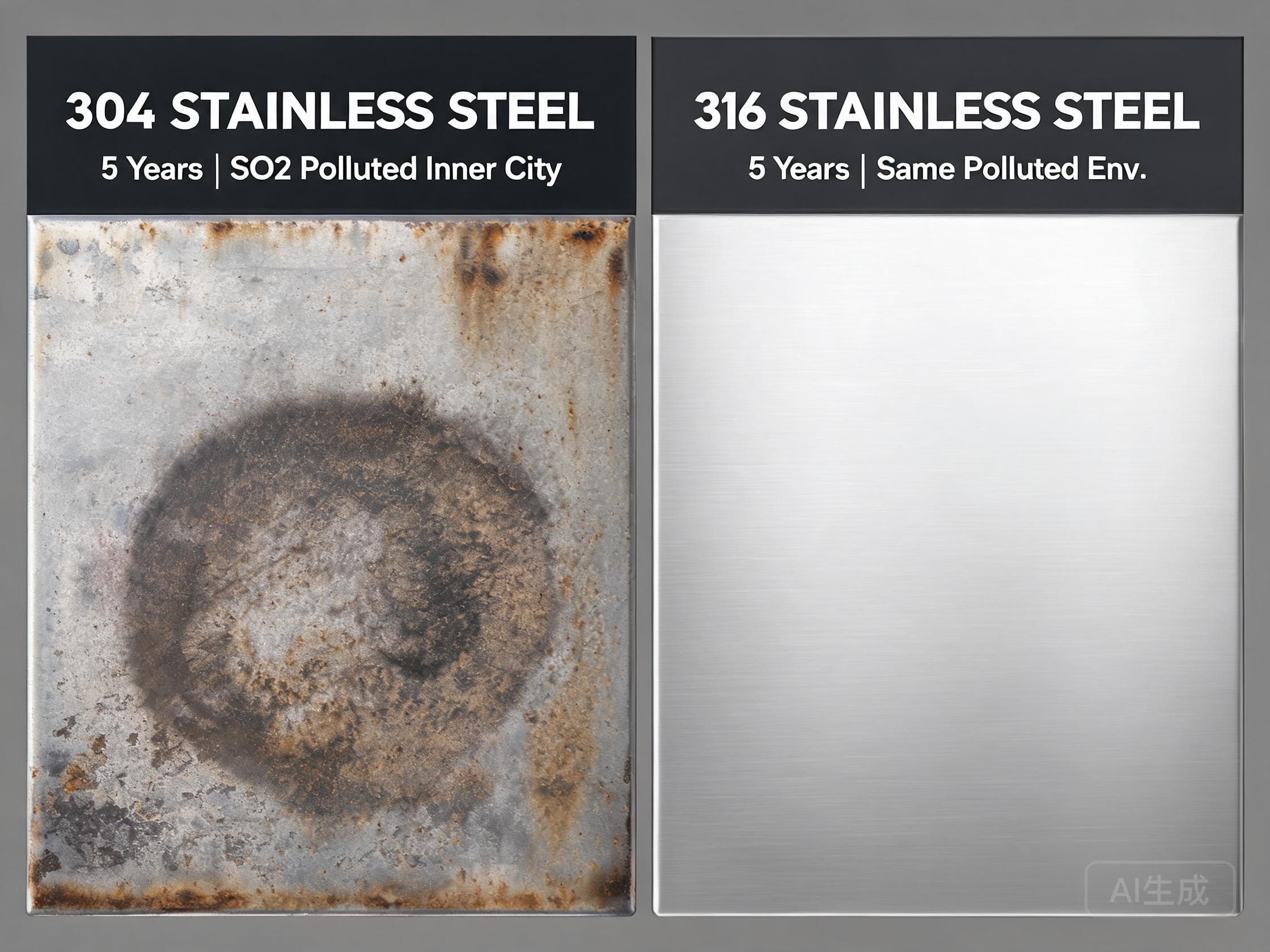
Atmospheric corrosion of cold rolled stainless steel in urban environments. SO2 and NOx levels, annual corrosion rates for 304 vs 316, and how pollution maps determine your grade.
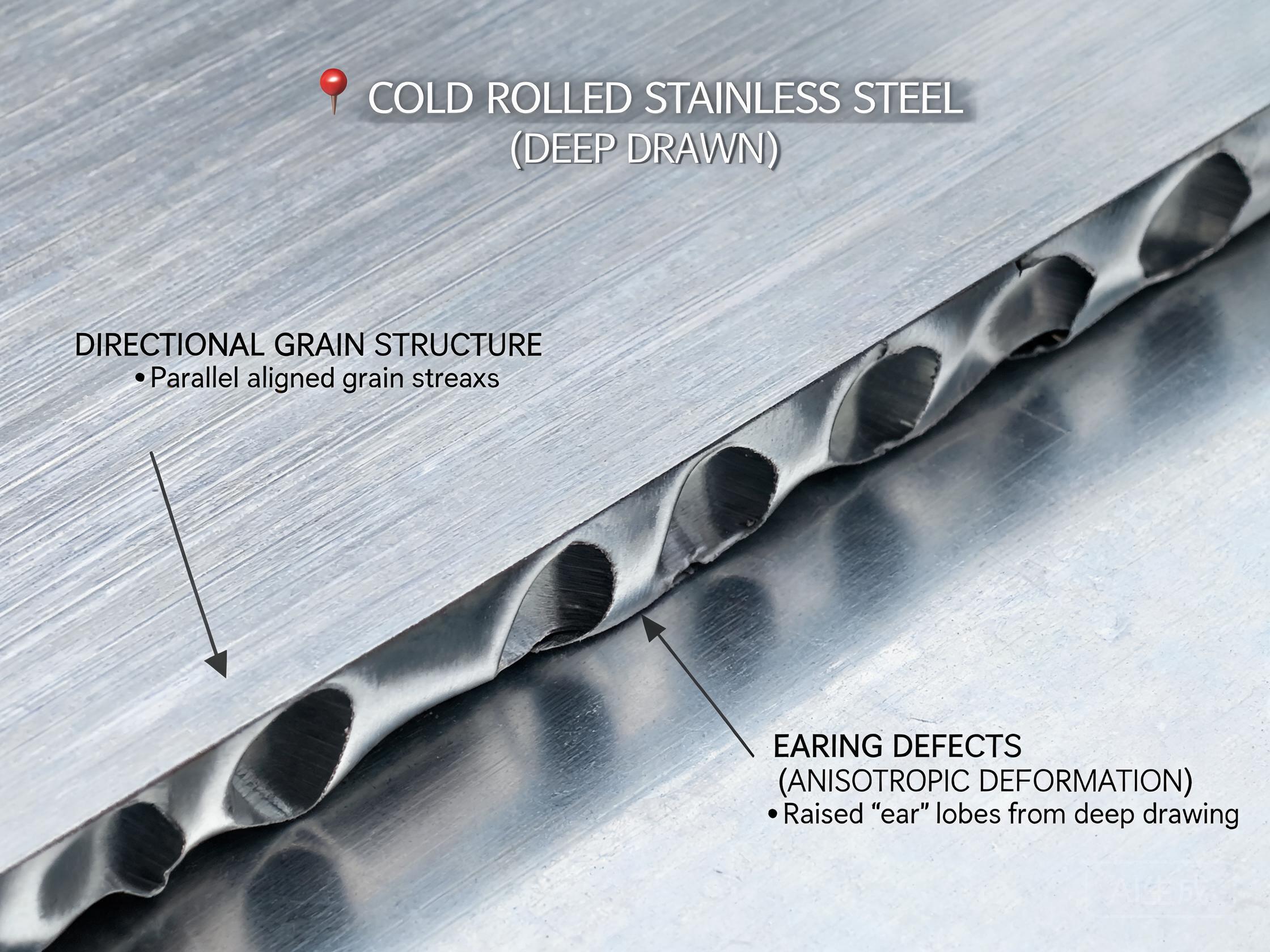
Planar anisotropy Δr in stainless steel explained. Why 301 and 201 show more earing than 304L, how anisotropy creates feather edges during stamping, and what to specify on the RFQ.
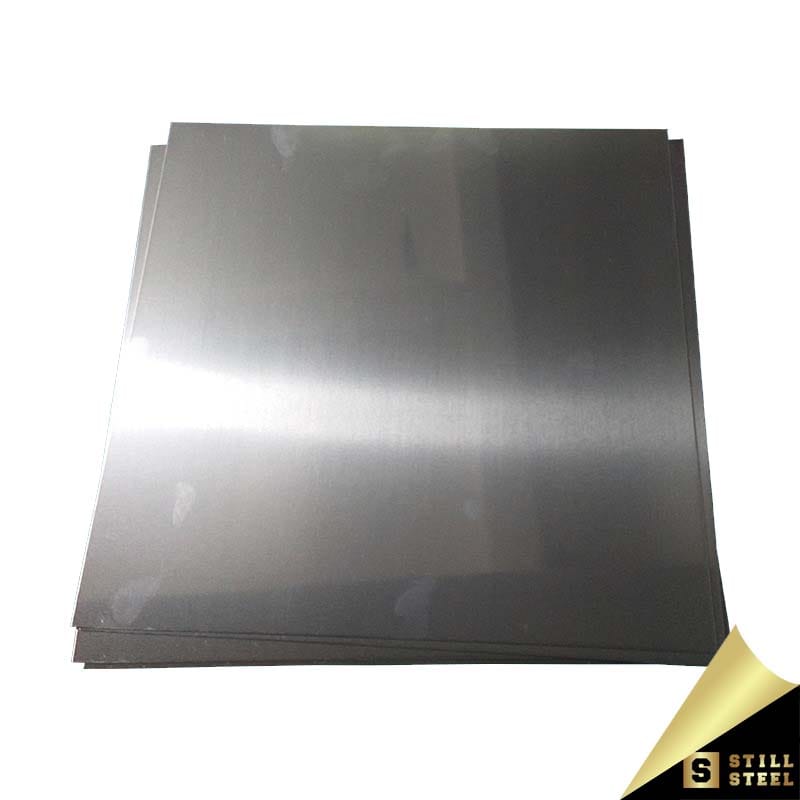
A buyer-focused guide to 304, 316, 430 and other stainless steel grades for cookware, food equipment and storage containers.
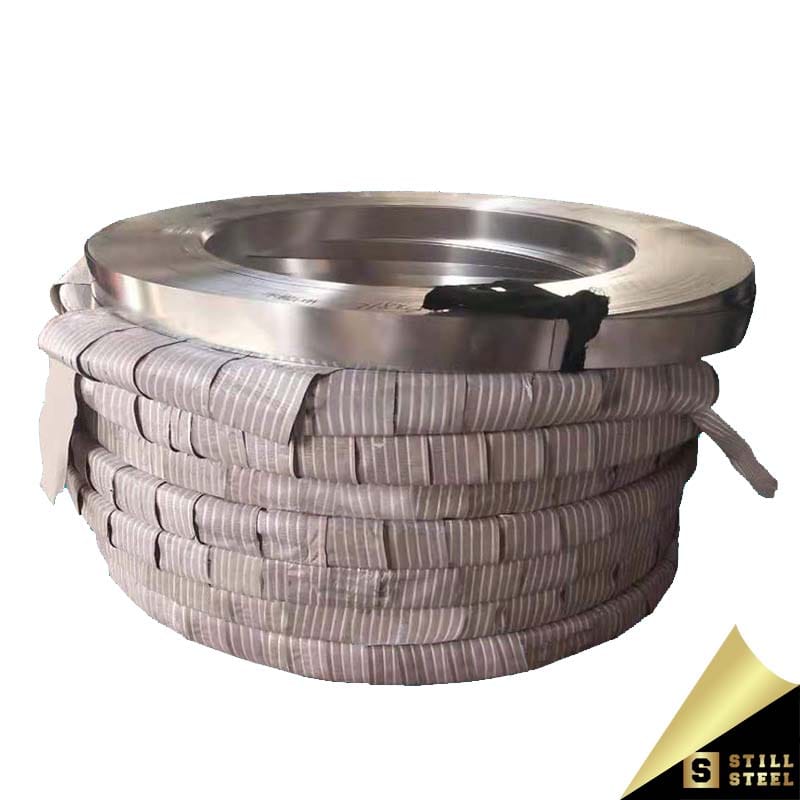
Understand why annealed 304 is usually weakly magnetic and why cold rolling, forming and welding can increase magnetic response.
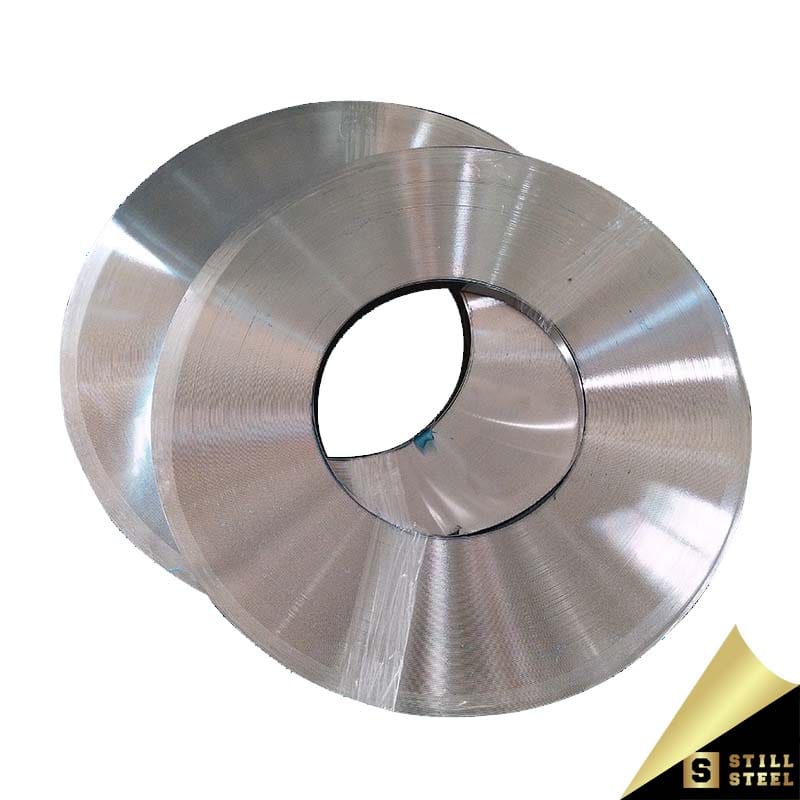
A practical 304 vs 316 stainless steel comparison covering molybdenum, chloride resistance, cost, fabrication and applications.
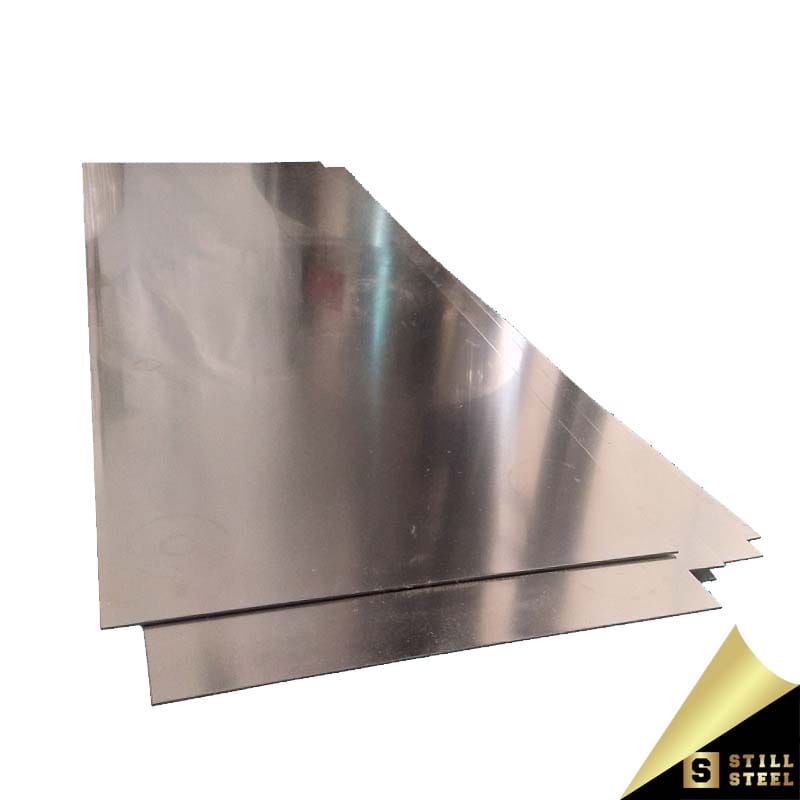
Why stainless steel develops rust spots and how buyers can prevent contamination, tea staining, pitting and fabrication-related corrosion.
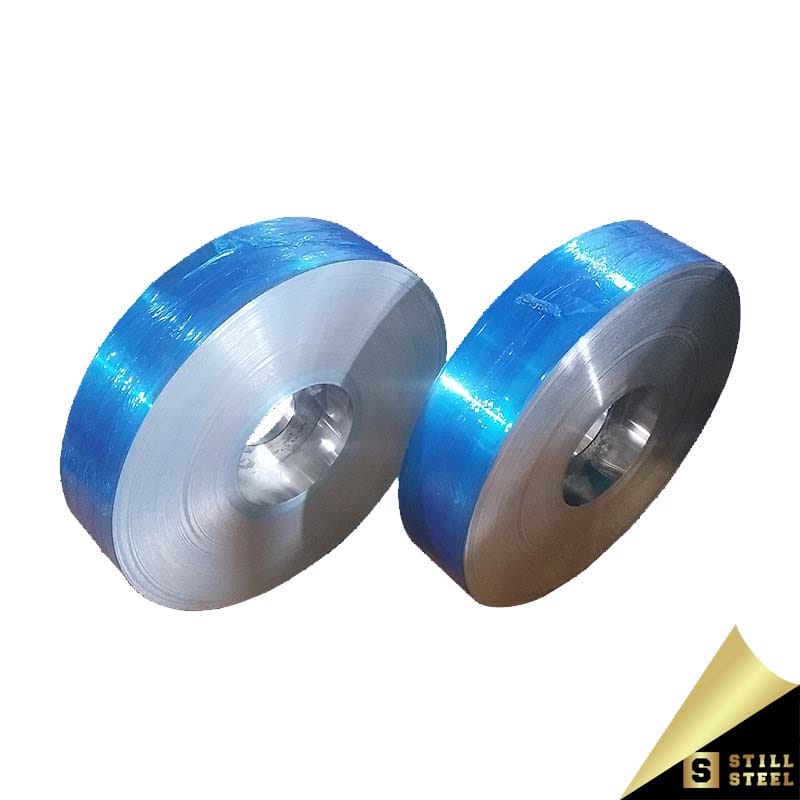
Choose 304, 316 or 430 stainless steel for cookware bodies, induction bases, lids and handles based on function and construction.
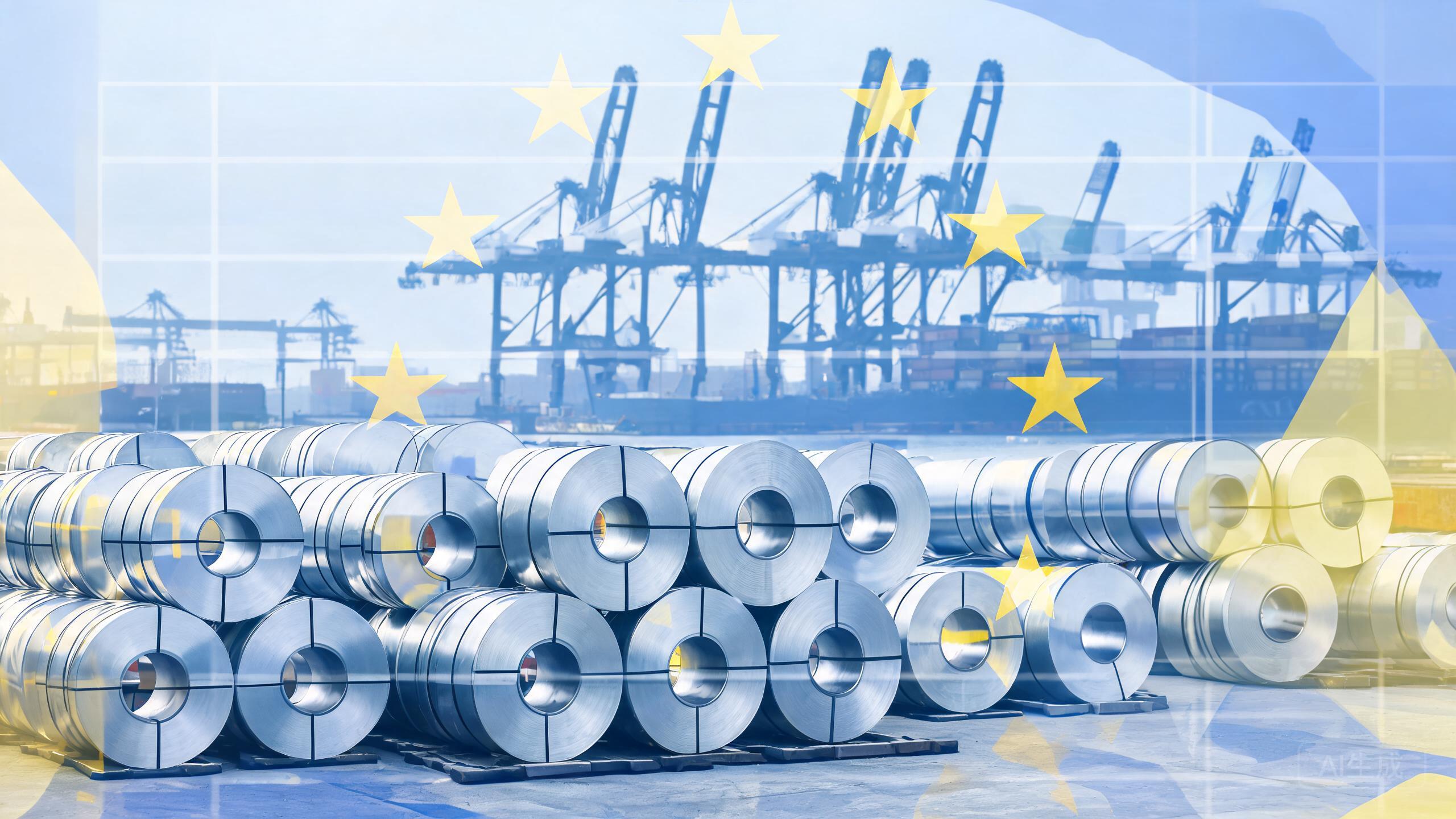
EU carbon border tax (CBAM) now adds a cost to stainless steel imports. Here is what the 2026 rules, default values and verification bottleneck mean for buyers.
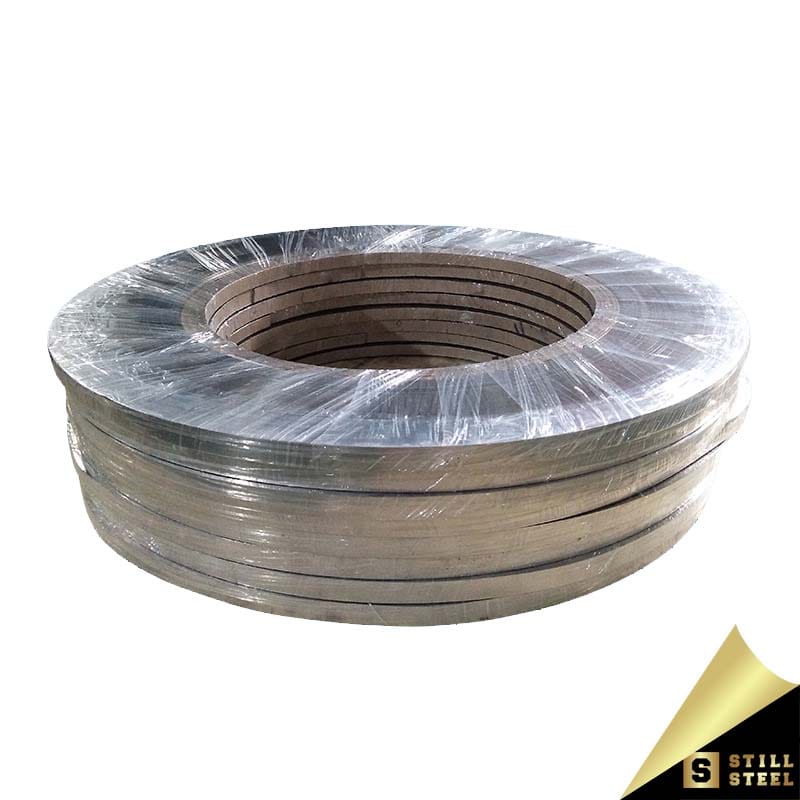
Understand stainless steel minimum order quantities and lead times for stock sheet, slit strip, custom finishes and mill production.
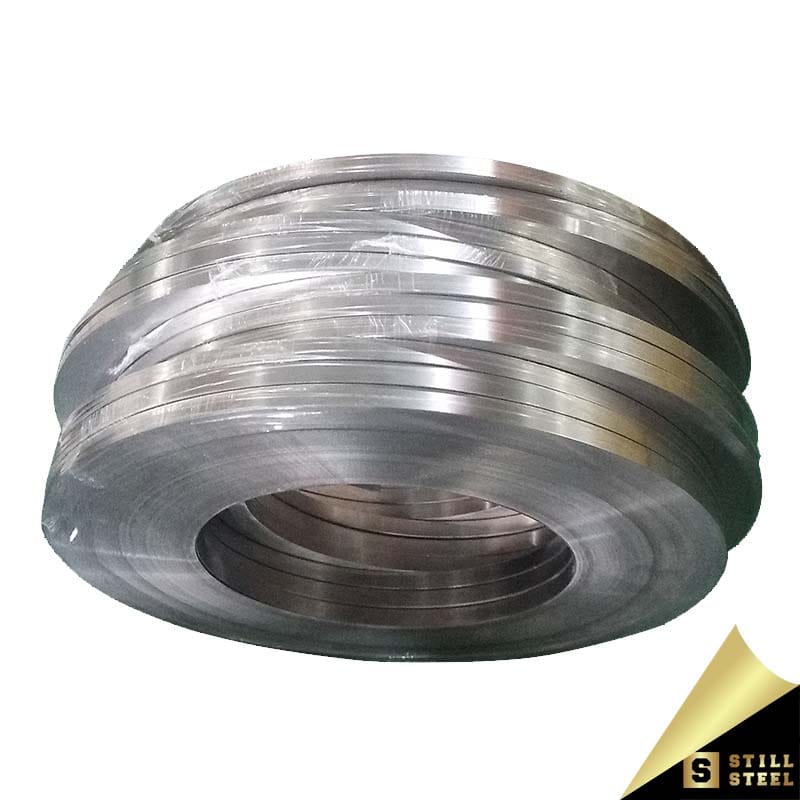
Compare stainless steel mill edge, slit edge and trimmed edge, including burr, width tolerance and downstream safety.
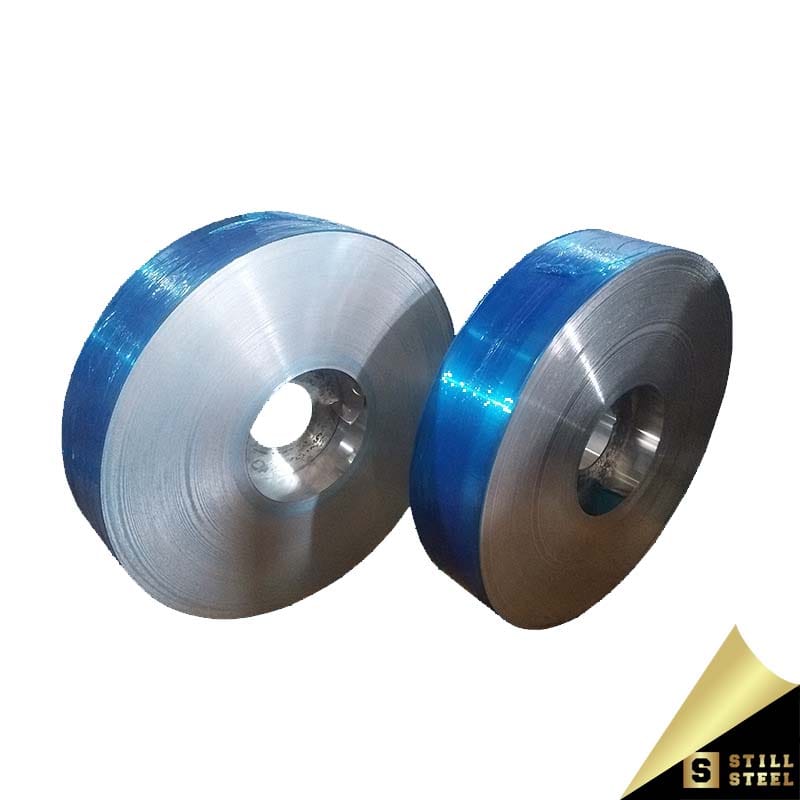
Select and manage protective film for stainless steel laser cutting, bending, brushing, transport and outdoor storage.
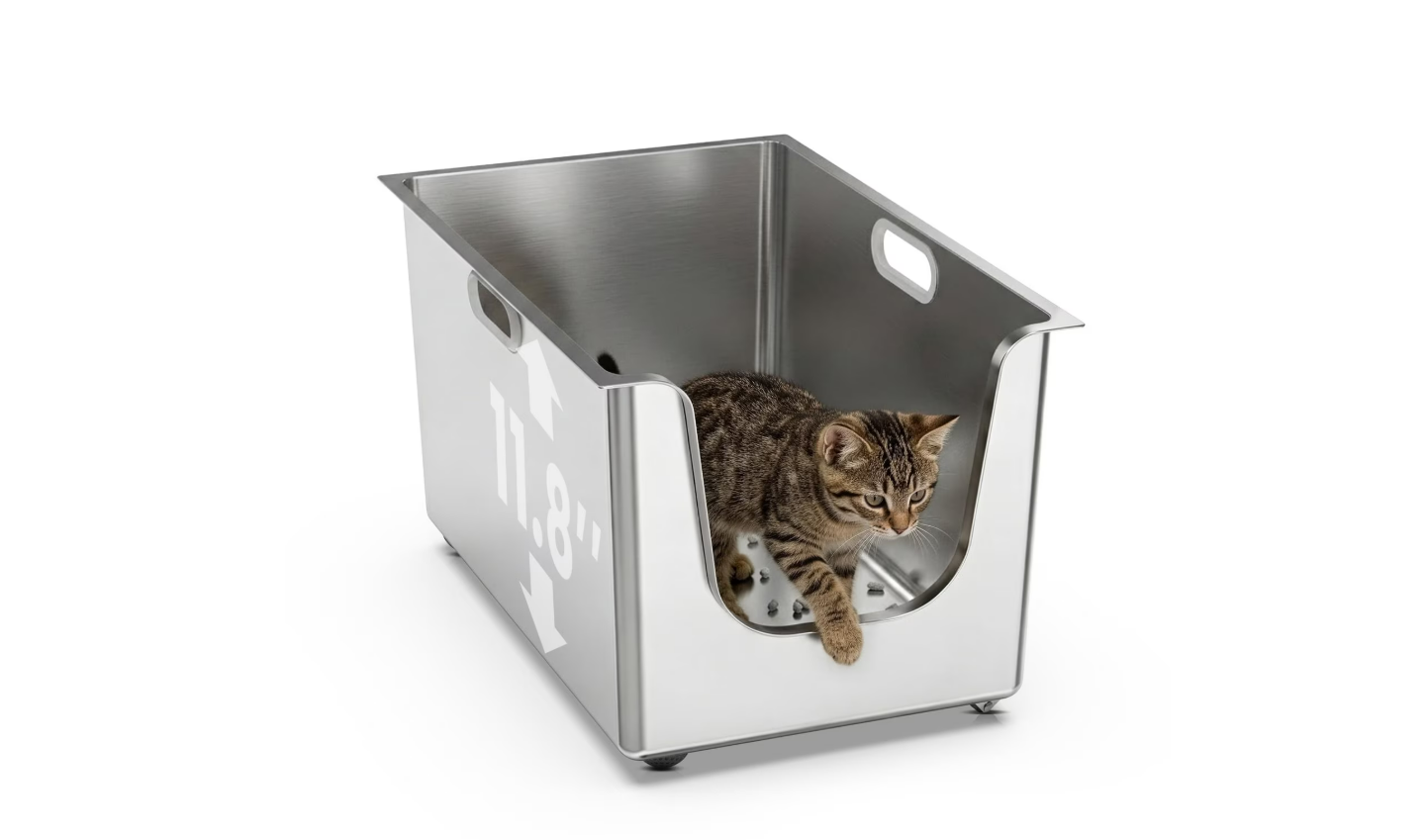
A head-to-head comparison of stainless steel vs plastic for pet products — odor, stains, bacteria, cleaning effort and durability — backed by what real owners say on Reddit, and why plastic can't stay clean.
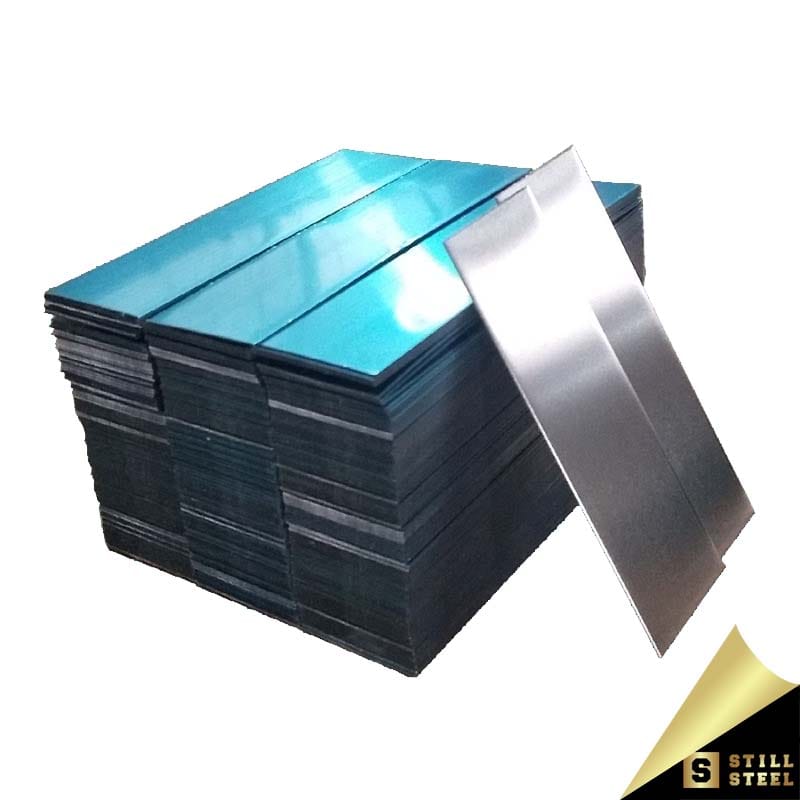
Diagnose stainless steel scratches, dents, coil set, waviness and flatness problems from mill to fabrication and packing.
Understand EN 10204 3.1 inspection certificates, heat numbers, chemistry, mechanical results and document checks for stainless steel.
China's Aug stainless output hits a record 369.14万t as Indonesia cuts ~12.7%. A rare buyer's window opens mid-Aug to early Sep. Negotiate now.
POSCO plans an anti-circumvention case vs Malaysian stainless CRC. Goods arriving after filing may face retroactive duty. Recheck your Korea shipments now.
Taigang cut its August ferrochrome tender to RMB 7,895 and Tsingshan to RMB 8,095 — both down 200. 430 cold rolled didn't move. Here's how to claim the difference.
One unconfirmed Indonesian nickel quota rumour pushed SHFE nickel up to 132,650 then down to 128,230 in four days. How to defend 304 offers.
August China stainless output 369.14 万吨 is a record for the period, yet social inventory fell and FOB rose ~30 USD/t. Cost—not demand—is driving prices.

Japan's provisional AD duty on Chinese nickel-bearing cold-rolled stainless hits 42.1%; final ruling due 2026-11-21. Lock arrivals or switch origin.
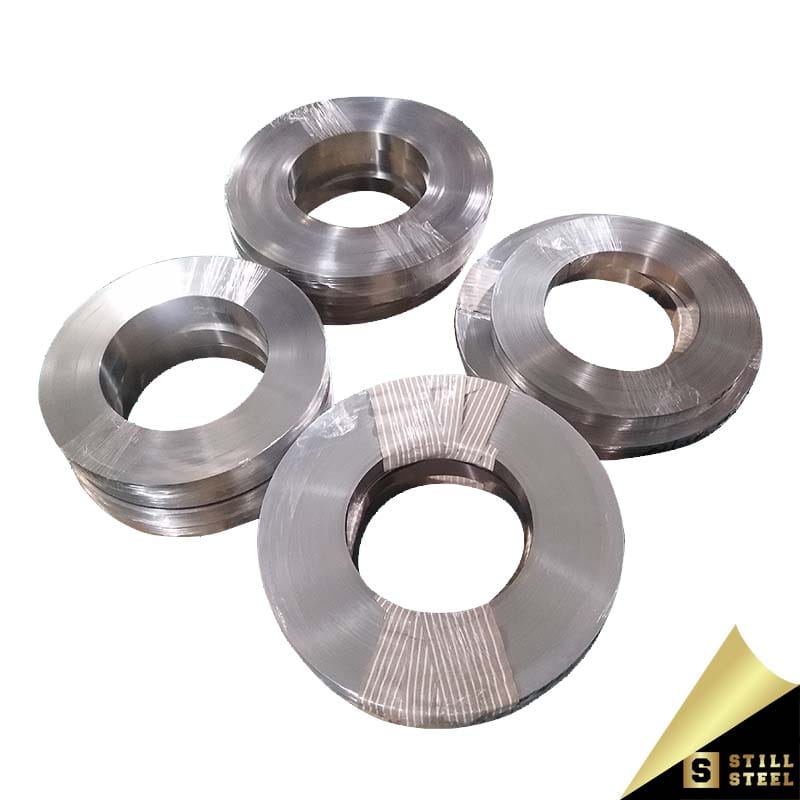
Verify stainless steel grade with traceability, MTC review, XRF or OES testing instead of relying on magnets and appearance.
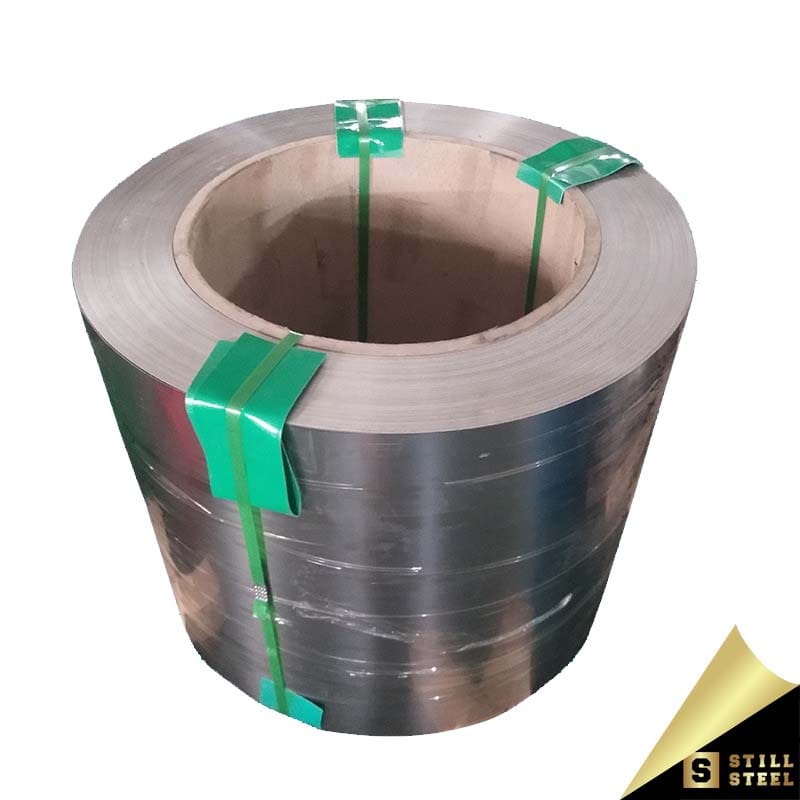
Protect stainless steel coil, strip and sheet from seawater, condensation, edge damage, telescoping and surface scratches during export.
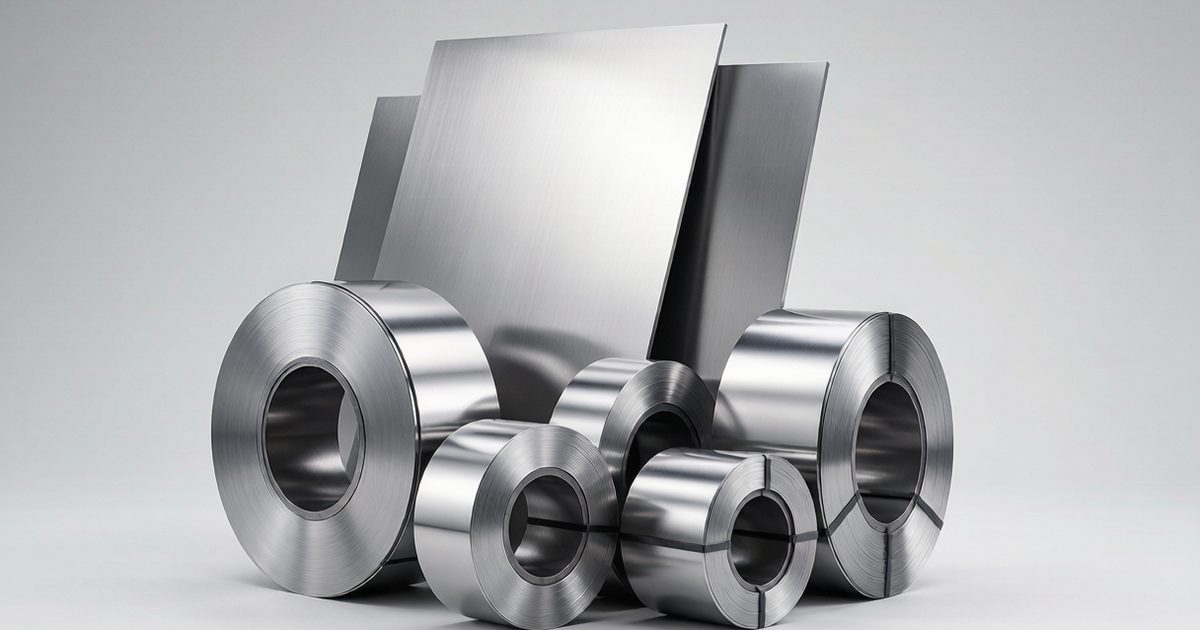
From 2026-07-01 the EU steel safeguard tightened: out-of-quota tariffs doubled to 50%, total quotas cut ~47% to 18,345,922 tonnes. China's cold-rolled quota is just 40,431 t, hot-rolled 9,515 t. Clear EU shipments in the first two weeks of each quarter.
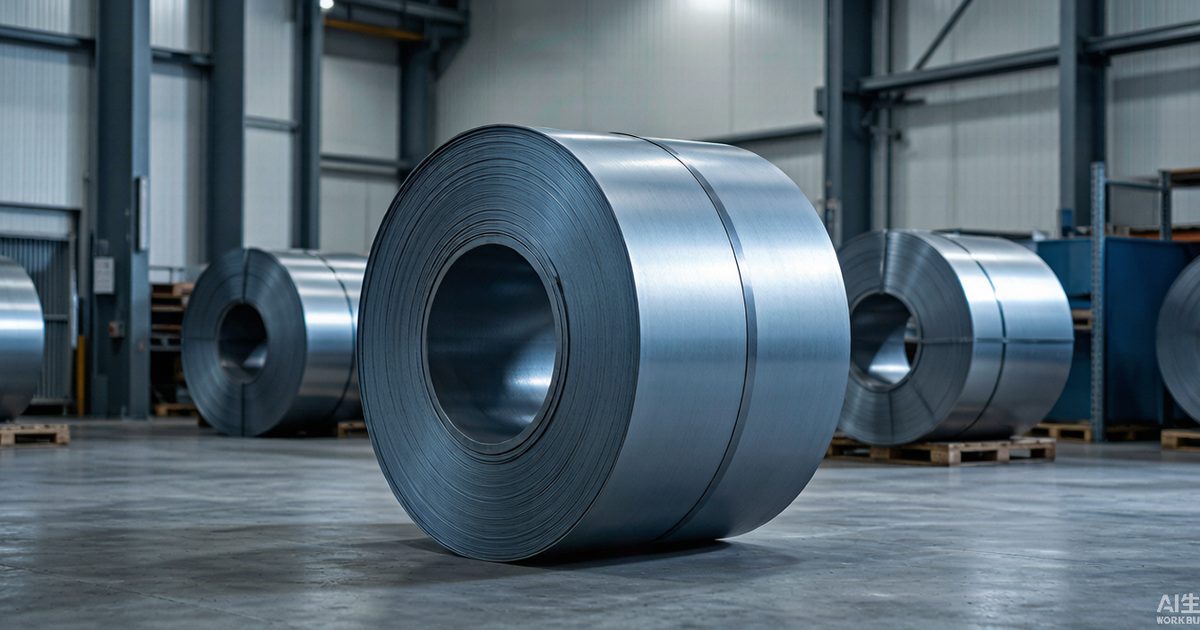
Taigang and Tsingshan cut August high-carbon ferrochrome bids by 200 yuan per 50-base-ton. Here is what the drop means for 430 stainless buyers.
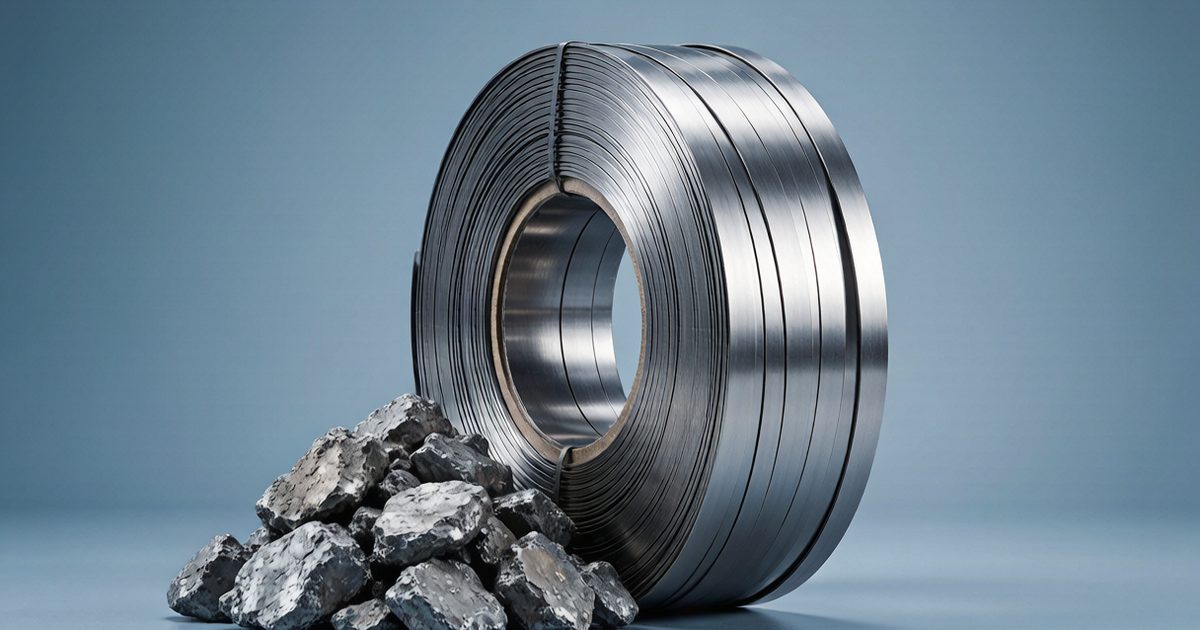
Indonesia's ESDM locked the 2026 RKAB nickel ore quota at 2.5–2.6 hundred million tonnes with no national increase. NPI is tight and prices firm; the 304 cold-rolled cost floor is up. Lock 304 raw material or quote floating, and push 430/409 while chrome iron softens.
Understand stainless steel weld heat tint, chromium depletion, shielding, purging and post-weld cleaning.
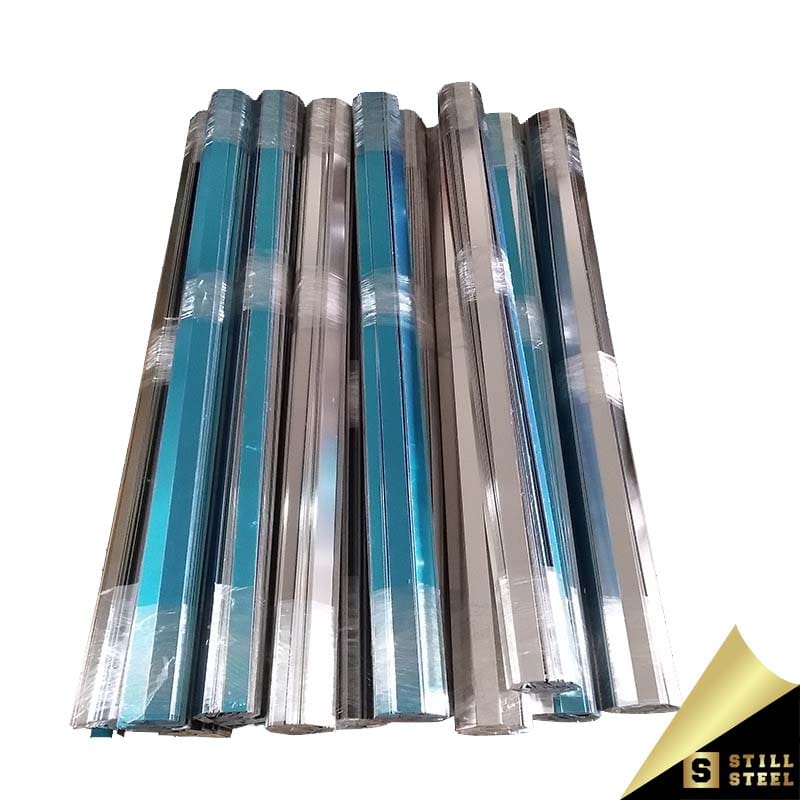
Plan stainless steel laser cutting, welding, polishing and brushing with the right grade, finish, film and post-fabrication cleanup.
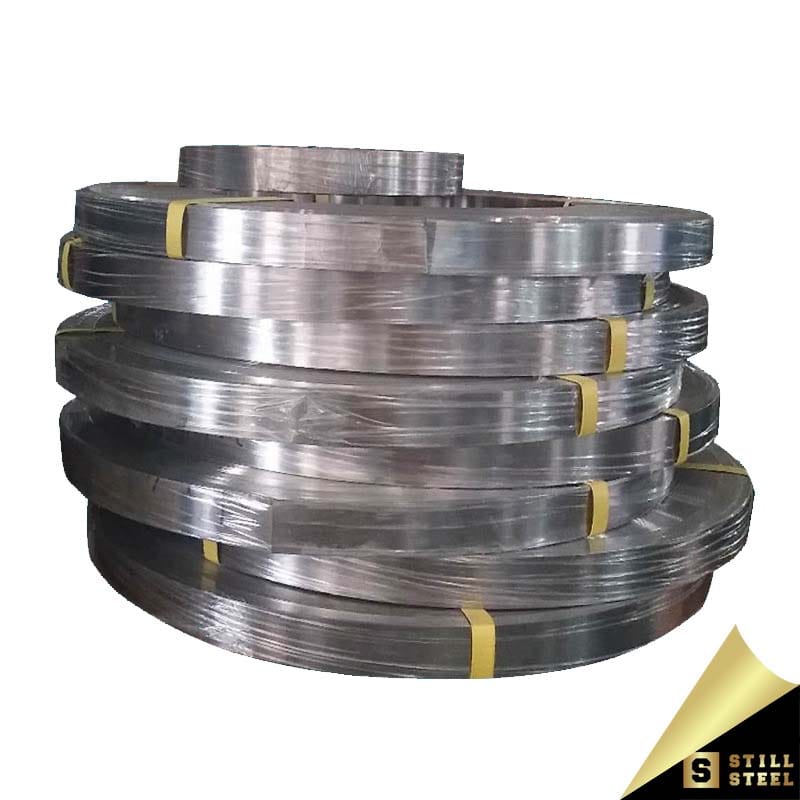
Select stainless steel for deep drawing by grade, nickel stability, temper, thickness, lubrication, tooling and draw ratio.
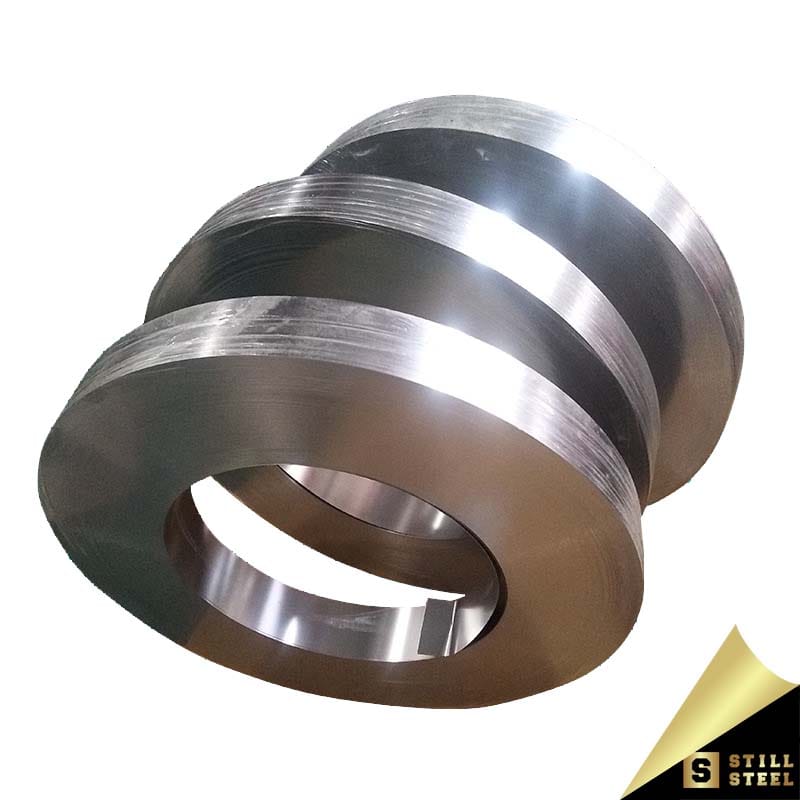
Compare 409, 410, 439, 441 and higher-alloy stainless steels for exhaust, oven, heater and high-temperature components.
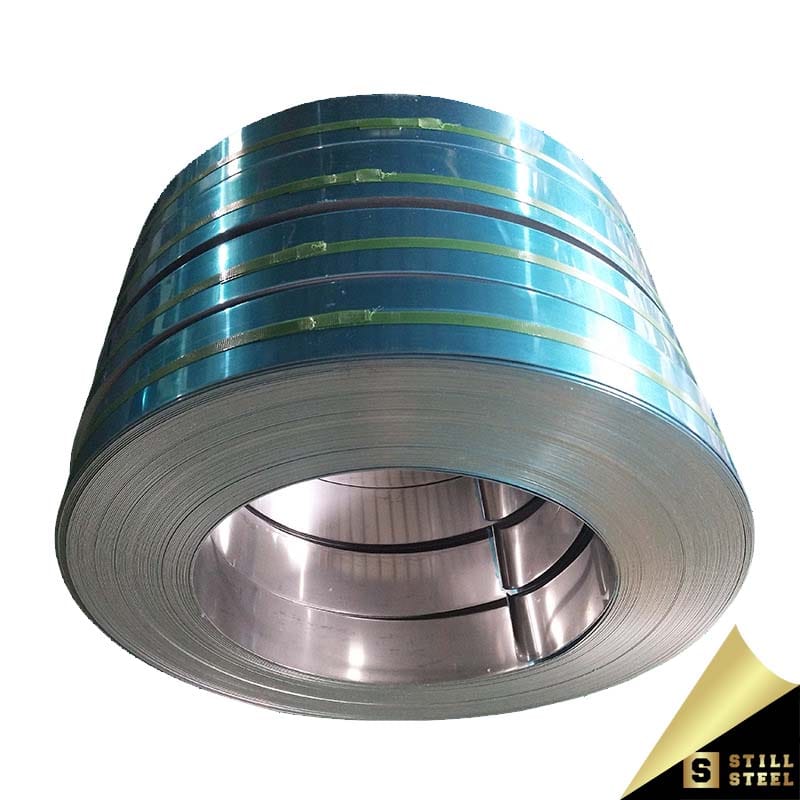
Select 304, 430 and ferritic stainless grades for appliance panels, liners, sinks, housings and induction components.
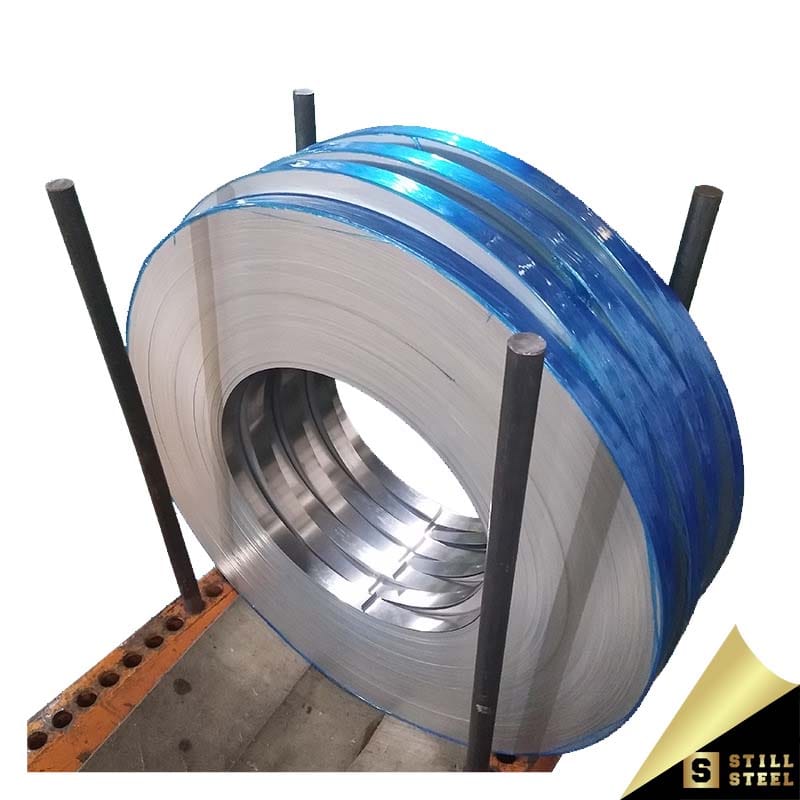
Choose stainless steel for coastal and marine exposure by chloride level, splash, immersion, finish, design and maintenance.
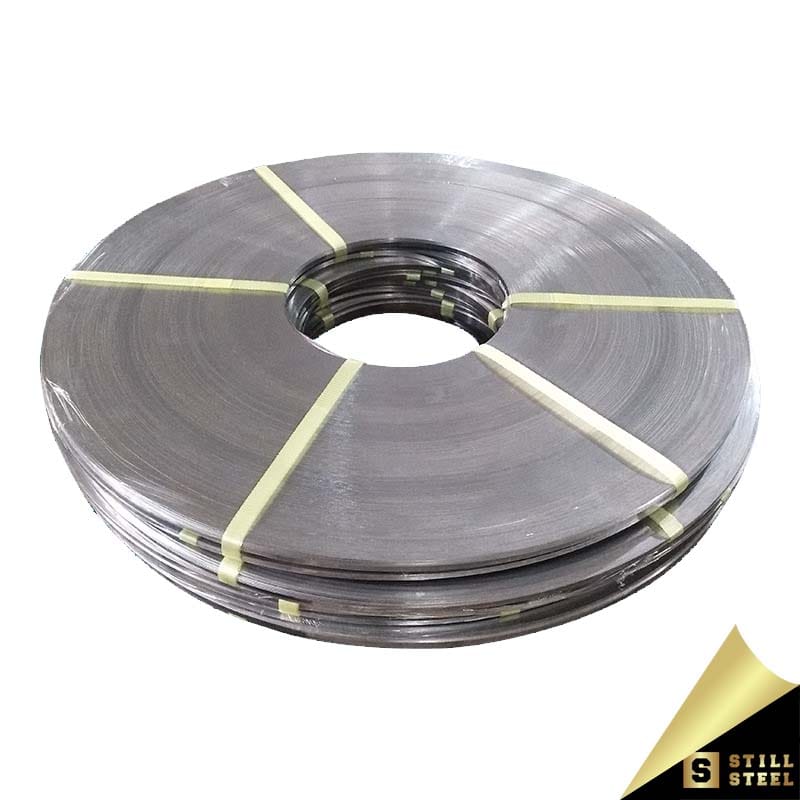
How stainless steel thickness, slit width, flatness, camber and burr tolerances affect stamping, roll forming and purchasing.
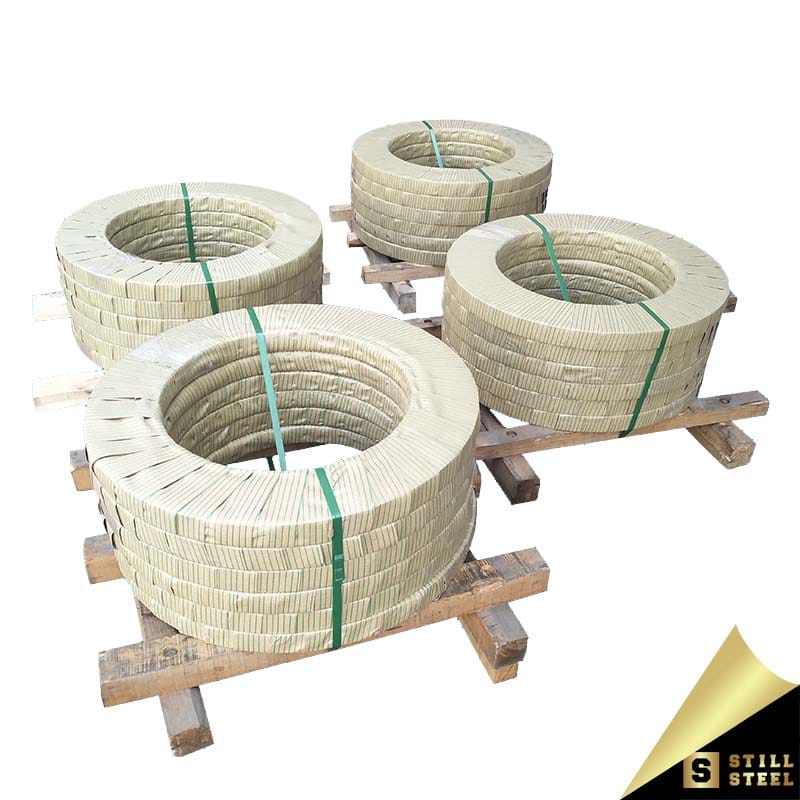
Send a complete stainless steel RFQ with grade, form, dimensions, finish, tolerance, edge, packing, certificate and application details.
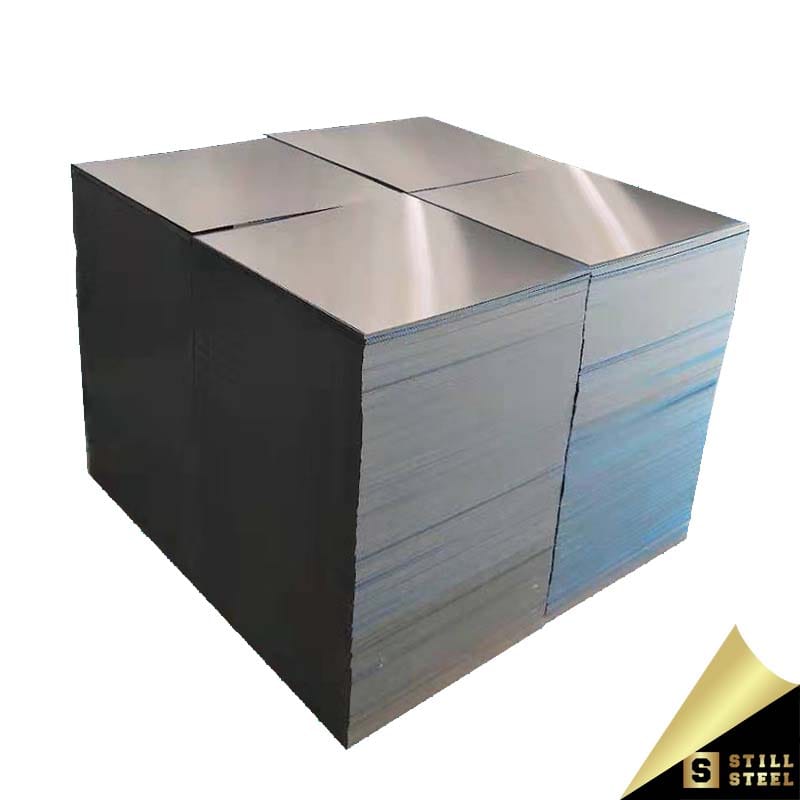
Calculate theoretical stainless steel weight from thickness, width, length and density, with examples for sheet and strip purchasing.
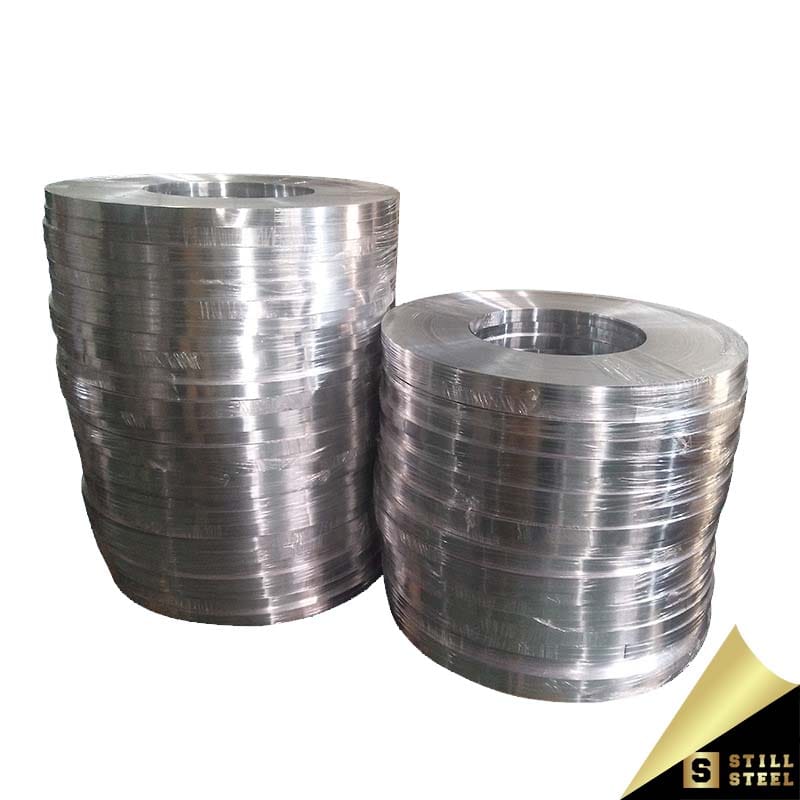
Understand the commercial differences between stainless steel coil, sheet, plate and strip before requesting a quotation.
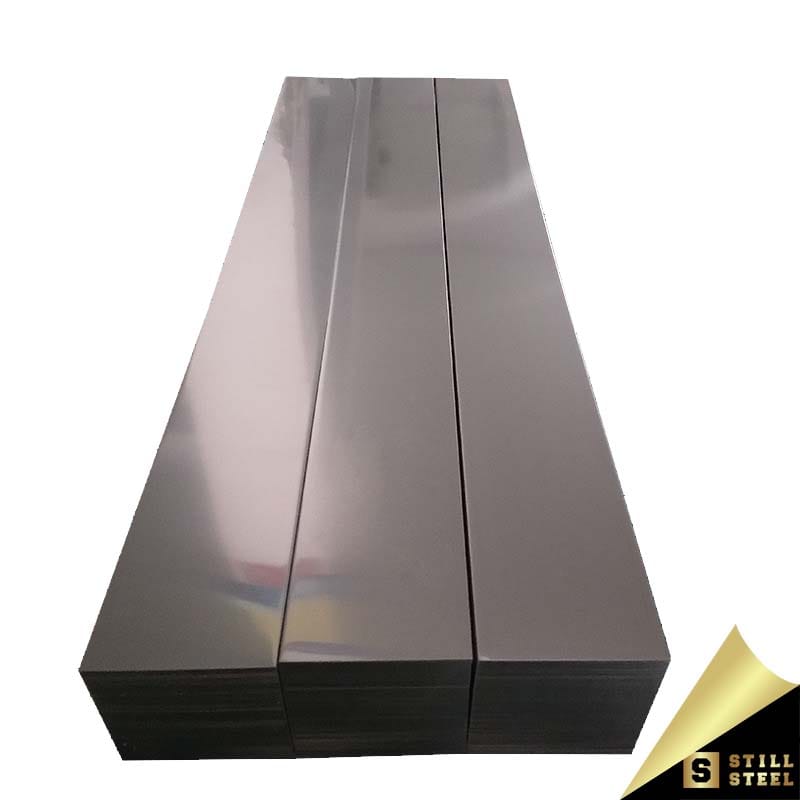
A practical method for selecting stainless steel sheet thickness using span, forming, stiffness, weight, tolerance and manufacturing tests.
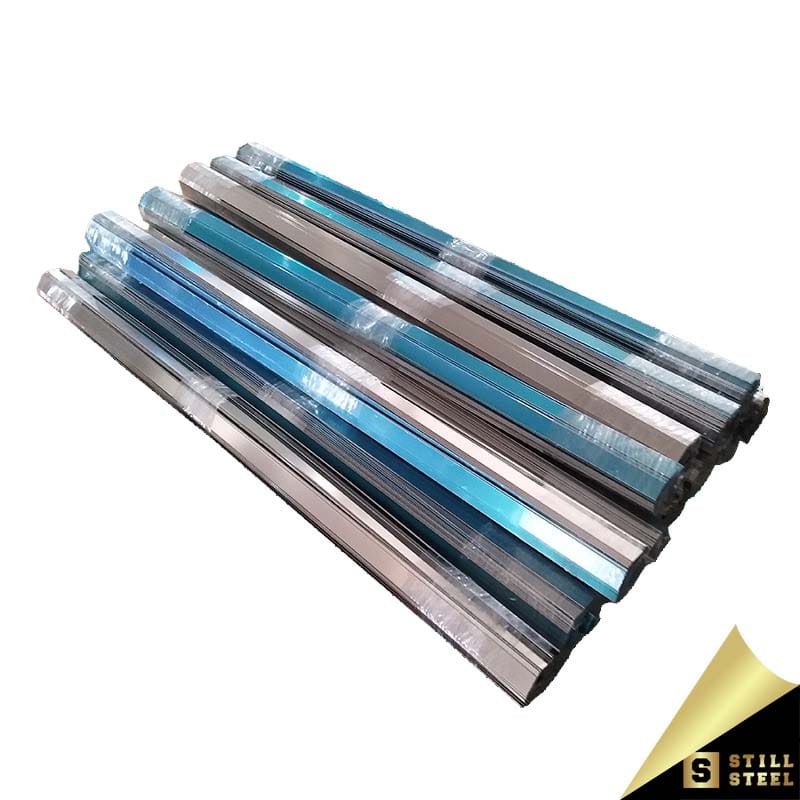
Compare 2B, BA, No. 4 brushed and mirror stainless steel finishes by appearance, process, applications and purchasing controls.

China's ten largest steel groups by 2025 crude steel output, with history, performance, strengths and practical guidance for international buyers.
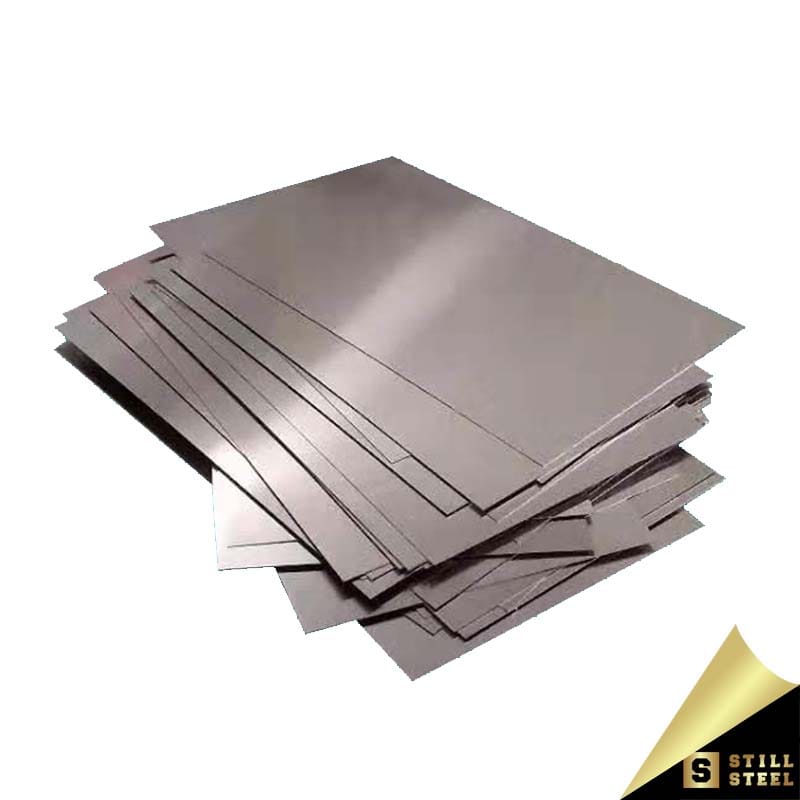
Learn what 18/8, 18/10 and 18/0 mean on cutlery and cookware, and why buyers still need a recognized stainless steel grade.
The world's ten largest steelmakers by 2025 crude steel output, with their history, performance, product strengths and sourcing relevance.
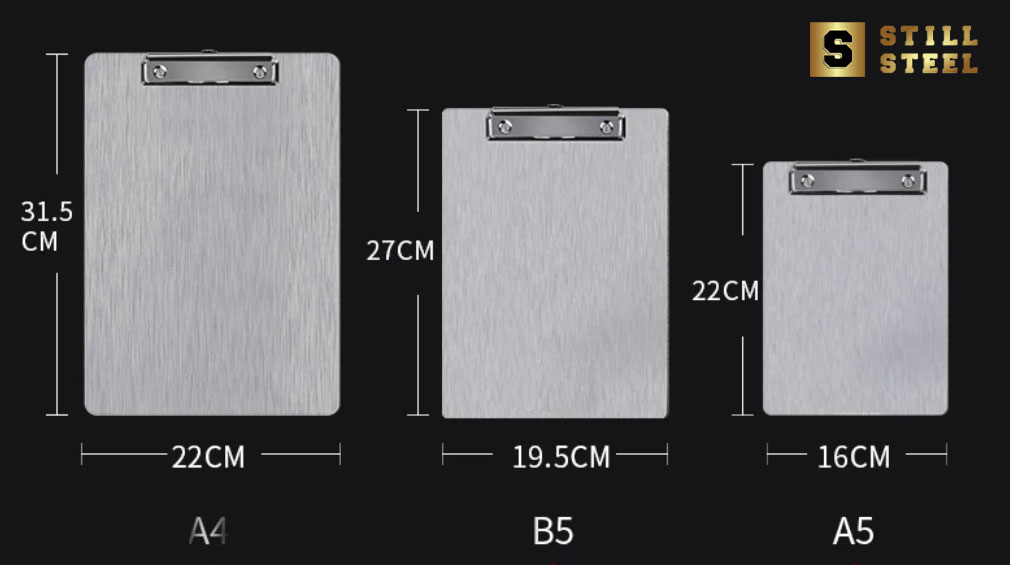
Choose 1.0 mm or 1.2 mm stainless steel for clipboards and solve sharp edges, weak clips, trapped film, dents and magnetic-grade confusion.
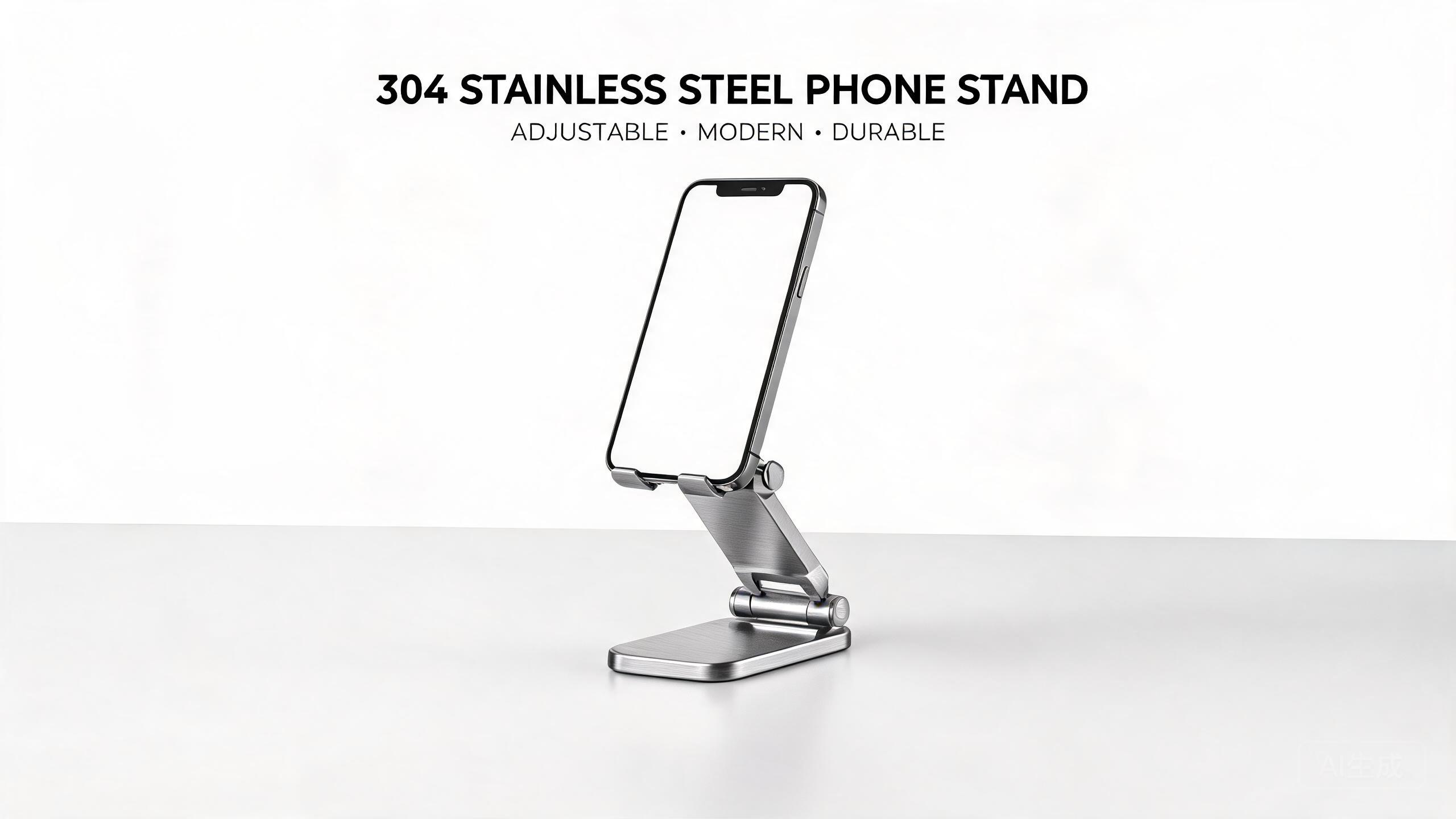
A laser-cut phone stand made from 1.2 mm 304 stainless steel demonstrates how low-MOQ digital fabrication can turn sheet metal into a customizable consumer product.

test
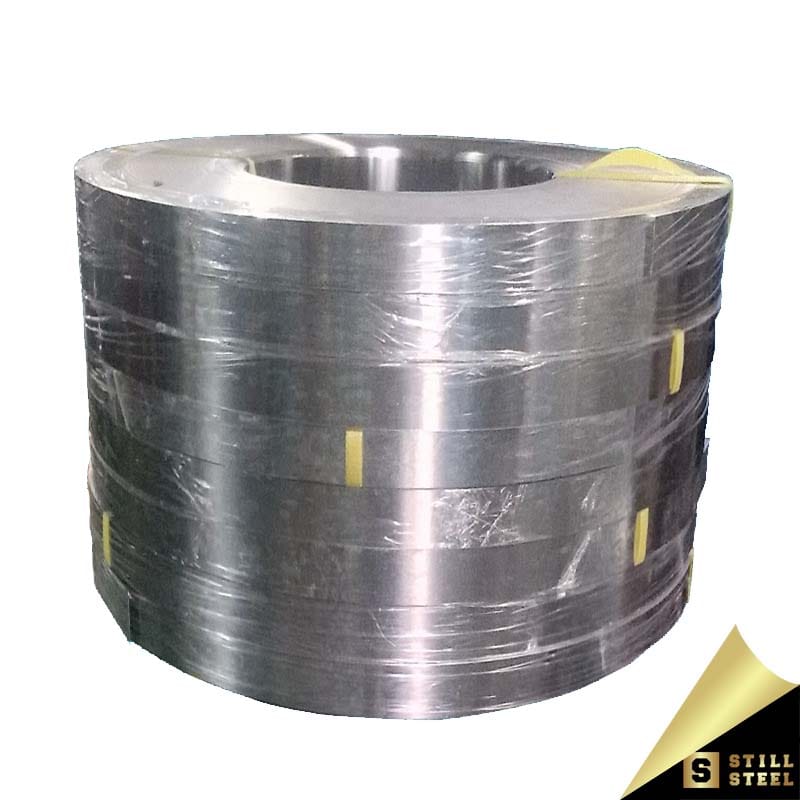
4116 stainless steel, full name DIN 1.4116, is a German standard martensitic stainless steel, that belongs to the manufacturing raw material for cutting tools. Its hardness, tou...
As a stainless steel that can adjust material properties through heat treatment, martensitic stainless steel is a hardenable stainless steel. The characteristics of martensitic...
Today, upon customer invitation, I visited the 16th (2023) International Photovoltaic Power Generation and Smart Energy Conference. Having been in the industry for over 20 years...
Importing stainless steel from China can be beneficial for a number of reasons. Surely, we won't say because we are exporting stainless steel from China. Here are some of the m...
China is the largest producer and consumer of stainless steel in the world, accounting for over 50% of global production and consumption. The Chinese stainless steel industry ha...
Stainless steel is prone to contamination and scratches during processing, which can compromise its surface integrity. To counteract this, a protective film can be applied to st...
AISI 304 Stainless Steel (UNS S30400, SS 304) AISI 304 stainless steel (UNS S30400) is the most widely used stainless steel, containing 18-20% Cr and 8-10.5% Ni, and also known...
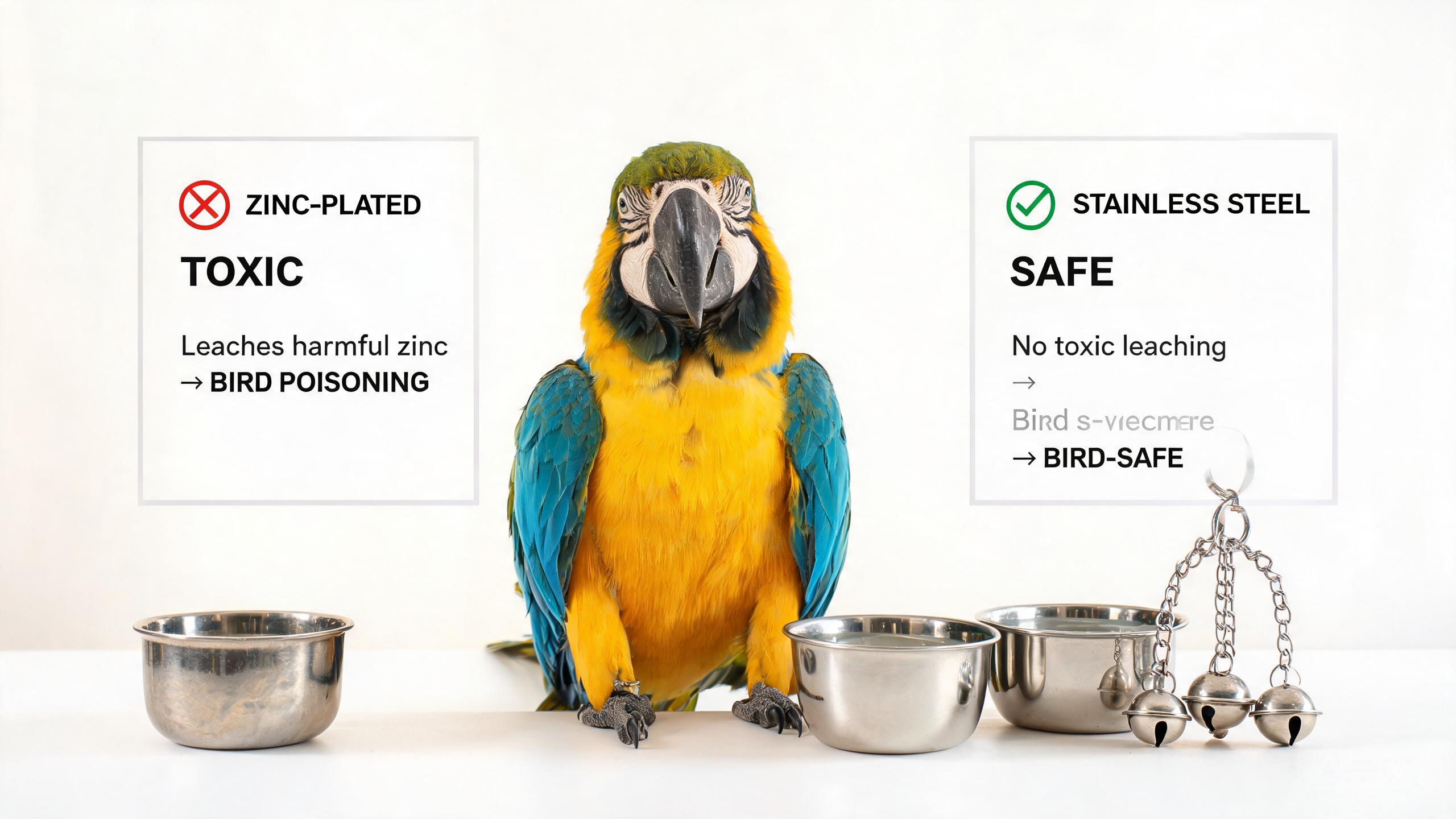
The primary use of zinc is to coat iron or steel in a process called galvanization to prevent rust. Zinc protects steel and iron from rusting it also dissolves in aqueous acids...
Stainless steel is a versatile material that is commonly used in various industries, from household items to industrial equipment. However, choosing the right grade of stainless...
Argon arc welding is a common welding method that uses an electric arc protected by argon gas to weld two metal parts together. Under the protection of argon gas, oxygen in the...
Fish scale welding is a welding process named for its fish scale-shaped welded surface. The process involves selecting a welding point, energizing it, striking an arc with the w...
Welding Deformation is a very common defect in production.Let's figure out how to control welding deformation: Selecting a reasonable welding seam size: As the size of the...
stainless steel partition walls are becoming increasingly popular in modern interior design due to their durability, aesthetic appeal, and versatility. They are widely used in c...
Importing stainless steel from China can be beneficial for a number of reasons. Here are some of the main reasons why people might choose to import stainless steel from
No posts in this catalog yet.