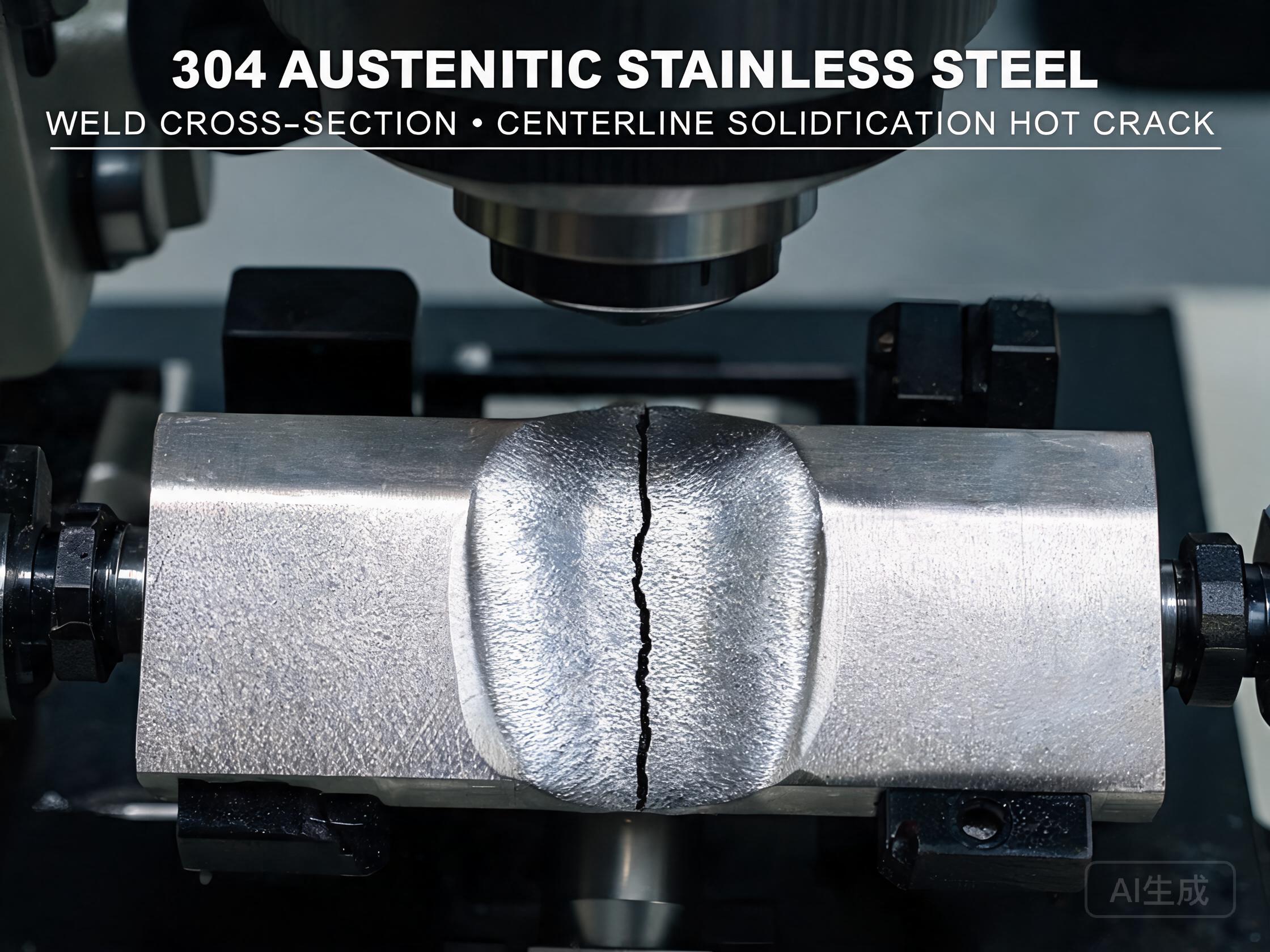
Hot Cracking in Austenitic Stainless Steel Welds: Causes and Prevention
Why hot cracking happens in 304 and 316 welds, how ferrite content prevents it, and what to specify on your filler metal and procedure spec.
 NINGBO WANGUANG
 Why hot cracking happens in 304 and 316 welds, how ferrite content prevents it, and what to specify on your filler metal and procedure spec.
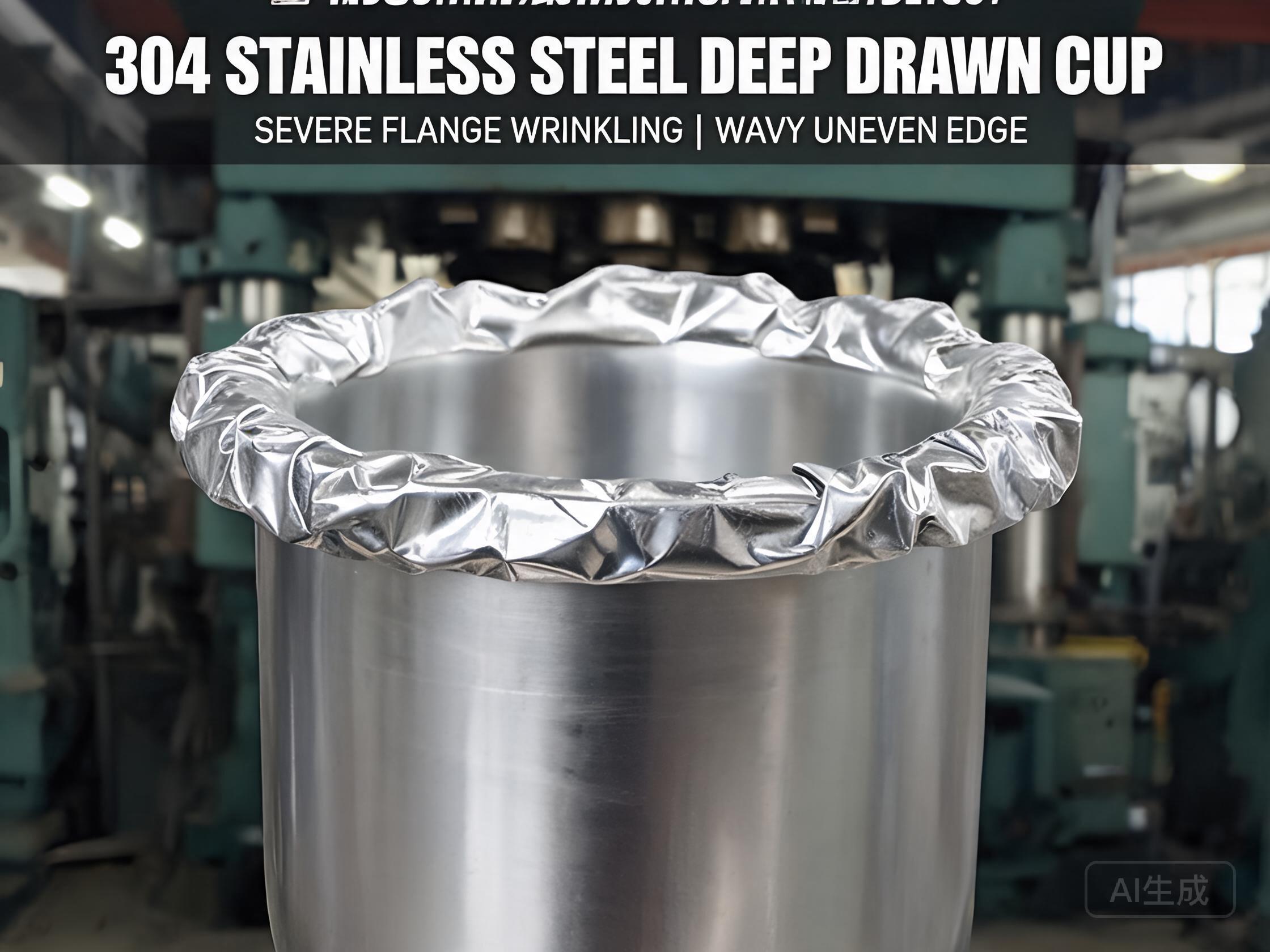
Why your 304 deep drawn cups wrinkle, what blank holder force to set, how the m value predicts 304 drawability, and a radius recommendation for the first pass.
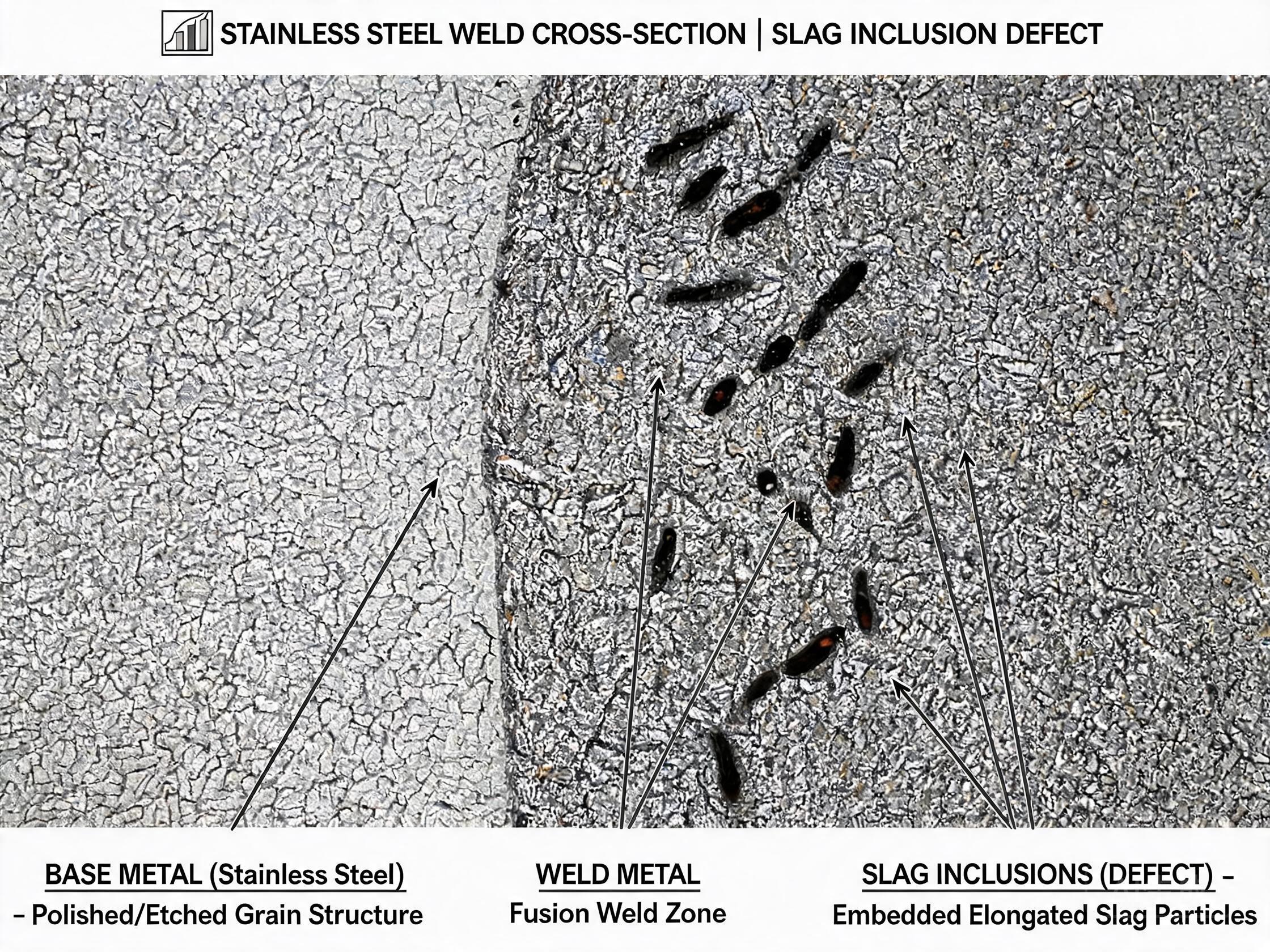
Weld slag inclusions in 304 and 316 — why high current and poor interpass cleaning cause trapped slag, how to detect with UT or radiography, and what to specify.
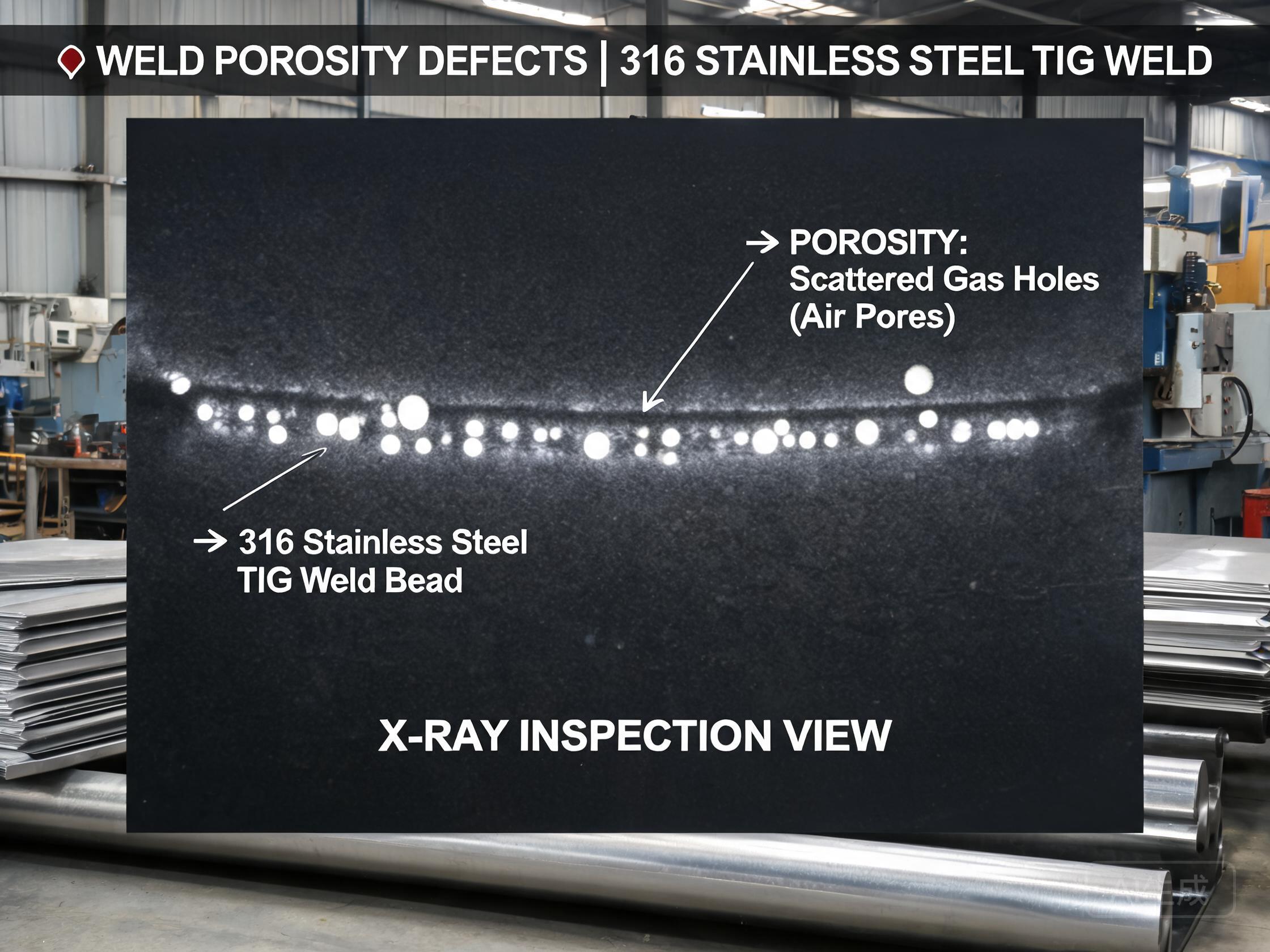
Weld porosity in 304 and 316 — why moisture, oil, impure argon and unbaked wire cause holes, and the 6-step prevention checklist buyers can enforce.
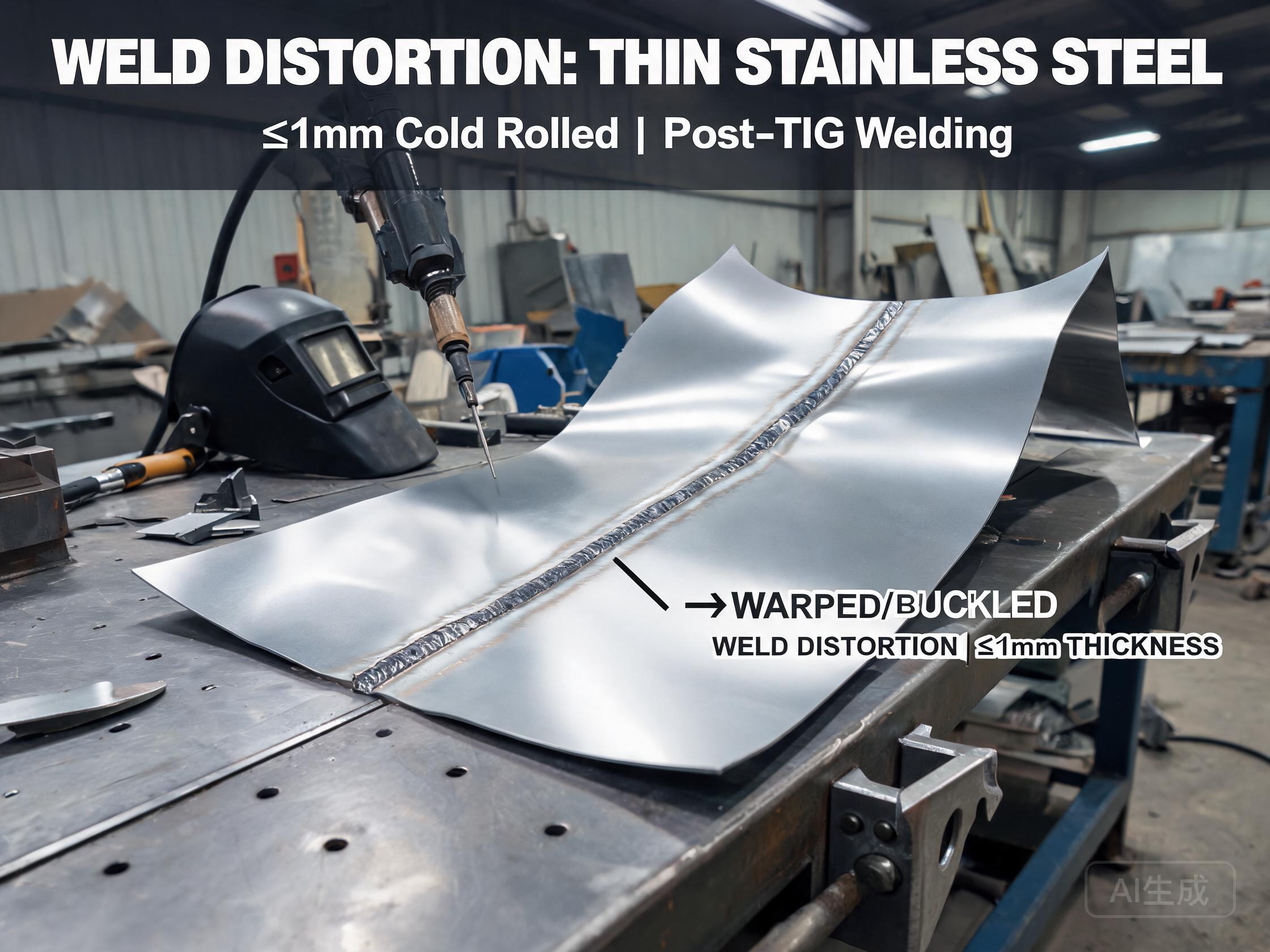
Weld distortion in ≤1mm cold rolled stainless steel sheet — why heat input causes buckling and warping, skip welding copper backing and heat sink solutions.
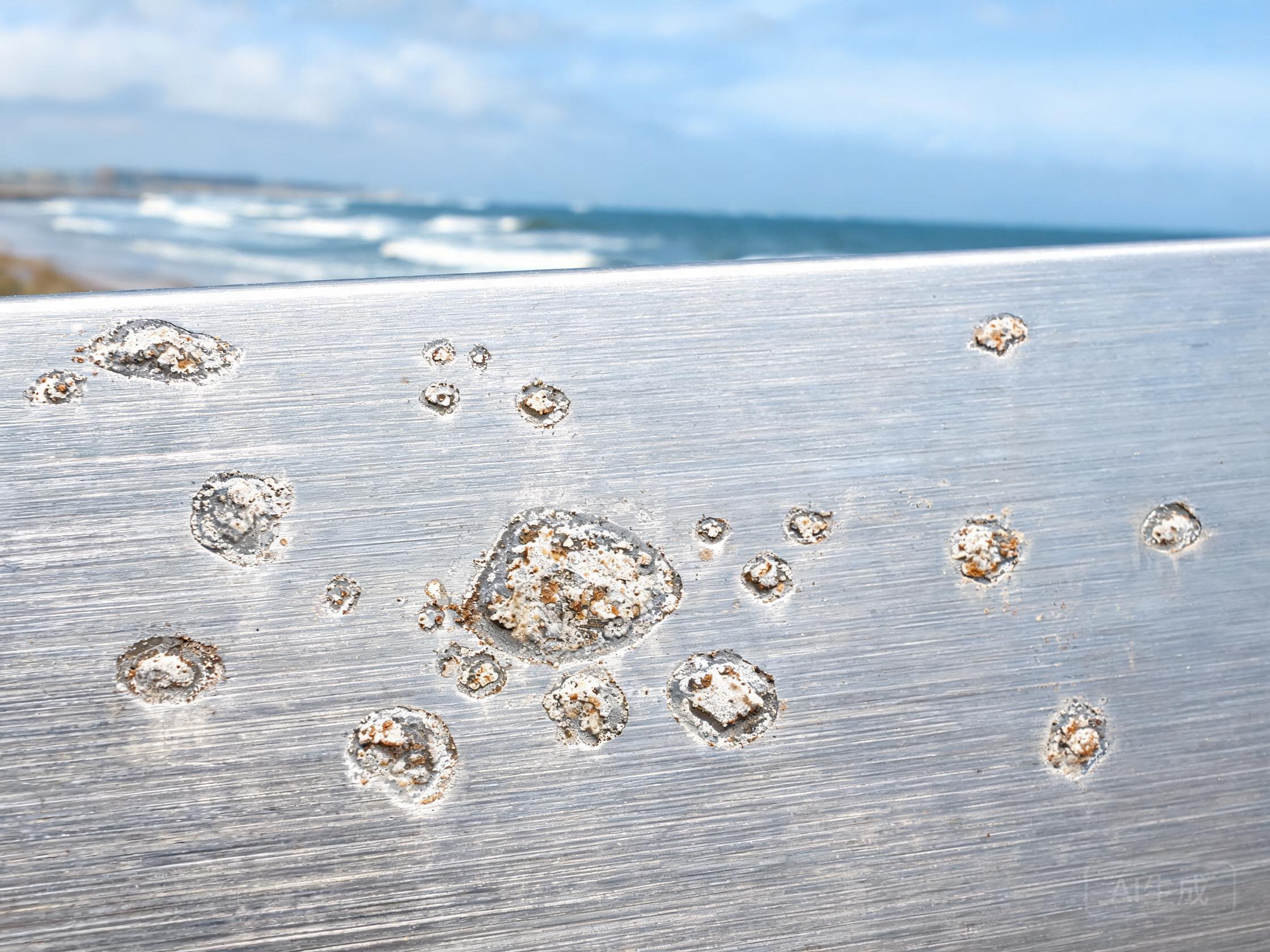
Water spots ruin 316 marine and 304 kitchen stainless panels. Learn why chloride content in tap water, storage humidity and missing spot-free rinse cause permanent staining.
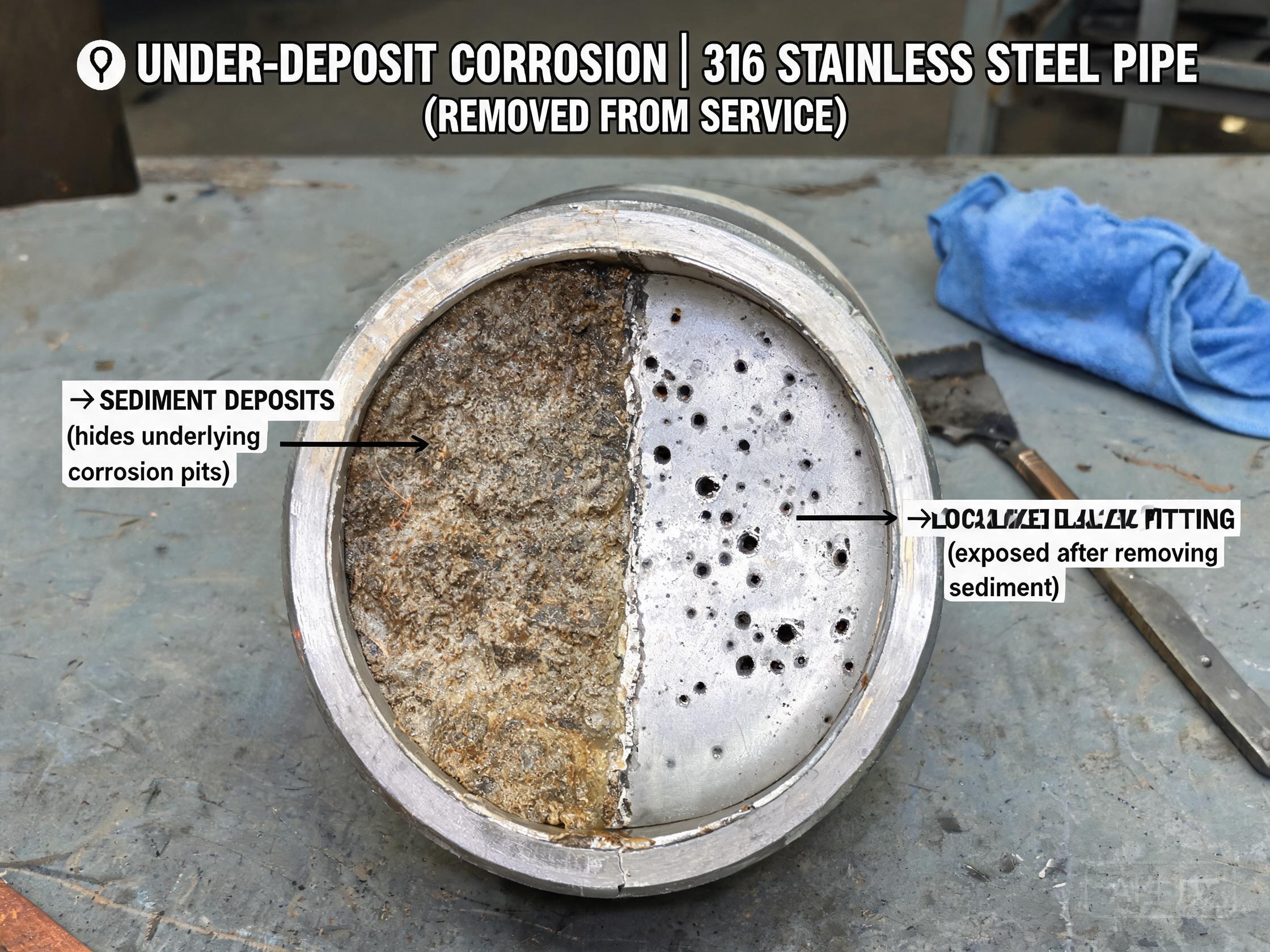
Under-deposit corrosion on cold rolled stainless steel. How sediment and scale create hidden crevices, and why 316 outlasts 304 in systems that cannot be cleaned regularly.
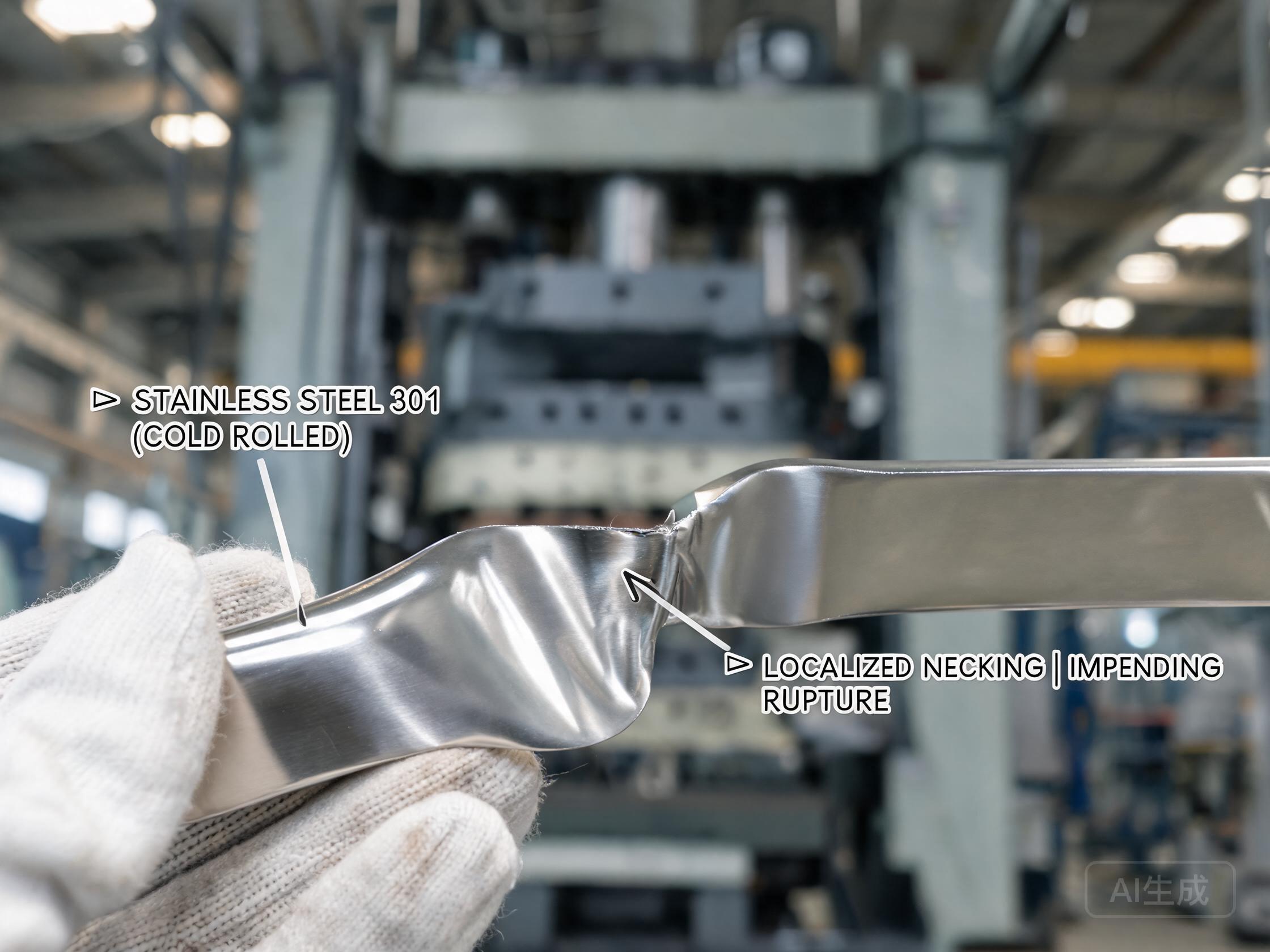
Why stretch formed stainless steel panels neck and crack, how 301 hard temper changes drawability, limit drawing ratio, and the 2B vs BA surface difference in stretch forming.
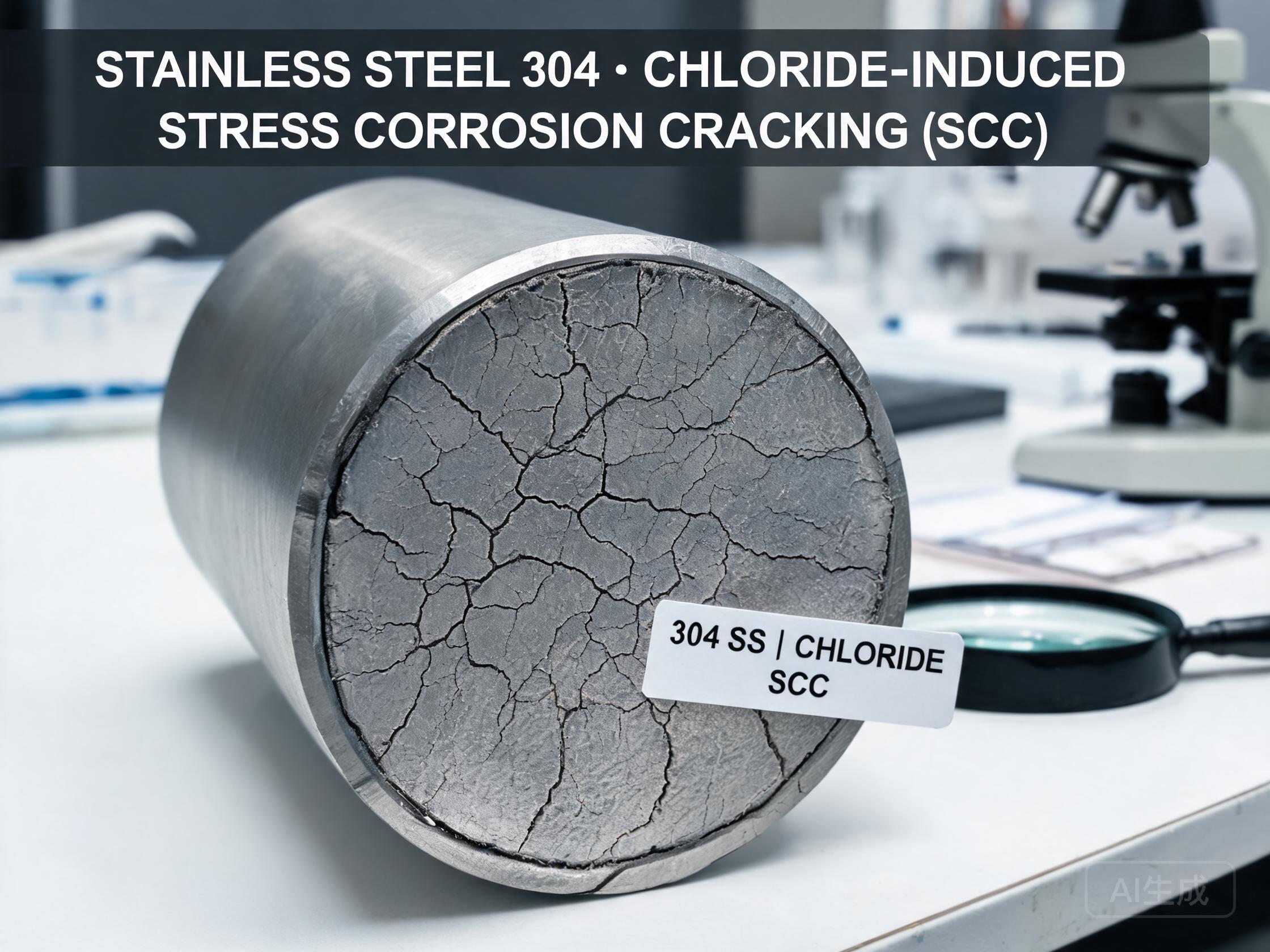
Stress corrosion cracking (SCC) on cold rolled stainless steel. Why 304 cracks at lower chloride levels than 316, and how to prevent it with stress relief annealing.
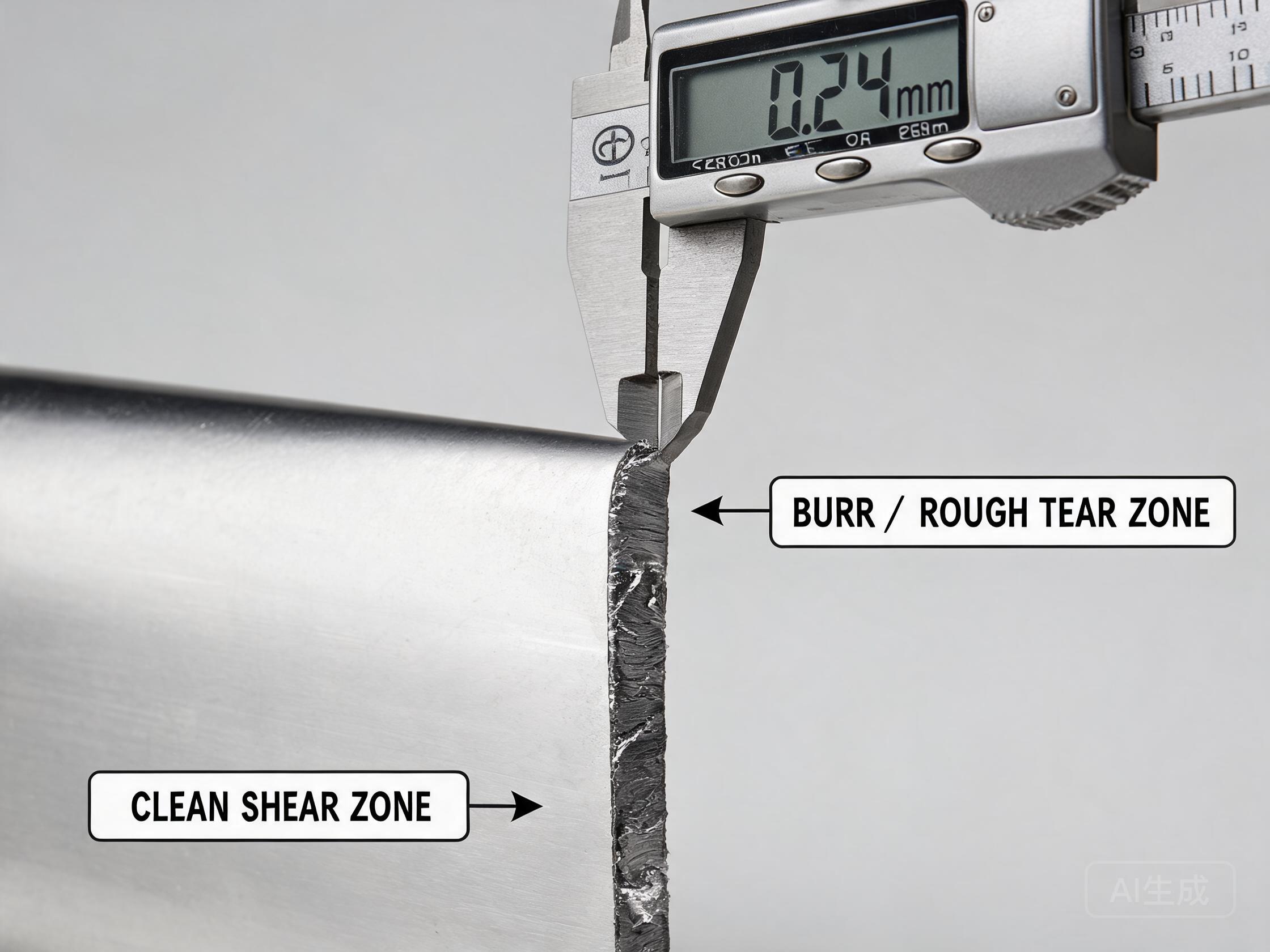
Why 304 produces taller burrs than 430, the correct die clearance for stainless stamping (6–12 % of thickness), and how the shear vs tear zone ratio controls burr height.
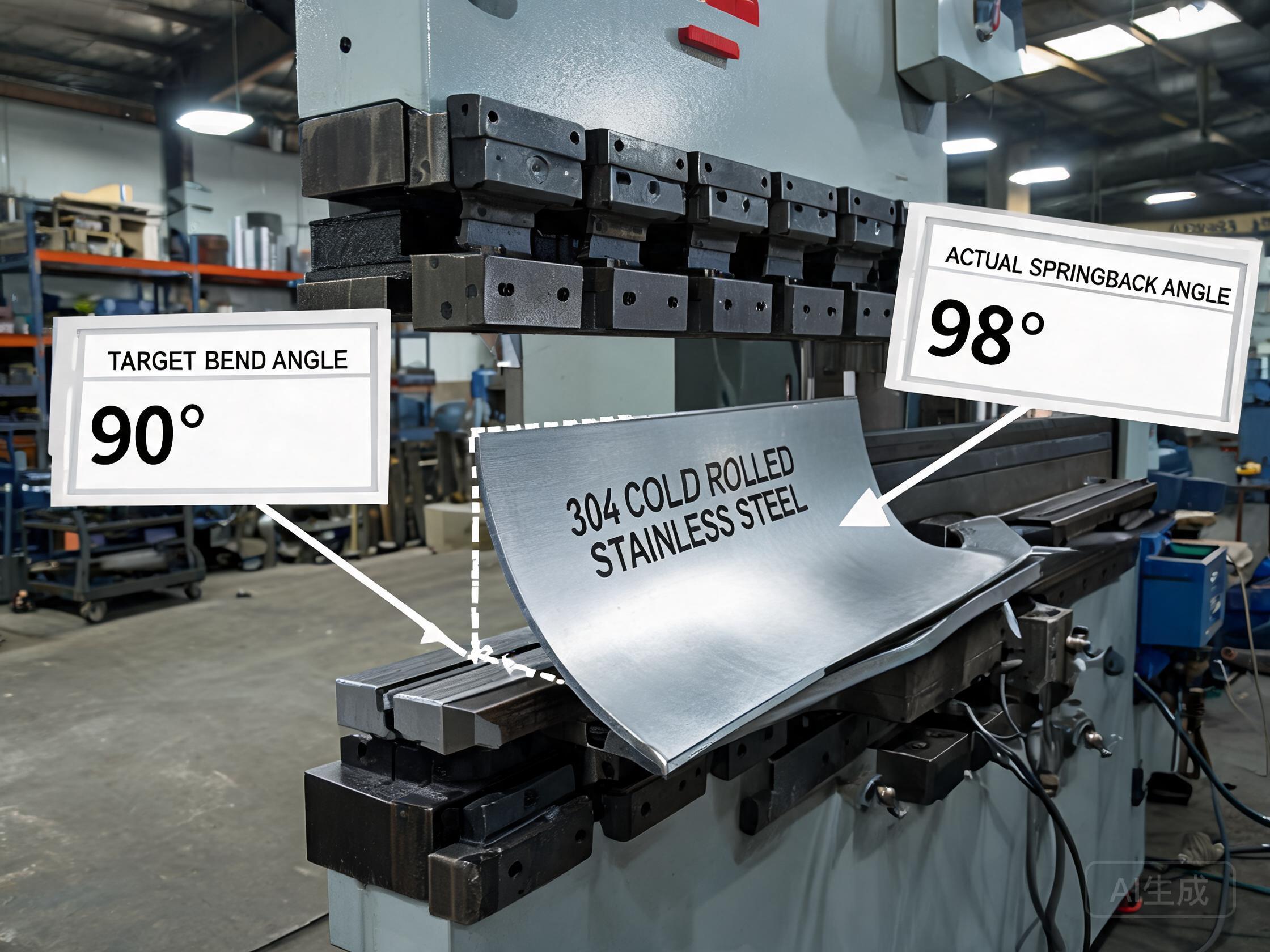
Why springback ruins stainless steel bend angles and stamped parts. Compare 304 vs 430, temper effect, and practical countermeasures for press brake and stamping.
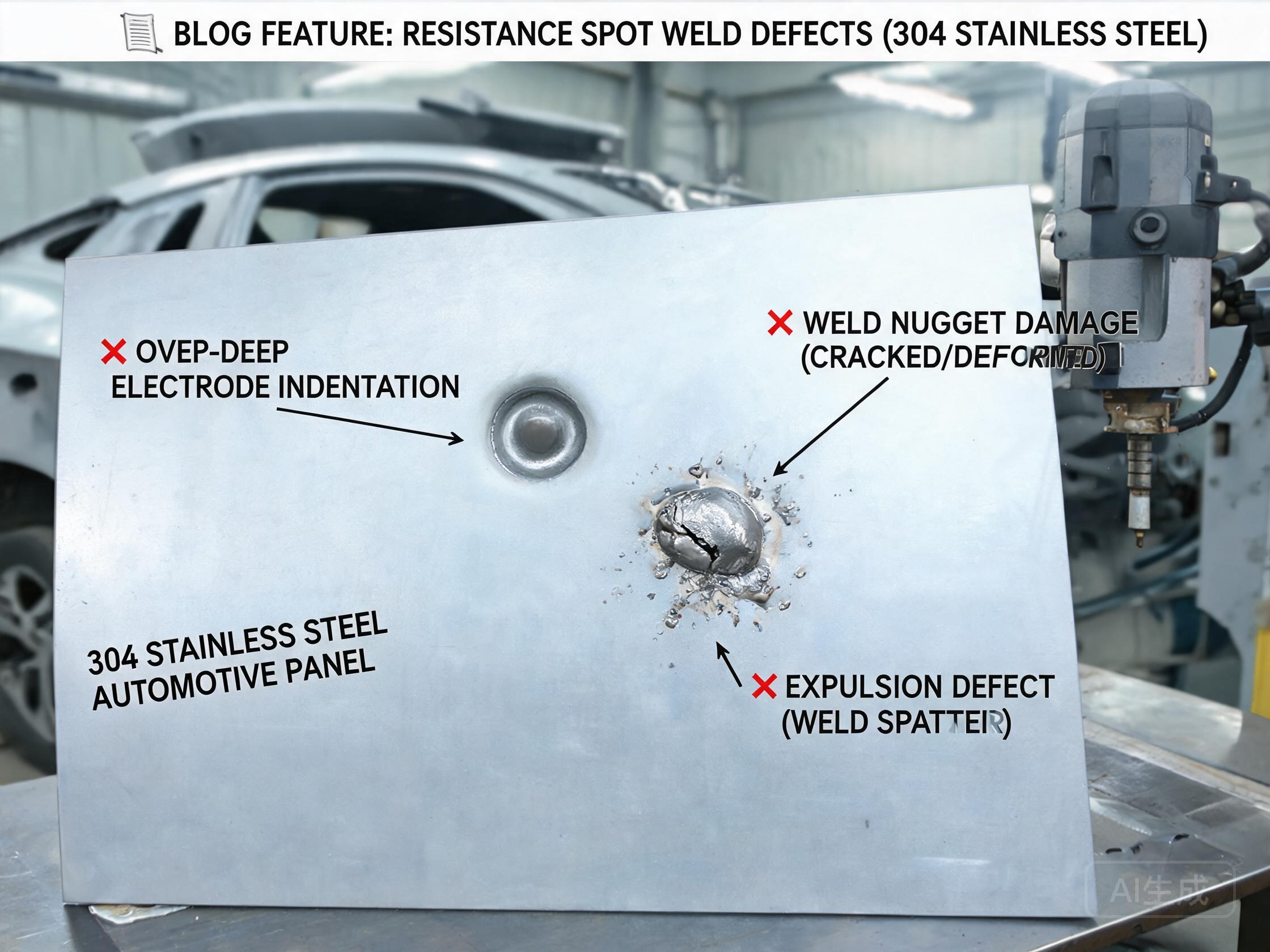
Spot welding stainless steel problems — why 304 needs more current than 430, electrode tip wear, weld shear strength and zinc contamination, with AWS D1.1 guidance.
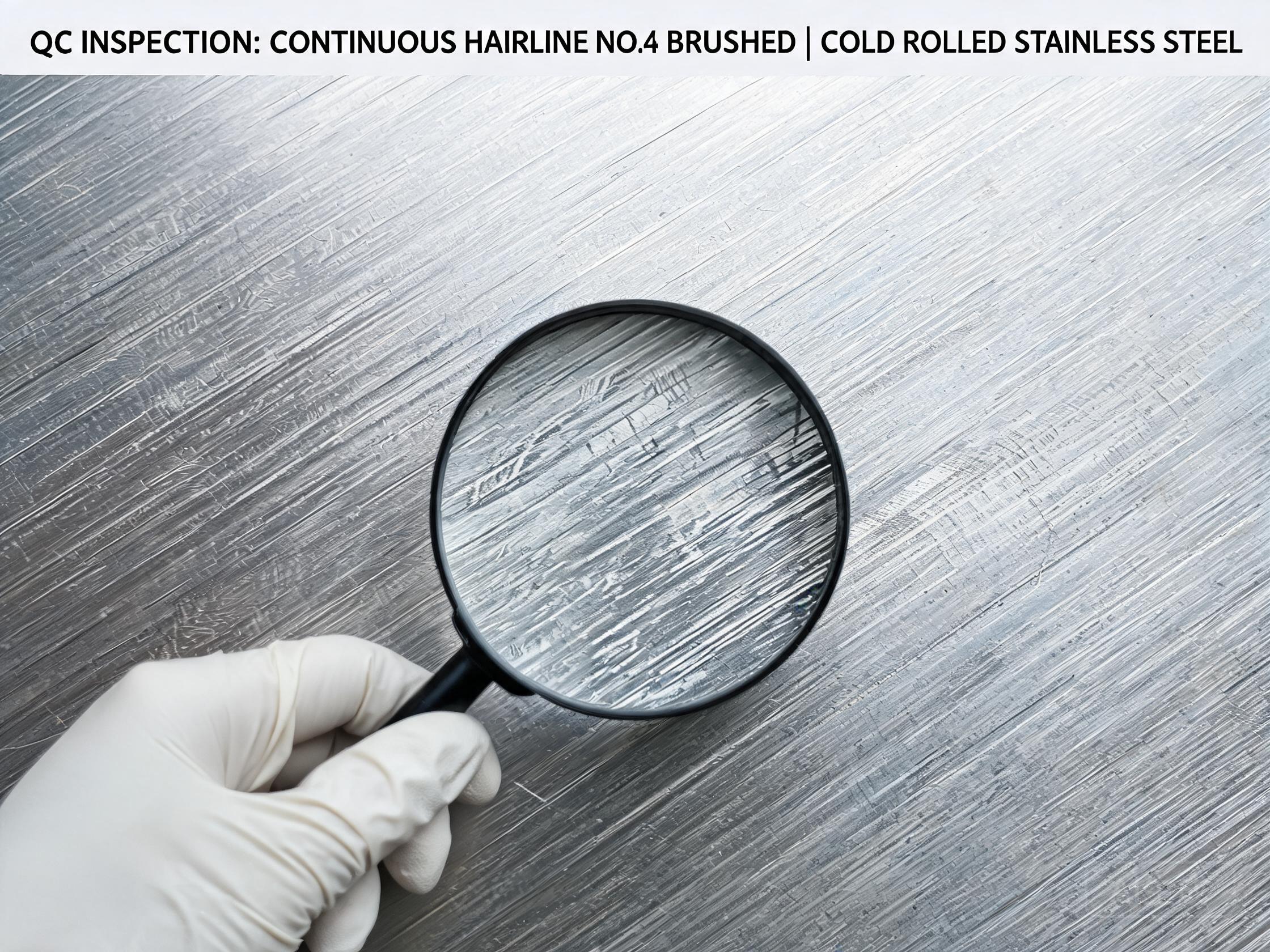
Continuous scratch brush (No.4 hairline) finish defects ruin architectural 304/316 panels. Learn why grit size, brush condition and scratch depth matter — and how to specify correctly.
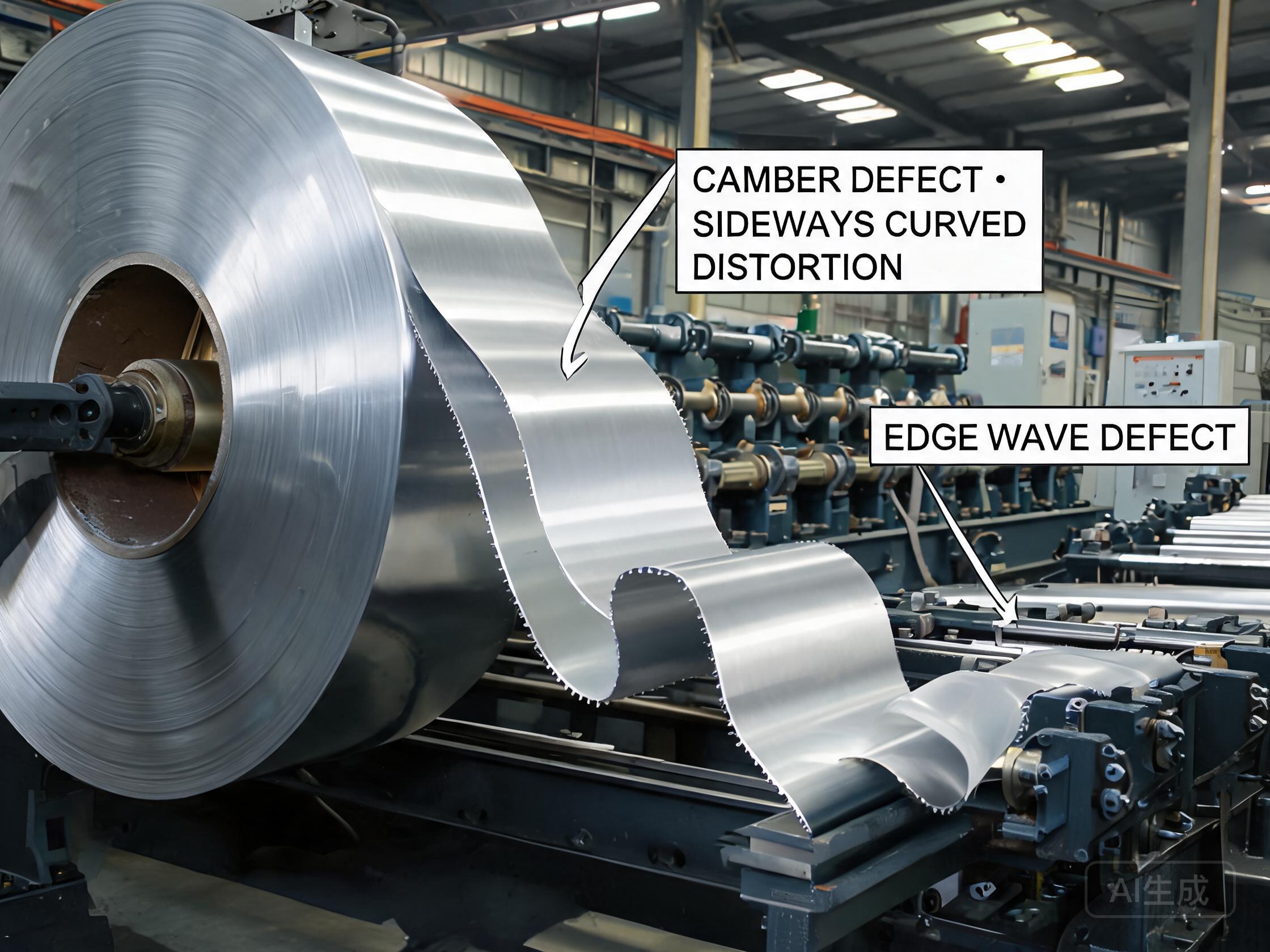
Why your cold rolled stainless steel strip cambers in the roll former, what causes edge wave and cross bow, and the critical difference between 430 ferritic and 304 austenitic behavior.
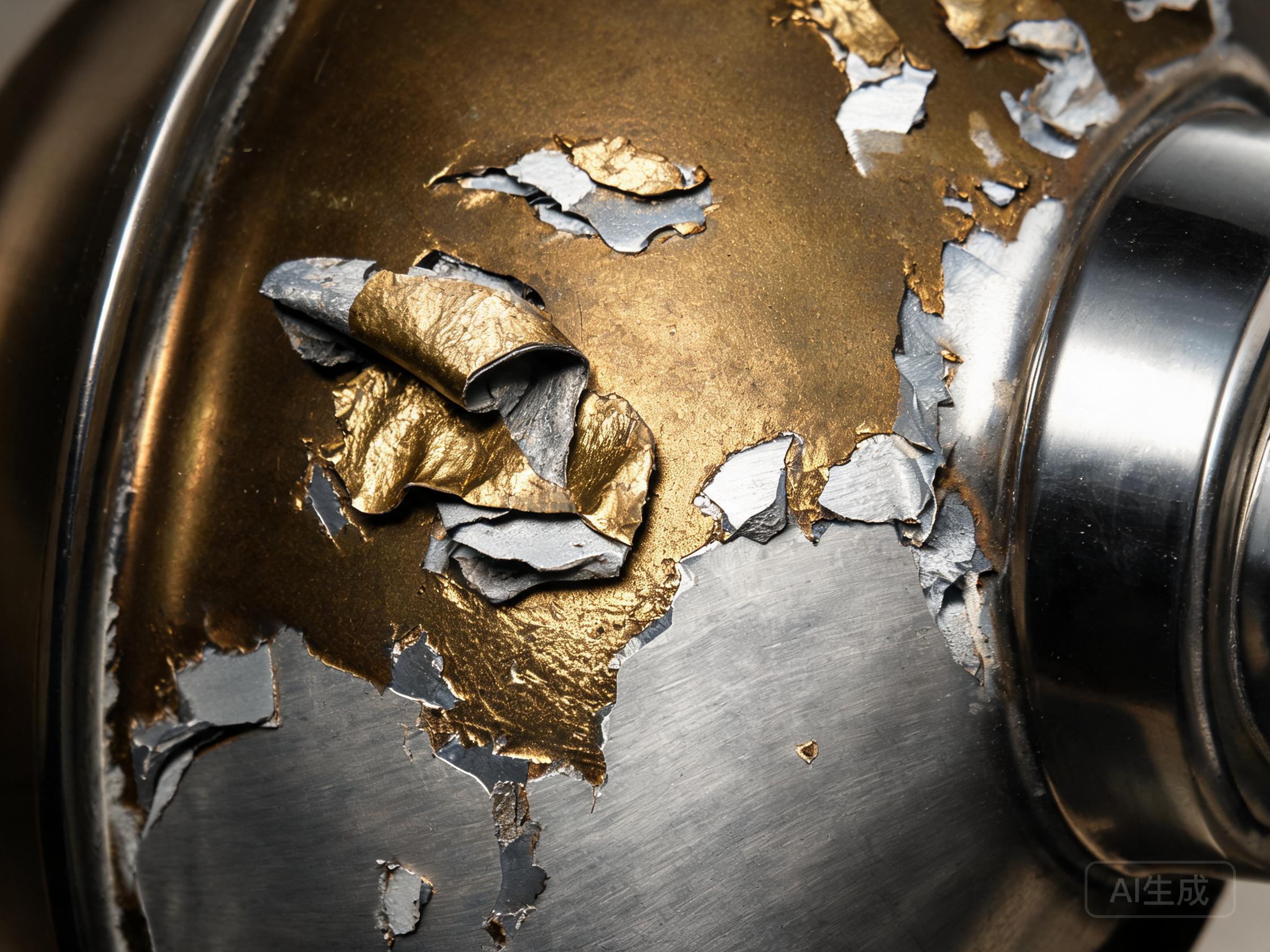
PVD coating peeling ruins colored stainless steel panels. Learn why surface prep, 304 vs 316 substrate and coating thickness cause adhesion failure, and how to specify correctly.
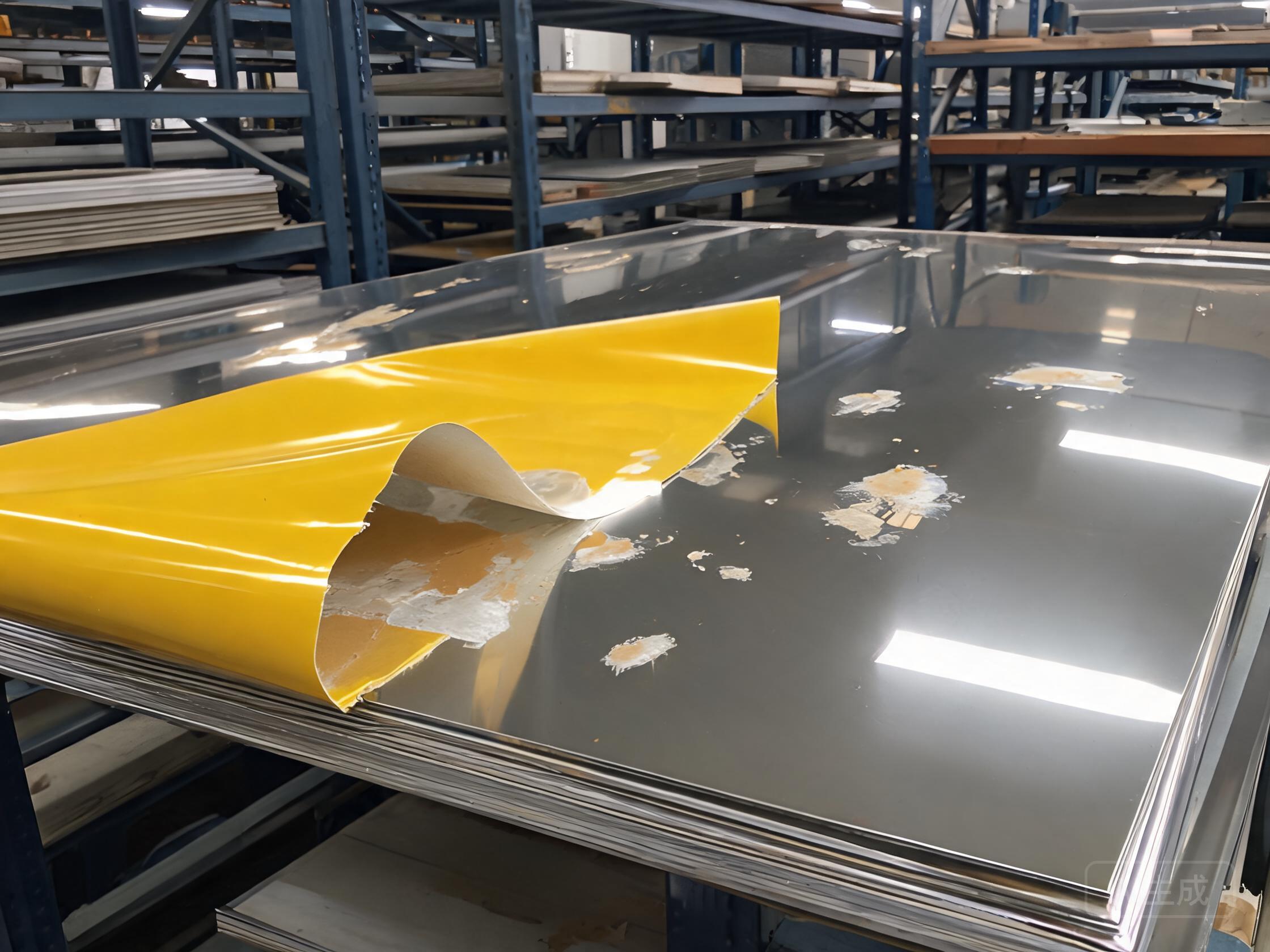
Cheap protective film leaves sticky residue or tears during peeling. Compare Chinese vs Korean/Japanese film, storage time limits and how to specify film quality on your RFQ.
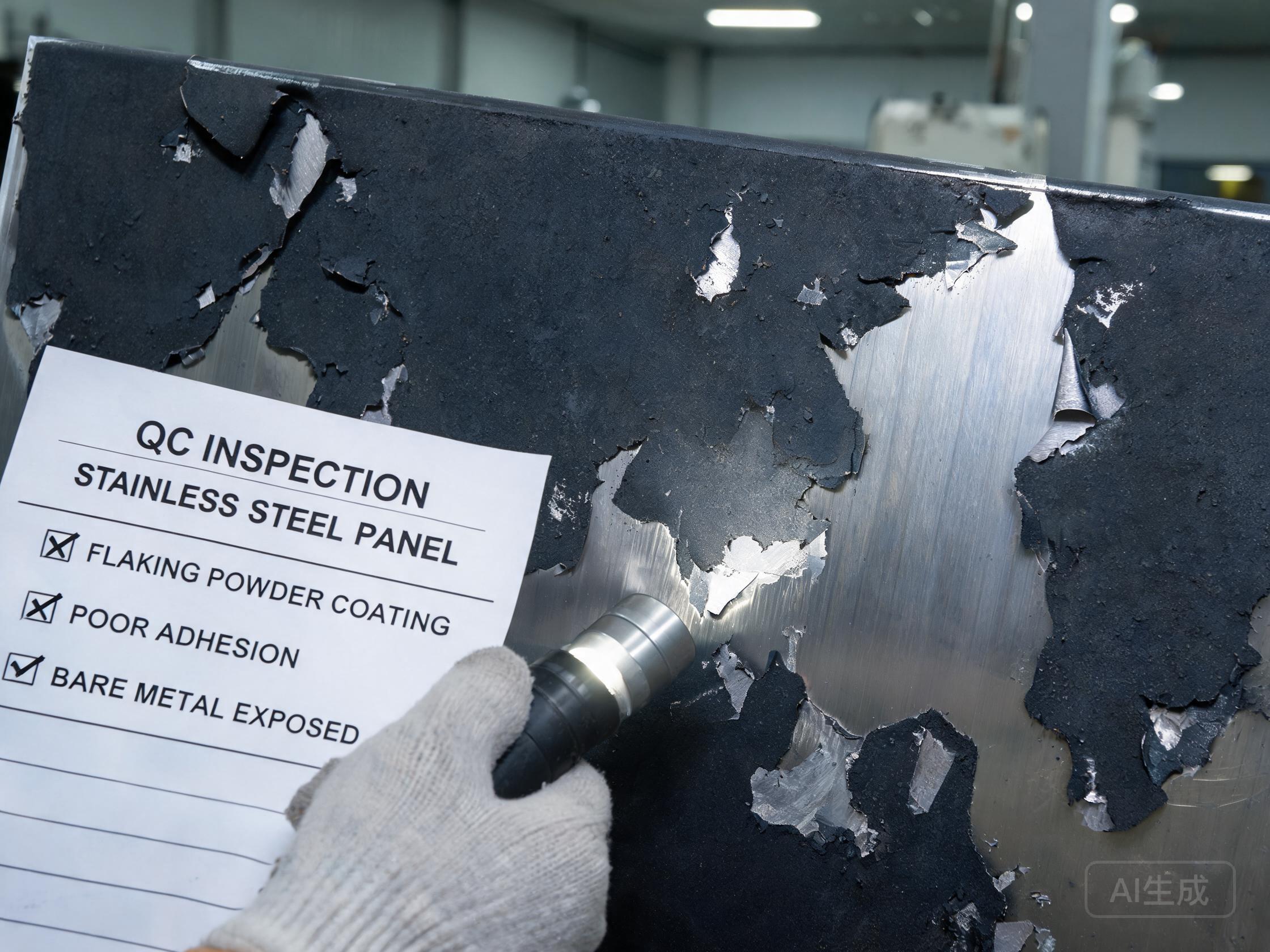
Powder coating peeling on 430 and 304 stainless is caused by missing primer, wrong Ra roughness or skipped pre-treatment. Learn the right specification here.
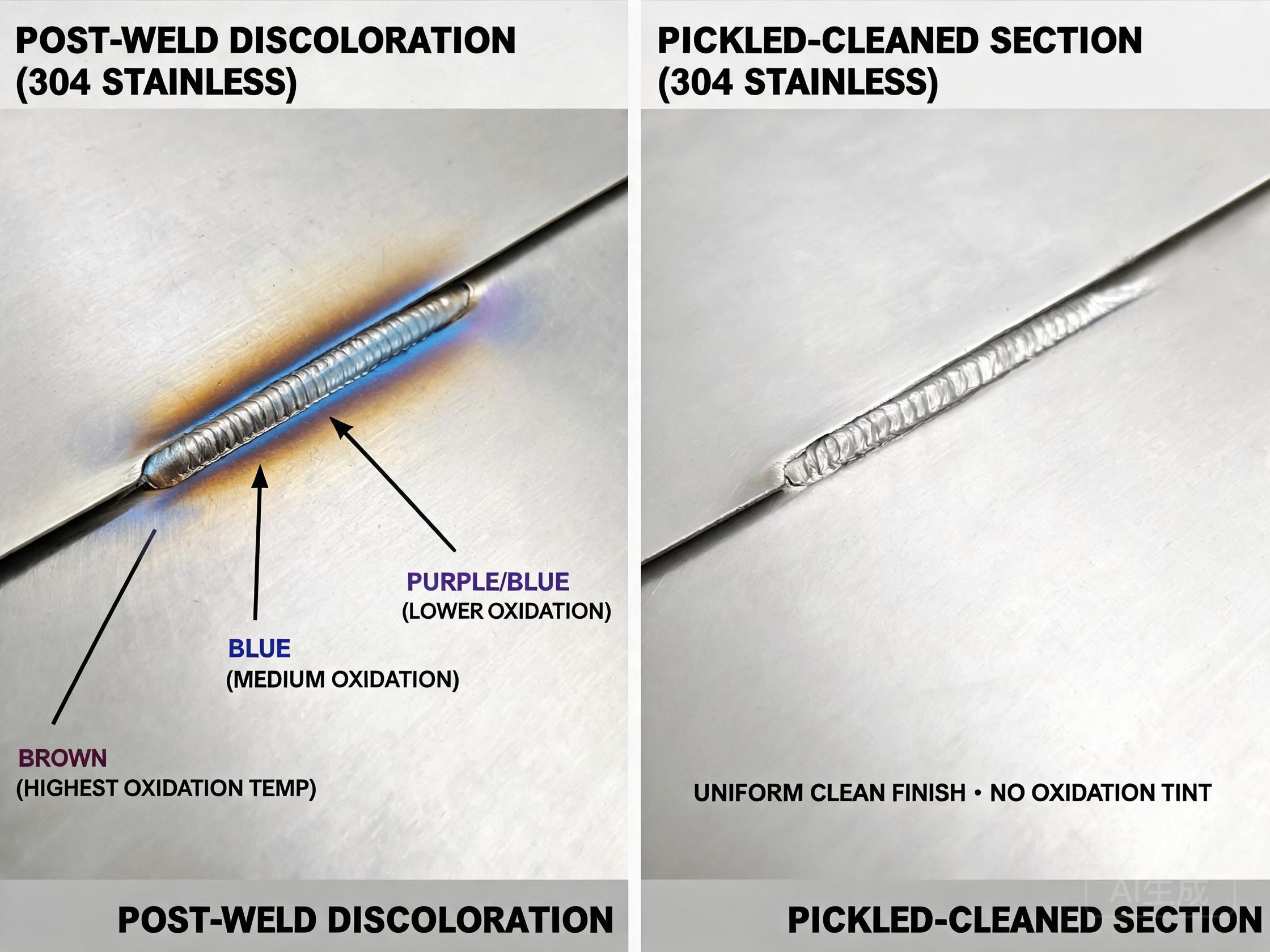
Post-weld cleaning for 304 and 316 — why heat tint and weld discoloration causes rust, pickling paste stainless steel brush and glass bead blasting procedures.
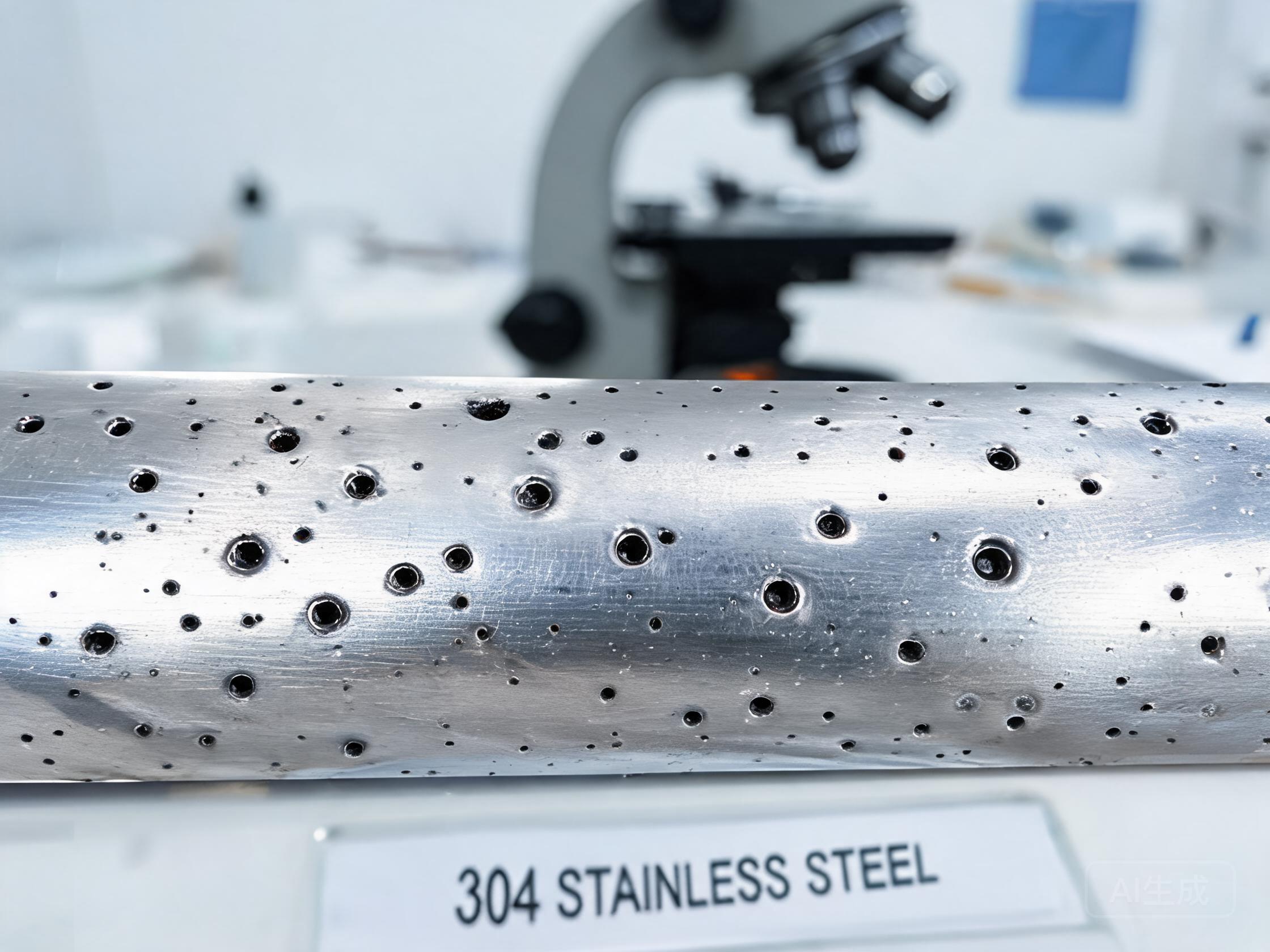
Pitting corrosion on cold rolled stainless steel: what causes it, how to calculate PREN, and why 304 fails where 316 or 2205 survives.
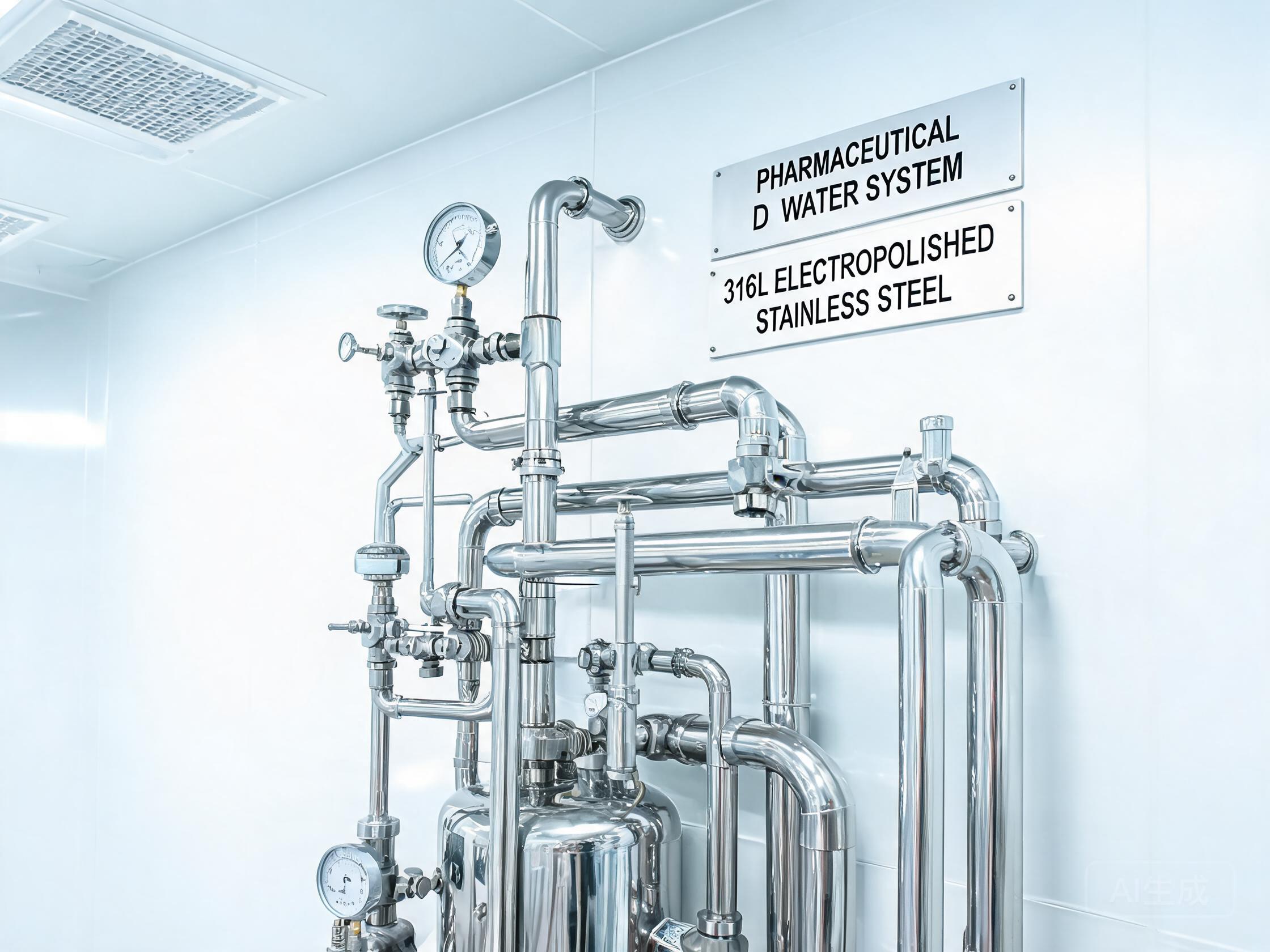
Pharmaceutical deionized (DI) water at 18.2 MΩ·cm requires 316L stainless steel only, electropolished Ra <0.4 μm, proper passivation and ASME BPE compliance. Get the cold rolled sheet spec right and your WFI system meets FDA, EMA and PIC/S audits without rework.
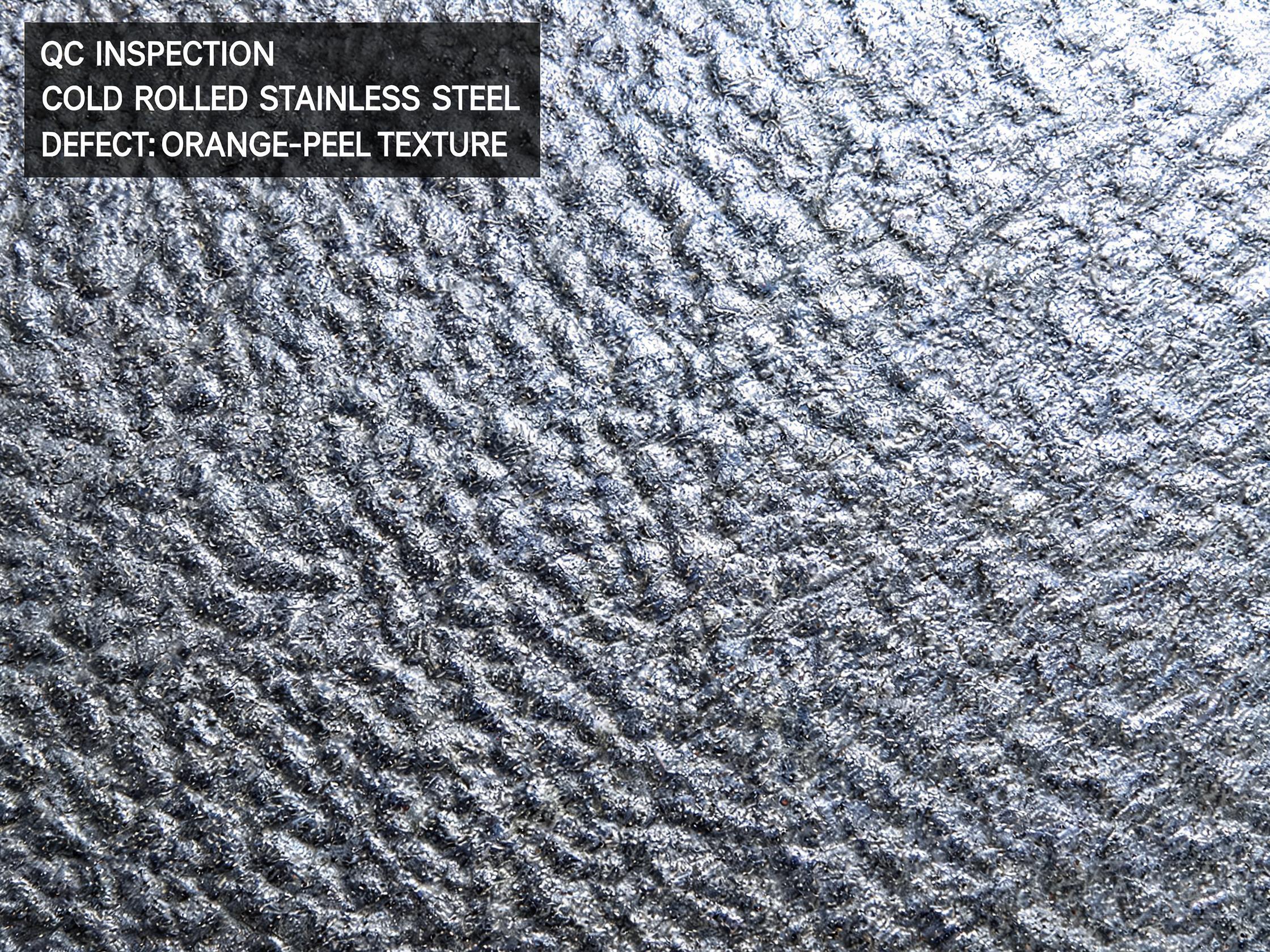
MYMEMORY WARNING: YOU USED ALL AVAILABLE FREE TRANSLATIONS FOR TODAY. NEXT AVAILABLE IN 23 HOURS 09 MINUTES 23 SECONDS VISIT HTTPS://MYMEMORY.TRANSLATED.NET/DOC/USAGELIMITS.PHP TO TRANSLATE MORE
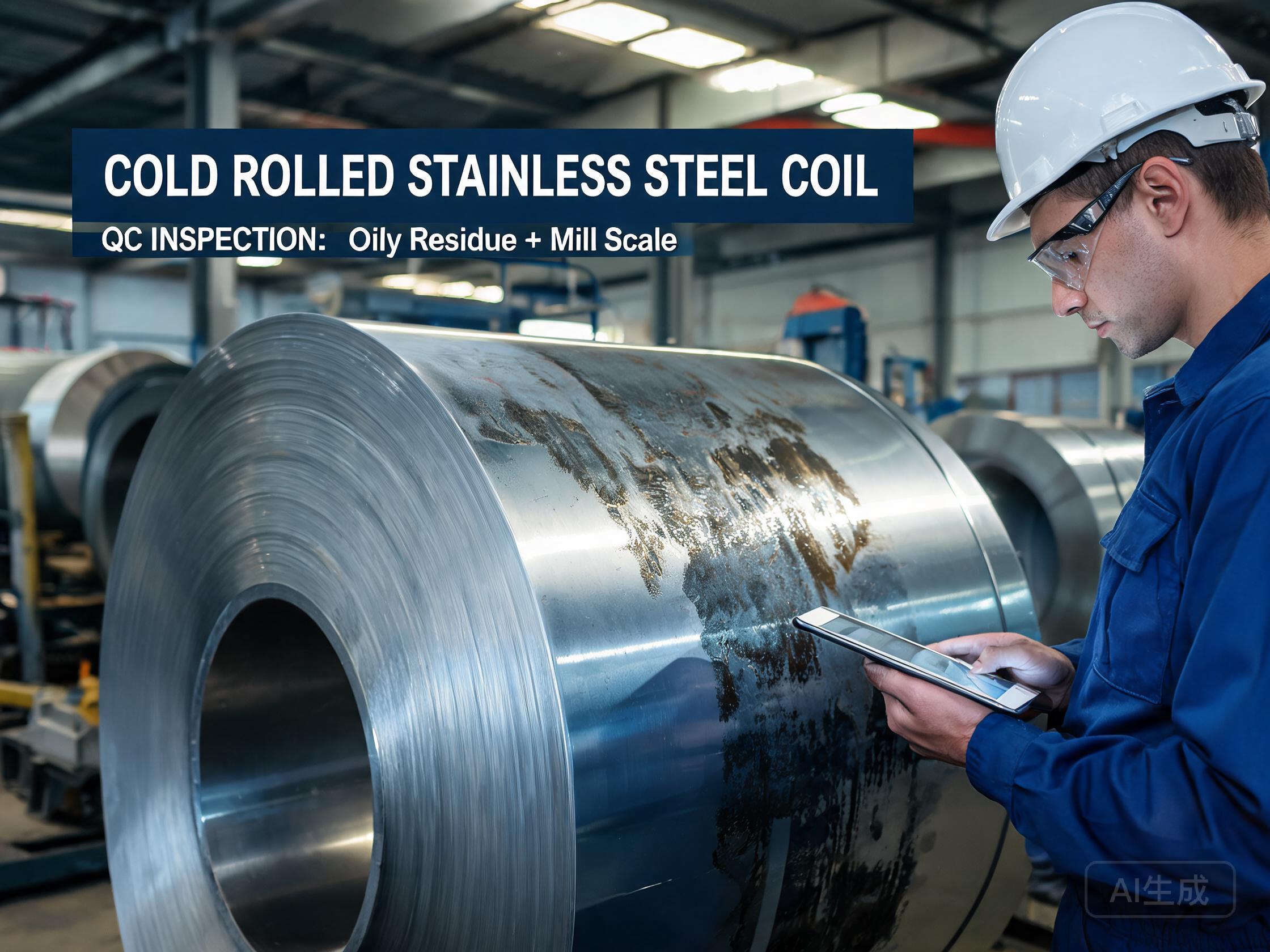
Oil residue causes poor welds, bad PVD adhesion and ugly finish on stainless parts. Learn the difference between mill rolling oil and stamping lubricant, and how to inspect and specify clean steel.
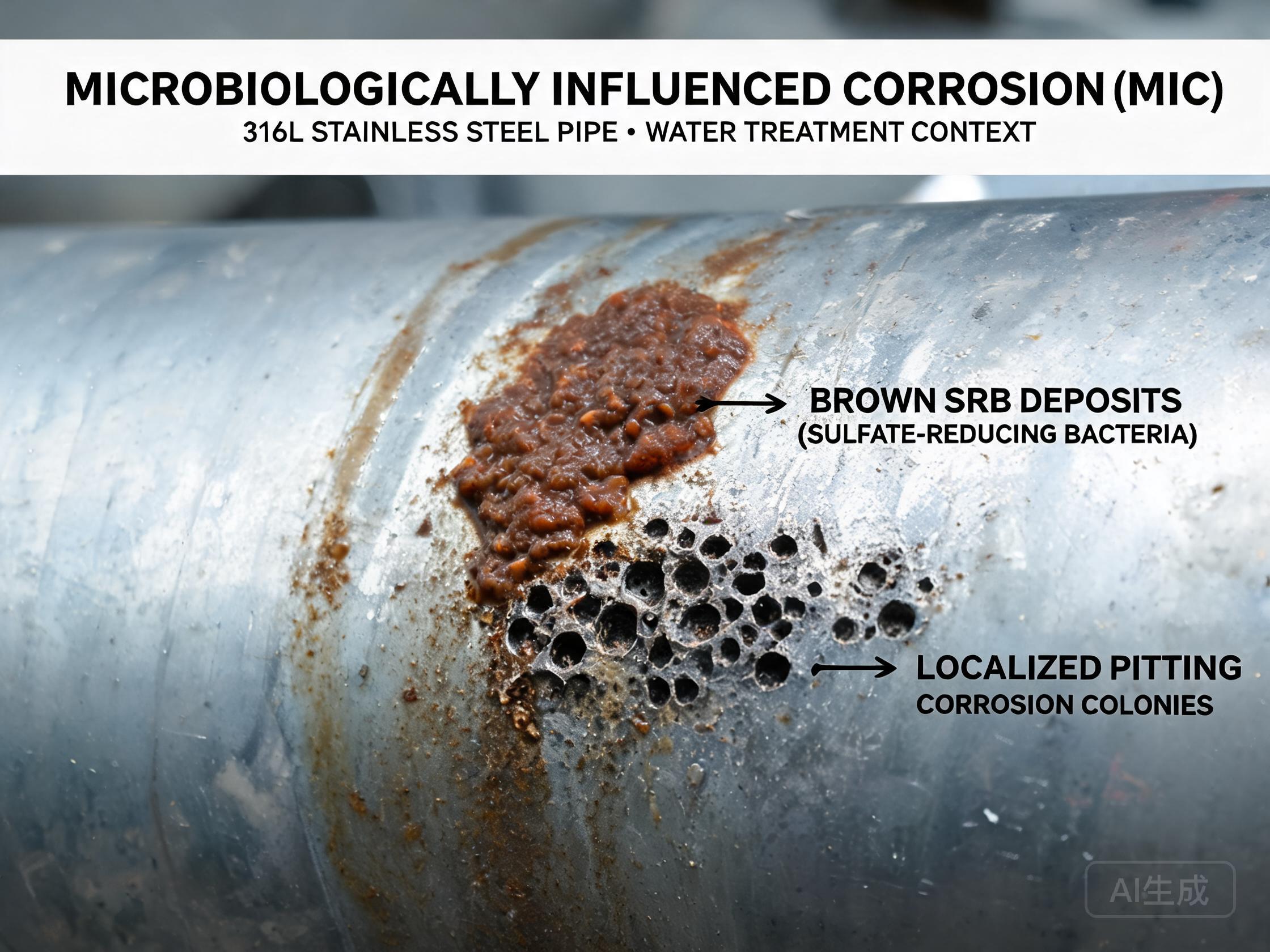
Microbiologically influenced corrosion (MIC) from sulfate-reducing bacteria on cold rolled stainless steel. Why 316L survives where 304 fails, and pasteurization frequency matters.
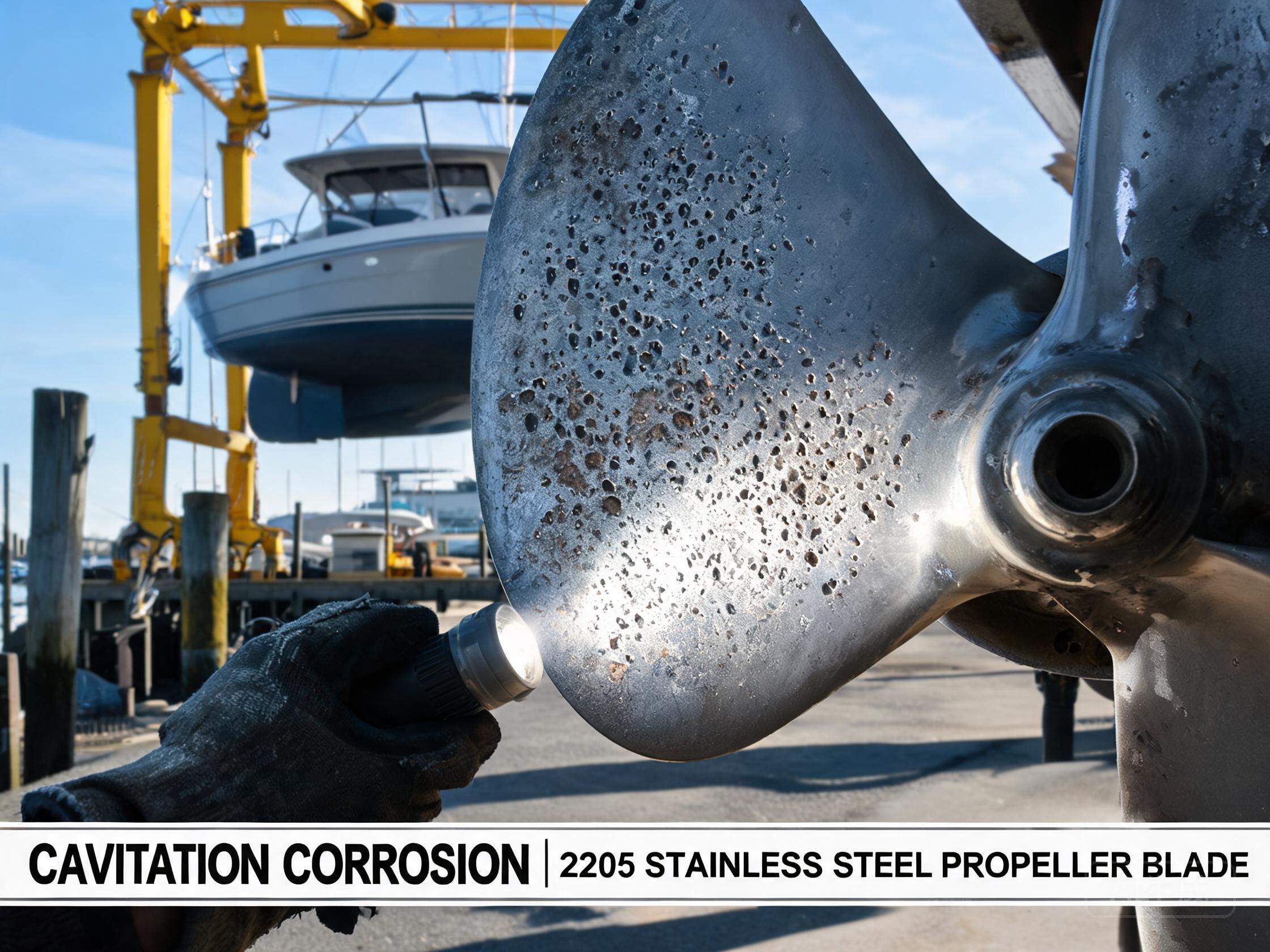
Marine propeller cavitation erodes cold rolled stainless steel in months at high vessel speeds. Compare 2205 duplex vs 316L cavitation resistance (ASTM G32), know the velocity threshold (25 m/s), and specify the grade and thickness that survive five years without repair welding.
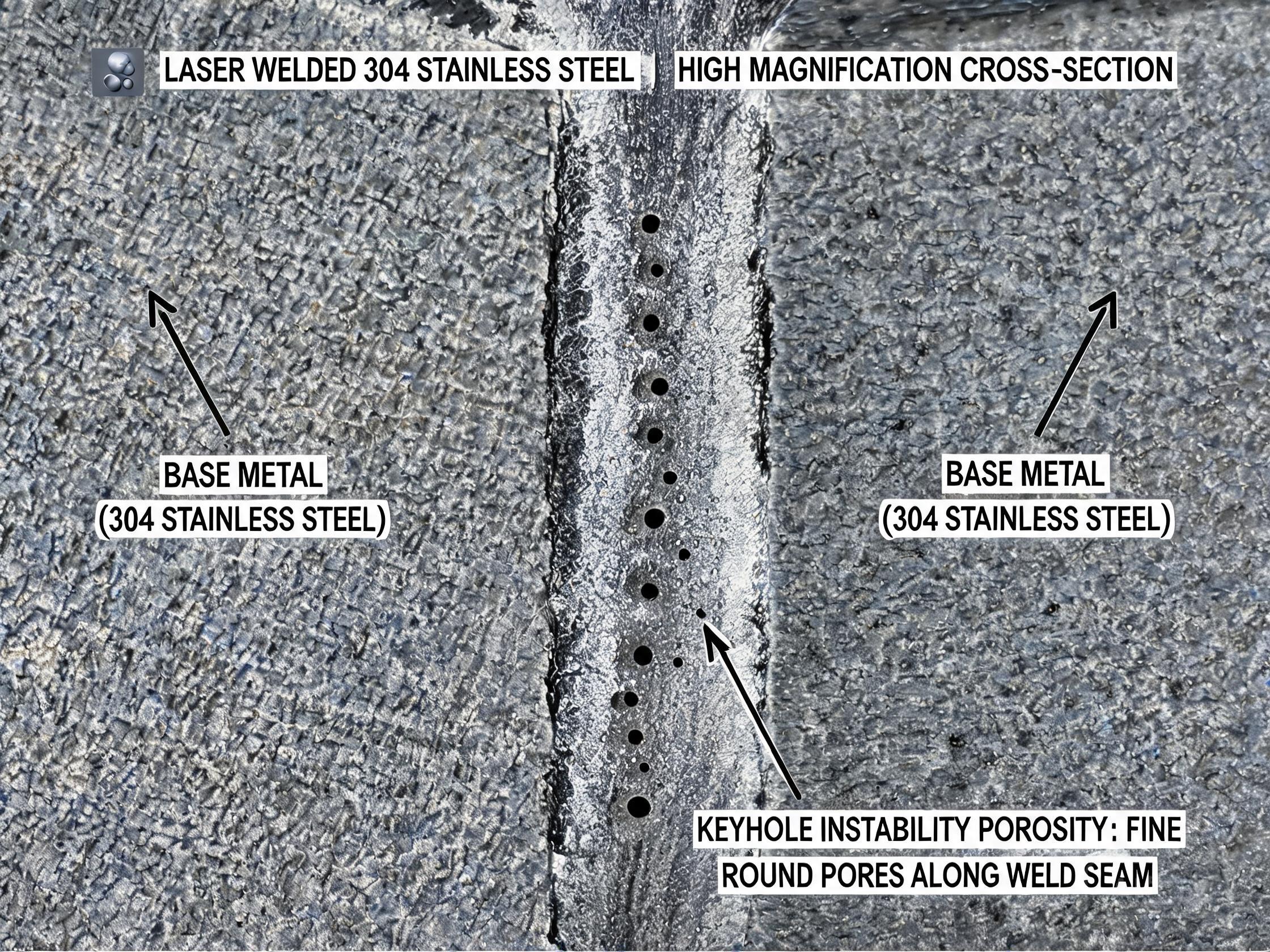
Laser welding porosity in 304 vs 316 — why keyhole collapse causes round holes, argon shielding requirements, travel speed control and the 316 nitrogen difference.
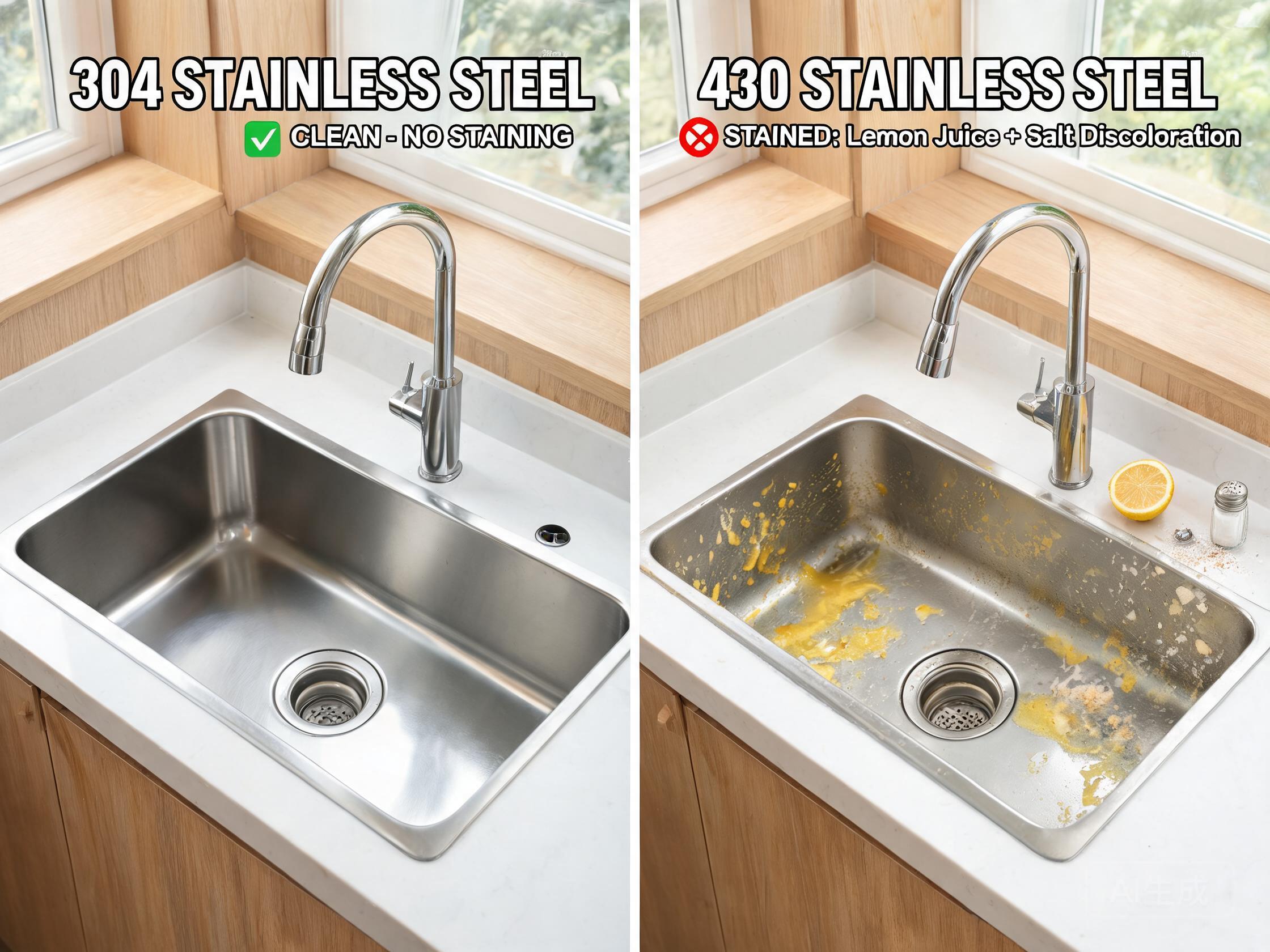
Cold rolled stainless steel kitchen sinks stain from lemon juice, salt water and coffee. Compare 304 vs 430 salt tolerance, run the 24-hour lemon juice test, and choose 8K mirror or No.4 brushed surface that survives daily use for ten years without rust spots.
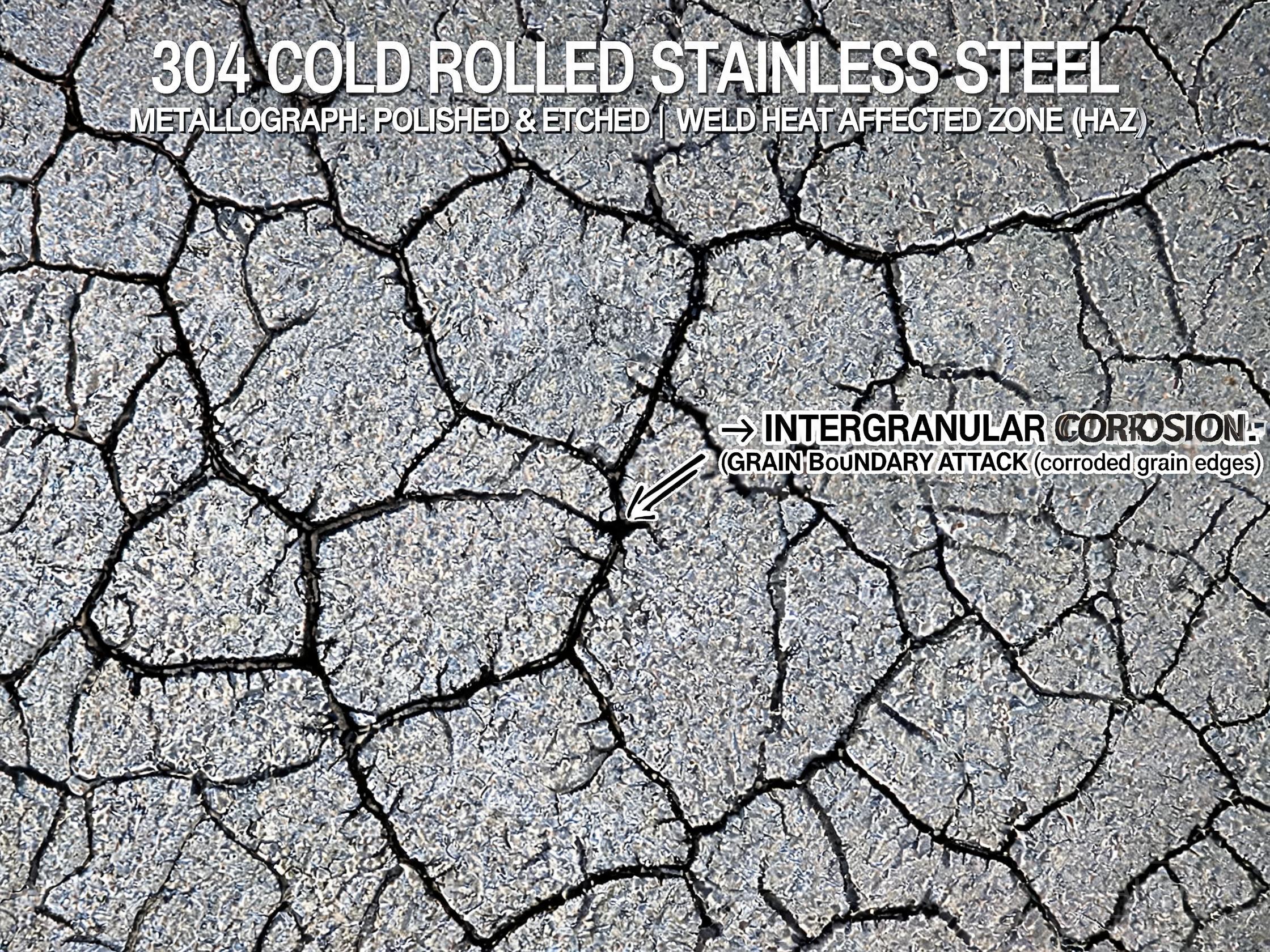
Intergranular corrosion from sensitization in cold rolled stainless steel. How Cr23C6 carbides form at 400-800°C and why 304L with low C content is the fix.
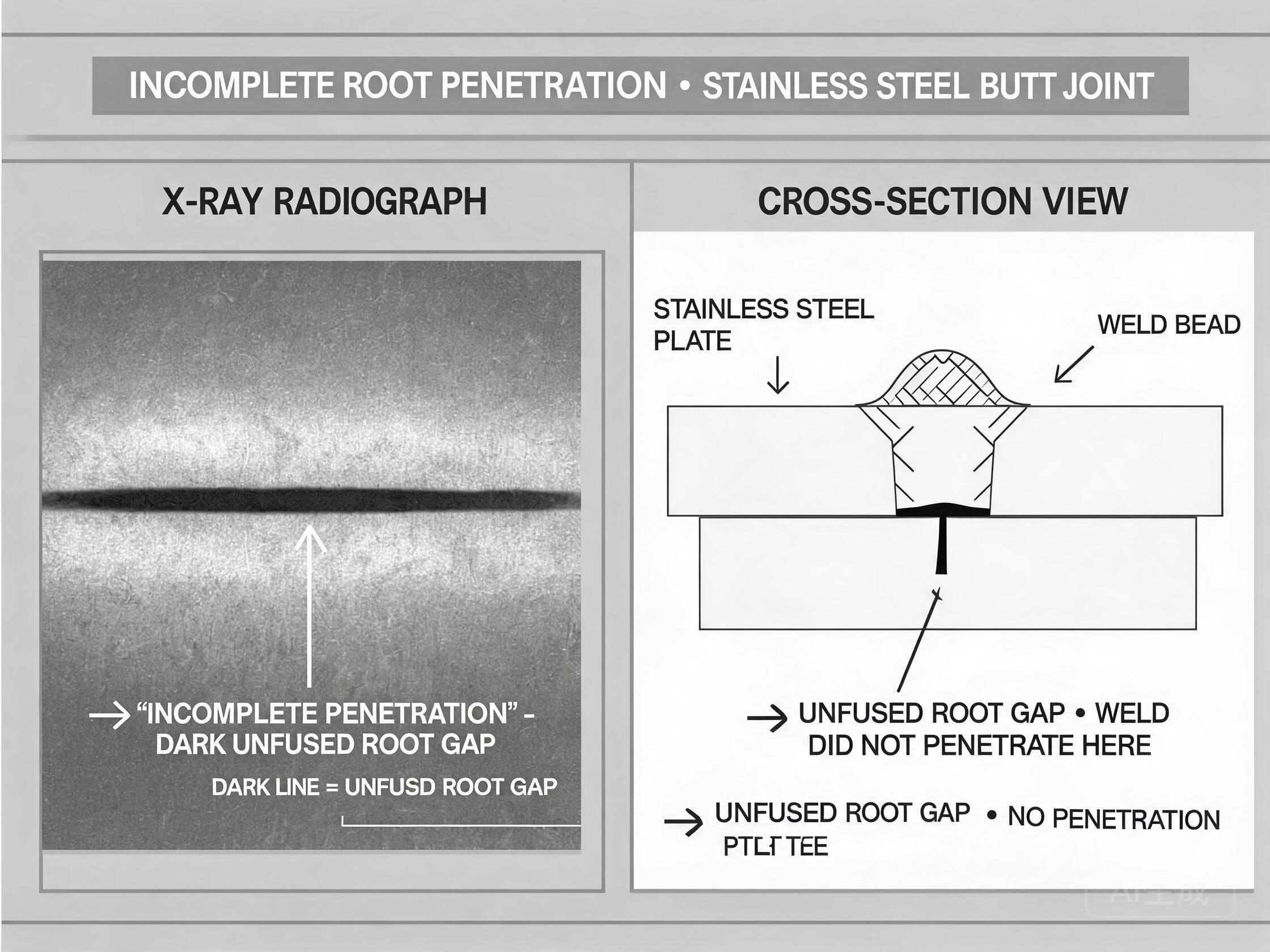
Incomplete penetration in 304 and 316 welds — why tight root gaps, no back purge or wrong joint prep cause it, and how to fix with TIG backing gas at 10 ppm O2.
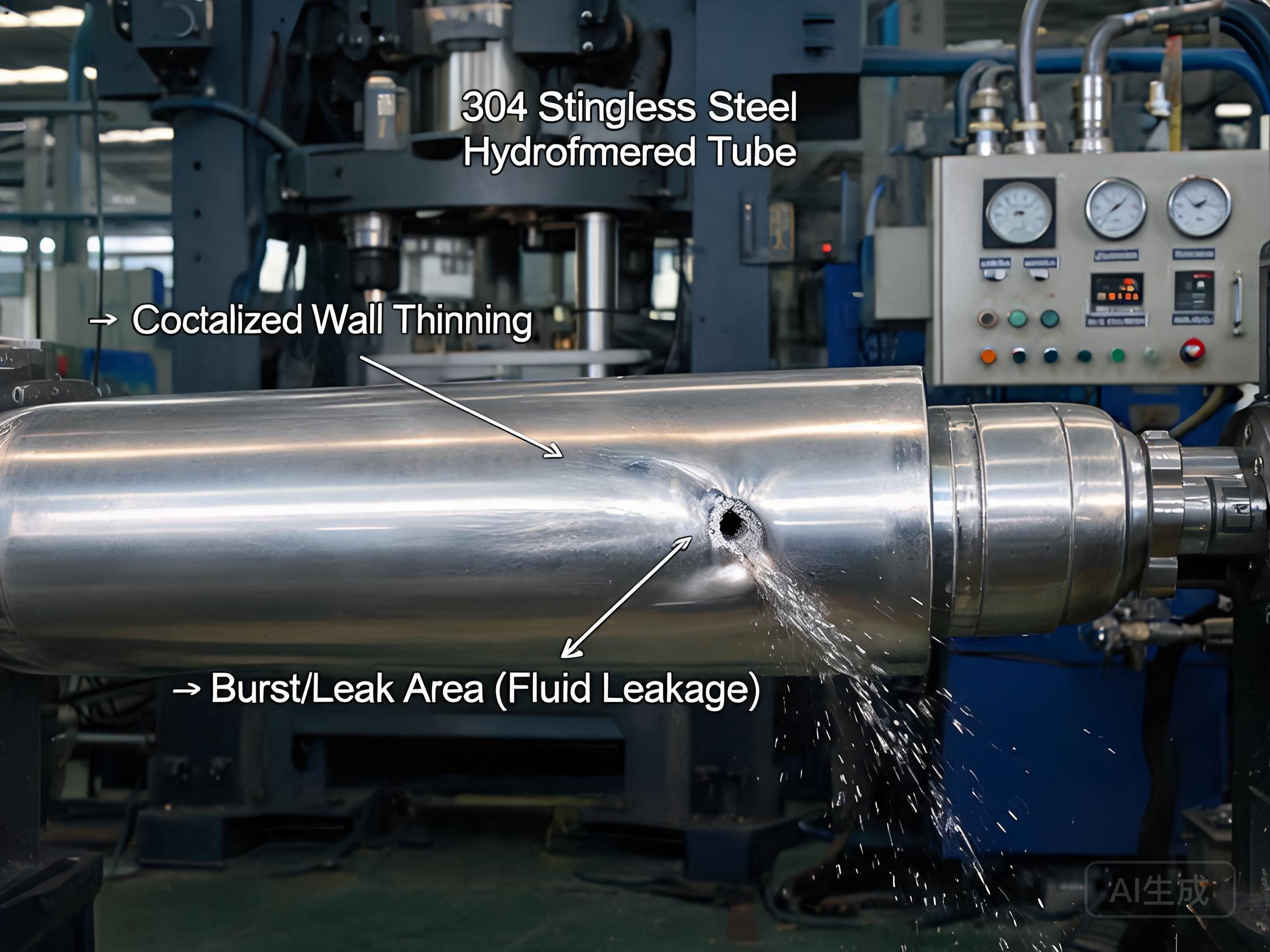
Why your hydroformed stainless steel tubes leak — wall thinning, burst pressure, 304 vs 316 comparison, and when to use high pressure vs low pressure process. Spec the right blank and test first.
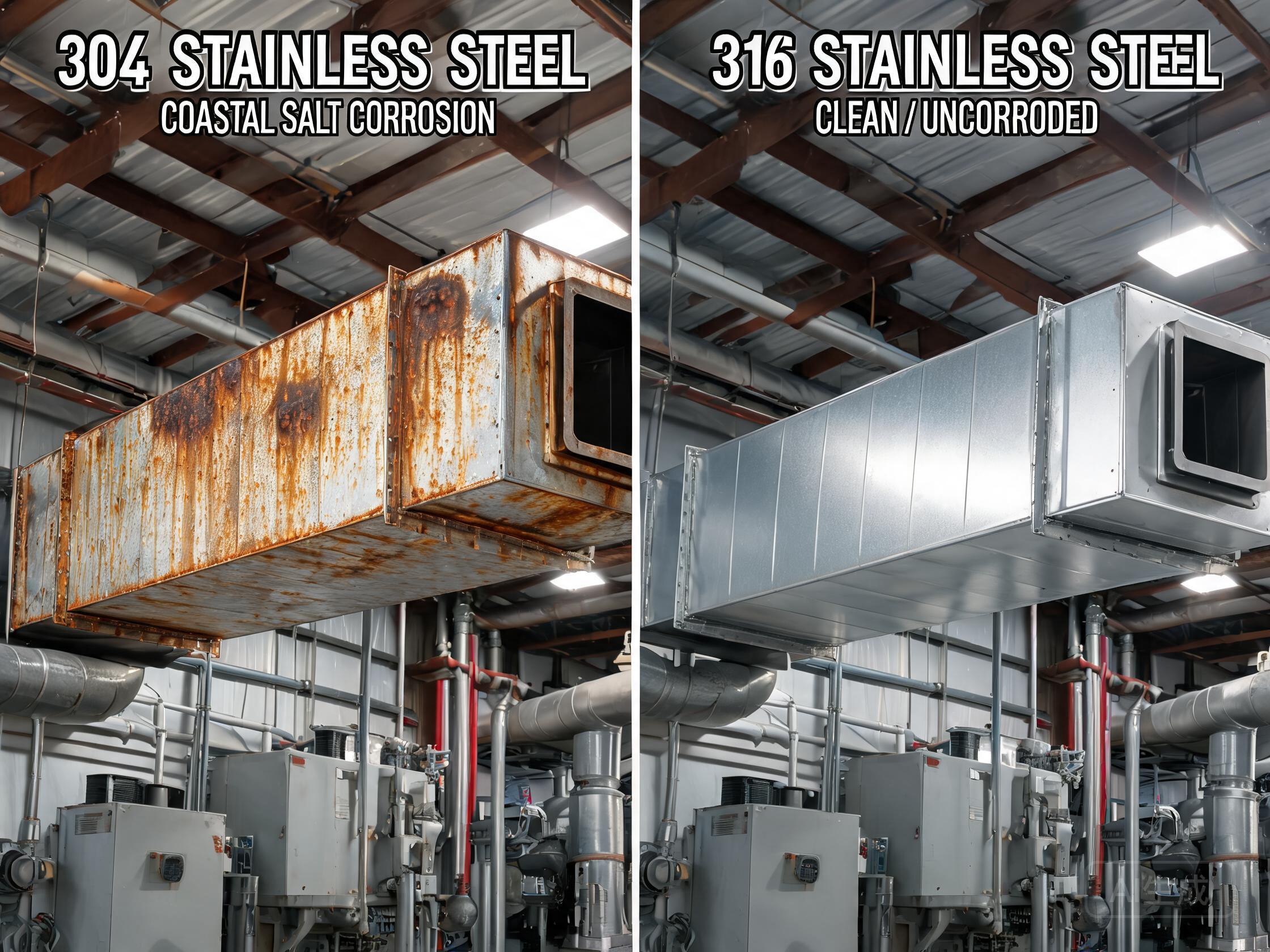
Cold rolled stainless steel HVAC ducts corrode from coastal salt spray and condensation. Compare 304 vs 316 salt tolerance, specify the right insulation and condensation control, and achieve a 10-year corrosion-free duct system that passes NFPA and ASHRAE inspection.
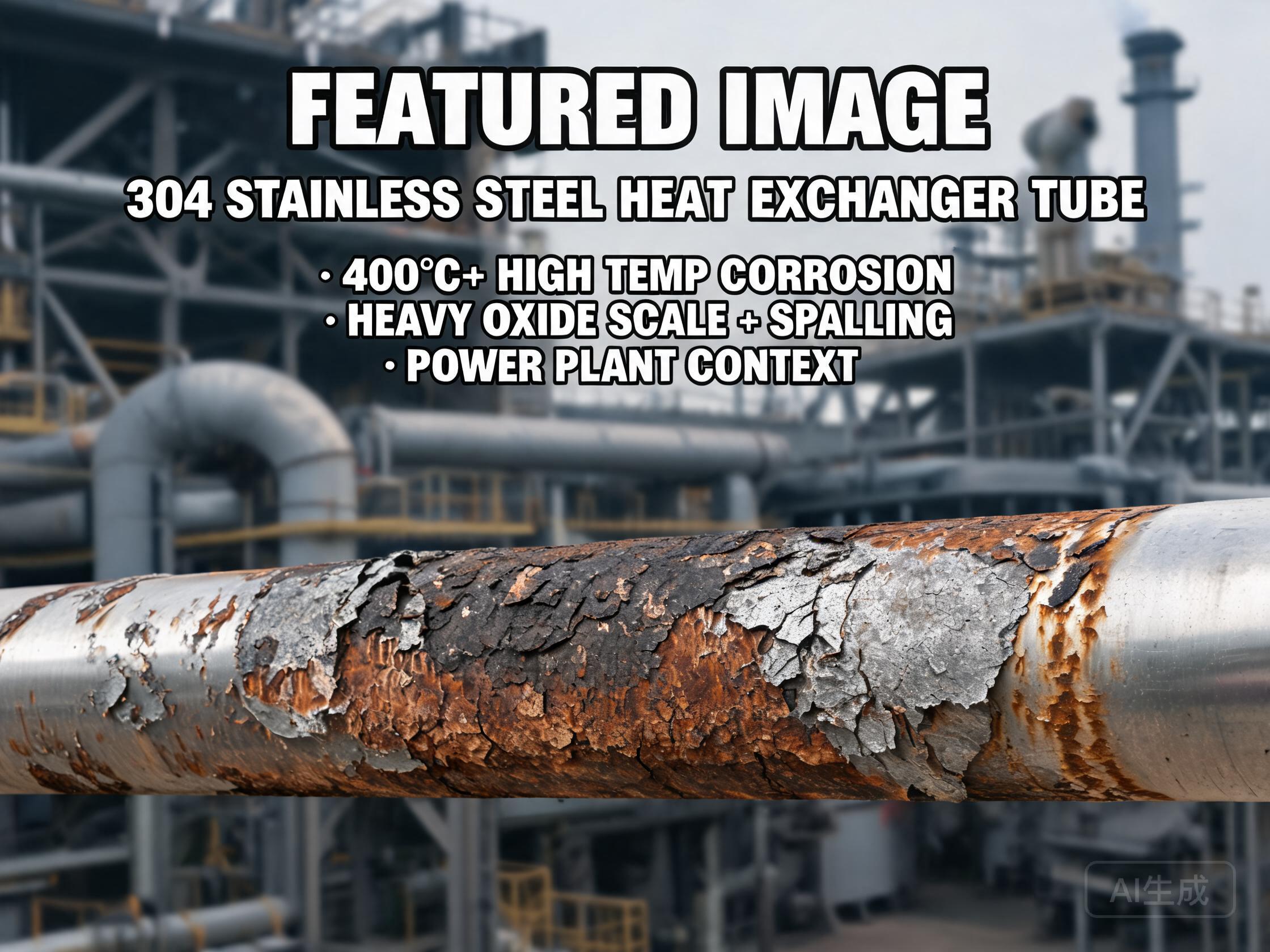
High-temperature corrosion of cold rolled 304 stainless steel at 400-600 °C. Why 310S is the preferred fireproofing and flue gas grade, and what happens when chlorides are present.
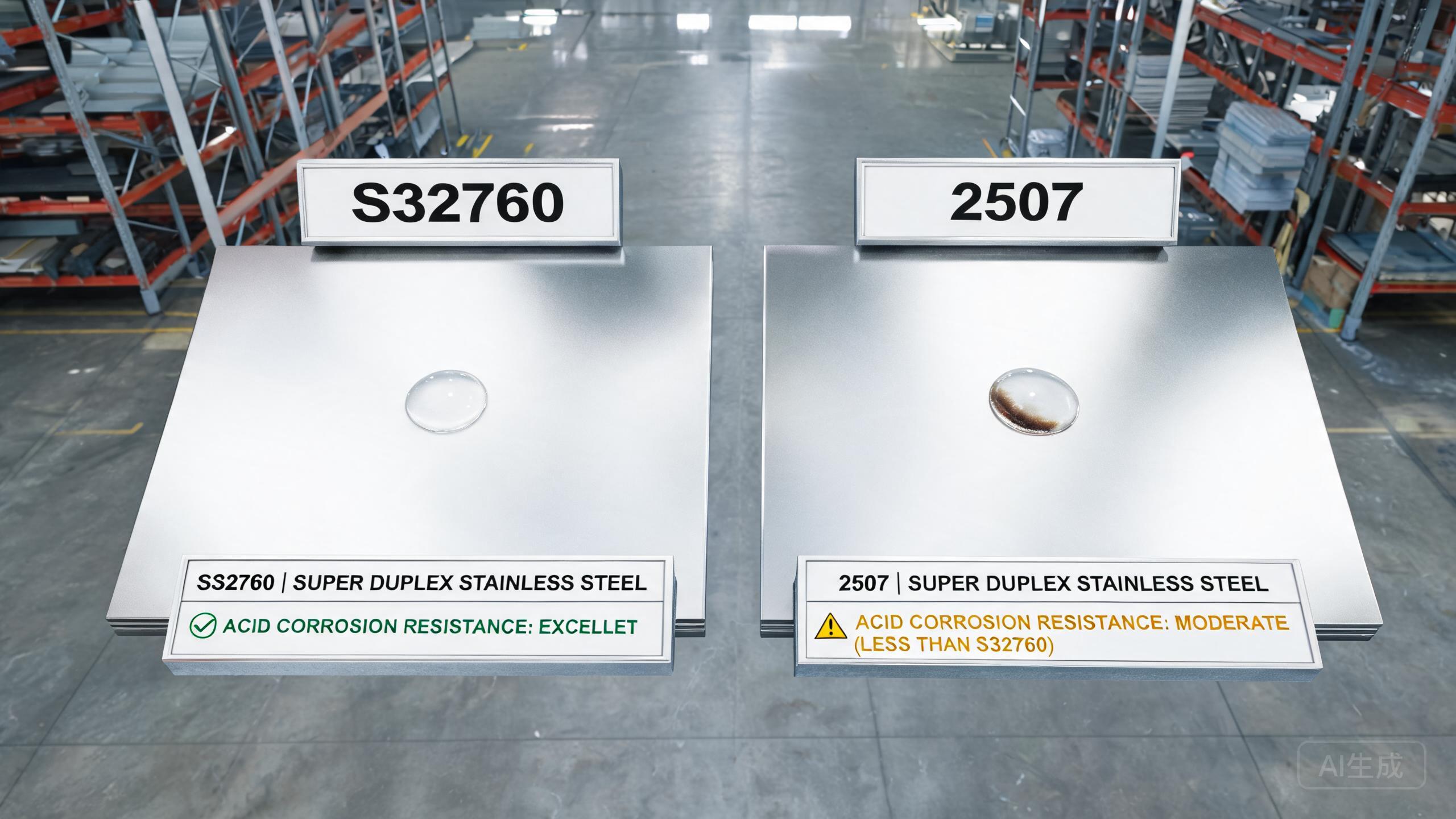
Super duplex S32760 vs 2507——加铜为了扛硫酸。S32760 耐 H₂SO₄,2507 擅长扛氯离子。溢价多少。
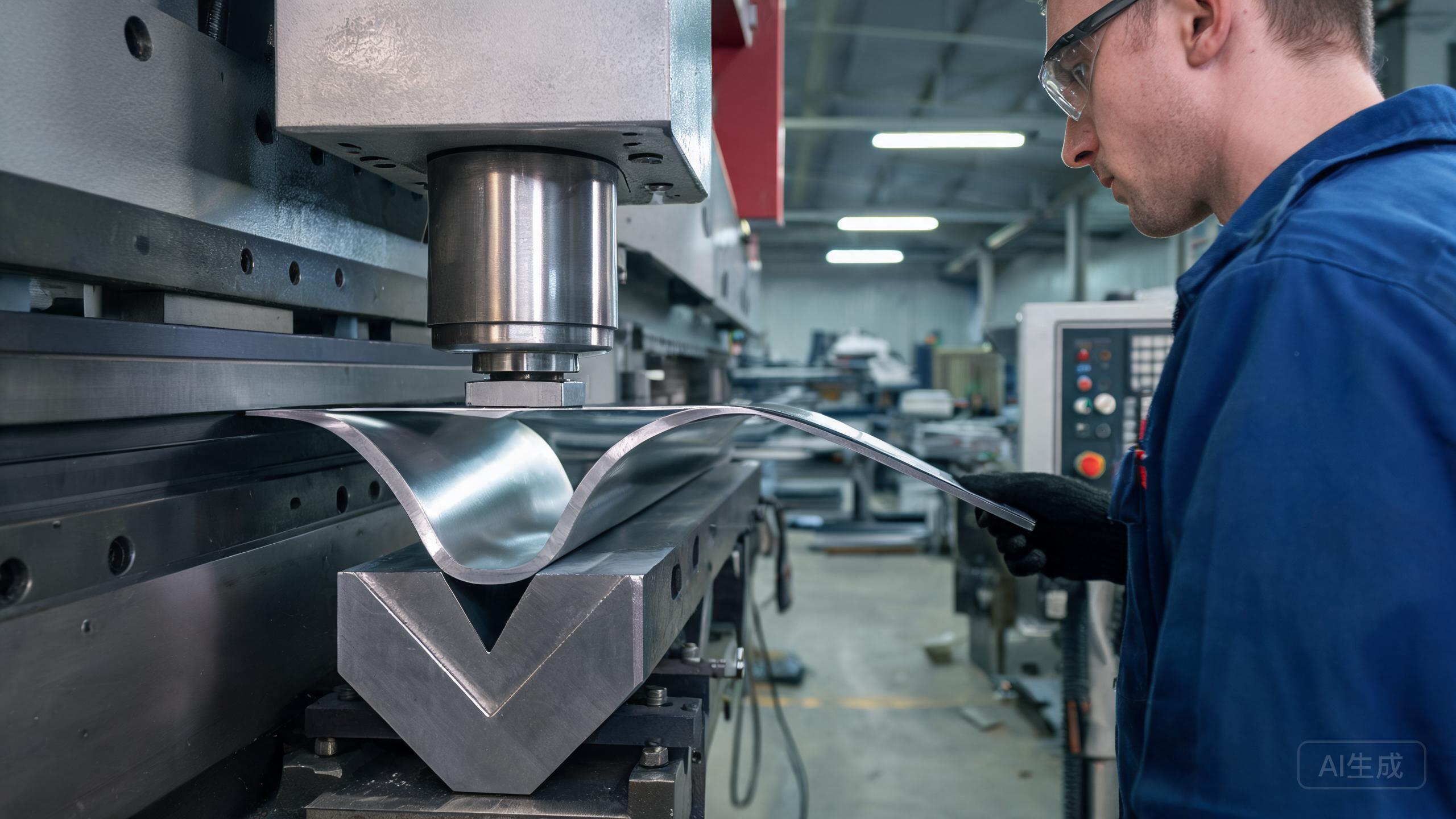
折弯机折不锈钢——各回火状态最小折弯半径,回弹计算,V 型槽宽度规则,EN 10243-1 公差。
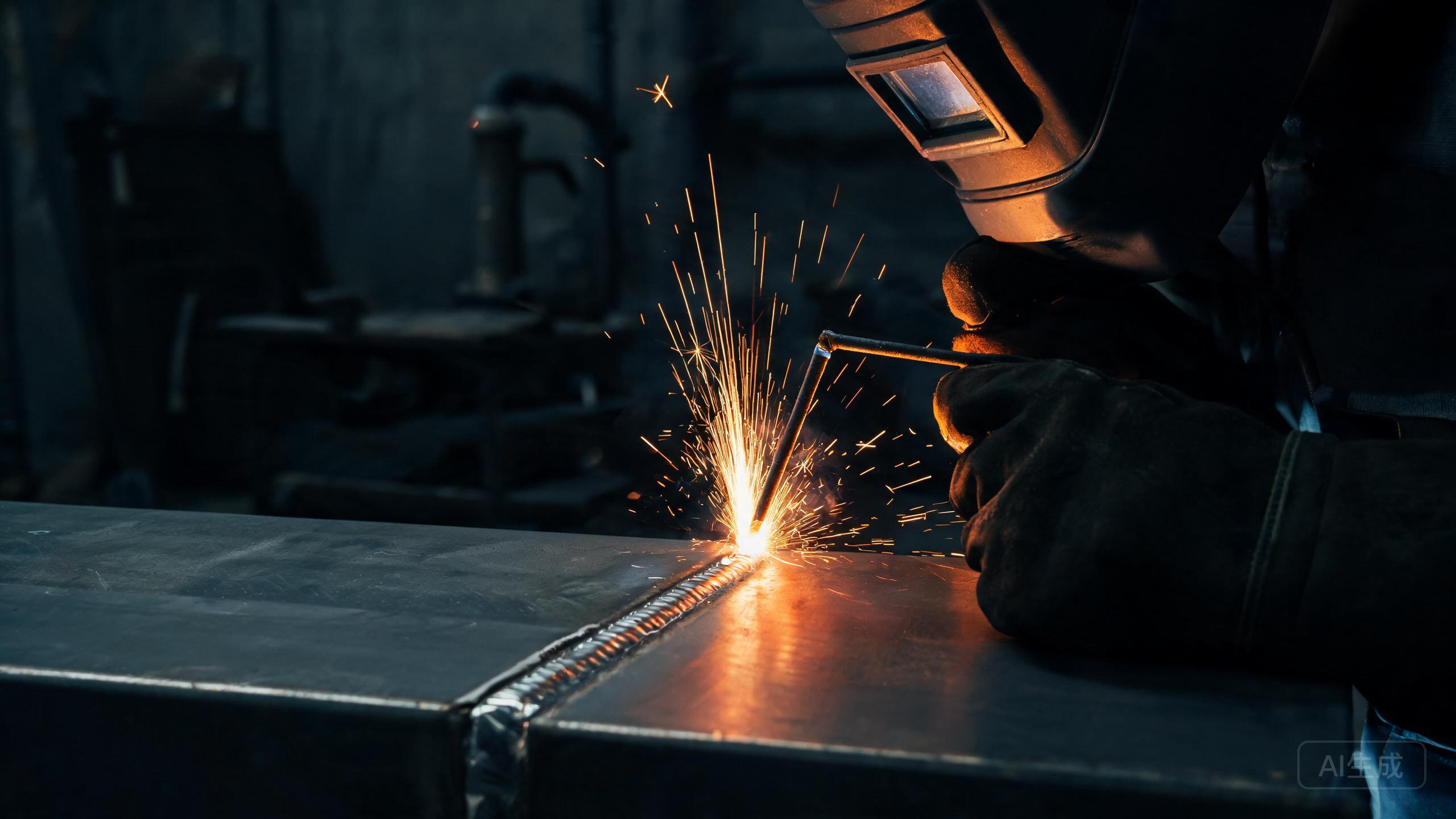
Duplex 焊接 2205/2507——不用预热!道间温度 ≤250°C,ER2209/ER2553 填充料,氮保护,AWS D1.6 规范。
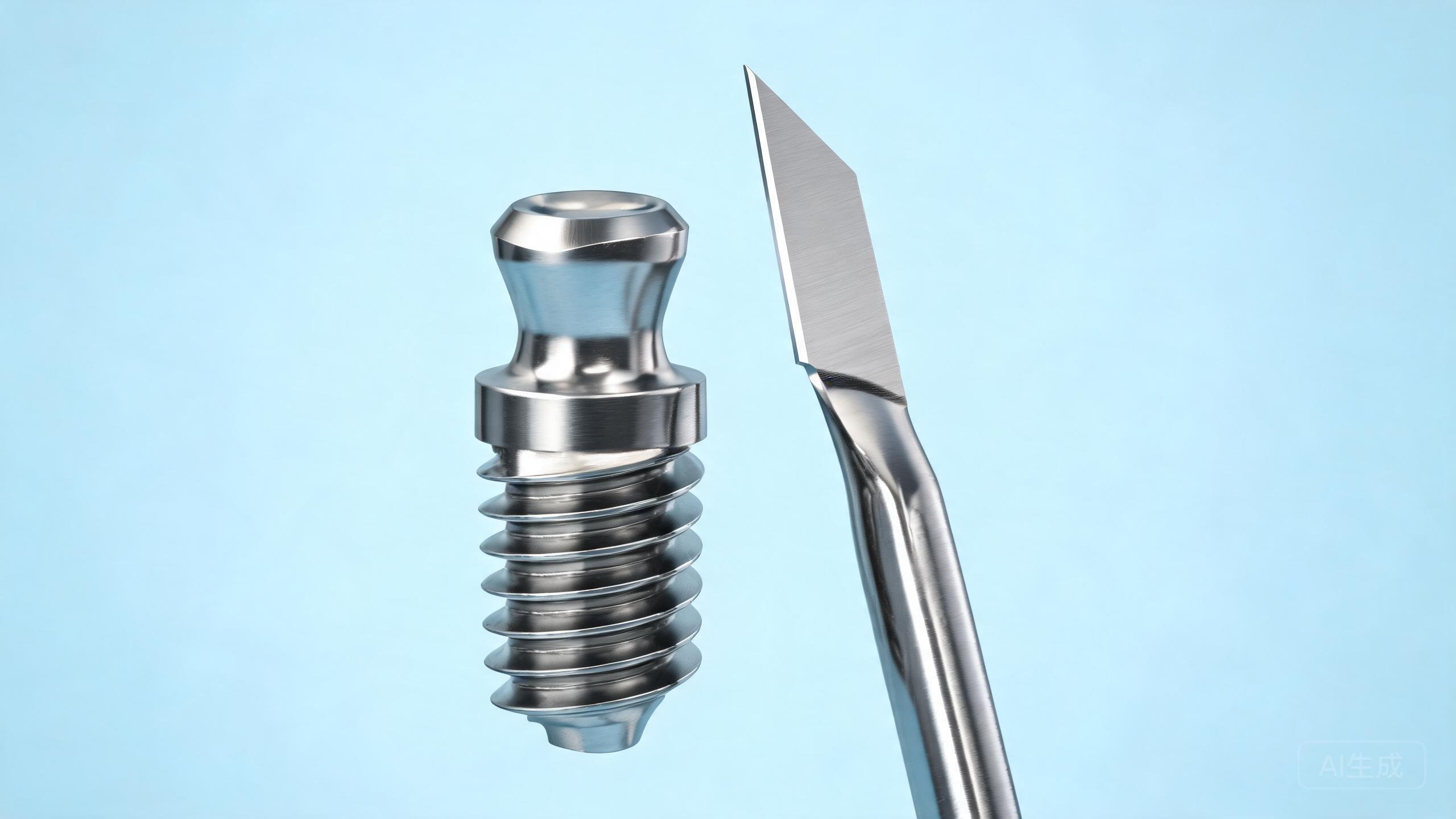
医疗不锈钢指南——植入物用 316LVM (ASTM F138),手术刀片用 420,镊子用 430。ISO 7153 标准。
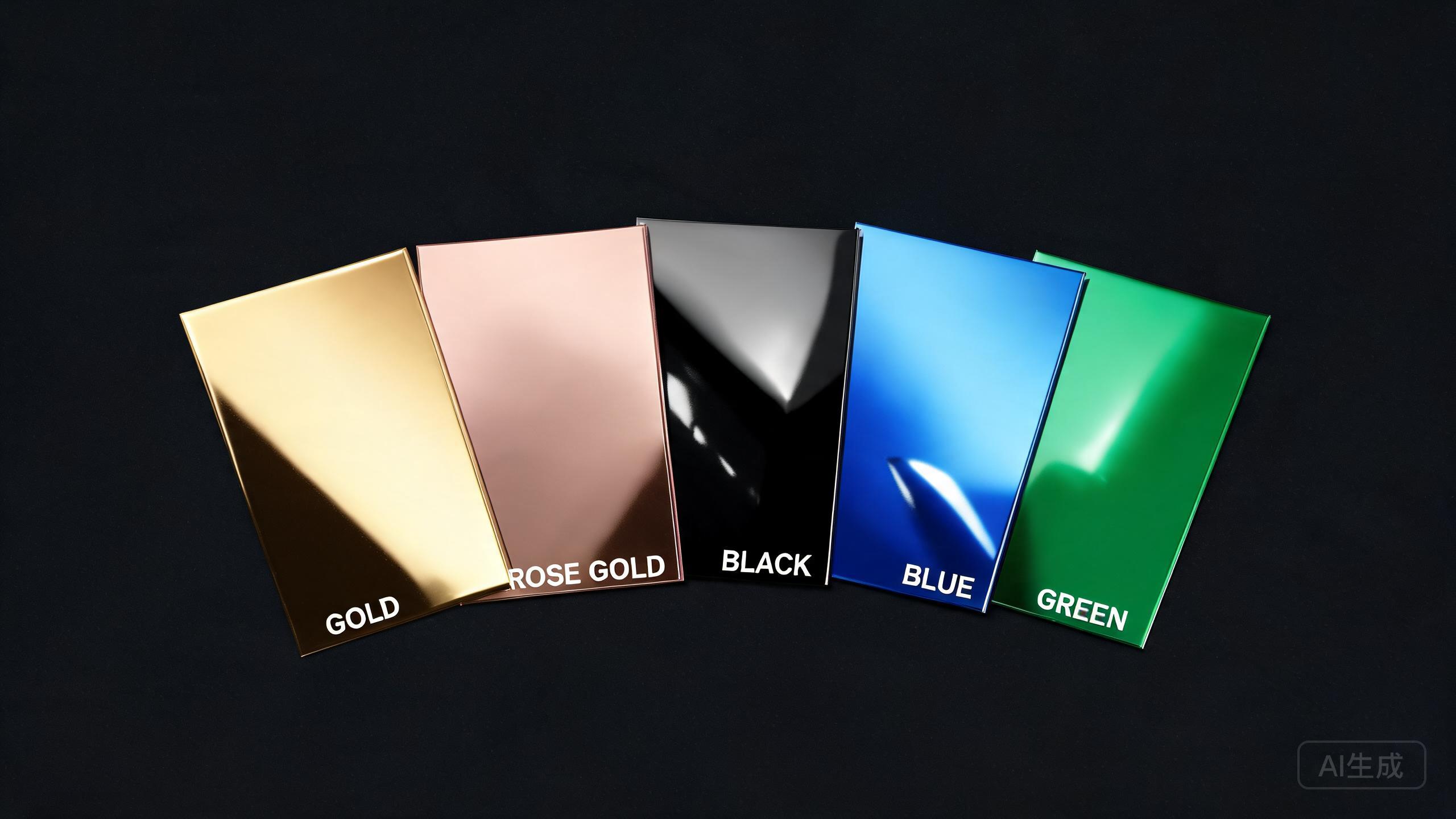
PVD 彩色不锈钢——金色、黑色、玫瑰金,涂层厚度、耐久性、FDA 合规、基材表面要求。
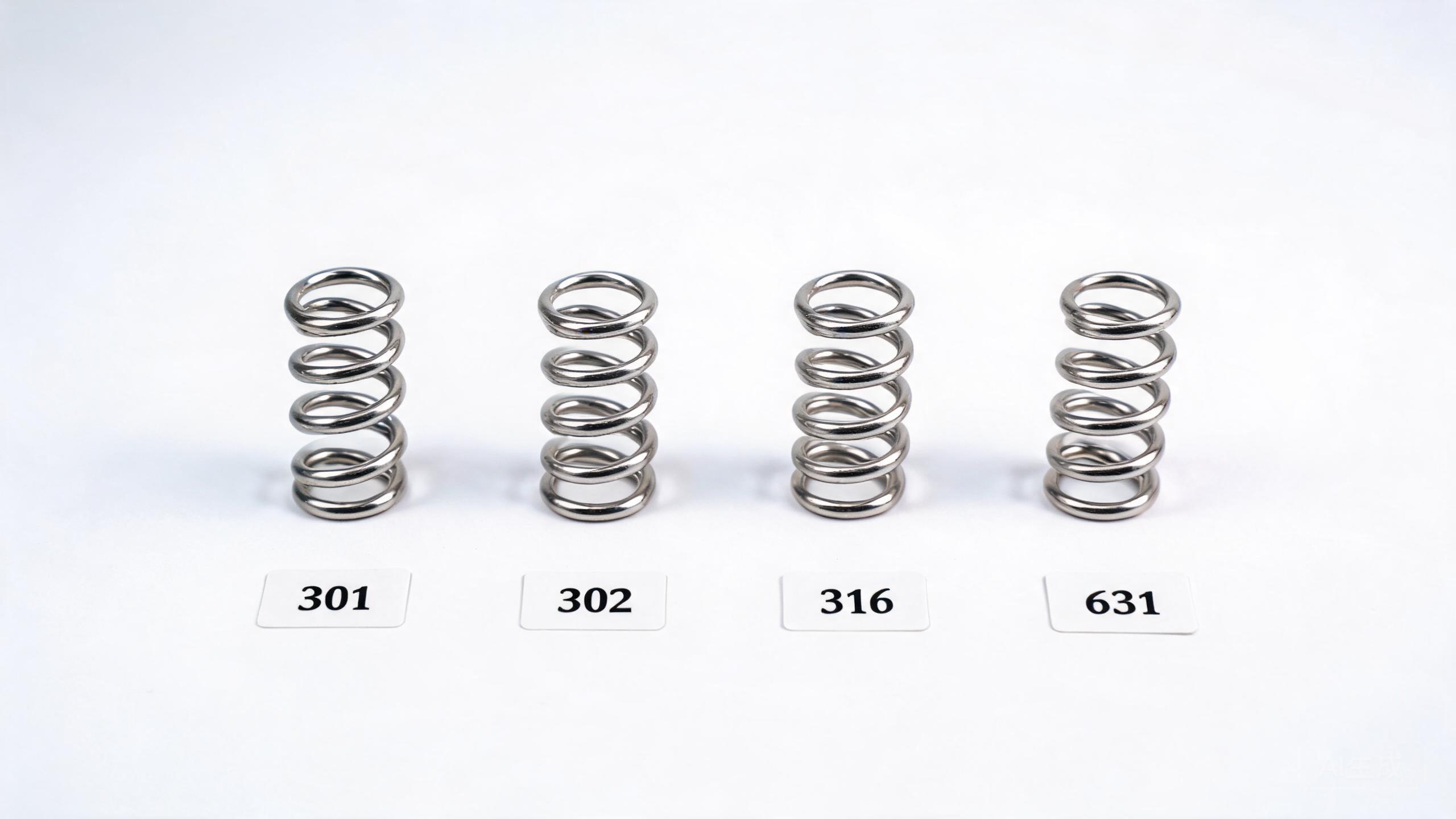
弹簧回火选材——301 全硬、302 3/4 硬、高温弹簧用 631。最小弯曲半径、疲劳寿命。
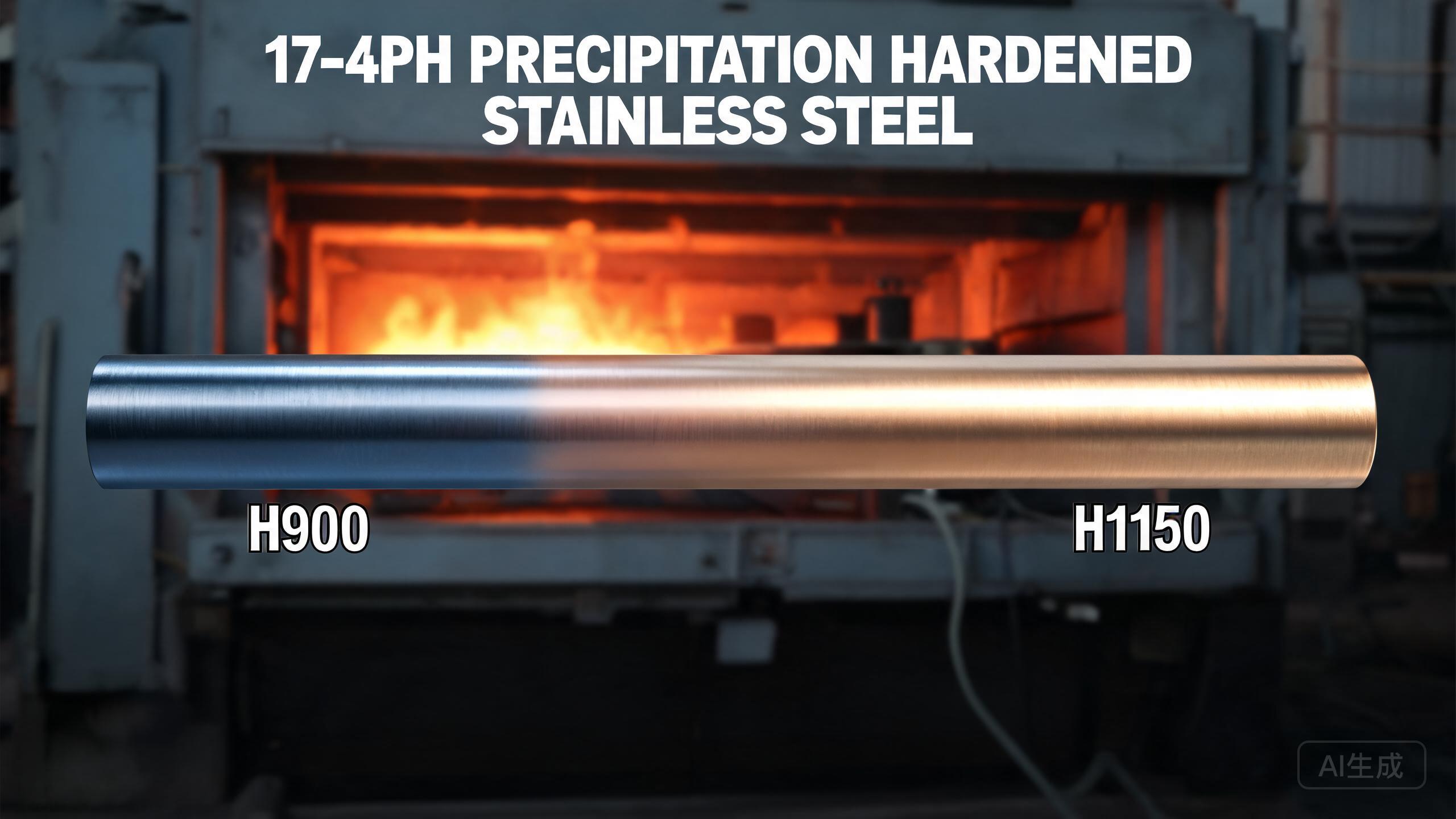
完整的 17-4PH 回火指南——H900、H1025、H1100、H1150。硬度 HRC、抗拉强度、韧性之间的权衡。
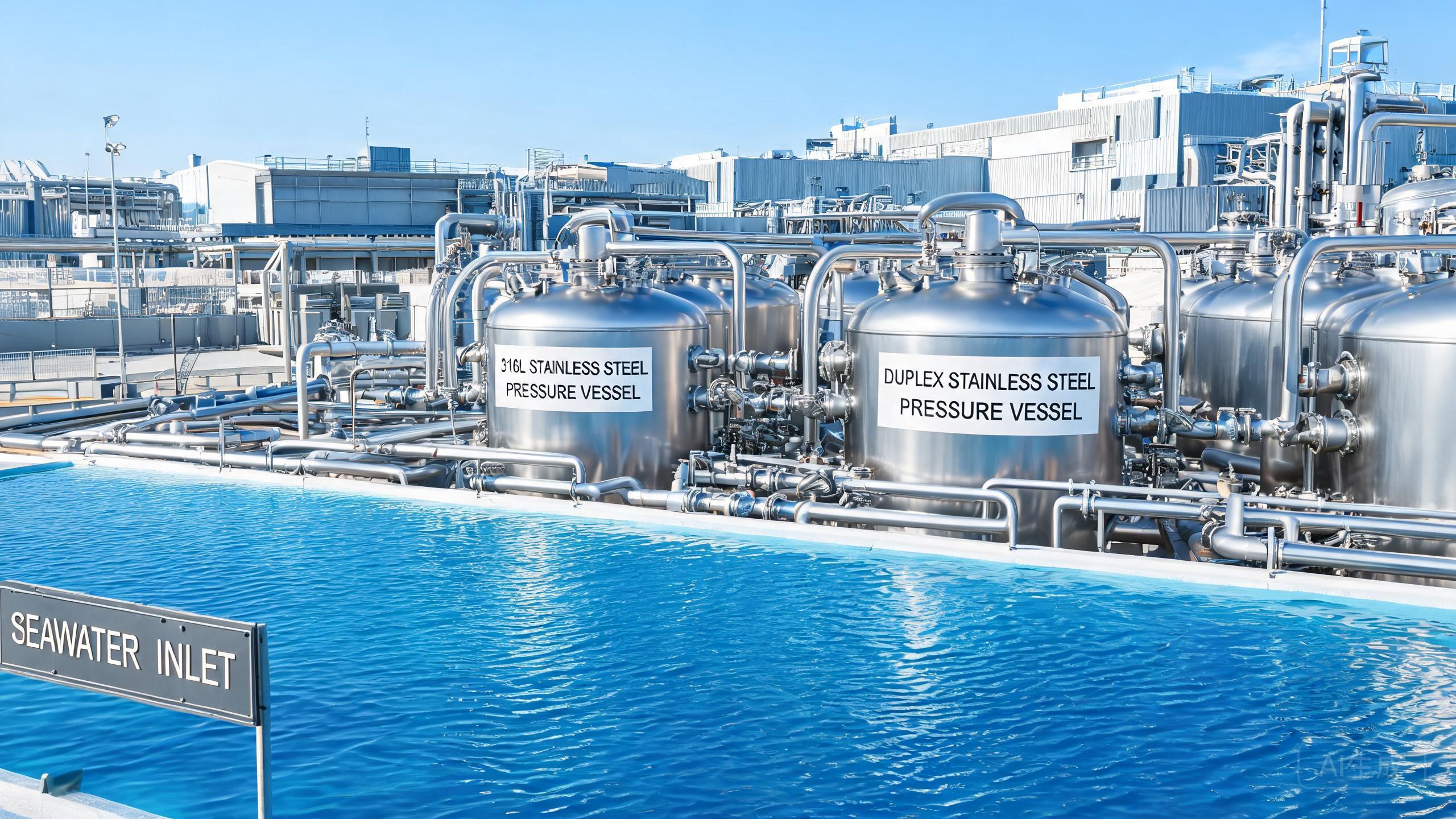
反渗透淡化厂选材——2205 压力容器、2507 换热器、254 SMO 处理浓盐水。
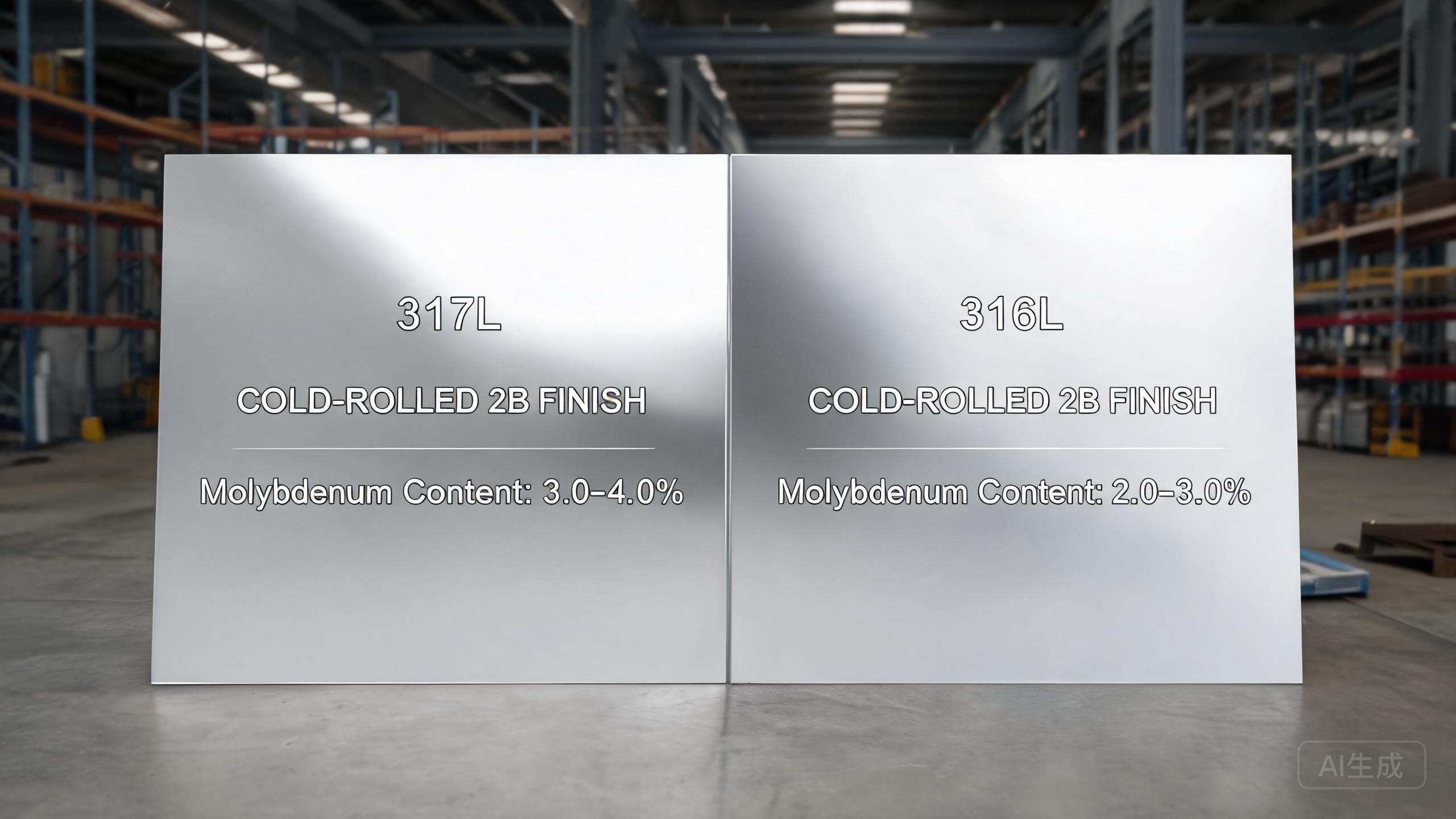
317L vs 316L——多 1% 钼,在磷酸、热醋酸和含氯工艺里差很多。PREN 和价格。

固态电动车电池外壳选 316L——抗电解液腐蚀、成型性好、激光焊密封靠谱。
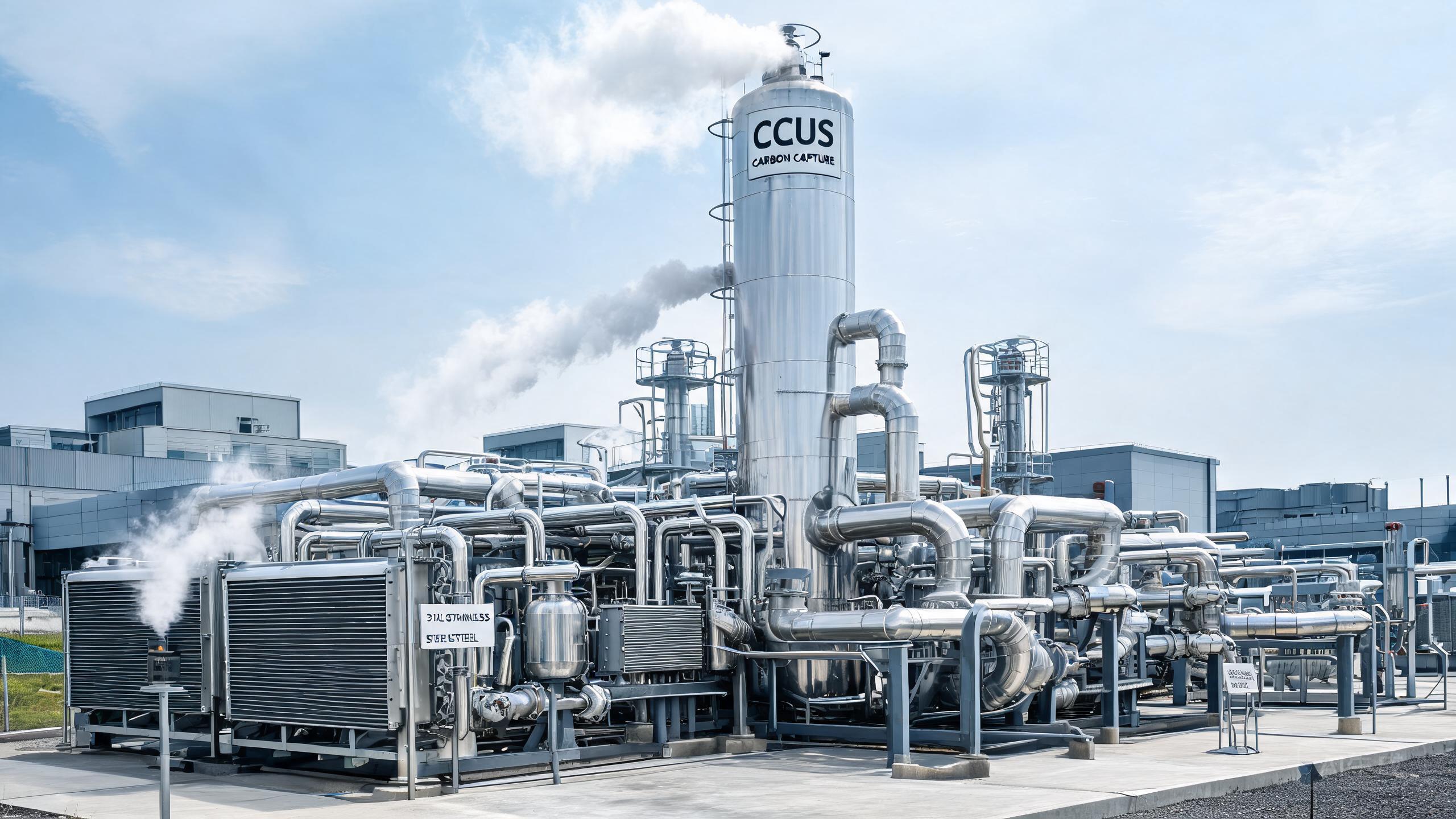
CCUS 胺吸收塔和管道用不锈钢——904L、254 SMO、2205 的耐腐蚀性对比。
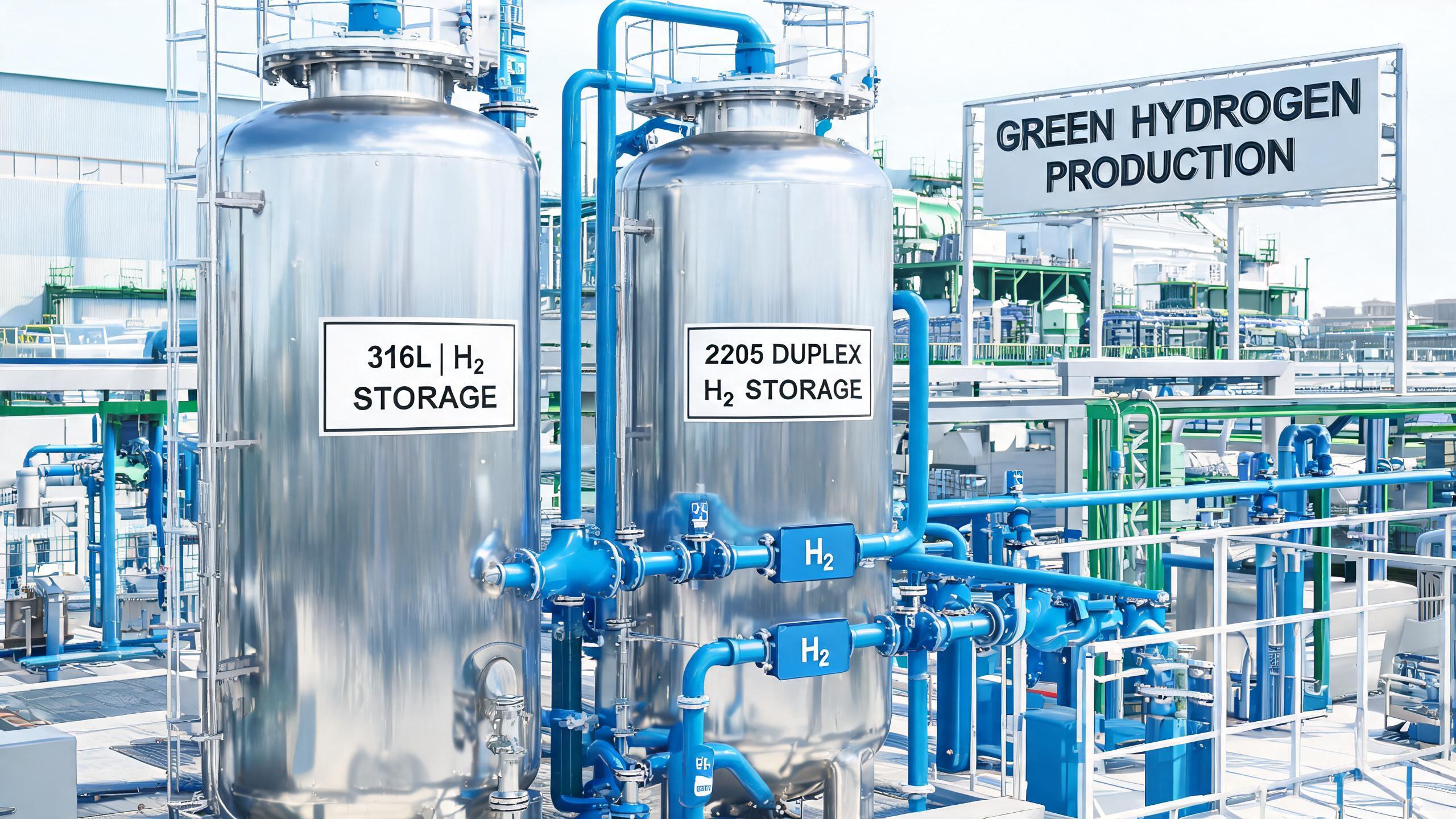
哪种不锈钢做储氢罐安全?316L vs 2205,氢脆风险,ASME BPVC 规范。
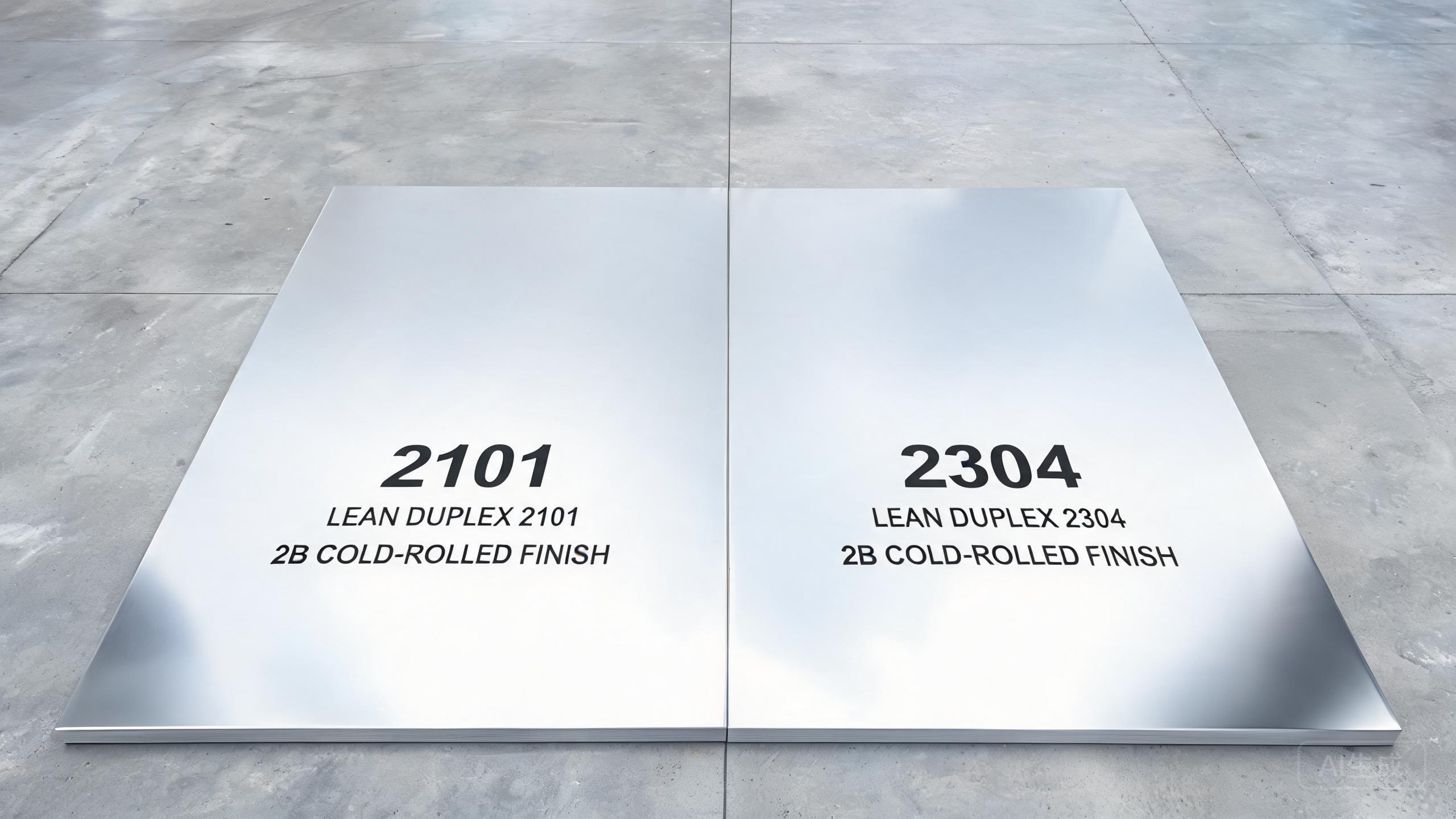
对比 lean duplex 2101 和 2304 的成分、PREN、强度、耐腐蚀——结构基建该选哪个。
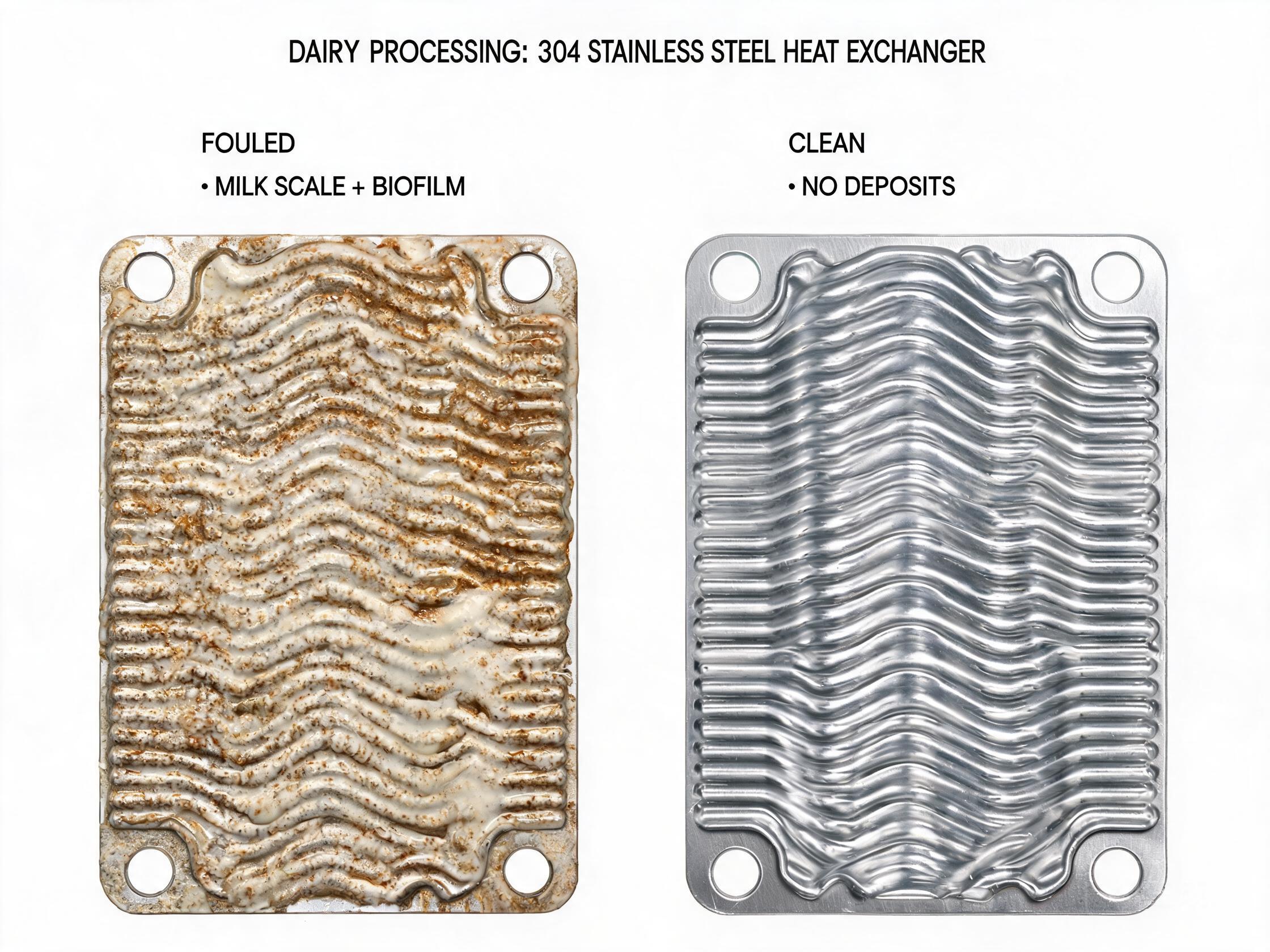
Cold rolled stainless steel heat exchangers foul in milk and food pasteurization when you pick the wrong grade, wrong surface or wrong plate gap. Compare 304 vs 316, get the fouling factor right, and specify the sheet that cuts CIP frequency by 30%.
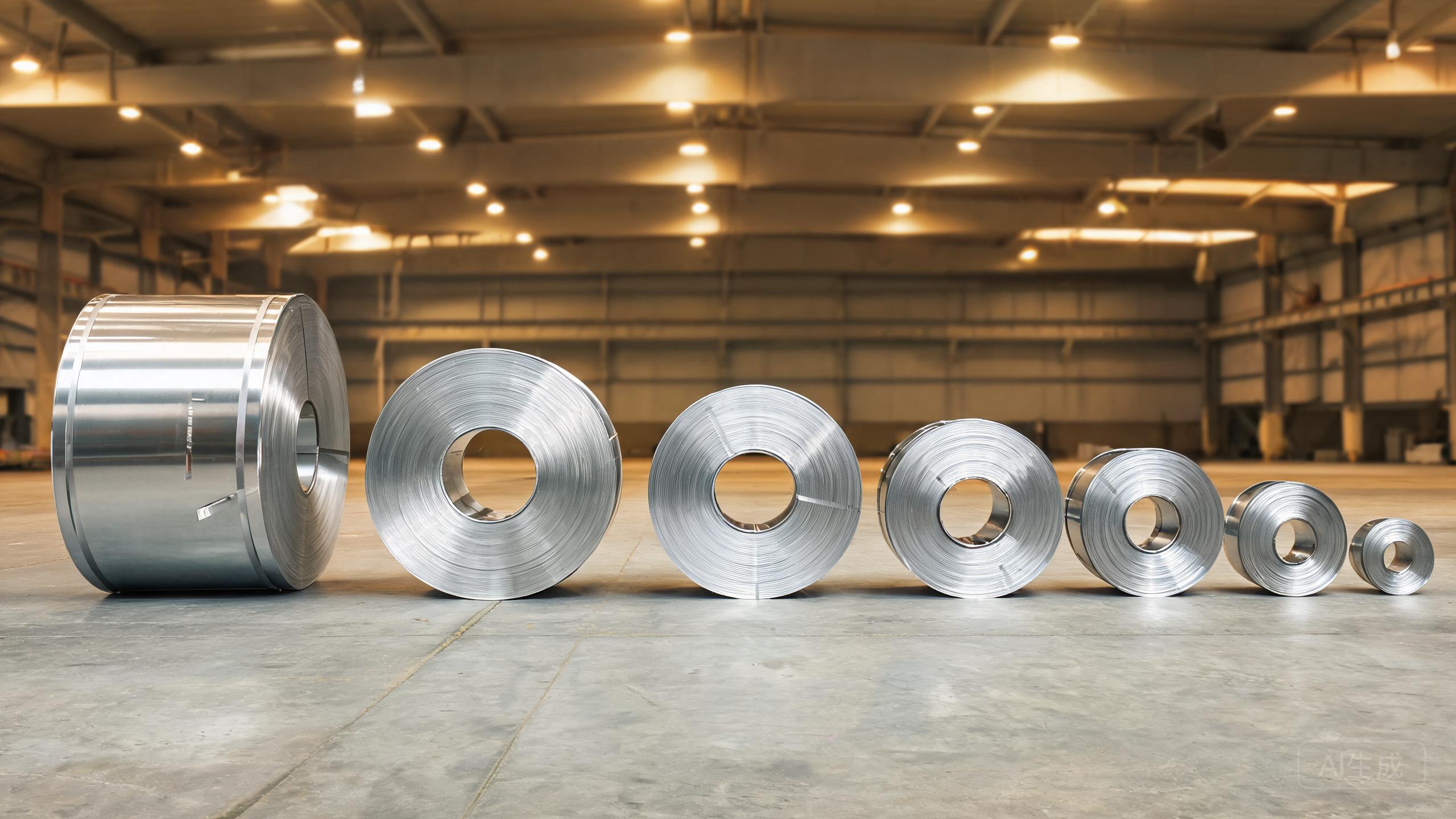
0.2 mm 以下的超薄 304 带,比标准板贵 50–400%——买手该清楚的六个成本驱动。
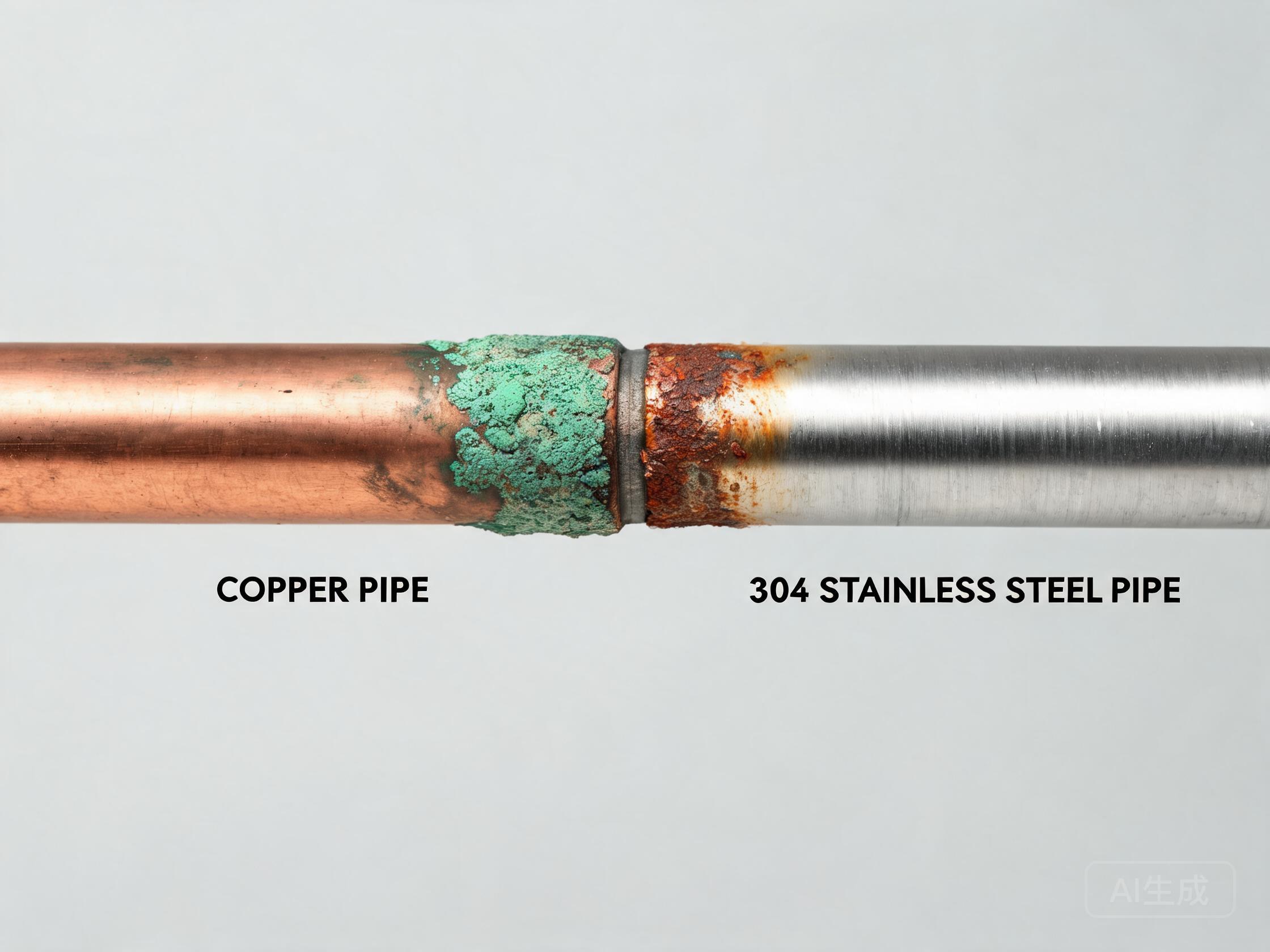
Galvanic corrosion when copper pipes connect to 304 or 316 stainless steel. Why the area ratio matters, what inhibitors work, and how to design joints that survive.
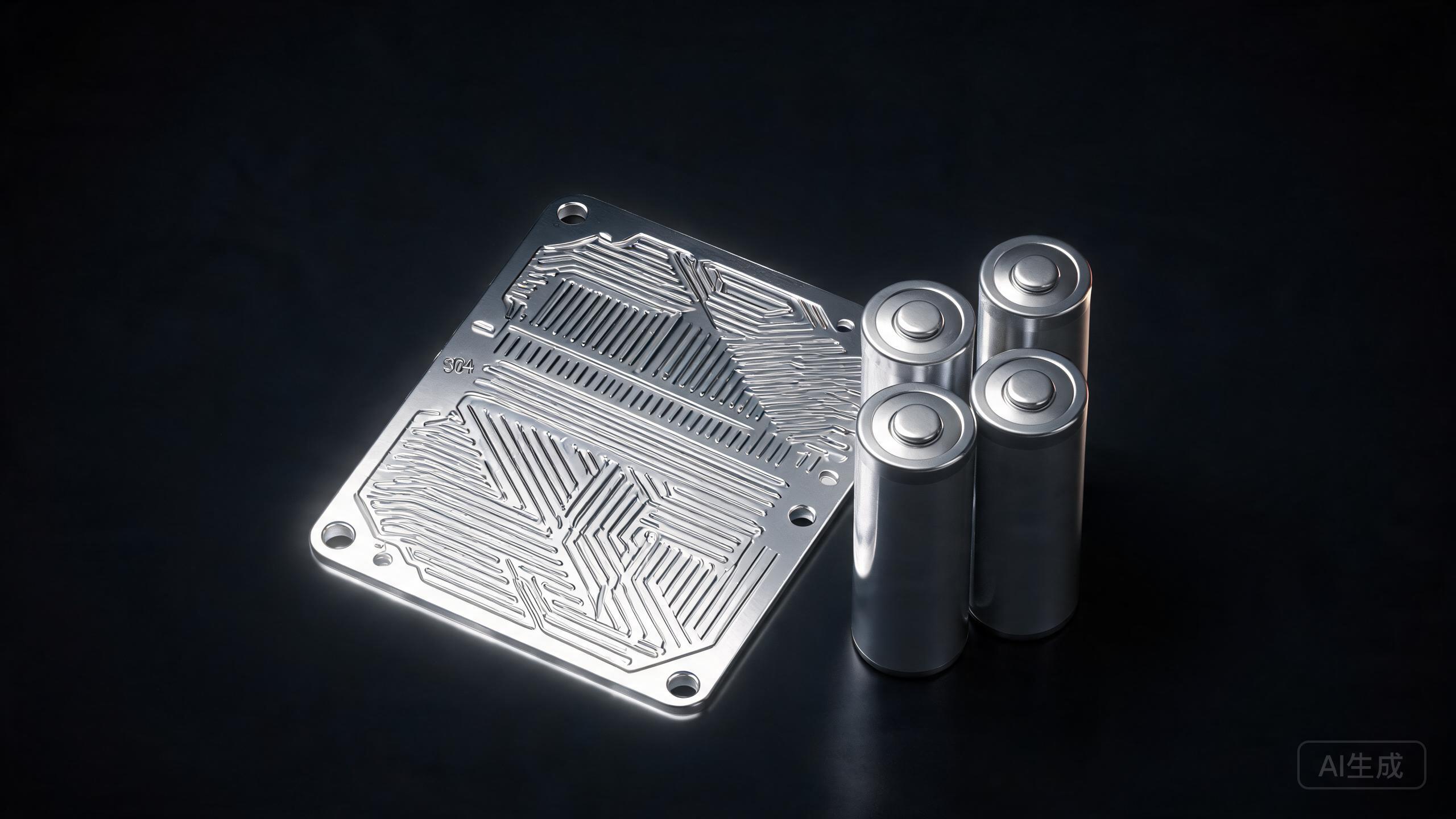
0.1–0.2 mm 的镀镍 304 带,是电池极耳和燃料电池双极板的标准料——规格怎么定。
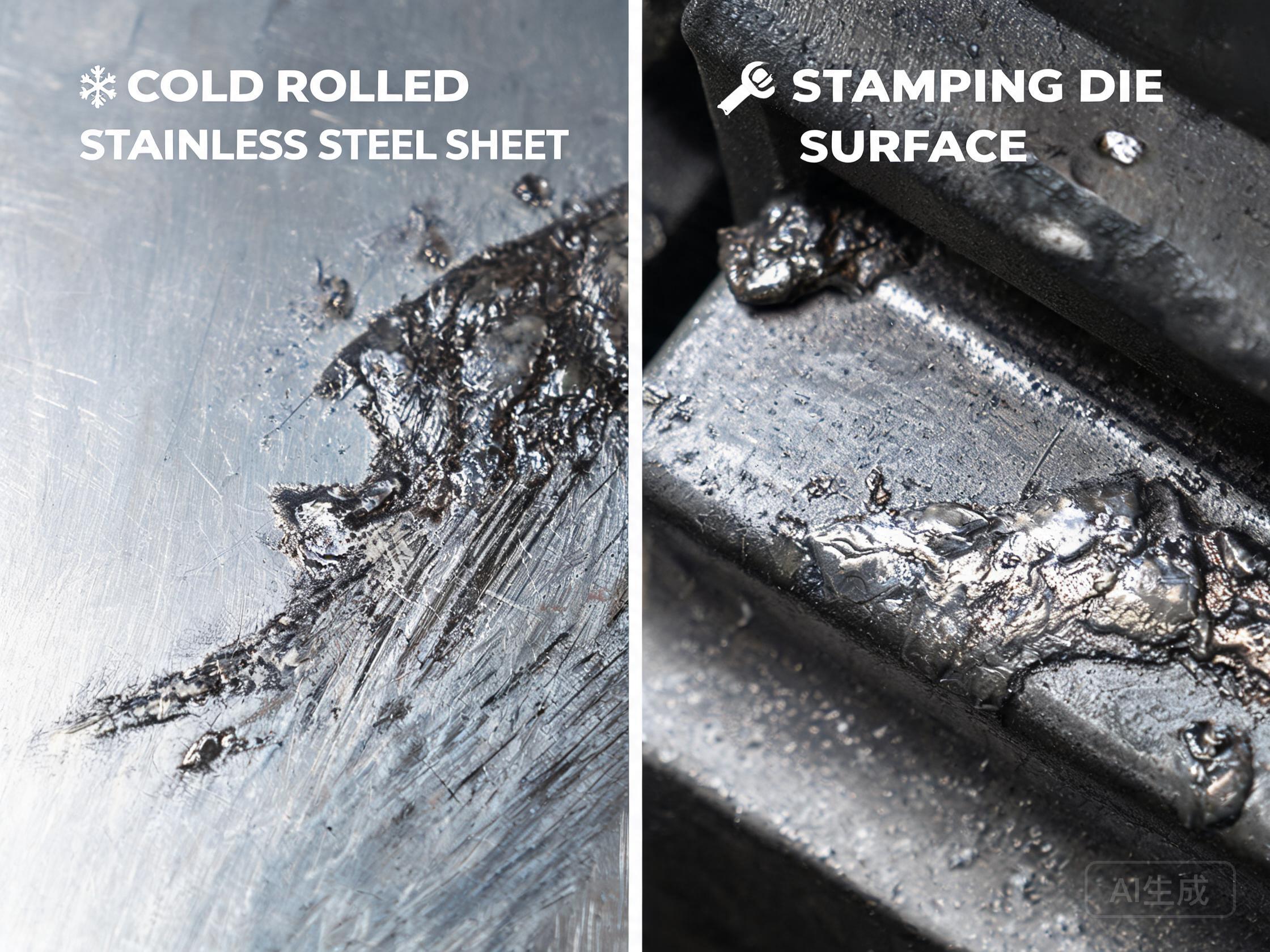
Why 304 galling clogs your die, how 430 compares, and what die steel and lubrication will actually stop it during stamping and bending.
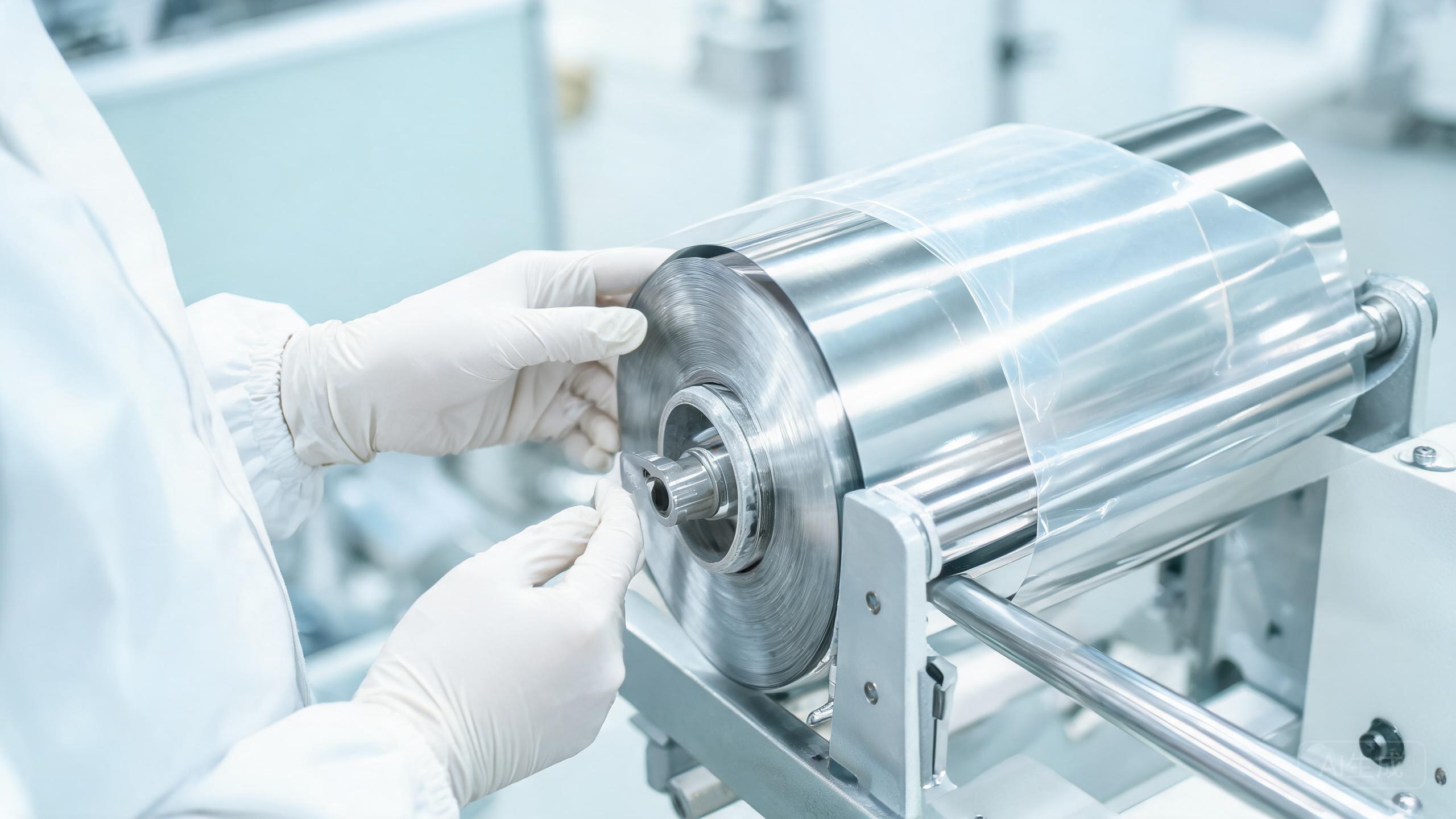
0.2 mm 以下的超薄不锈钢箔,会卷、会折、会撕——从开卷到成件,怎么把成品率保住。
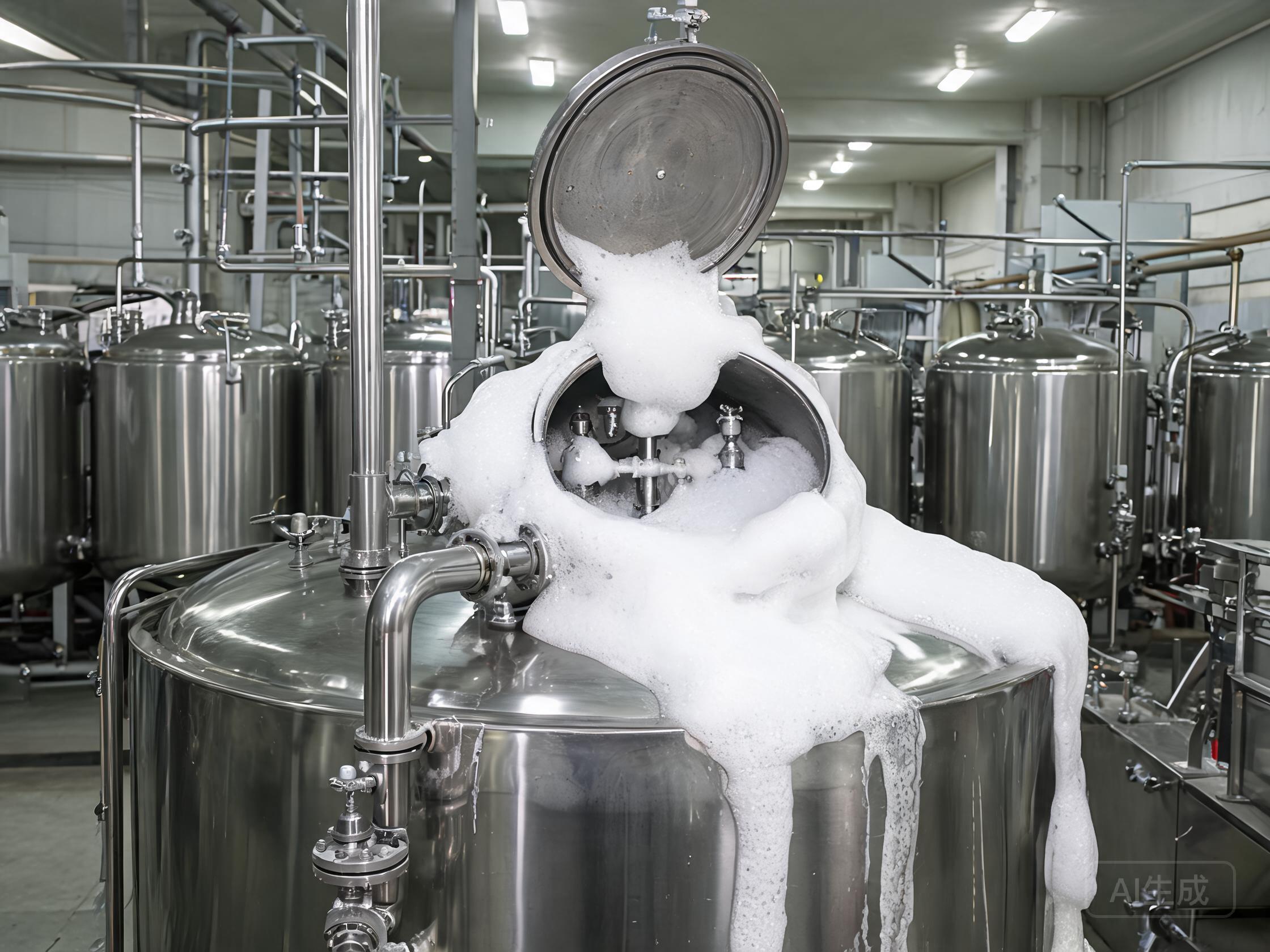
Clean-in-Place (CIP) foaming, caustic 2% NaOH corrosion, 304 vs 316 cold rolled stainless steel and ASTM A240 food contact — solve CIP foam residue and pitting by matching the grade to your cleaning agent and the surface finish to the drain.
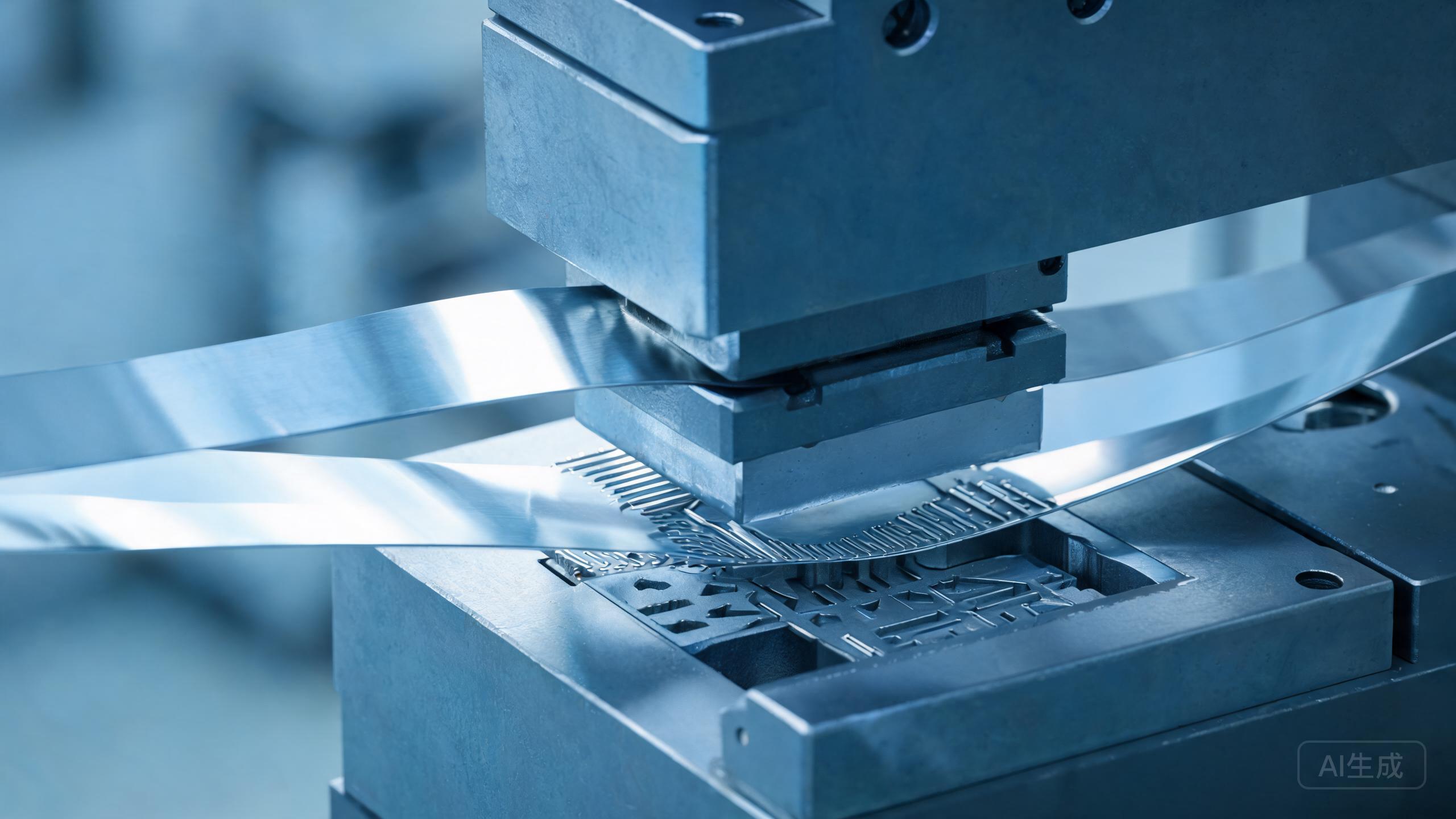
0.2 mm 以下的超薄不锈钢,冲压时会起皱、会裂、会回弹——这三样怎么一个个治住。

指纹污渍毁坏了304/316电梯和建筑面板。比较2B与BA ,防指纹涂层选项和实际工作的清洁方法。
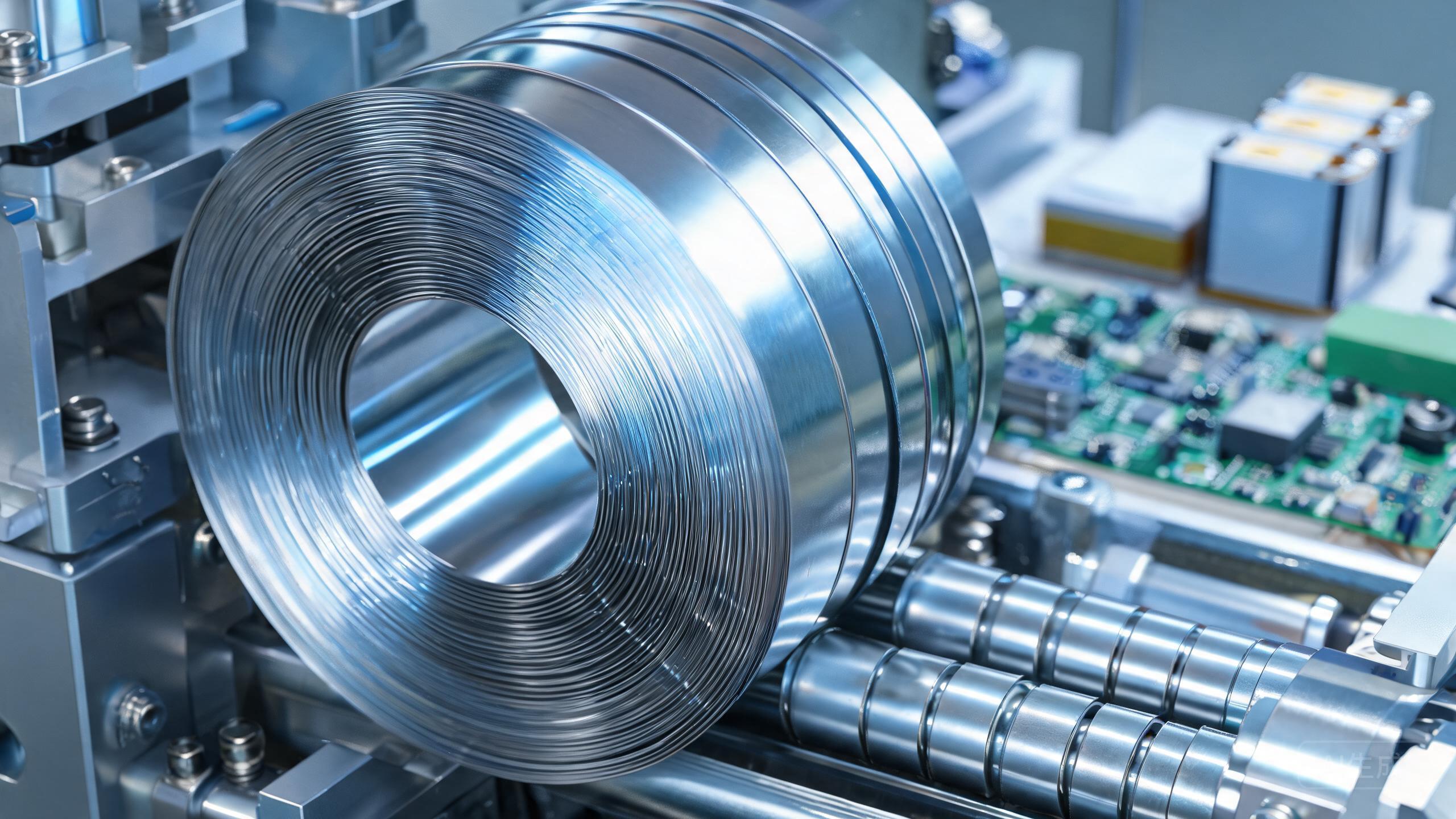
0.2 mm 以下的超薄 304 带,撑起电磁屏蔽、电池极耳和双极板这些活儿——买手下单前要把规格说清楚。
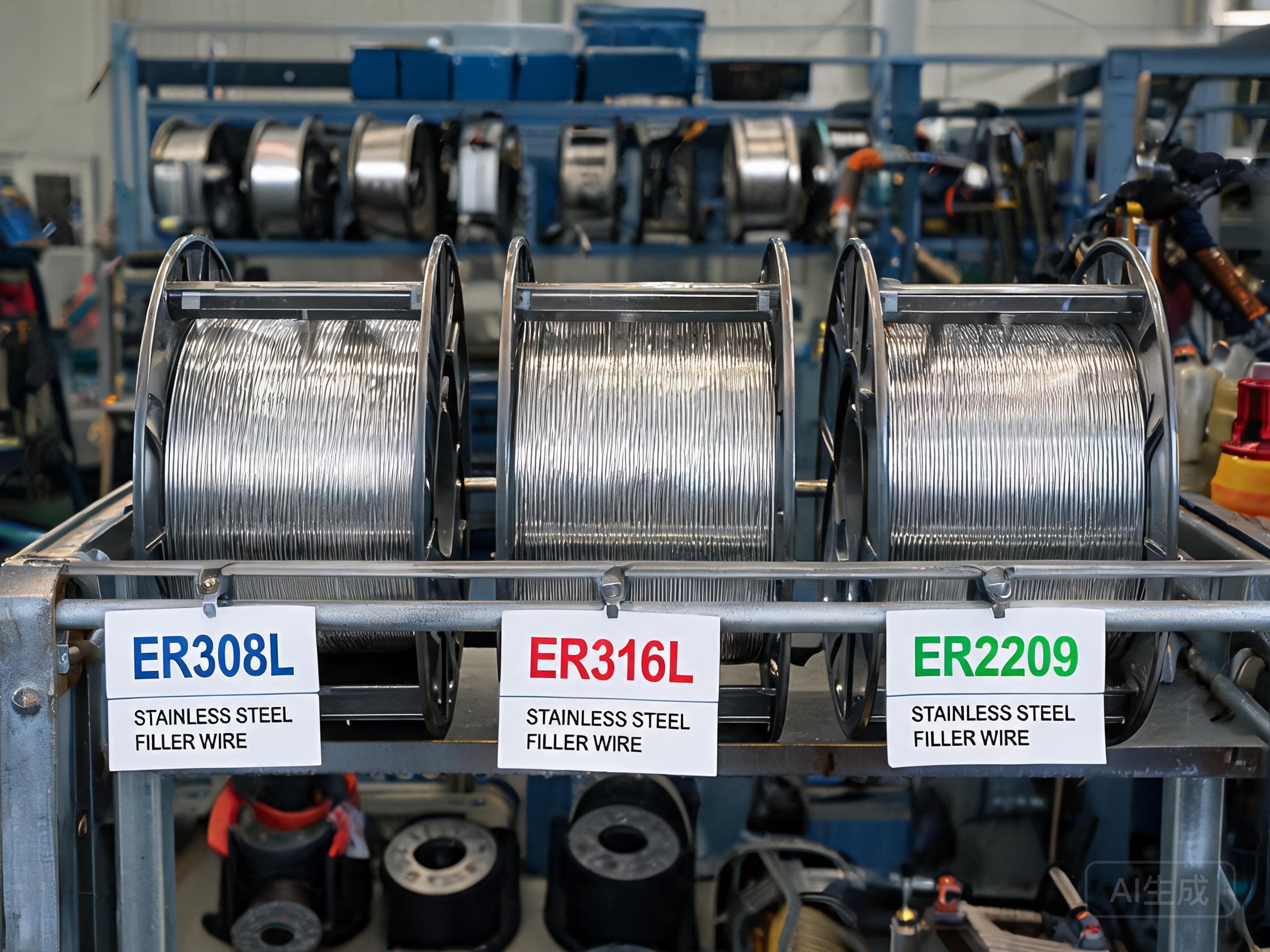
Filler metal selection for stainless steel — ER308L for 304, ER316L for 316, ER2209 for duplex, how PREN must match base metal, and the China factory low-Ni filler trick to avoid.

2mm 以内冷轧不锈钢板和条料该选 2B 还是 BA 表面:外观、Ra 粗糙度/反光度、成型和价格的差异,以及它们在厨具、厨房电器、家电和冲压件上的取舍。
对于厚度不超过 2 毫米的冷轧不锈钢板材和带材,在定长切割 (开平)、纵剪 (纵剪) 和全宽卷材之间进行选择:哪种加工路线符合您的生产线、产量和公差需求。
冷轧不锈钢薄板和带材的平整度和翘曲度买家指南:平整度的含义、如何测量、翘曲度和卷组以及订购前需要确认的内容。
从中国为阿联酋和海湾市场采购冷轧不锈钢板、纵切带材和卷材:进口商和制造商检查的结构等级、尺寸、证书、包装和交货因素。
2mm 以内的冷轧不锈钢平张与条料,厚度、厚度公差、表面(2B/BA)怎么互相作用,拉动价格、单重、回弹和冲压成形的成败。
冷轧不锈钢薄板和条料 0.2~2mm 的典型厚度公差:公差是怎么测的,以及它如何影响成型、重量和价格。
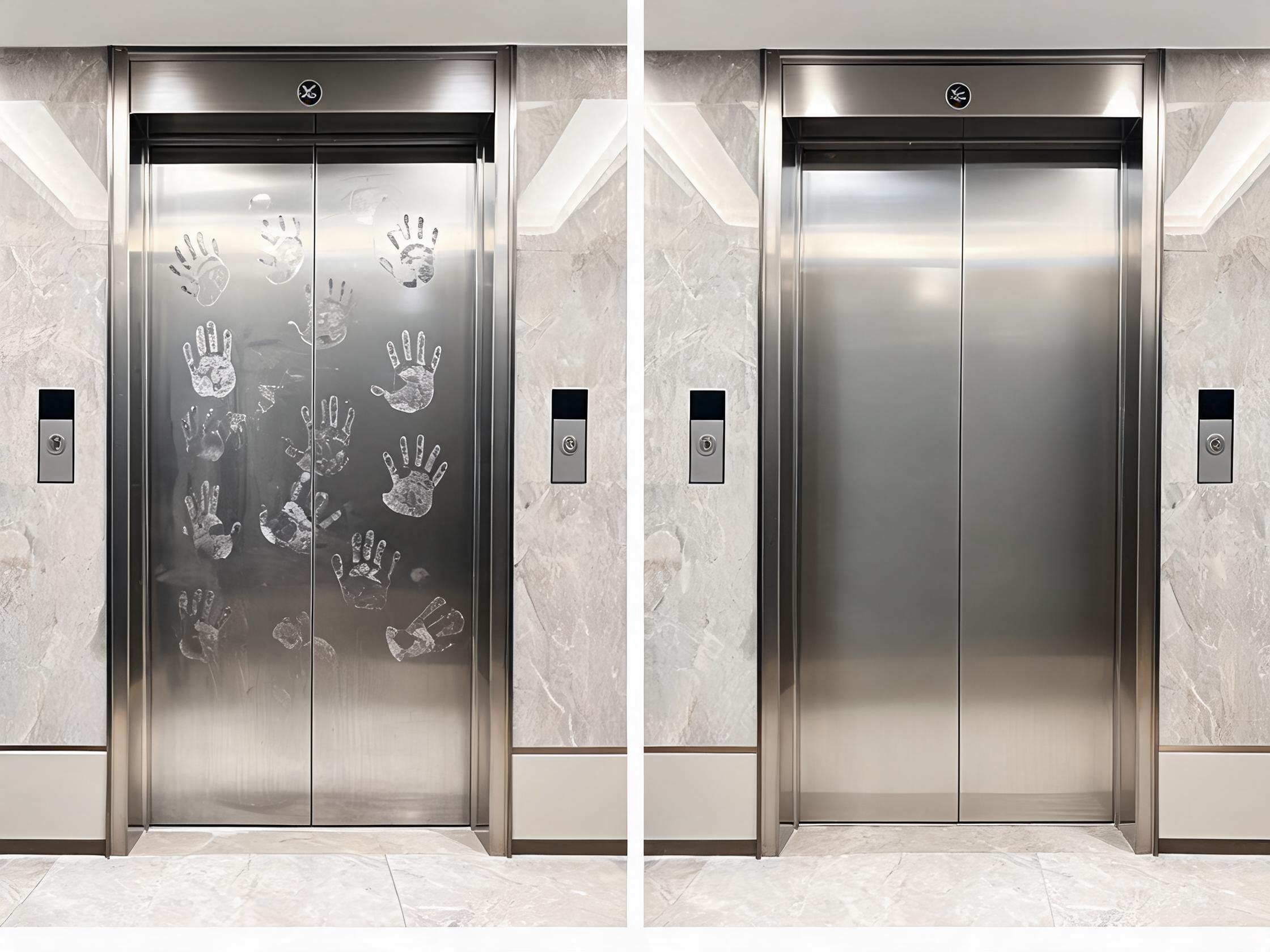
Cold rolled 304 stainless steel elevator panels show fingerprints within 30 minutes of cleaning. Compare PVD anti-fingerprint coating, SiO2 and TiO2 treatments, specify the right 8K mirror finish, and get a cleaning schedule that keeps panels spotless for 7 days instead of 1.
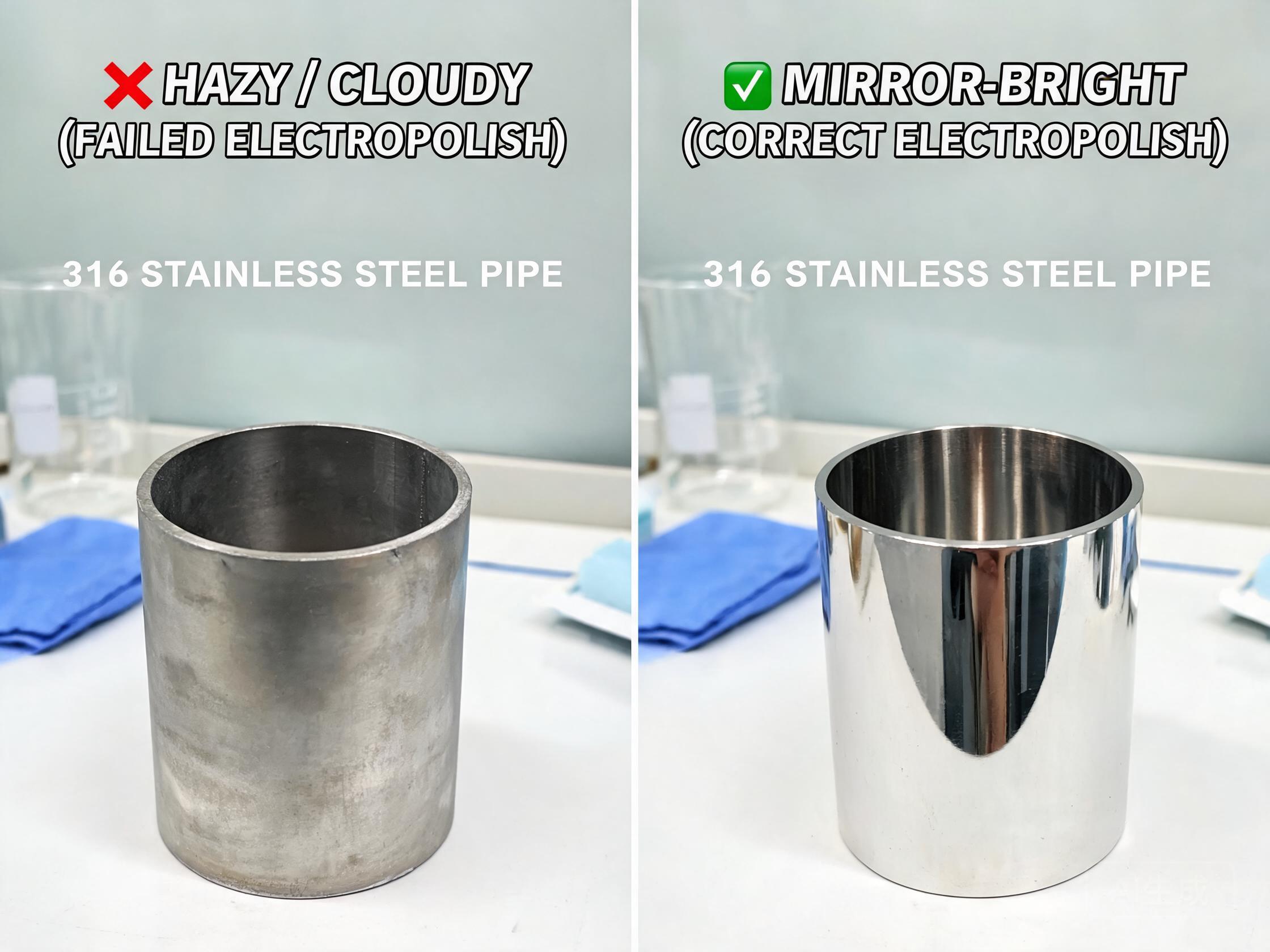
Haze after electropolishing makes 316 medical and pharmaceutical parts look cloudy. Learn why current density, electrolyte concentration and post-rinse contamination create it.
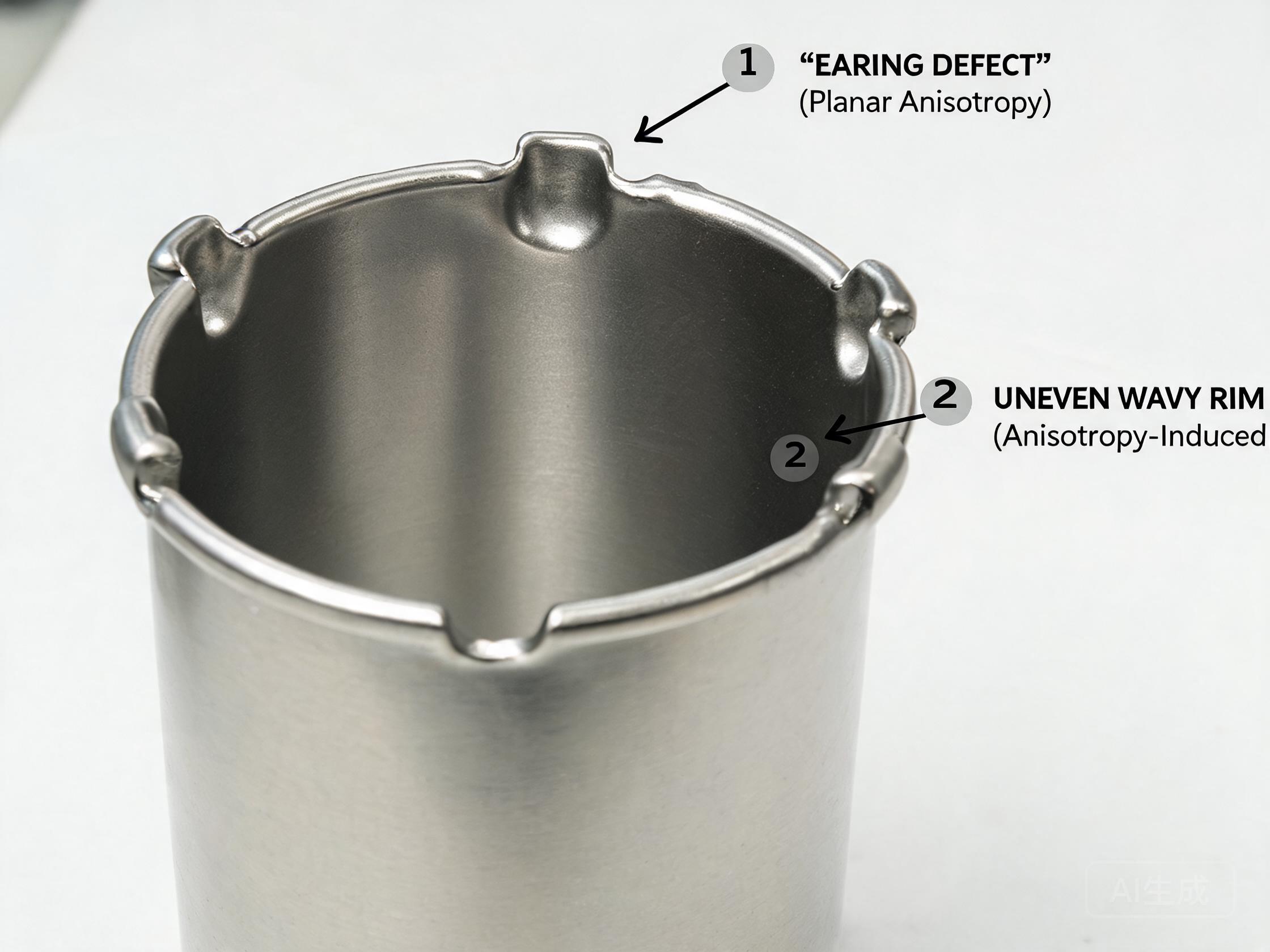
Why 304 deep drawn cups develop ears at 0°, 45° and 90° to rolling direction. Planar anisotropy Δr explained, annealing temperature to minimize it, and why coil always beats sheet.
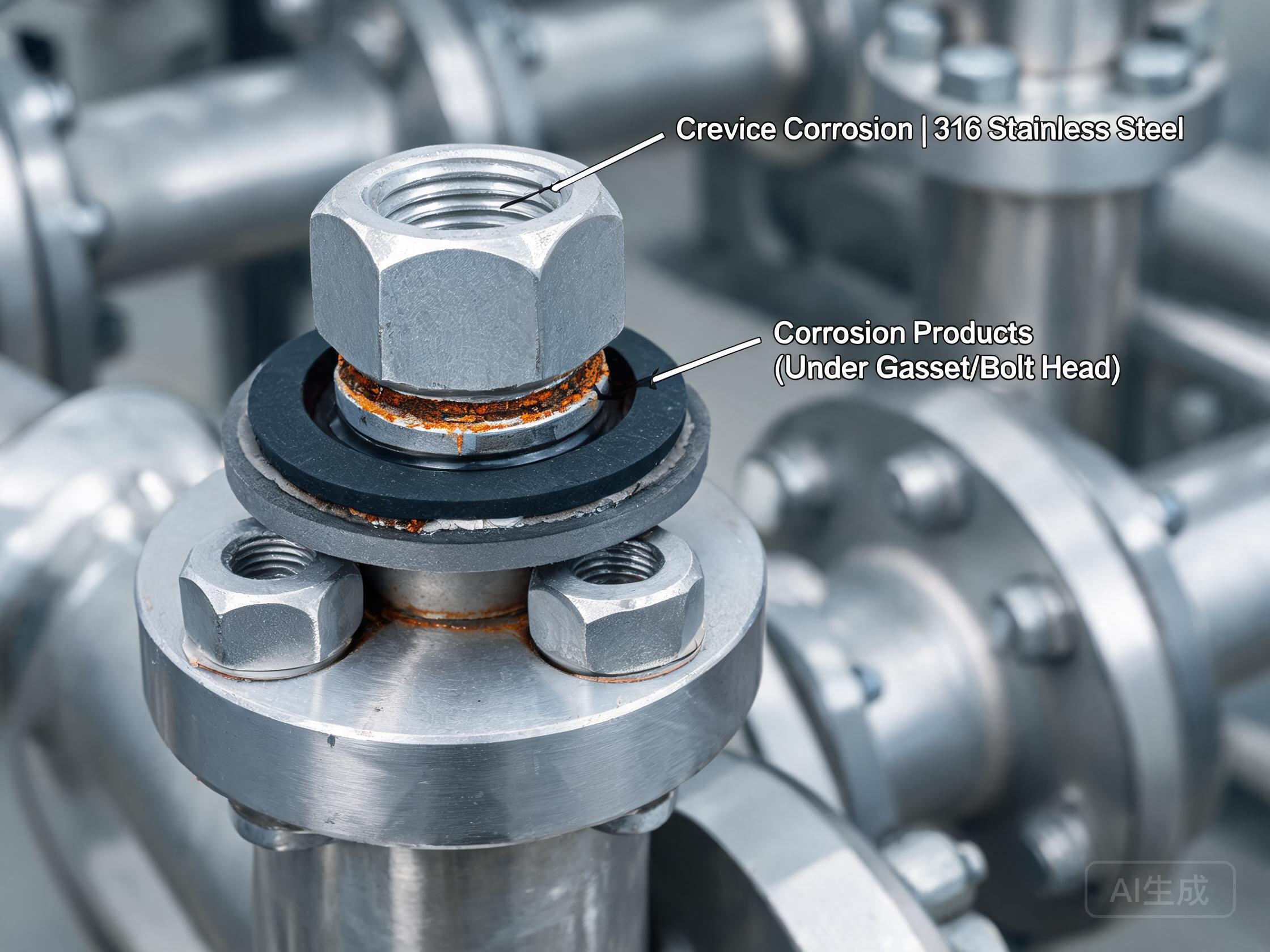
Crevice corrosion at bolted and gasketed joints on cold rolled stainless steel. Why gaps under 0.5mm kill your equipment, and which gasket material actually works.
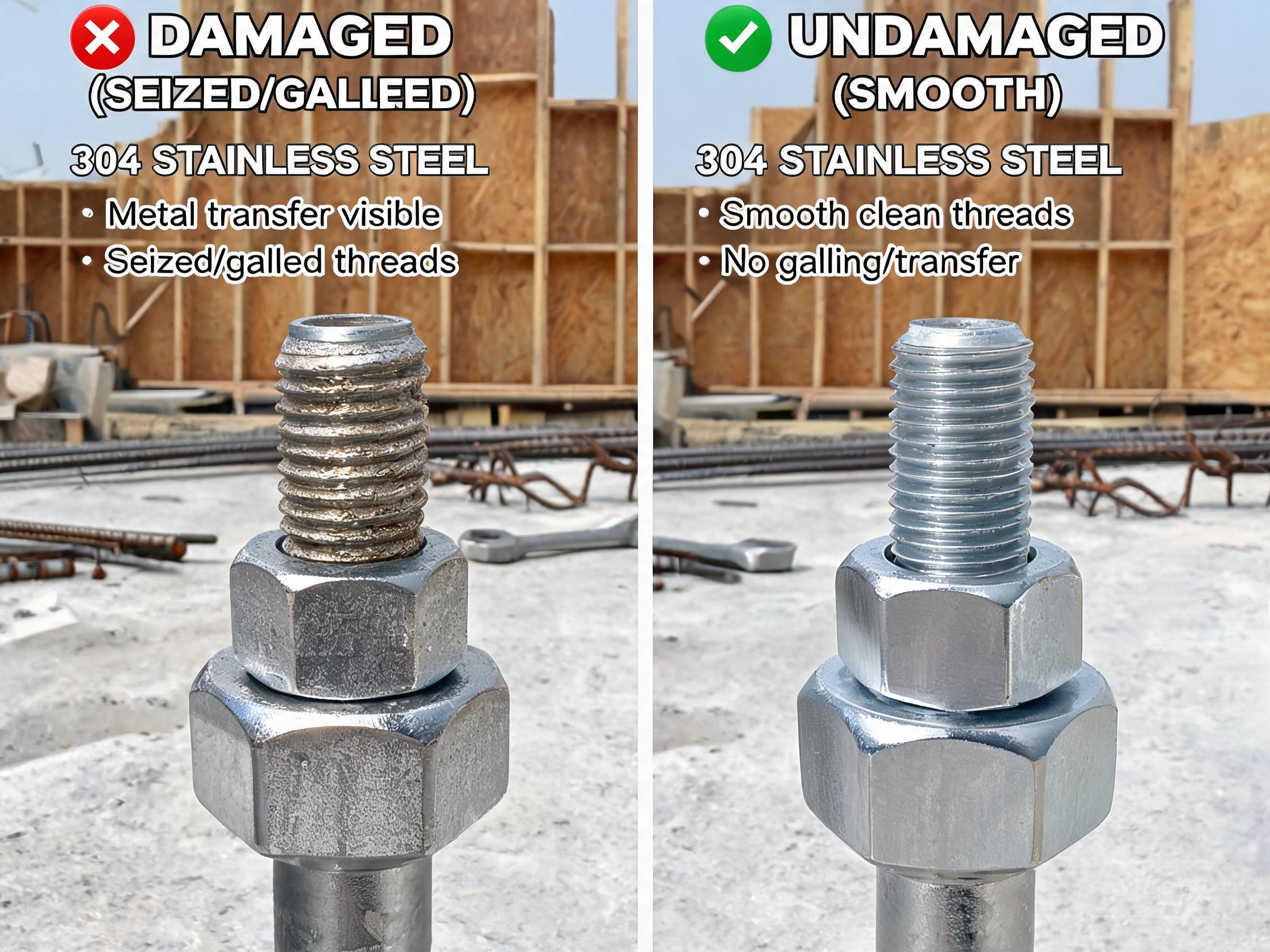
Cold rolled stainless steel construction fasteners seize and gall when both bolt and nut are austenitic. Compare 304 vs 316 galling rates, switch to 410 martensitic, use anti-seize compound, and get the thread pitch right before your high-rise bolt locks up mid-torque.
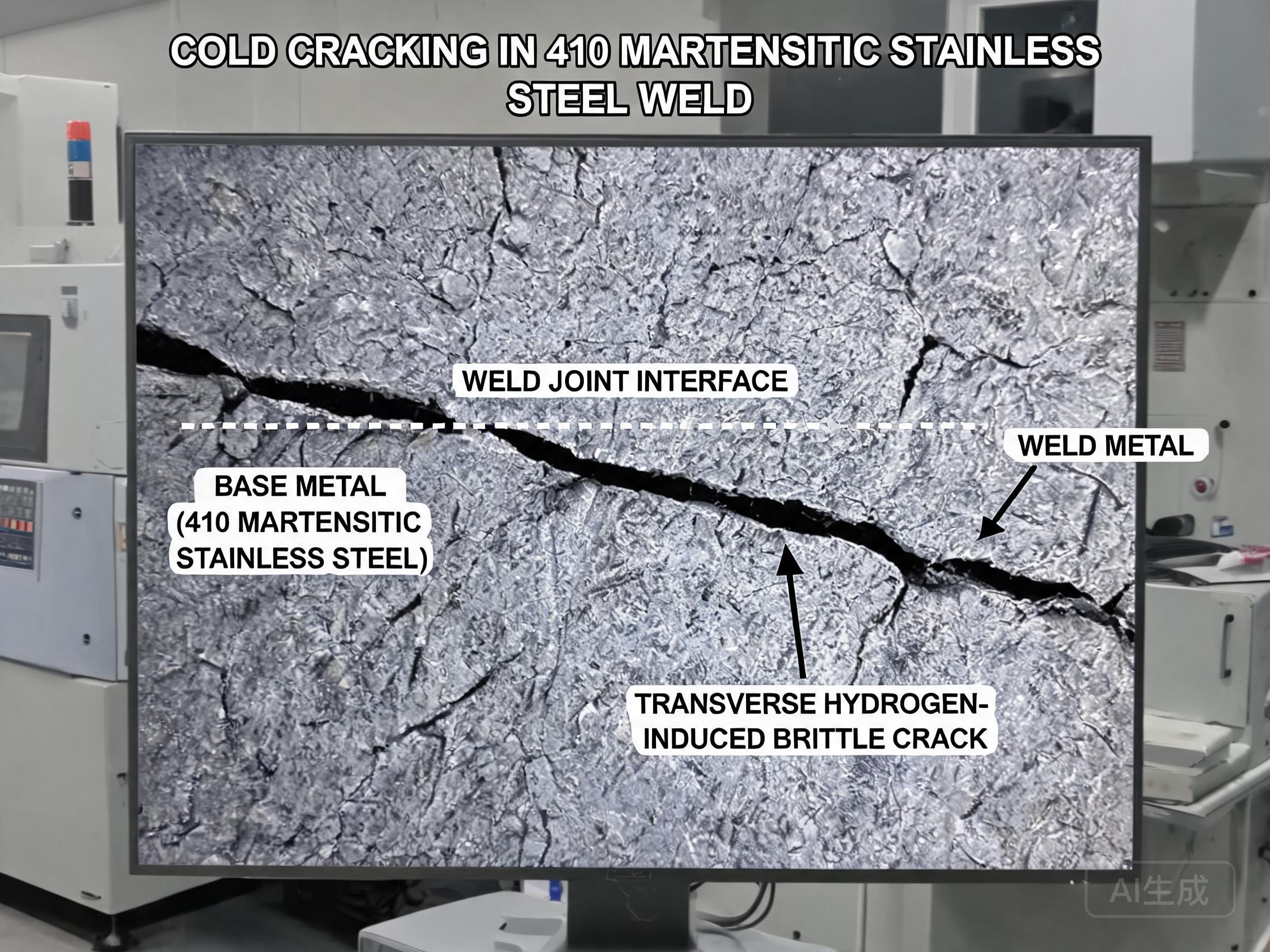
Cold cracking in 410 and 420 welds — why hydrogen, hard martensite and restraint combine to crack, and how preheat and post-weld temper stop it.
铝合金会取代不锈钢吗?不会——同刚度铝要厚约1.44x,表面硬度、食品接触安全、原生冶炼能耗、 阳极膜破损与资源储量六条硬理由都有公开数据。不锈钢冷轧板卷按元/吨(RMB)询价, 认 GB/T 3280/4237 材质单。
冷轧不锈钢板、分条到 2mm 厚度以内怎么采购:平张与条料的尺寸、公差、边部,以及让靠谱供应商给出稳定报价的询价写法。
常见冷轧不锈钢板材尺寸、标准轧机定长切割宽度和长度,以及如何确定平板和毛坯订单的尺寸。
冷轧不锈钢板材和带材的接收质量控制清单:厚度、宽度、平整度、毛刺、边缘、薄膜和证书检查,以尽早拒绝不良批次。
从中国采购冷轧不锈钢板材、带材和卷材供应越南市场:进口商检查的牌号、尺寸、证书、包装和交货因素。
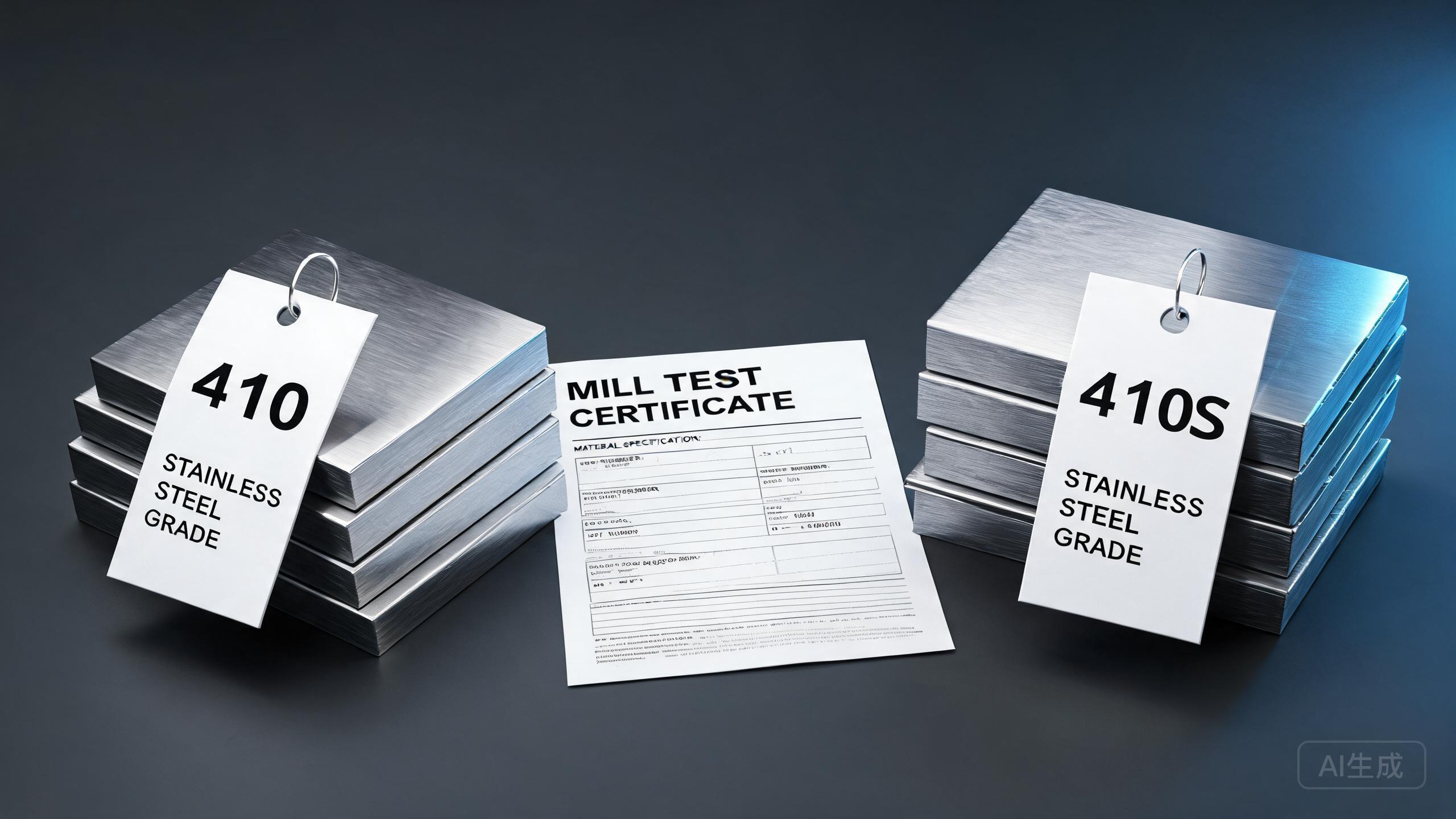
碳含量决定了 410 与 410S 的分界。410 可淬硬、高强;410S 不硬化但焊接干净。 要硬度买 410,要焊接与成型买 410S。
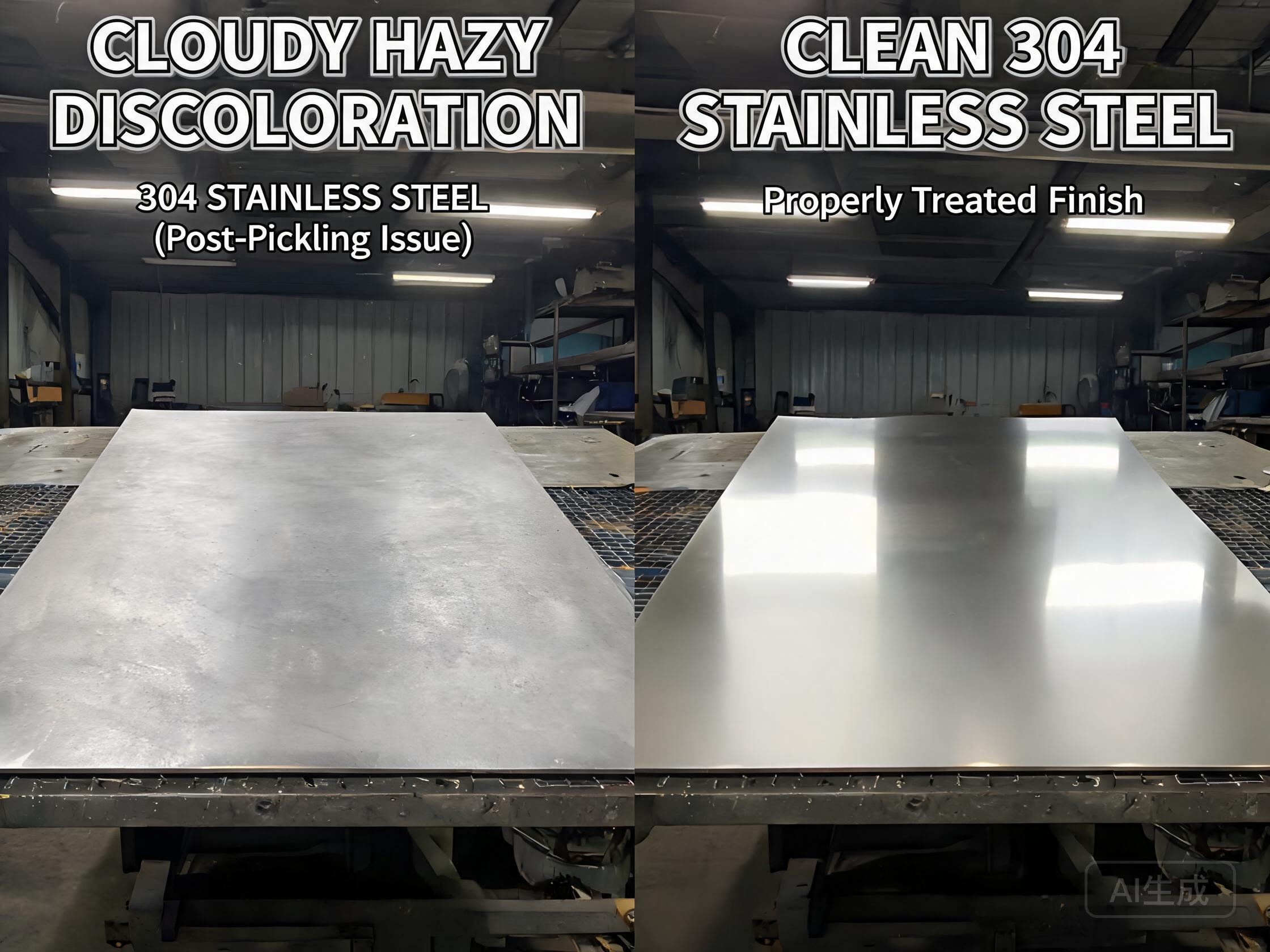
Cloudy hazy stainless after pickling or passivation is a top buyer headache. Compare 304 vs 316, water quality rules and how to specify rinse standards on your RFQ.
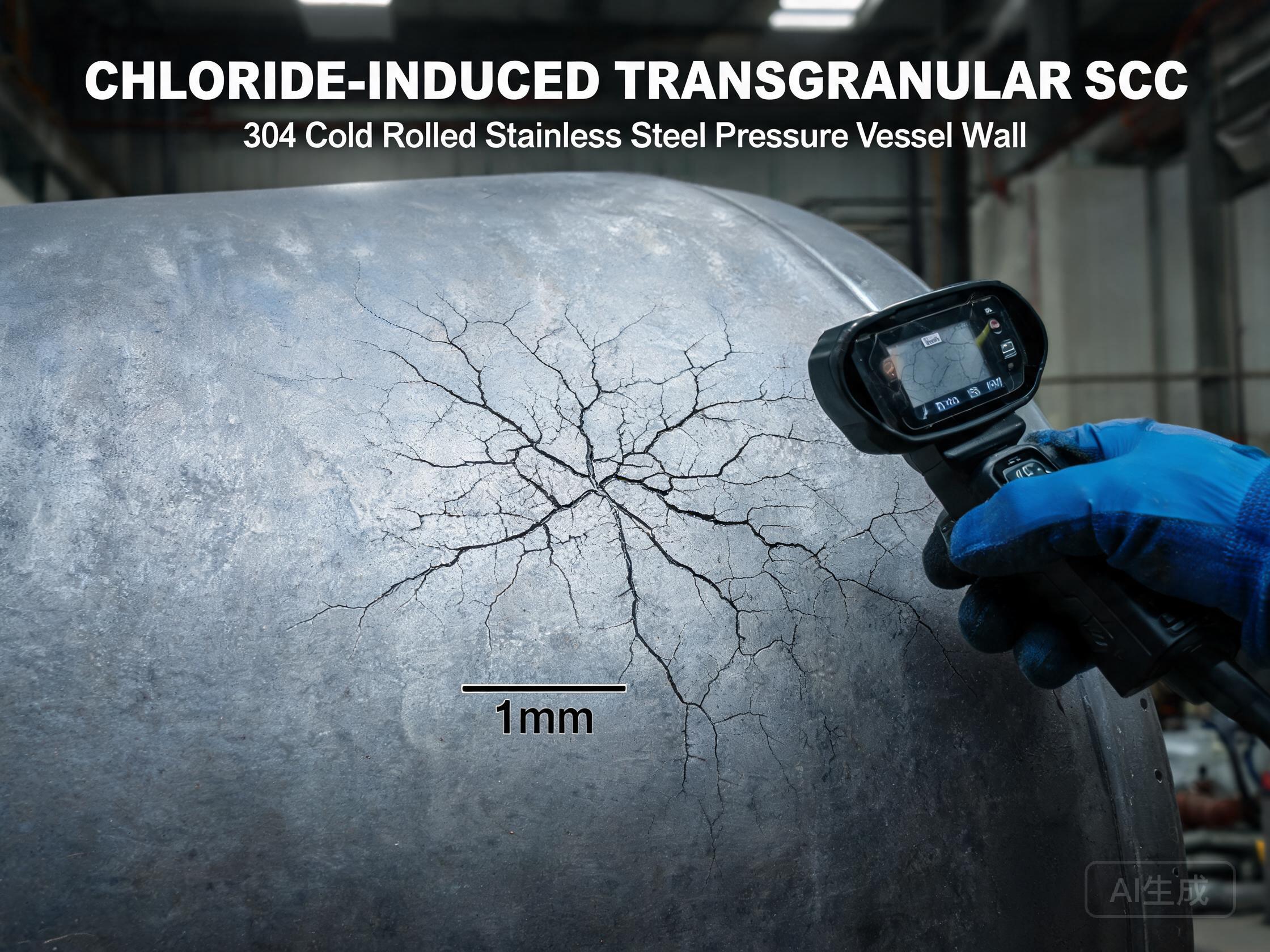
Chloride-induced stress corrosion cracking on cold rolled stainless steel. The 10 ppm threshold for 304, 100 ppm for 316, and why stress relief annealing is non-negotiable.
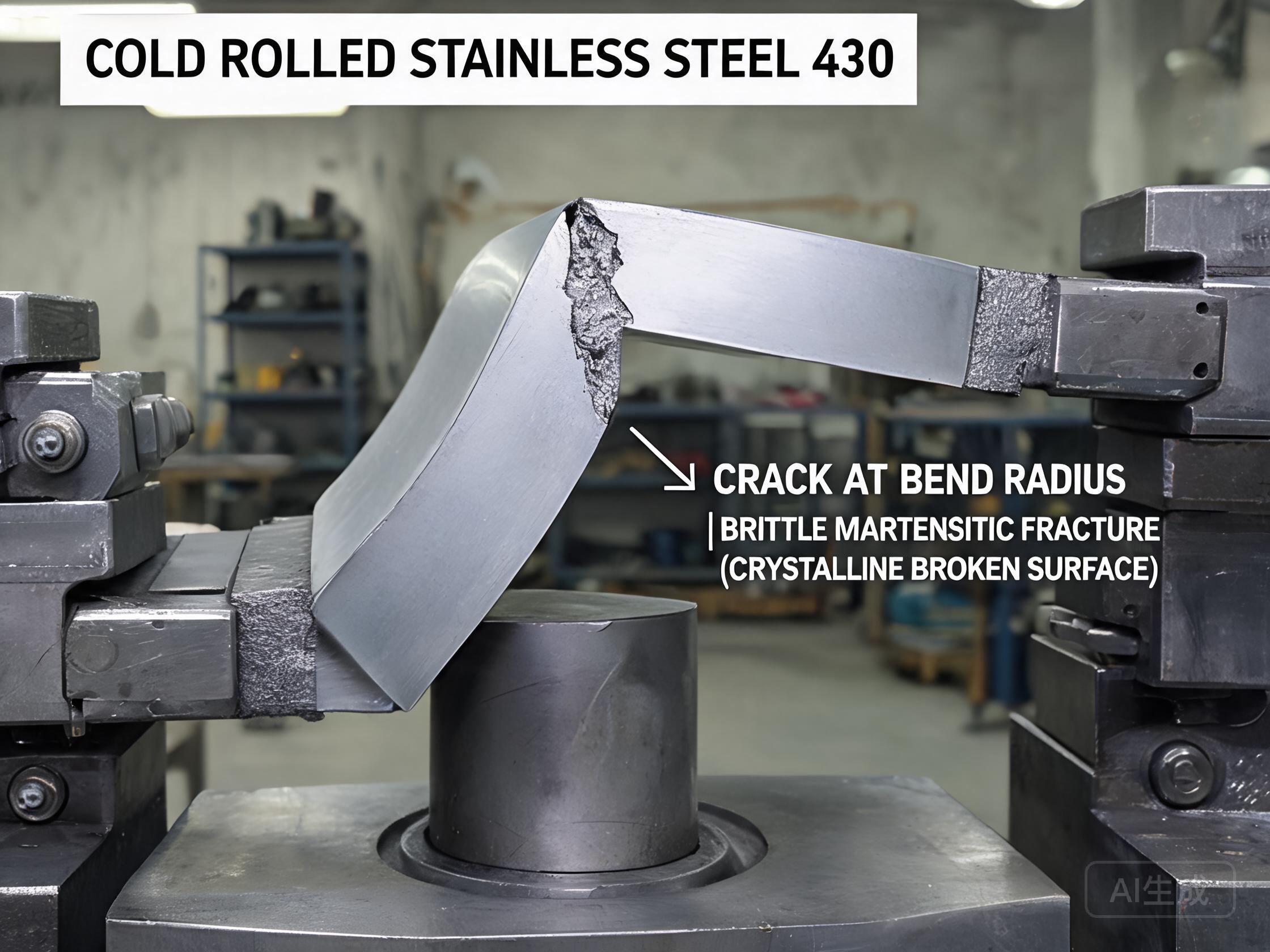
Why your 304 bends crack, what minimum bend radius 304 and 430 really need, and why bending against the grain is 2x more likely to fail — plus how to spot fake anneal from a Chinese mill.
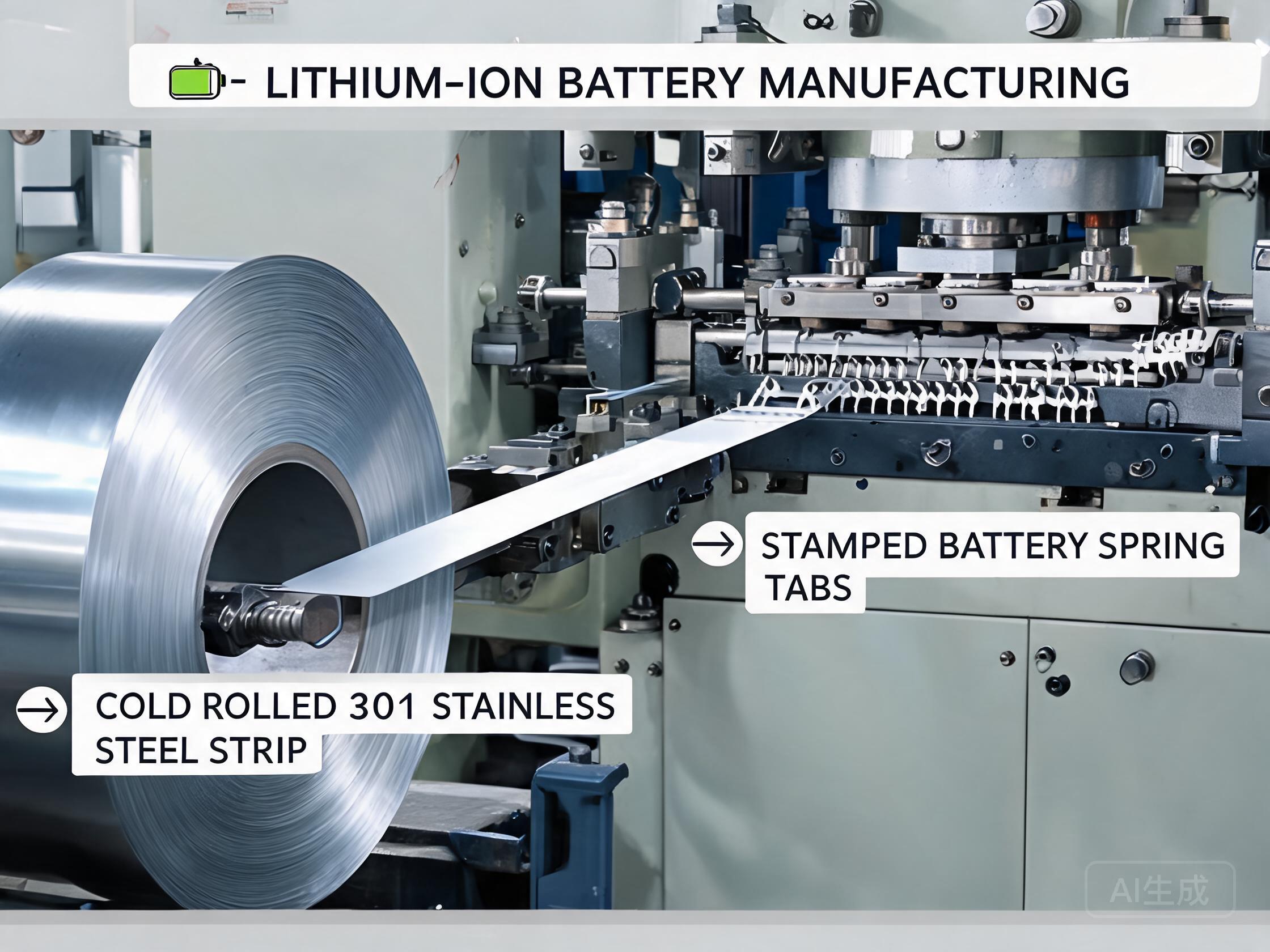
Cold rolled stainless steel for EV battery tabs and housings — 301 temper H for spring tabs, 304 for cell housing, 0.1–0.3 mm thick. Get the edge burr under 10 μm and stamping springback under 1% or your tab refuses to seat in the busbar.
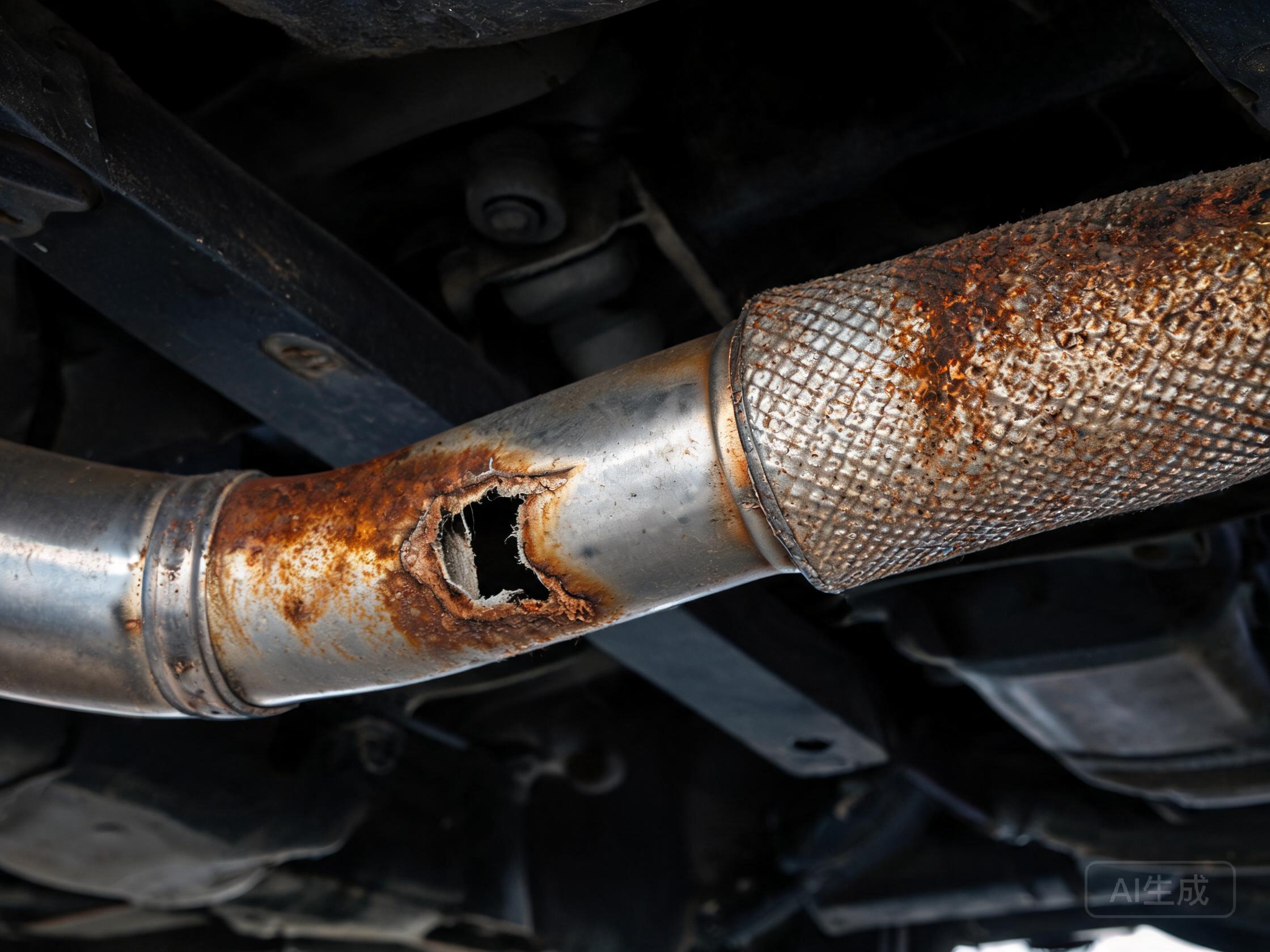
Automotive exhaust corrosion from condensate, 1000°C intermittent heat and thermal fatigue — compare 409, 430 and 304 cold rolled stainless steel and specify the right grade and thickness before your exhaust fails at the weld or the muffler seam.
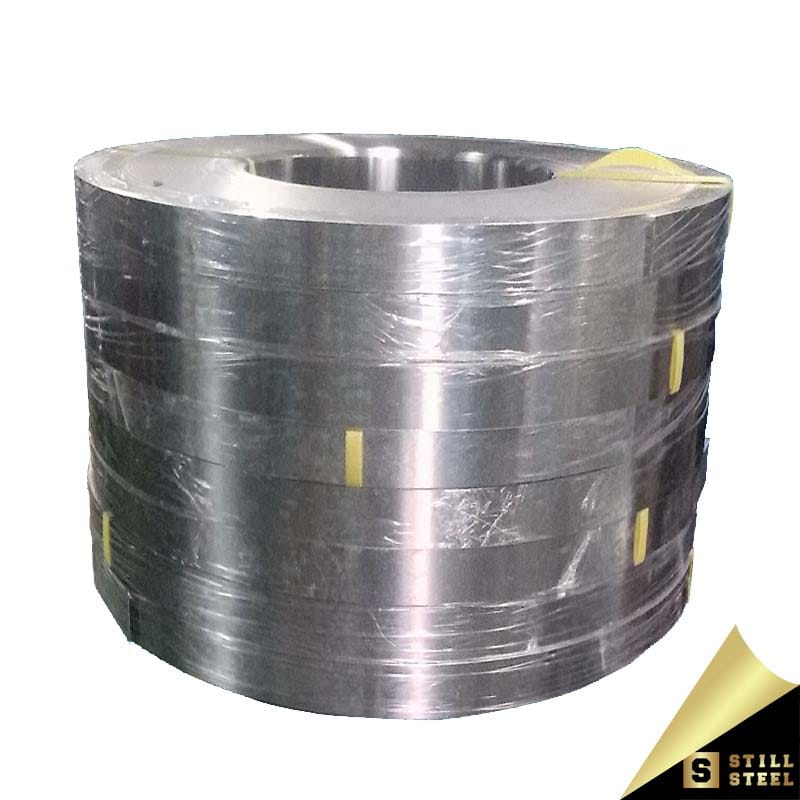
比较用于器具、炊具、装饰面板和成型部件的铁素体 430 和奥氏体 304 不锈钢。
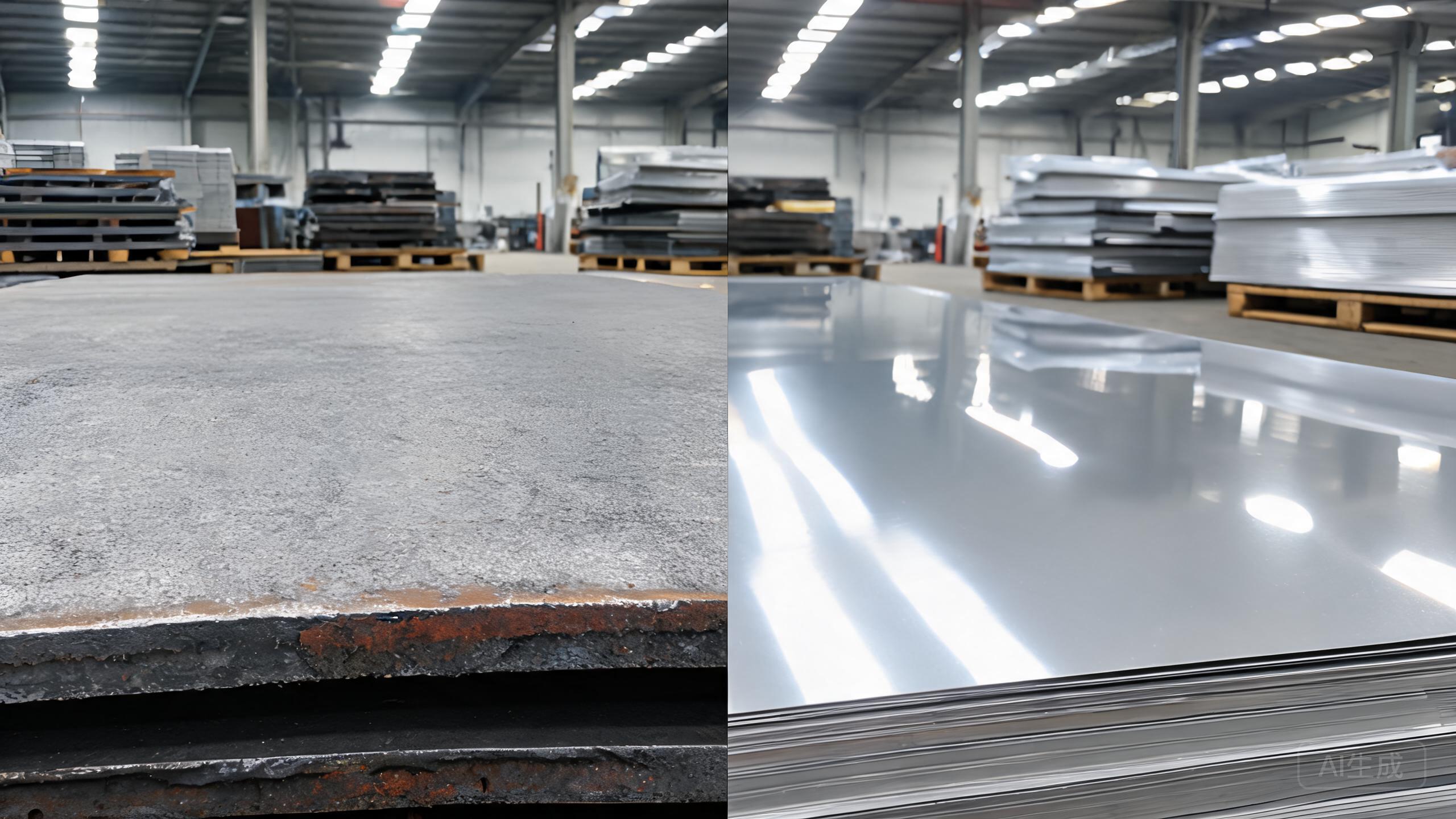
比较冷轧(CR)和热轧(HR)不锈钢:何时使用 No.1、2D 或 2B,厚度范围有何差异,以及 各自对每吨成本的影响。
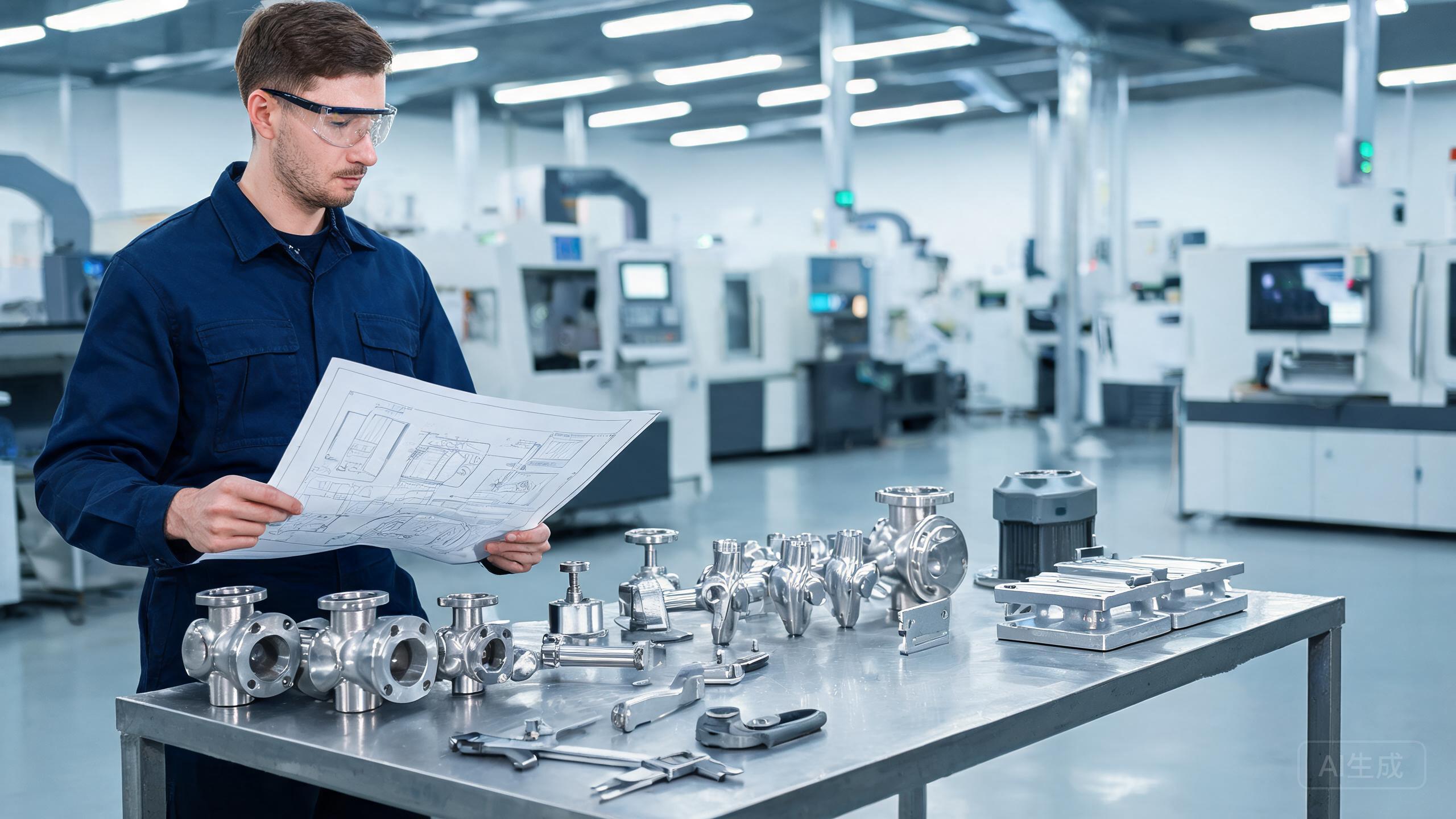
买家应如何构建定制不锈钢设备项目:OEM与ODM的区别、图纸交接、原型阶段、NDA保密协议及里程碑付款最佳实践。
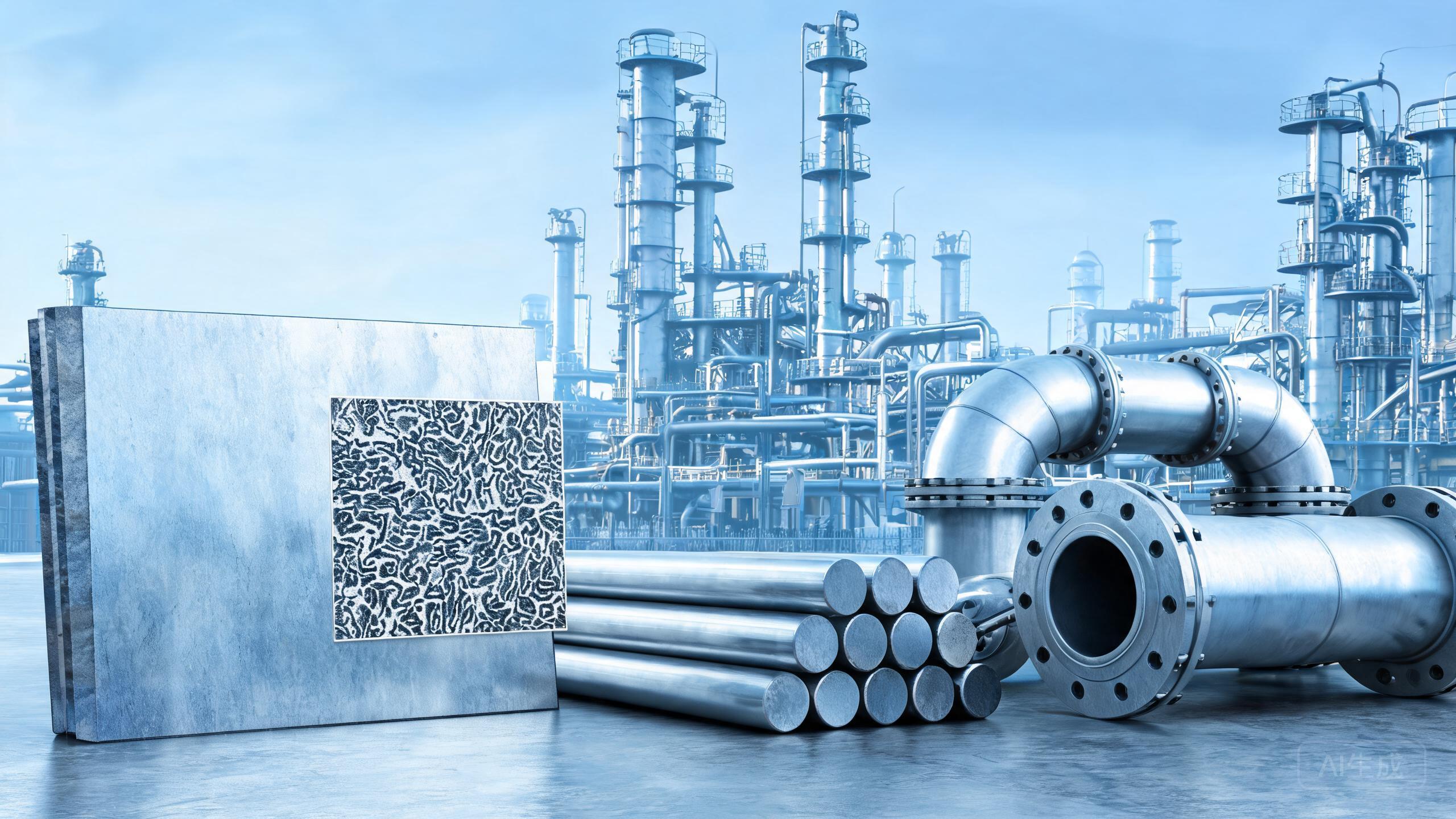
从耐蚀性、强度、焊接性和典型应用几个角度,搞懂标准双相钢 2205、超级双相钢 2507 以及经济型双相钢(2304、2101)。
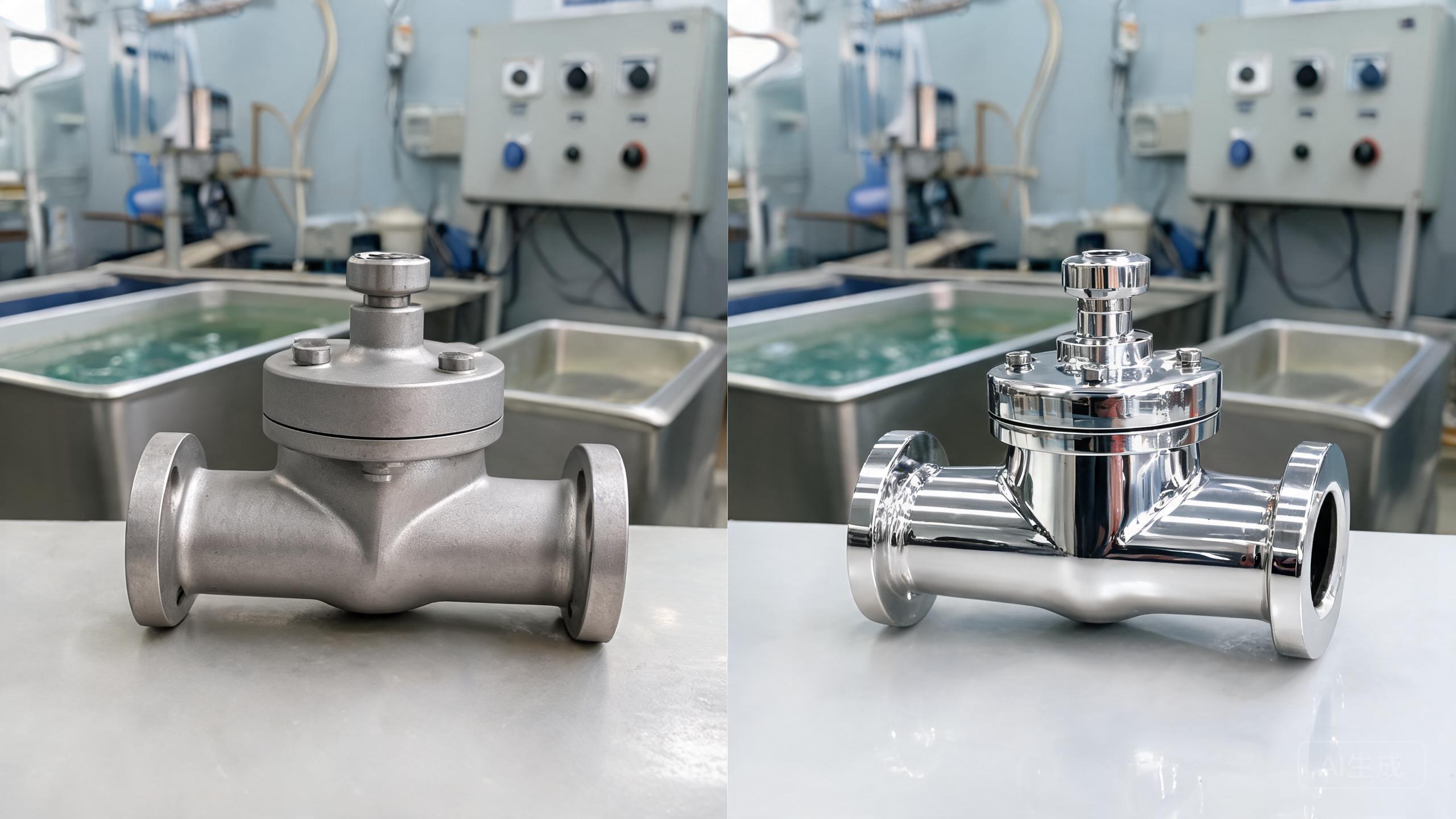
了解 Electropolishing 的工作原理,它对表面粗糙度和耐蚀性的改变,以及买家应如何 指定它与机械抛光的选型对比。
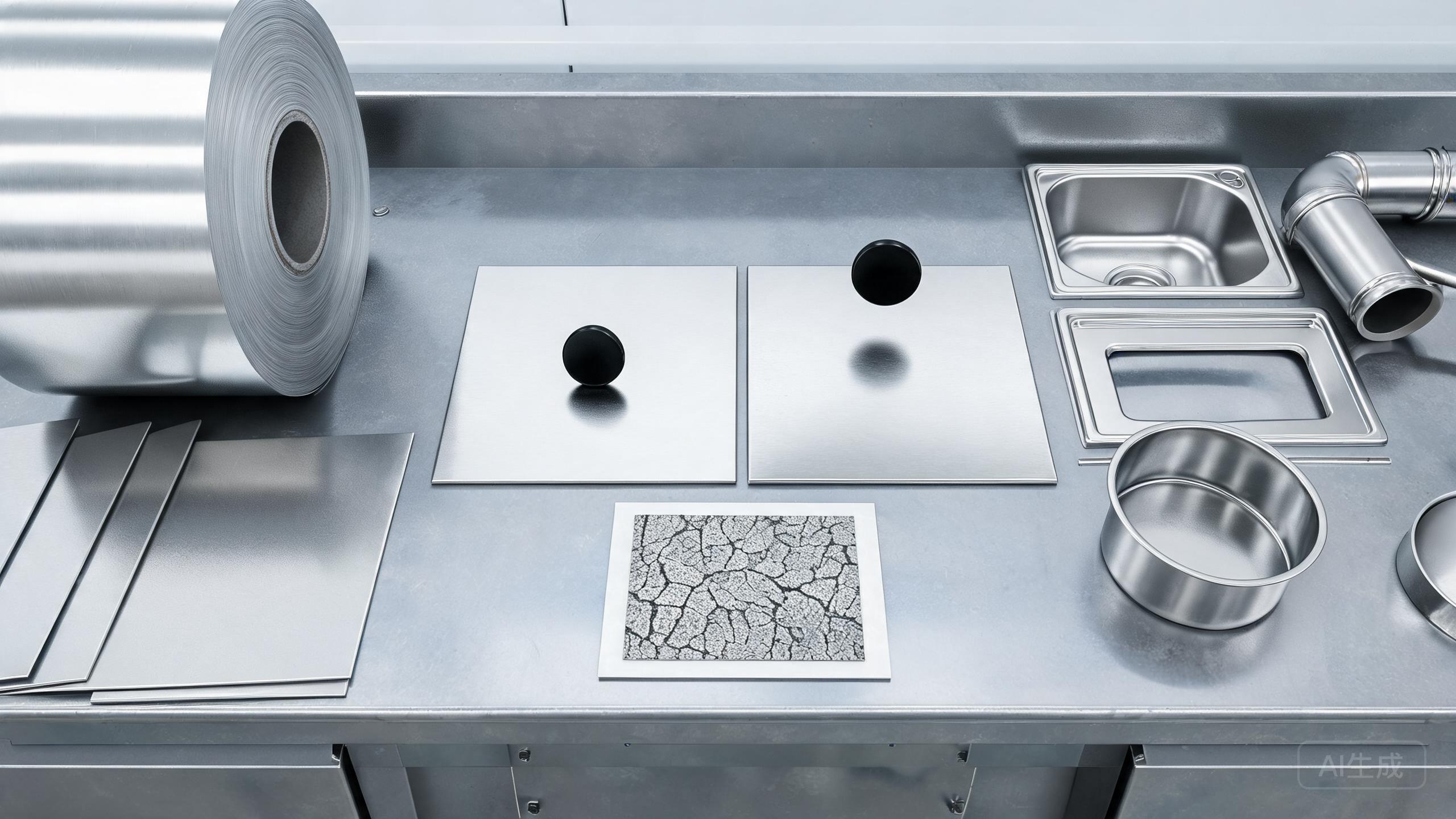
比较常见铁素体不锈钢牌号 430、430MA、439、441 和 444 在耐腐蚀性、成型性、成本及典型应用方面的差异。
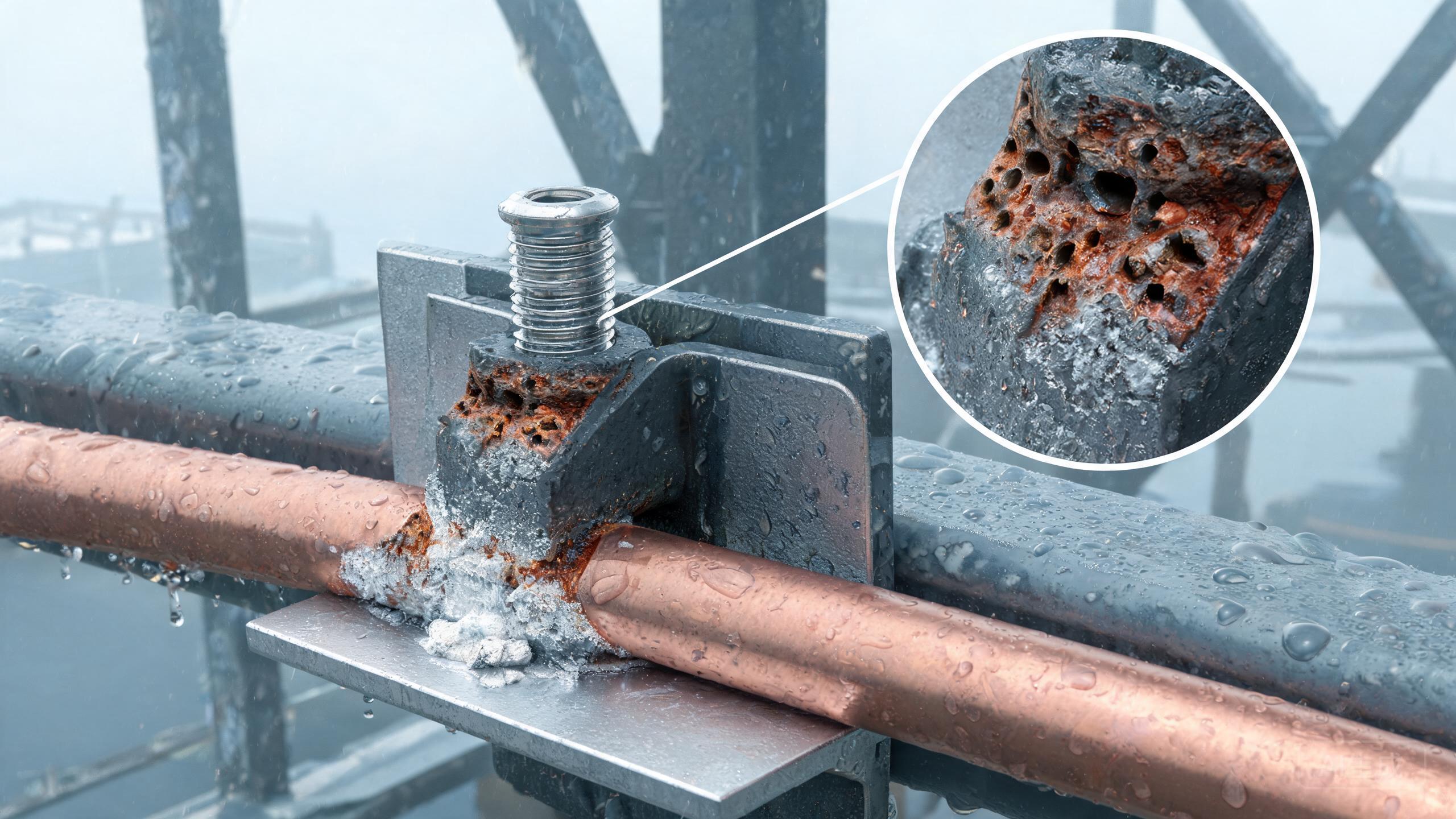
一份实用的电偶序指南,讲解不锈钢与异种金属的配对:何时安全、何时需要隔离,以及使用何种垫片、膏剂或涂层来防止双金属腐蚀。
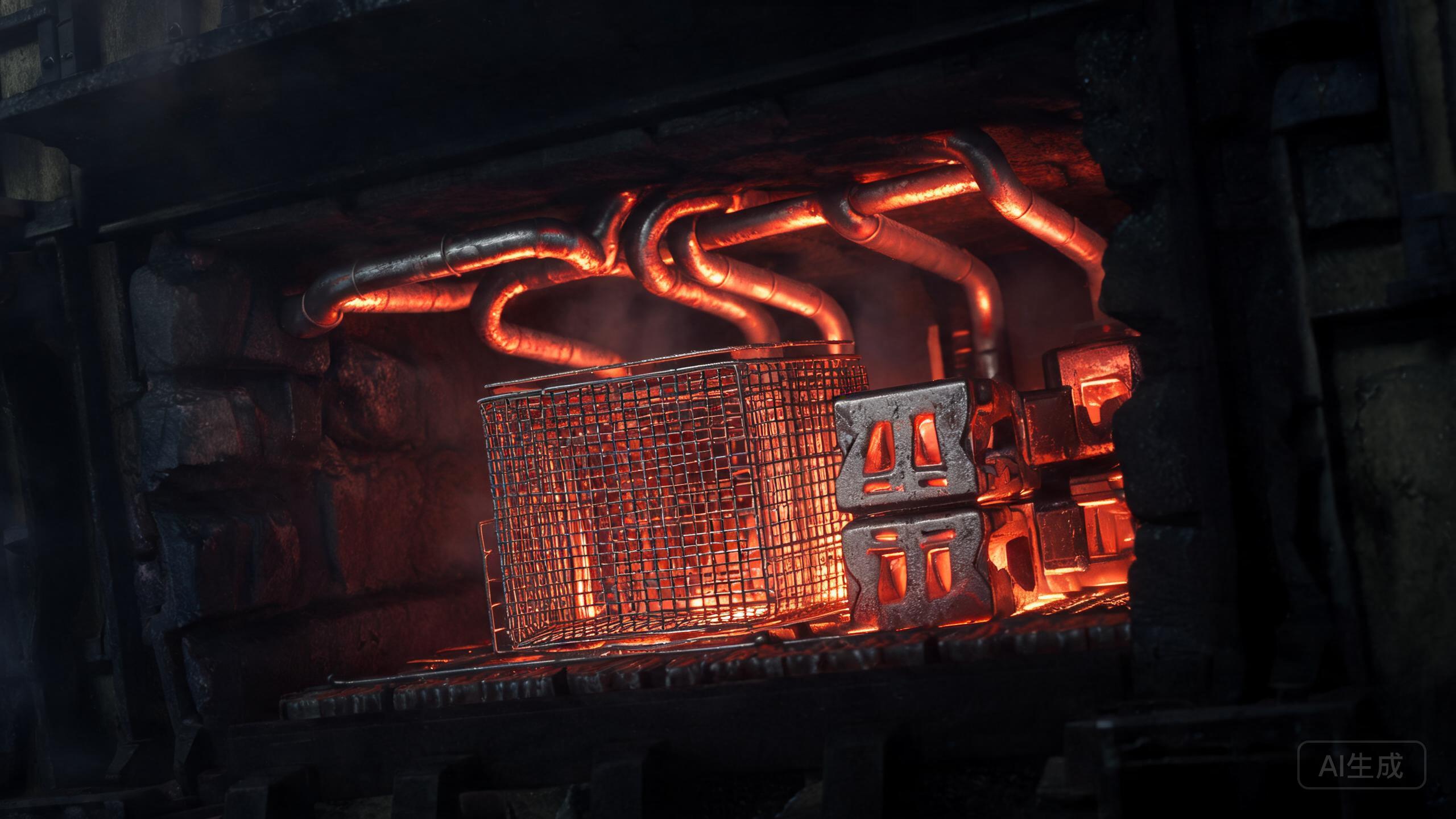
700–1100 °C 服役工况下耐热不锈钢选型:309S、310S、314、330,以及渗碳、热疲劳、脆化等关键失效模式。
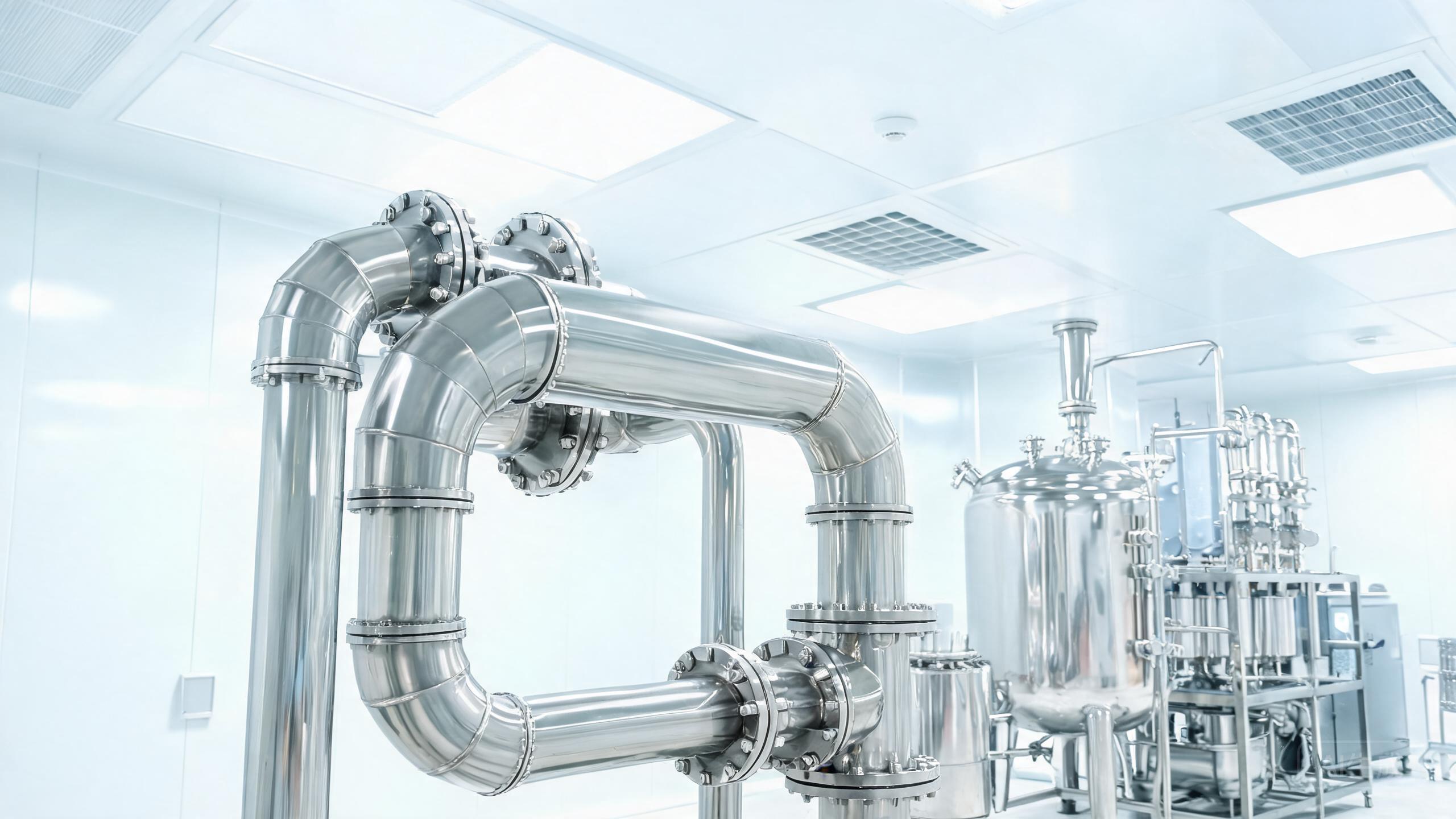
304L 与 316L 的选型、表面粗糙度 Ra/Rz、焊接端与垫片标准、电解抛光,以及制药工艺设备的 FDA / EHEDG 合规要点。
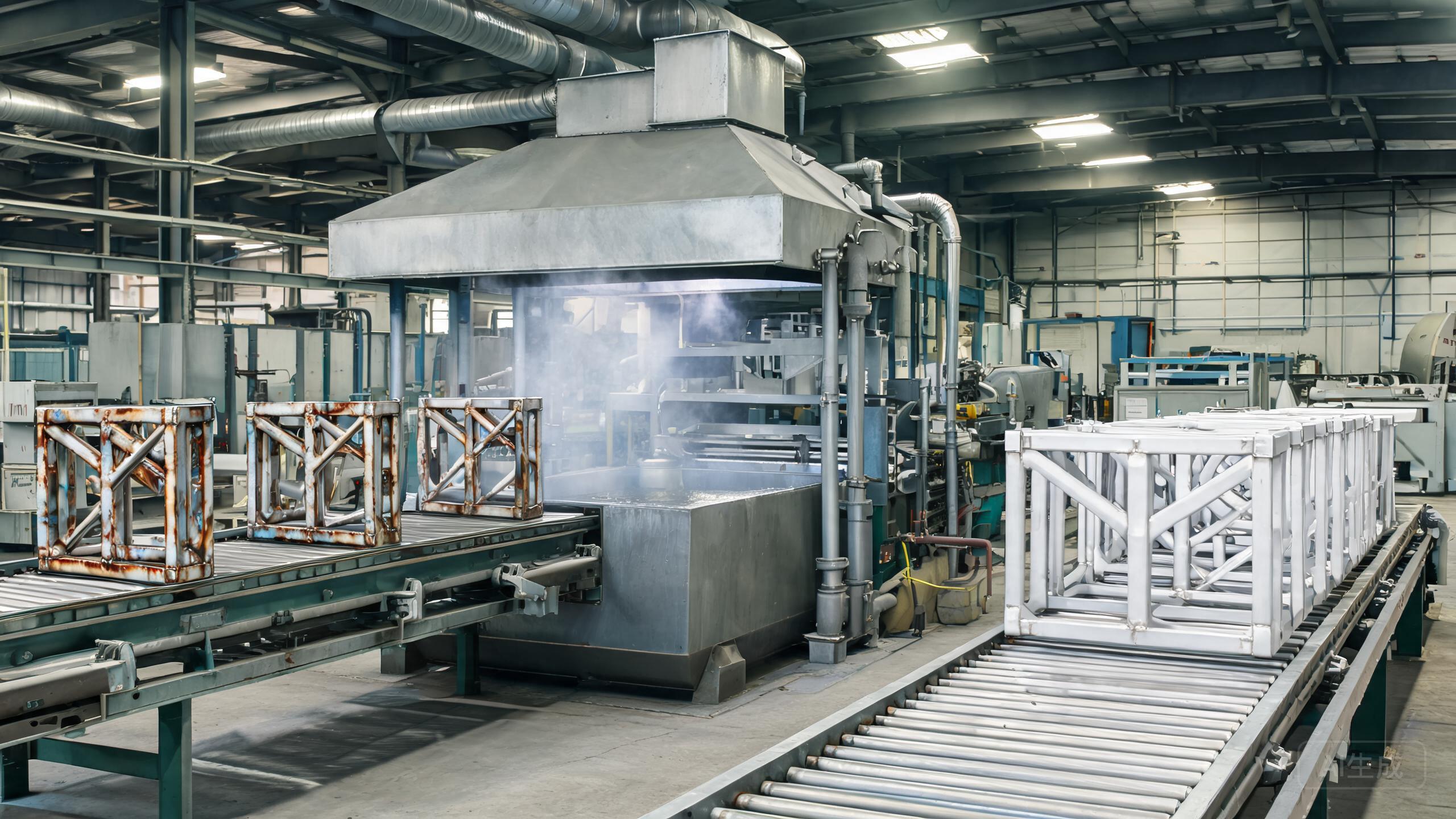
弄明白Pickling和Passivation的区别:什么时候用哪个,硝酸处理和柠檬酸处理的差别, 以及采购方该怎么验收经过处理的工件。
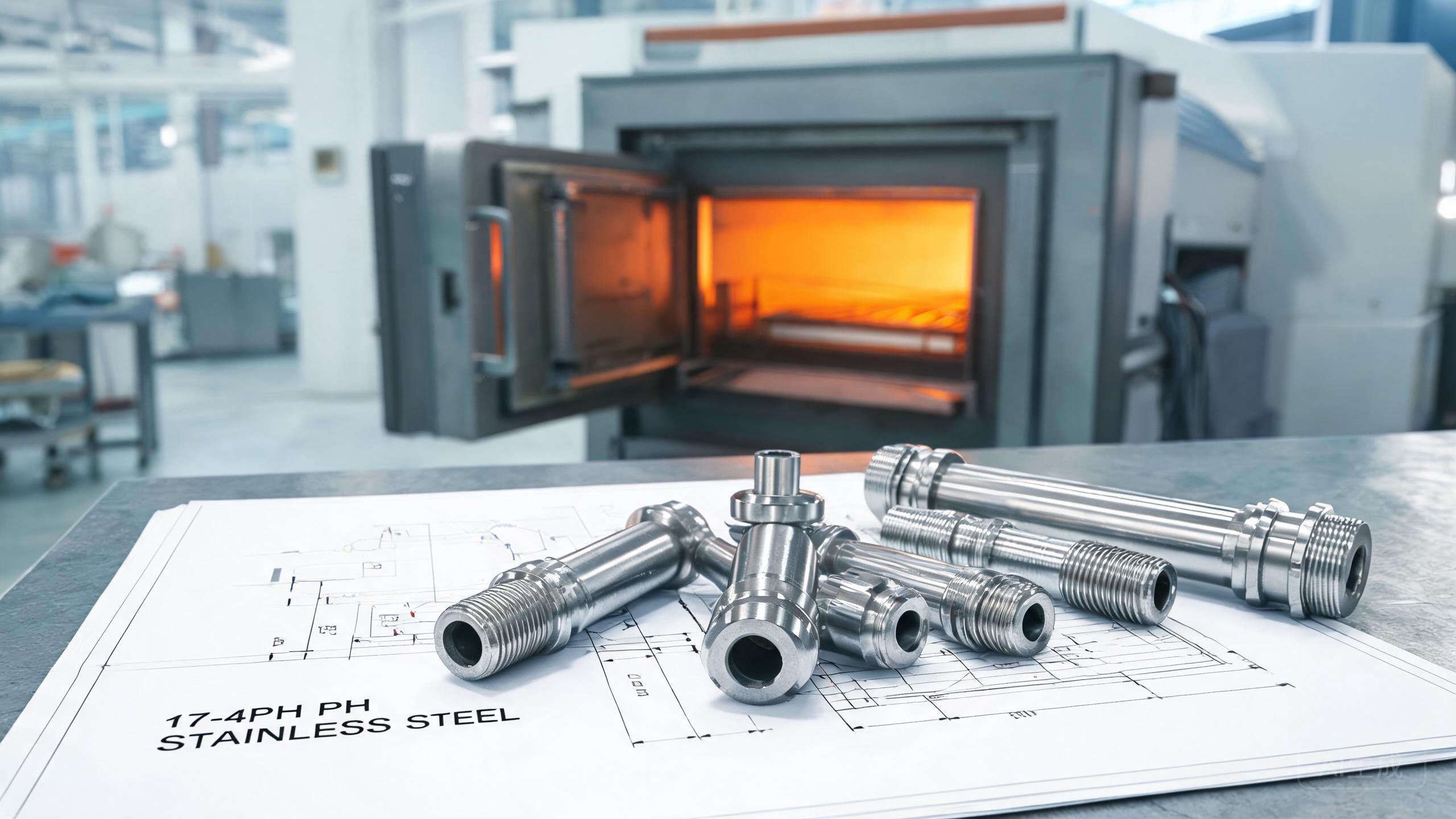
介绍 PH 不锈钢牌号 17-4PH、15-5PH、17-7PH 和 PH 13-8 Mo:强度-韧性-耐腐蚀性之间的权衡, 以及典型的 H900 / H1100 回火状态。
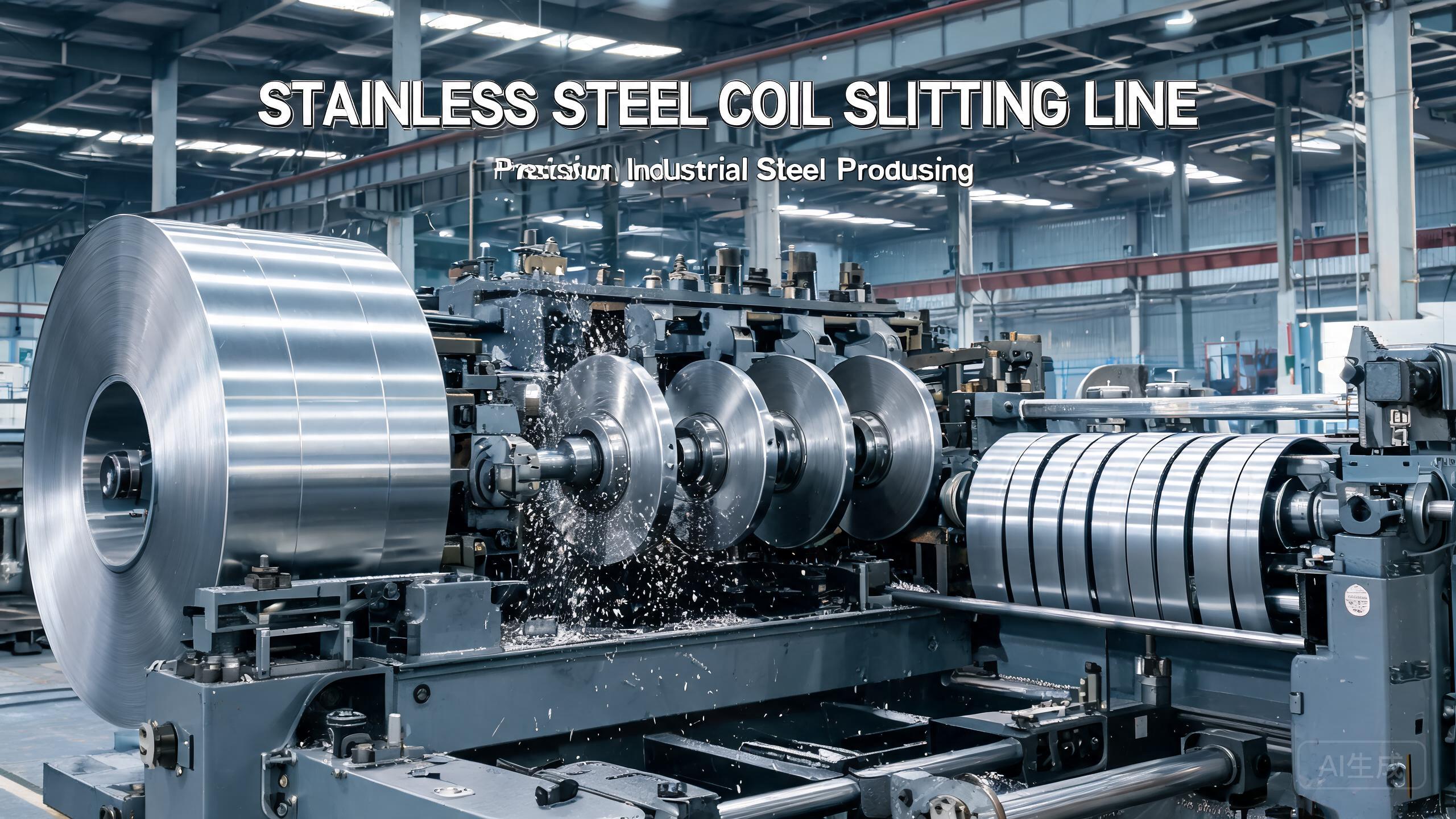
面向服务中心采购的卷分条指南:毛刺、弯度、宽度公差和边缘质量如何影响下游 折弯、冲压、辊压成型和焊接。

为不锈钢栏杆、扶手、墙面幕墙和屋面板选择正确的钢号与表面处理,包括沿海与工业环境。
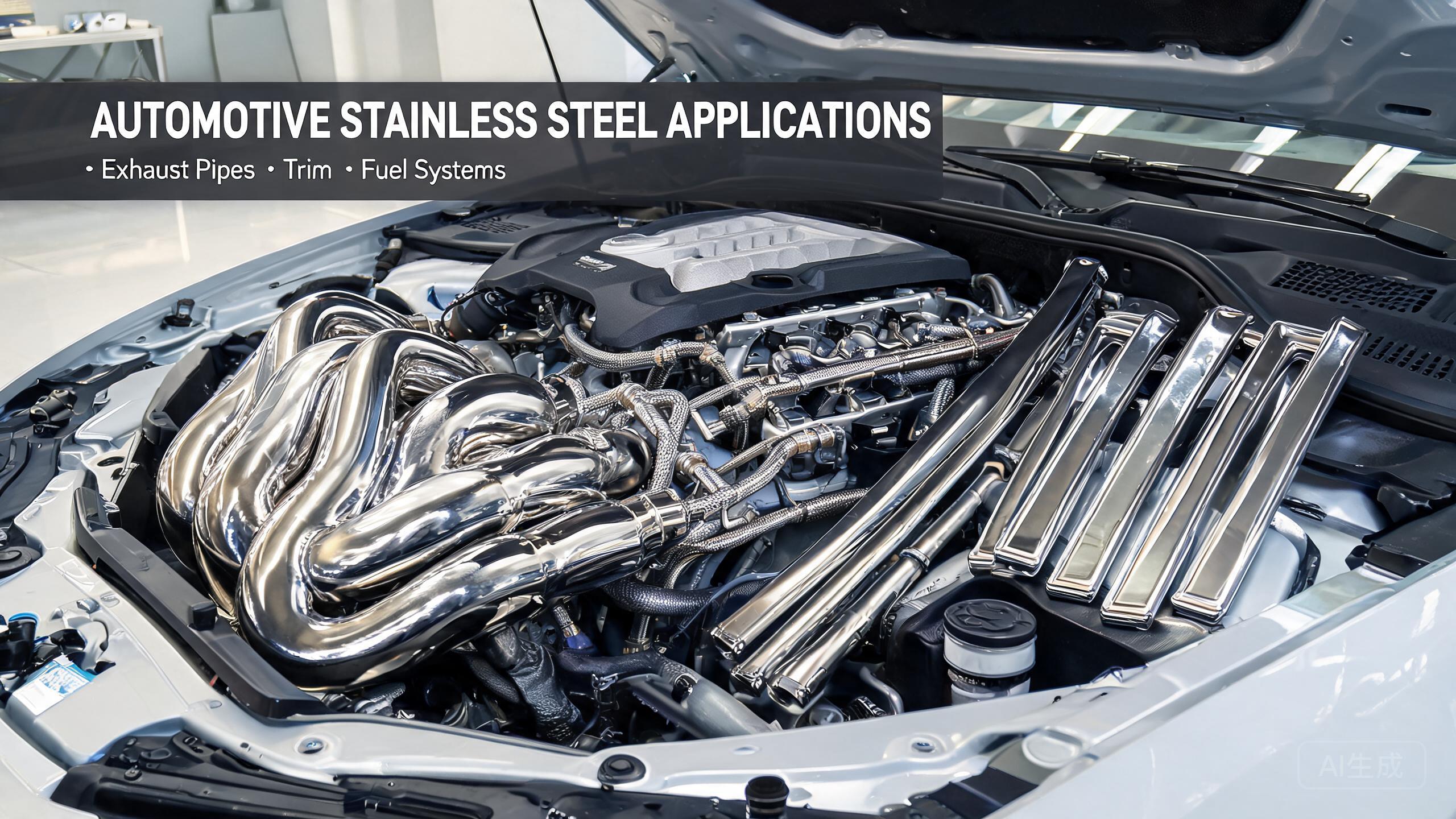
对比 409、439、441、304 和 316L 在汽车排气歧管、热端、冷端、尾管以及底盘结构件中的应用。
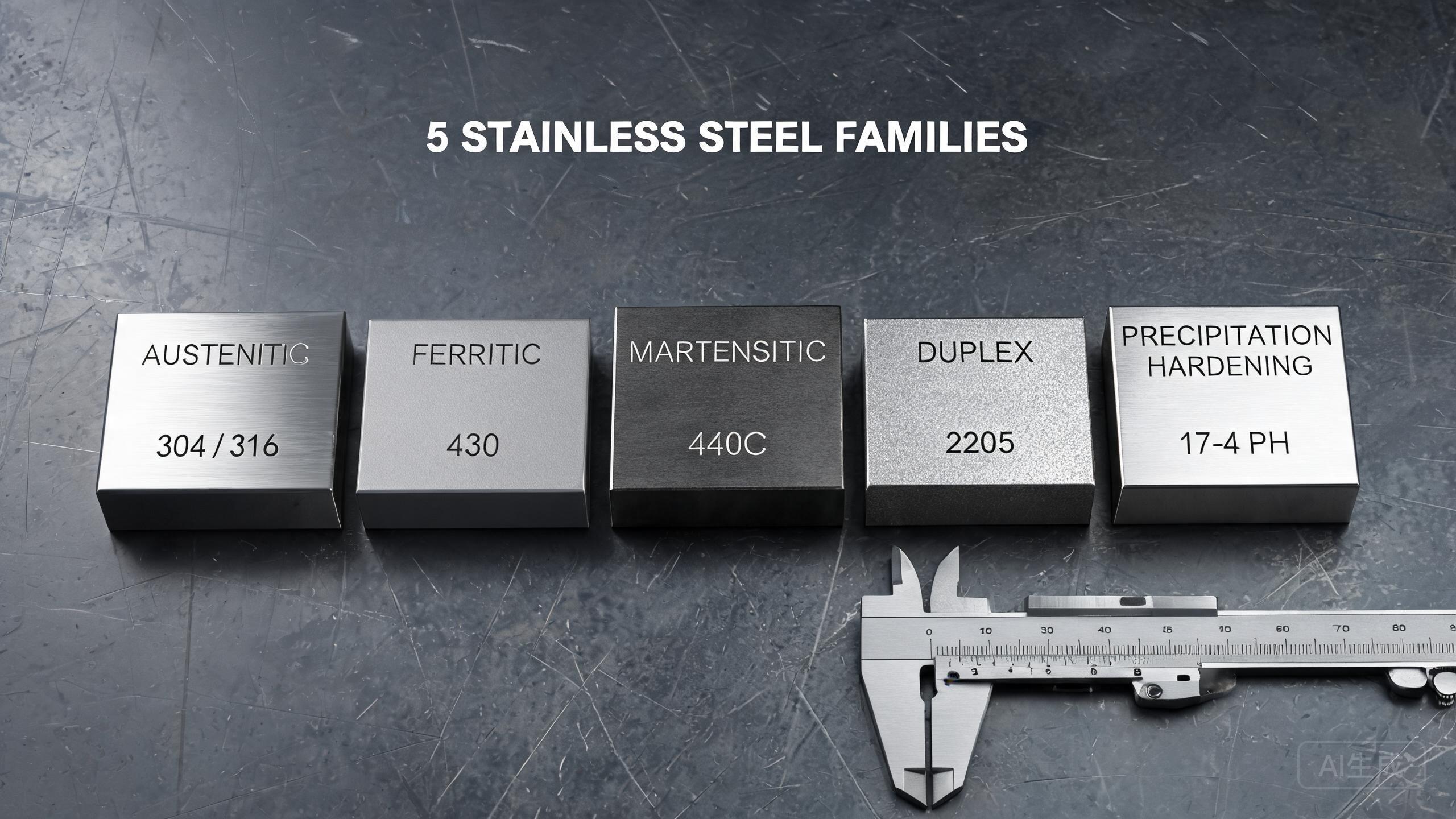
从显微组织、耐腐蚀性、强度、磁性、焊接性和典型应用场景出发,帮你在不锈钢四大家族之间做出选择。
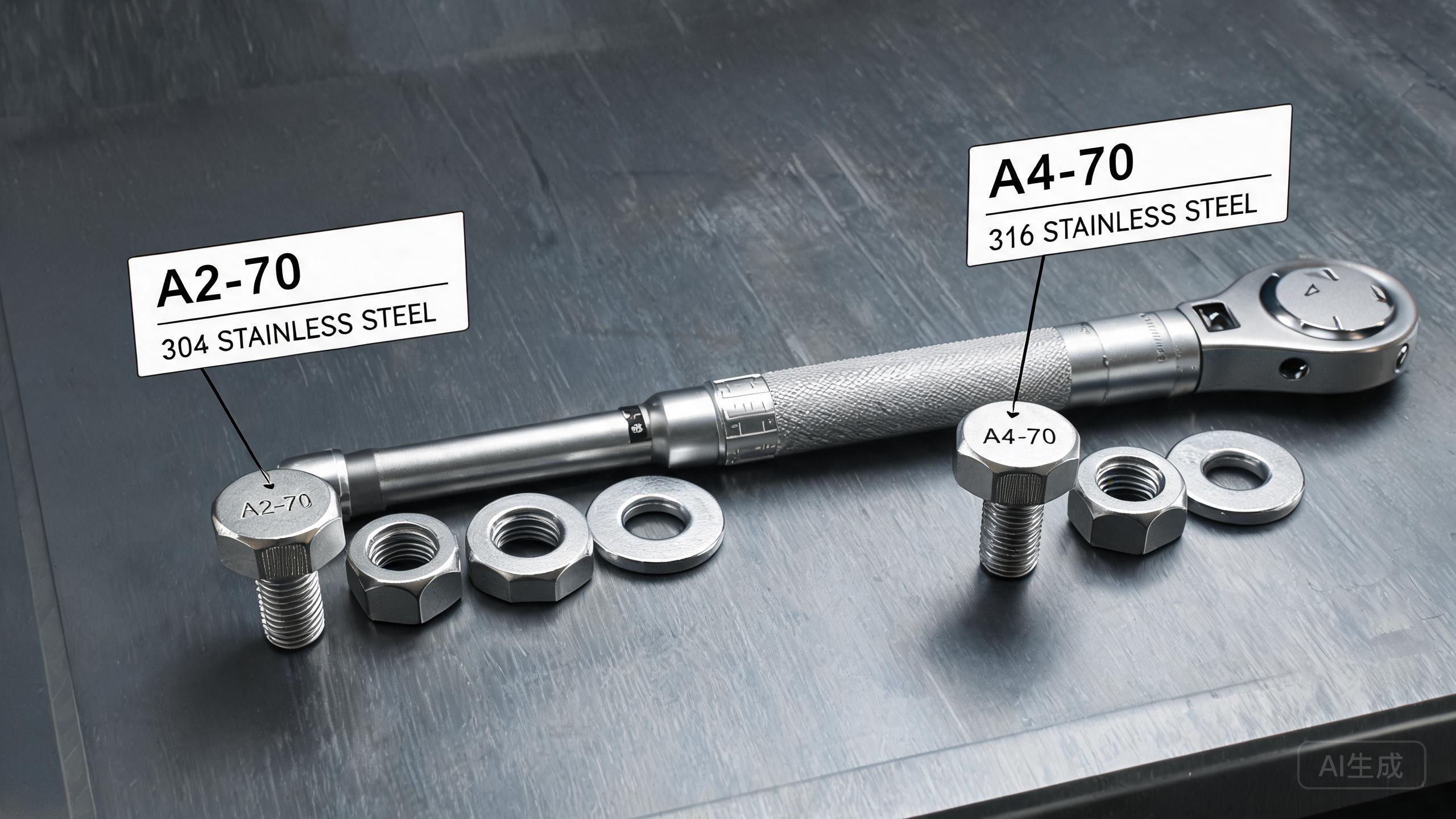
了解ISO 3506不锈钢紧固件等级(A2-70、A2-80、A4-70、A4-80),它们与304和316的对应关系, 以及现场最常见的失效问题。
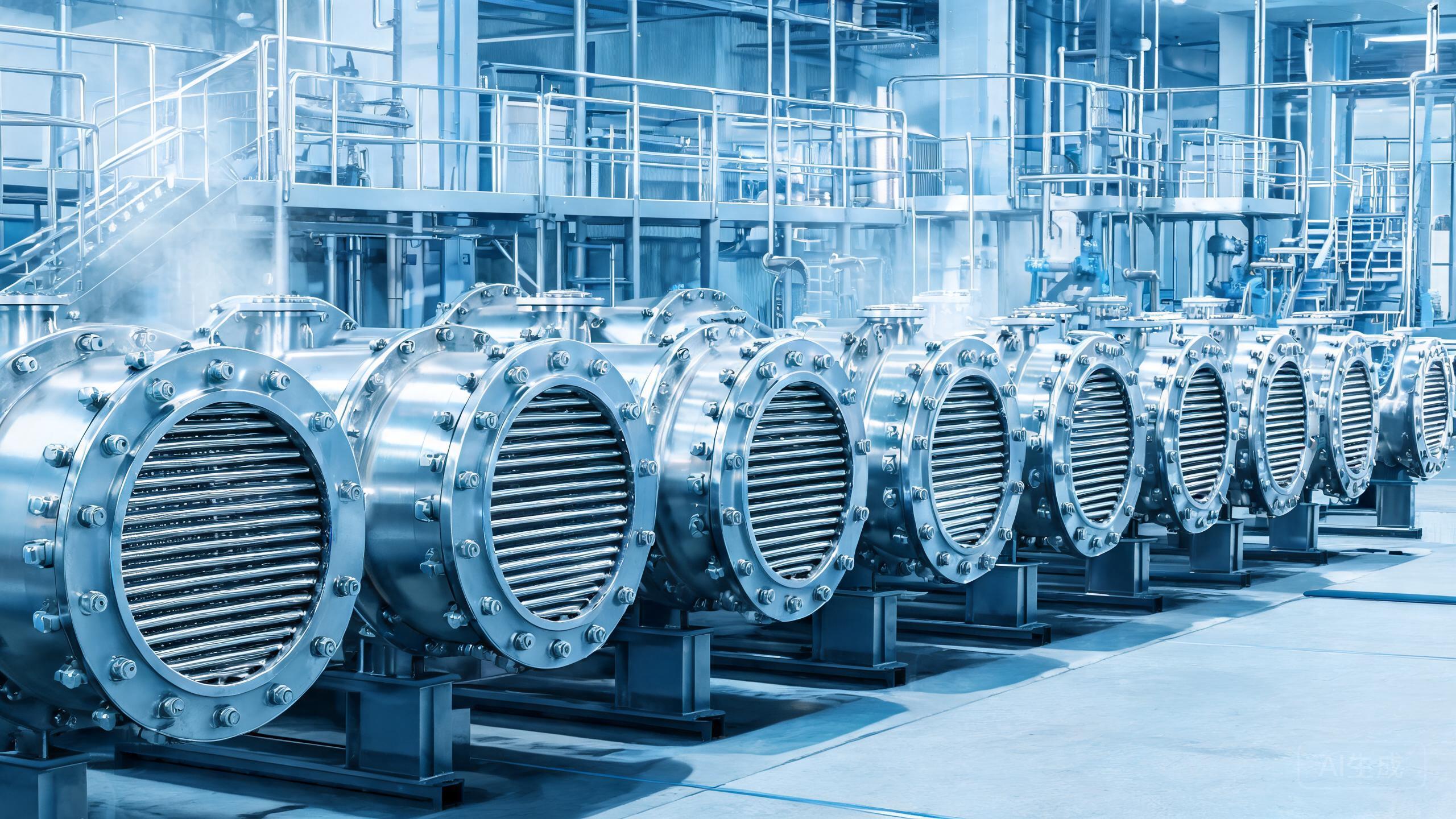
一份面向采购方的实用指南,介绍如何为管壳式、板式和钎焊式换热器 选购 304L、316L、2205、钛材及更高牌号合金。
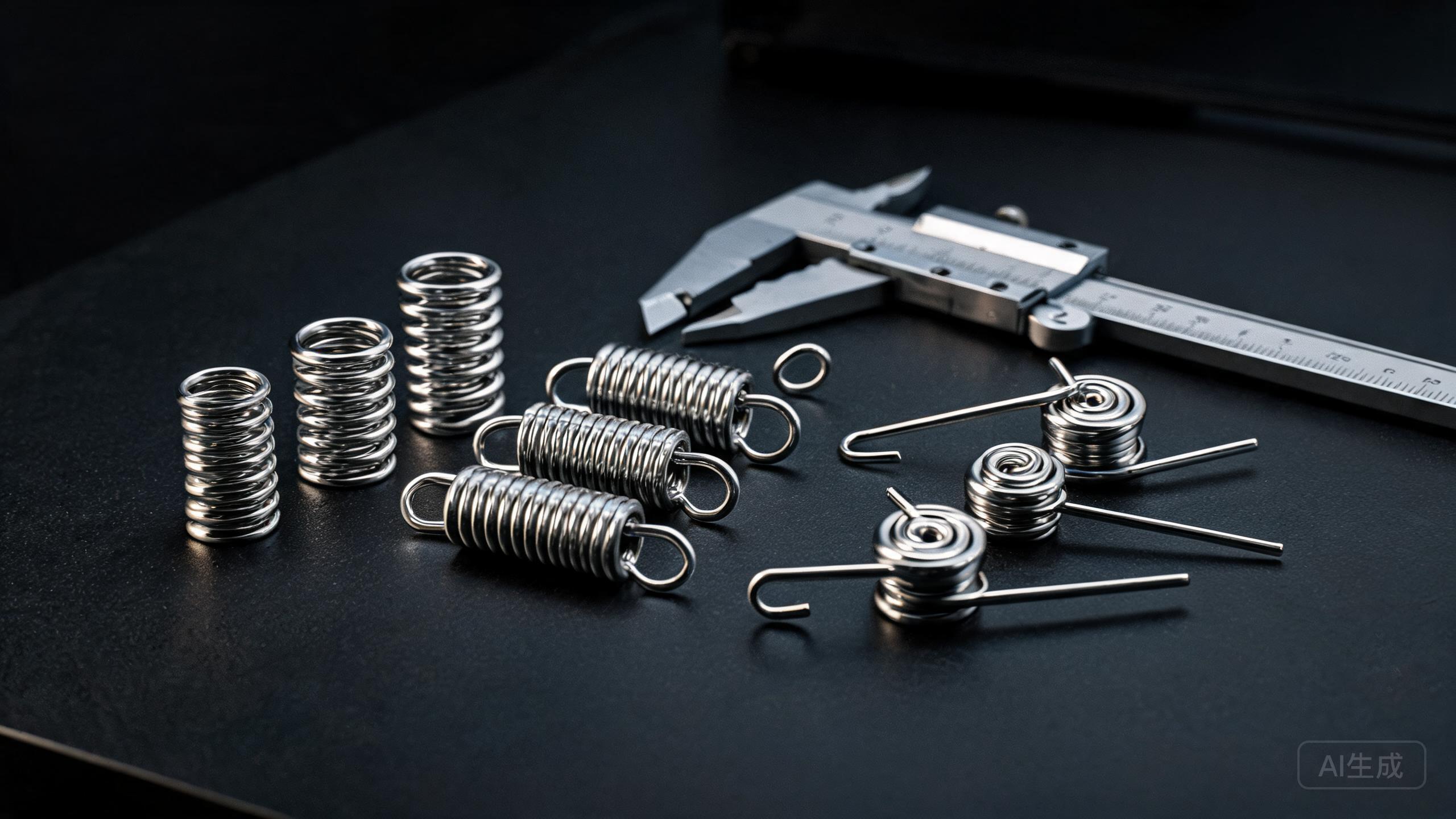
不锈钢弹簧设计与采购指南:301 高抗拉、302 通用型、316 耐腐蚀、631(17-7PH)耐高温, 以及疲劳与应力松弛陷阱。
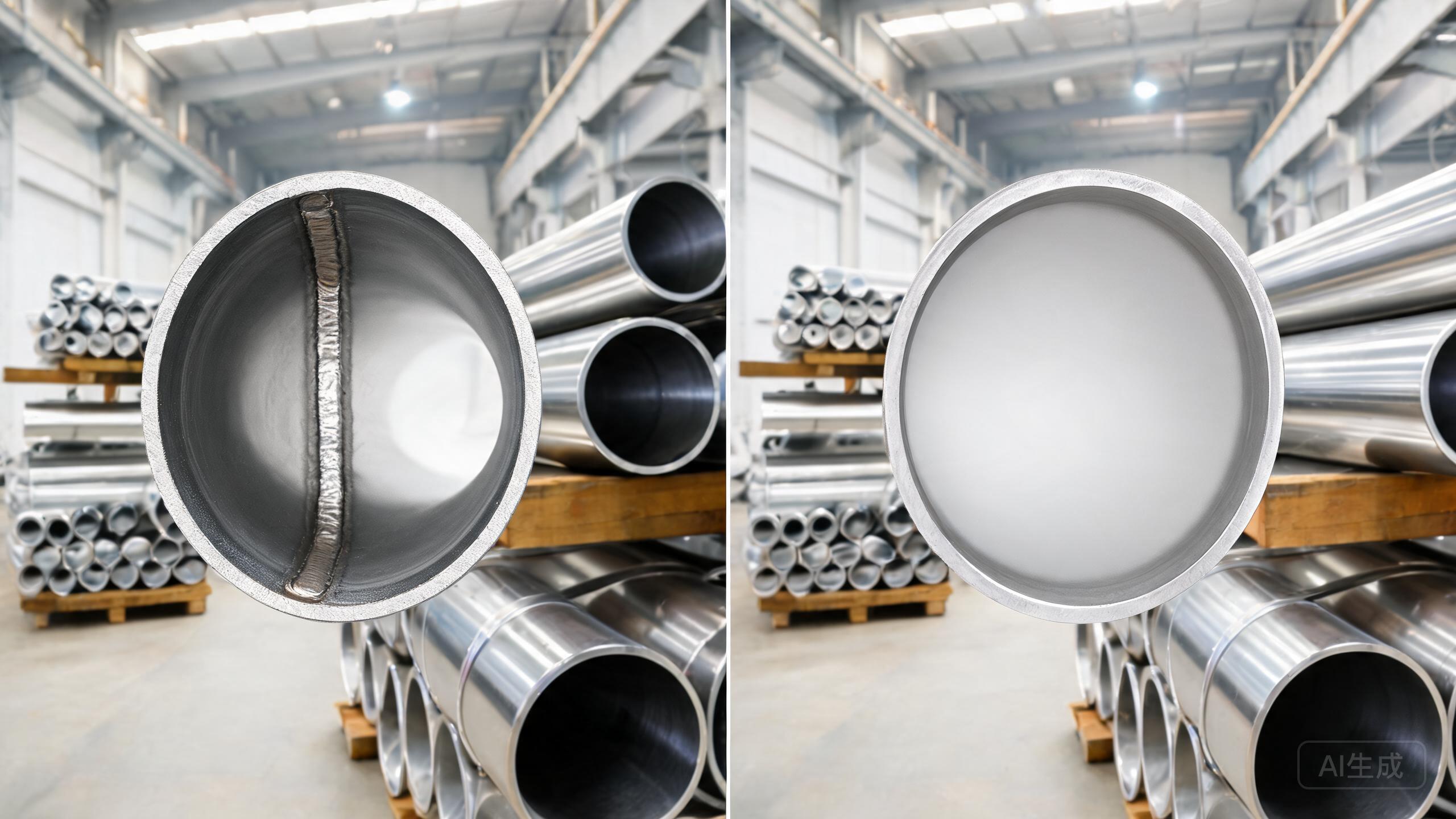
针对压力、工艺、机械和卫生应用,对比有缝(ERW / 焊拔)与无缝不锈钢管和管材的选型要点与取舍。
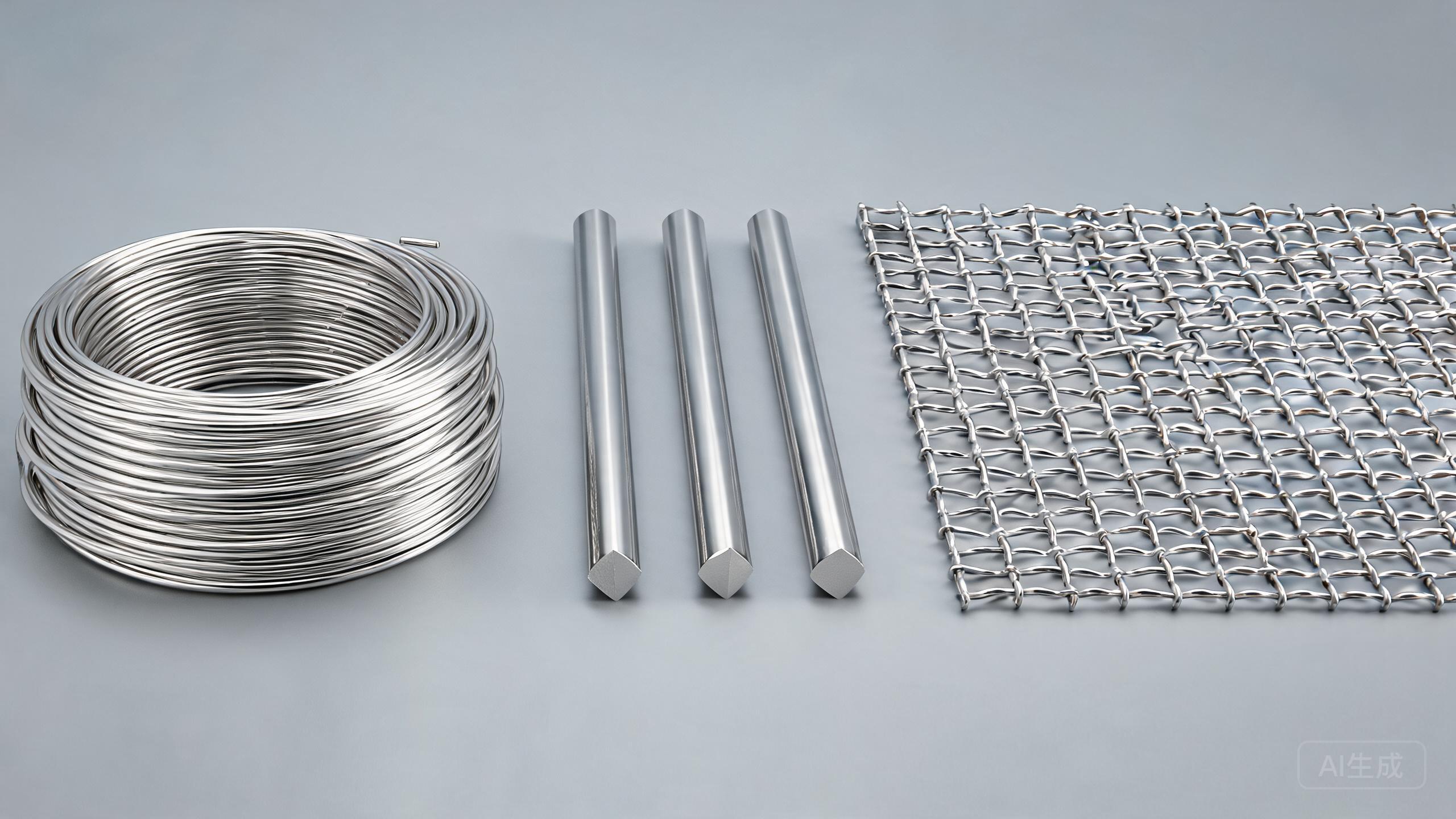
不锈钢丝系列采购指南:302/304 通用型、301 高强度弹簧型、316 船用型、430 磁性型以及 631 / 17-7PH 弹簧线。
什么时候从 316L 升级到超级奥氏体牌号,用于硫酸、海水、洗涤塔和海上工艺管道,含 PREN 指标参考。
在选择 304 和 304L 不锈钢时,了解碳限制、焊接、晶间腐蚀和双重认证。
比较用于装饰面板、厨具和成型产品的 201 和 304 不锈钢,而不要仅根据价格进行选择。
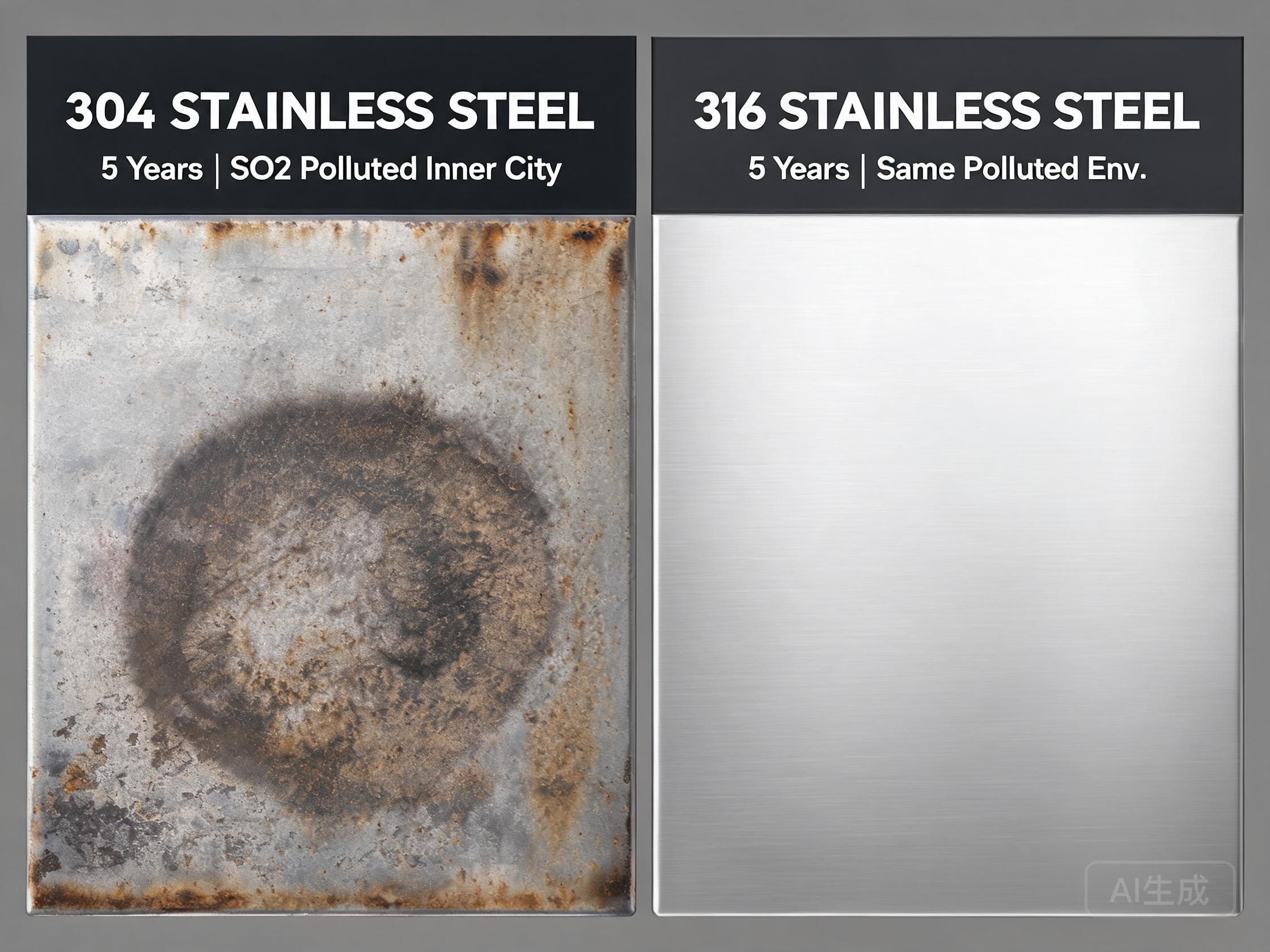
Atmospheric corrosion of cold rolled stainless steel in urban environments. SO2 and NOx levels, annual corrosion rates for 304 vs 316, and how pollution maps determine your grade.
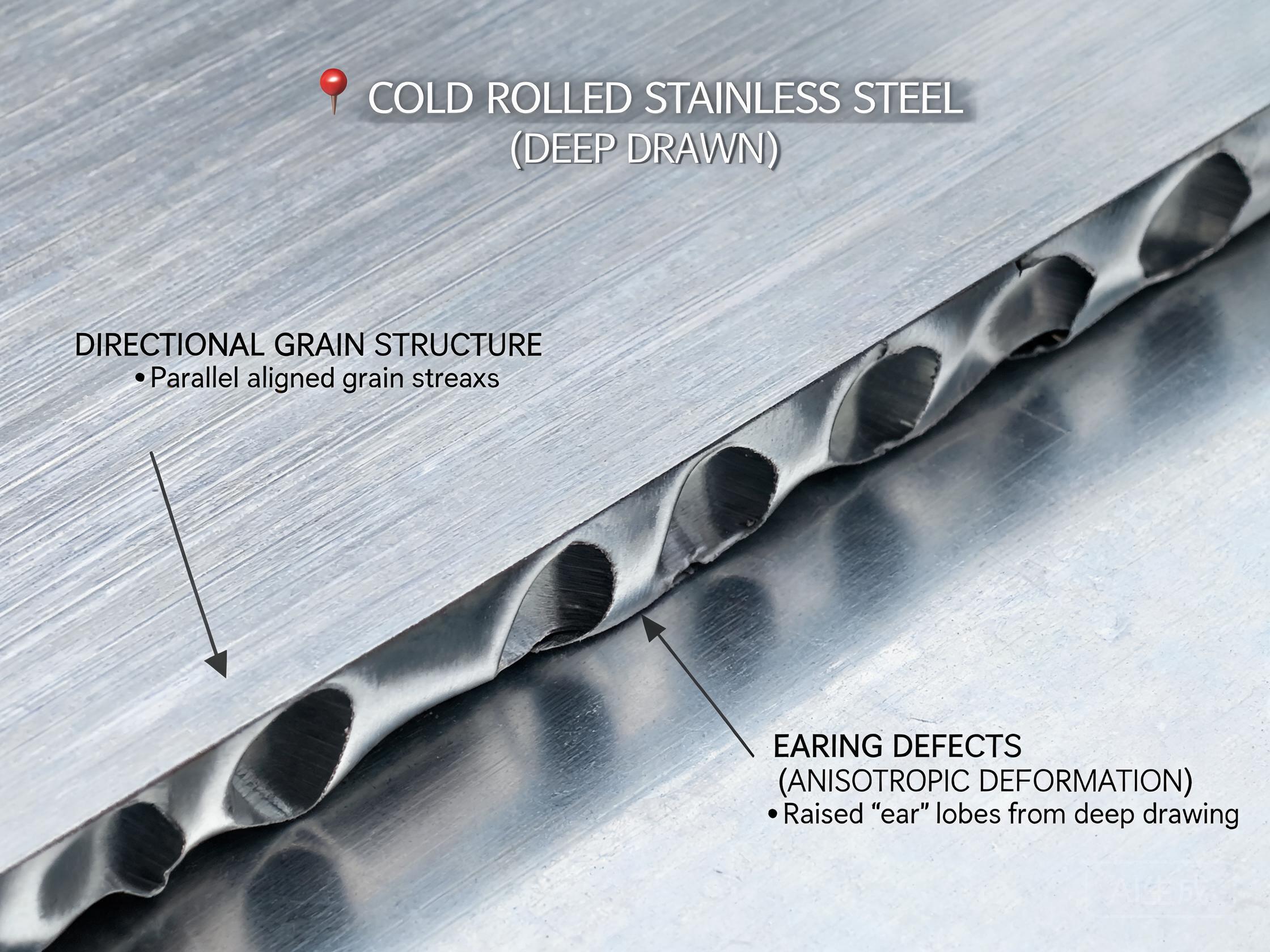
Planar anisotropy Δr in stainless steel explained. Why 301 and 201 show more earing than 304L, how anisotropy creates feather edges during stamping, and what to specify on the RFQ.
以买家为中心的指南,介绍用于炊具、食品设备和储存容器的 304、316、430 和其他不锈钢牌号。
了解为什么退火 304 通常磁性较弱,以及为什么冷轧、成型和焊接可以增加磁性响应。
从钼含量、耐氯化物腐蚀、成本、加工性能和应用场景出发,实用对比 304 与 316 不锈钢。
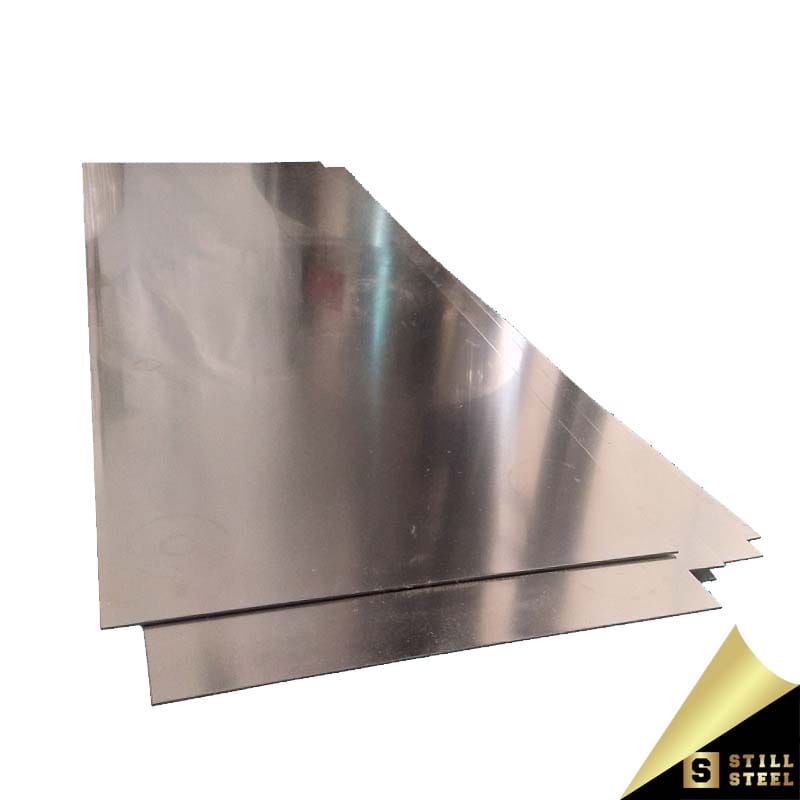
为什么不锈钢会产生锈斑,以及买家如何防止污染、茶渍、点蚀和与制造相关的腐蚀。
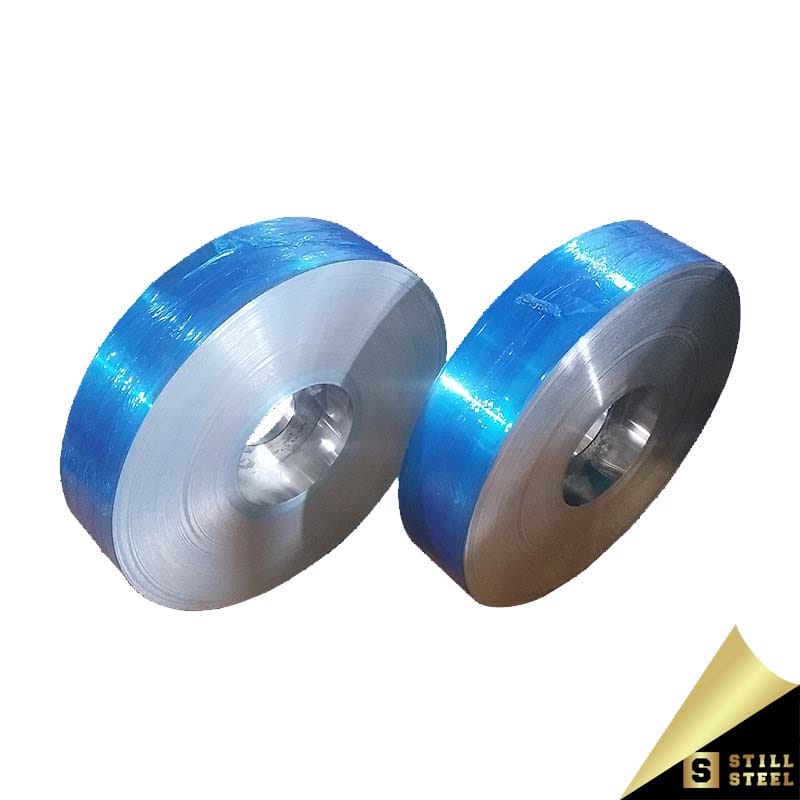
根据功能和结构,为炊具主体、电磁炉底座、盖子和手柄选择 304、316 或 430 不锈钢。
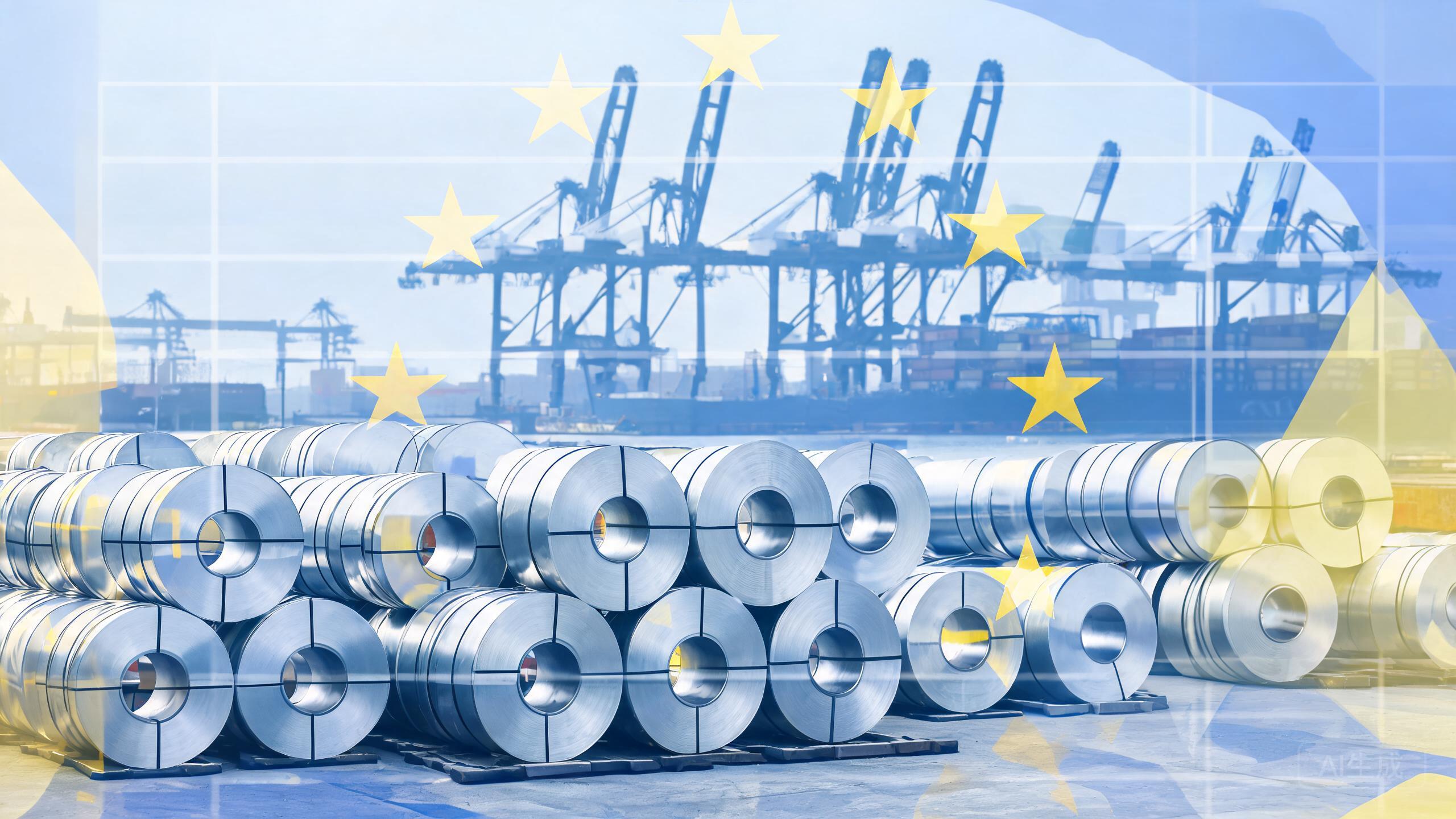
欧盟碳边境调节机制(CBAM)已从申报转为实打实的进口成本。本文讲清 2026 年的收费节奏、默认值与核查瓶颈,以及对不锈钢采购商意味着什么。
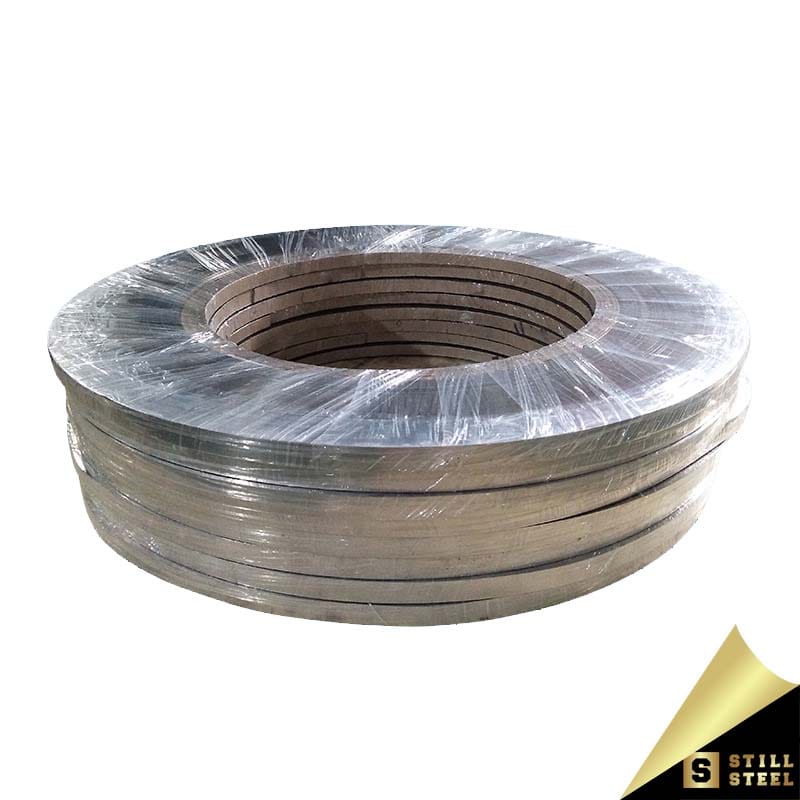
了解不锈钢板材、分切带材、定制饰面和工厂生产的最小订购量和交货时间。
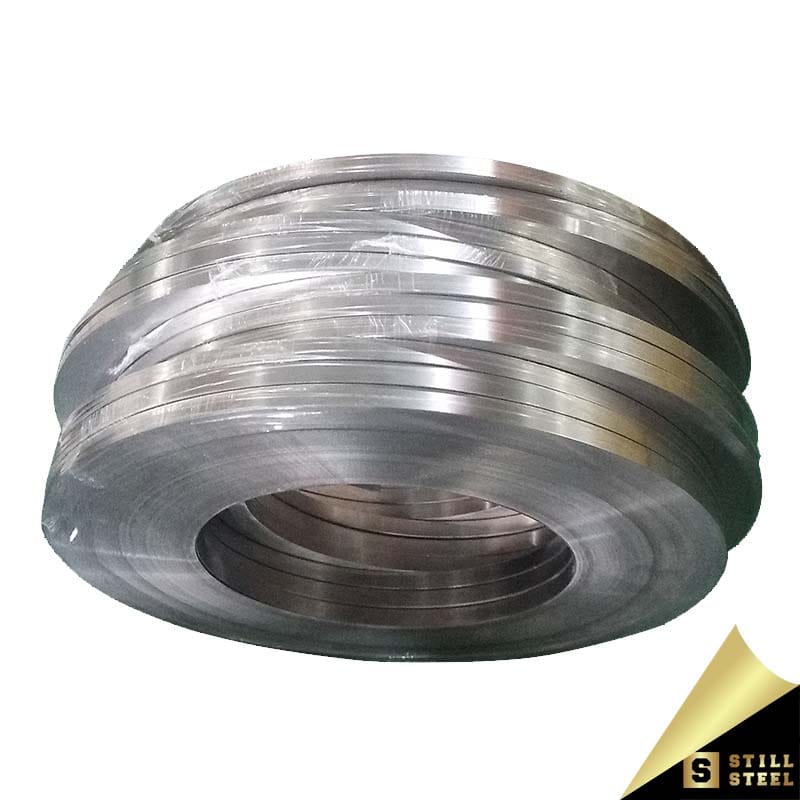
比较不锈钢铣边、切边和修边,包括毛刺、宽度公差和下游安全。
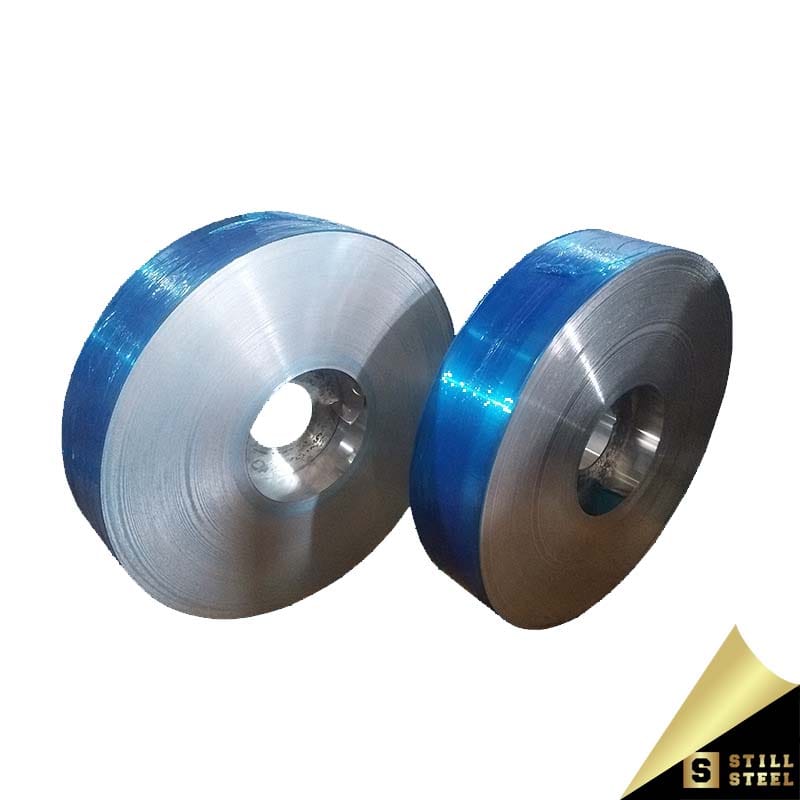
选择和管理不锈钢激光切割、弯曲、刷涂、运输和户外存储的保护膜。
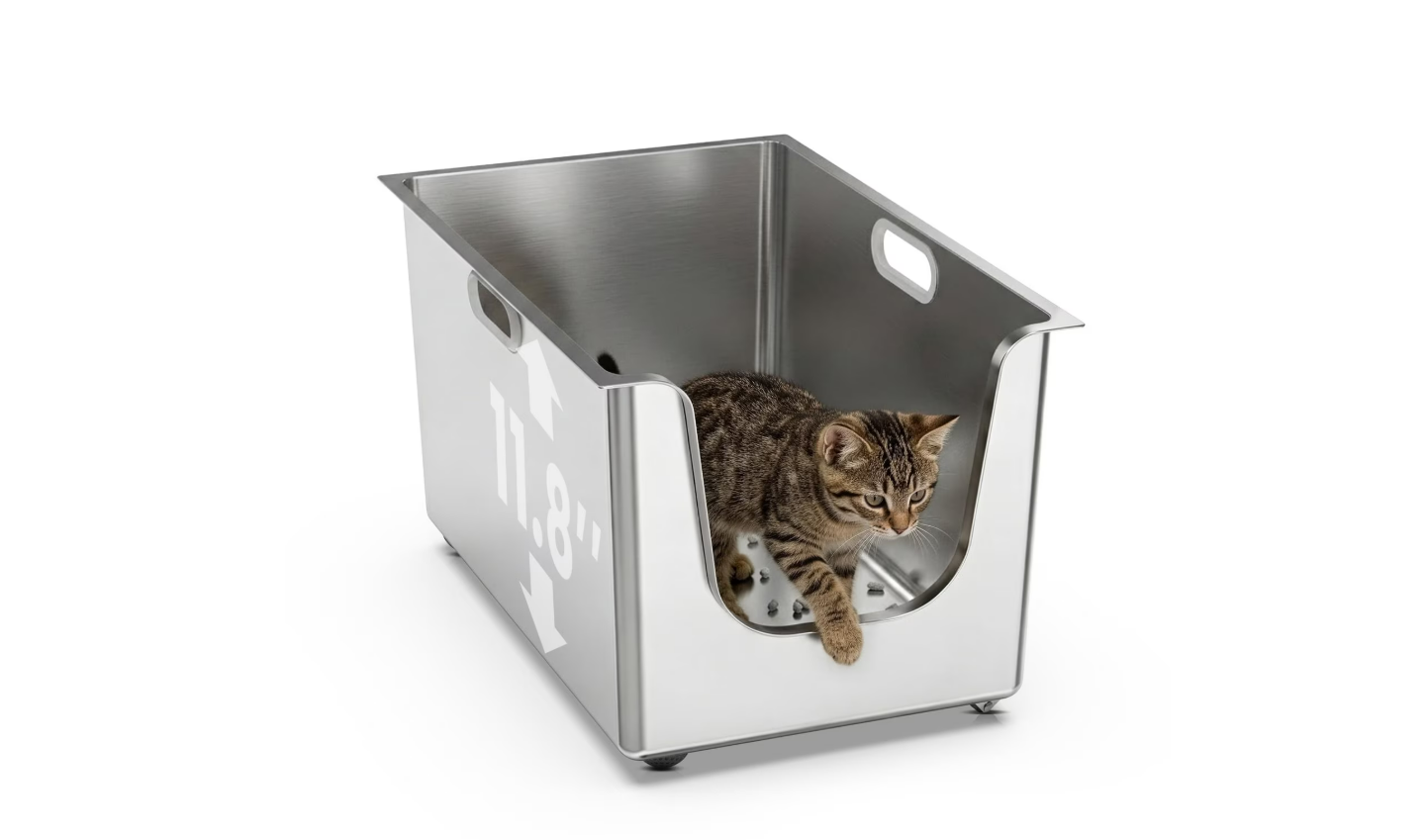
针对宠物用品的不锈钢与塑料正面对比——气味、污渍、细菌、清洁难度与耐用性——以 Reddit 上真实铲屎官的声音为依据,并解释塑料为何无法保持洁净。
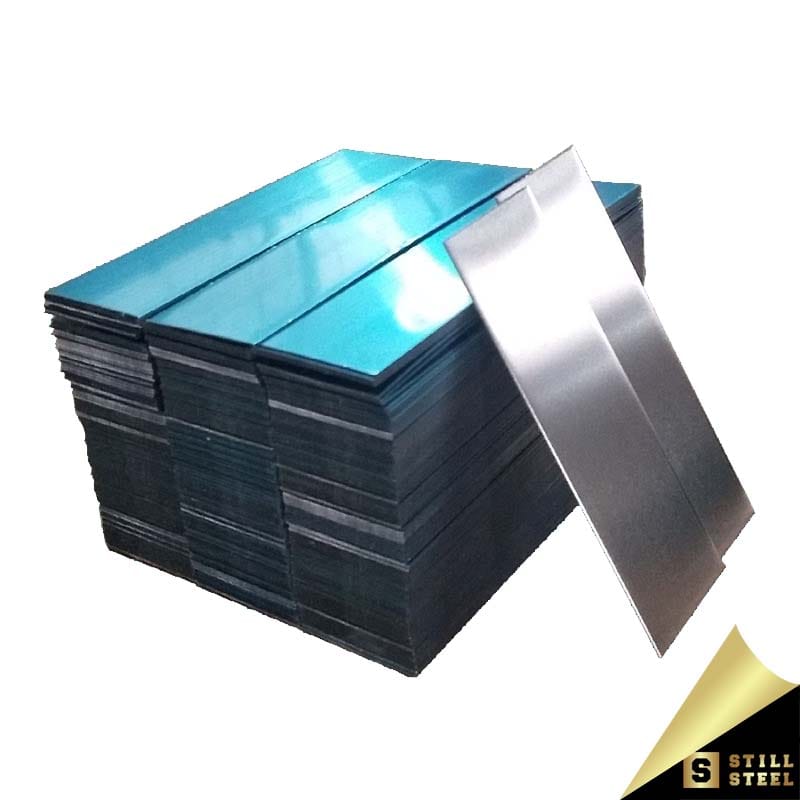
诊断从铣削到制造和包装的不锈钢划痕、凹痕、线圈组、波纹度和平整度问题。
了解不锈钢的 EN 10204 3.1 检验证书、炉号、化学成分、机械结果和文件检查。
8月中国不锈钢排产369.14万吨创年内新高、300系增7.41%,印尼因接单不足减产12.7%;中印尼产能剪刀差扩大,8月中—9月上旬为买方议价窗口。
POSCO拟对马来西亚不锈钢冷轧卷提反规避申诉,最快8月底—9月初提交;中国原料经马来加工输韩的通道面临追溯征税,转口风险陡升。
太钢 7,895、青山 8,095,八月高碳铬铁钢招双双再降 200 元/50 基吨。430 冷轧却纹丝不动——这中间的差额,就是你的议价空间。
印尼一条没落地的镍矿配额传闻,四天里把沪镍从 132,650 元/吨推上去、又砸到 128,230 元/吨。304 报价怎么守?
8 月中国不锈钢排产 369.14 万吨创同期新高,但社库 108.70 万吨先降,出口报价上调约 30 美元/吨。成本推价而非需求回暖,8 月中旬前是相对舒服的采购窗口。
日本对原产中国大陆及中国台湾的含镍冷轧不锈钢征临时反倾销税,最高 42.1%,终裁 2026-11-21。采购方需锁定 11 月 8 日前到港窗口或切换越南、韩国产地。
通过可追溯性、MTC 审查、XRF 或 OES 测试来验证不锈钢牌号,而不是依赖磁铁和外观。
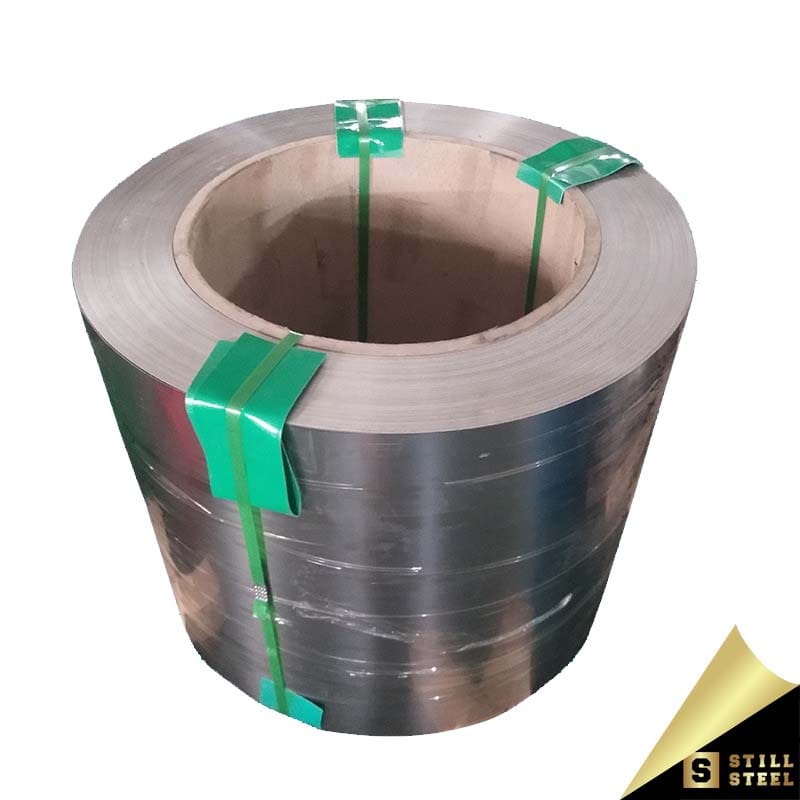
在出口过程中保护不锈钢卷材、带材和板材免受海水、冷凝、边缘损坏、伸缩和表面划痕的影响。
自 2026-07-01 起,欧盟钢铁保障收紧:超配额关税翻倍至 50%,总配额削减约 47% 至 18,345,922 吨。中国冷轧配额仅 40,431 吨、热轧 9,515 吨。对欧直发请抢每季度前两周清关。
太钢、青山八月高碳铬铁采购价各降二百元。430、409 的成本松了一口气。做铁素体不锈钢的,这周是个锁货的好时候。
印尼 ESDM 确认 2026 年 RKAB 镍矿配额锁在 2.5–2.6 亿吨、不全国加量。镍铁偏紧价格坚挺,304 冷轧成本底部上移。宜锁 304 原料或报浮动价,趁铬铁走弱推 430/409。
了解不锈钢焊接热色调、铬消耗、屏蔽、吹扫和焊后清洁。
计划不锈钢激光切割、焊接、抛光和刷涂,并采用正确的等级、表面处理、薄膜和制造后清理。
根据牌号、镍稳定性、回火、厚度、润滑、模具和拉伸比选择用于深拉的不锈钢。
比较用于排气装置、烤箱、加热器和高温部件的 409、410、439、441 和更高合金不锈钢。
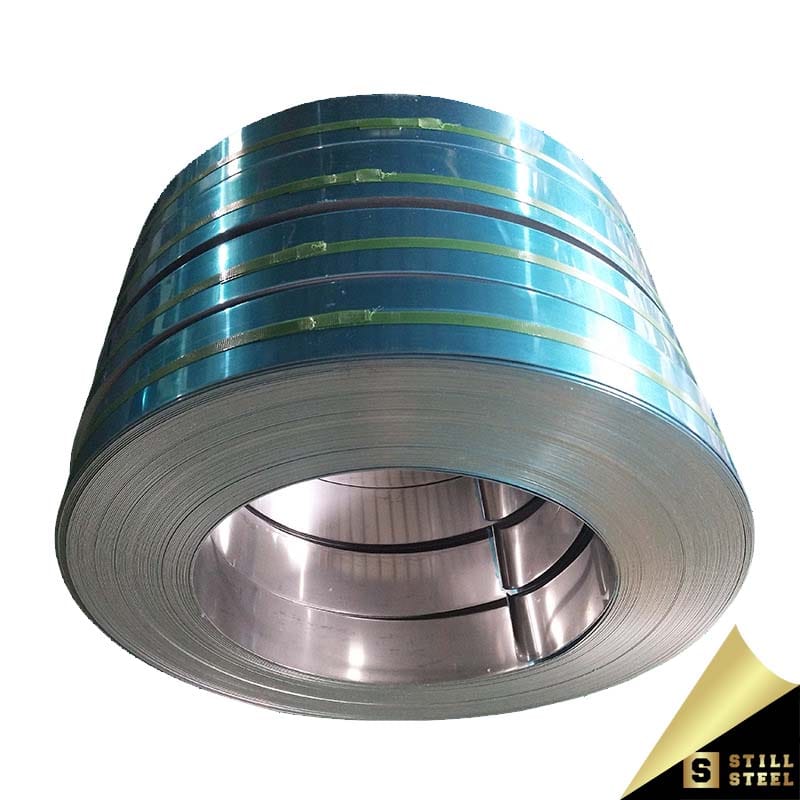
为电器面板、内衬、水槽、外壳和感应组件选择 304、430 和铁素体不锈钢。
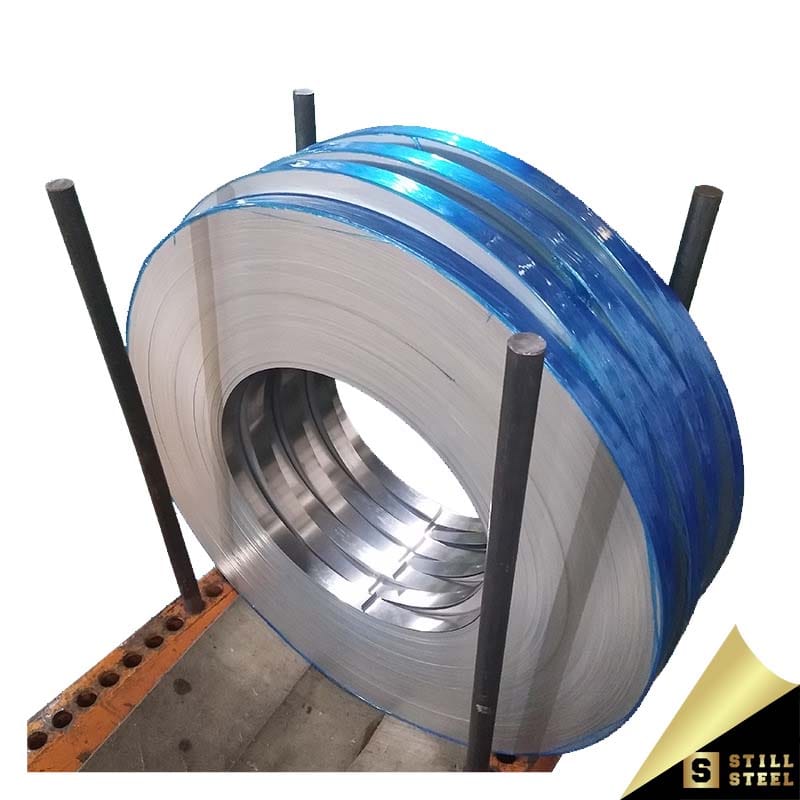
根据氯化物水平、飞溅、浸泡、表面处理、设计和维护,选择用于沿海和海洋暴露的不锈钢。
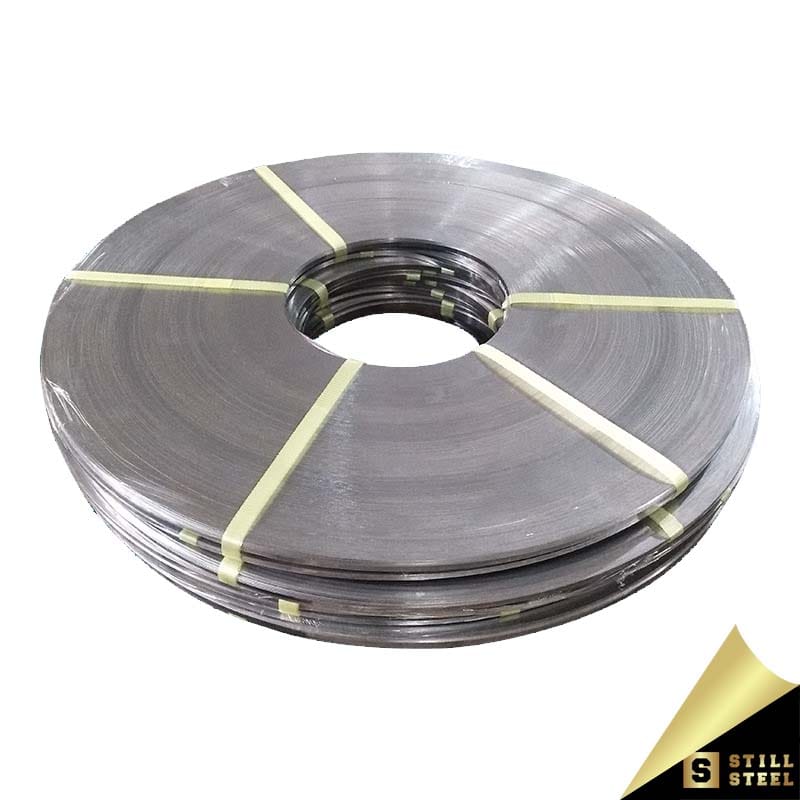
不锈钢厚度、狭缝宽度、平整度、弯度和毛刺公差如何影响冲压、滚压成型和采购。
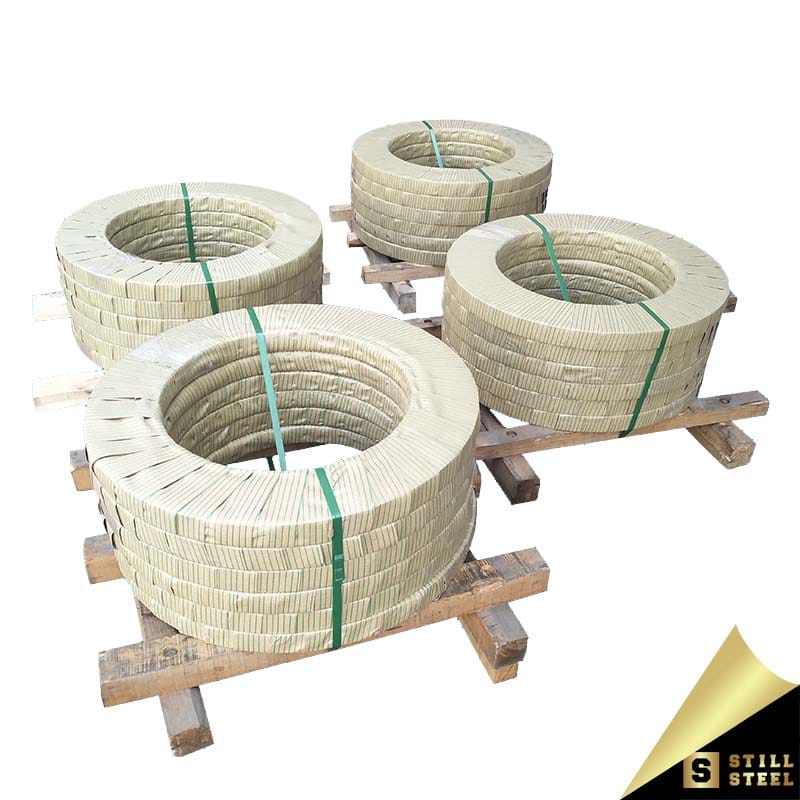
发送完整的不锈钢询价,其中包含等级、形状、尺寸、光洁度、公差、边缘、包装、证书和应用详细信息。
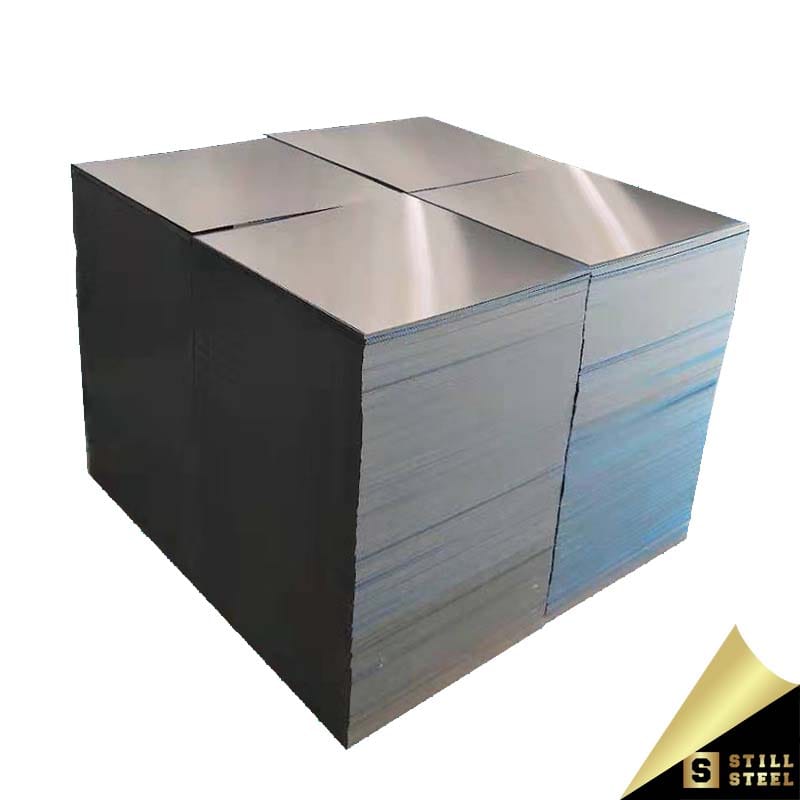
根据厚度、宽度、长度和密度计算理论不锈钢重量,并提供板材和带材采购示例。
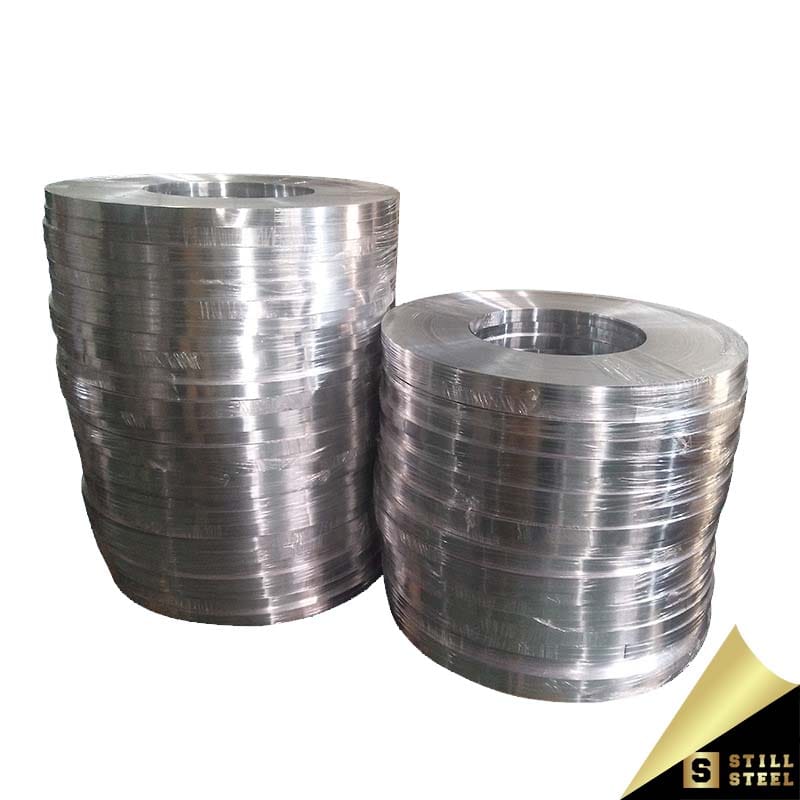
在索取报价之前,请了解不锈钢卷材、薄板、板材和带材之间的商业差异。
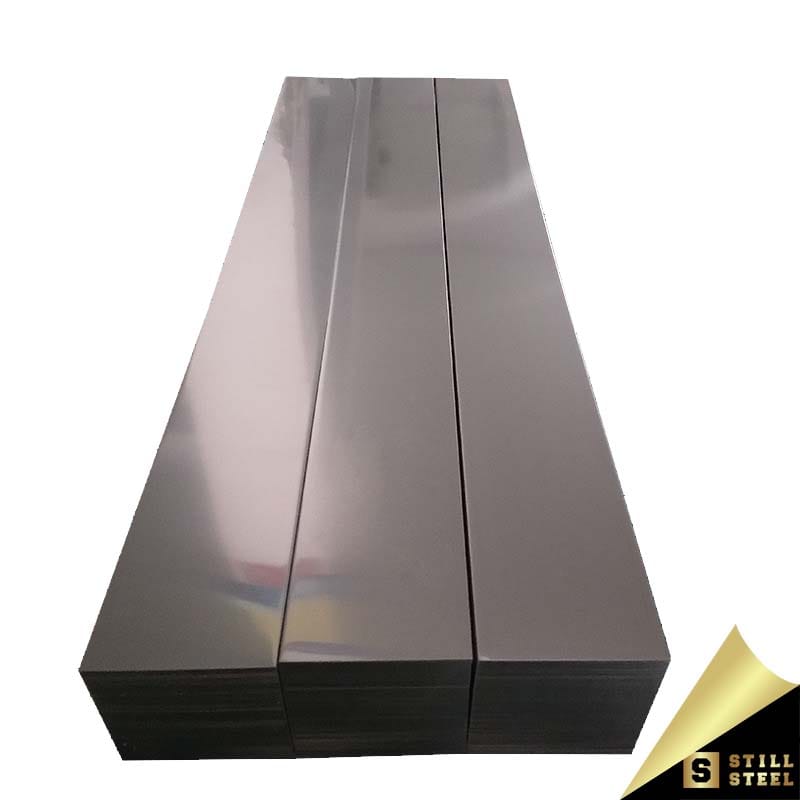
使用跨度、成型、刚度、重量、公差和制造测试来选择不锈钢板材厚度的实用方法。
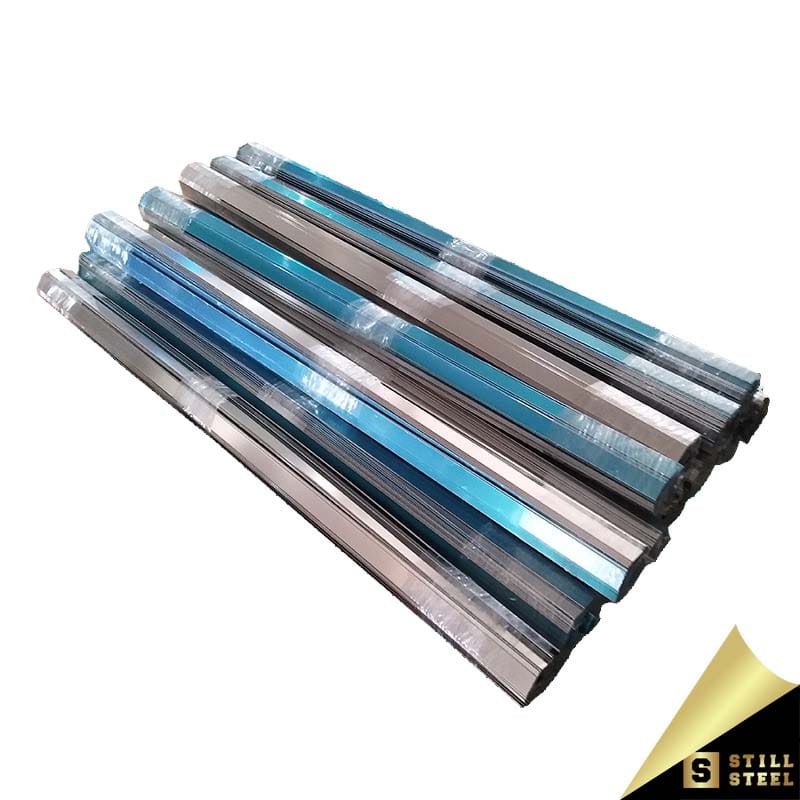
通过外观、工艺、应用和采购控制比较 2B、BA、4 号拉丝和镜面不锈钢饰面。

到2025年,中国十大钢铁集团将实现粗钢产量,为国际买家提供历史、业绩、优势和实践指导。
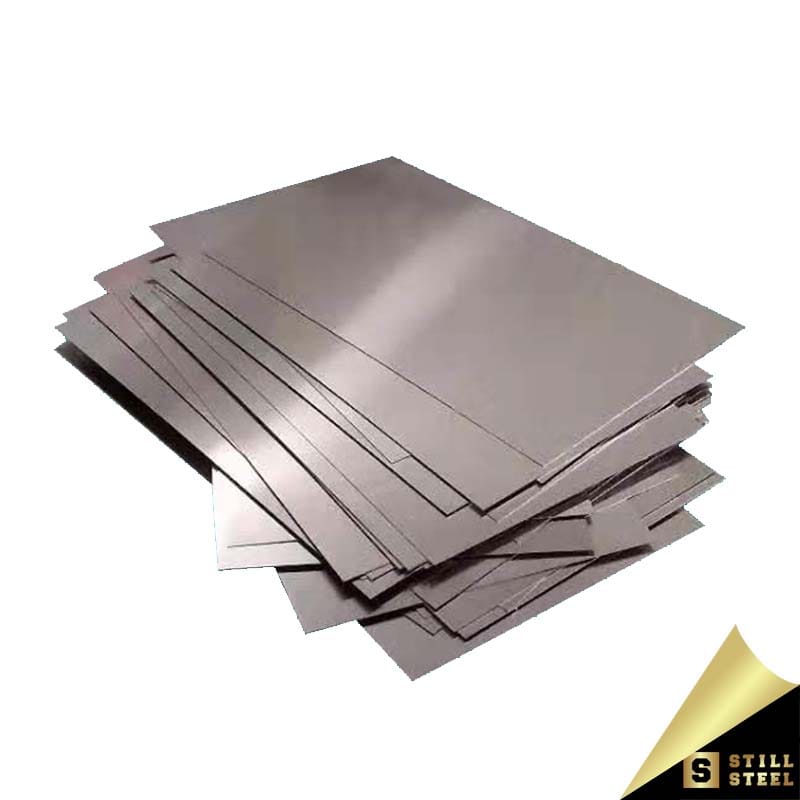
了解 18/8、18/10 和 18/0 对餐具和炊具的含义,以及为什么买家仍然需要公认的不锈钢牌号。
到2025年,全球十大钢铁生产商的粗钢产量及其历史、业绩、产品优势和采购相关性。
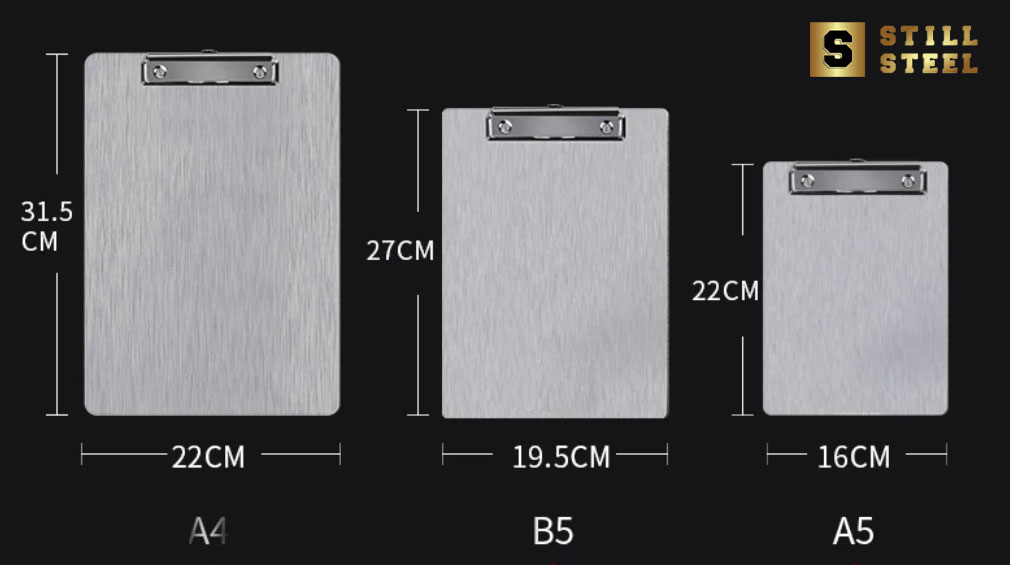
选择 1.0 毫米或 1.2 毫米不锈钢作为剪贴板,解决锋利边缘、薄弱夹子、薄膜困住、凹痕和磁性等级混乱的问题。
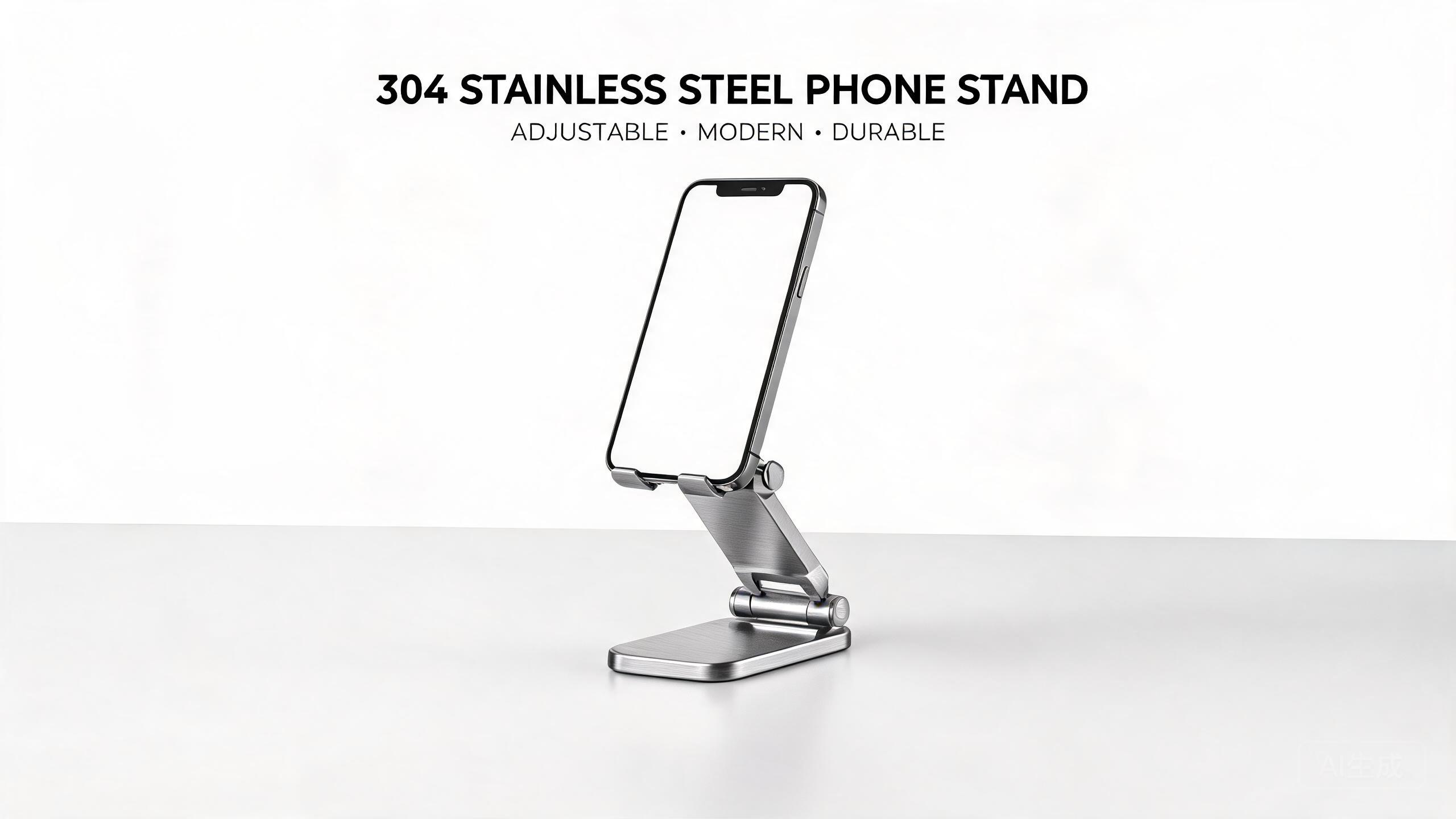
由 1.2 毫米 304 不锈钢制成的激光切割手机支架展示了低最小起订量数字制造如何将金属板材转变为可定制的消费品。

测试
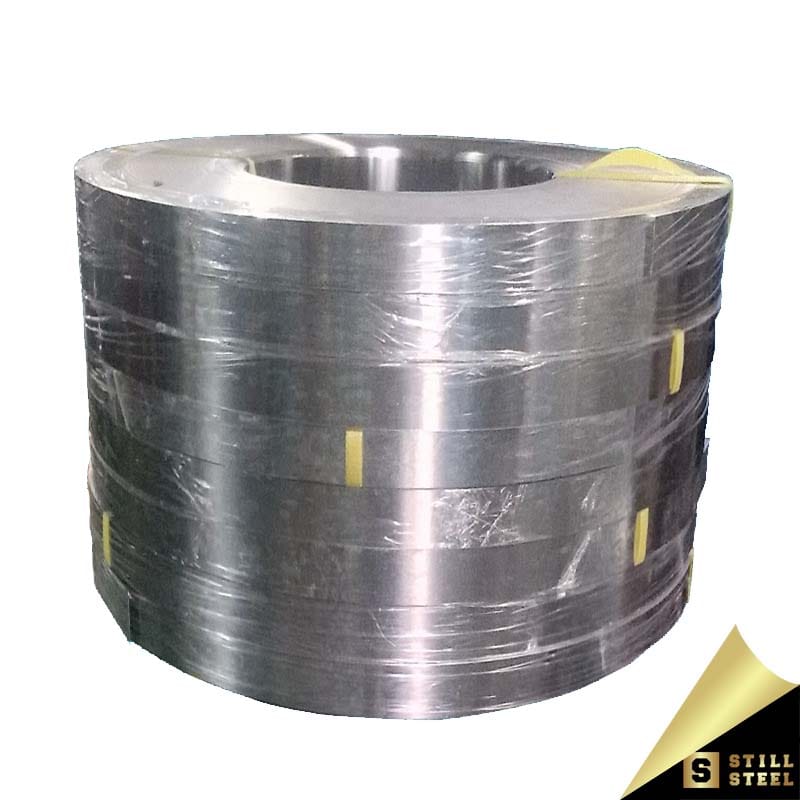
4116不锈钢,全称DIN 1.4116,是德国标准马氏体不锈钢,属于切削工具的制造原材料。其硬度、...
作为一种可以通过热处理调整材料性能的不锈钢,马氏体不锈钢是一种可淬硬的不锈钢。马氏体组织的特点...
今天,应客户邀请,参观了第十六届(2023)国际光伏发电与智慧能源大会。从事该行业20多年...
从中国进口不锈钢可以带来好处,原因有很多。当然,我们不会说,因为我们从中国出口不锈钢。 以下是一些...
中国是全球最大的不锈钢生产国和消费国,占全球产量和消费量的50%以上。中国不锈钢行业已...
不锈钢在加工过程中容易受到污染和划痕,这会损害其表面完整性。为了解决这个问题,可以在...上贴一层保护膜。
AISI 304 不锈钢(UNS S30400、SS 304) AISI 304 不锈钢(UNS S30400)是使用最广泛的不锈钢,含有 18-20% Cr 和 8-10.5% Ni,也被称为...
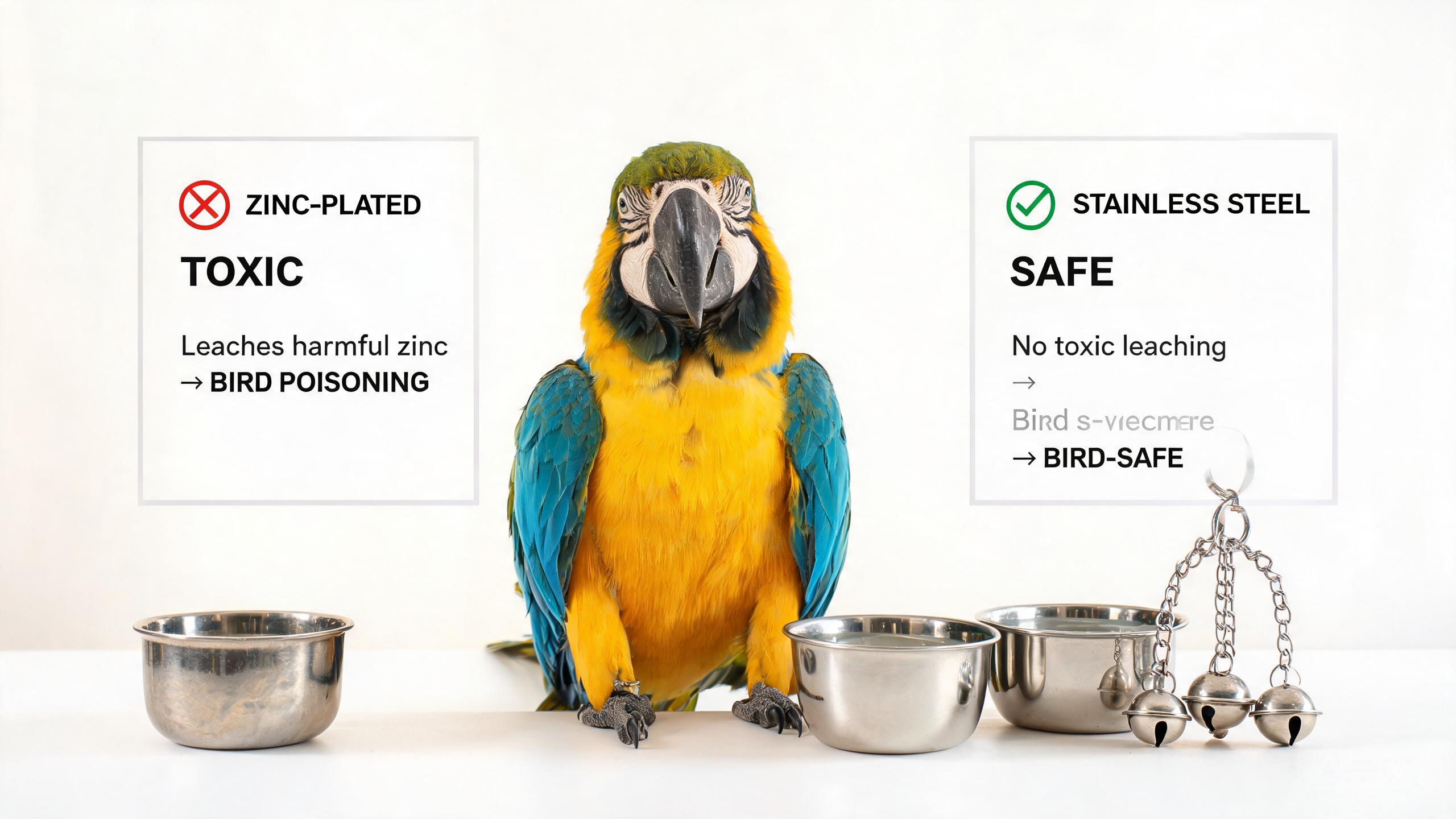
锌的主要用途是在镀锌过程中对铁或钢进行涂层以防止生锈。锌可以保护钢和铁不生锈,它也溶解在酸水溶液中......
不锈钢是一种通用材料,常用于从家居用品到工业设备等各个行业。然而,选择正确等级的不锈钢...
氩弧焊是一种常见的焊接方法,使用氩气保护的电弧将两个金属零件焊接在一起。在氩气的保护下,氧气在...
鱼鳞焊是一种因其焊接表面呈鱼鳞状而得名的焊接工艺。该过程包括选择焊接点、为其通电、用焊枪产生电弧……
焊接变形是生产中非常常见的缺陷。我们来看看如何控制焊接变形: 选择合理的焊缝尺寸:根据焊缝尺寸...
不锈钢隔墙由于其耐用性、美观性和多功能性而在现代室内设计中越来越受欢迎。它们广泛应用于...
从中国进口不锈钢可以带来好处,原因有很多。以下是人们可能选择从中国进口不锈钢的一些主要原因
No posts in this catalog yet.