
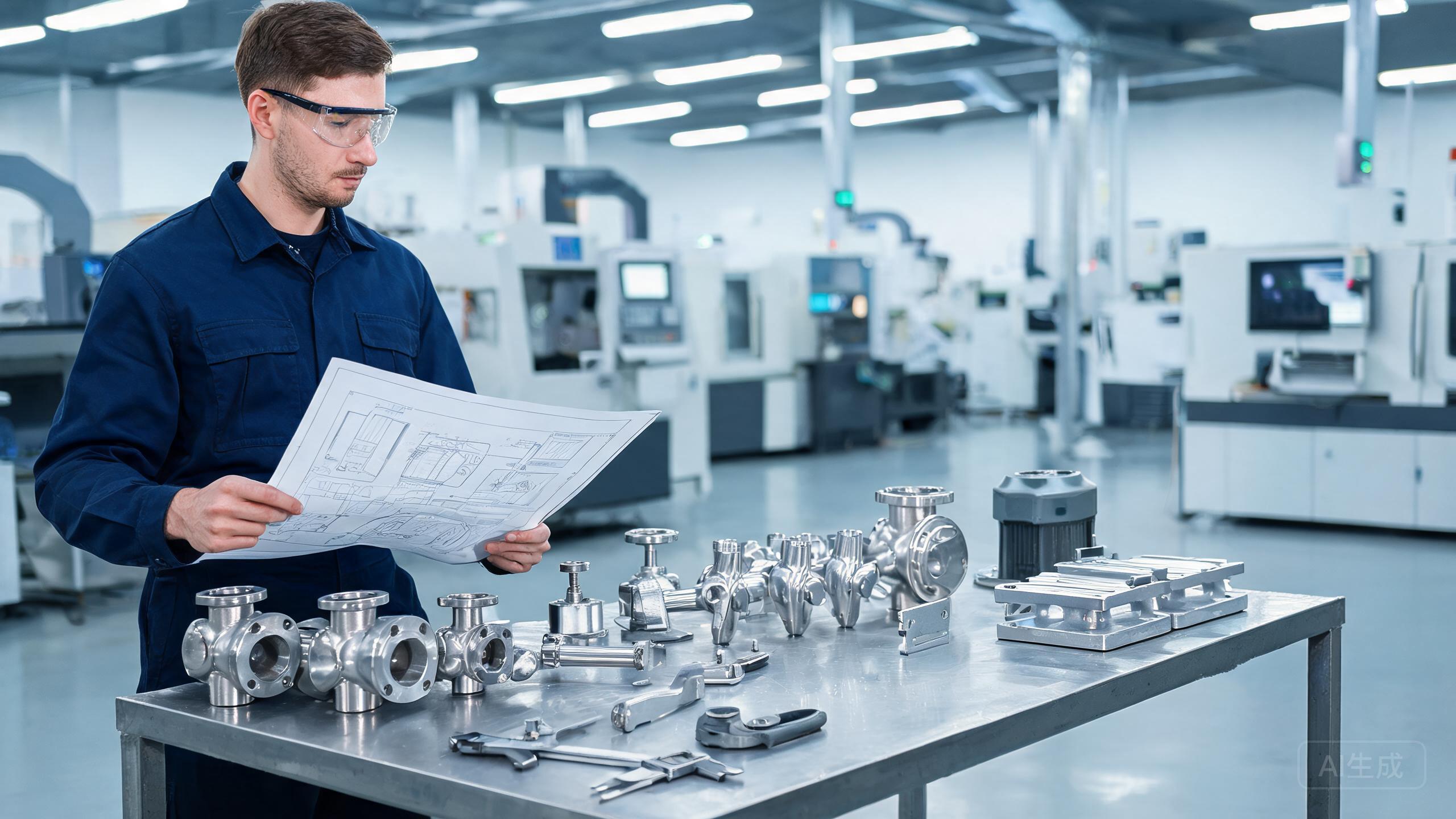
Short answer: Custom stainless steel equipment spans OEM (buyer owns design and IP, supplier builds to print), ODM (supplier adapts a standard base platform to the buyer’s brand) and bespoke turnkey builds. A robust project includes a signed NDA, formal drawing and BOM handover, prototype or pre-production validation, agreed acceptance tests, and milestone payments tied to measurable deliverables rather than elapsed time.
This guide is written for stainless steel buyers, sourcing teams, engineers and product manufacturers. The purpose is not to declare one universal winner, but to turn a broad material question into a specification that a mill or service center can quote, process and inspect consistently.
Quick Comparison
| Option | Key point | Typical use or decision |
|---|---|---|
| OEM build-to-print | You supply 100% drawings, BOM and IP | Proprietary machines, regulated devices |
| ODM white-label | Partner provides base design + minor customization | Standard tanks, conveyors, cabinets, skids |
| Turnkey design + build | Supplier engineers from concept to FAT | New product development, custom automation |
The table is a starting point. Actual performance depends on the governing standard, delivered condition, dimensions, surface finish, fabrication route and service environment. Commercial names should never replace a complete purchase specification.
What Buyers Should Evaluate
- Define who owns each layer of IP: tooling, process parameters, drawings, test data.
- Plan a FAT (Factory Acceptance Test) protocol before PO award; otherwise the shipment date is subjective.
- Agree to an escalation path for drawing deviations and non-conformances, including maximum cost and lead-time impact per category.
For production orders, share the end use rather than requesting a grade or finish in isolation. A supplier can then review corrosion exposure, forming severity, welding, visual requirements and packing before material is cut. This early review is usually less expensive than correcting a rejected shipment or unstable production trial.
Common Purchasing Mistakes
- Sending a render or marketing sketch and expecting the fabricator to engineer for free
- Awarding the job on lowest price and then discovering the metal thickness, weld quality or passivation step was silently dropped
- Paying 100 % upfront before FAT, losing leverage when a non-conformance appears
These mistakes are avoidable when drawings, approved samples, inspection methods and certificate requirements are agreed before production. For visual products, retain a signed master sample. For functional dimensions, define where and how measurements will be taken. Before sending your specification, work through a stainless steel RFQ checklist to avoid missing acceptance and certificate details.
Recommended RFQ Wording
Describe the device briefly, reference project phase (concept, prototype, pre-prod, serial), OEM vs ODM vs turnkey, deliverables list (drawings, BOM, 3D model, FAT report, MTRs, CoCs), NDA requirement, compliance codes (CE, FDA, PED, etc.), milestone schedule and payment schedule. When evaluating overseas fabricators, also weigh whether China is the right sourcing base for your program.
Also include order quantity, acceptable quantity variation, destination, required delivery date and whether partial shipments are allowed. If a requirement is critical, make it measurable and place it on the purchase order rather than only in an email conversation.
How Still Steel Supports the Project
Still Steel supplies stainless steel coil, strip and sheet and provides slitting, cut-to-length, brushing, polishing and protective-film services. We can compare available mill material with your drawing, prepare trial quantities and preserve heat-number traceability through service-center processing.
Send the grade, dimensions, annual volume and application to vip@still-steel.com, or discuss the requirement on WhatsApp.
Frequently Asked Questions
When should I choose ODM over OEM for a custom stainless machine?
Choose ODM when the partner owns a mature base design you can brand and slightly modify. Choose OEM when you own the IP, drawings and assembly logic, and simply need a trusted fabricator to execute.
What drawing format should I send to a stainless fabricator?
PDF + 3D STEP or Iges is a minimum; DXF for flat parts and weldment GA with weld symbols and BOM is ideal. Include tolerances, surface, passivation and certificate requirements on the drawing, not only in email.
Is a trial lot of 5–20 pieces considered a prototype or production?
Treat it as a pre-production validation stage with written acceptance criteria, not a “sample” in the free sense. This protects drawings, sets expected yield, and avoids ambiguous expectations on both sides.
Technical References
Reference documents support general selection and fabrication principles. The final material decision must follow the applicable contract, standard, regulation and engineering review for the specific product.