
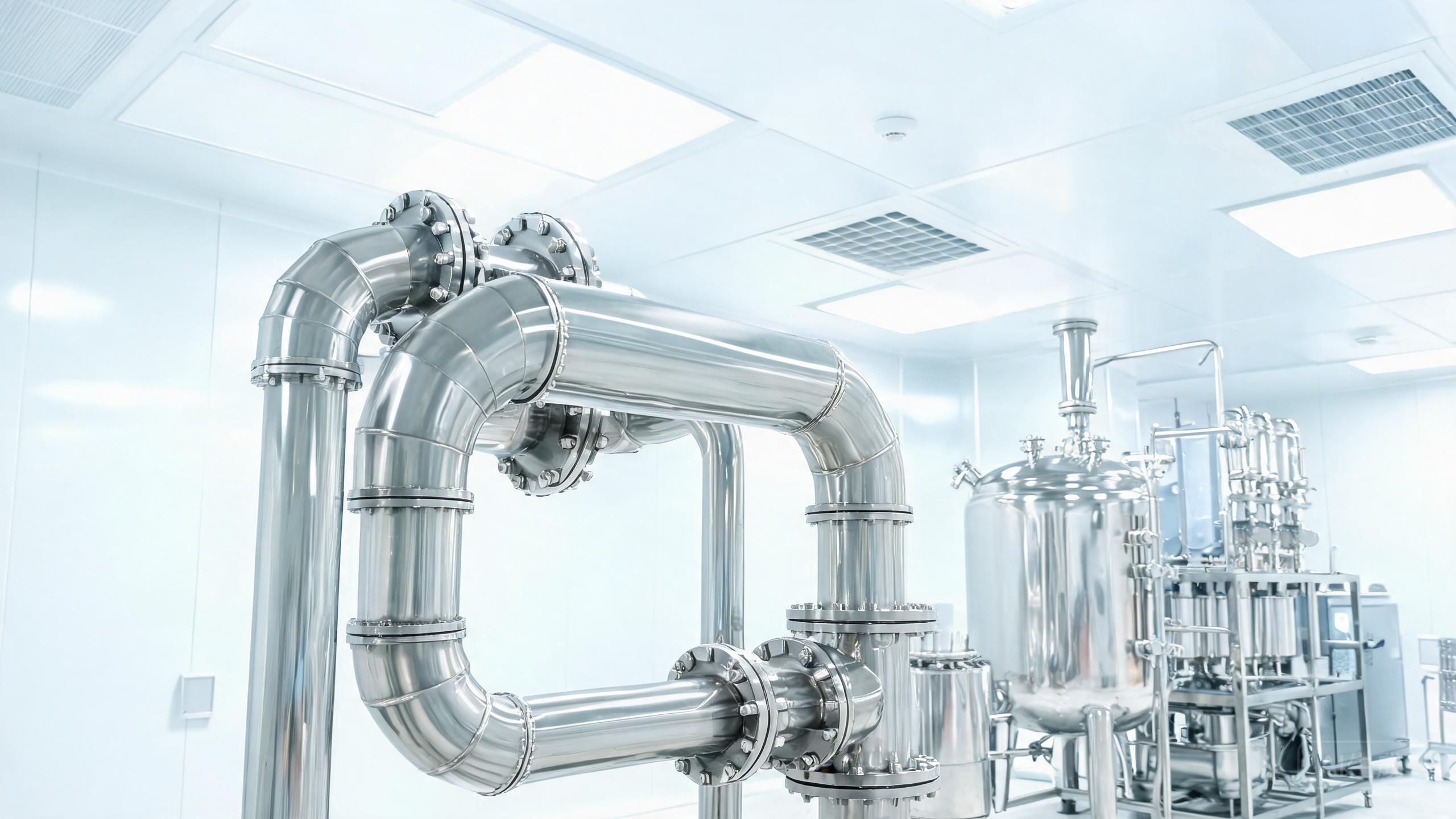
Short answer: Pharmaceutical and biotech process equipment uses 304L or 316L austenitic stainless (the “L” variant for low carbon and weldability), paired with mechanically polished or electropolished surfaces to a defined Ra/Rz, hygienic clamp or orbital weld joints, and a documented passivation, cleaning and validation workflow. The project design code is usually ASME BPE in the Americas, EHEDG in Europe, and 3-A Sanitary Standards for food/pharma crossover.
This guide is written for stainless steel buyers, sourcing teams, engineers and product manufacturers. The purpose is not to declare one universal winner, but to turn a broad material question into a specification that a mill or service center can quote, process and inspect consistently.
Quick Comparison
| Option | Key point | Typical use or decision |
|---|---|---|
| 304L + 2B or mechanically polished | Non-contact, support frames, CIP return where corrosion is mild | Non-product utilities, skid frames, machine chassis |
| 316L mechanical polish Ra ≤ 0.8 μm | Standard process contact | Tanks, piping, mixers, CIP supply |
| 316L electropolished Ra ≤ 0.5 μm | High-purity and cleanability focus | Bioreactors, sterile fill lines, high-purity water |
| 316L EP Ra ≤ 0.25 μm + autoclavable | Most demanding aseptic service | Injectable product contact, isolation systems |
The table is a starting point. Actual performance depends on the governing standard, delivered condition, dimensions, surface finish, fabrication route and service environment. Commercial names should never replace a complete purchase specification.
What Buyers Should Evaluate
- Reference the applicable design code (ASME BPE, EHEDG, 3-A) and the part classification (product contact, non-product, utility).
- Define the CIP/SIP regime: chemicals, temperatures, cycle count and cleaning validation acceptance criteria.
- Require a material dossier: melt chemistry, heat number, passivation record, surface-roughness test points and any USP Class VI or extractables data needed.
For guidance on choosing between grades and finishes for hygienic contact, review our comparison of food-contact stainless steel grades and the practical breakdown of stainless steel surface finishes and Ra targets before locking your specification.
For production orders, share the end use rather than requesting a grade or finish in isolation. A supplier can then review corrosion exposure, forming severity, welding, visual requirements and packing before material is cut. This early review is usually less expensive than correcting a rejected shipment or unstable production trial.
Common Purchasing Mistakes
- Specifying 304L contact parts “to save money” without evaluating CIP chemical or product chloride risk
- Setting a Ra number without a measurement method, probe tip or cutoff length; different profilometers return different Ra values
- Skipping a weld-end, gasket or clamp standard and then finding incompatible tube ends during site installation
These mistakes are avoidable when drawings, approved samples, inspection methods and certificate requirements are agreed before production. For visual products, retain a signed master sample. For functional dimensions, define where and how measurements will be taken.
Recommended RFQ Wording
List alloy (304L or 316L preferred, UNS number), sanitary-tubing or piping standard, surface roughness target, measurement method and number of test points, weld-end type (TC, clamp, bevel, orbital prep), passivation and cleaning standard, and the dossier deliverables (material test report, passivation cert, surface profile report, inspection history).
Also include order quantity, acceptable quantity variation, destination, required delivery date and whether partial shipments are allowed. If a requirement is critical, make it measurable and place it on the purchase order rather than only in an email conversation.
How Still Steel Supports the Project
Still Steel supplies stainless steel coil, strip and sheet and provides slitting, cut-to-length, brushing, polishing and protective-film services. We can compare available mill material with your drawing, prepare trial quantities and preserve heat-number traceability through service-center processing.
Send the grade, dimensions, annual volume and application to vip@still-steel.com, or discuss the requirement on WhatsApp.
Frequently Asked Questions
Is 316L mandatory in pharmaceutical equipment?
Not universally, but 316L is the default for contact parts where chloride, CIP chemicals, or acidic/buffered products are used. 304L is acceptable for some clean utility, support and non-contact structures under a documented risk review.
What Ra value is standard for a sanitary surface?
Common targets are Ra ≤ 0.8 μm for general process, Ra ≤ 0.5 μm for high-purity, and Ra ≤ 0.25 μm (often electropolished) for the most stringent hygienic or biotech duties. Always verify against the project standard (ASME BPE, EHEDG, 3-A).
Do I need to document passivation and cleaning validation?
Yes. Regulated biopharma projects expect written procedures, certificates, coupon records, and in some cases TOC, bacterial recovery or extractables data before accepting a sanitary system.
Technical References
Reference documents support general selection and fabrication principles. The final material decision must follow the applicable contract, standard, regulation and engineering review for the specific product.