
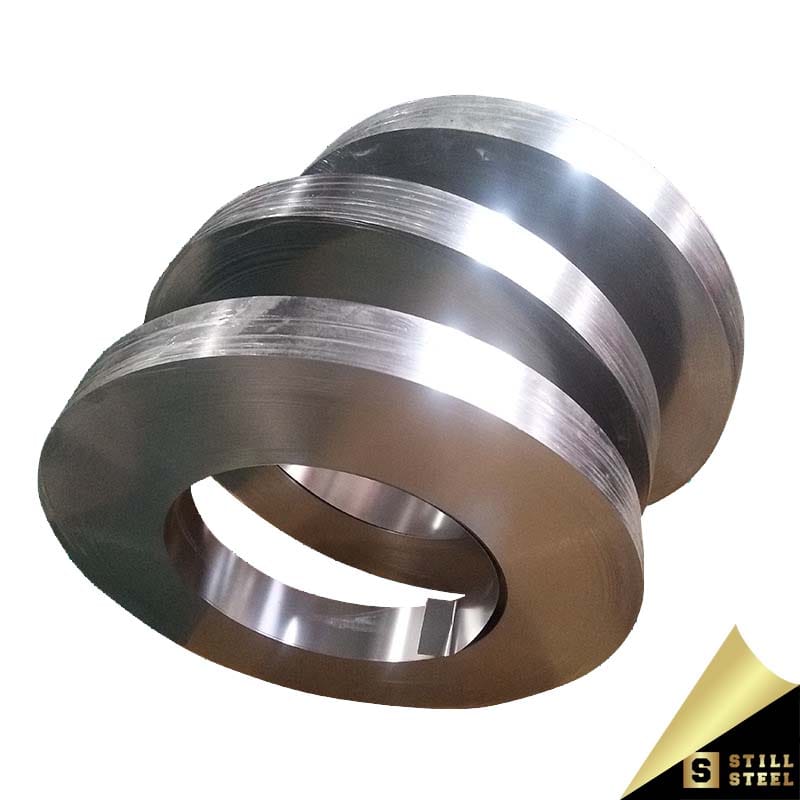
Short answer: 409 is an economical standard for many automotive exhaust components; stabilized 439 and 441 offer improved corrosion, forming and oxidation performance for more demanding sections. Grade selection must consider peak and cyclic temperature, condensate, road salt, welding and expected life.
This guide is written for stainless steel buyers, sourcing teams, engineers and product manufacturers. The purpose is not to declare one universal winner, but to turn a broad material question into a specification that a mill or service center can quote, process and inspect consistently.
Quick Comparison
| Option | Key point | Typical use or decision |
|---|---|---|
| 409 / S40900 / EN 1.4512 | Economical stabilized ferritic exhaust grade | Mufflers and exhaust tubing |
| 439 | Higher chromium stabilized ferritic grade | Welded exhaust and appliance heat parts |
| 441 | Good high-temperature strength and oxidation resistance | Manifolds and thermal components |
| 304/316 | Austenitic alternatives | Selected corrosion or fabrication demands |
The table is a starting point. Actual performance depends on the governing standard, delivered condition, dimensions, surface finish, fabrication route and service environment. Commercial names should never replace a complete purchase specification.
What Buyers Should Evaluate
- Provide continuous, peak and cycle temperatures.
- Include condensate chemistry and external road-salt exposure.
- Validate weld procedure, expansion and fatigue.
For production orders, share the end use rather than requesting a grade or finish in isolation. A supplier can then review corrosion exposure, forming severity, welding, visual requirements and packing before material is cut. This early review is usually less expensive than correcting a rejected shipment or unstable production trial.
Common Purchasing Mistakes
- Choosing by maximum temperature alone
- Ignoring condensate corrosion during cool-down
- Substituting unstabilized 430 in a welded hot component
These mistakes are avoidable when drawings, approved samples, inspection methods and certificate requirements are agreed before production. For visual products, retain a signed master sample. For functional dimensions, define where and how measurements will be taken.
Recommended RFQ Wording
State temperature profile, atmosphere, condensate, section geometry, forming, weld process, design life, grade standard and required oxidation or corrosion tests.
Also include order quantity, acceptable quantity variation, destination, required delivery date and whether partial shipments are allowed. If a requirement is critical, make it measurable and place it on the purchase order rather than only in an email conversation.
How Still Steel Supports the Project
Still Steel supplies stainless steel coil, strip and sheet and provides slitting, cut-to-length, brushing, polishing and protective-film services. We can compare available mill material with your drawing, prepare trial quantities and preserve heat-number traceability through service-center processing.
Send the grade, dimensions, annual volume and application to vip@still-steel.com, or discuss the requirement on WhatsApp.
Frequently Asked Questions
Why is 409 used for exhausts?
It balances cost, oxidation resistance, formability and weldability for many automotive exhaust applications.
Is 430 suitable for exhaust systems?
It may suit some components, but stabilized grades such as 409, 439 or 441 are commonly easier to justify for welded thermal cycling.
Does a higher chromium grade always last longer?
Not automatically. Temperature cycles, condensate, salt, design and welding all affect life.
Technical References
Reference documents support general selection and fabrication principles. The final material decision must follow the applicable contract, standard, regulation and engineering review for the specific product.