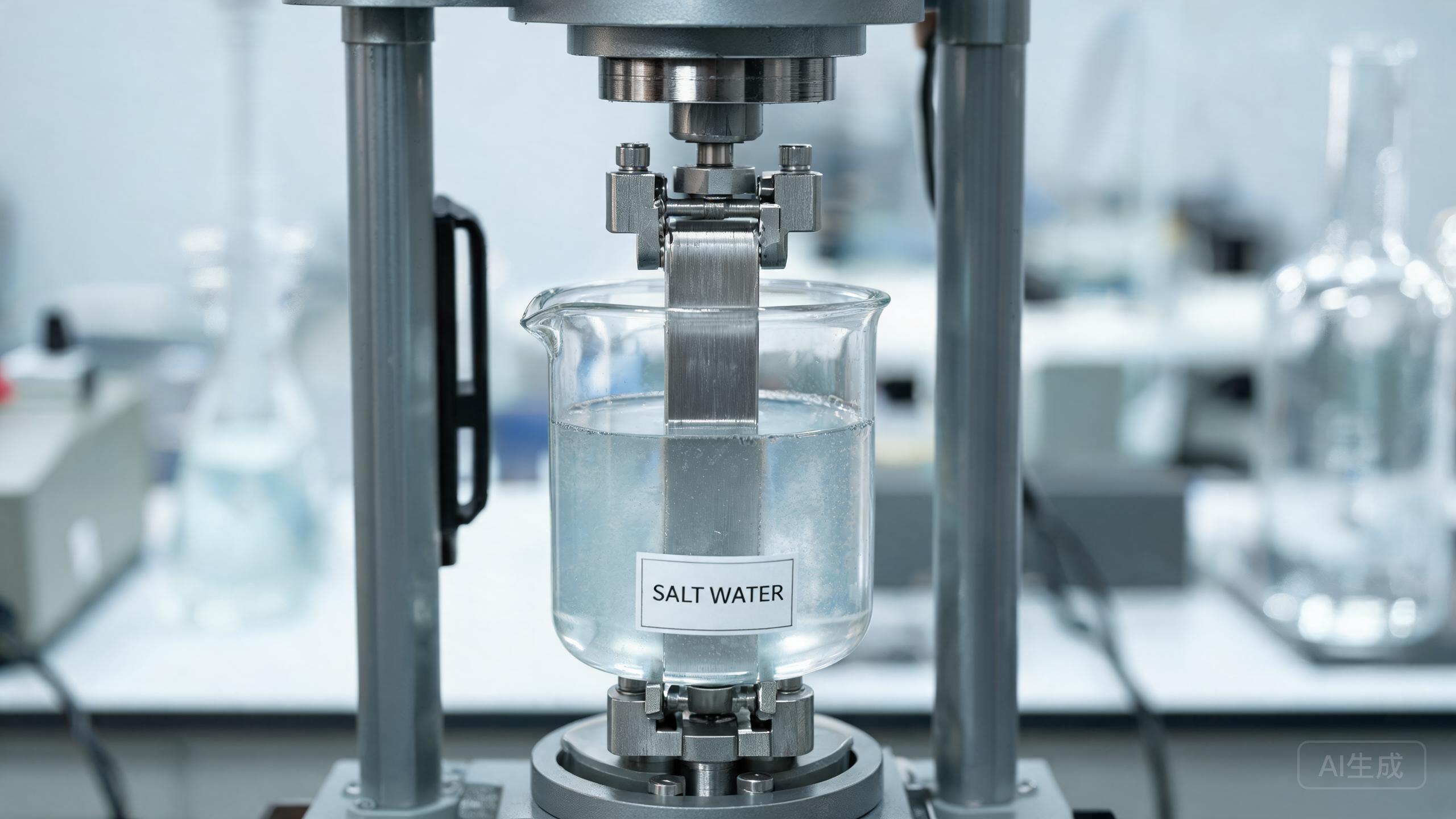
Corrosion Fatigue in Stainless: Duplex Outperforms
Corrosion fatigue testing — duplex 2205 outperforms 304 by 5-10x in chloride environments. ASTM E466 / NACE TM0177.
 NINGBO WANGUANG
Corrosion fatigue testing — duplex 2205 outperforms 304 by 5-10x in chloride environments. ASTM E466 / NACE TM0177.
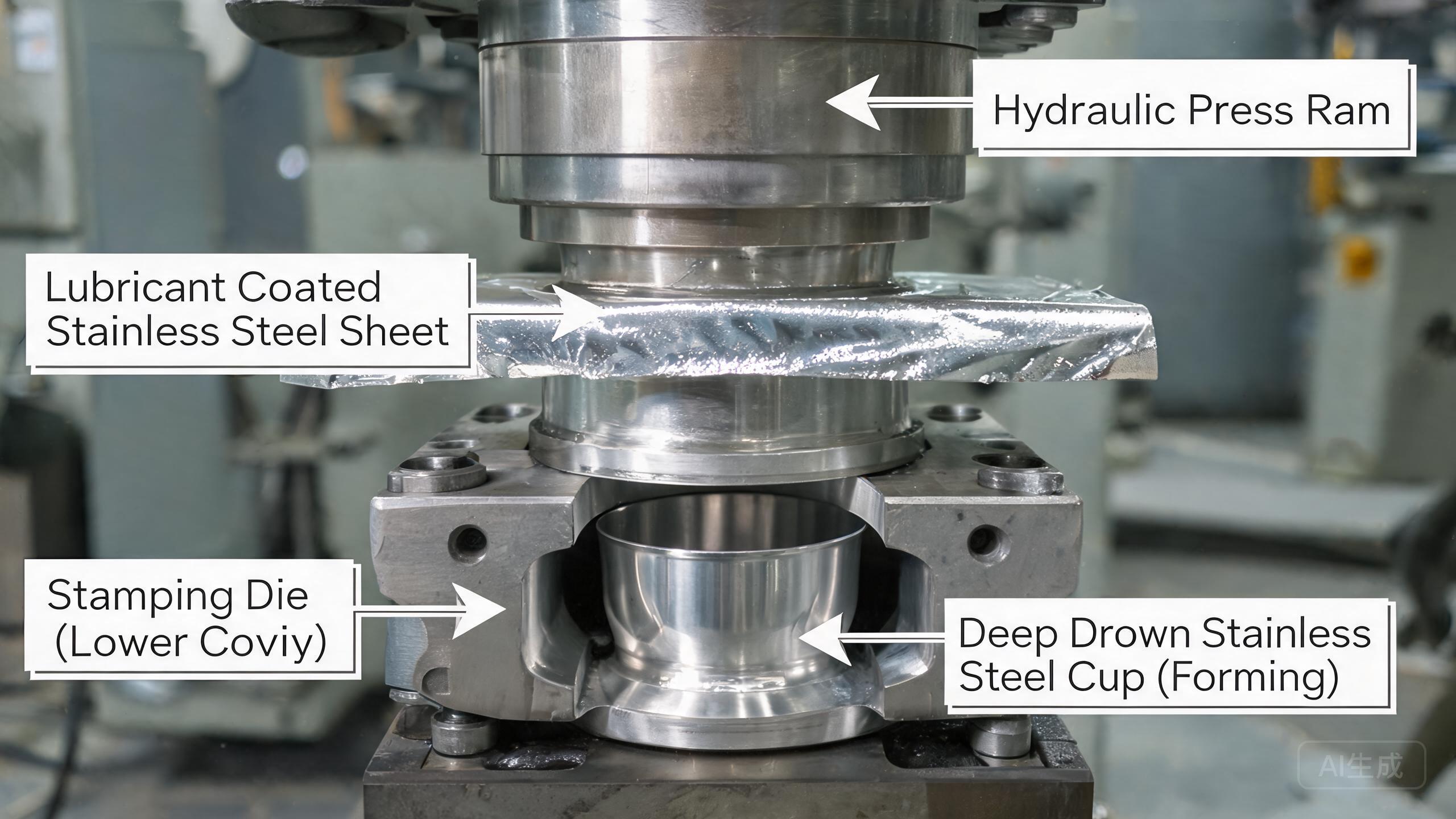
Deep drawing lubrication guide — oil-based, phosphate coating, solid lubricants. Why 304 fails when lubrication is skipped.
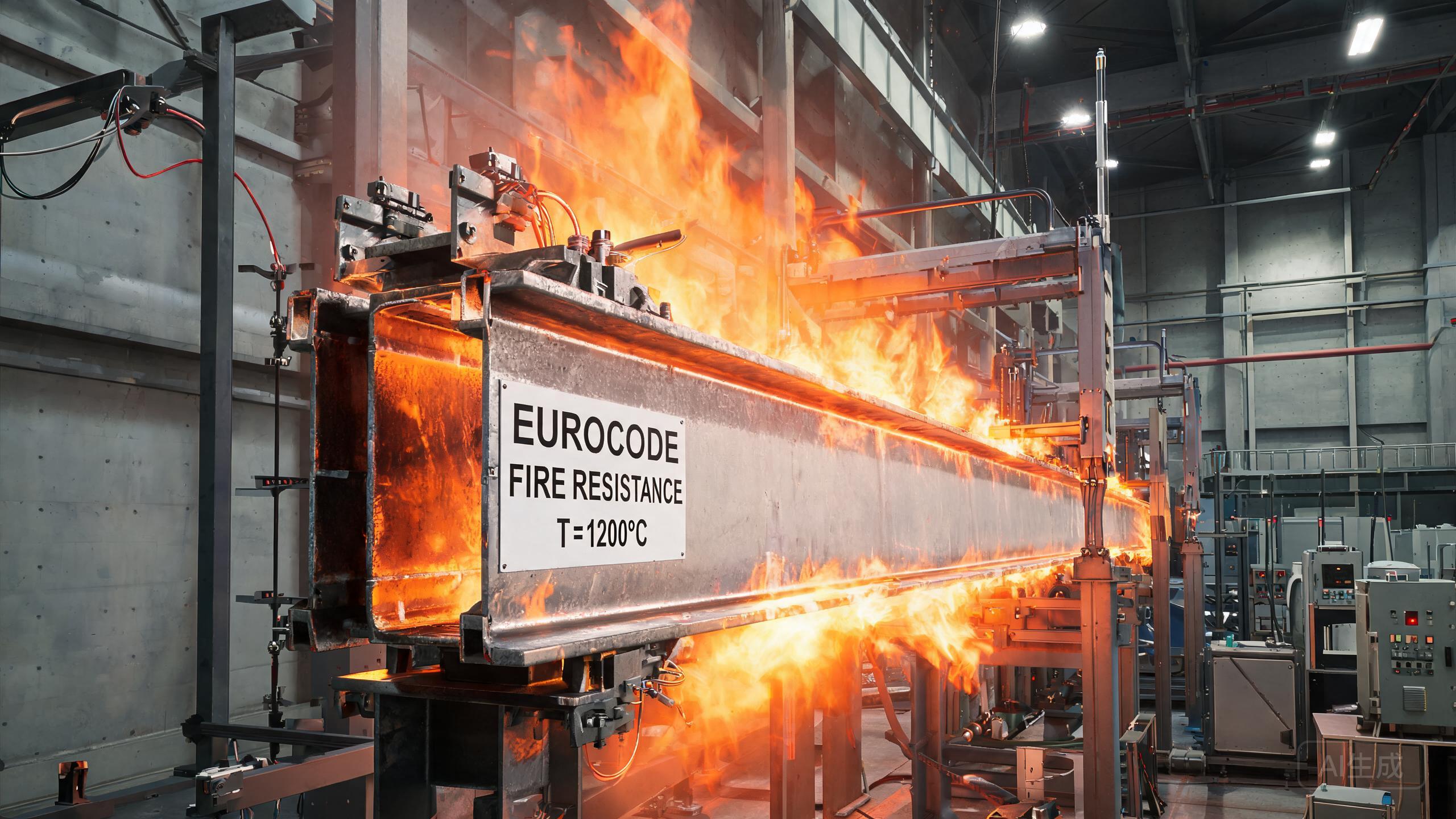
Structural stainless fire resistance per Eurocode 3 Part 1.2 — 304 retains 50% strength at ~800°C vs carbon steel ~550°C.
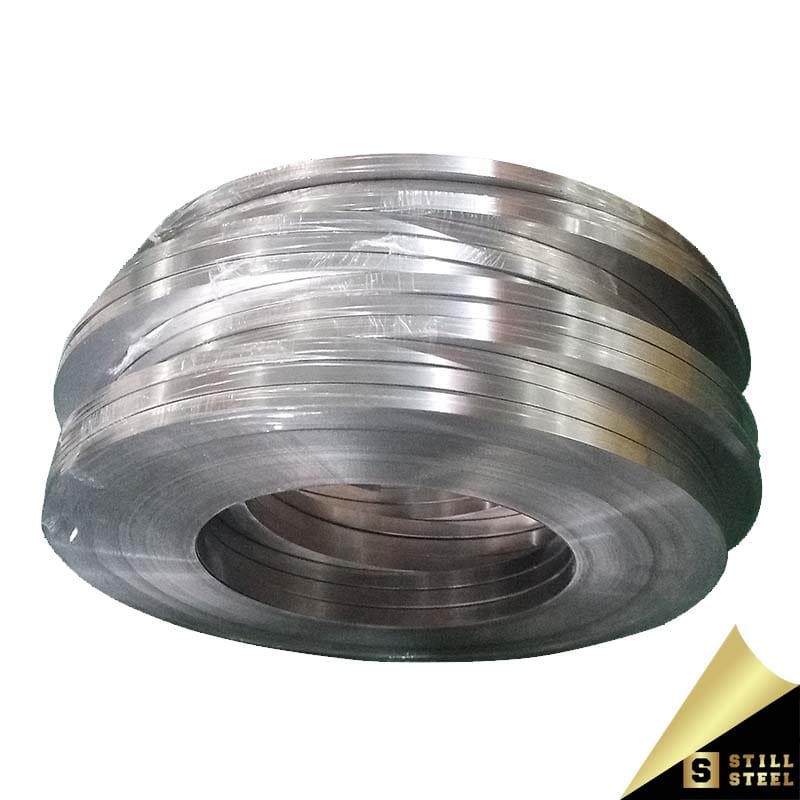
Compare stainless steel mill edge, slit edge and trimmed edge, including burr, width tolerance and downstream safety.
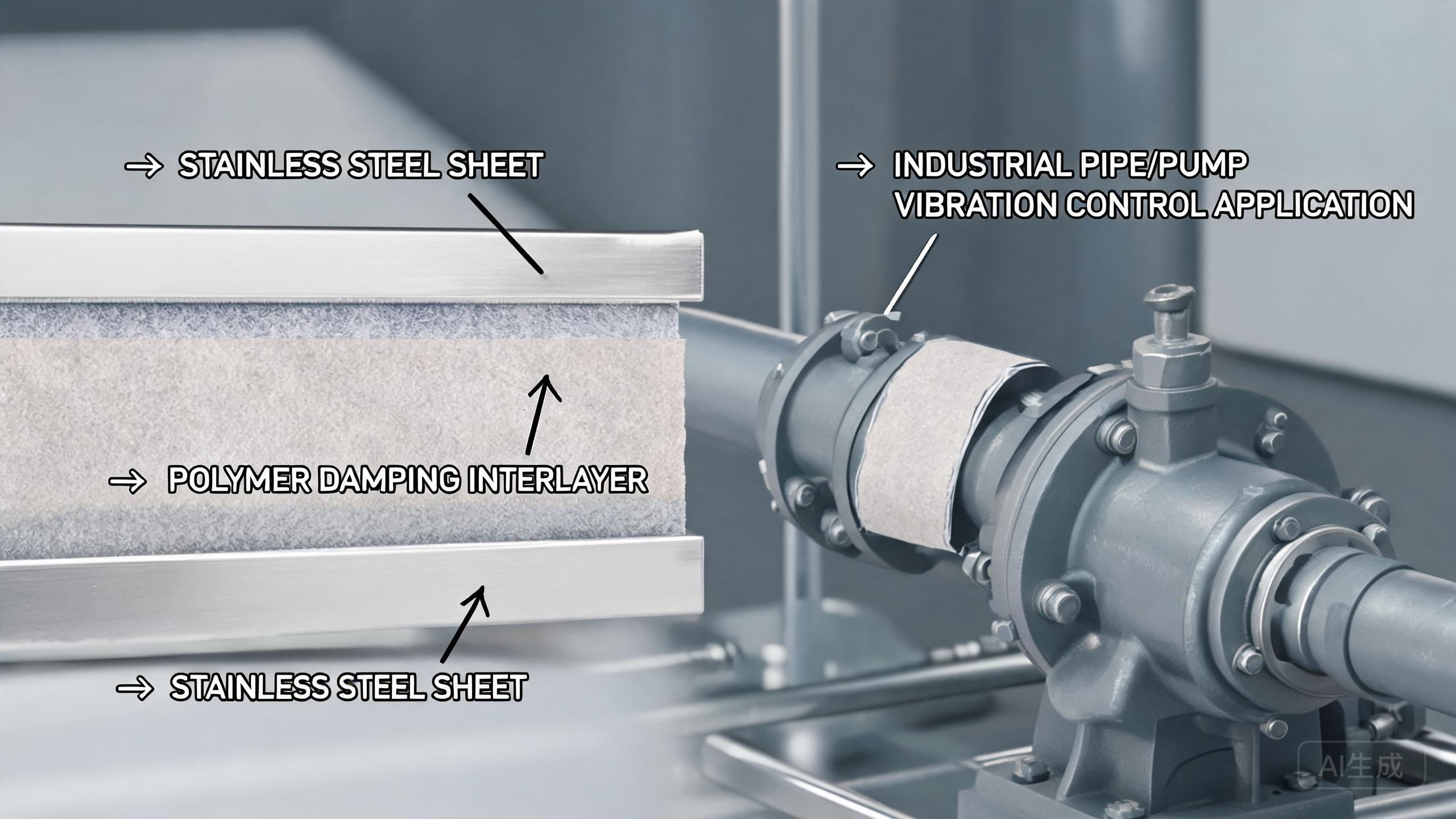
Vibration-damping stainless — 0Cr18Cu vs CLD. Damping coefficient table, compressor housing, ship deck, noise reduction.
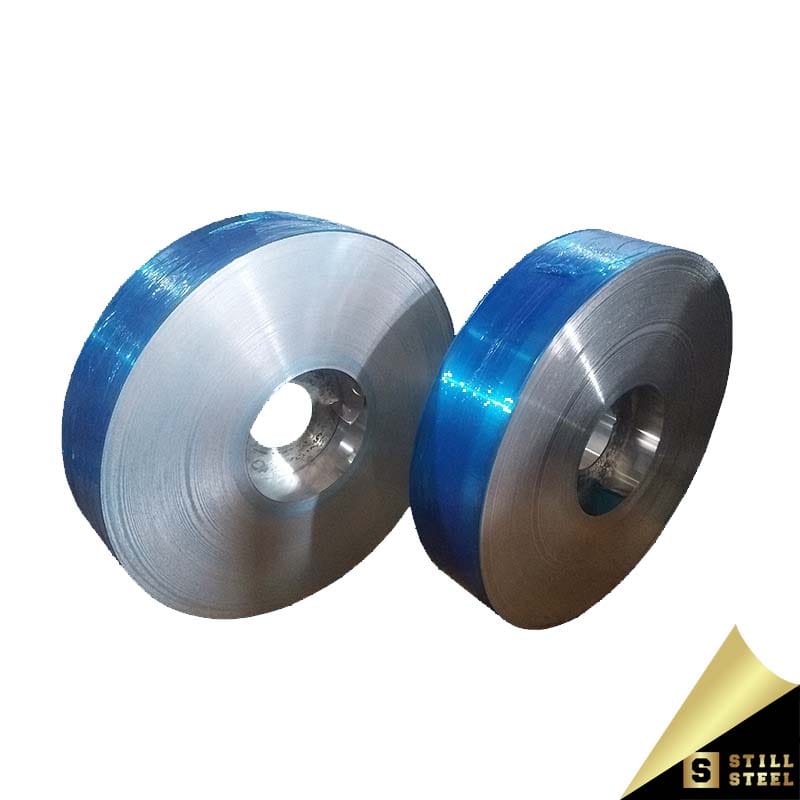
Stainless steel is prone to contamination and scratches during processing, which can compromise its surface integrity. To counteract this, a protective film can be applied to st...
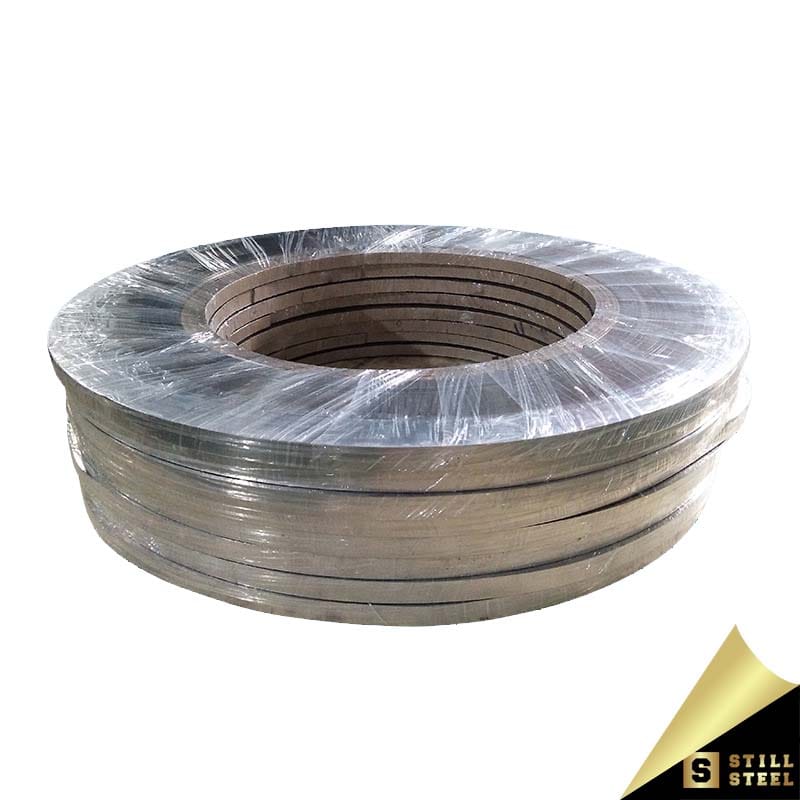
Importing stainless steel from China can be beneficial for a number of reasons. Here are some of the main reasons why people might choose to import stainless steel from
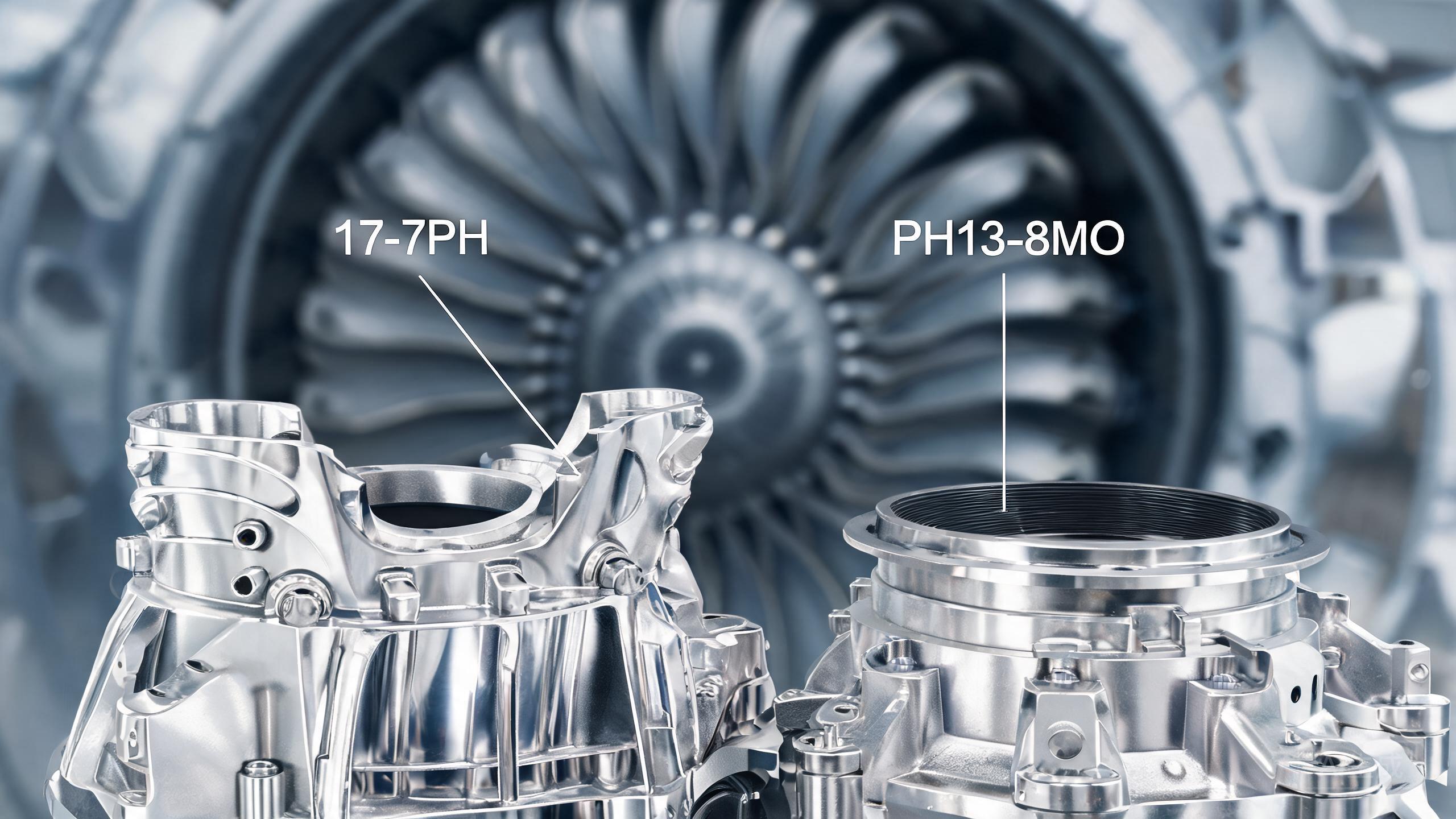
Aerospace precipitation hardening stainless — 17-7PH HRC 44 vs PH 13-8 Mo HRC 50+. AMS 5528 / AMS 5864 specs.
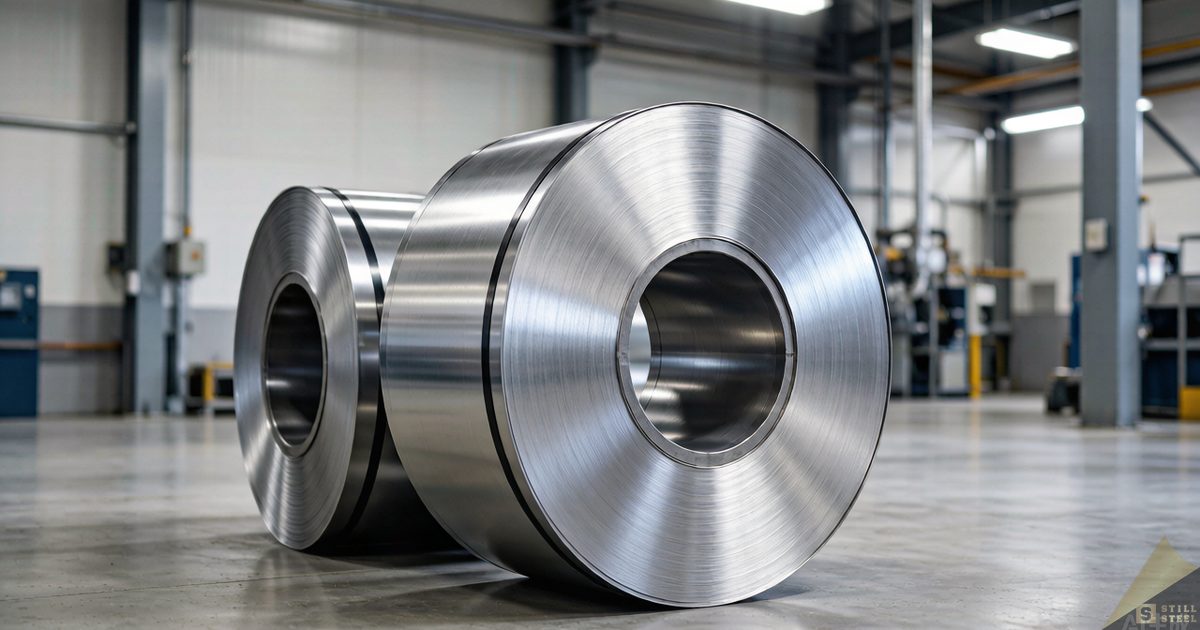
China's Aug stainless output hits a record 369.14万t as Indonesia cuts ~12.7%. A rare buyer's window opens mid-Aug to early Sep. Negotiate now.
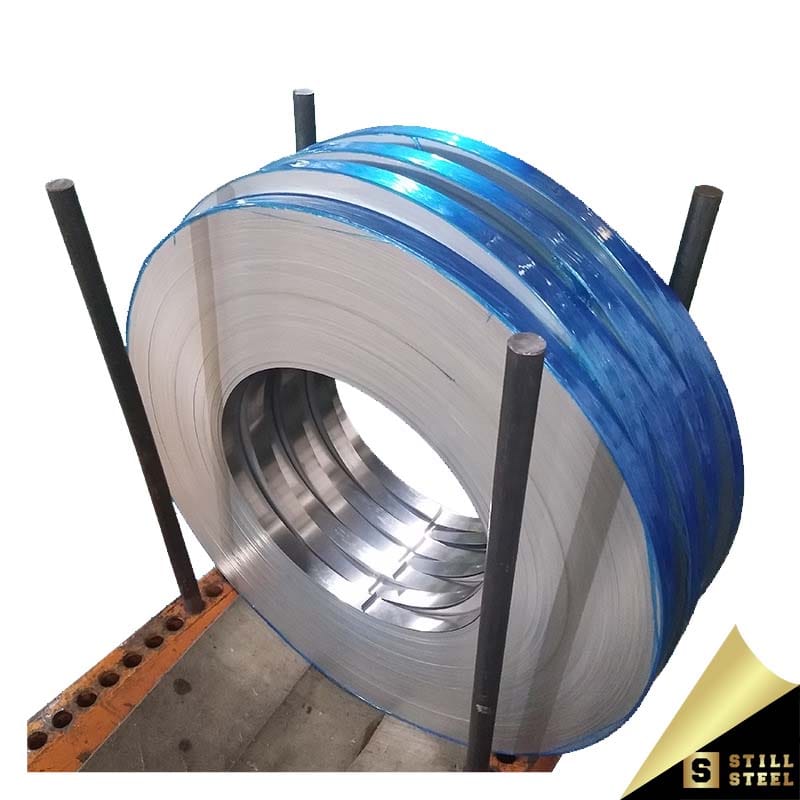
Choose stainless steel for coastal and marine exposure by chloride level, splash, immersion, finish, design and maintenance.
Understand stainless steel minimum order quantities and lead times for stock sheet, slit strip, custom finishes and mill production.
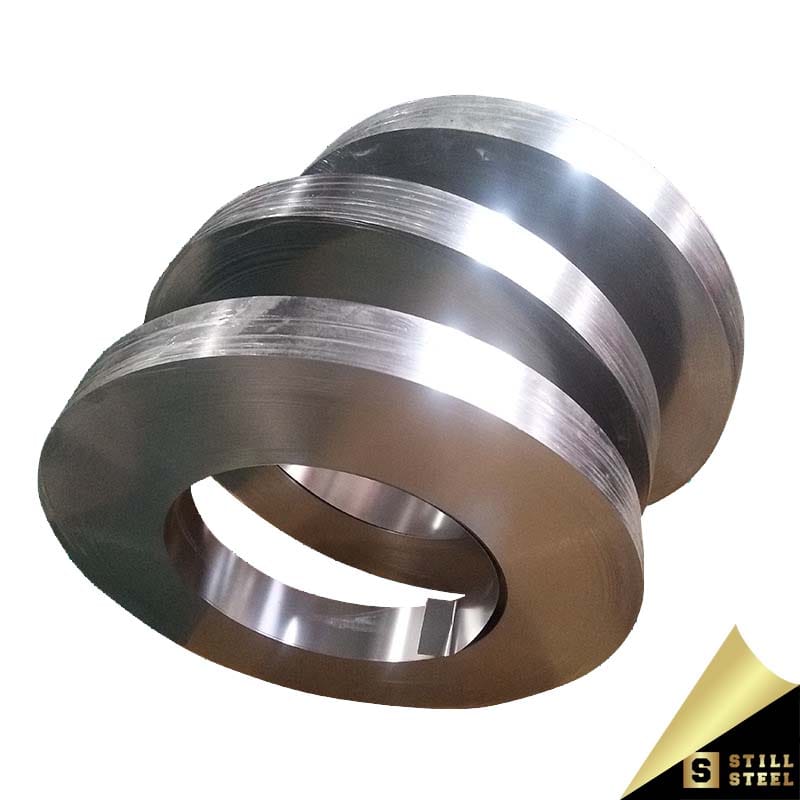
Compare 409, 410, 439, 441 and higher-alloy stainless steels for exhaust, oven, heater and high-temperature components.
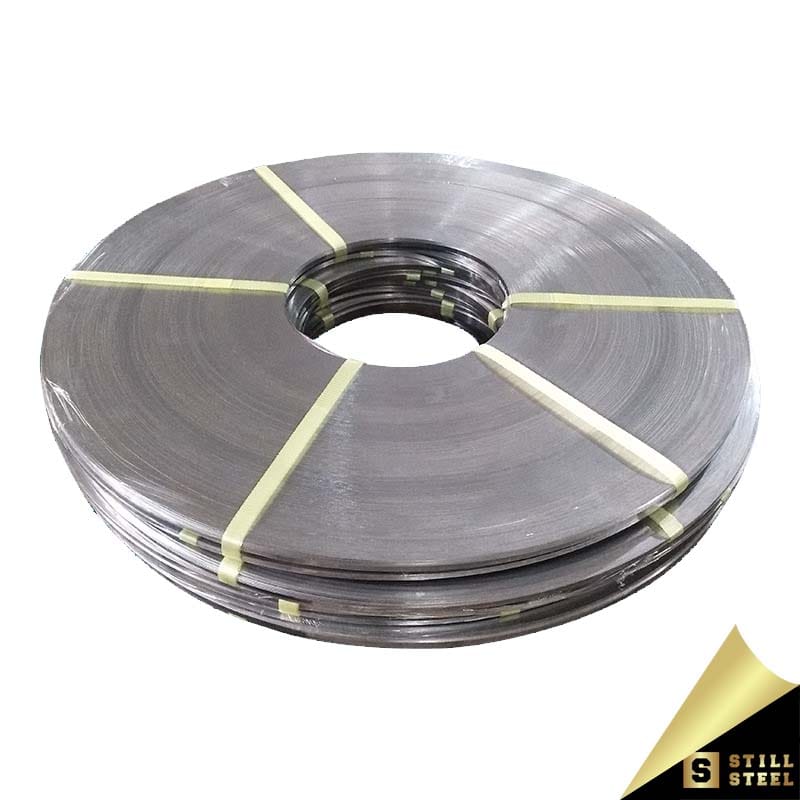
How stainless steel thickness, slit width, flatness, camber and burr tolerances affect stamping, roll forming and purchasing.
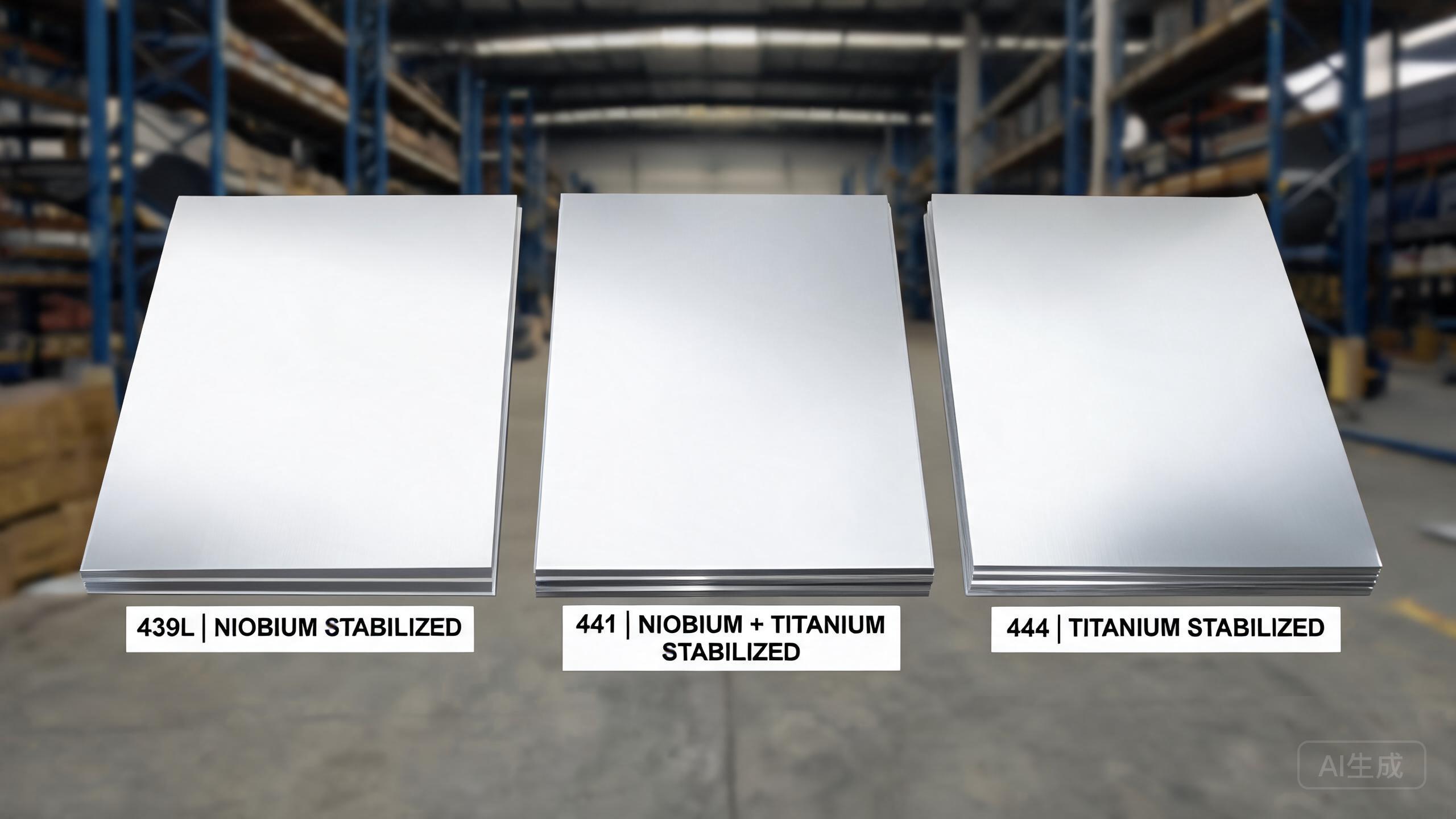
Stabilized ferritic grades for automotive exhaust — 439L Ti-stabilized, 441 Nb-stabilized, 444 with 2% Mo for coastal salt.
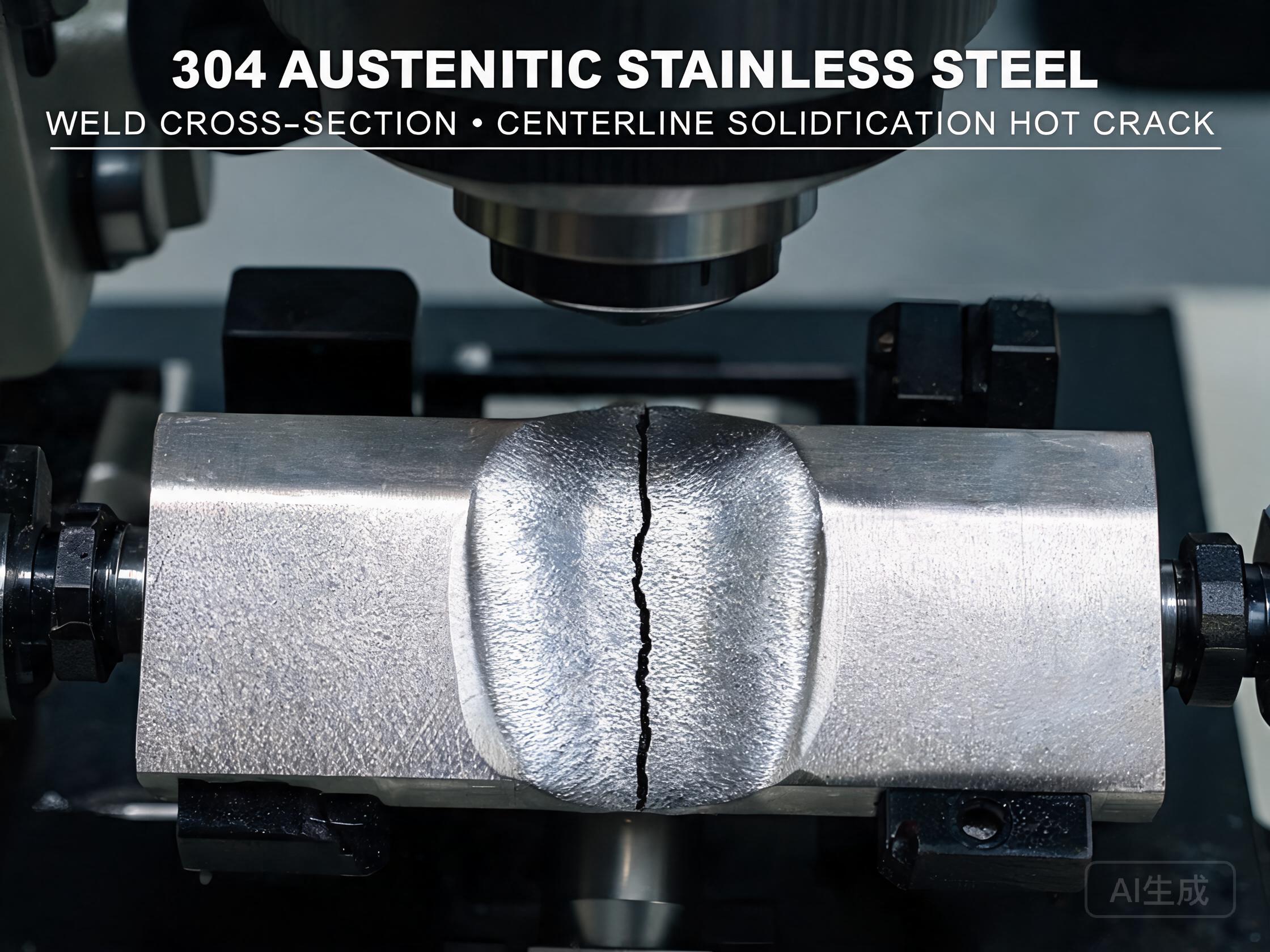
Why hot cracking happens in 304 and 316 welds, how ferrite content prevents it, and what to specify on your filler metal and procedure spec.
Understand why annealed 304 is usually weakly magnetic and why cold rolling, forming and welding can increase magnetic response.
Welding Deformation is a very common defect in production.Let's figure out how to control welding deformation: Selecting a reasonable welding seam size: As the size of the...
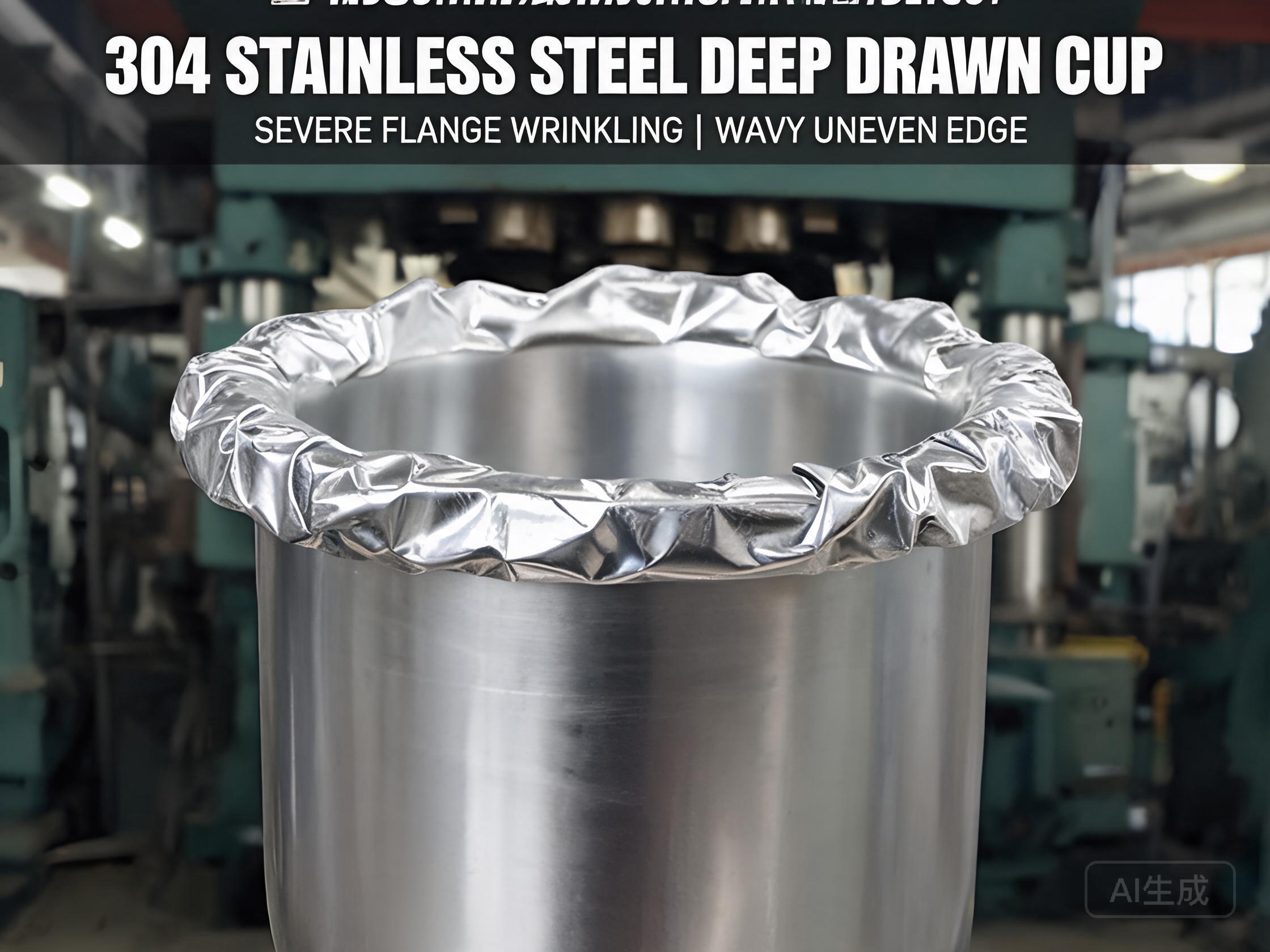
Why your 304 deep drawn cups wrinkle, what blank holder force to set, how the m value predicts 304 drawability, and a radius recommendation for the first pass.
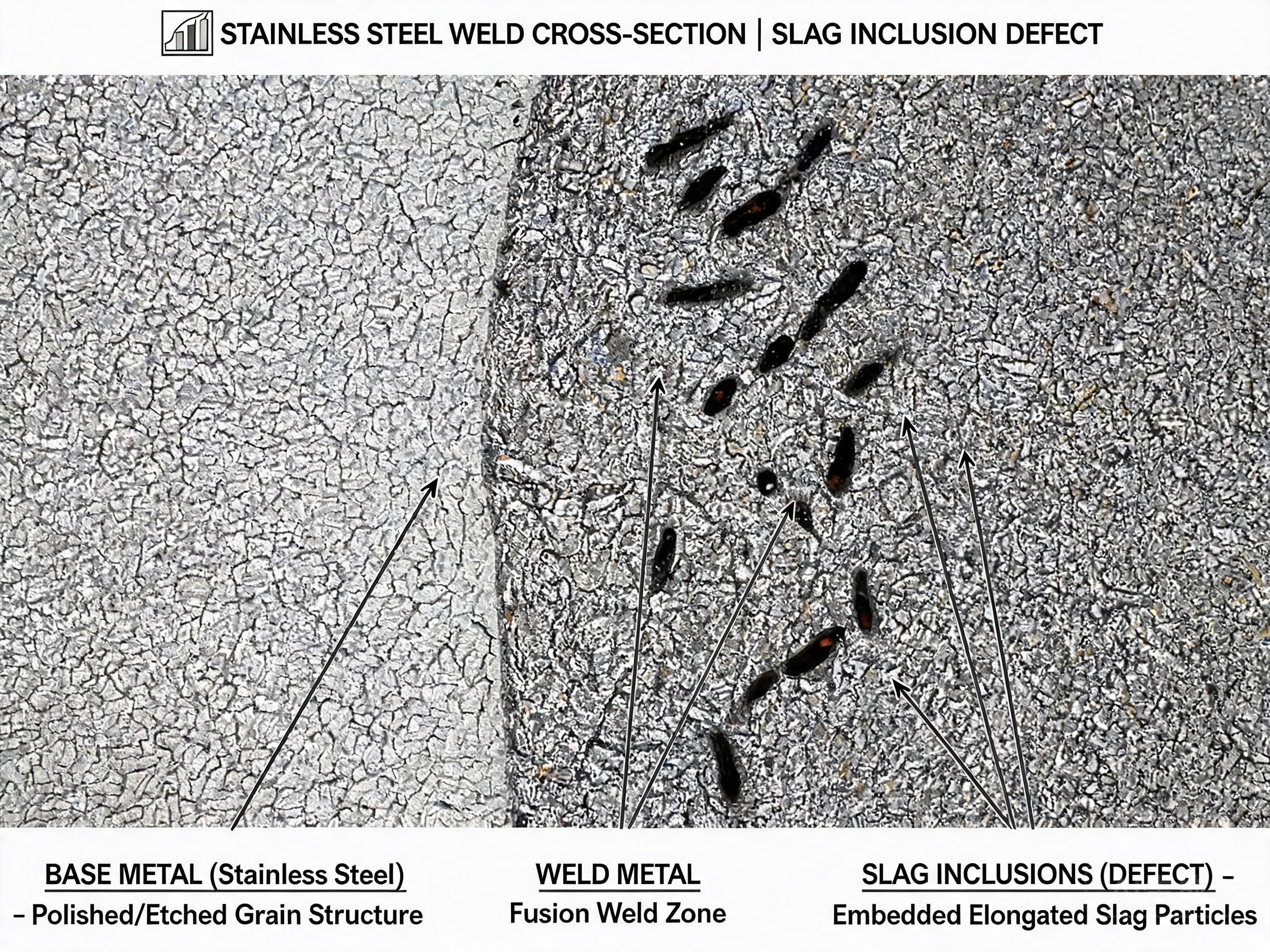
Weld slag inclusions in 304 and 316 — why high current and poor interpass cleaning cause trapped slag, how to detect with UT or radiography, and what to specify.
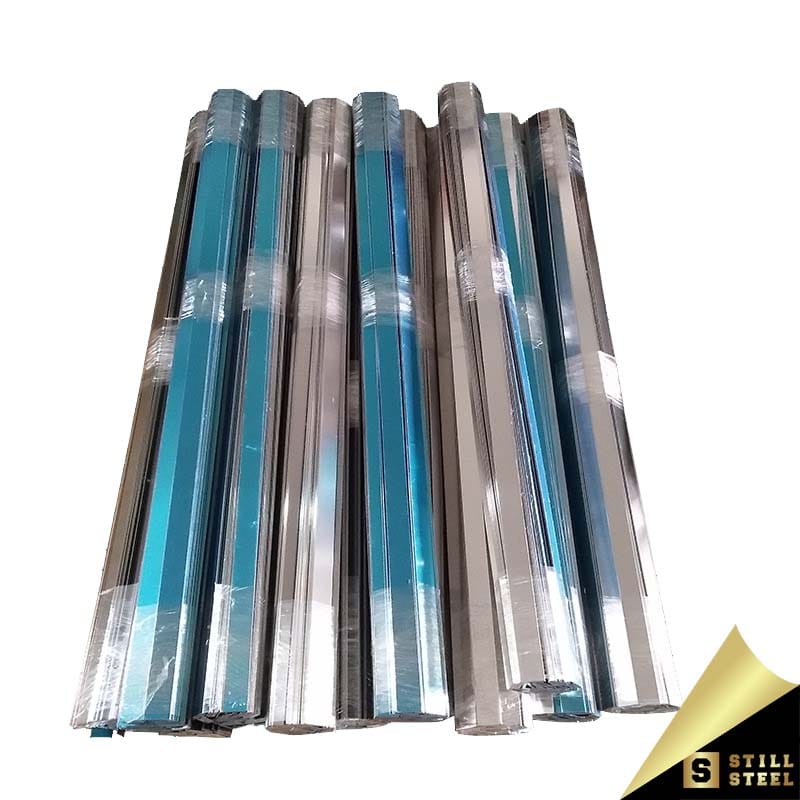
Plan stainless steel laser cutting, welding, polishing and brushing with the right grade, finish, film and post-fabrication cleanup.
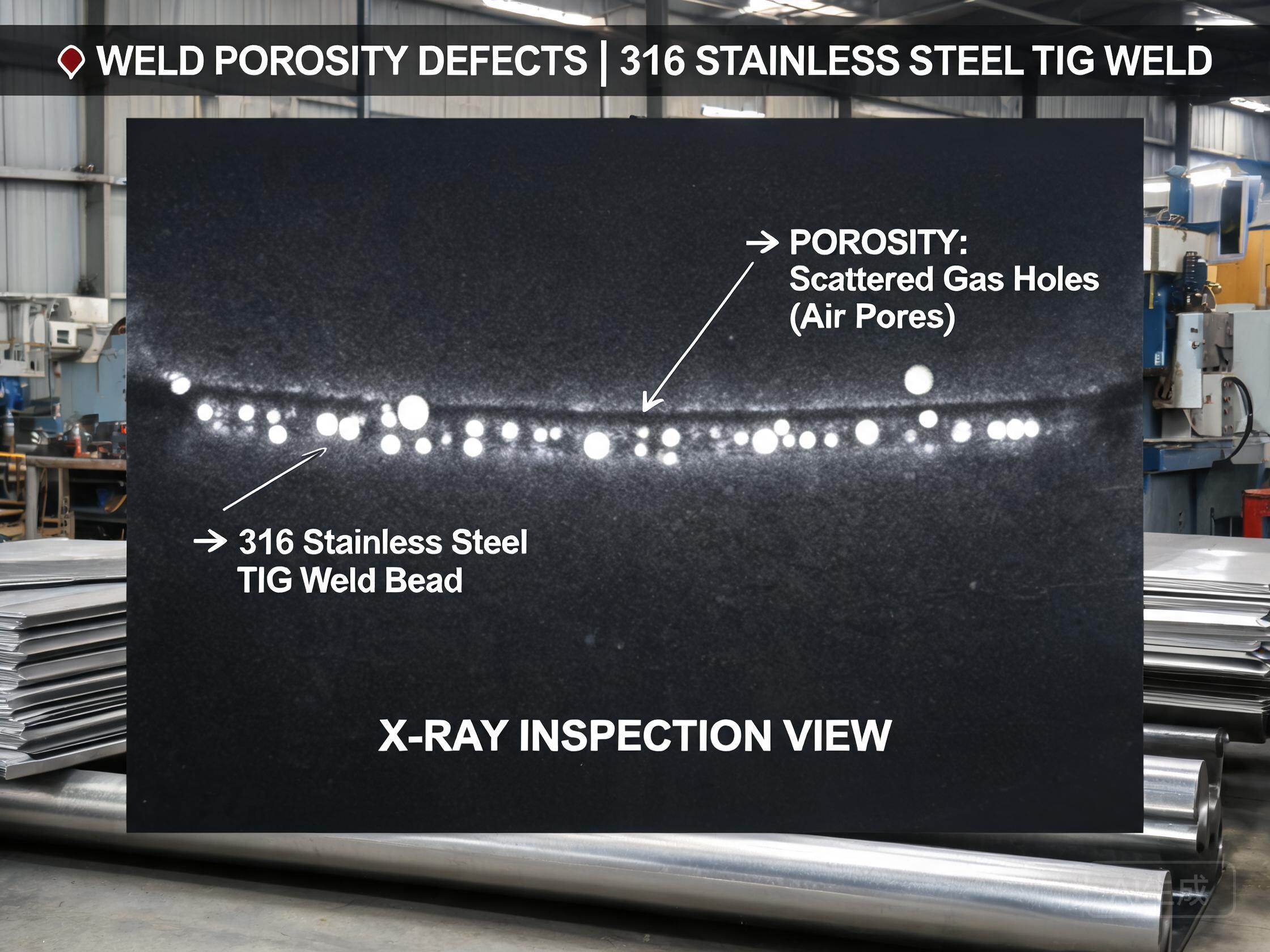
Weld porosity in 304 and 316 — why moisture, oil, impure argon and unbaked wire cause holes, and the 6-step prevention checklist buyers can enforce.
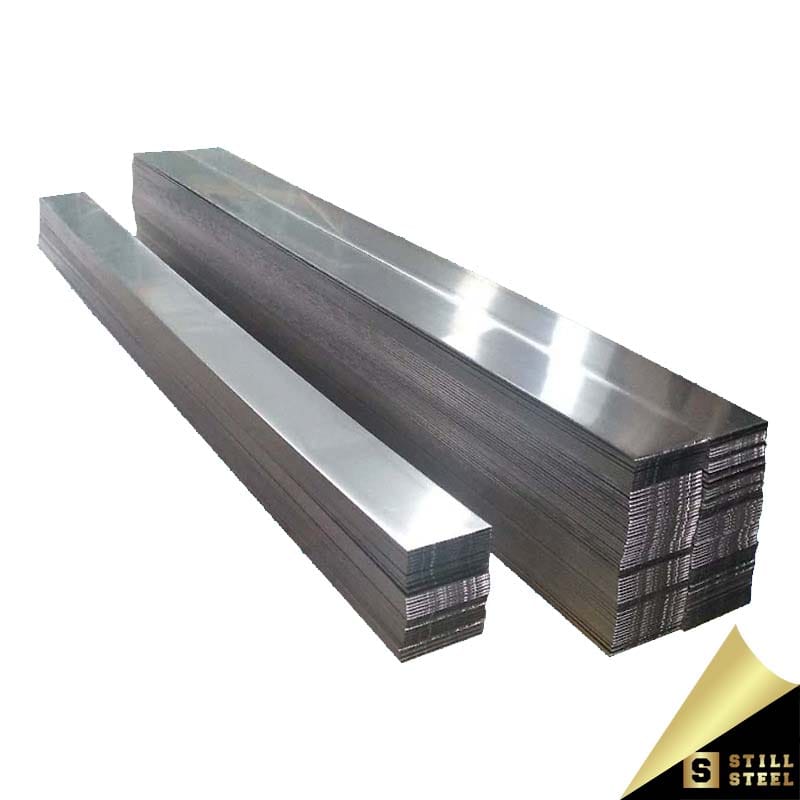
Compare 201 and 304 stainless steel for decorative panels, kitchenware and formed products without choosing on price alone.
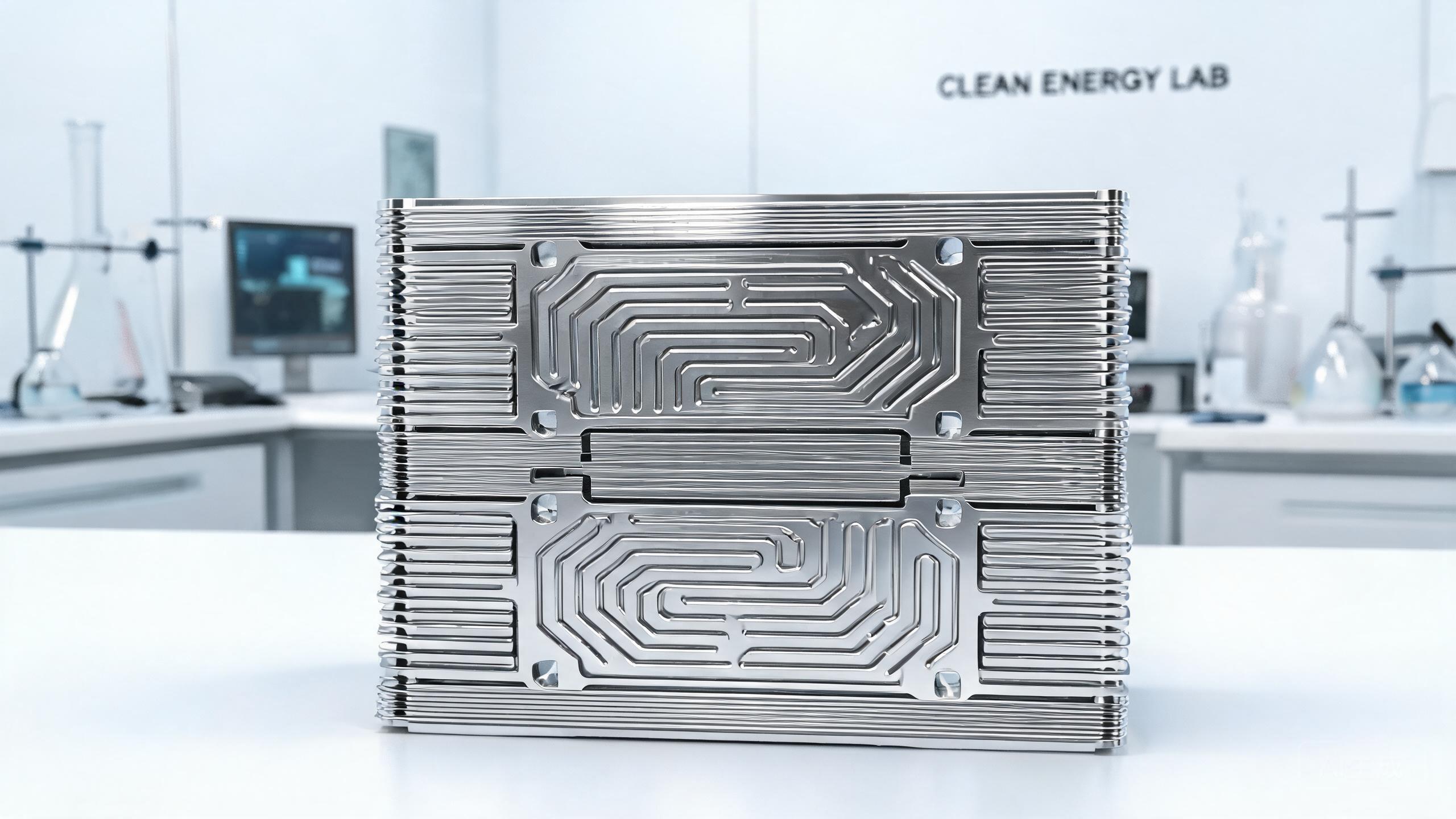
Stainless bipolar plates for PEM fuel cells — 316L with PVD coating, contact resistance <10 mΩ·cm², stamping thickness.
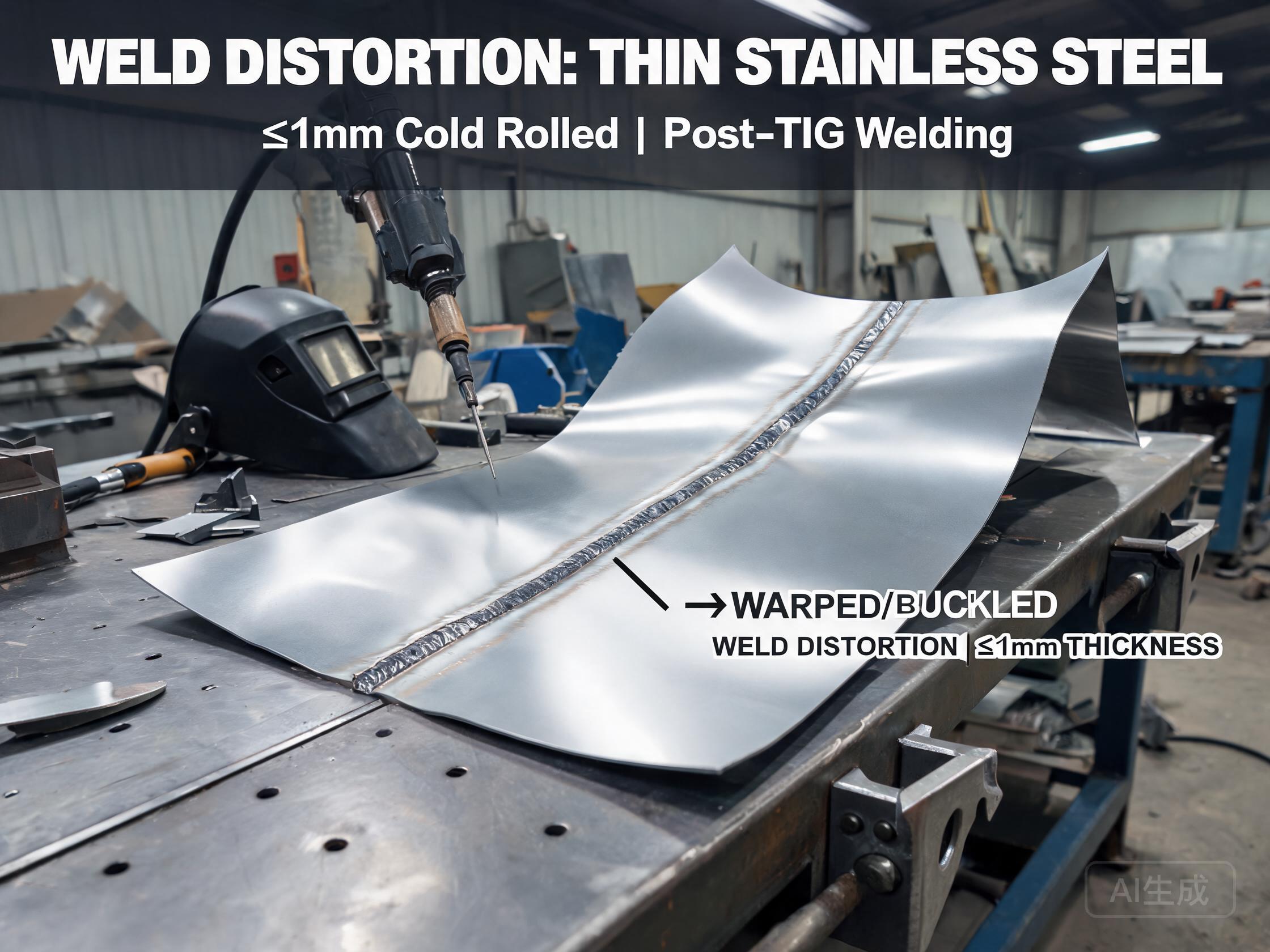
Weld distortion in ≤1mm cold rolled stainless steel sheet — why heat input causes buckling and warping, skip welding copper backing and heat sink solutions.
From 2026-07-01 the EU steel safeguard tightened: out-of-quota tariffs doubled to 50%, total quotas cut ~47% to 18,345,922 tonnes. China's cold-rolled quota is just 40,431 t, hot-rolled 9,515 t. Clear EU shipments in the first two weeks of each quarter.
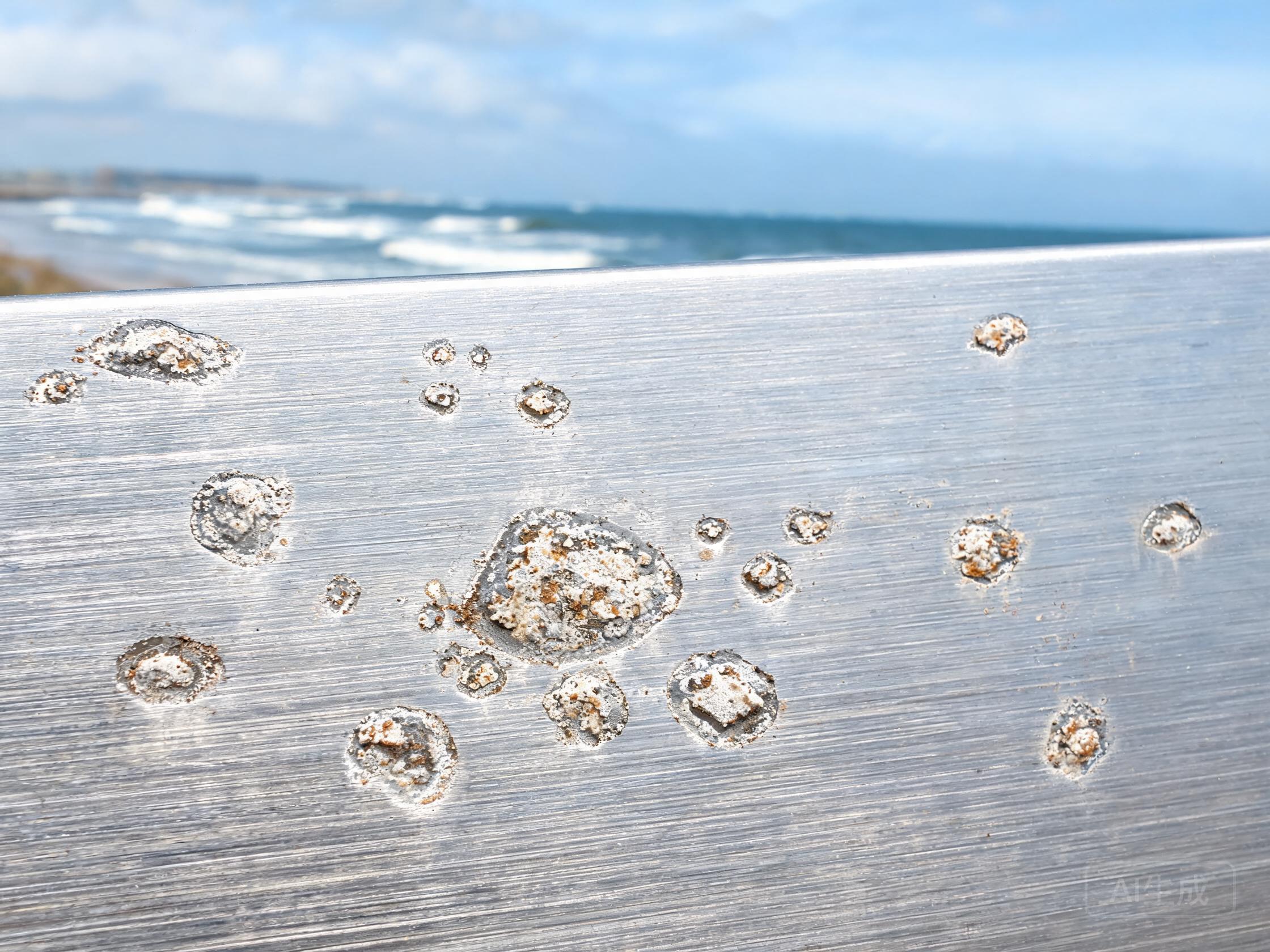
Water spots ruin 316 marine and 304 kitchen stainless panels. Learn why chloride content in tap water, storage humidity and missing spot-free rinse cause permanent staining.
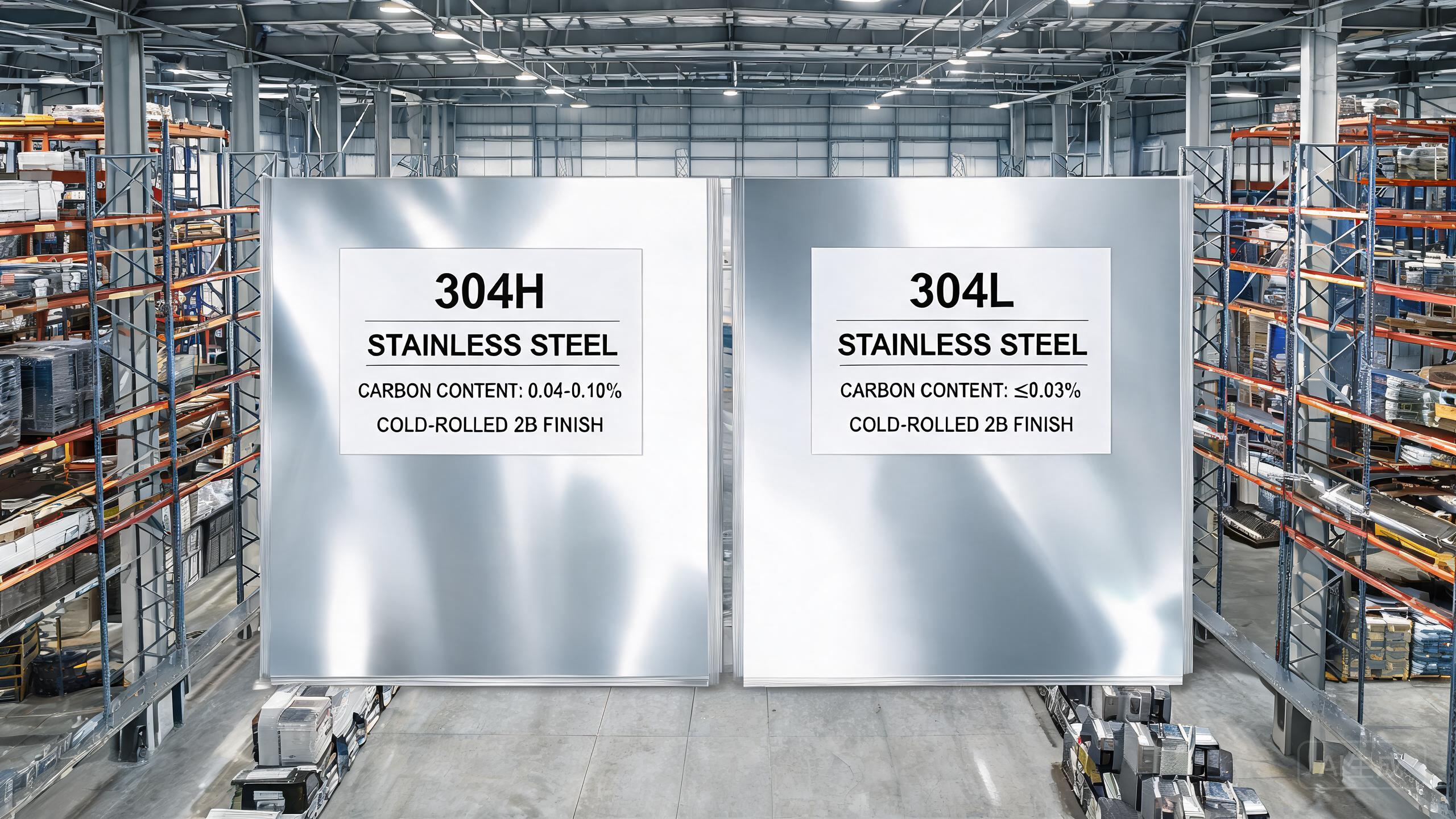
304H (0.04-0.10% C) vs 304L (≤0.03% C). 304H for 400-800°C high-temp strength, 304L for welded assemblies.
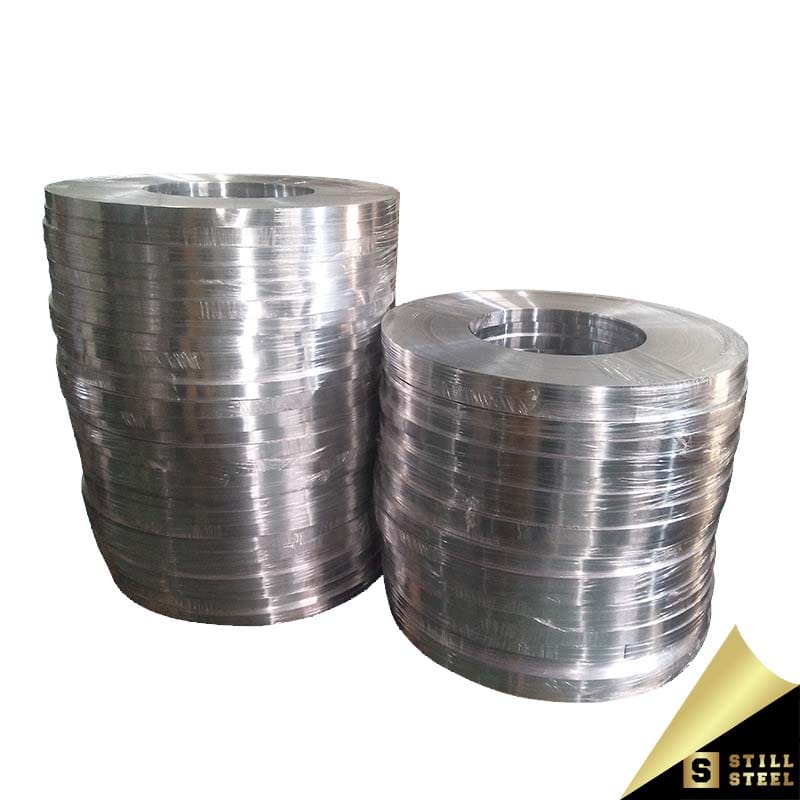
Understand the commercial differences between stainless steel coil, sheet, plate and strip before requesting a quotation.
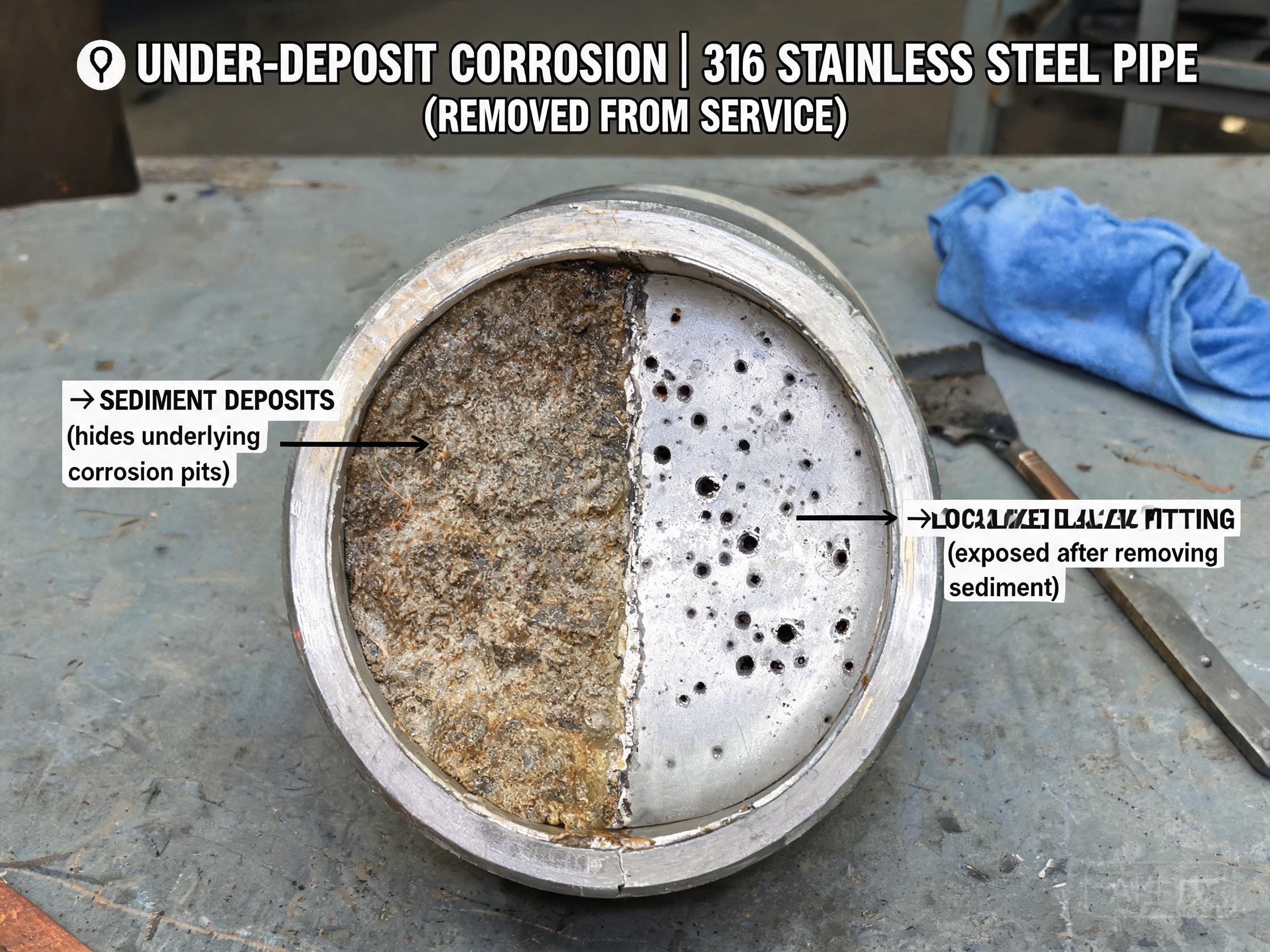
Under-deposit corrosion on cold rolled stainless steel. How sediment and scale create hidden crevices, and why 316 outlasts 304 in systems that cannot be cleaned regularly.
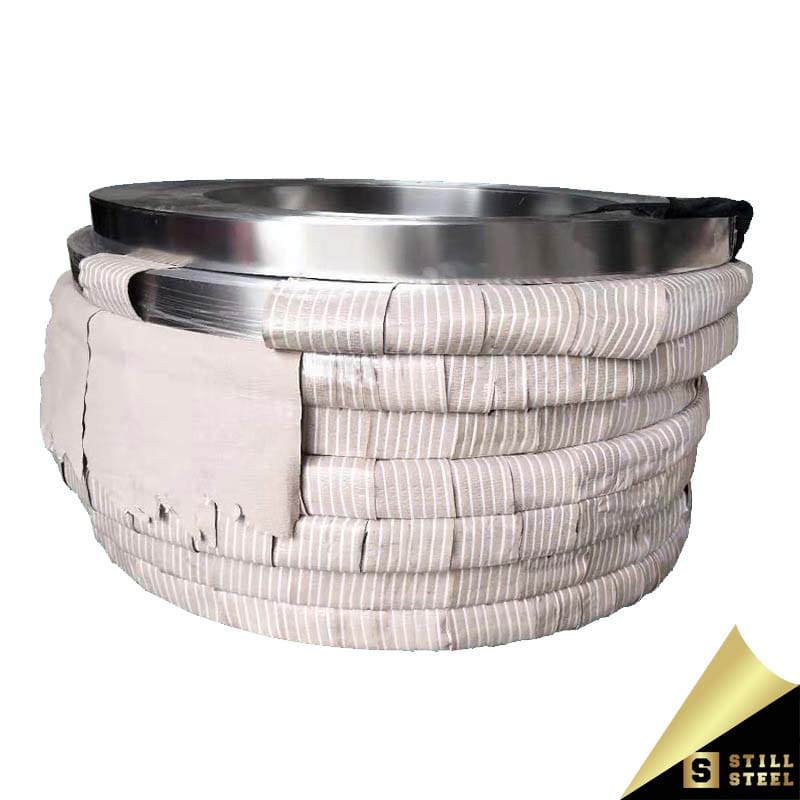
Understand carbon limits, welding, intergranular corrosion and dual certification when choosing between 304 and 304L stainless steel.
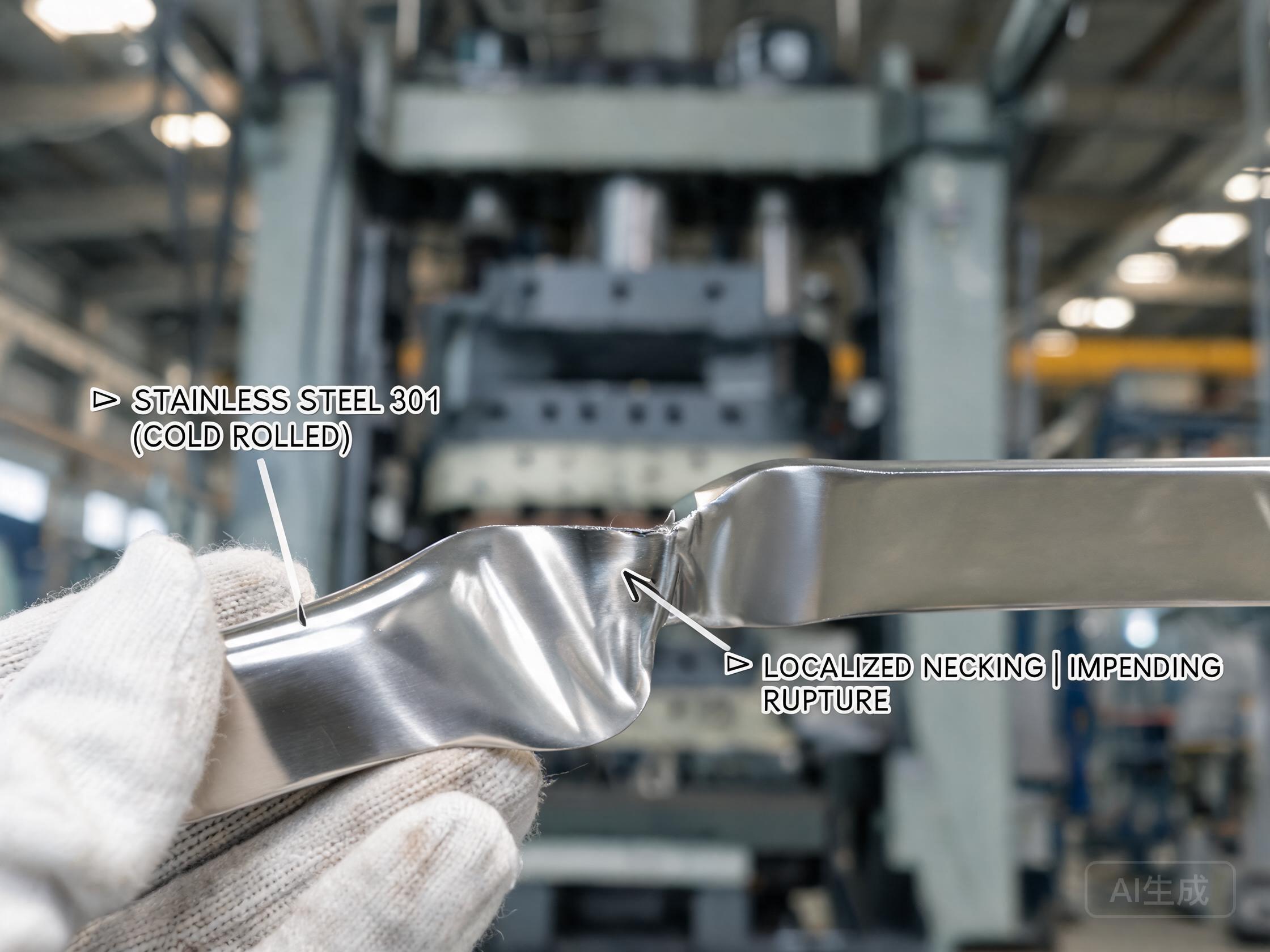
Why stretch formed stainless steel panels neck and crack, how 301 hard temper changes drawability, limit drawing ratio, and the 2B vs BA surface difference in stretch forming.
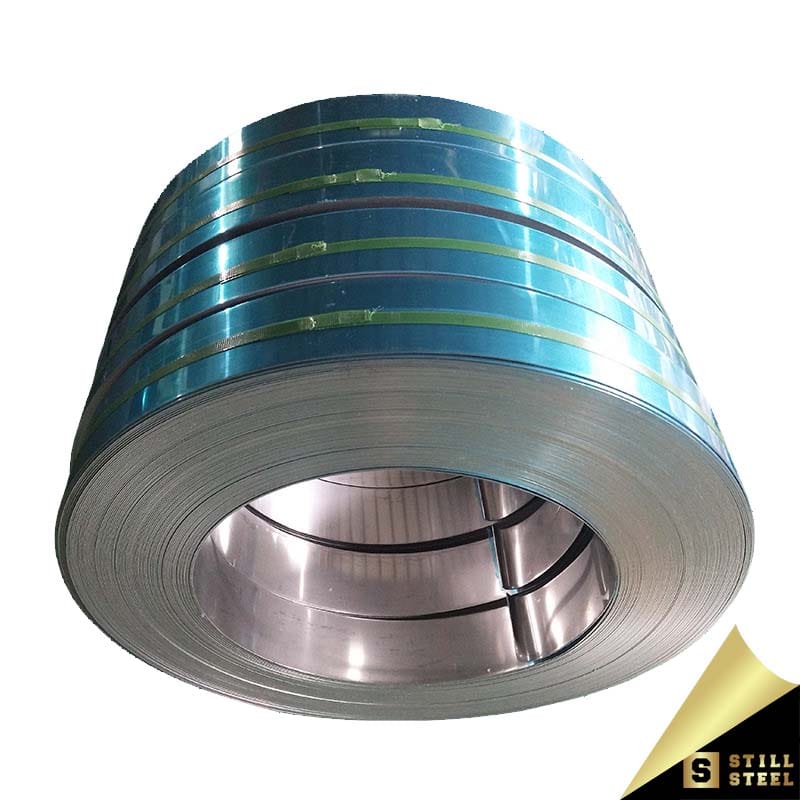
Select 304, 430 and ferritic stainless grades for appliance panels, liners, sinks, housings and induction components.
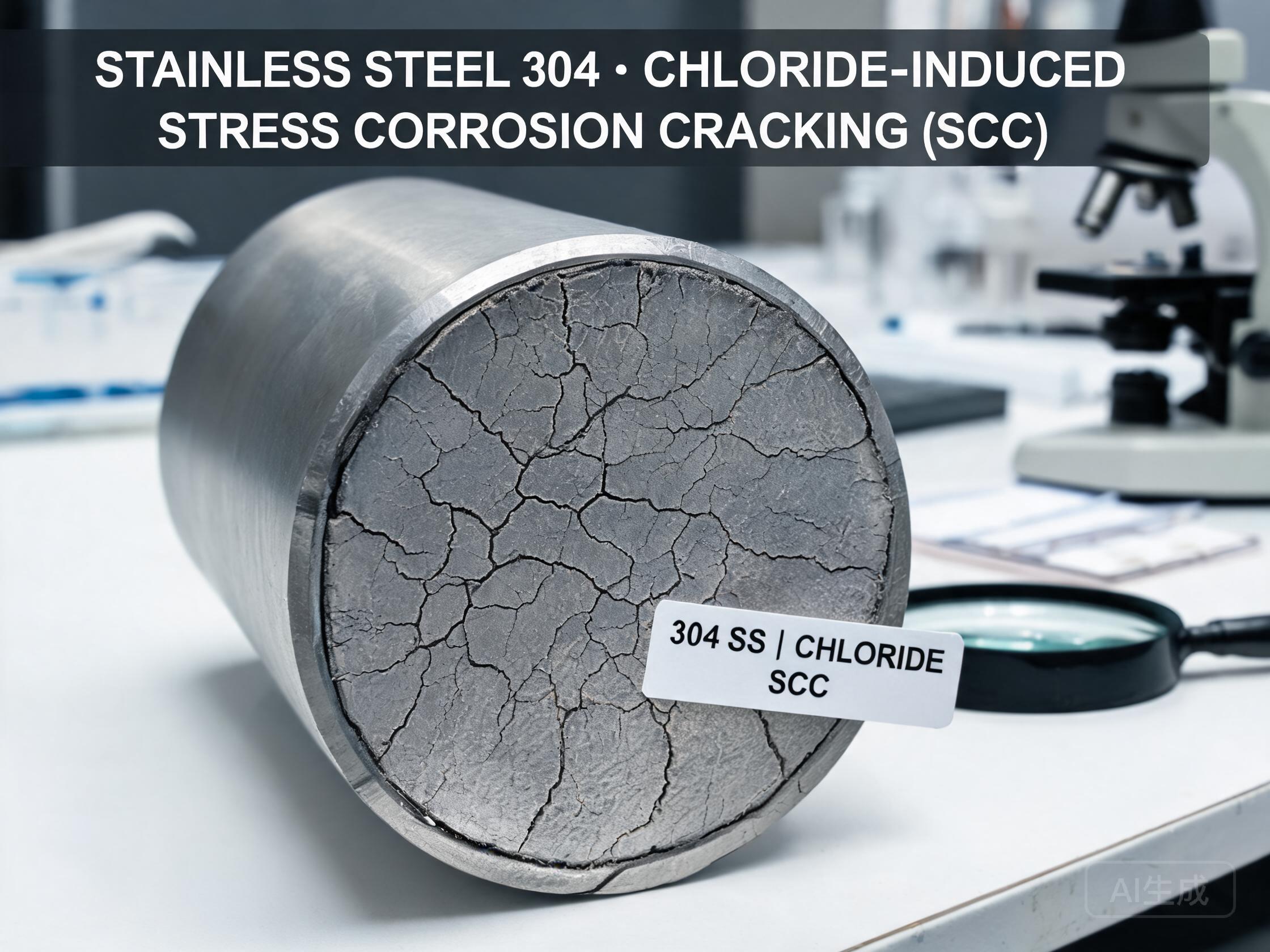
Stress corrosion cracking (SCC) on cold rolled stainless steel. Why 304 cracks at lower chloride levels than 316, and how to prevent it with stress relief annealing.
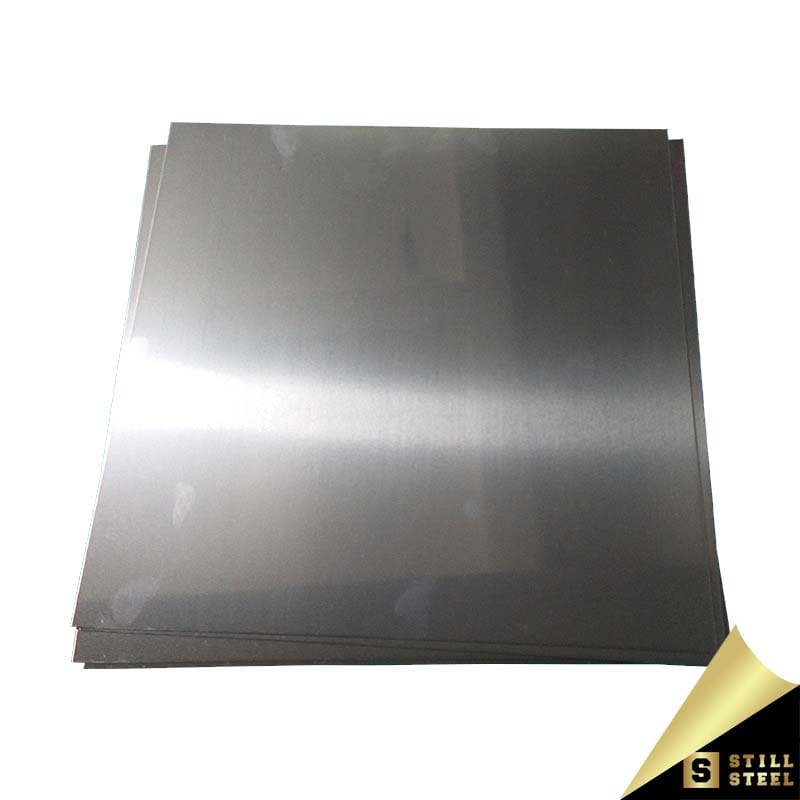
A buyer-focused guide to 304, 316, 430 and other stainless steel grades for cookware, food equipment and storage containers.
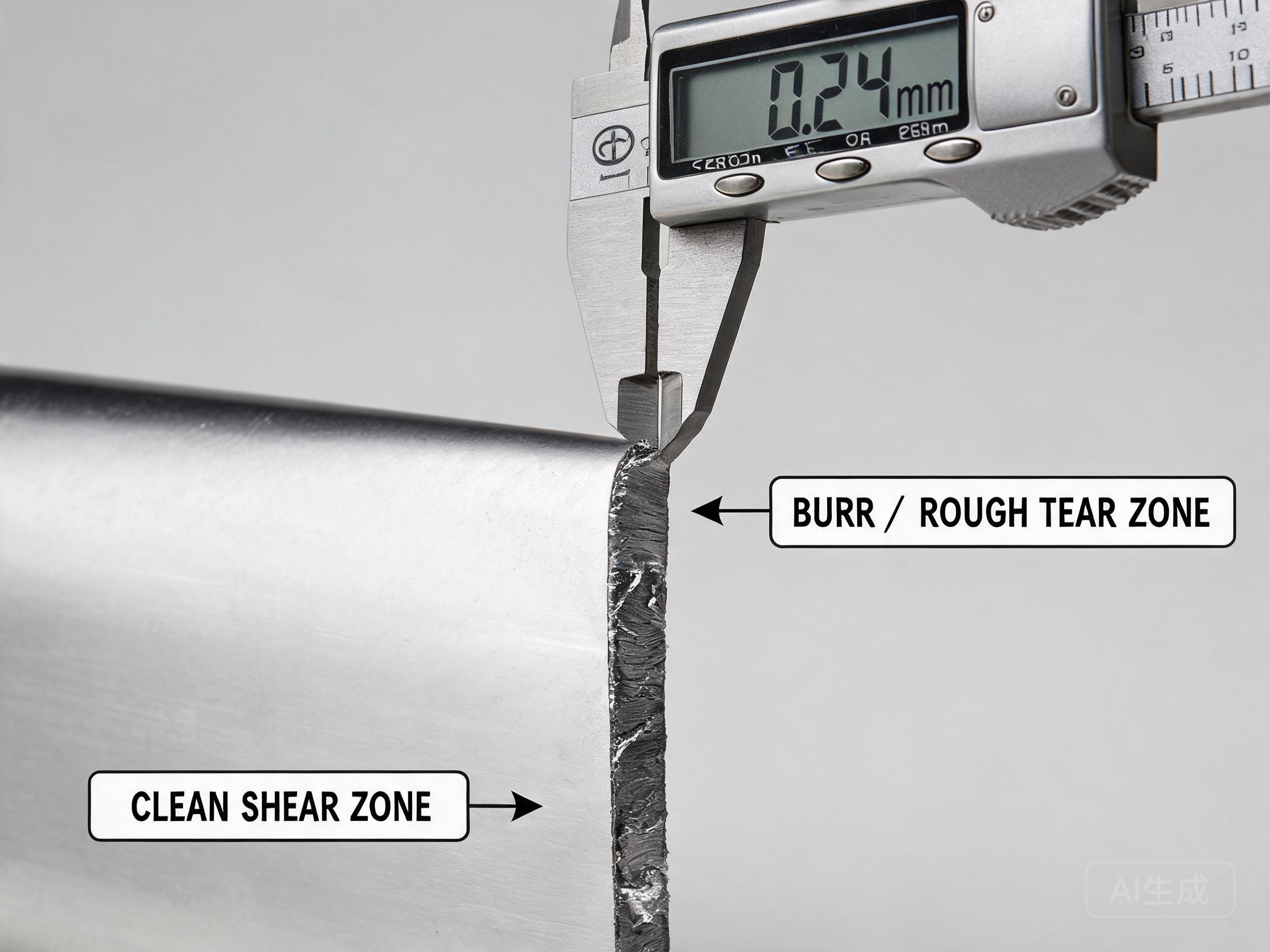
Why 304 produces taller burrs than 430, the correct die clearance for stainless stamping (6–12 % of thickness), and how the shear vs tear zone ratio controls burr height.
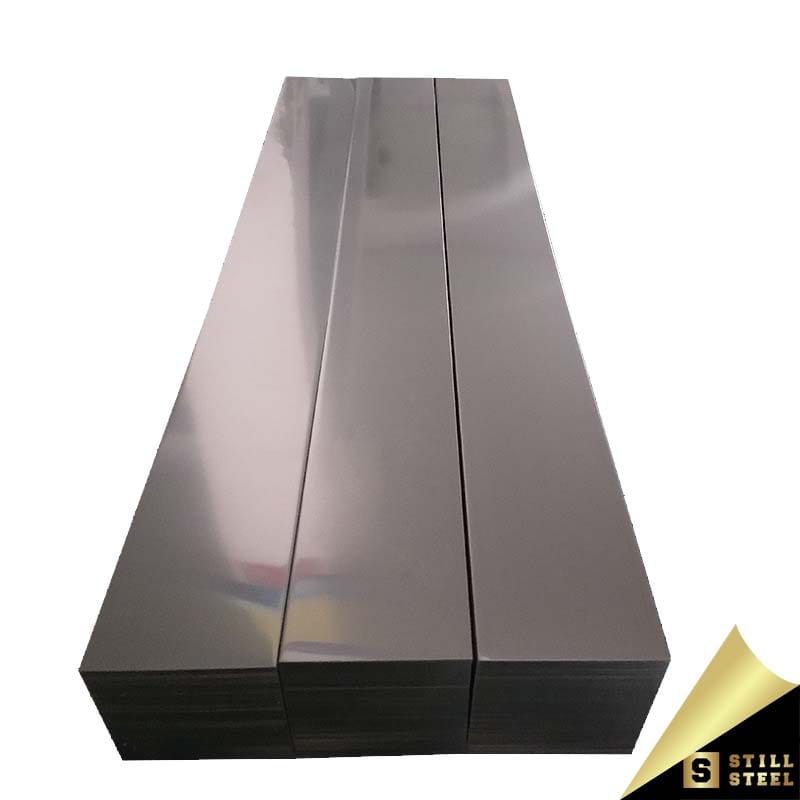
A practical method for selecting stainless steel sheet thickness using span, forming, stiffness, weight, tolerance and manufacturing tests.
Fish scale welding is a welding process named for its fish scale-shaped welded surface. The process involves selecting a welding point, energizing it, striking an arc with the w...
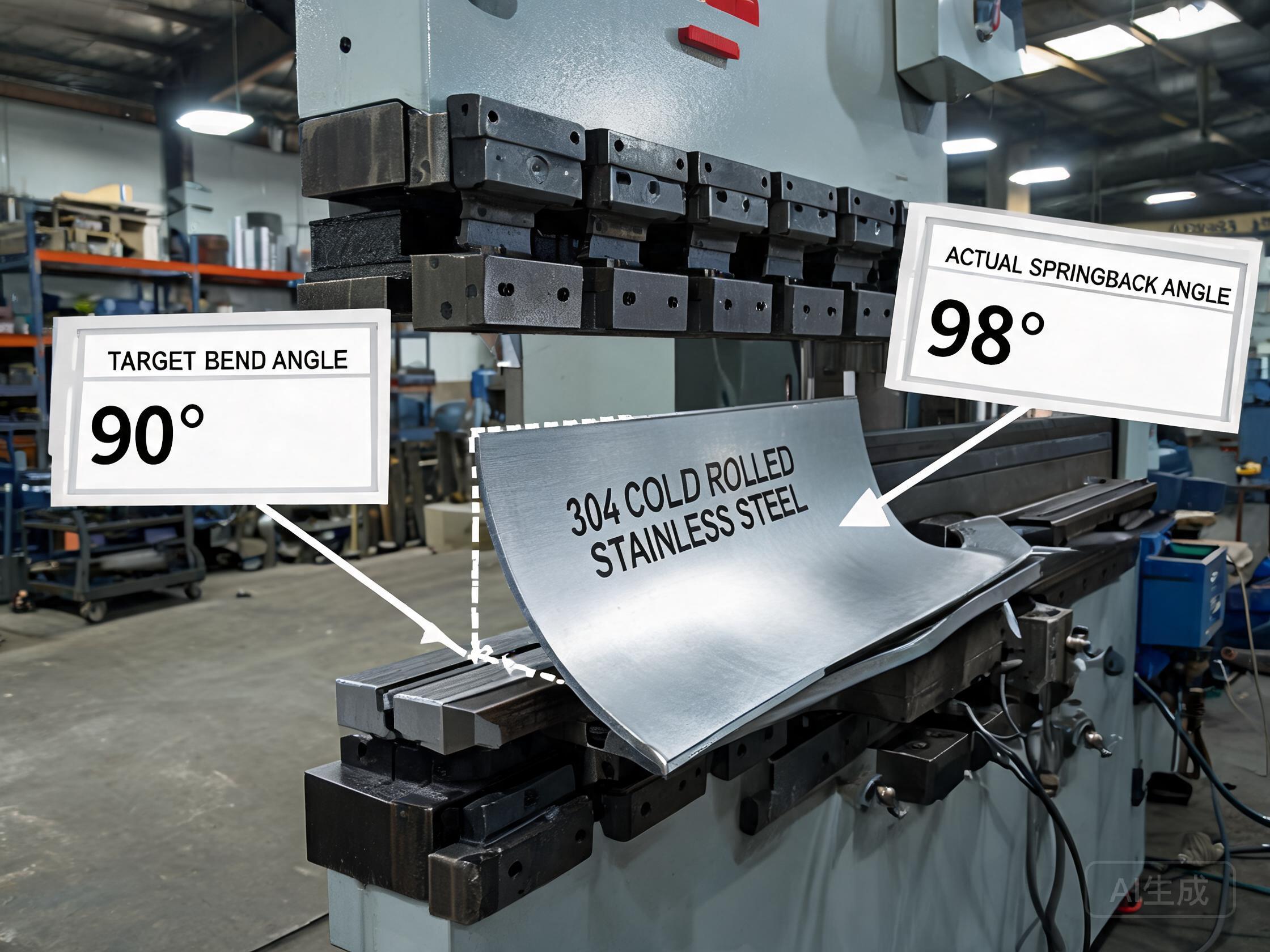
Why springback ruins stainless steel bend angles and stamped parts. Compare 304 vs 430, temper effect, and practical countermeasures for press brake and stamping.
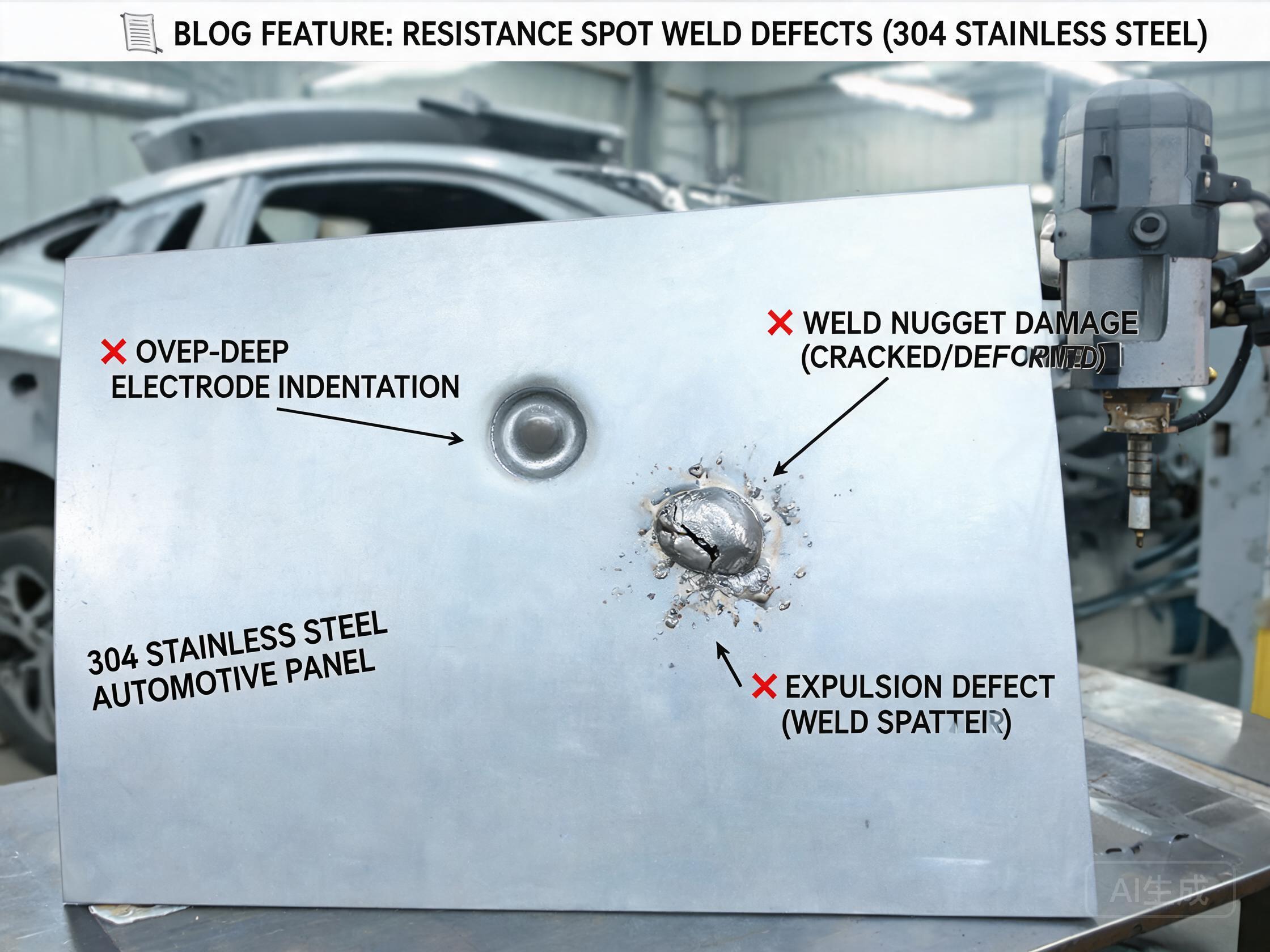
Spot welding stainless steel problems — why 304 needs more current than 430, electrode tip wear, weld shear strength and zinc contamination, with AWS D1.1 guidance.
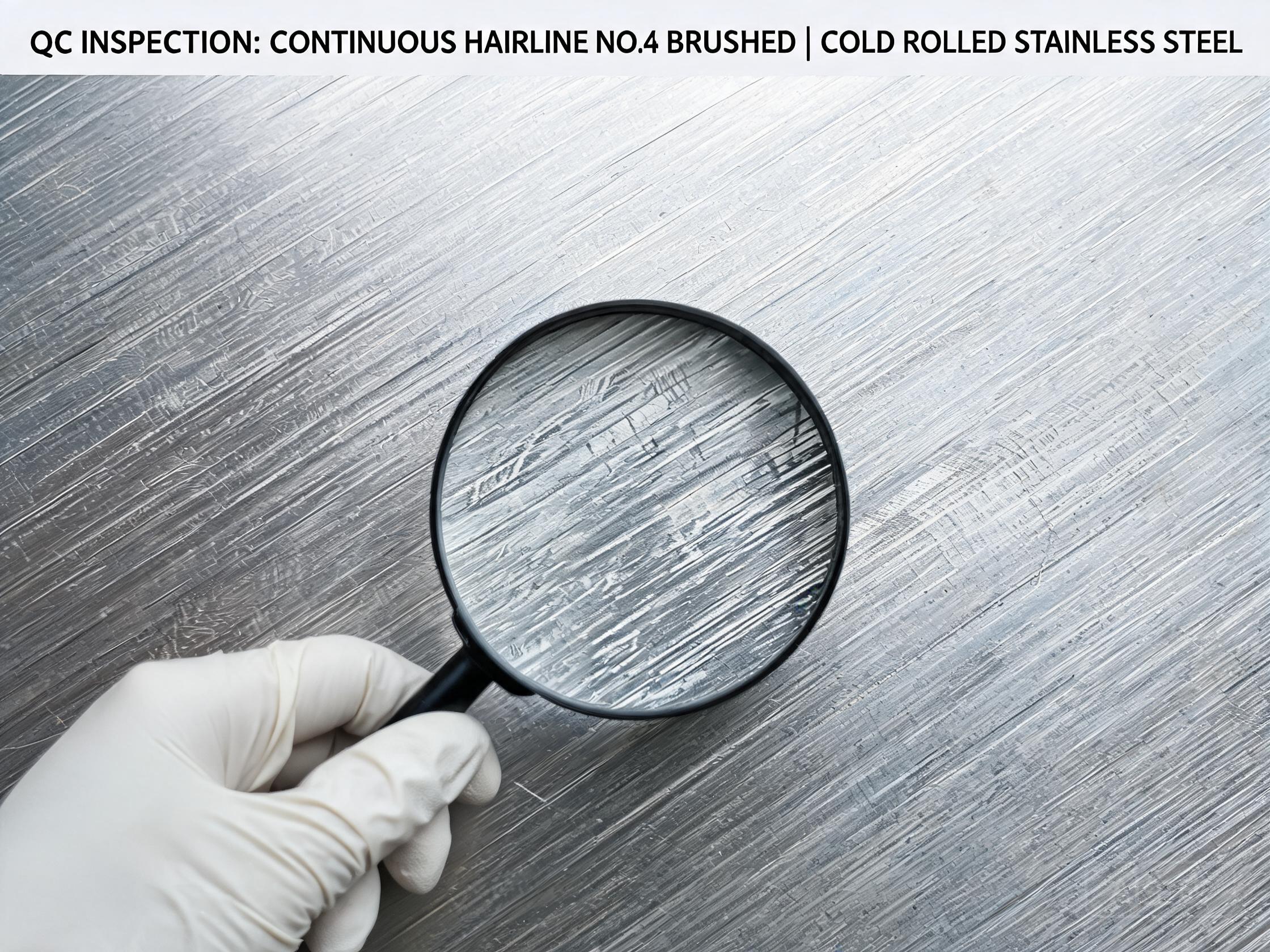
Continuous scratch brush (No.4 hairline) finish defects ruin architectural 304/316 panels. Learn why grit size, brush condition and scratch depth matter — and how to specify correctly.
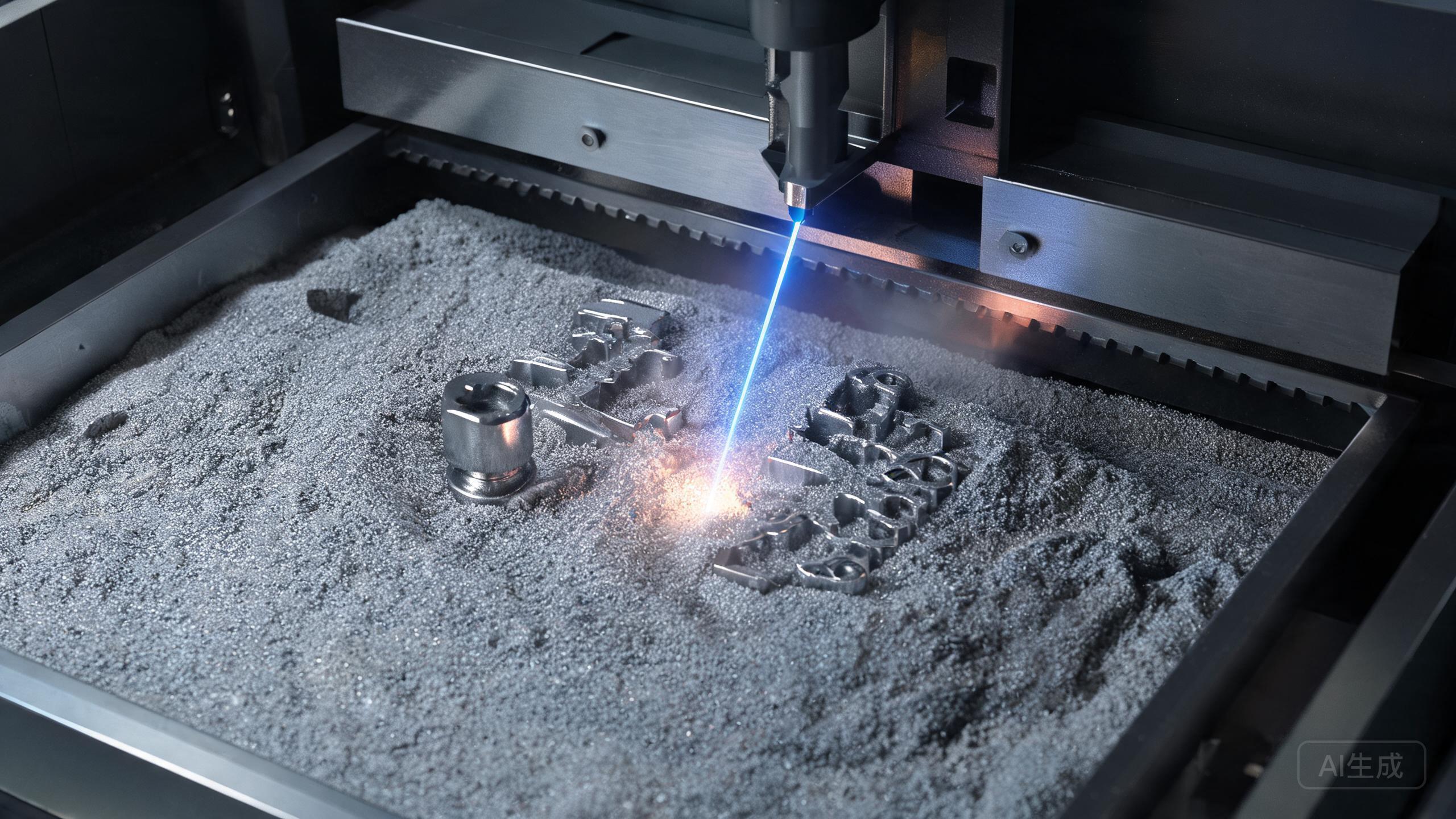
Stainless powder for LPBF additive manufacturing — 316L, 17-4PH, Invar 36. Powder D50 15-45μm, HIP post-processing.
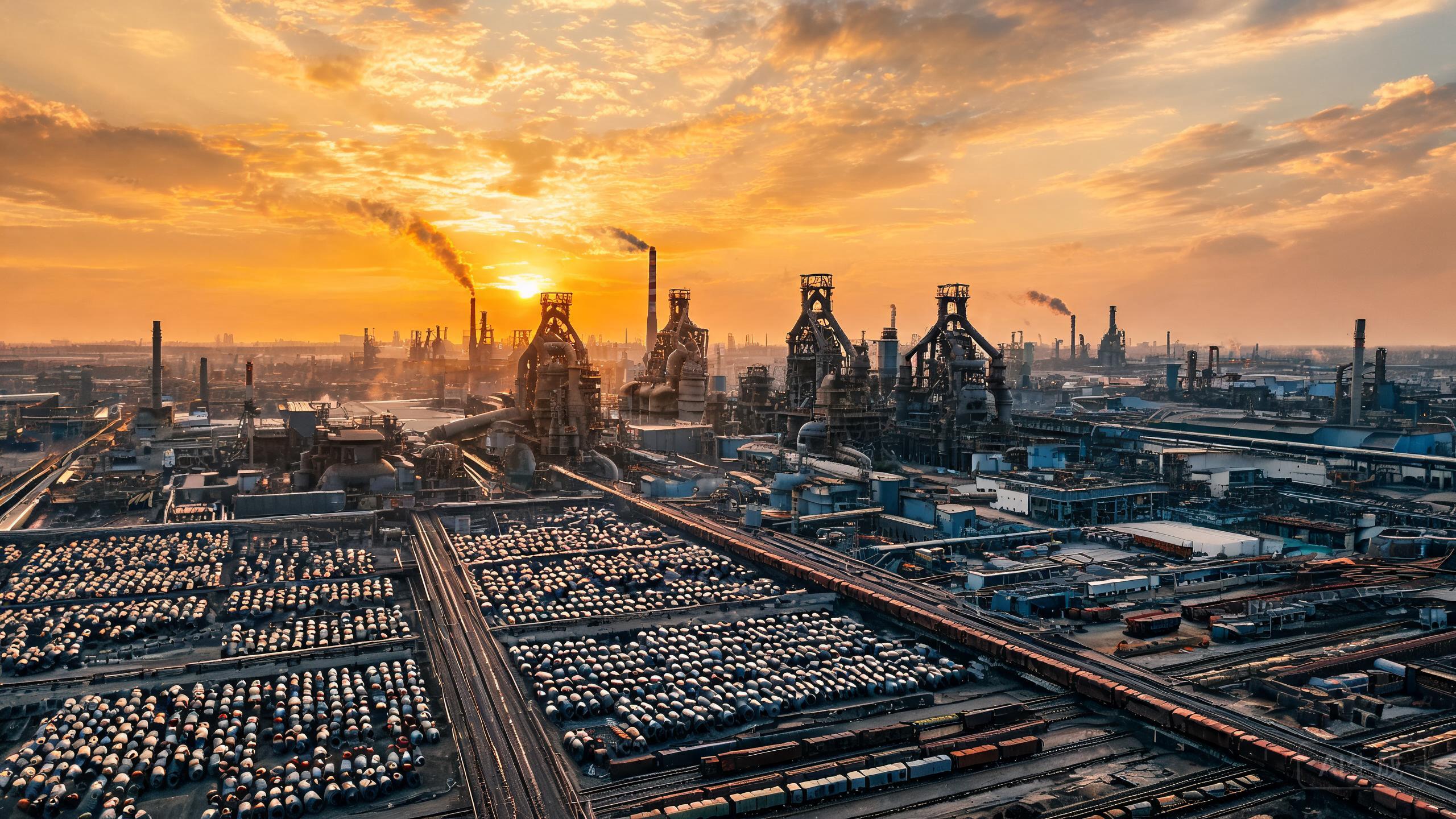
China's ten largest steel groups by 2025 crude steel output, with history, performance, strengths and practical guidance for international buyers.
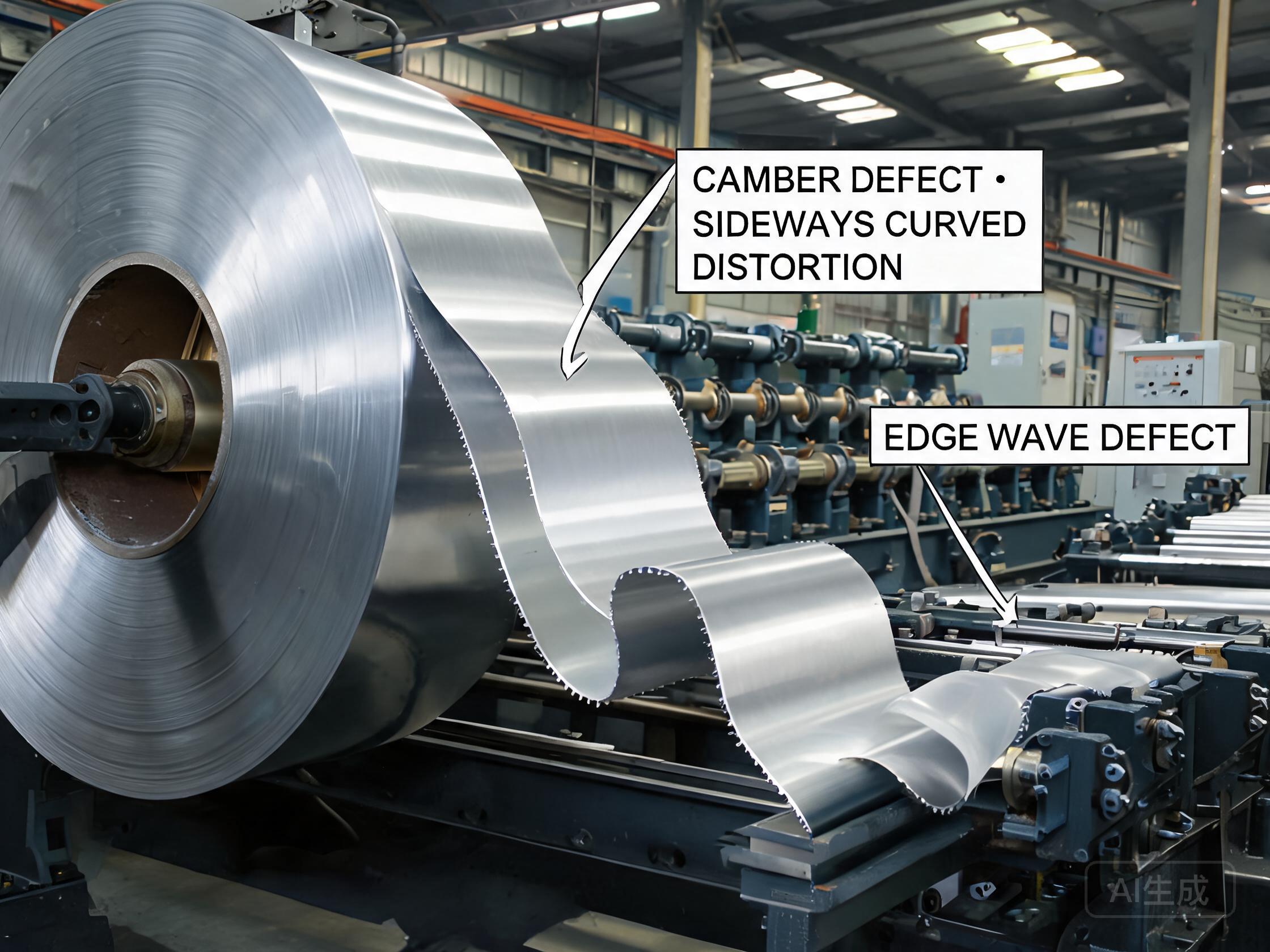
Why your cold rolled stainless steel strip cambers in the roll former, what causes edge wave and cross bow, and the critical difference between 430 ferritic and 304 austenitic behavior.
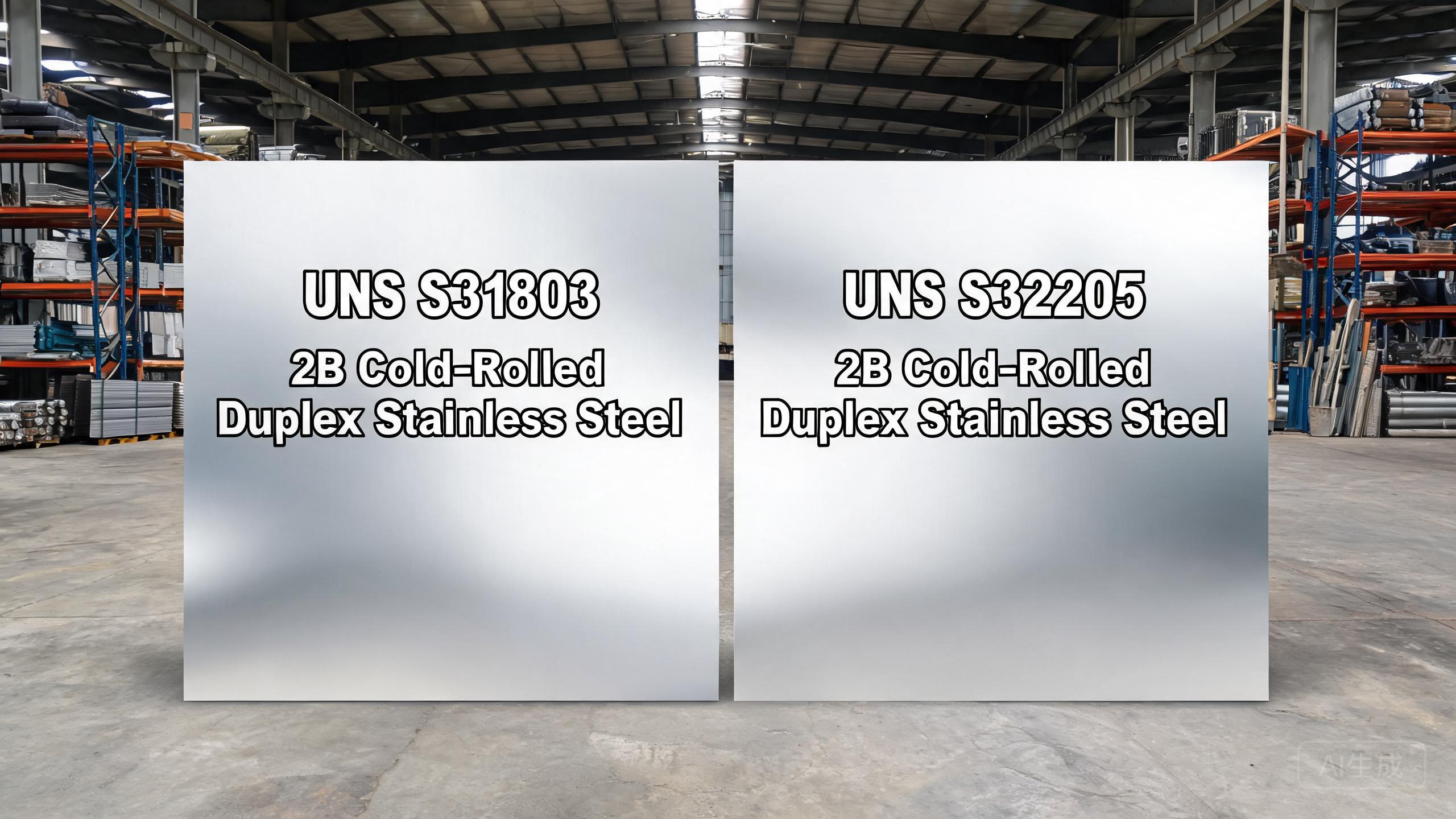
S31803 (obsolete pre-2002) vs S32205 (current ASTM A240). Mo and Cr chemistry differences, CPT pitting temperature.
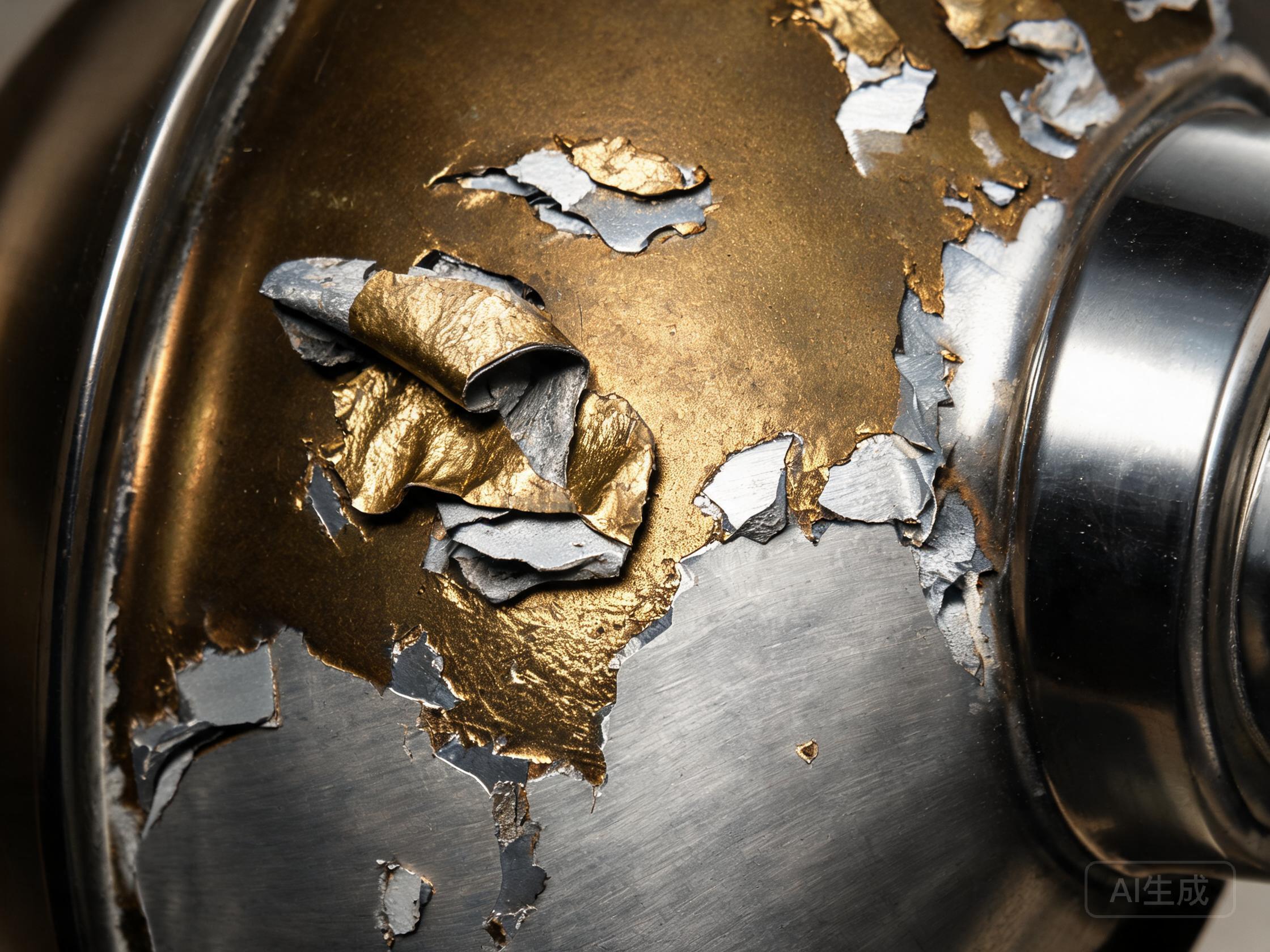
PVD coating peeling ruins colored stainless steel panels. Learn why surface prep, 304 vs 316 substrate and coating thickness cause adhesion failure, and how to specify correctly.
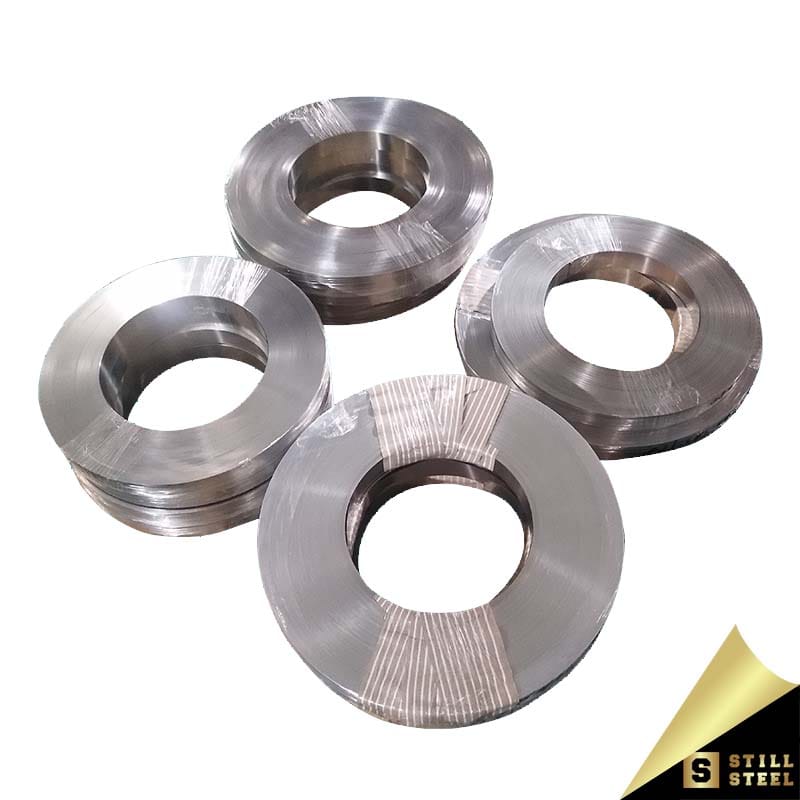
Importing stainless steel from China can be beneficial for a number of reasons. Surely, we won't say because we are exporting stainless steel from China. Here are some of the m...
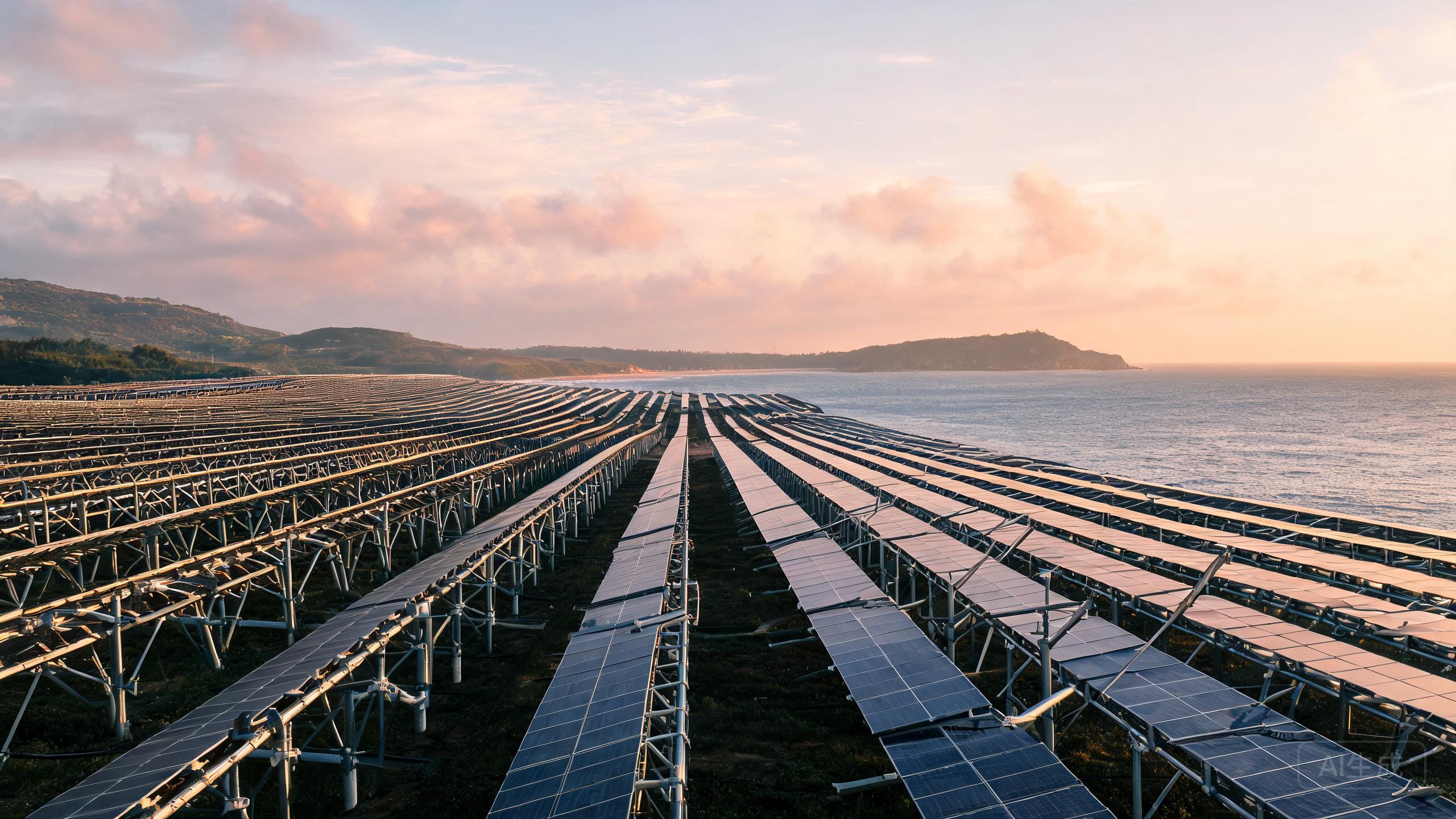
Wo Edelstahl in Solar, Wind, Speicher, Wasserstoff und Ladeinfrastruktur sitzt, welche Güte jedes Feld verlangt und welche Korrosionsprobleme folgen.
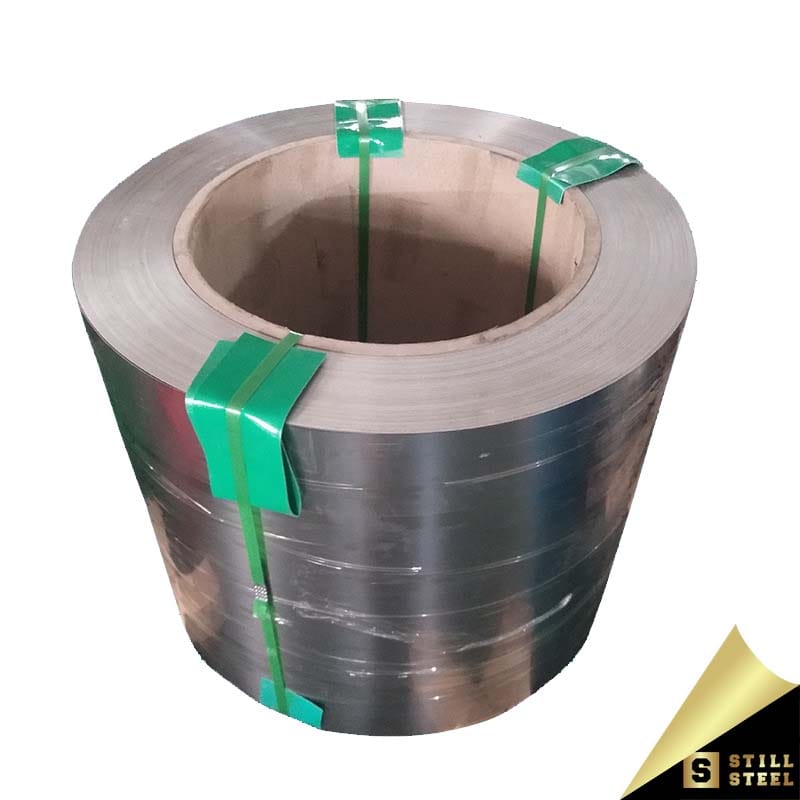
Protect stainless steel coil, strip and sheet from seawater, condensation, edge damage, telescoping and surface scratches during export.
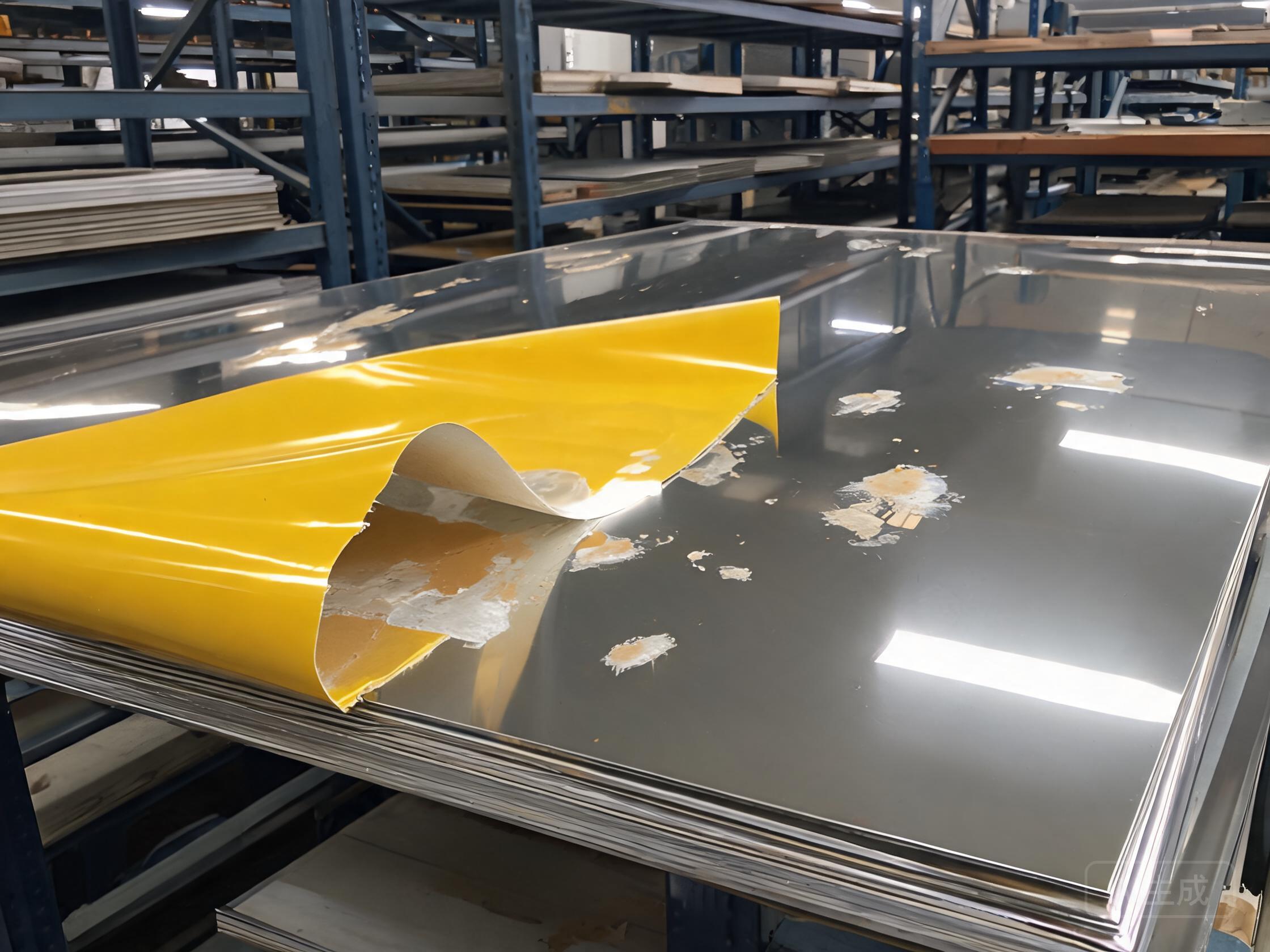
Cheap protective film leaves sticky residue or tears during peeling. Compare Chinese vs Korean/Japanese film, storage time limits and how to specify film quality on your RFQ.
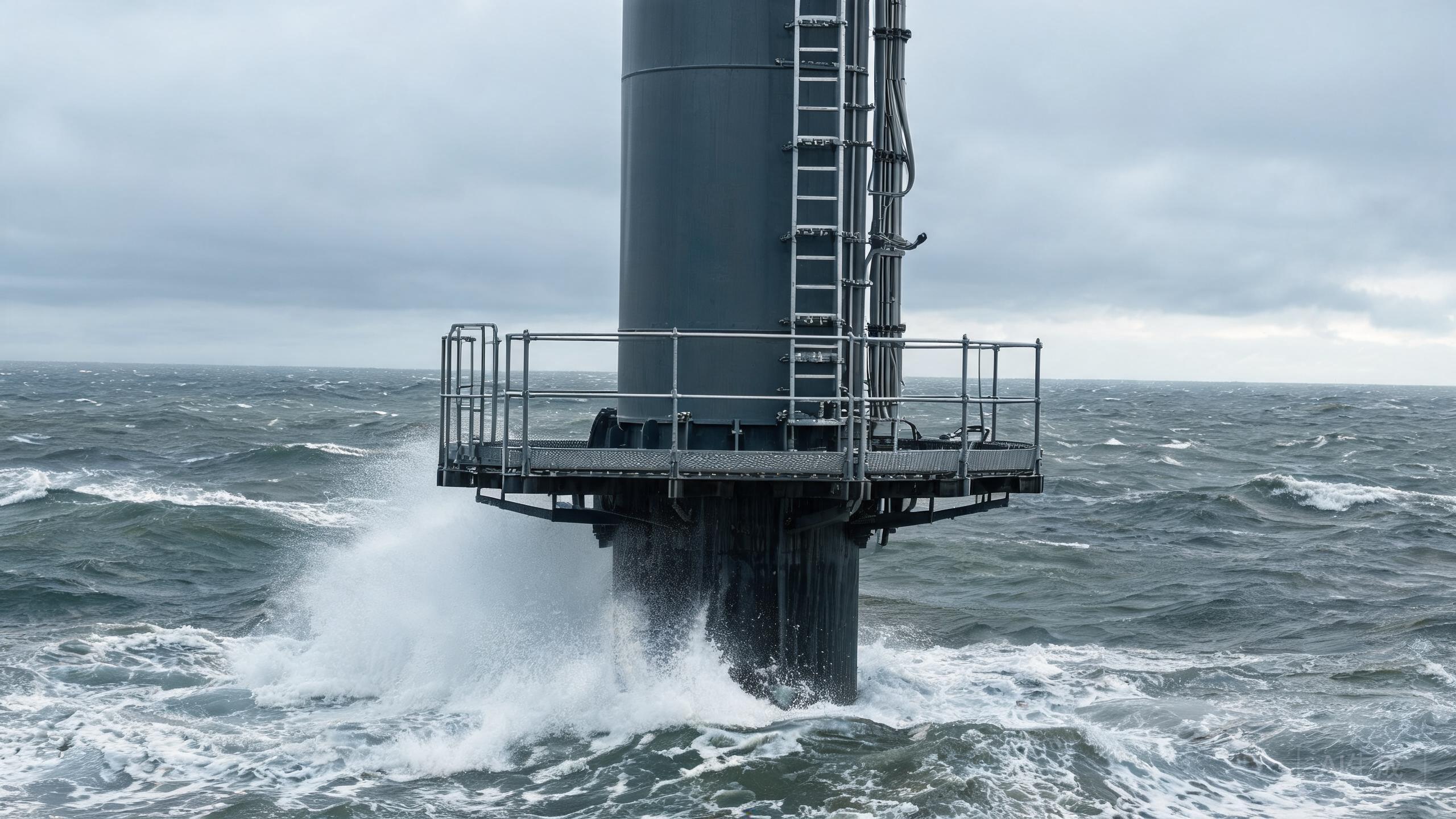
Welche Edelstahlgüten Solartracker und Offshore-Wind überstehen, warum 304 an der Küste versagt und welche fünf Feldprobleme Gewährleistungsfälle auslösen.
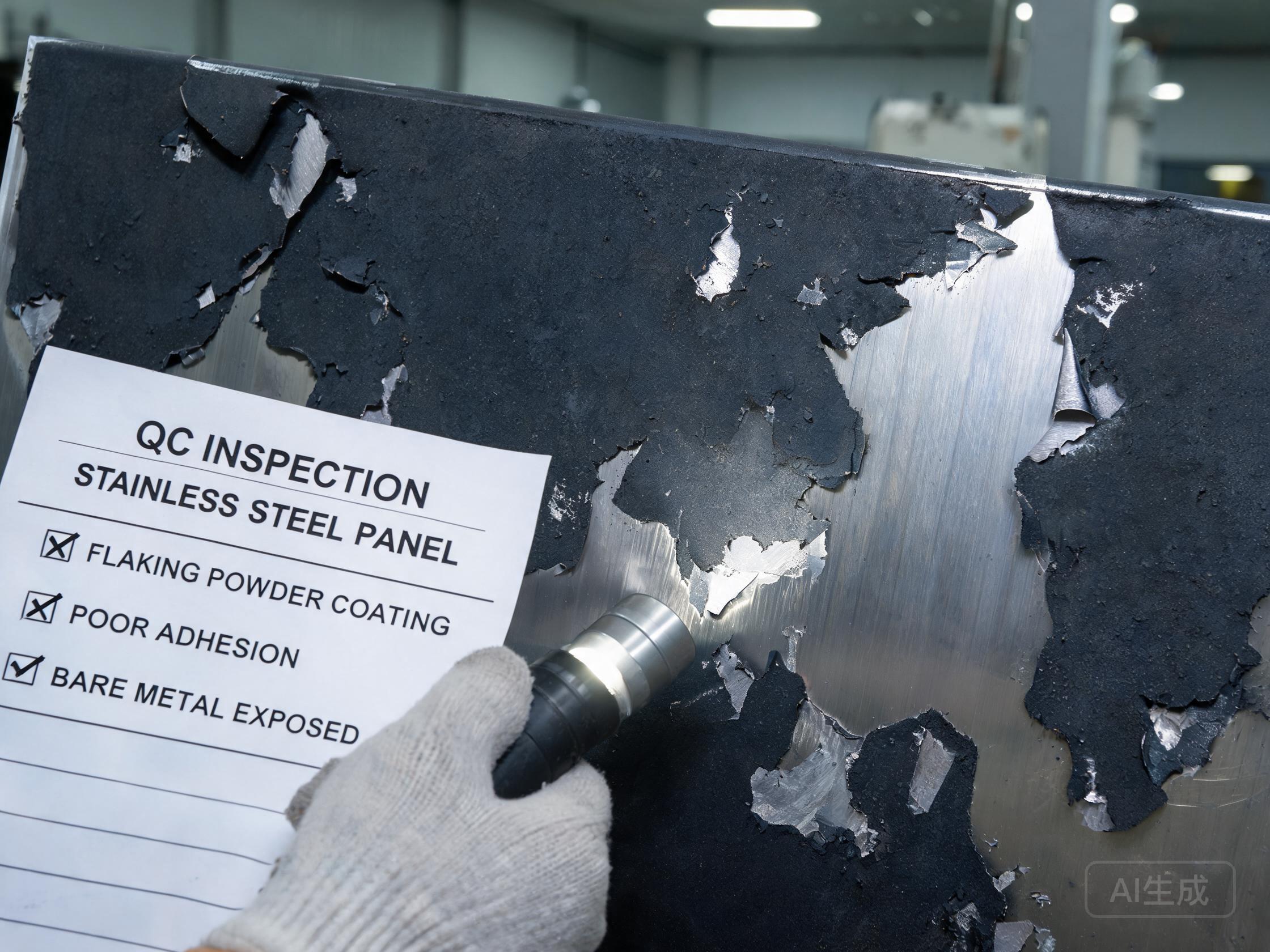
Powder coating peeling on 430 and 304 stainless is caused by missing primer, wrong Ra roughness or skipped pre-treatment. Learn the right specification here.
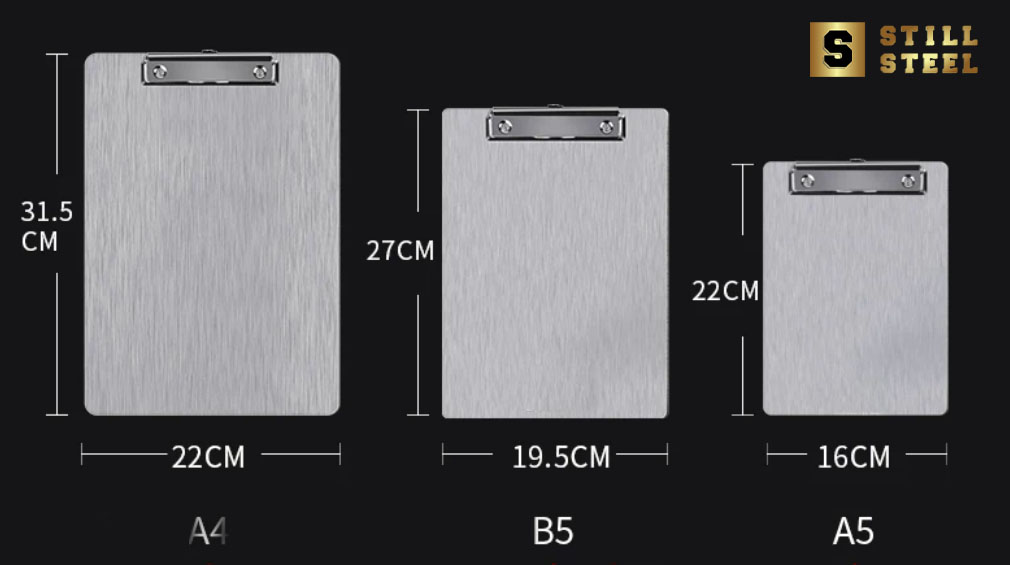
Choose 1.0 mm or 1.2 mm stainless steel for clipboards and solve sharp edges, weak clips, trapped film, dents and magnetic-grade confusion.
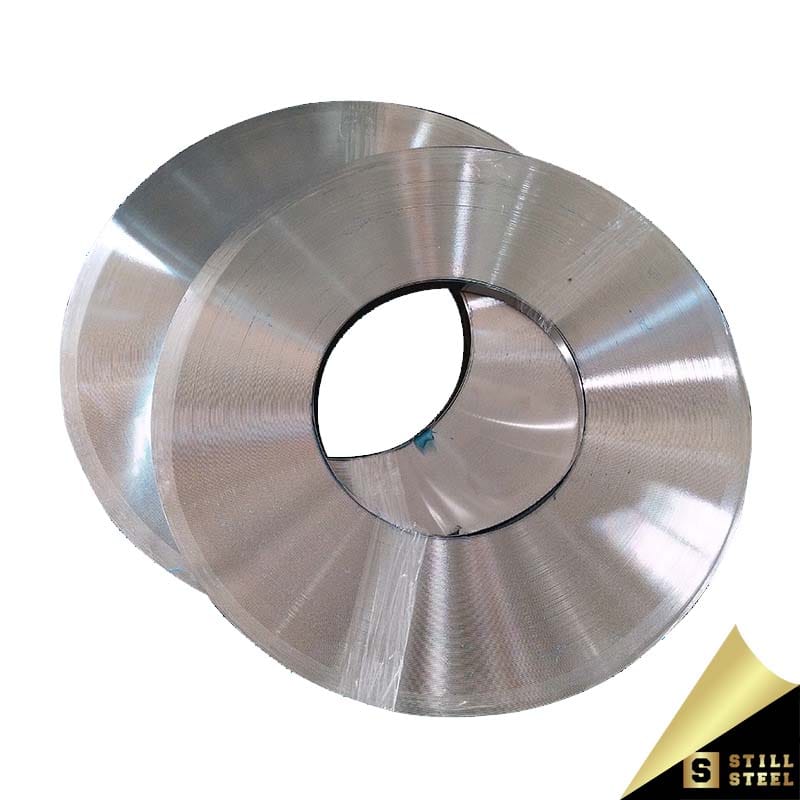
A practical 304 vs 316 stainless steel comparison covering molybdenum, chloride resistance, cost, fabrication and applications.
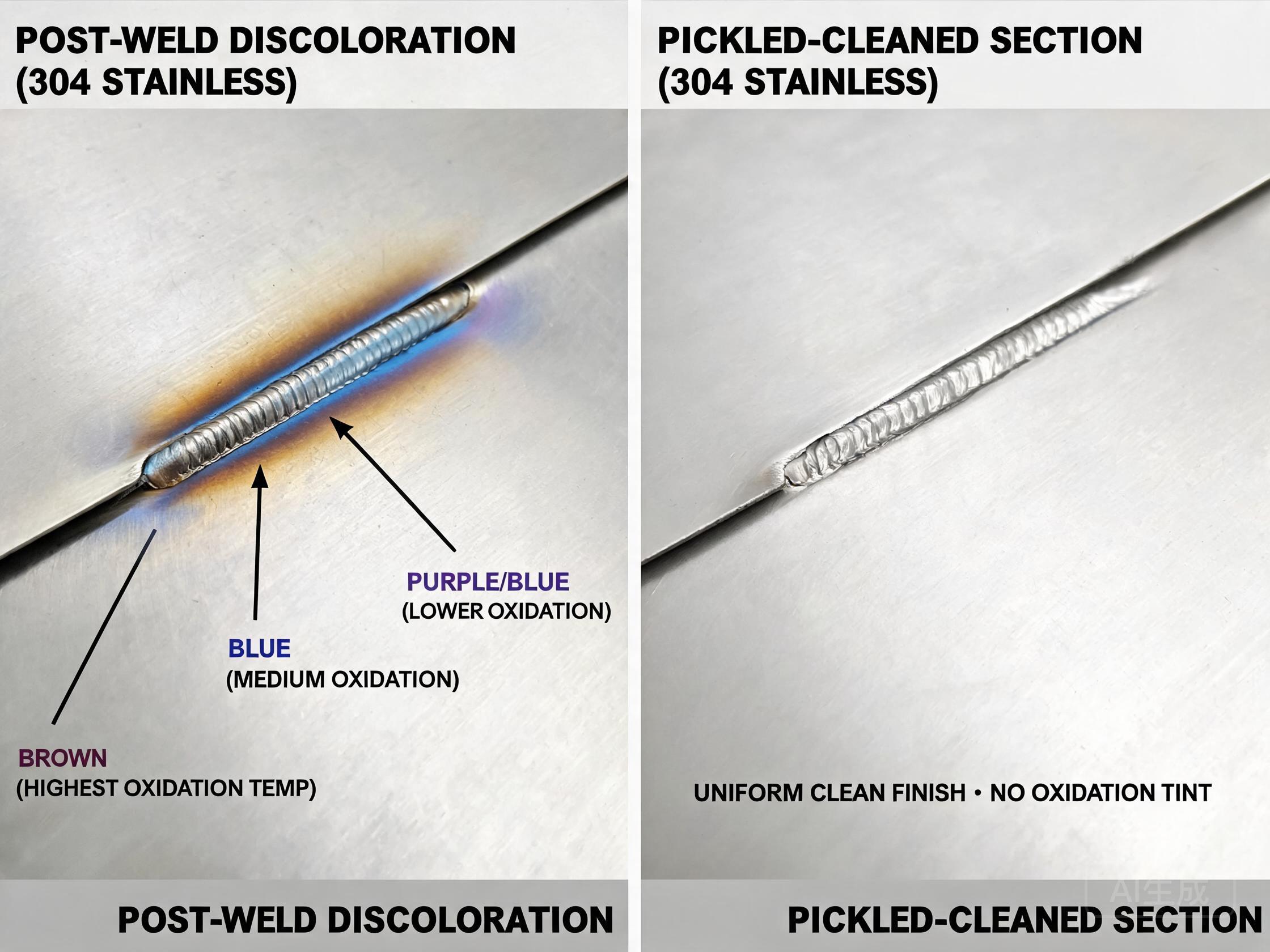
Post-weld cleaning for 304 and 316 — why heat tint and weld discoloration causes rust, pickling paste stainless steel brush and glass bead blasting procedures.
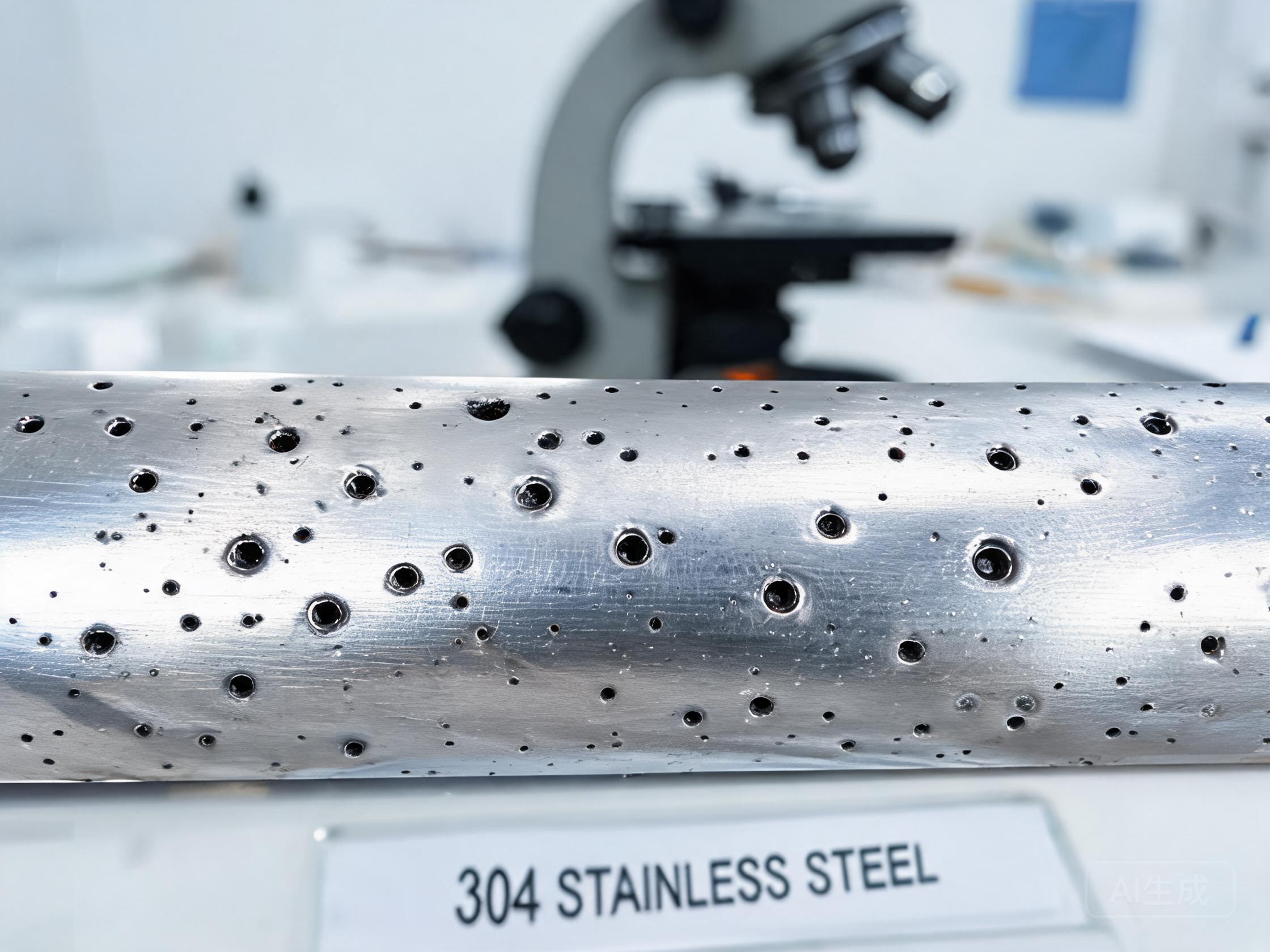
Pitting corrosion on cold rolled stainless steel: what causes it, how to calculate PREN, and why 304 fails where 316 or 2205 survives.
Select and manage protective film for stainless steel laser cutting, bending, brushing, transport and outdoor storage.
Verify stainless steel grade with traceability, MTC review, XRF or OES testing instead of relying on magnets and appearance.
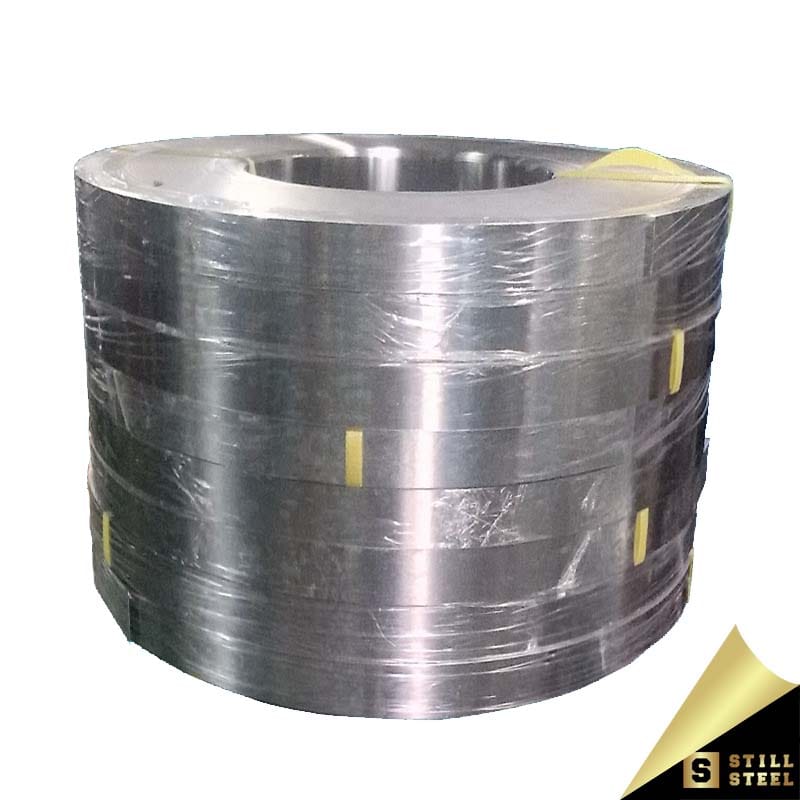
4116 stainless steel, full name DIN 1.4116, is a German standard martensitic stainless steel, that belongs to the manufacturing raw material for cutting tools. Its hardness, tou...
POSCO plans an anti-circumvention case vs Malaysian stainless CRC. Goods arriving after filing may face retroactive duty. Recheck your Korea shipments now.
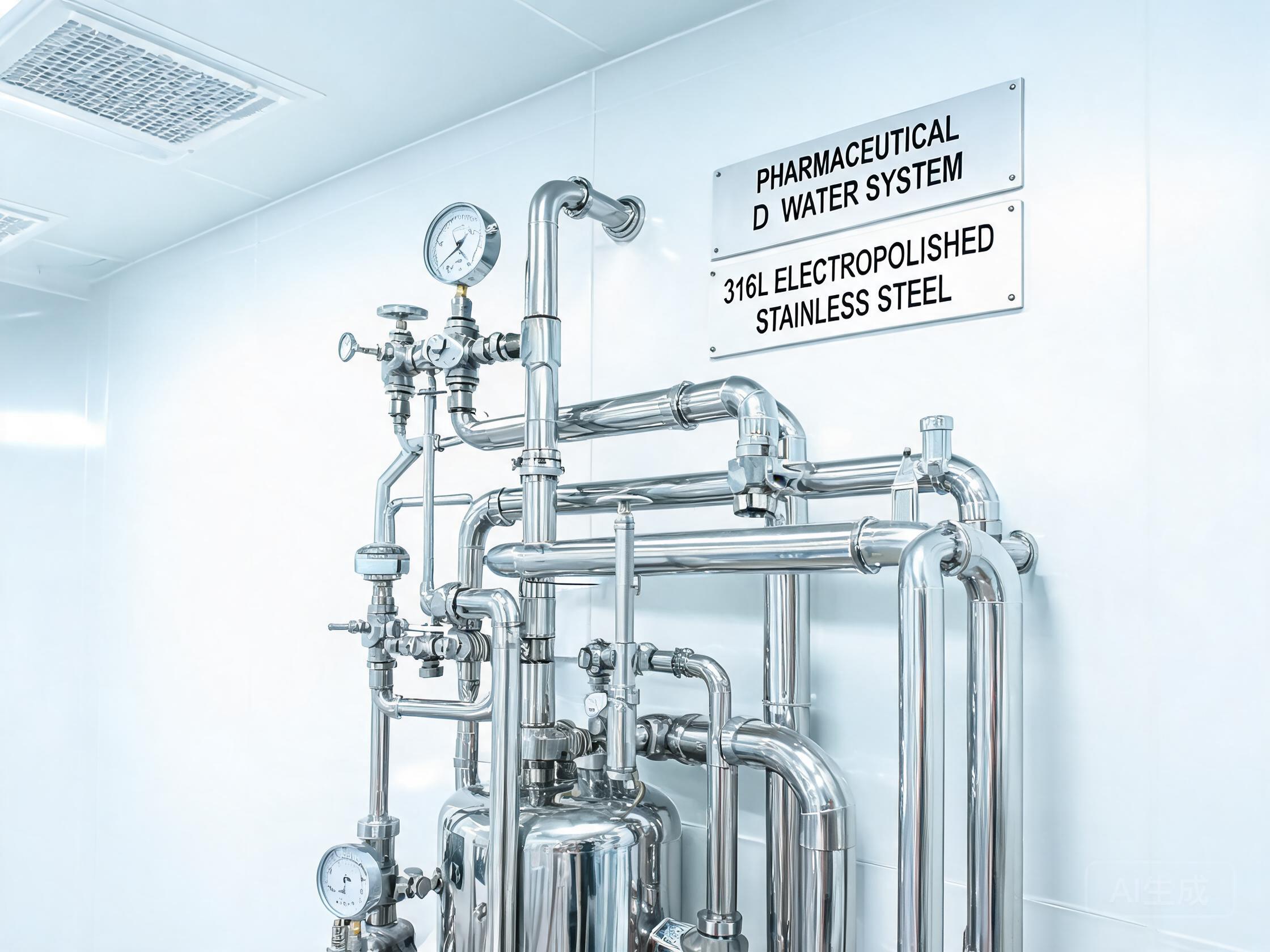
Pharmaceutical deionized (DI) water at 18.2 MΩ·cm requires 316L stainless steel only, electropolished Ra <0.4 μm, proper passivation and ASME BPE compliance. Get the cold rolled sheet spec right and your WFI system meets FDA, EMA and PIC/S audits without rework.
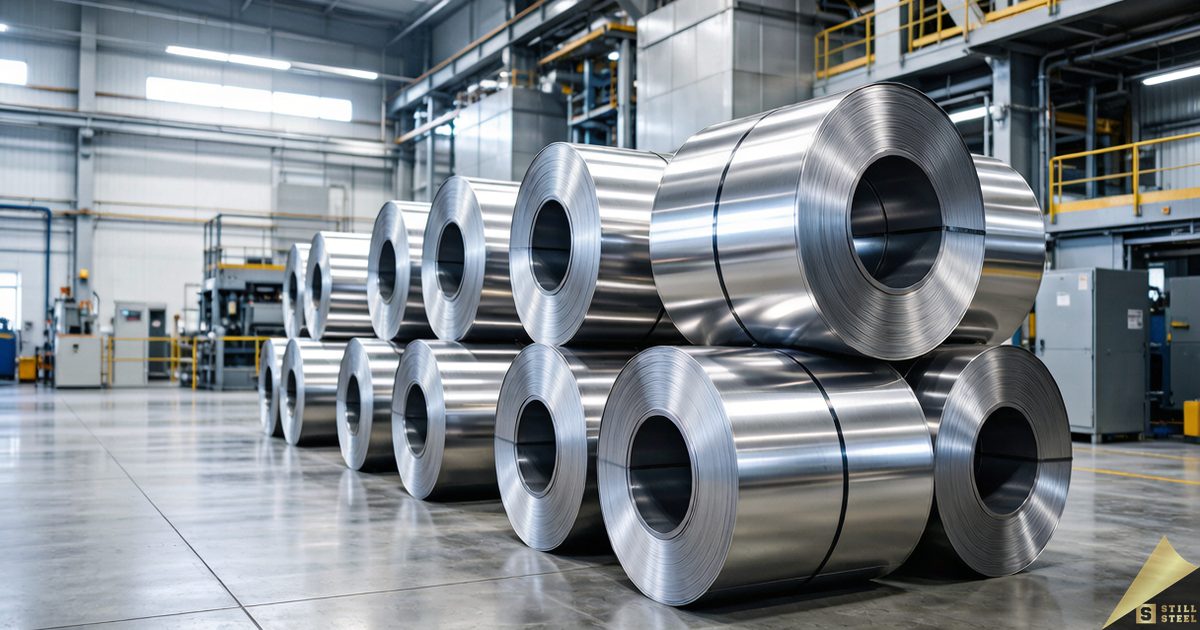
China is the largest producer and consumer of stainless steel in the world, accounting for over 50% of global production and consumption. The Chinese stainless steel industry ha...
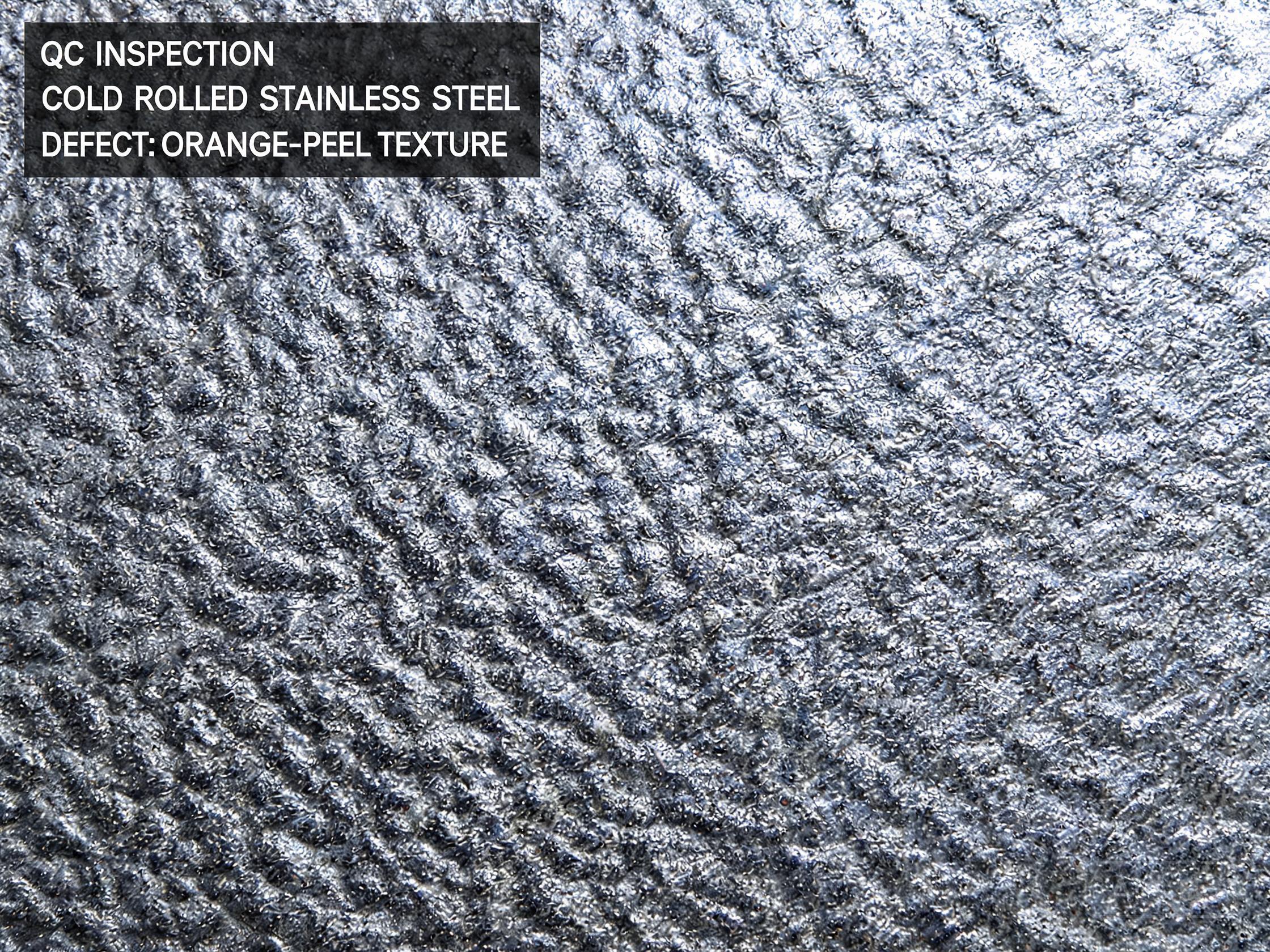
MYMEMORY WARNING: YOU USED ALL AVAILABLE FREE TRANSLATIONS FOR TODAY. NEXT AVAILABLE IN 23 HOURS 10 MINUTES 22 SECONDS VISIT HTTPS://MYMEMORY.TRANSLATED.NET/DOC/USAGELIMITS.PHP TO TRANSLATE MORE
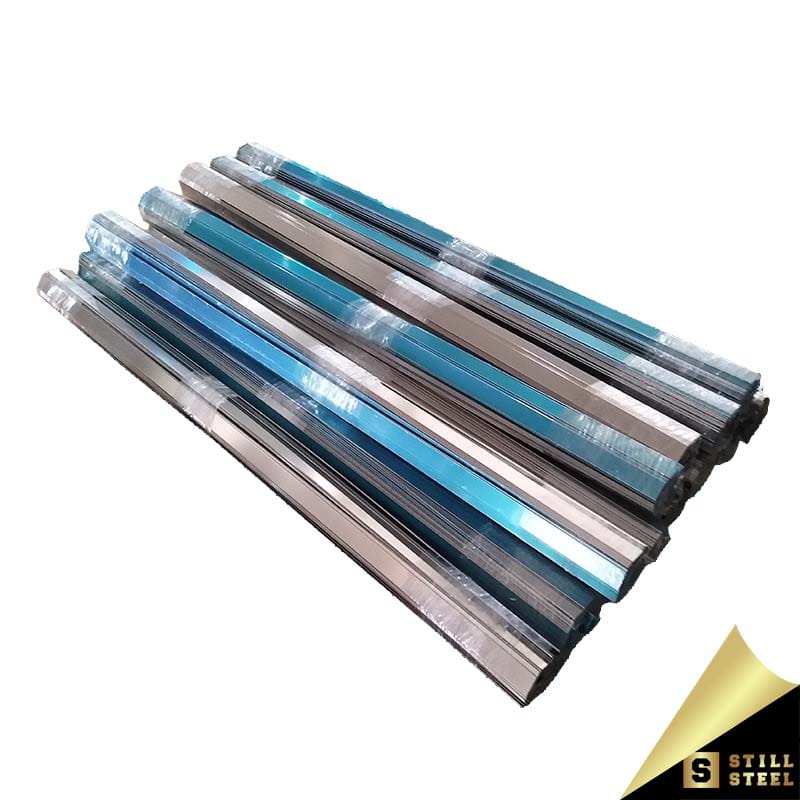
stainless steel partition walls are becoming increasingly popular in modern interior design due to their durability, aesthetic appeal, and versatility. They are widely used in c...
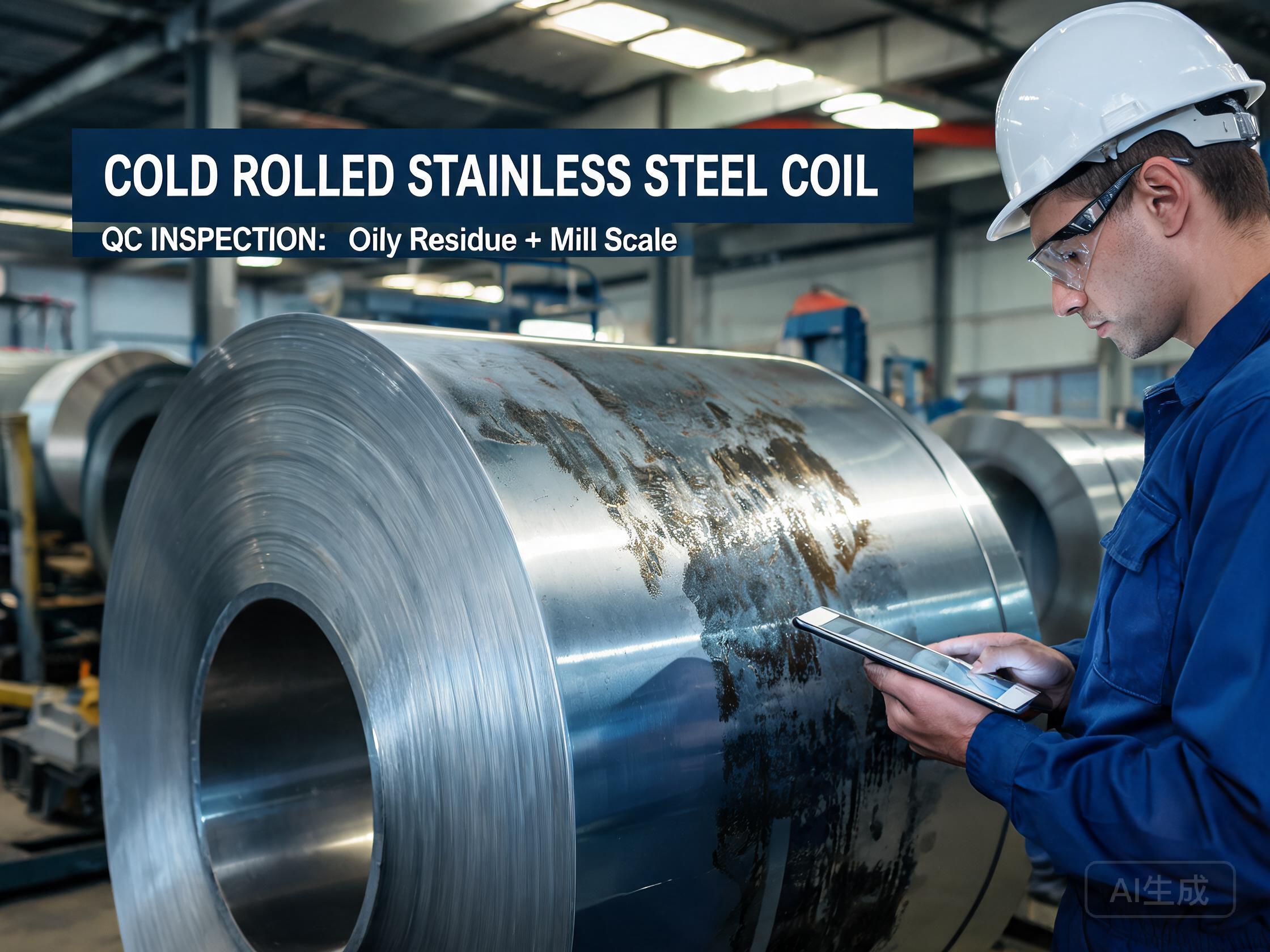
Oil residue causes poor welds, bad PVD adhesion and ugly finish on stainless parts. Learn the difference between mill rolling oil and stamping lubricant, and how to inspect and specify clean steel.
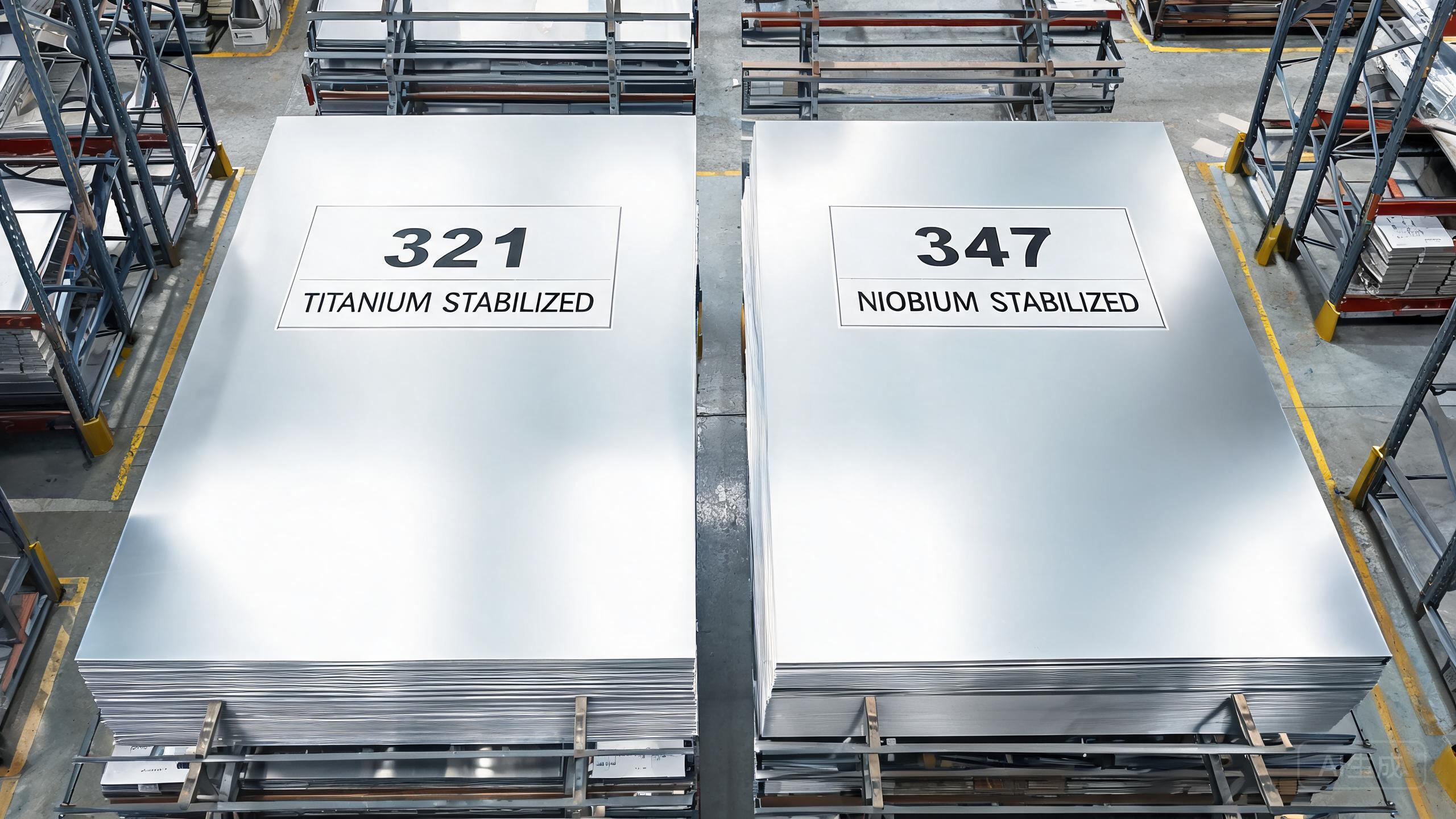
321 Ti-stabilized vs 347 Nb+Ta-stabilized austenitic. 321 up to 870°C intermittent, 347 up to 850°C continuous. ASME BPVC.
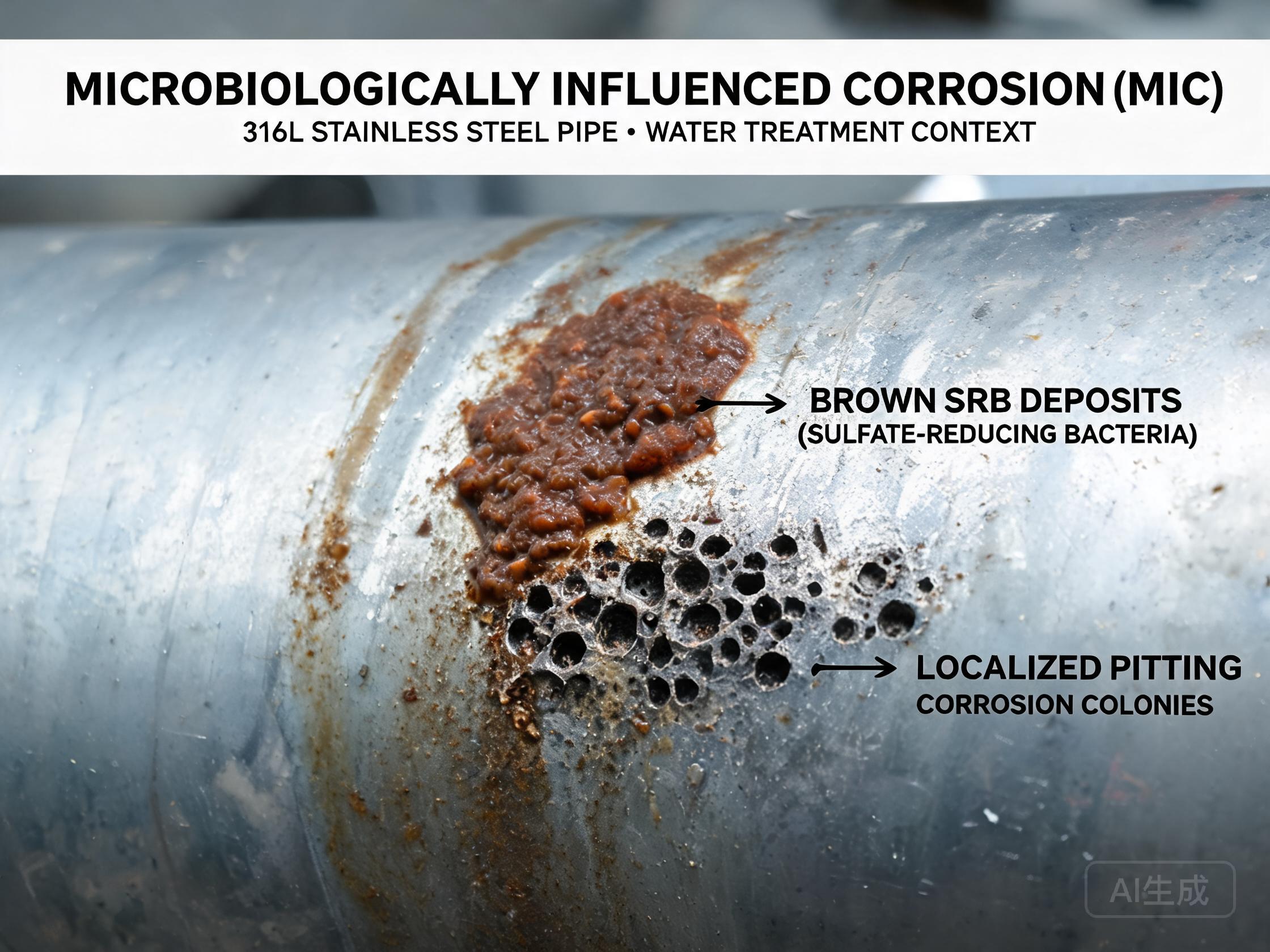
Microbiologically influenced corrosion (MIC) from sulfate-reducing bacteria on cold rolled stainless steel. Why 316L survives where 304 fails, and pasteurization frequency matters.
Understand EN 10204 3.1 inspection certificates, heat numbers, chemistry, mechanical results and document checks for stainless steel.
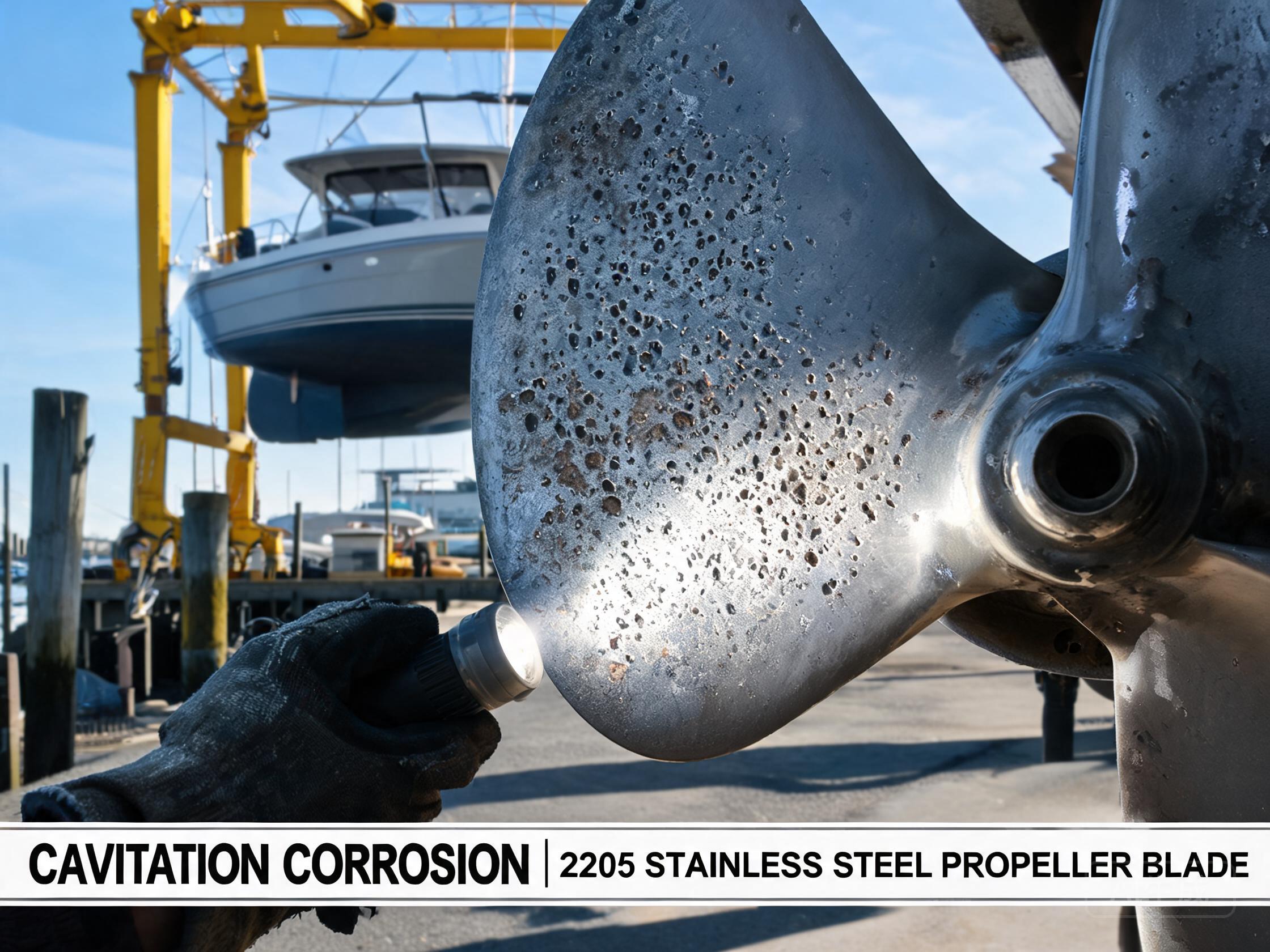
Marine propeller cavitation erodes cold rolled stainless steel in months at high vessel speeds. Compare 2205 duplex vs 316L cavitation resistance (ASTM G32), know the velocity threshold (25 m/s), and specify the grade and thickness that survive five years without repair welding.
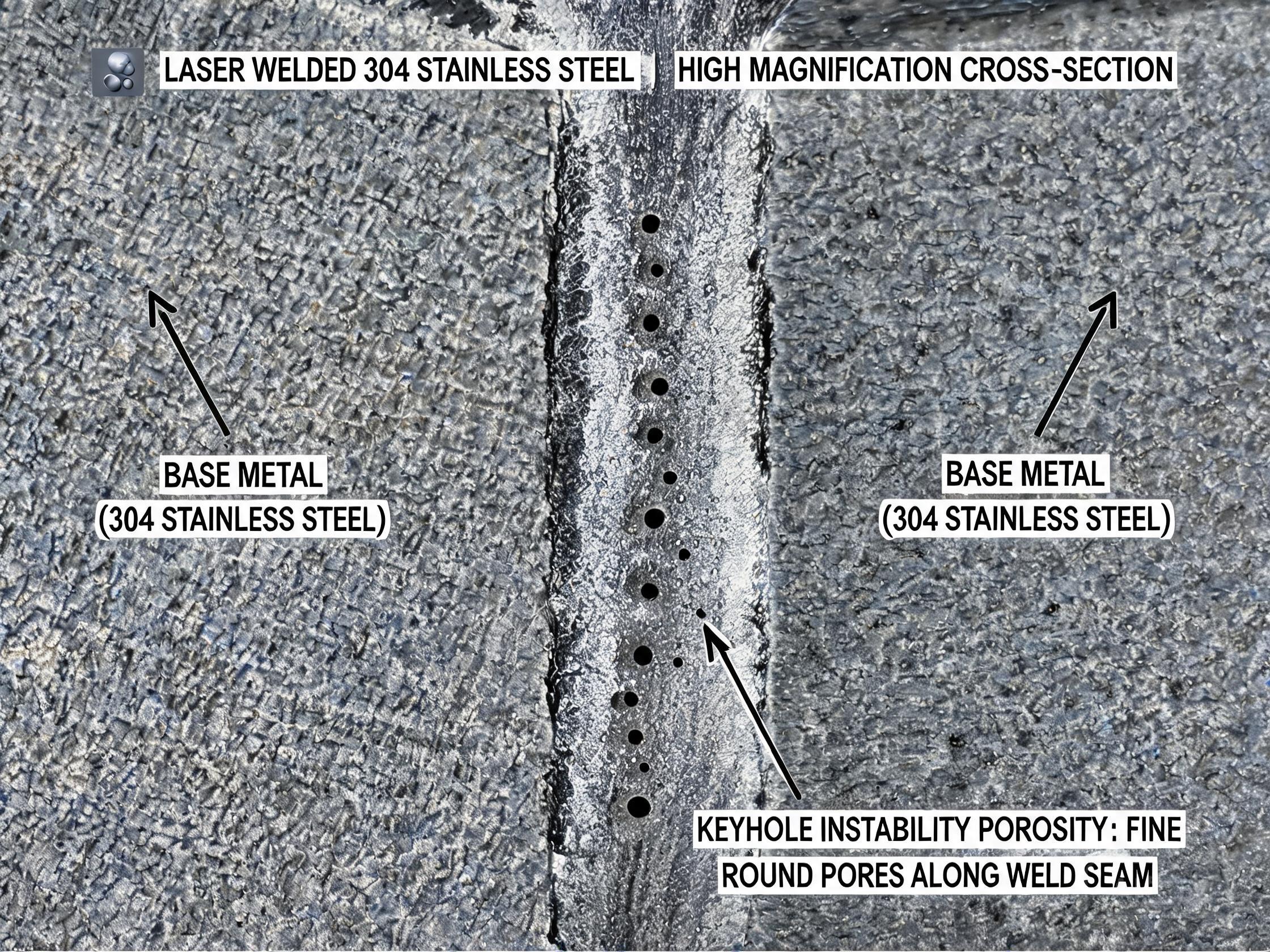
Laser welding porosity in 304 vs 316 — why keyhole collapse causes round holes, argon shielding requirements, travel speed control and the 316 nitrogen difference.
Stainless steel is a versatile material that is commonly used in various industries, from household items to industrial equipment. However, choosing the right grade of stainless...
One unconfirmed Indonesian nickel quota rumour pushed SHFE nickel up to 132,650 then down to 128,230 in four days. How to defend 304 offers.
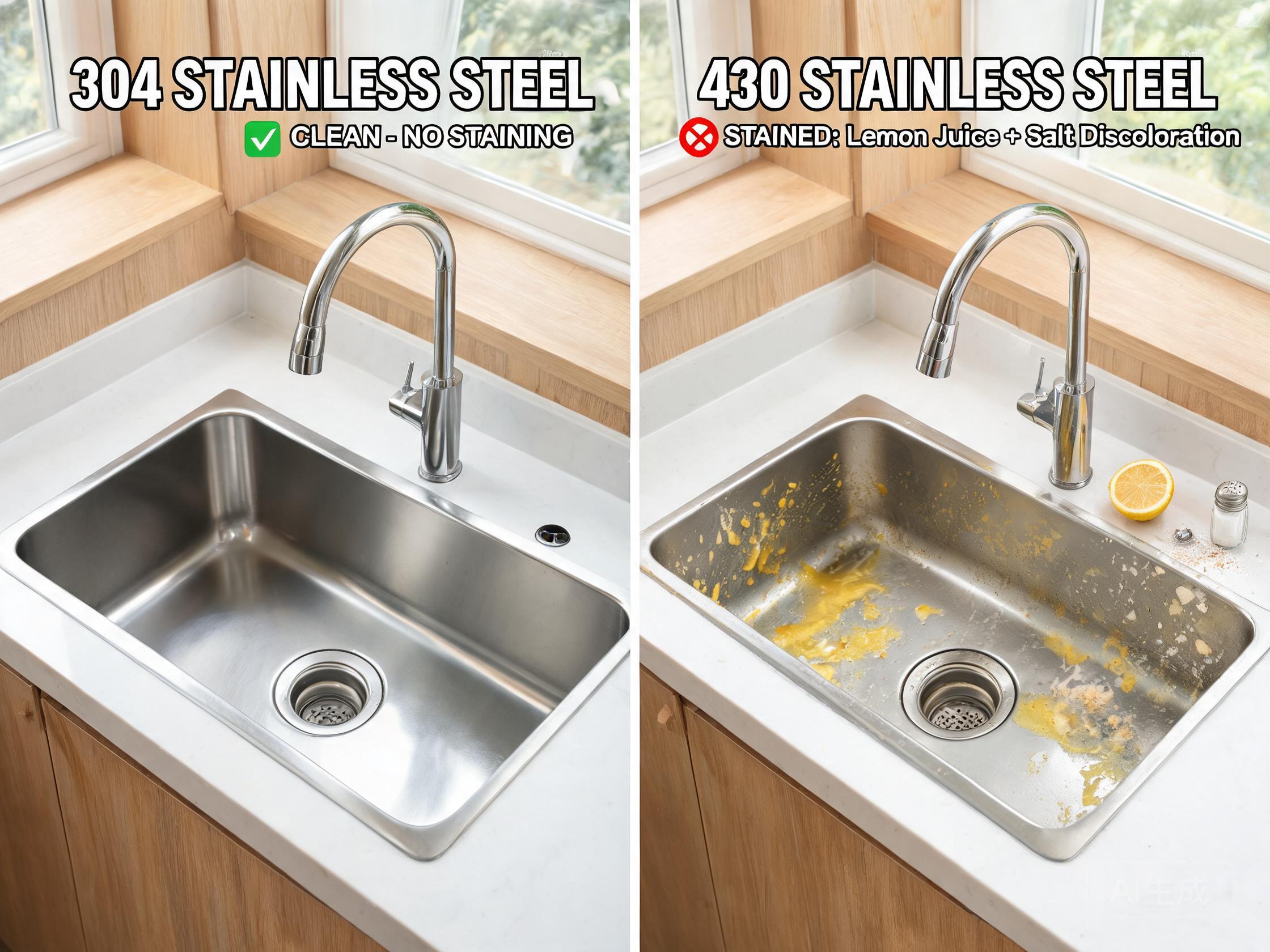
Cold rolled stainless steel kitchen sinks stain from lemon juice, salt water and coffee. Compare 304 vs 430 salt tolerance, run the 24-hour lemon juice test, and choose 8K mirror or No.4 brushed surface that survives daily use for ten years without rust spots.
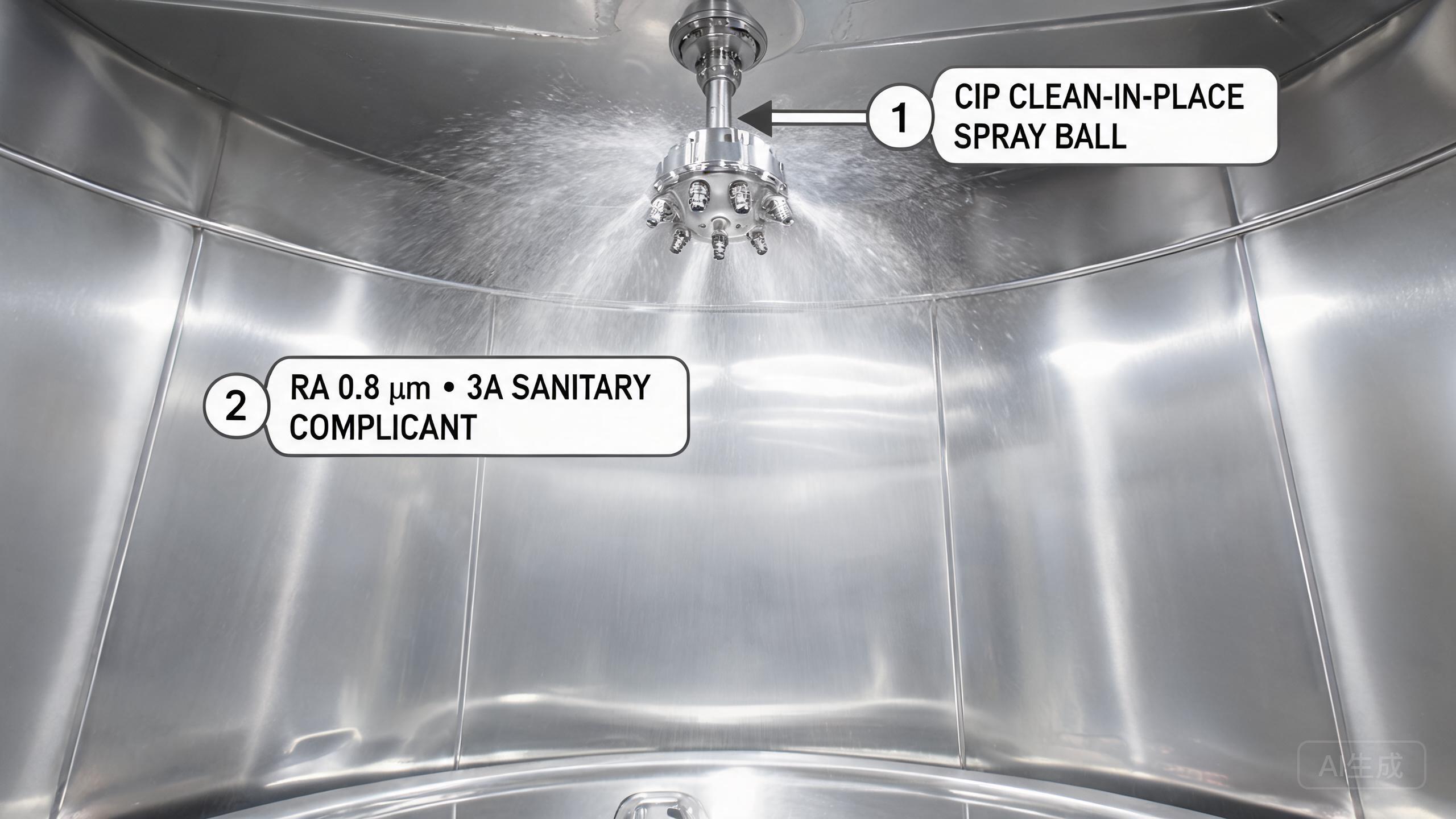
CIP food processing — Ra ≤0.4μm dairy, ≤0.8μm meat. Electropolish vs mechanical, 3-A Sanitary Standards, 304 vs 316L.
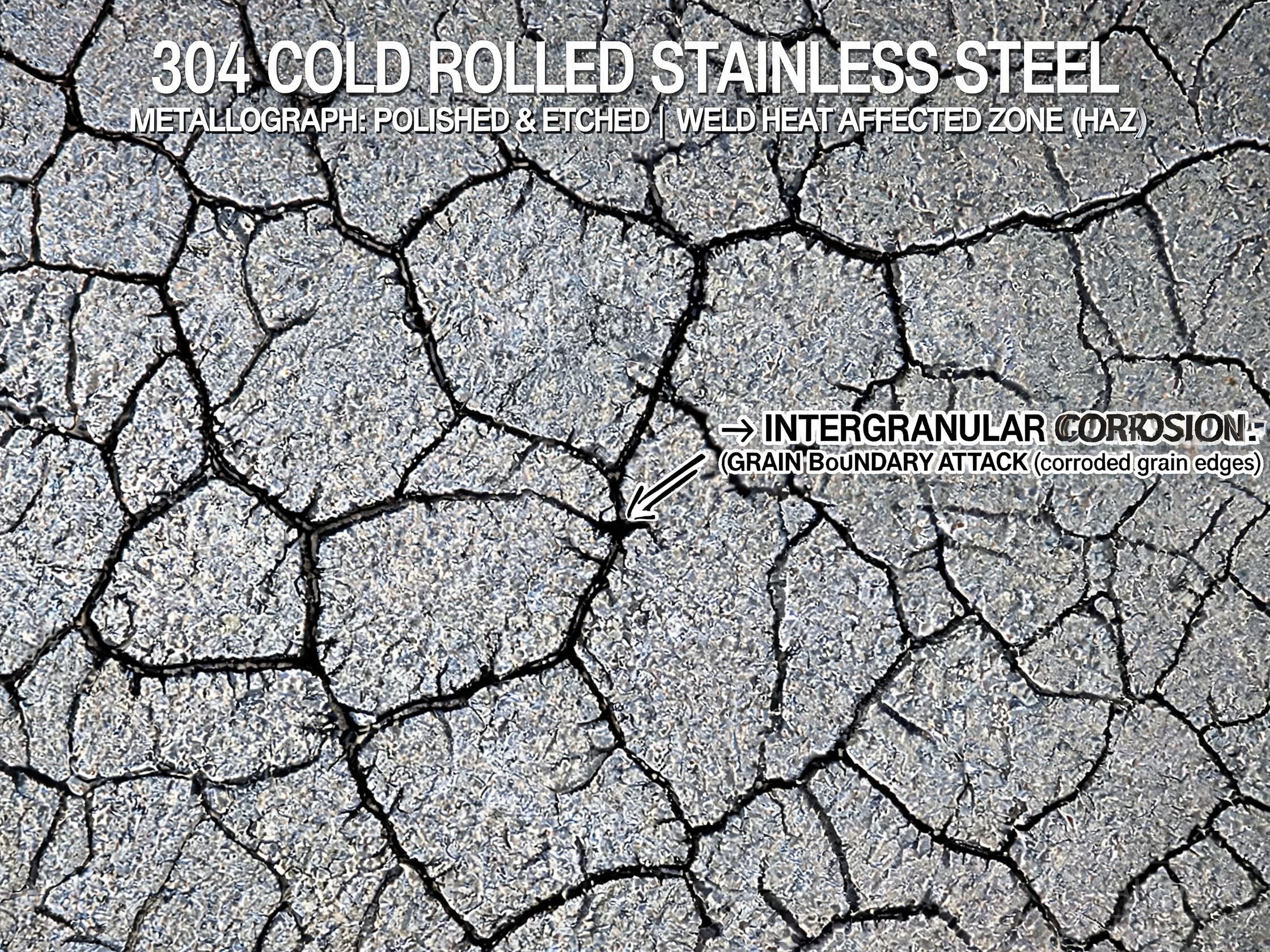
Intergranular corrosion from sensitization in cold rolled stainless steel. How Cr23C6 carbides form at 400-800°C and why 304L with low C content is the fix.
Taigang cut its August ferrochrome tender to RMB 7,895 and Tsingshan to RMB 8,095 — both down 200. 430 cold rolled didn't move. Here's how to claim the difference.
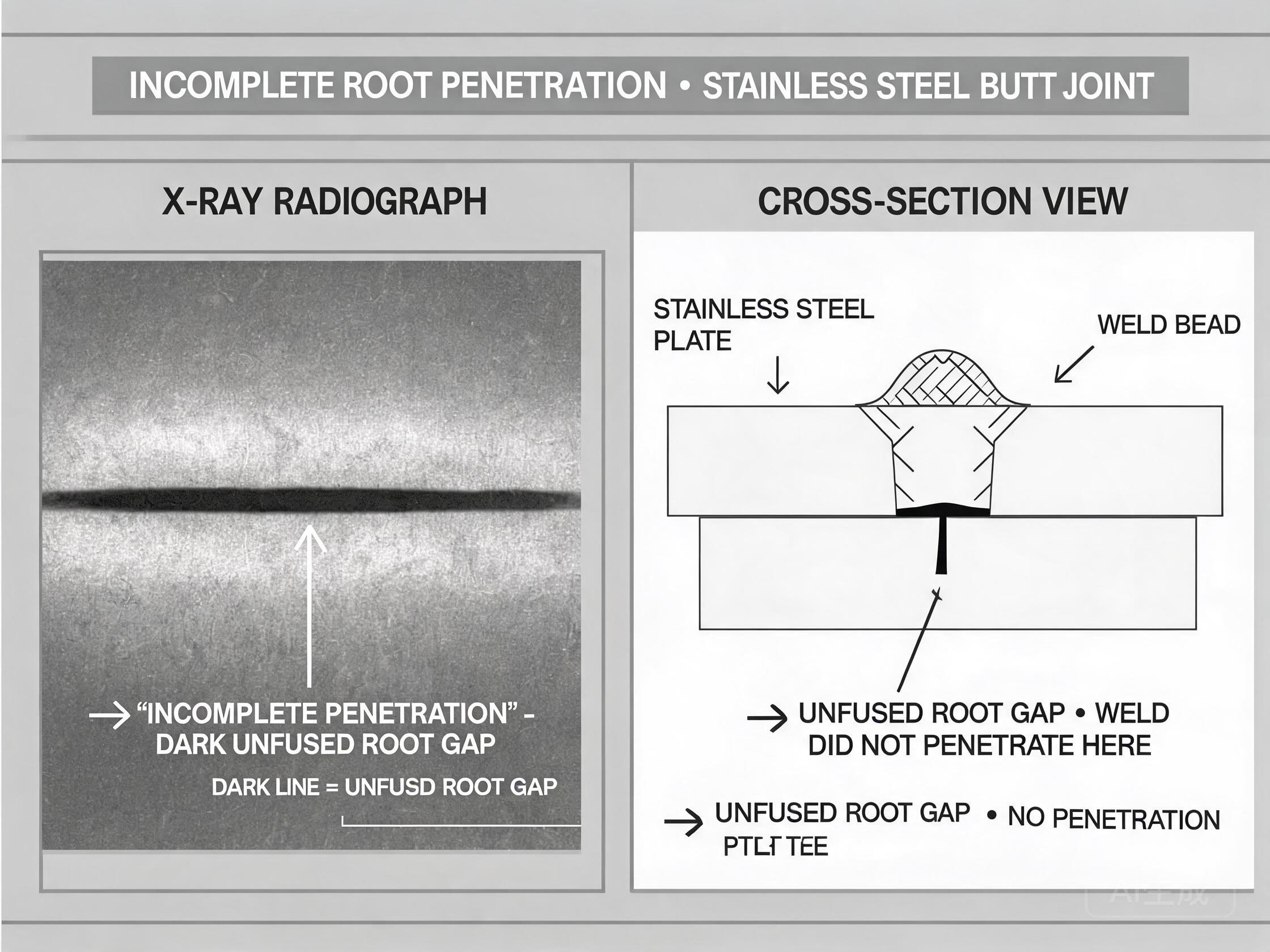
Incomplete penetration in 304 and 316 welds — why tight root gaps, no back purge or wrong joint prep cause it, and how to fix with TIG backing gas at 10 ppm O2.
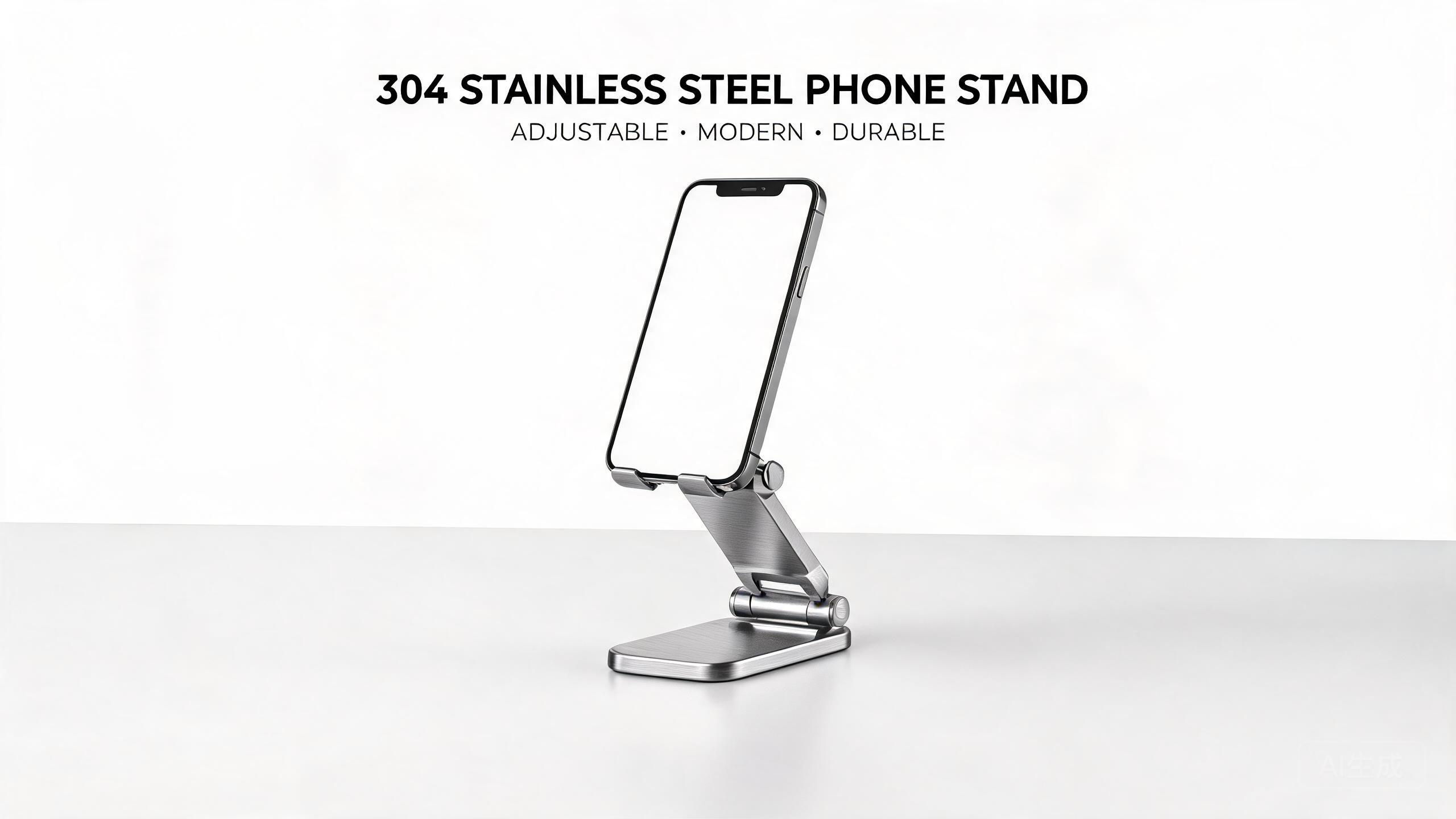
A laser-cut phone stand made from 1.2 mm 304 stainless steel demonstrates how low-MOQ digital fabrication can turn sheet metal into a customizable consumer product.
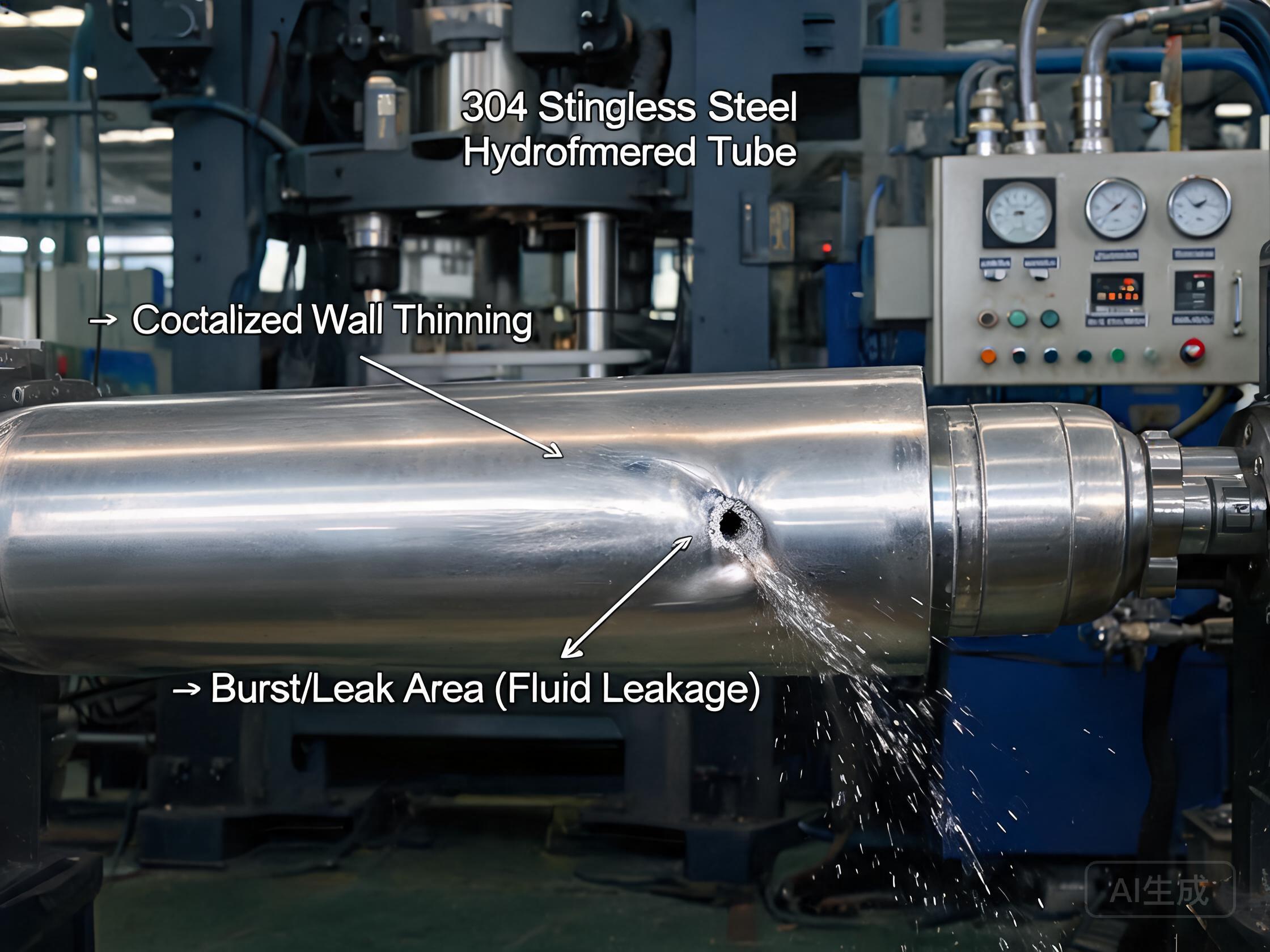
Why your hydroformed stainless steel tubes leak — wall thinning, burst pressure, 304 vs 316 comparison, and when to use high pressure vs low pressure process. Spec the right blank and test first.
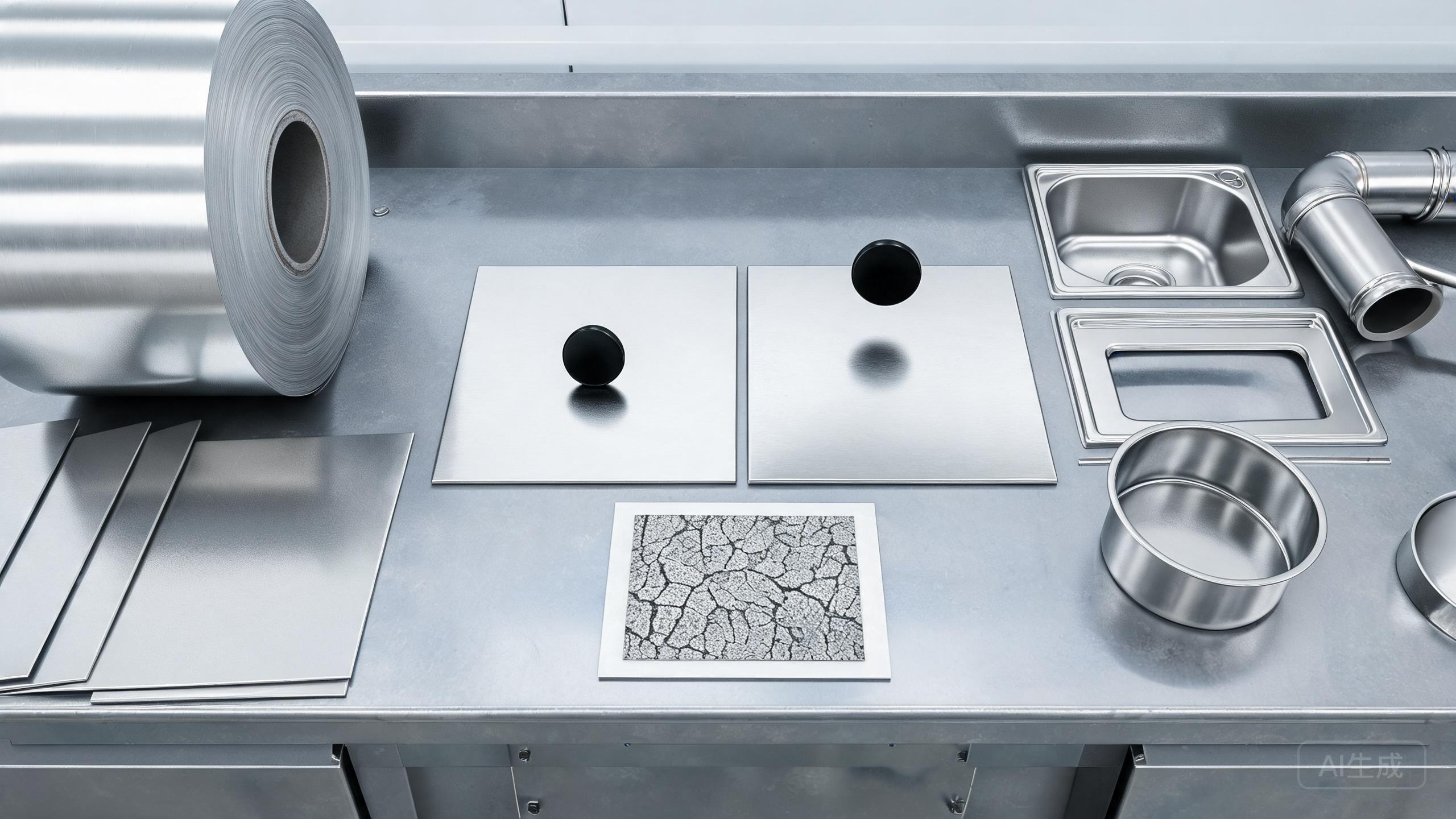
As a stainless steel that can adjust material properties through heat treatment, martensitic stainless steel is a hardenable stainless steel. The characteristics of martensitic...
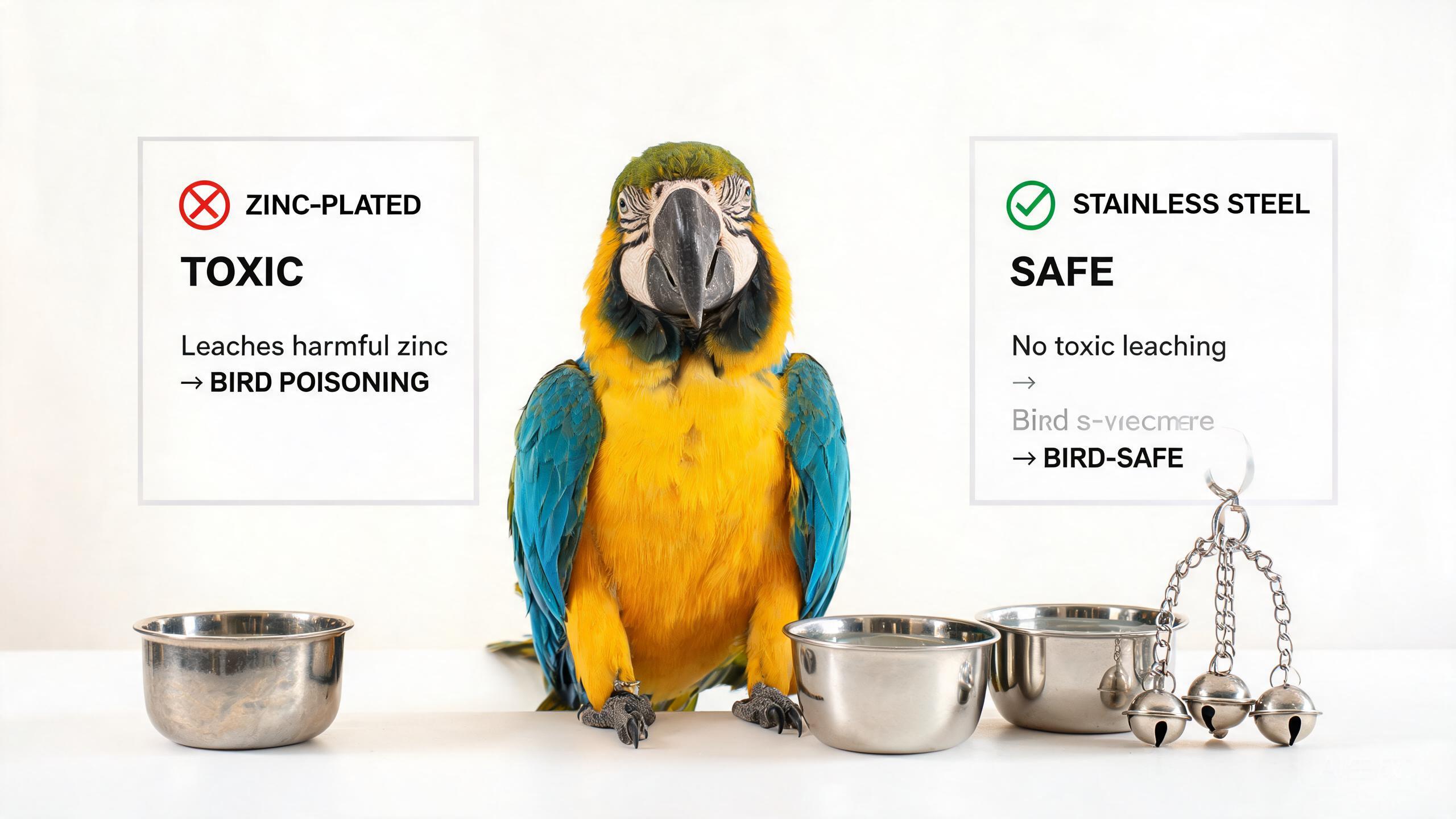
The primary use of zinc is to coat iron or steel in a process called galvanization to prevent rust. Zinc protects steel and iron from rusting it also dissolves in aqueous acids...
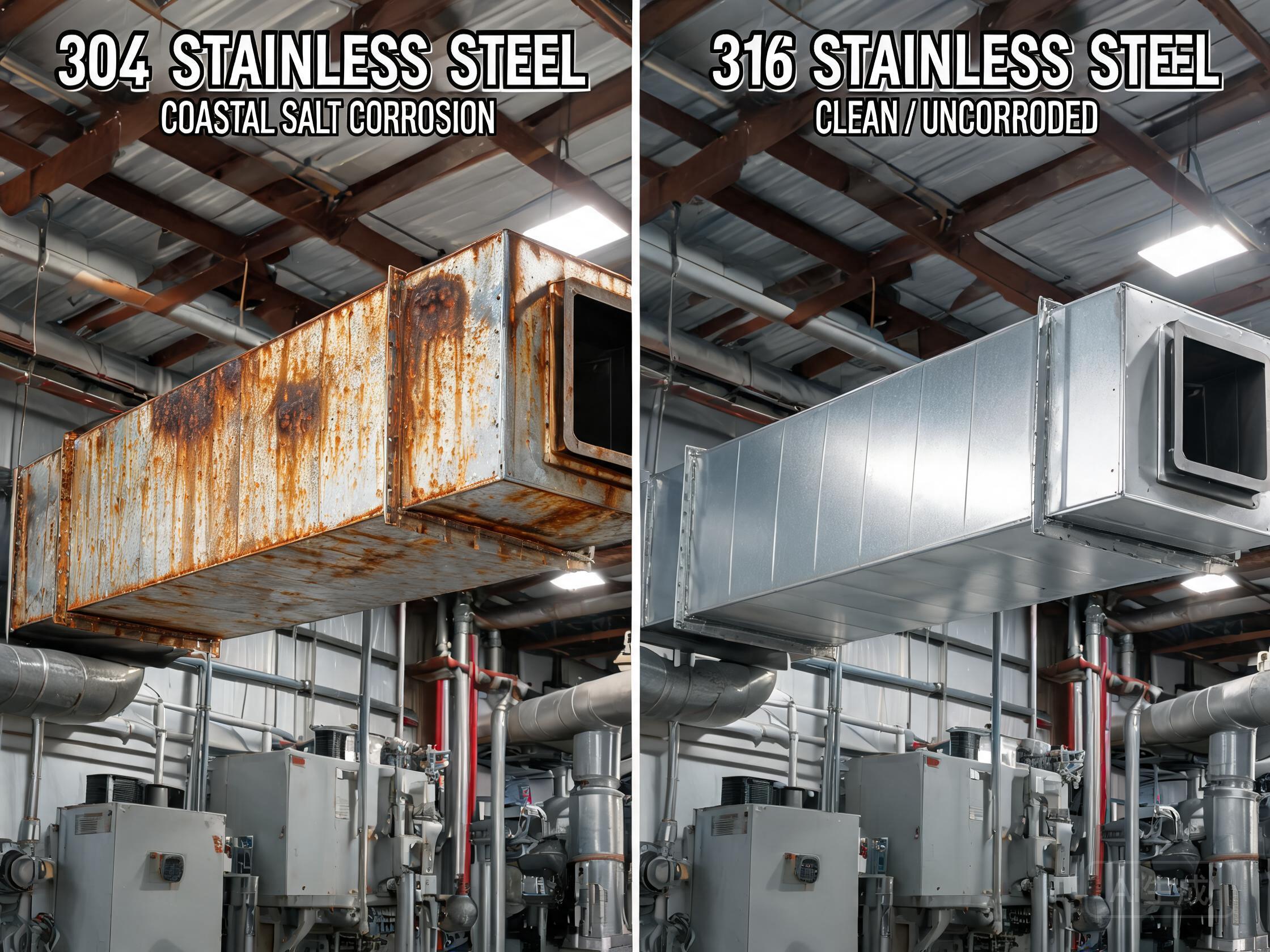
Cold rolled stainless steel HVAC ducts corrode from coastal salt spray and condensation. Compare 304 vs 316 salt tolerance, specify the right insulation and condensation control, and achieve a 10-year corrosion-free duct system that passes NFPA and ASHRAE inspection.
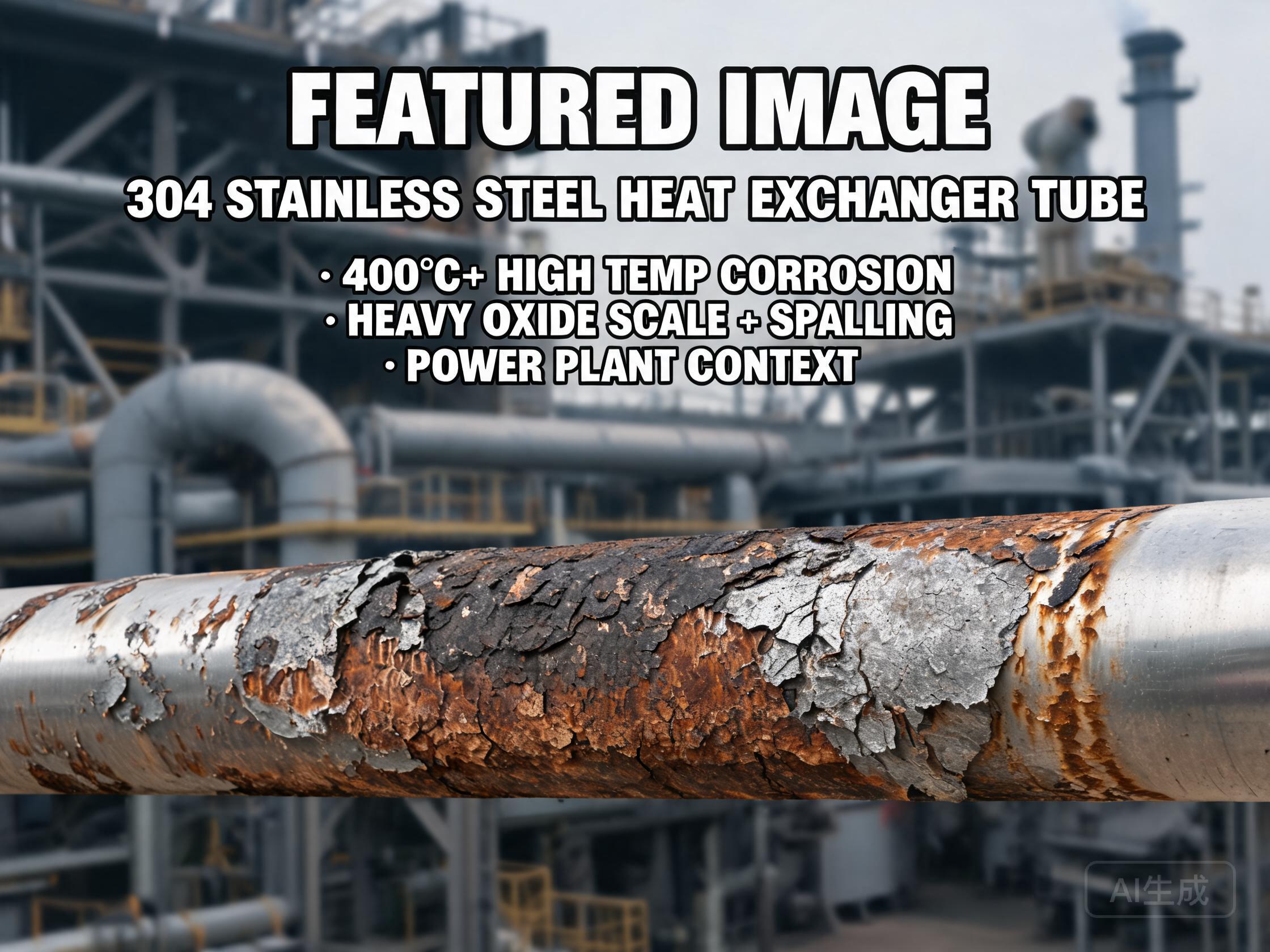
High-temperature corrosion of cold rolled 304 stainless steel at 400-600 °C. Why 310S is the preferred fireproofing and flue gas grade, and what happens when chlorides are present.
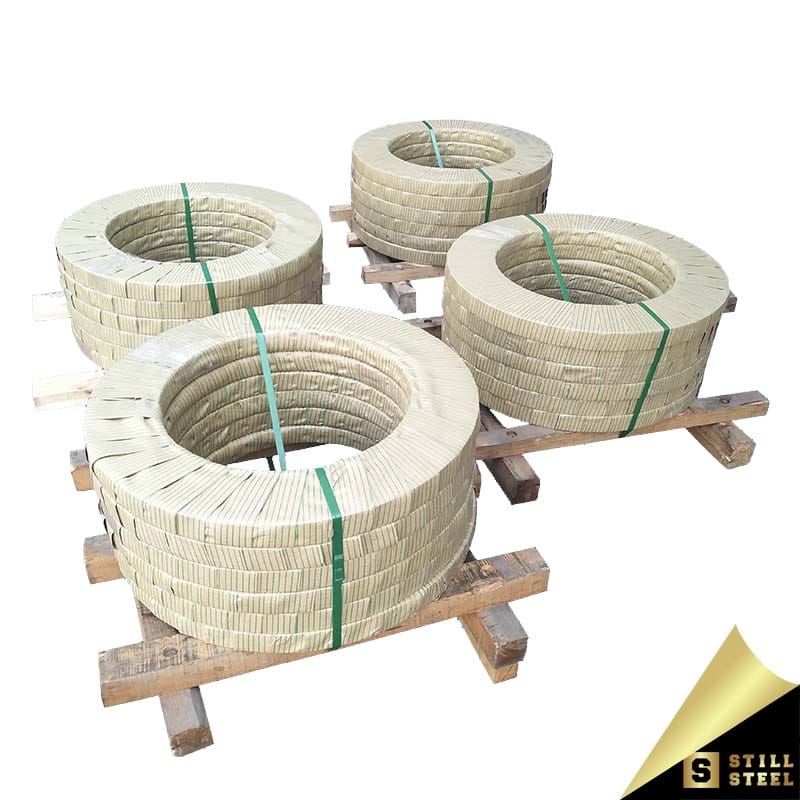
Today, upon customer invitation, I visited the 16th (2023) International Photovoltaic Power Generation and Smart Energy Conference. Having been in the industry for over 20 years...
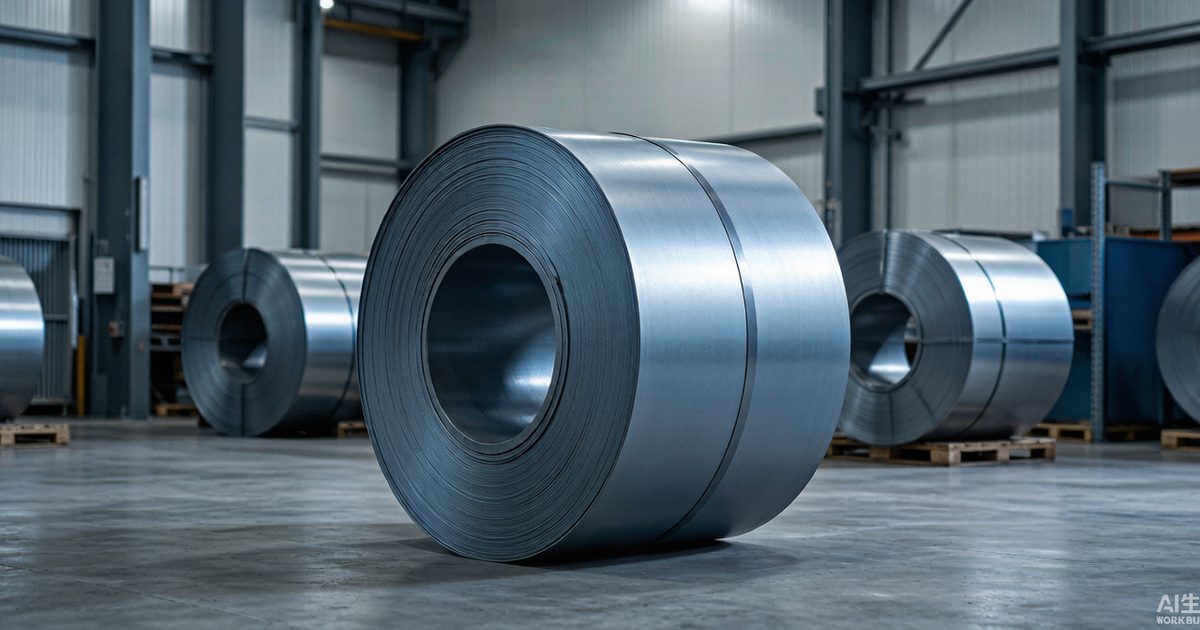
Taigang and Tsingshan cut August high-carbon ferrochrome bids by 200 yuan per 50-base-ton. Here is what the drop means for 430 stainless buyers.
The world's ten largest steelmakers by 2025 crude steel output, with their history, performance, product strengths and sourcing relevance.
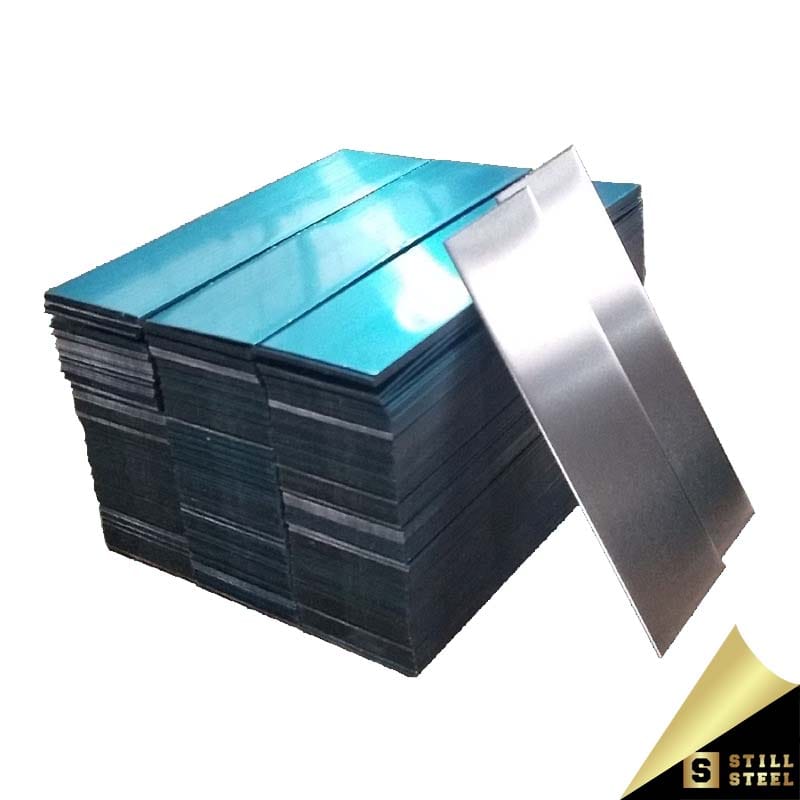
Diagnose stainless steel scratches, dents, coil set, waviness and flatness problems from mill to fabrication and packing.
AISI 304 Stainless Steel (UNS S30400, SS 304) AISI 304 stainless steel (UNS S30400) is the most widely used stainless steel, containing 18-20% Cr and 8-10.5% Ni, and also known...
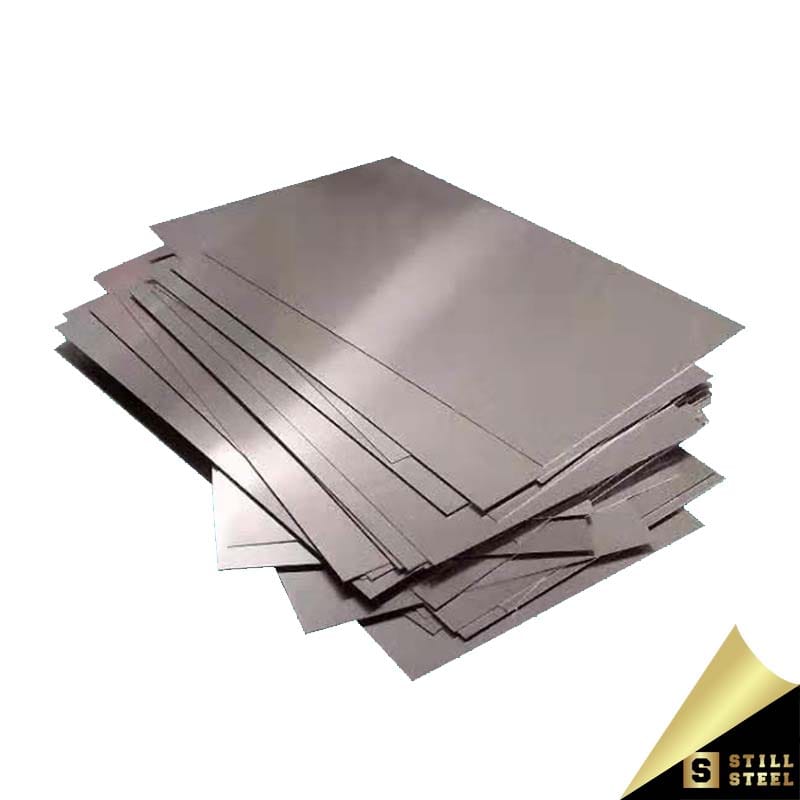
Learn what 18/8, 18/10 and 18/0 mean on cutlery and cookware, and why buyers still need a recognized stainless steel grade.
Argon arc welding is a common welding method that uses an electric arc protected by argon gas to weld two metal parts together. Under the protection of argon gas, oxygen in the...
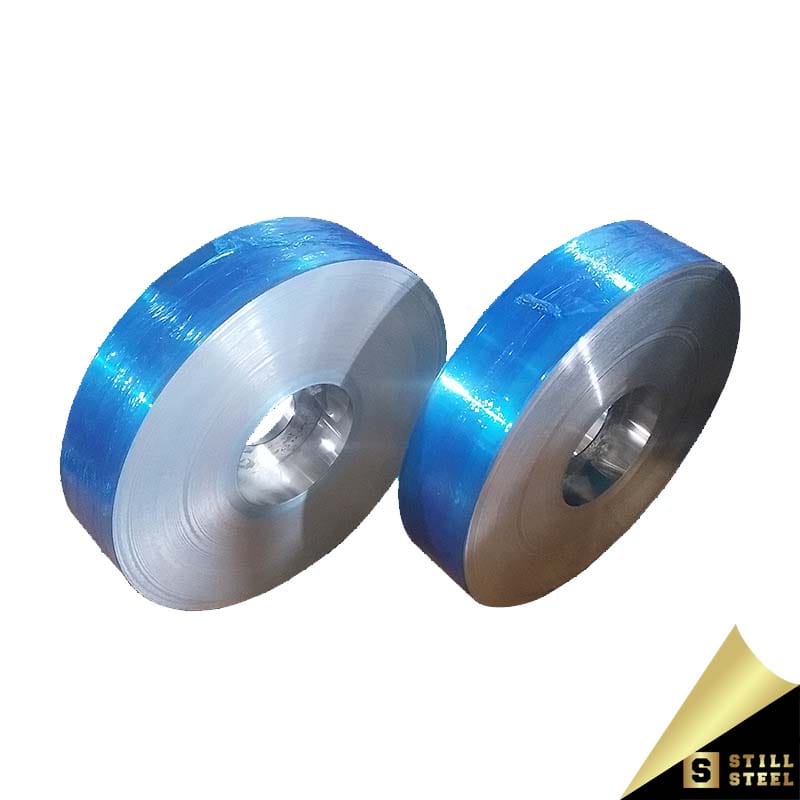
Choose 304, 316 or 430 stainless steel for cookware bodies, induction bases, lids and handles based on function and construction.
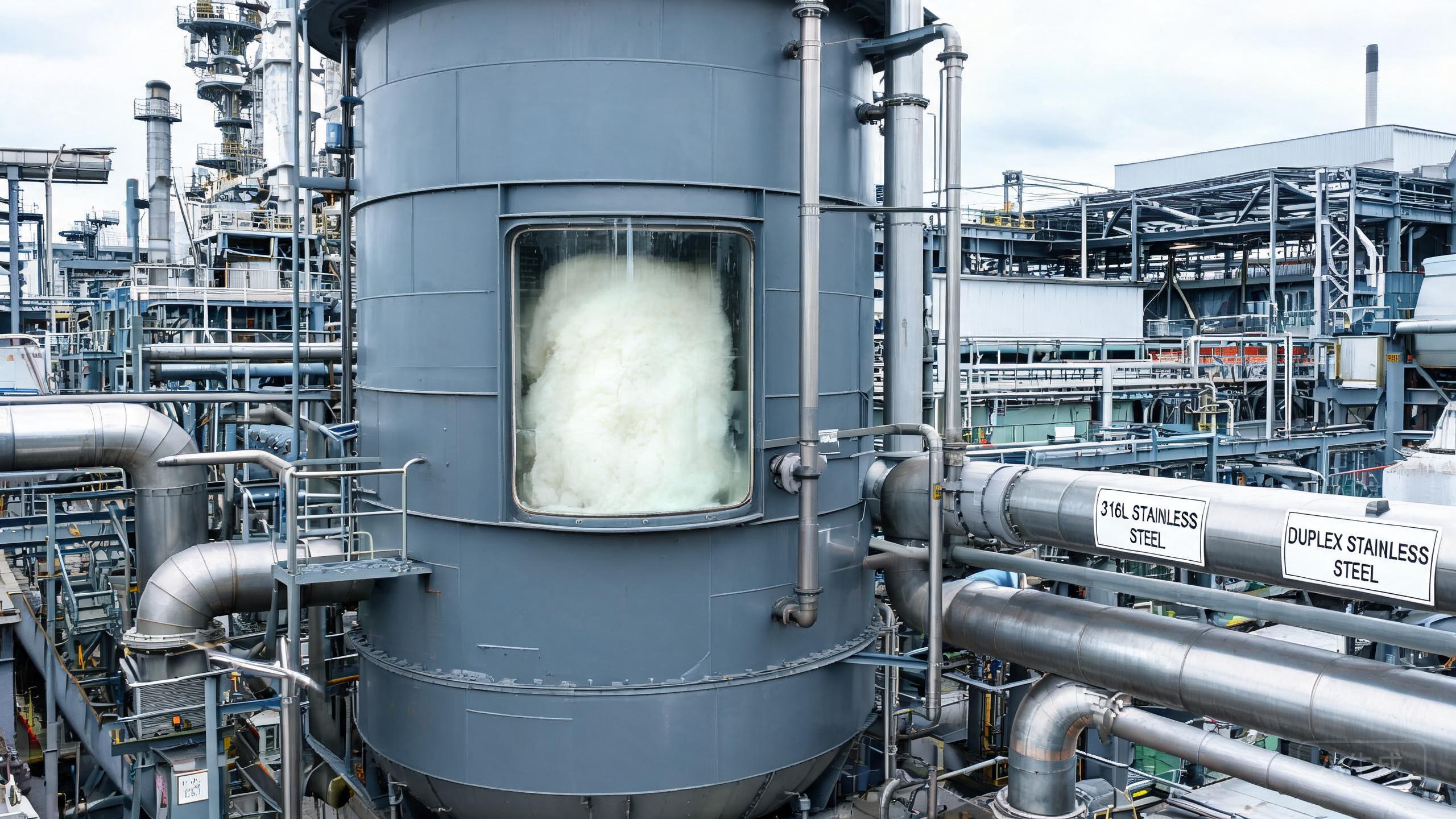
Stainless for pulp bleaching — 2205 for ClO₂, 904L for ozone, 254 SMO for hot caustic. Why 316L fails in ECF processes.
Compare 2B, BA, No. 4 brushed and mirror stainless steel finishes by appearance, process, applications and purchasing controls.
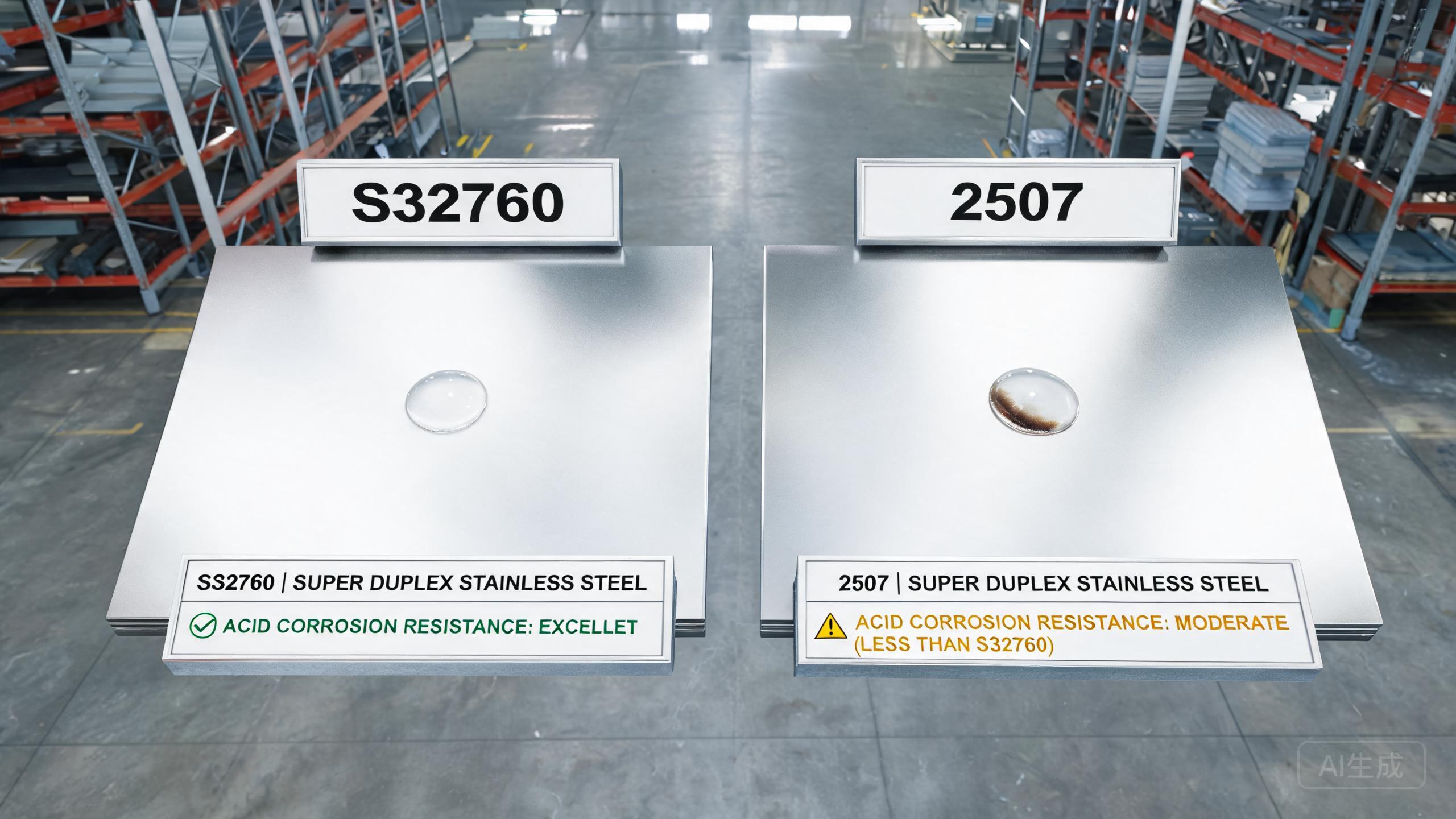
Supra-Duplex S32760 vs. 2507 – Kupferzusatz für Schwefelsäure. S32760 bewältigt H₂SO₄, 2507 glänzt in Chloriden. Preisaufschlag.
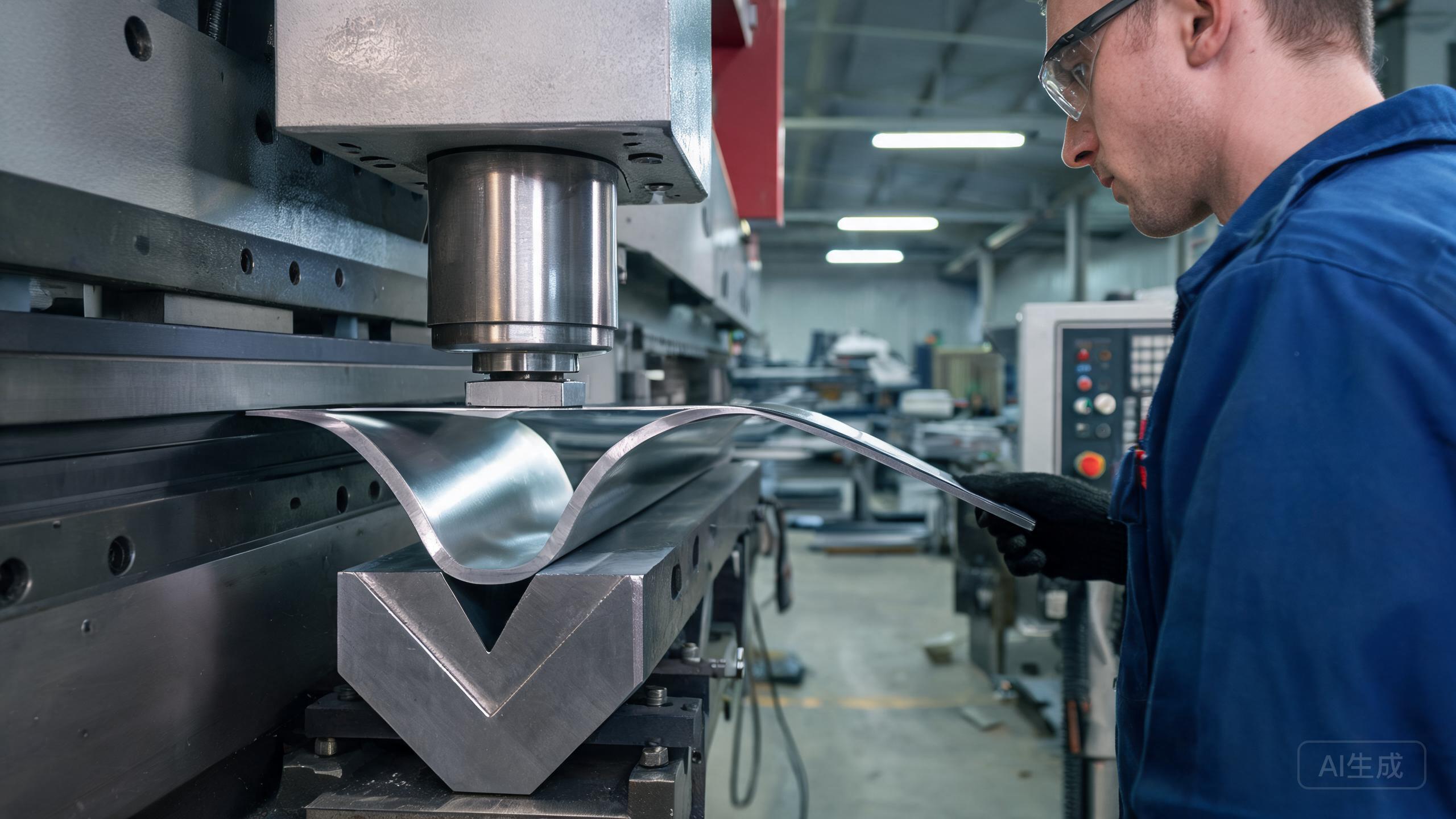
Abkanten von Edelstahl auf der Presse – Mindestbiegeradius je Anlass, Rückfederungsberechnung, V-Düsenbreitenregel, EN 10243-1 Toleranzen.
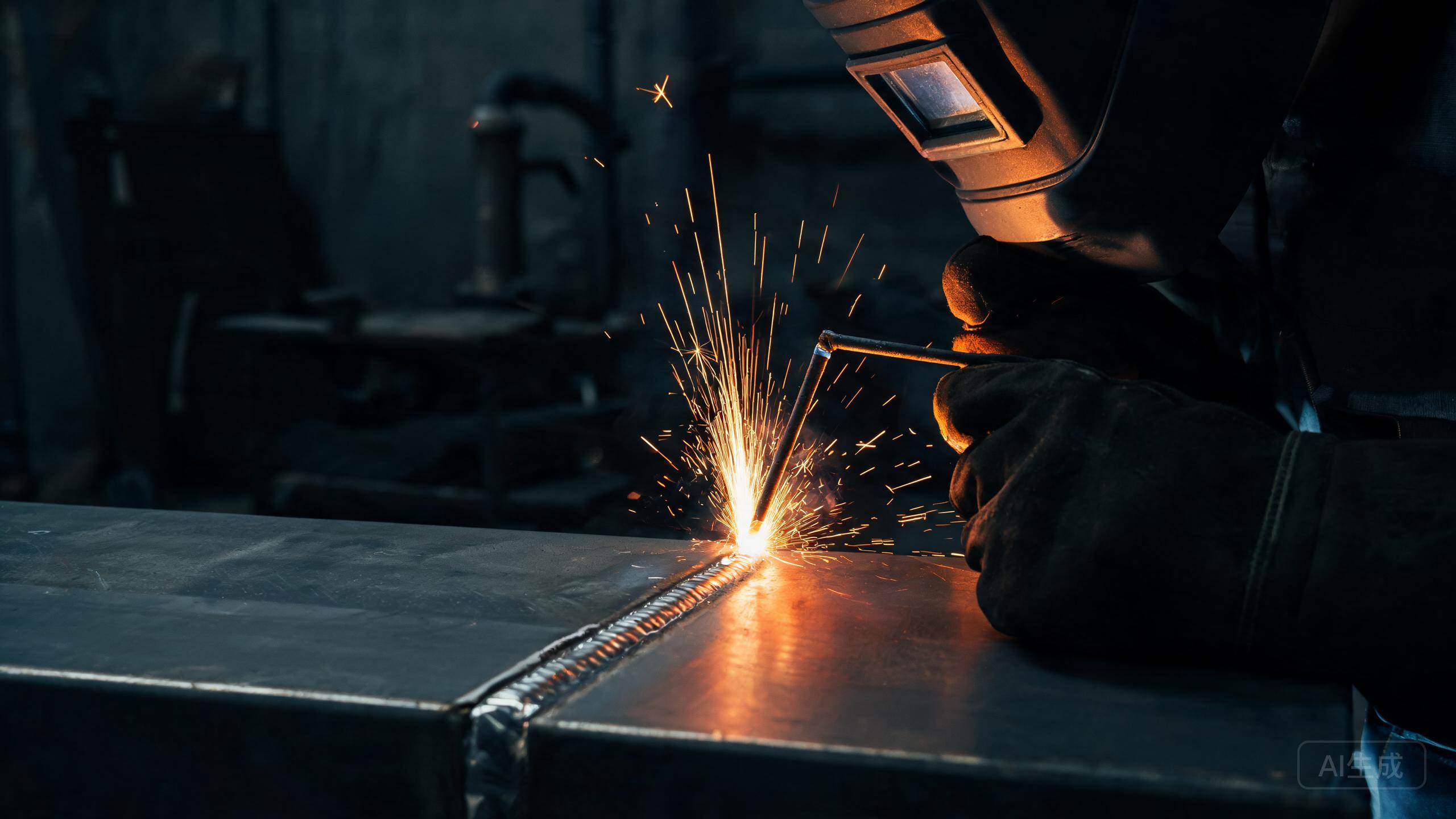
Duplex-Schweißen 2205/2507 – kein Vorwärmen! Zwischenlagentemperatur ≤ 250 °C, ER2209/ER2553-Zusatz, Stickstoff-Schutzgas, AWS D1.6-Code.
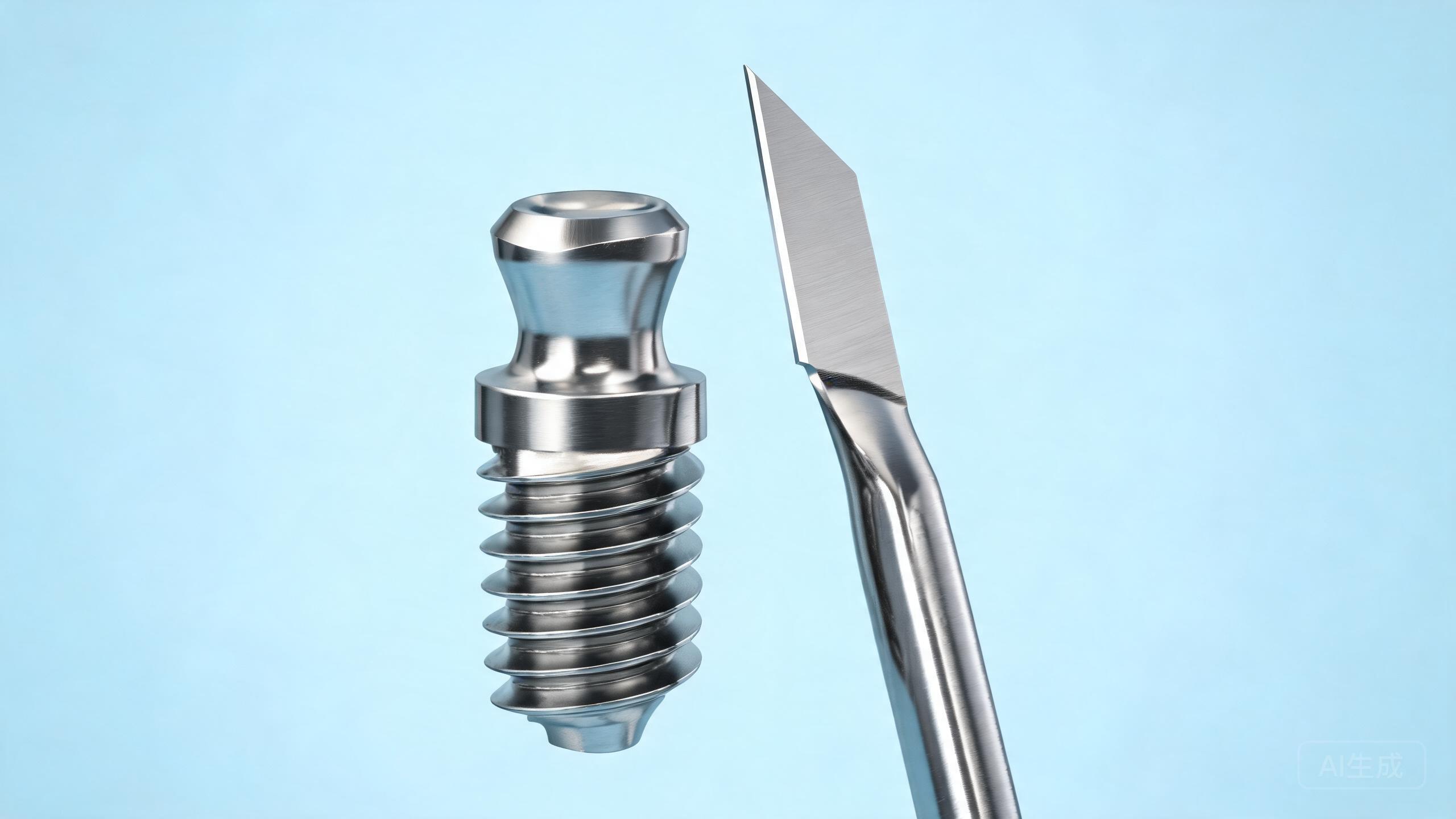
Leitfaden für medizinischen Edelstahl – 316LVM für Implantate (ASTM F138), 420 für chirurgische Instrumente, 430 für Pinzetten. ISO 7153-Normen.
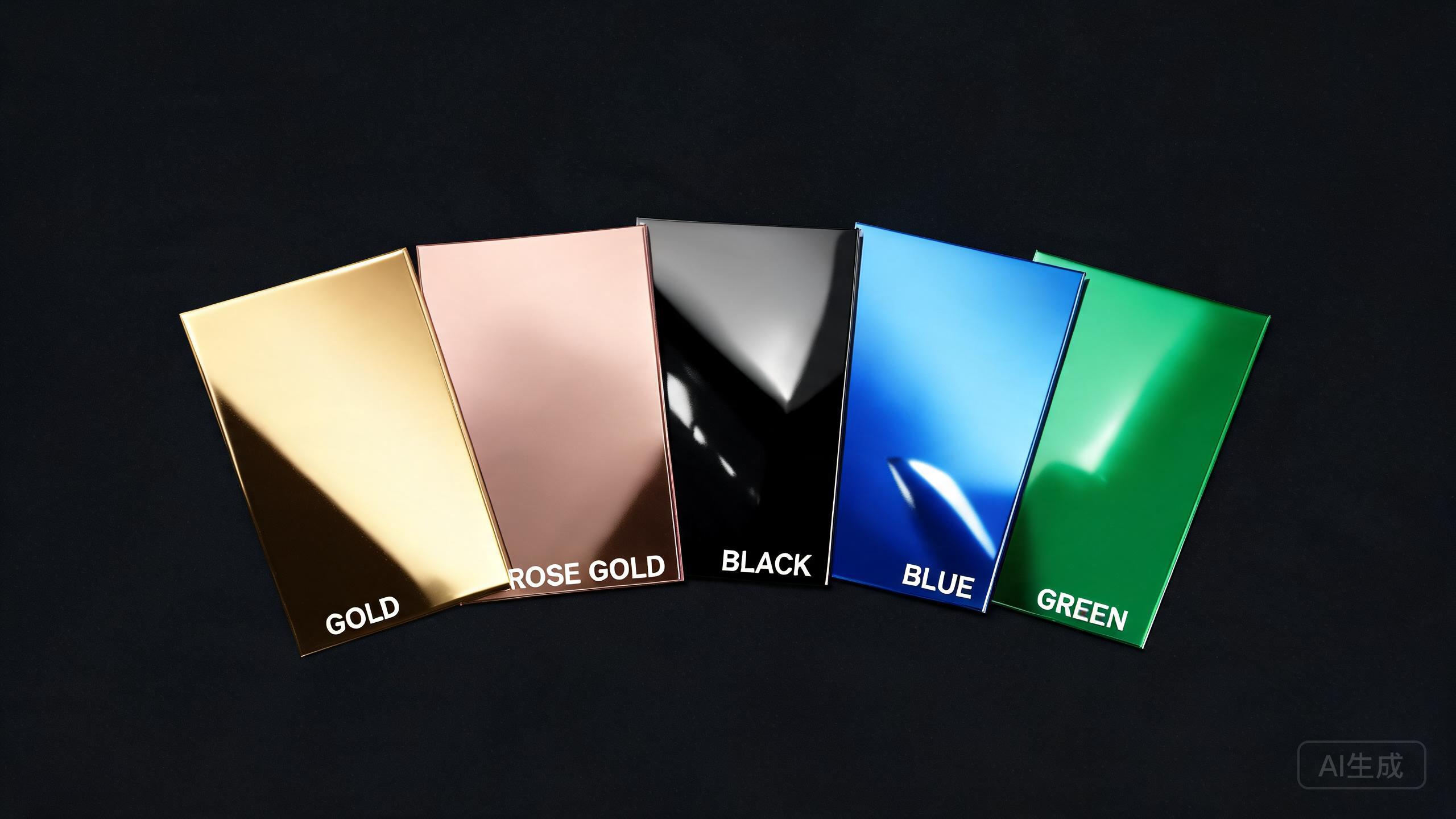
PVD-beschichteter farbiger Edelstahl – Gold, Schwarz, Roségold Schichtdicke, Beständigkeit, FDA-Konformität, Anforderungen an die Substratoberfläche.
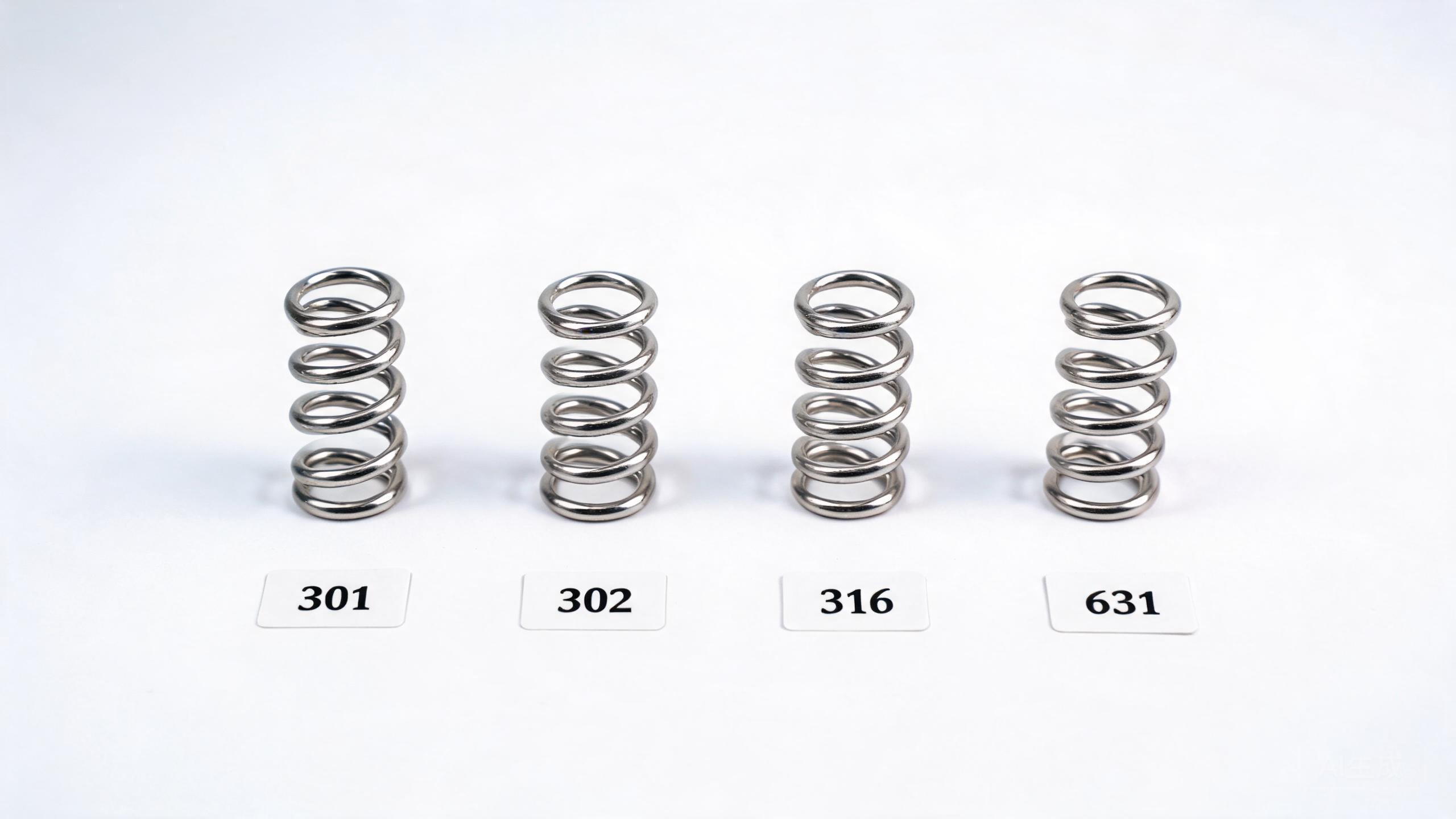
Anlassauswahl für Federn – 301 vollgehärtet, 302 dreiviertelgehärtet, 631 für Hochtemperaturfedern. Mindestbiegeradius, Ermüdungslebensdauer.
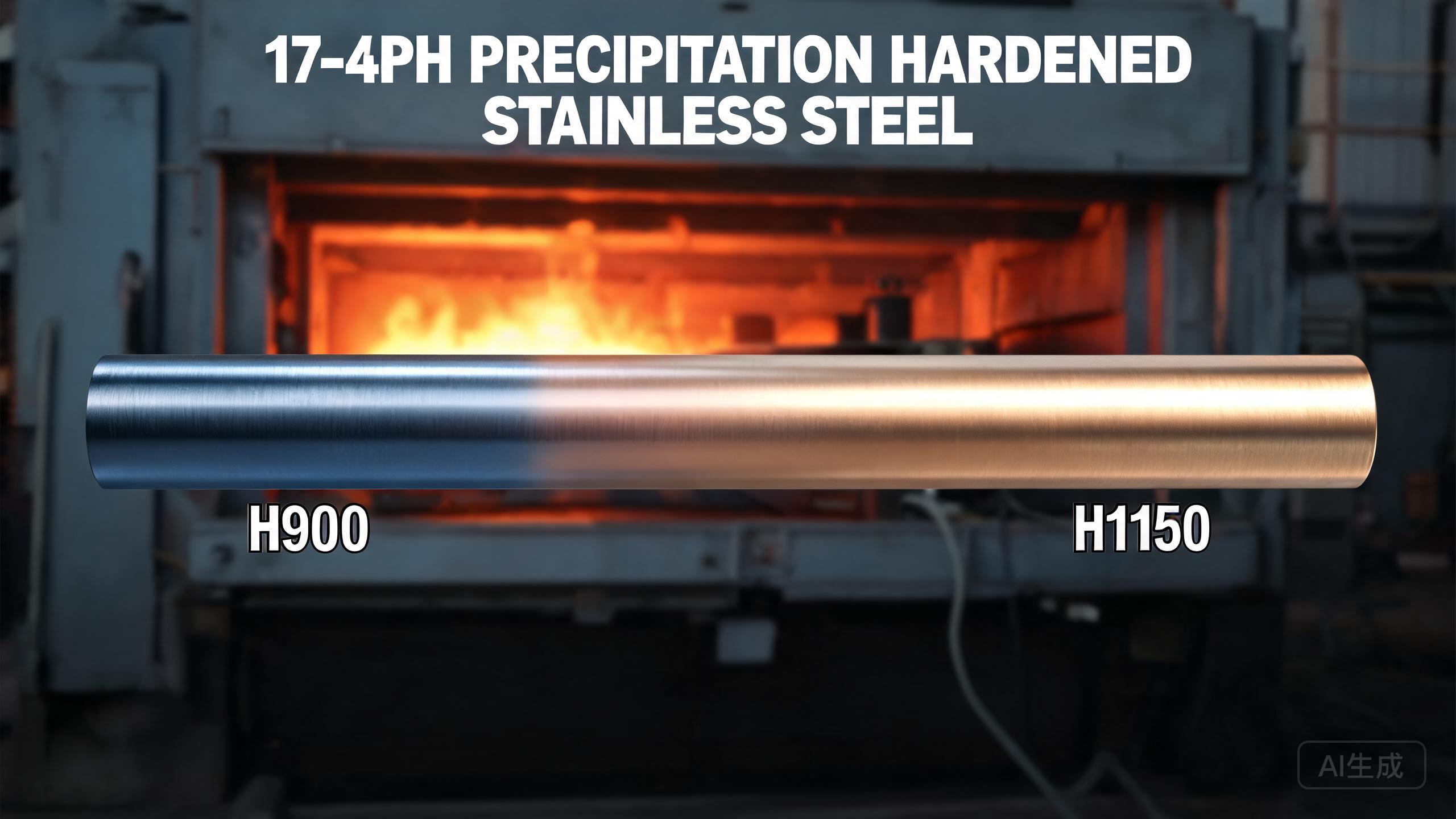
Vollständiger Leitfaden zum Anlassen von 17-4PH – H900, H1025, H1100, H1150. Härte HRC, Zugfestigkeit, Zähigkeitsabwägungen.
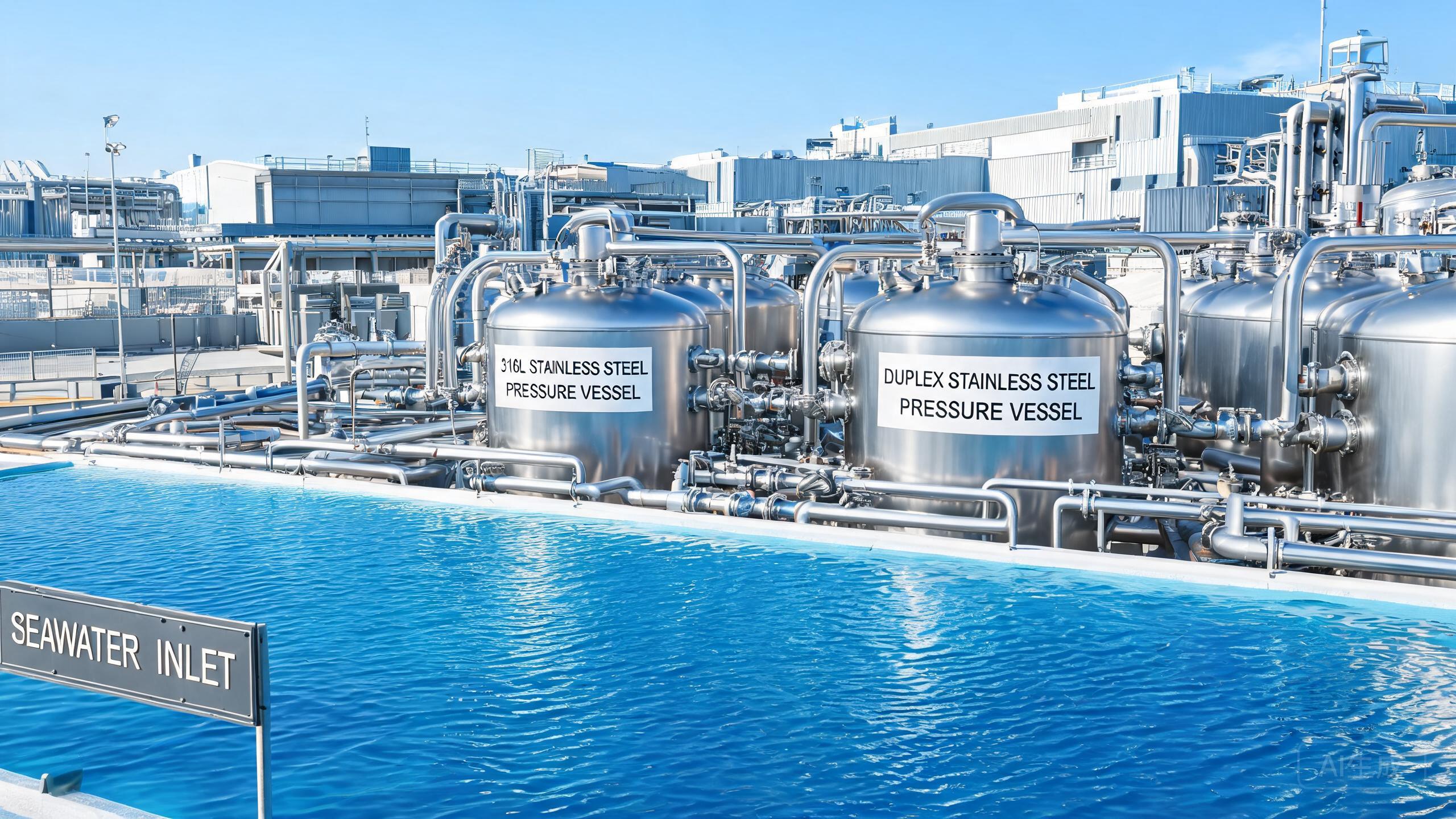
Gütenauswahl für RO-Entsalzungsanlagen – 2205-Druckbehälter, 2507-Wärmetauscher, 254 SMO für Sole.
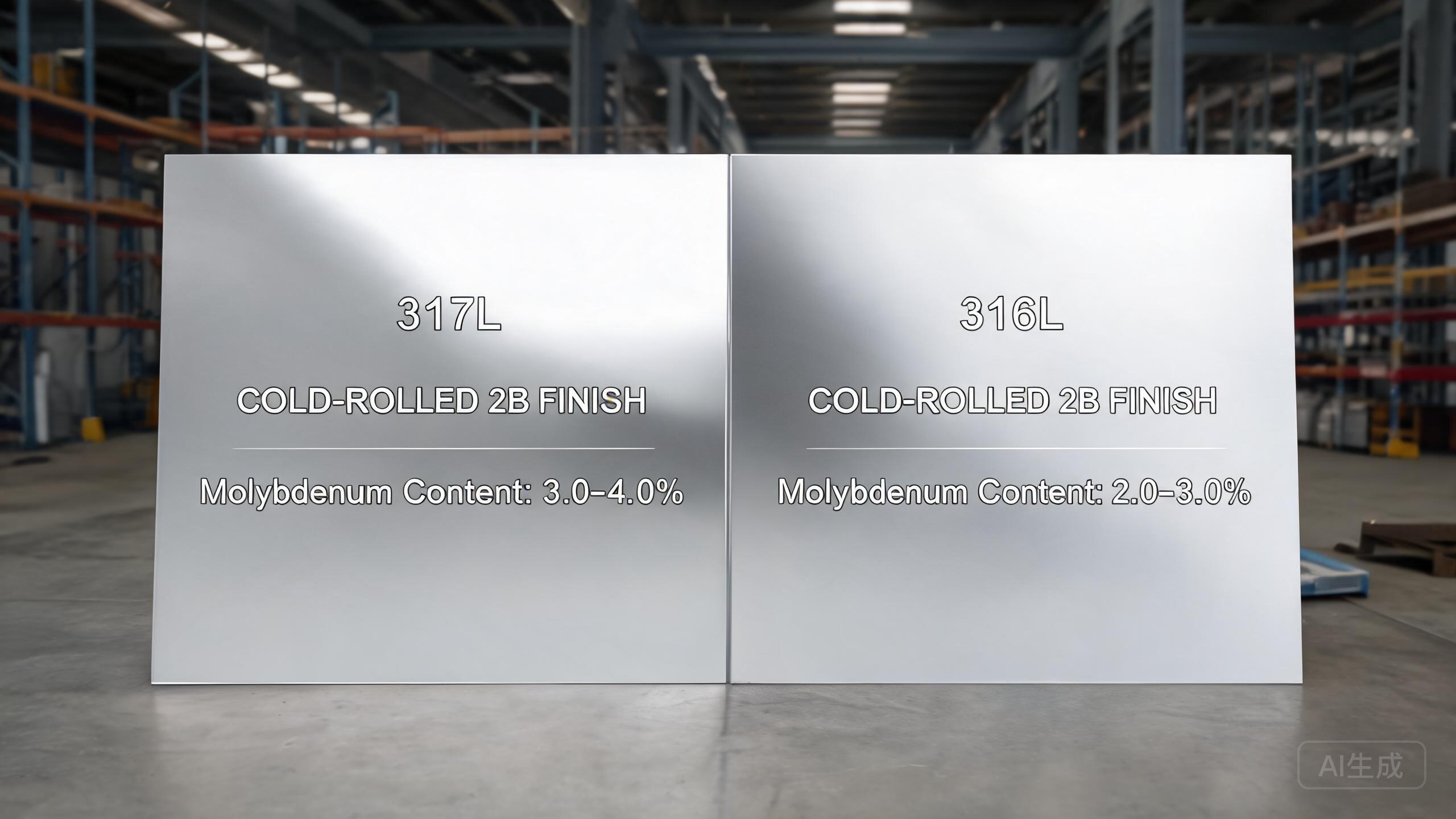
317L vs. 316L – Unterschied von 1 % zusätzlichem Molybdän in Phosphorsäure, heißer Essigsäure und Chloridprozessen. PREN und Preis.
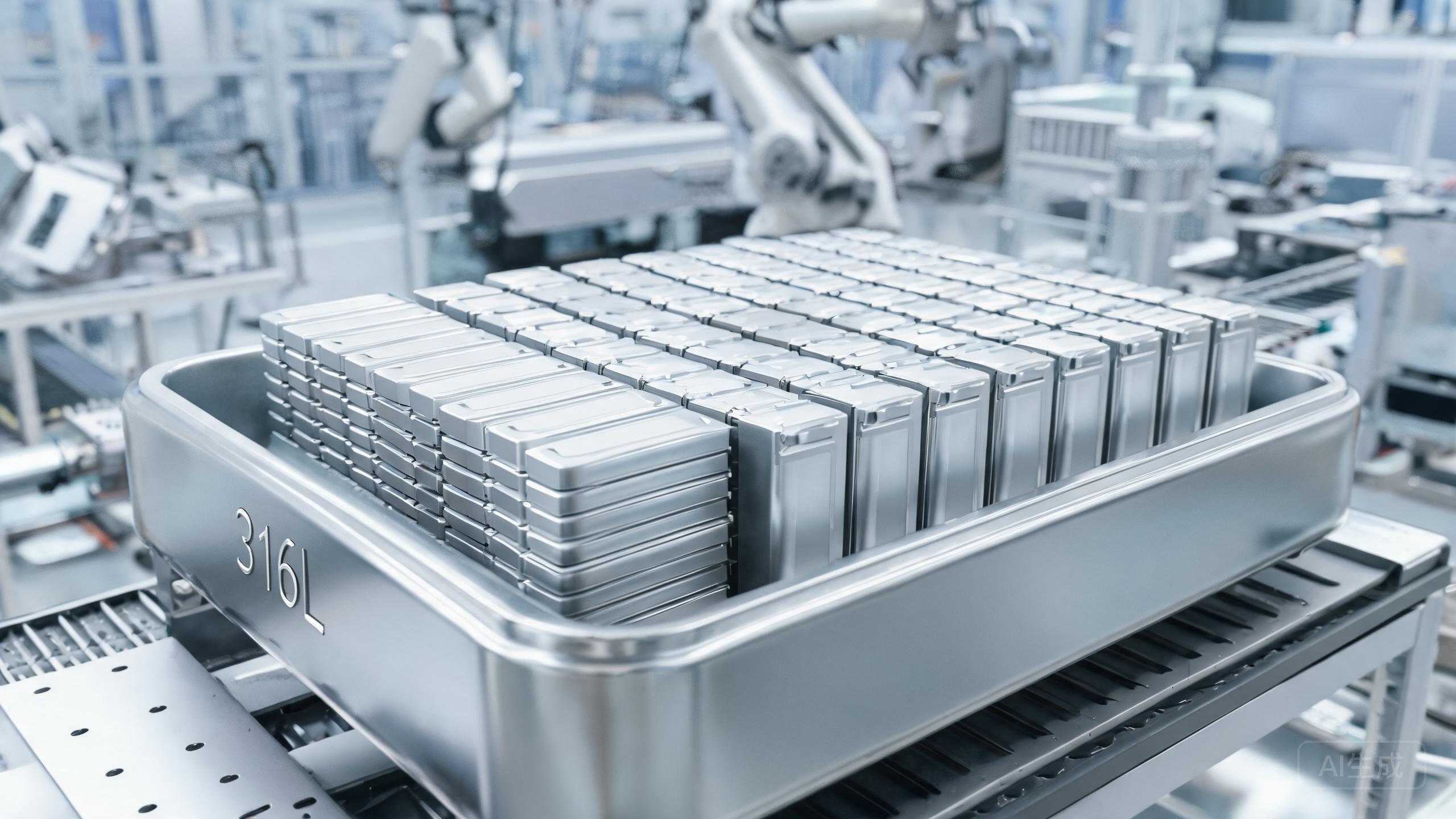
316L siegt für Festkörper-EV-Batteriegehäuse – Korrosionsbeständigkeit gegen Elektrolyte, Umformbarkeit, Laserversiegelung.
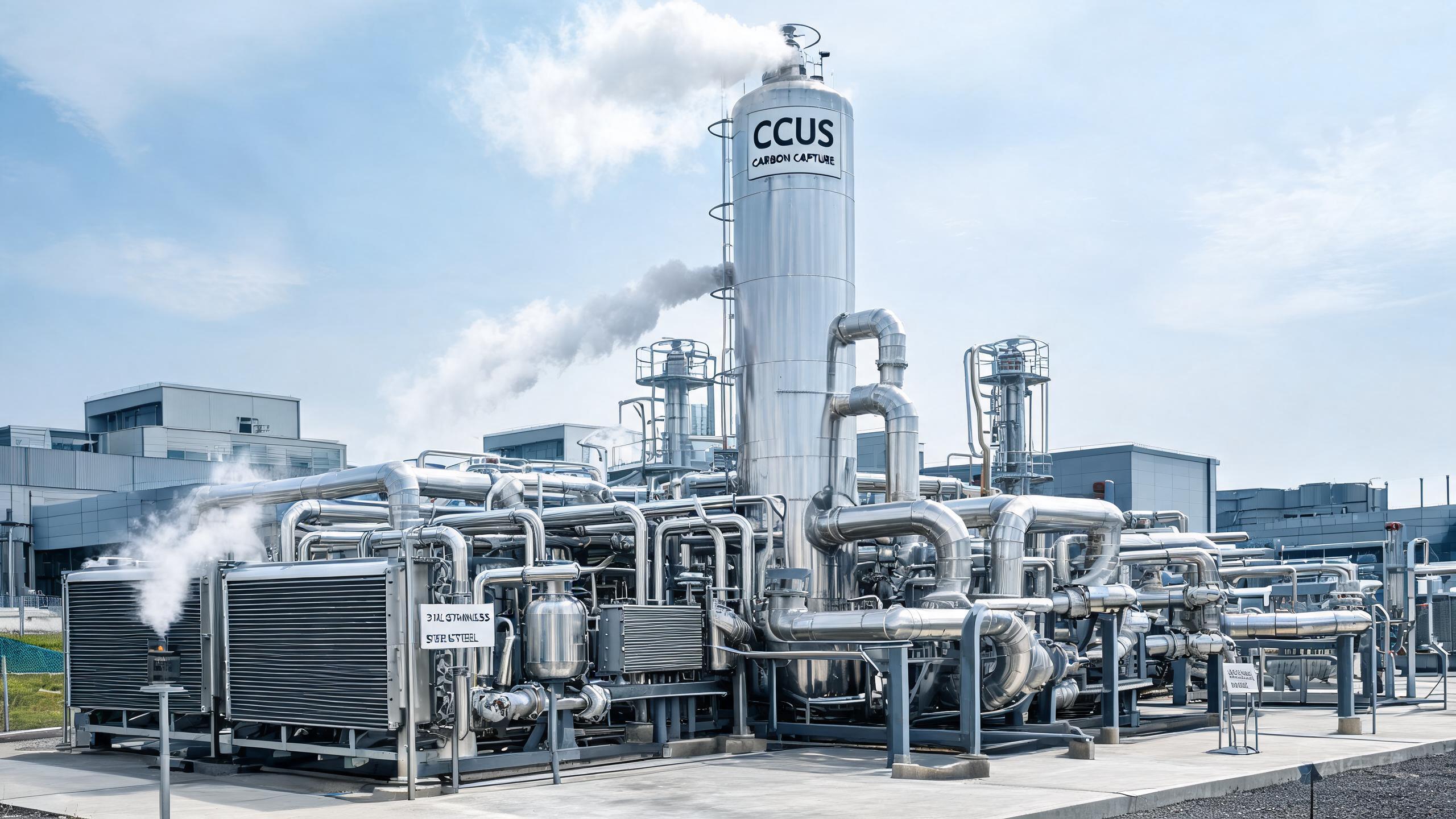
Auswahl der Edelstahlgüte für CCUS-Aminabsorber und Rohrleitungen – 904L, 254 SMO, 2205 Korrosionsbeständigkeit.
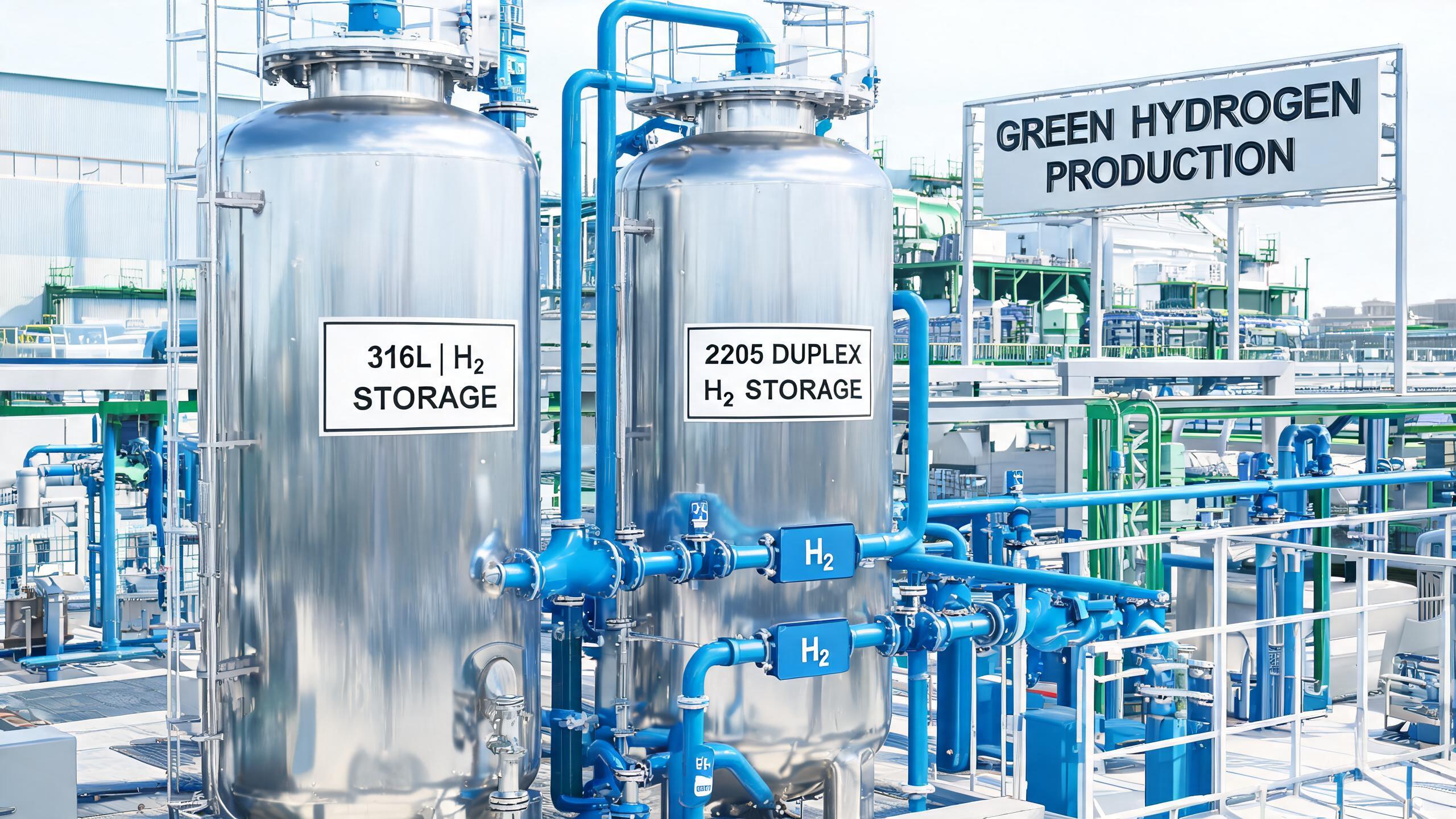
Welcher Edelstahl ist für Wasserstoffspeichertanks sicher? 316L vs. 2205, Versprödungsrisiko, ASME BPVC-Codes.
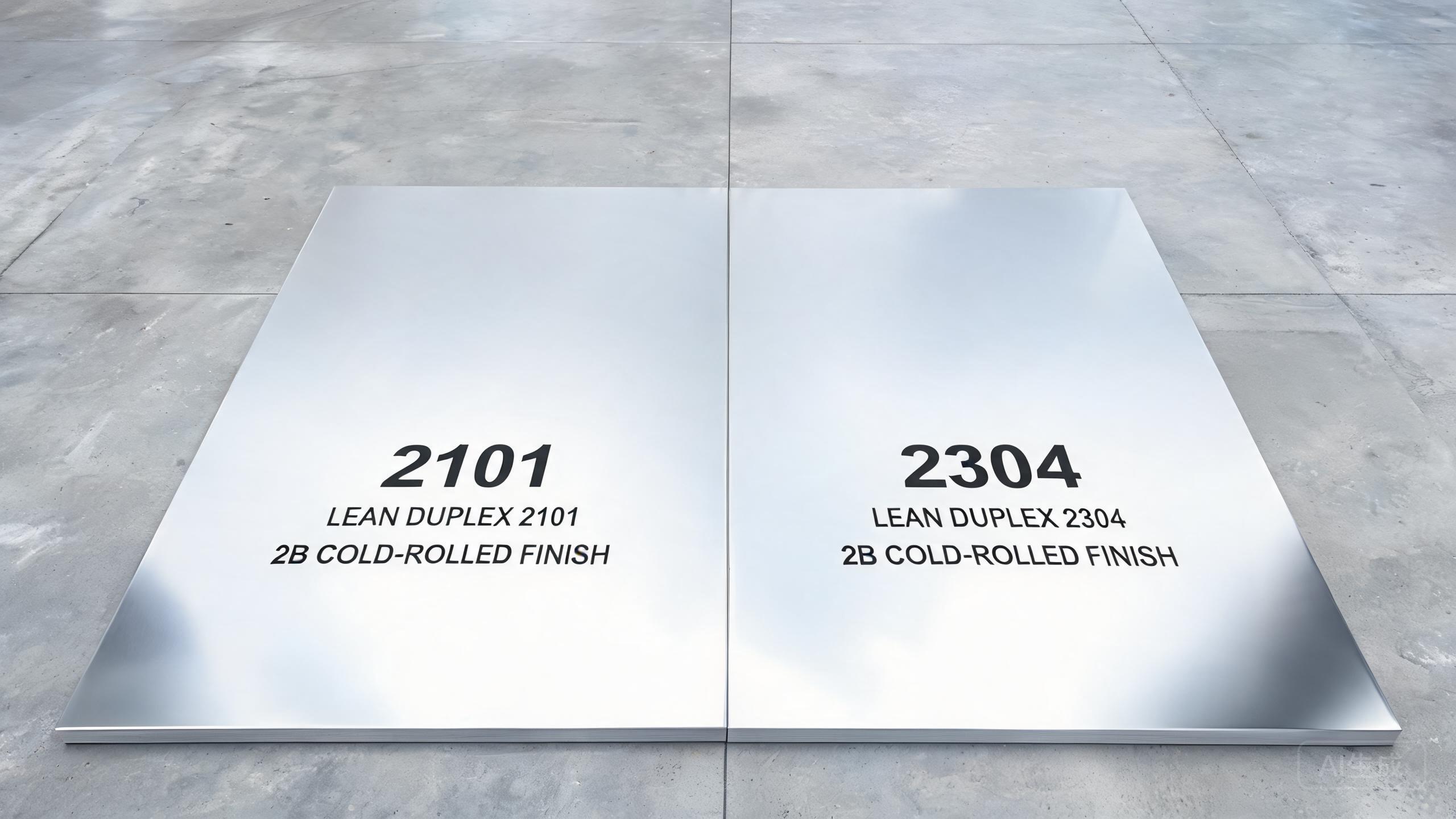
Vergleich von Lean-Duplex-Edelstahl 2101 vs. 2304 – Chemie, PREN, Festigkeit, Korrosion – welche Wahl für tragende Infrastruktur.
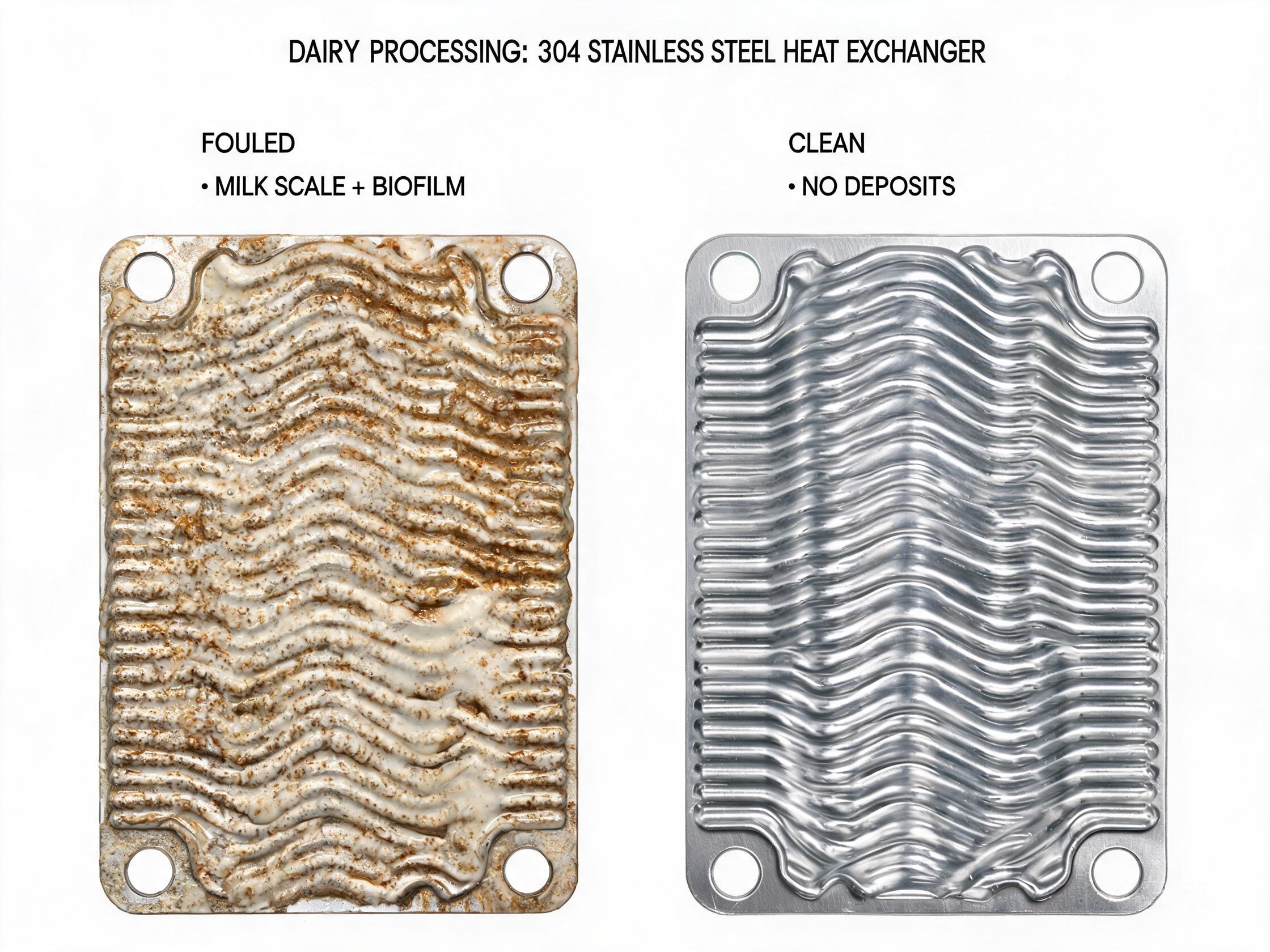
Cold rolled stainless steel heat exchangers foul in milk and food pasteurization when you pick the wrong grade, wrong surface or wrong plate gap. Compare 304 vs 316, get the fouling factor right, and specify the sheet that cuts CIP frequency by 30%.
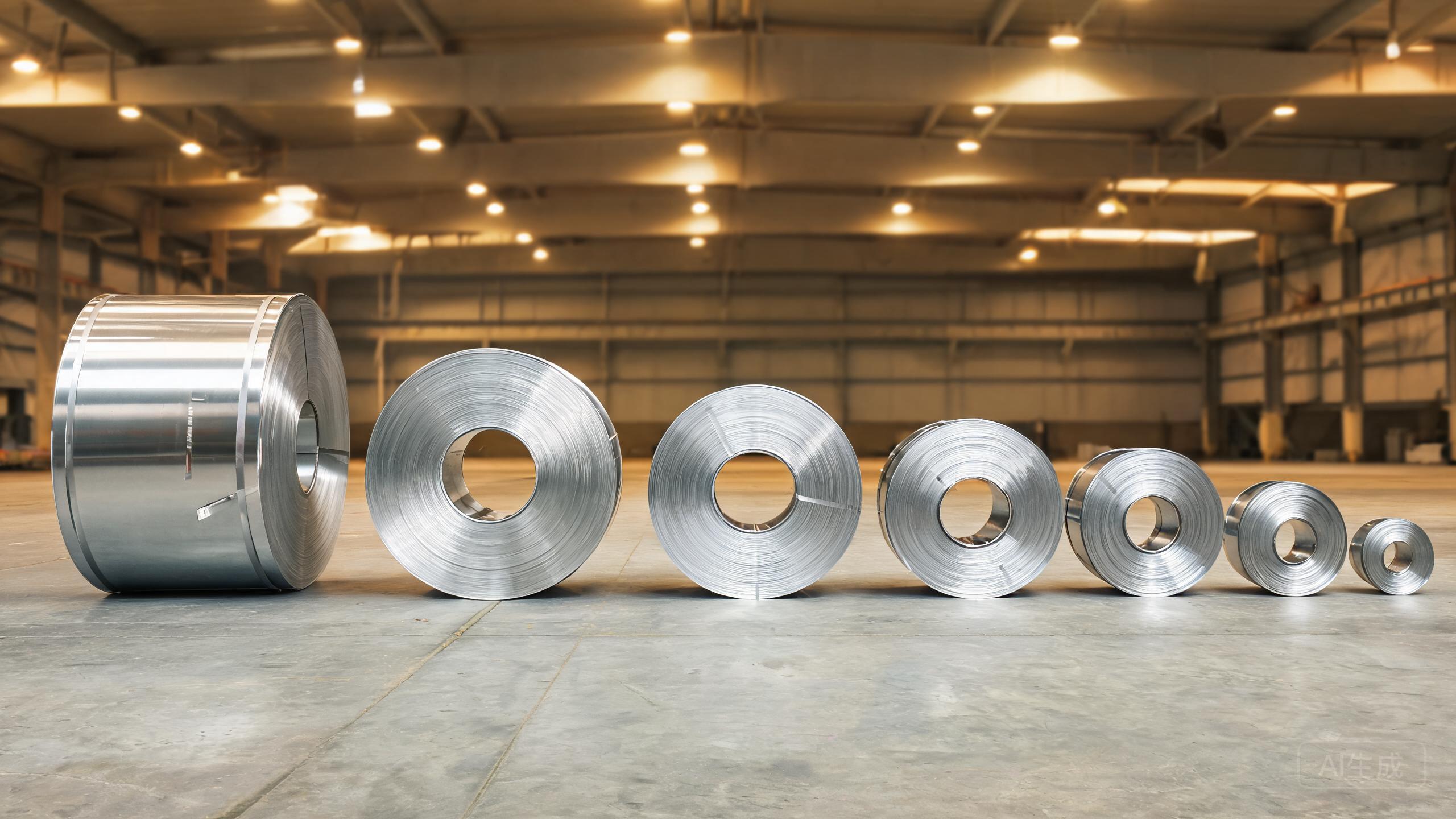
Ultradünnes 304-Band unter 0,2 mm kostet 50–400 % mehr als Standardblech – sechs Kostenfaktoren, die Einkäufer kennen müssen.
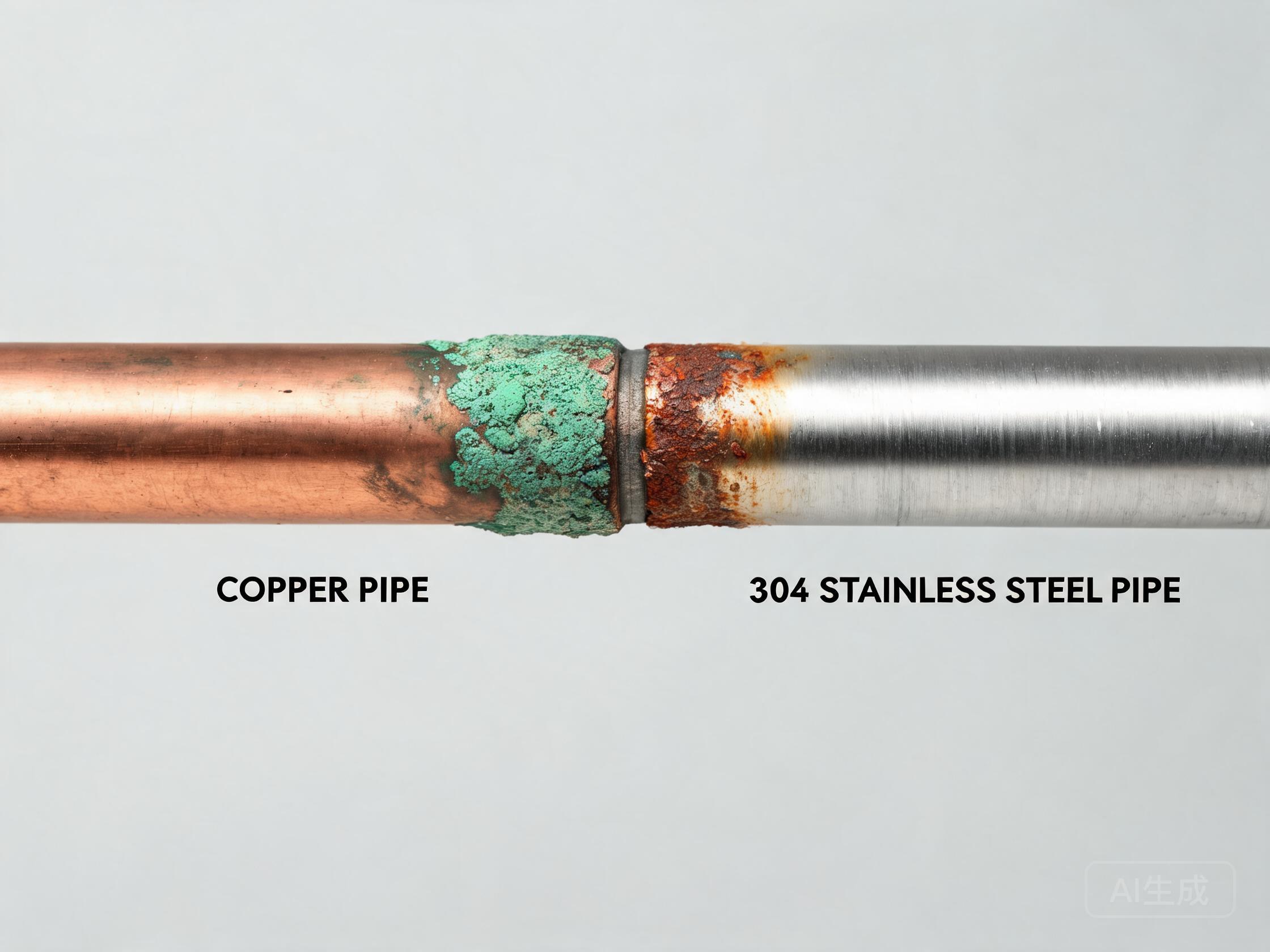
Galvanic corrosion when copper pipes connect to 304 or 316 stainless steel. Why the area ratio matters, what inhibitors work, and how to design joints that survive.
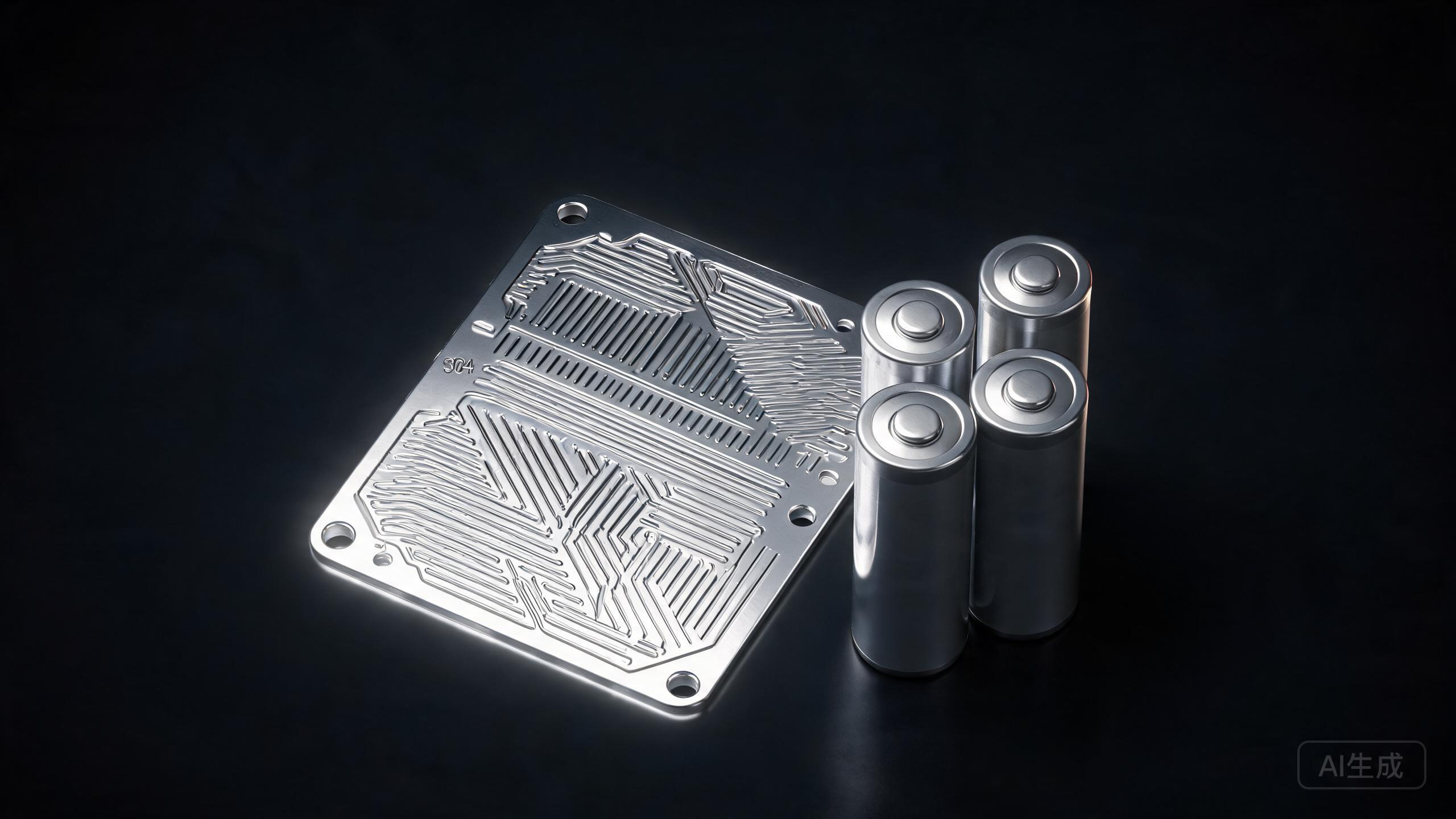
Vernickeltes 304-Band mit 0,1–0,2 mm ist der Standard für Batterielaschen und Bipolarplatten für Brennstoffzellen – wie zu spezifizieren ist.
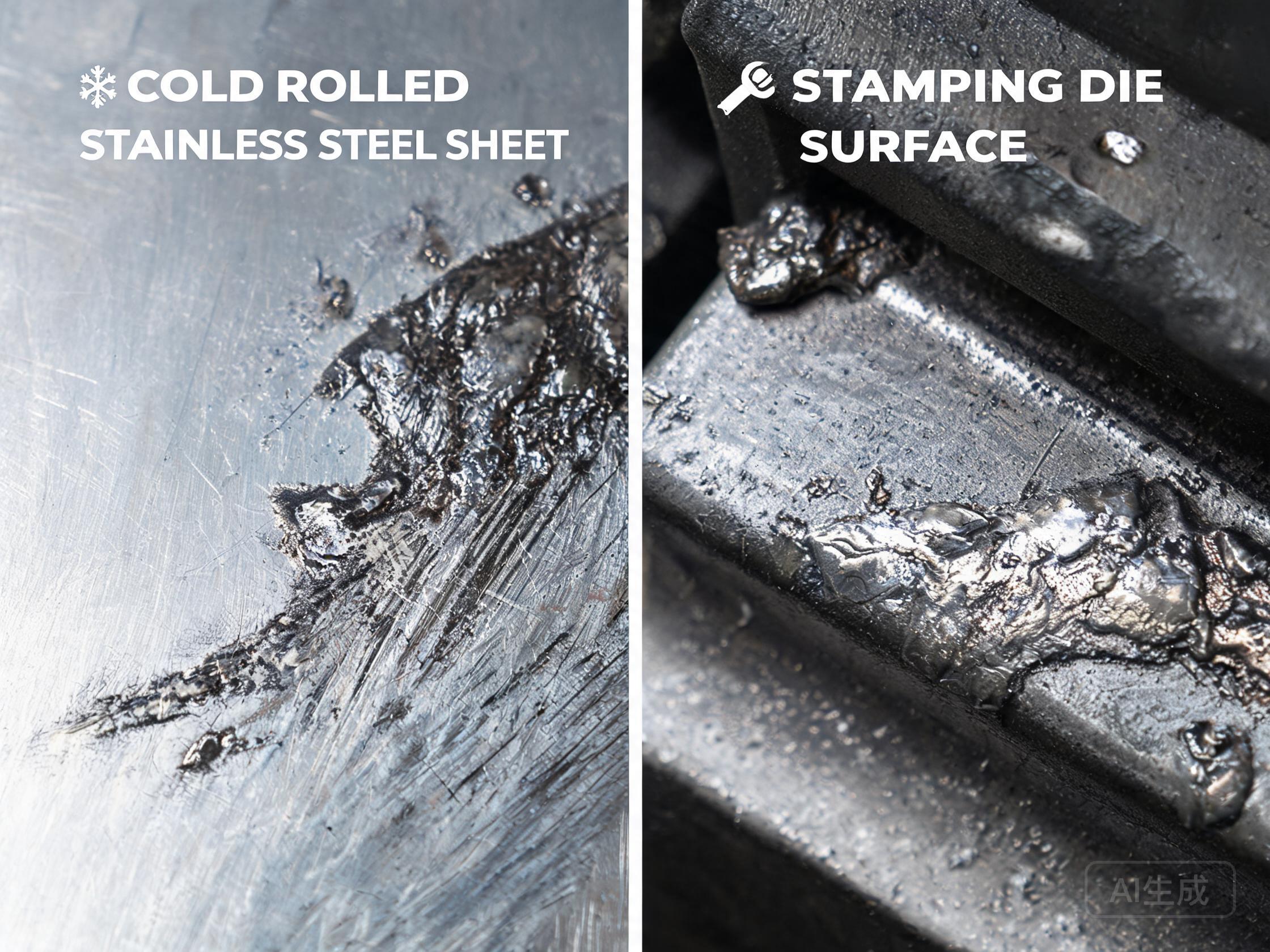
Why 304 galling clogs your die, how 430 compares, and what die steel and lubrication will actually stop it during stamping and bending.
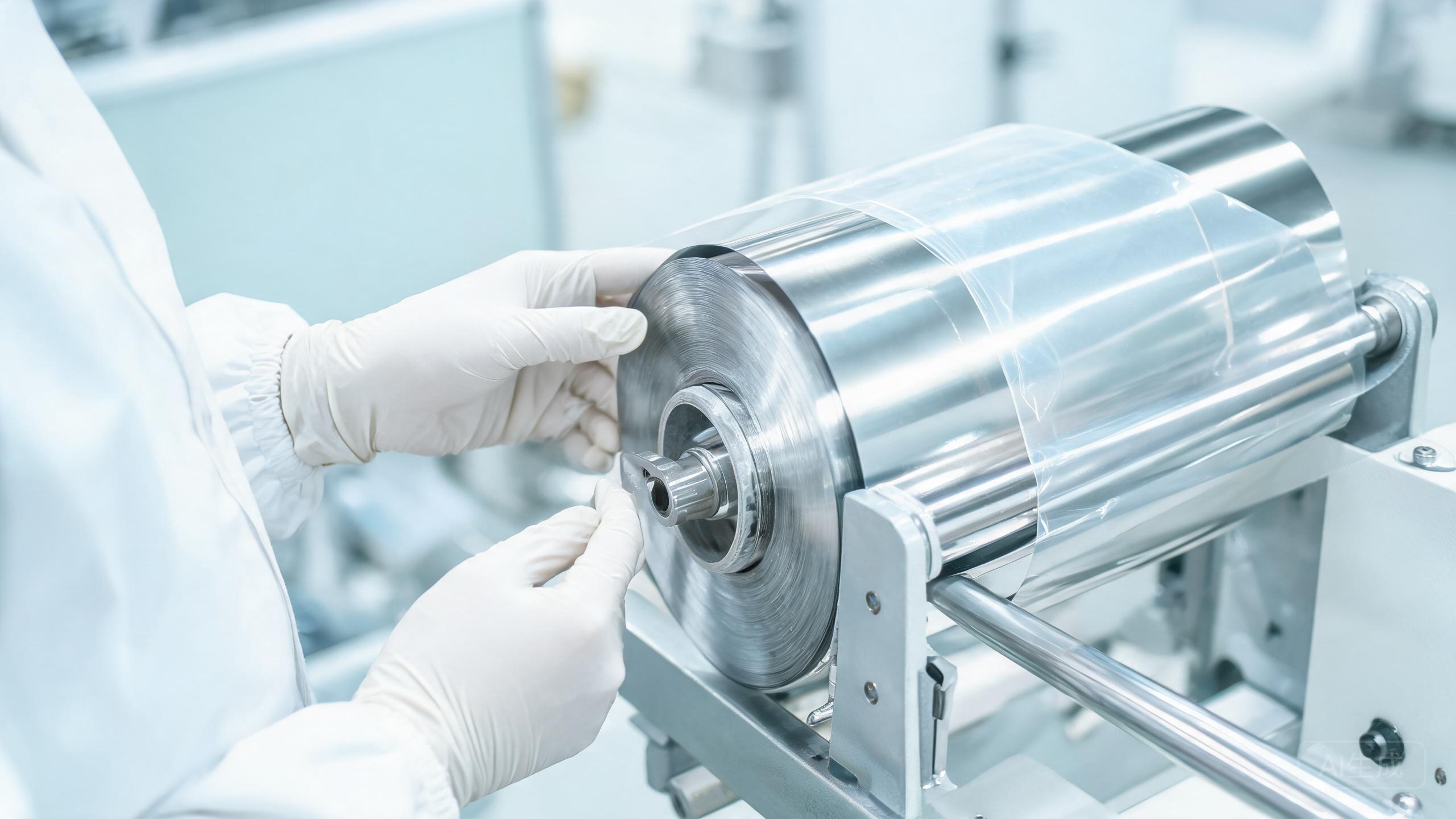
Ultradünne Edelstahlfolie unter 0,2 mm wellt sich, knittert und reißt – wie die Ausbeute vom Abrollen bis zum Bauteil geschützt wird.
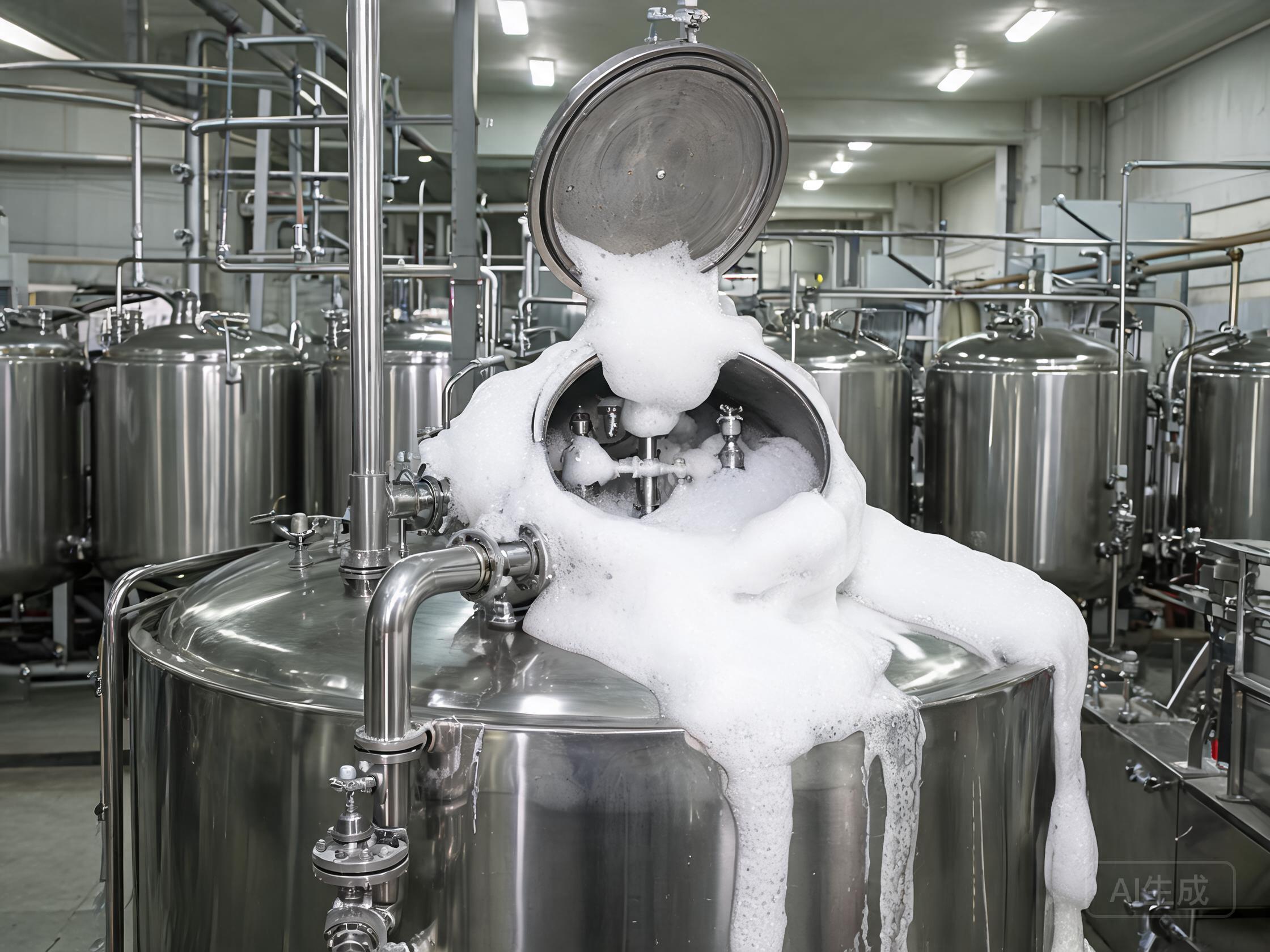
Clean-in-Place (CIP) foaming, caustic 2% NaOH corrosion, 304 vs 316 cold rolled stainless steel and ASTM A240 food contact — solve CIP foam residue and pitting by matching the grade to your cleaning agent and the surface finish to the drain.
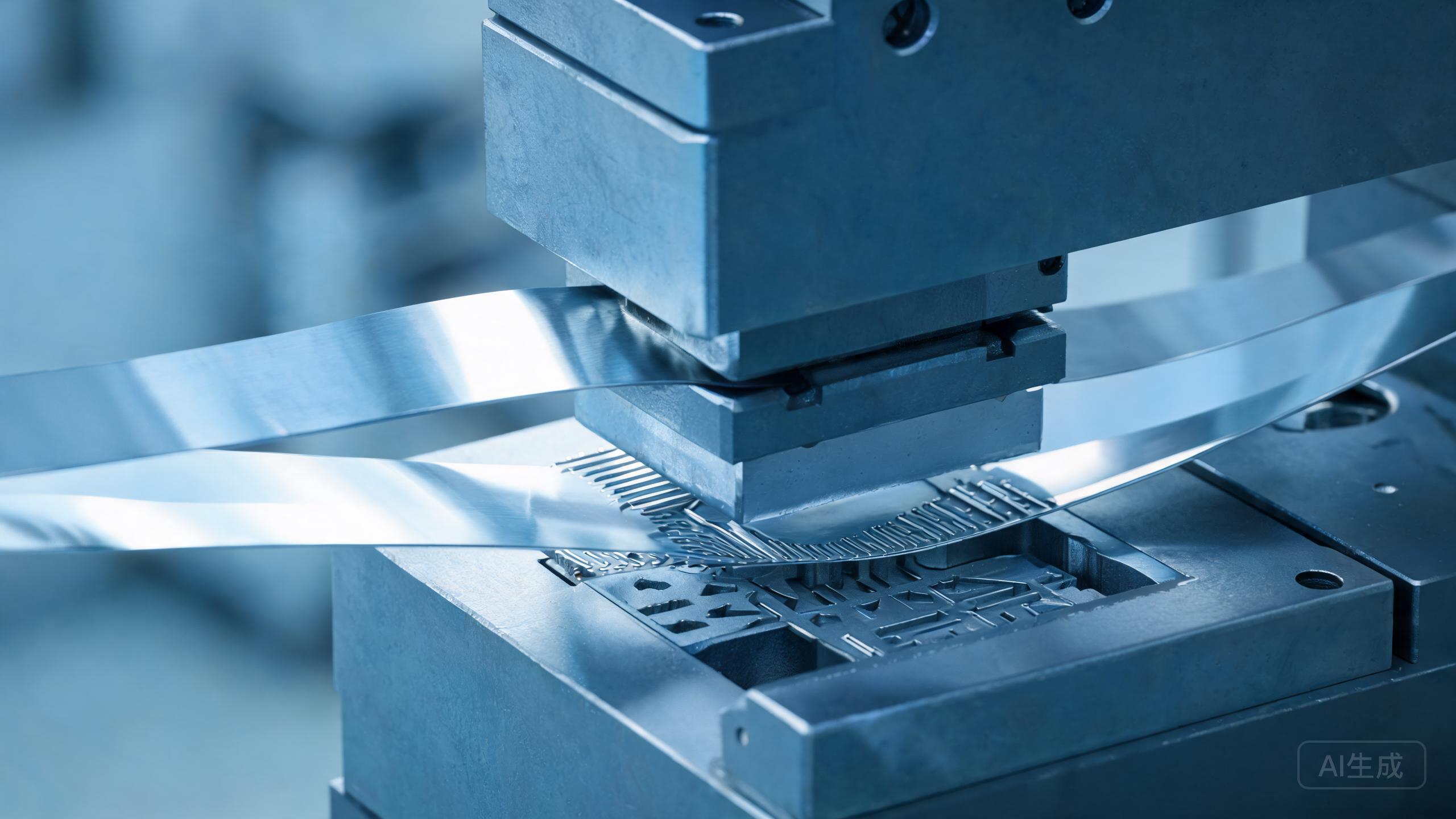
Ultradünner Edelstahl unter 0,2 mm wirft beim Stanzen Falten, reißt und federt zurück – wie alle drei Fehlerbilder verhindert werden.
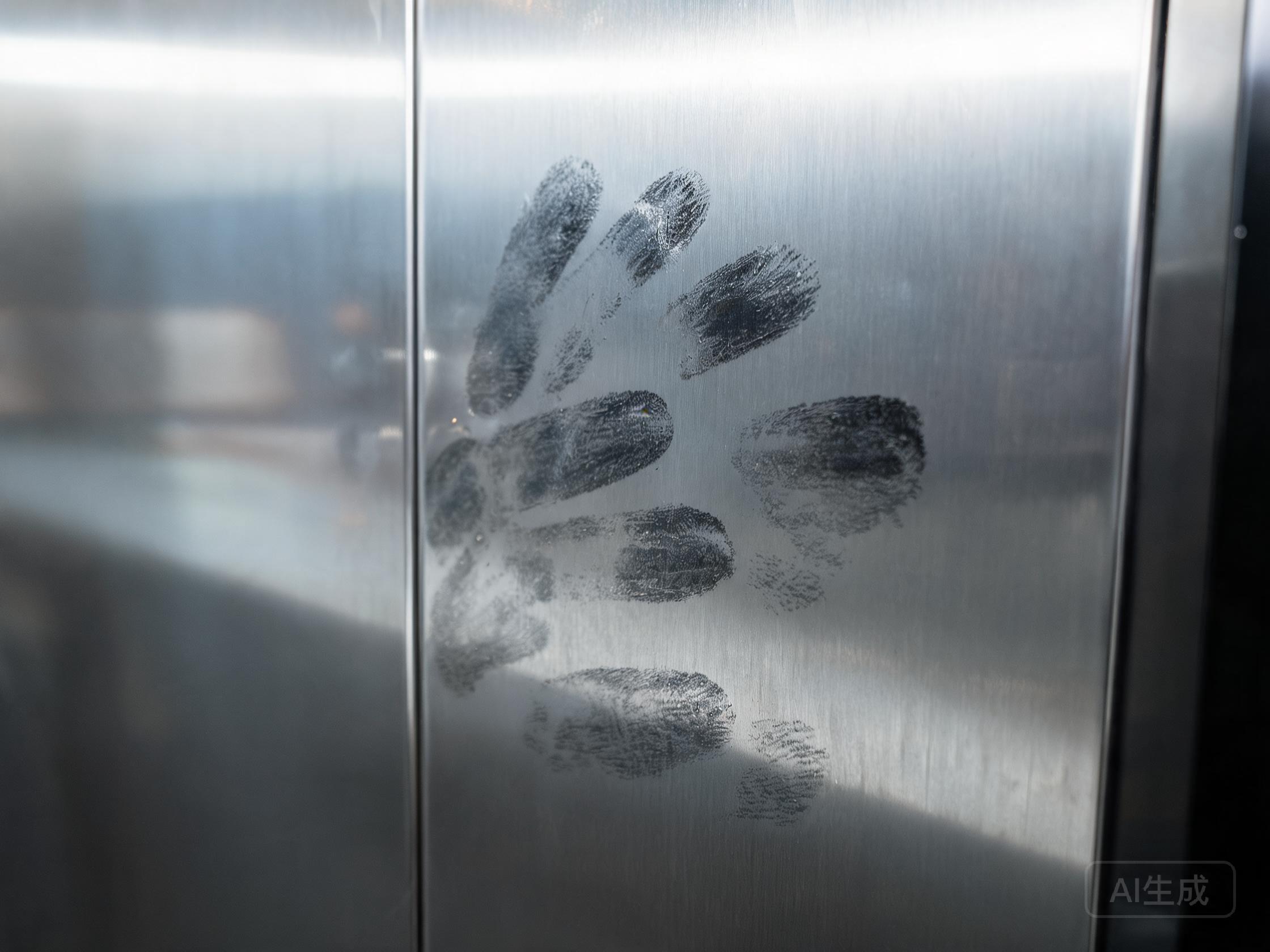
Fingerabdruckflecken ruinieren 304/316 Aufzugs- und Architekturpaneele. Vergleichen Sie 2B mit BA, Anti-Fingerabdruck-Beschichtungsoptionen und Reinigungsmethoden, die tatsächlich funktionieren.
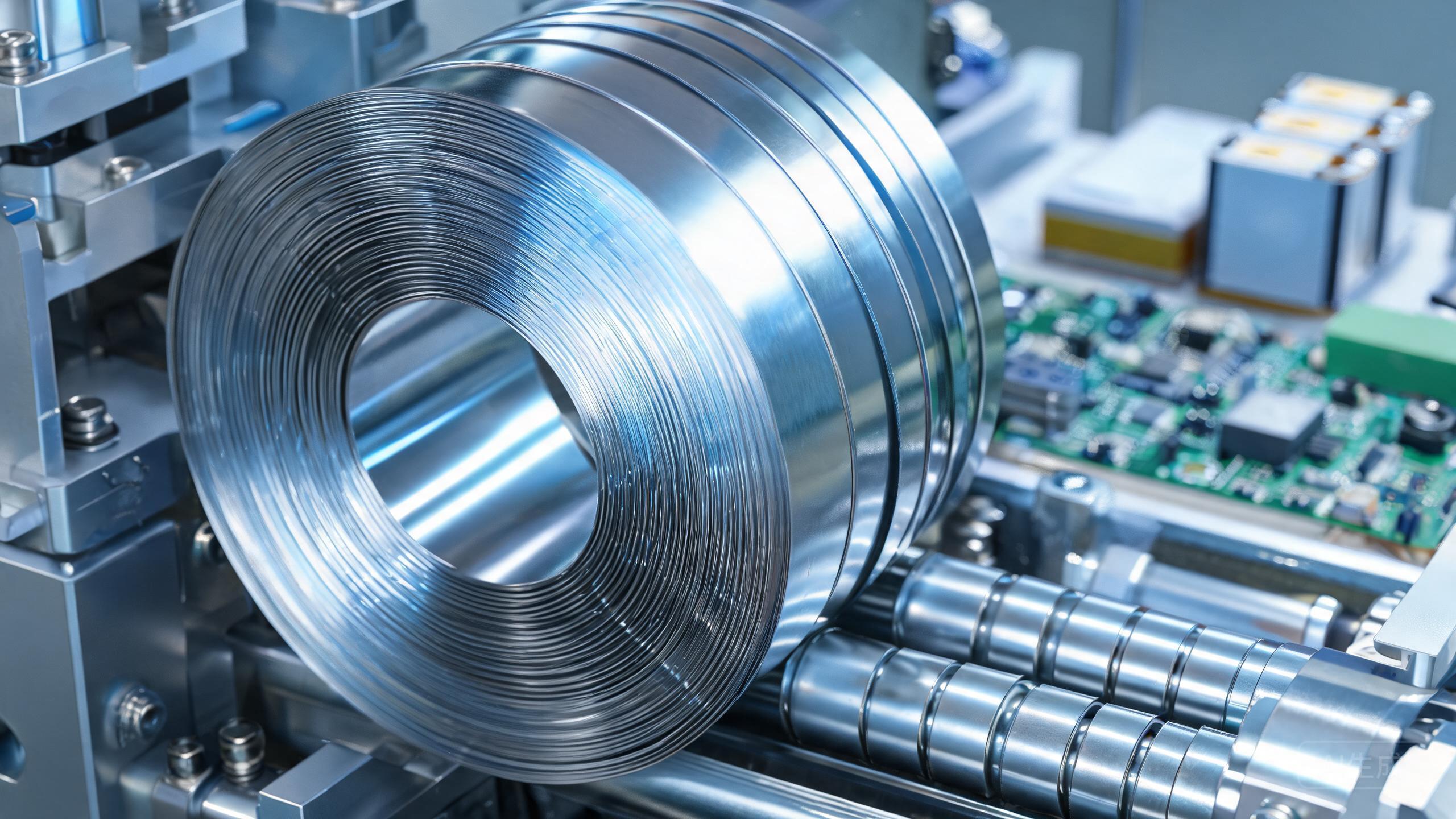
Ultradünnes 304-Band unter 0,2 mm versorgt EMV-Abschirmungen, Batterielaschen und Bipolarplatten – was Einkäufer spezifizieren müssen.
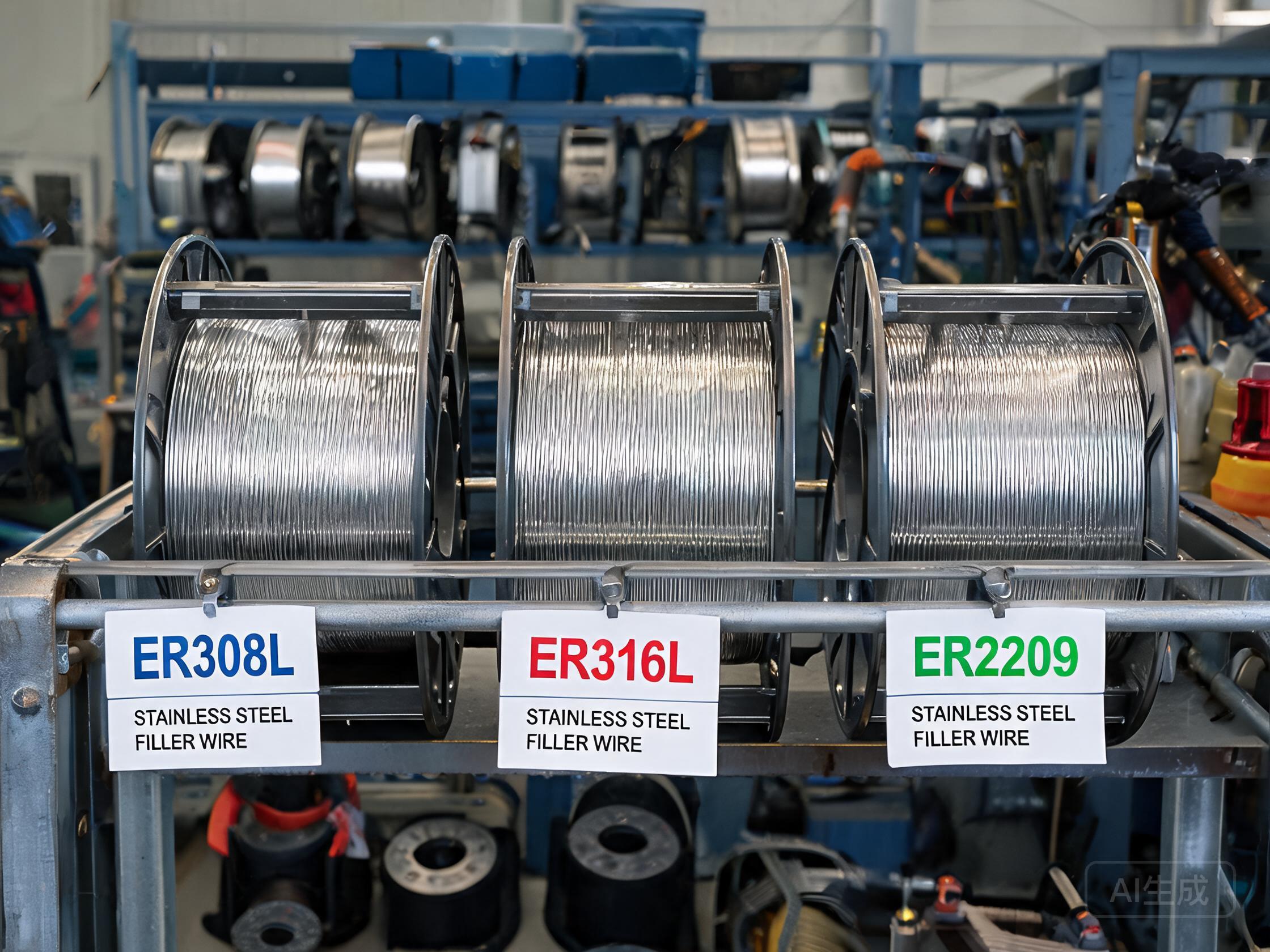
Filler metal selection for stainless steel — ER308L for 304, ER316L for 316, ER2209 for duplex, how PREN must match base metal, and the China factory low-Ni filler trick to avoid.

Entscheidung zwischen 2B- und BA-Edelstahloberflächen für kaltgewalztes Band und Blech bis 2 mm: Optik, Ra-/Reflexionsverhalten, Umformung und Preisunterschiede für Kochgeschirr, Küchengeräte, Hausgeräte und Stanzteile.
Wählen Sie zwischen Ablängen (开平), Schlitzen (纵剪) und Coil in voller Breite für kaltgewalztes Edelstahlblech und -band bis zu 2 mm: Welche Verarbeitungsroute passt zu Ihrer Linie, Ausbeute und Toleranzanforderungen?
Ein Käuferleitfaden zu Ebenheit und Verzug von dünnen kaltgewalzten Edelstahlblechen und -bändern: Was Ebenheit bedeutet, wie man sie misst, Verzug und Spulensatz und was Sie vor der Bestellung überprüfen sollten.
Beschaffung von kaltgewalzten Edelstahlblechen, Spaltbändern und Coils für den VAE- und Golf-Markt aus China: Qualitäten für Architektur, Abmessungen, Zertifikate, Verpackung und Lieferfaktoren, Überprüfung durch Importeure und Hersteller.
Wie Blechdicke, Dickentoleranz und Oberfläche (2B/BA) von kaltgewalztem Edelstahlband und -blech bis 2 mm Preis, Gewicht, Rückfederung und Umformerfolg beeinflussen.
Typische Dickenoleranzen für kaltgewalztes Edelstahl-Feinblech und -Band von 0,2 bis 2 mm, wie Toleranzen gemessen werden und wie sie Umformung, Gewicht und Preis beeinflussen.
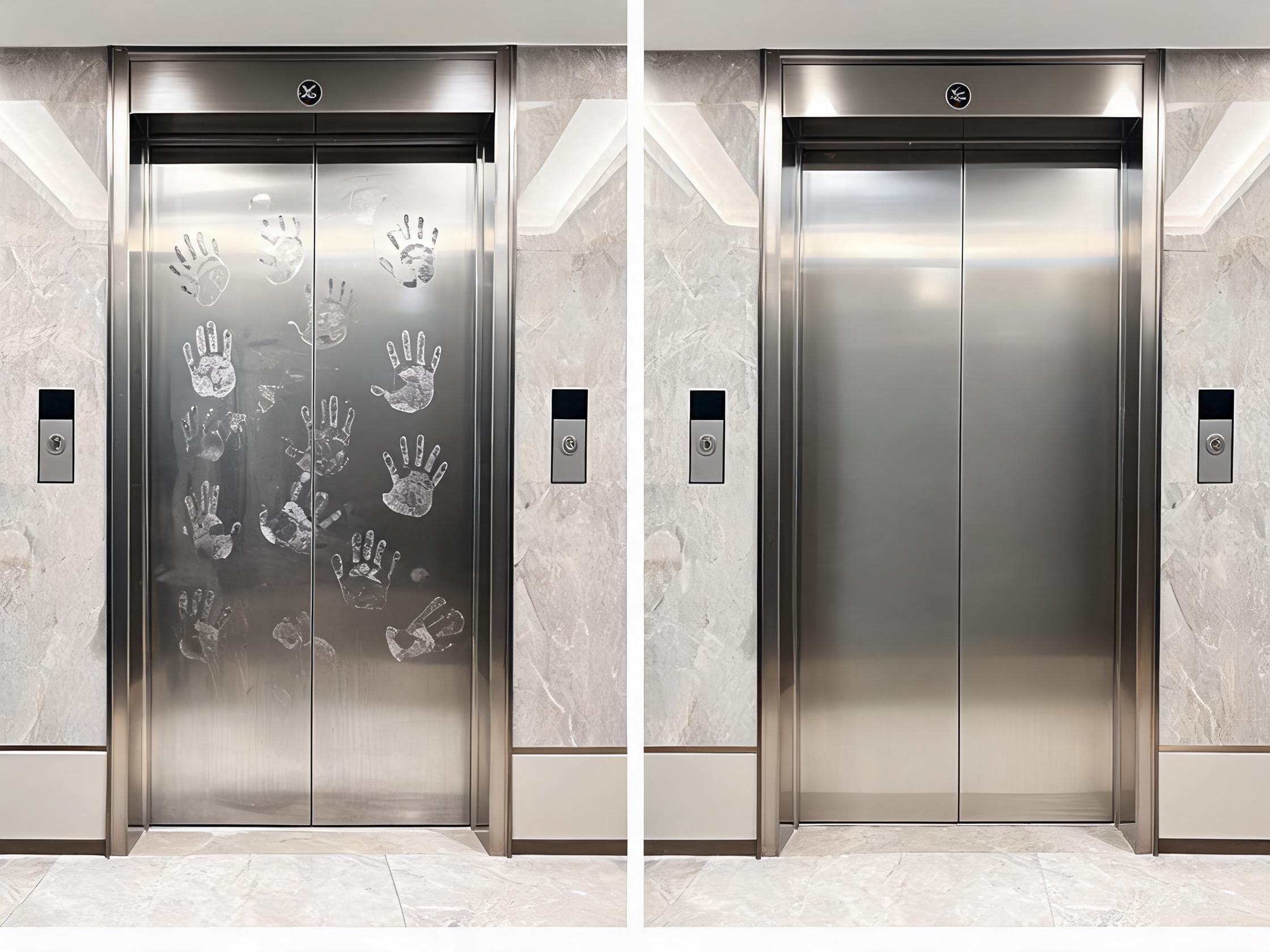
Cold rolled 304 stainless steel elevator panels show fingerprints within 30 minutes of cleaning. Compare PVD anti-fingerprint coating, SiO2 and TiO2 treatments, specify the right 8K mirror finish, and get a cleaning schedule that keeps panels spotless for 7 days instead of 1.
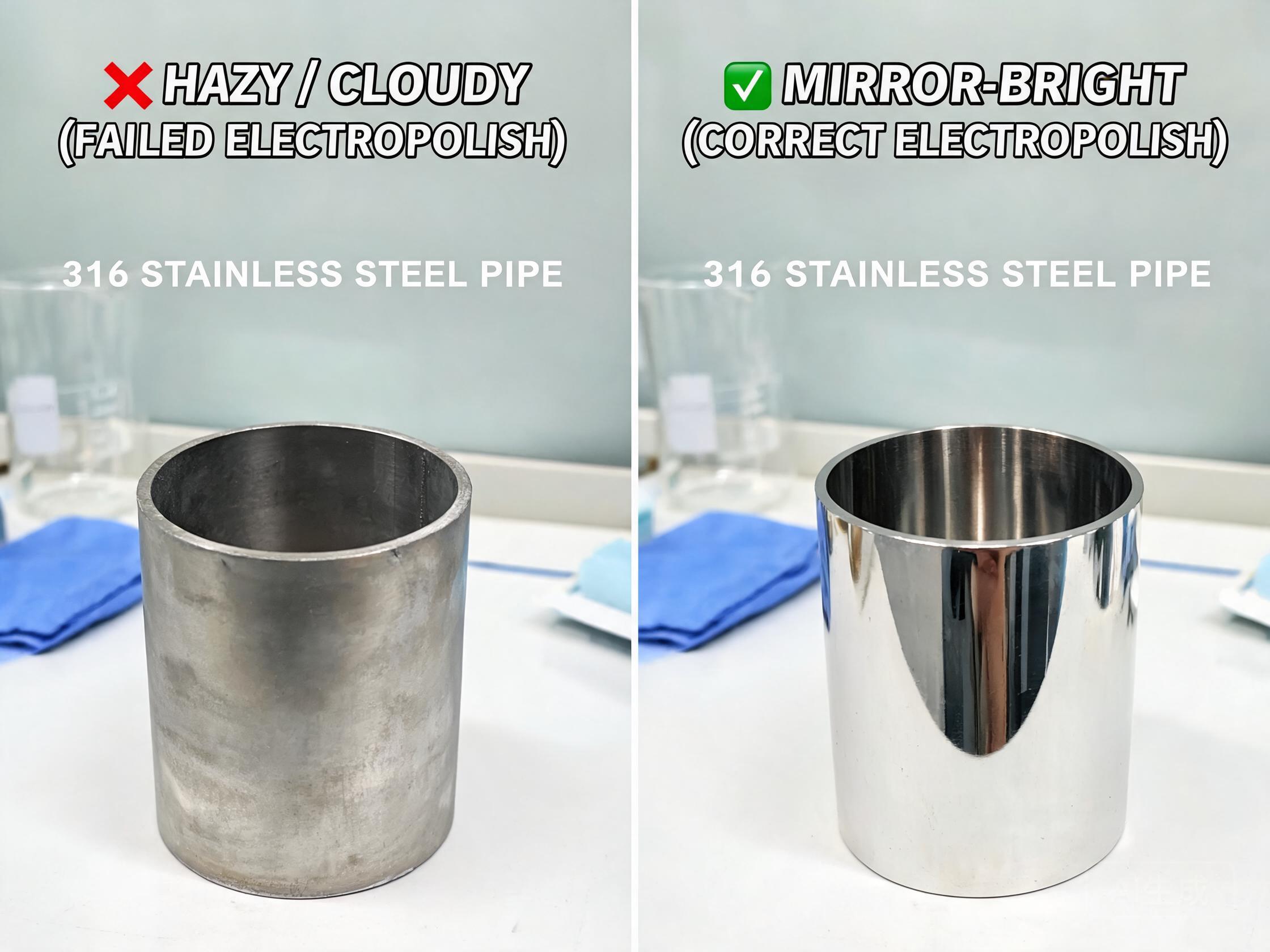
Haze after electropolishing makes 316 medical and pharmaceutical parts look cloudy. Learn why current density, electrolyte concentration and post-rinse contamination create it.
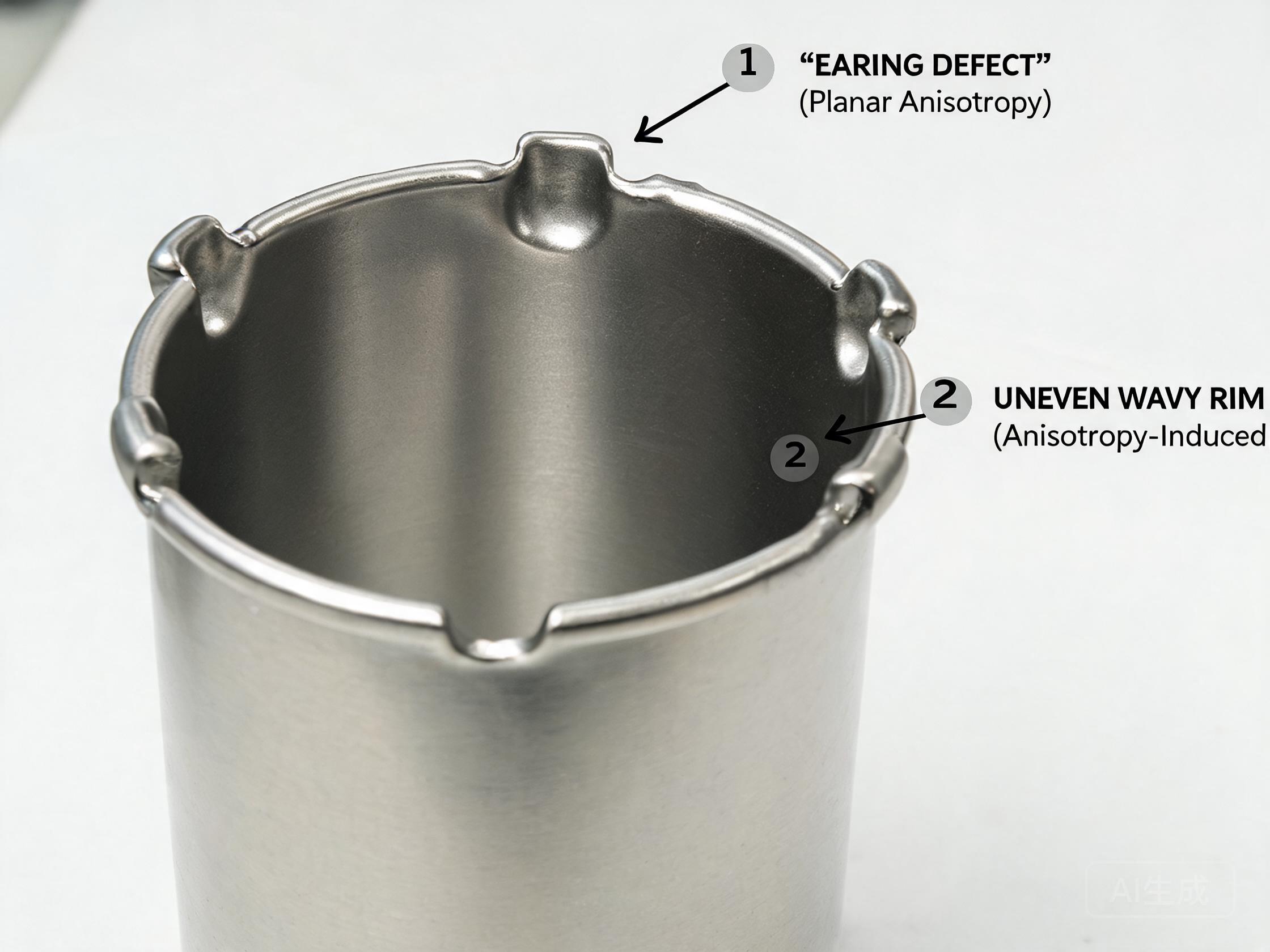
Why 304 deep drawn cups develop ears at 0°, 45° and 90° to rolling direction. Planar anisotropy Δr explained, annealing temperature to minimize it, and why coil always beats sheet.
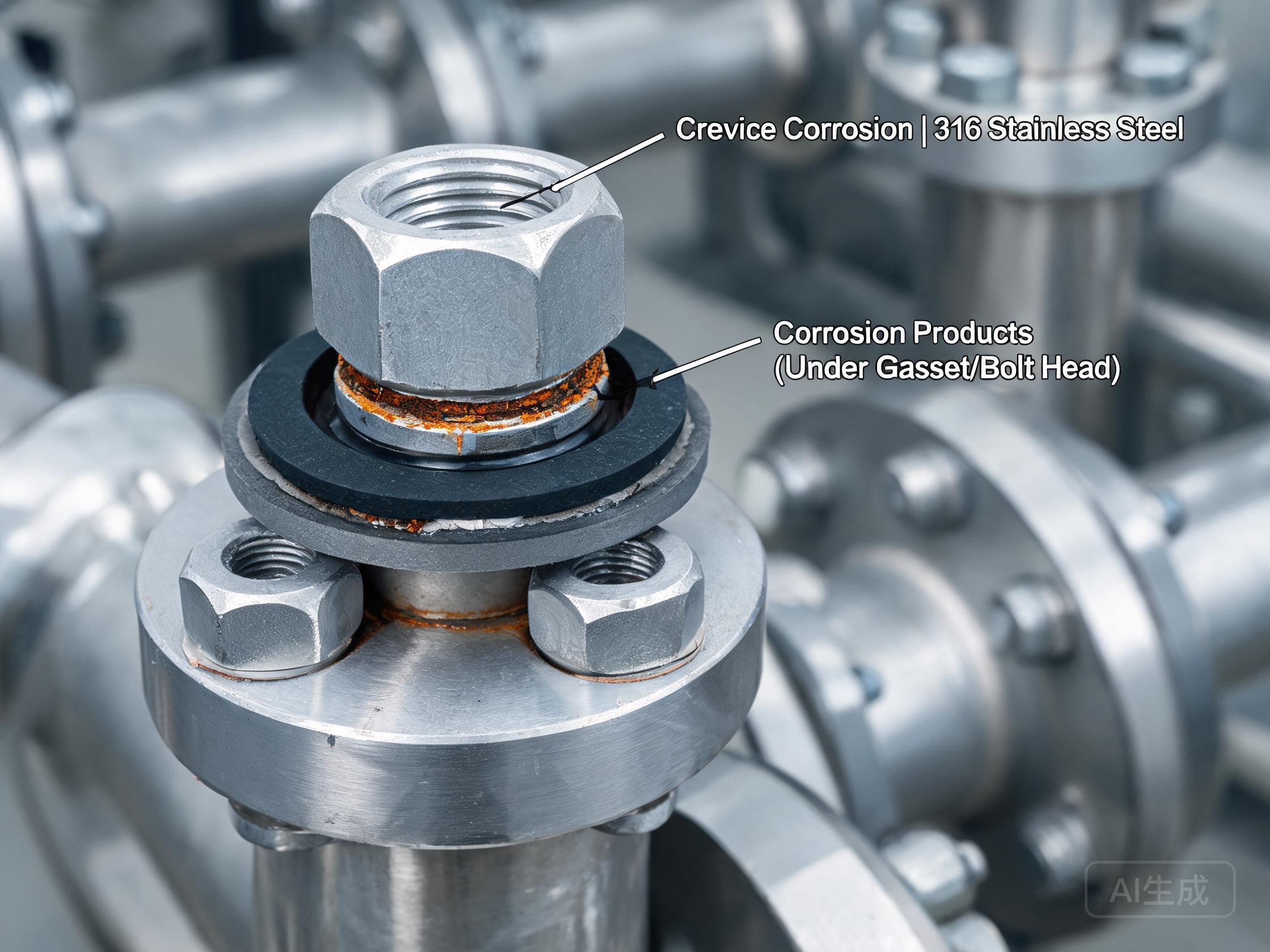
Crevice corrosion at bolted and gasketed joints on cold rolled stainless steel. Why gaps under 0.5mm kill your equipment, and which gasket material actually works.
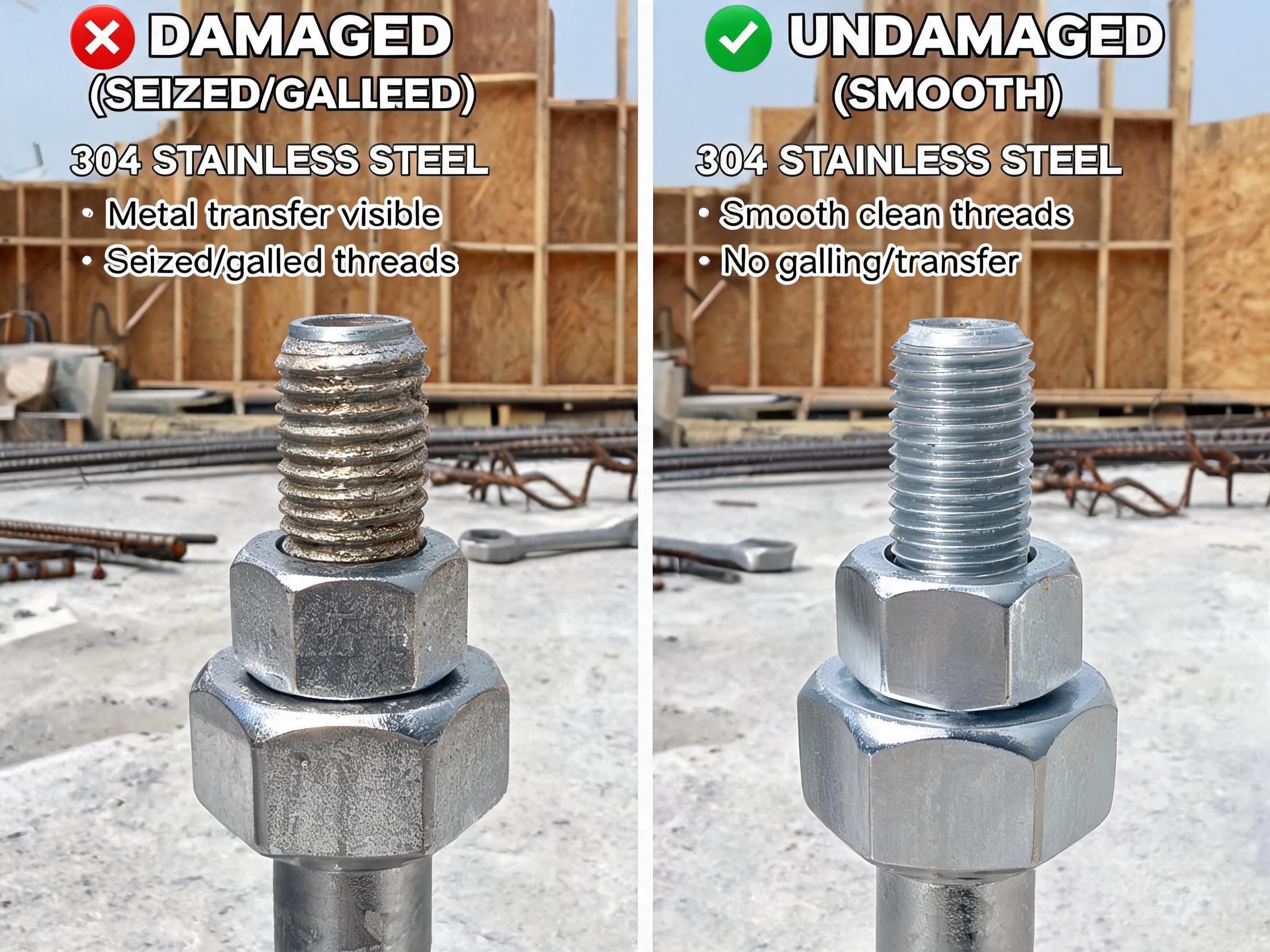
Cold rolled stainless steel construction fasteners seize and gall when both bolt and nut are austenitic. Compare 304 vs 316 galling rates, switch to 410 martensitic, use anti-seize compound, and get the thread pitch right before your high-rise bolt locks up mid-torque.
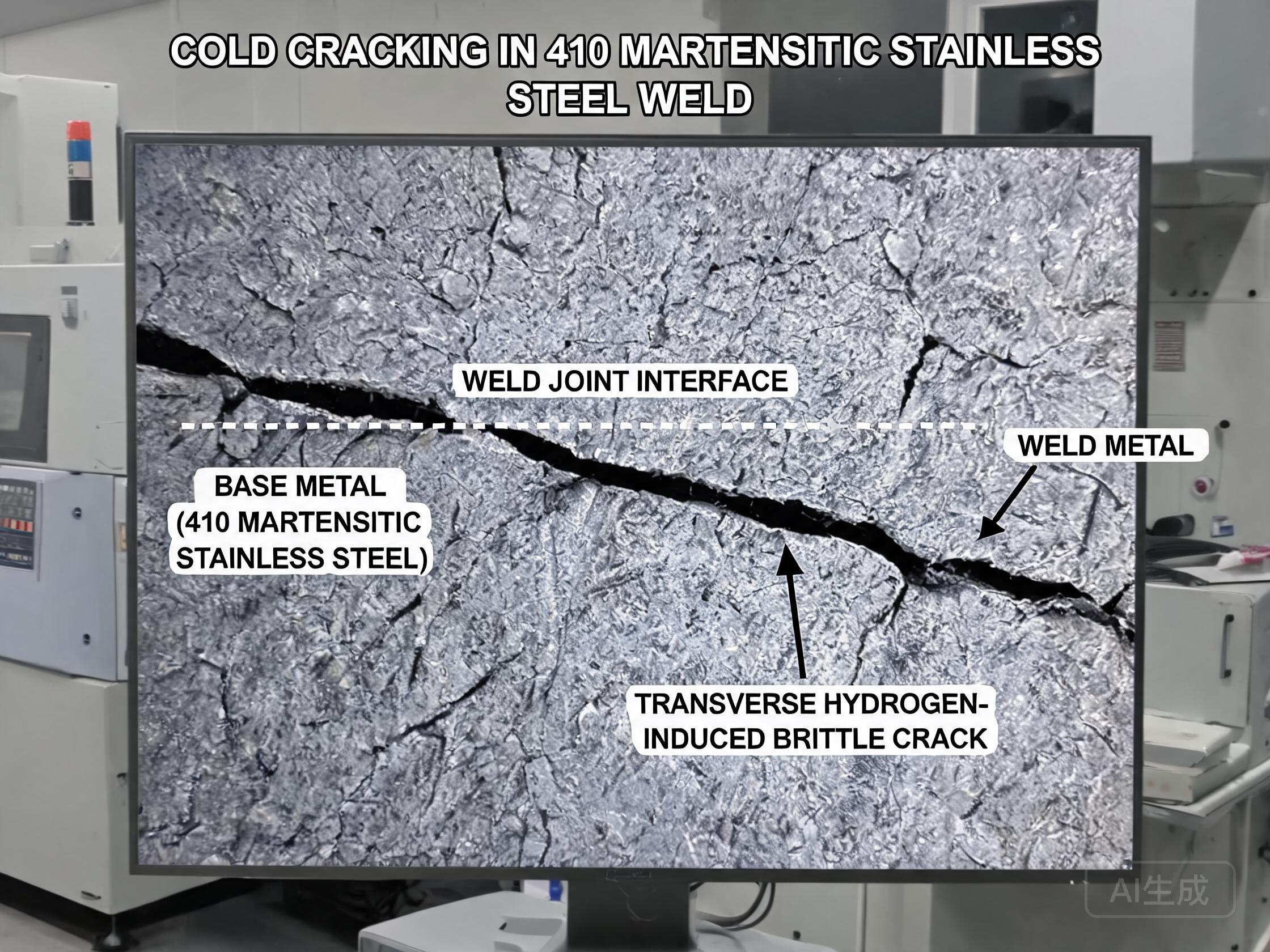
Cold cracking in 410 and 420 welds — why hydrogen, hard martensite and restraint combine to crack, and how preheat and post-weld temper stop it.
Wird Aluminium Edelstahl ersetzen? Nein. Steifigkeit, Härte, Lebensmittelsicherheit, Schmelzenergie, Anodisierfehler und Vorräte sprechen für Edelstahl.
Kaltgewalztes Edelstahlblech und Band bis 2mm beschaffen: Flachbleche und Schmalband, Toleranzen, Kanten und RFQ-Formulierung für einen zuverlässigen Lieferanten.
Gängige Größen kaltgewalzter Edelstahlbleche, standardmäßige, auf Länge zugeschnittene Breiten und Längen sowie die Bemaßung einer Bestellung für flache Bleche und Zuschnitte.
Eine QC-Checkliste für den Wareneingang für kaltgewalztes Edelstahlblech und -band: Dicke, Breite, Ebenheit, Grat, Kante, Folie und Zertifikatsprüfungen, um fehlerhafte Chargen frühzeitig auszuschließen.
Beschaffung von kaltgewalzten Edelstahlblechen, -bändern und -spulen aus China für den vietnamesischen Markt: Qualitäten, Abmessungen, Zertifikate, Verpackung und Lieferfaktoren prüfen Importeure.
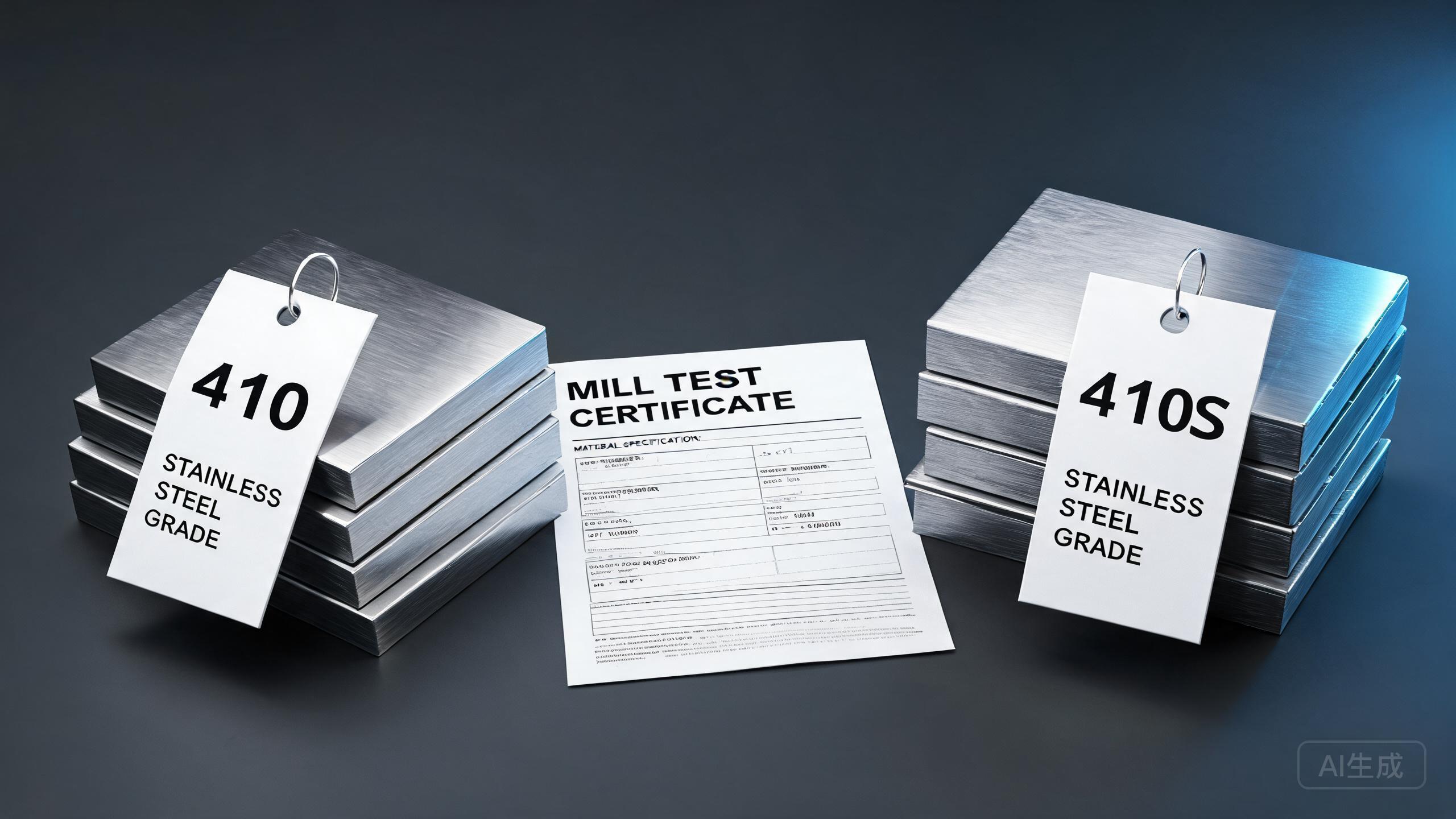
Das S begrenzt den Kohlenstoff und ändert alles. Der 410 härtet bis zur hohen Festigkeit; der 410S bleibt weich, schweißt aber sauber. Härte: 410. Schweißen: 410S.
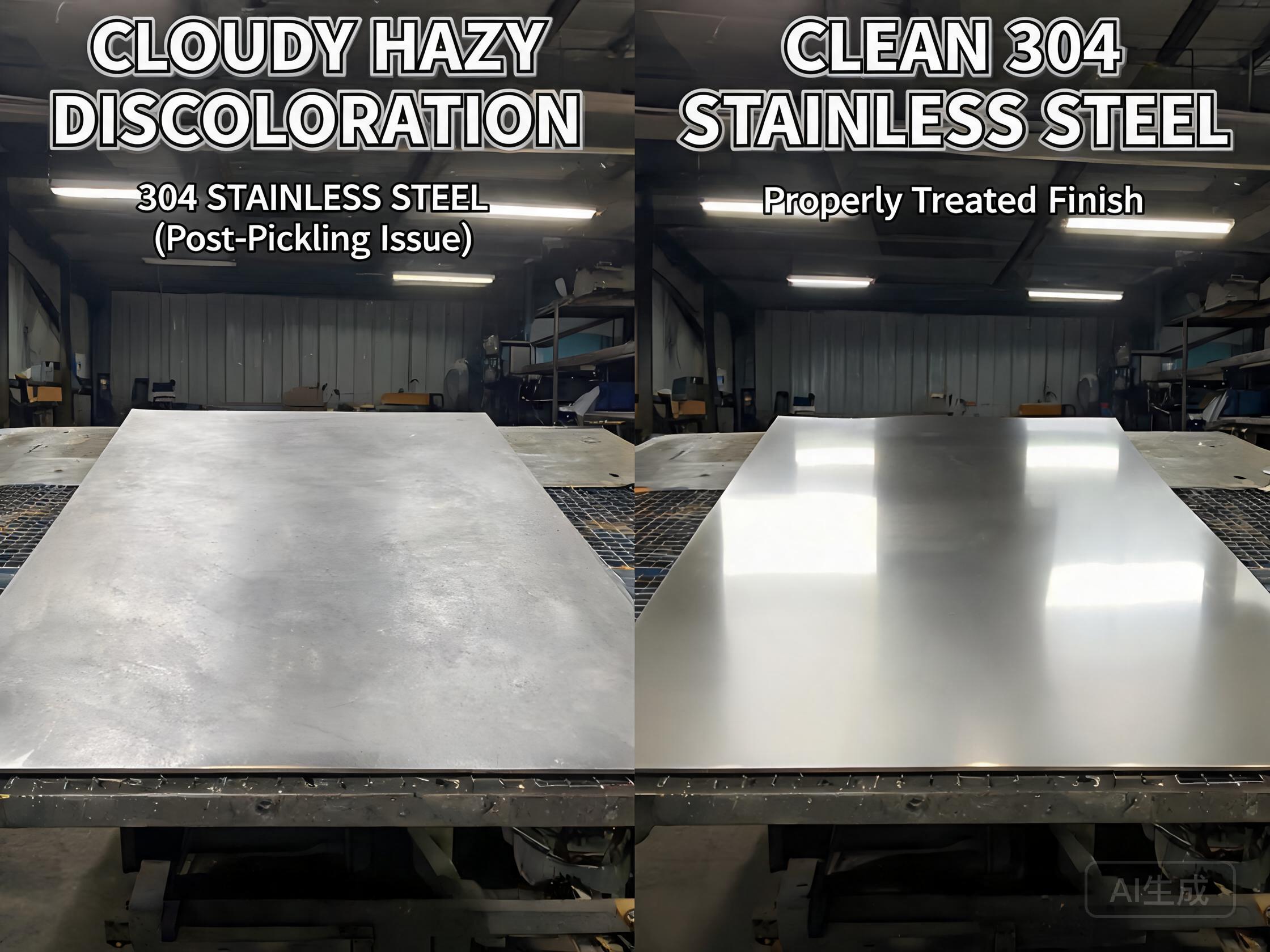
Cloudy hazy stainless after pickling or passivation is a top buyer headache. Compare 304 vs 316, water quality rules and how to specify rinse standards on your RFQ.
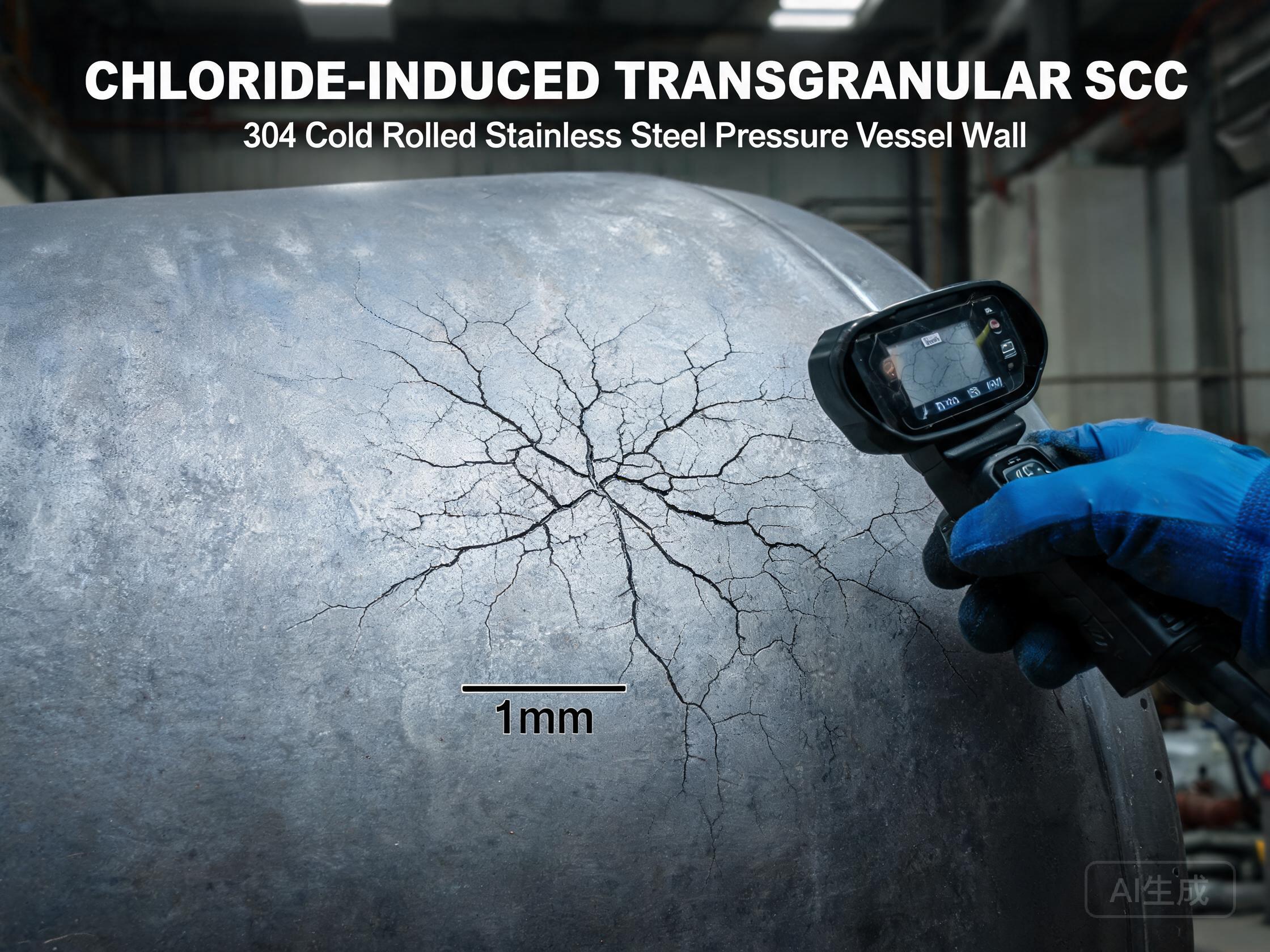
Chloride-induced stress corrosion cracking on cold rolled stainless steel. The 10 ppm threshold for 304, 100 ppm for 316, and why stress relief annealing is non-negotiable.
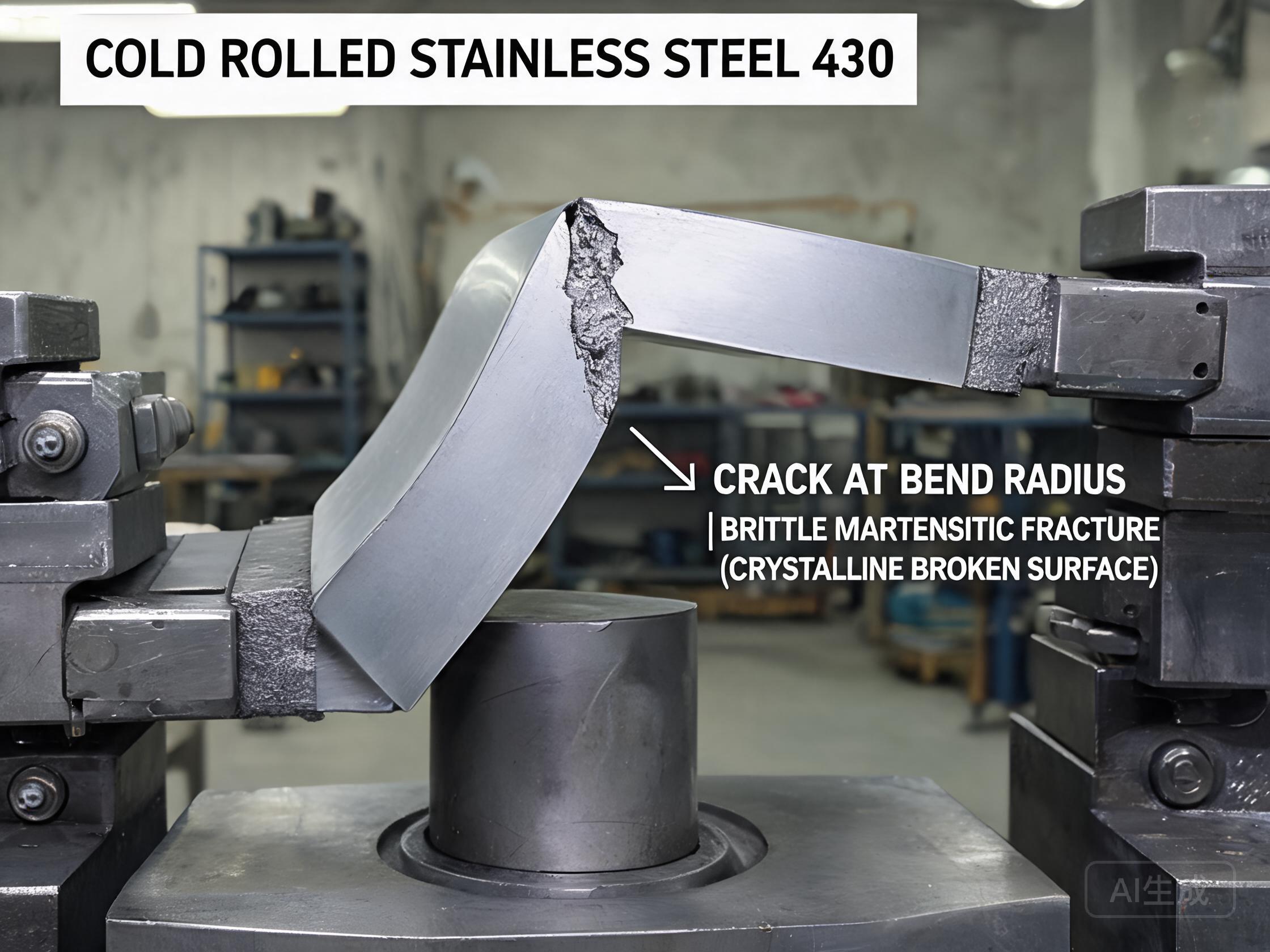
Why your 304 bends crack, what minimum bend radius 304 and 430 really need, and why bending against the grain is 2x more likely to fail — plus how to spot fake anneal from a Chinese mill.
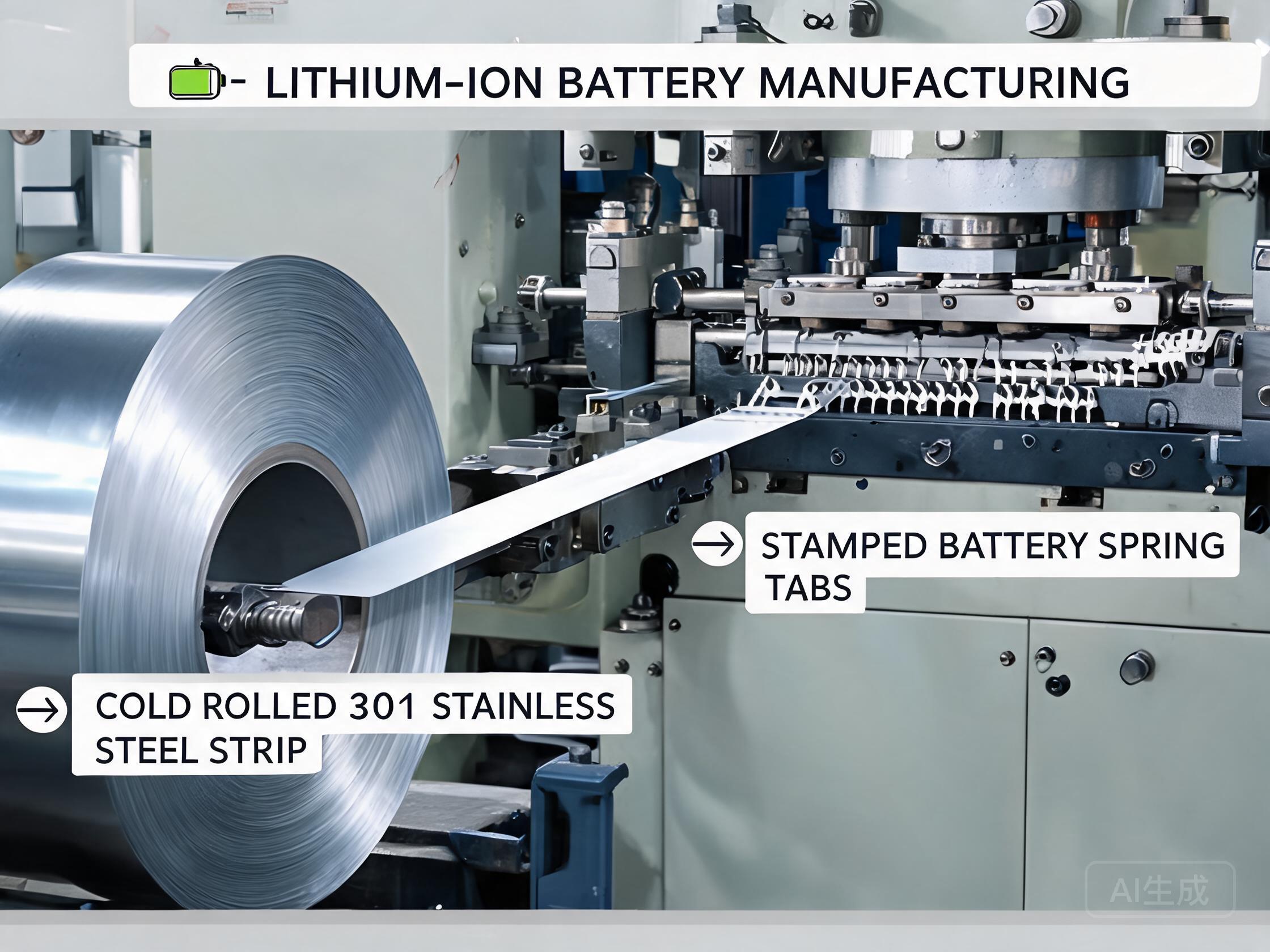
Cold rolled stainless steel for EV battery tabs and housings — 301 temper H for spring tabs, 304 for cell housing, 0.1–0.3 mm thick. Get the edge burr under 10 μm and stamping springback under 1% or your tab refuses to seat in the busbar.
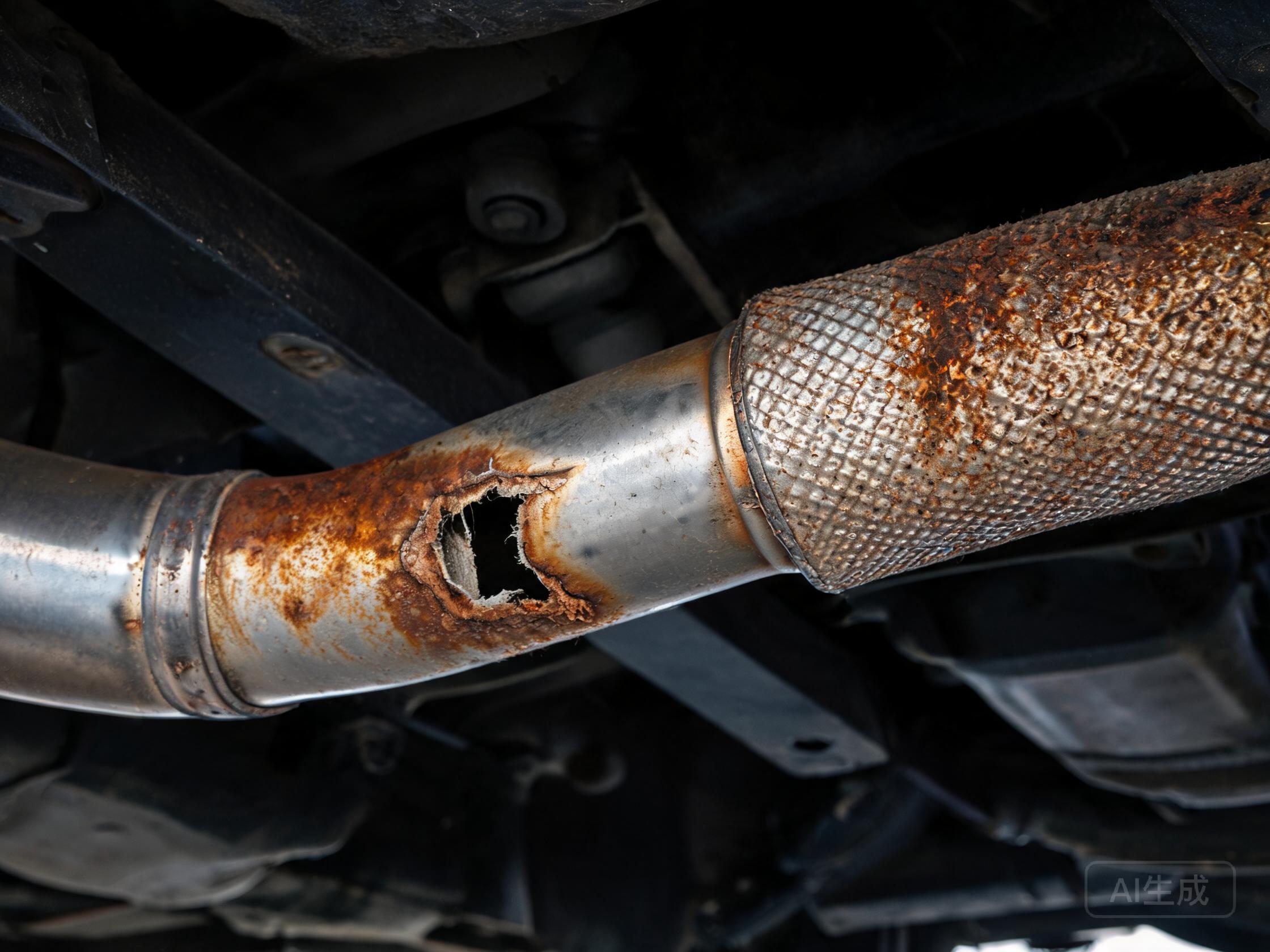
Automotive exhaust corrosion from condensate, 1000°C intermittent heat and thermal fatigue — compare 409, 430 and 304 cold rolled stainless steel and specify the right grade and thickness before your exhaust fails at the weld or the muffler seam.
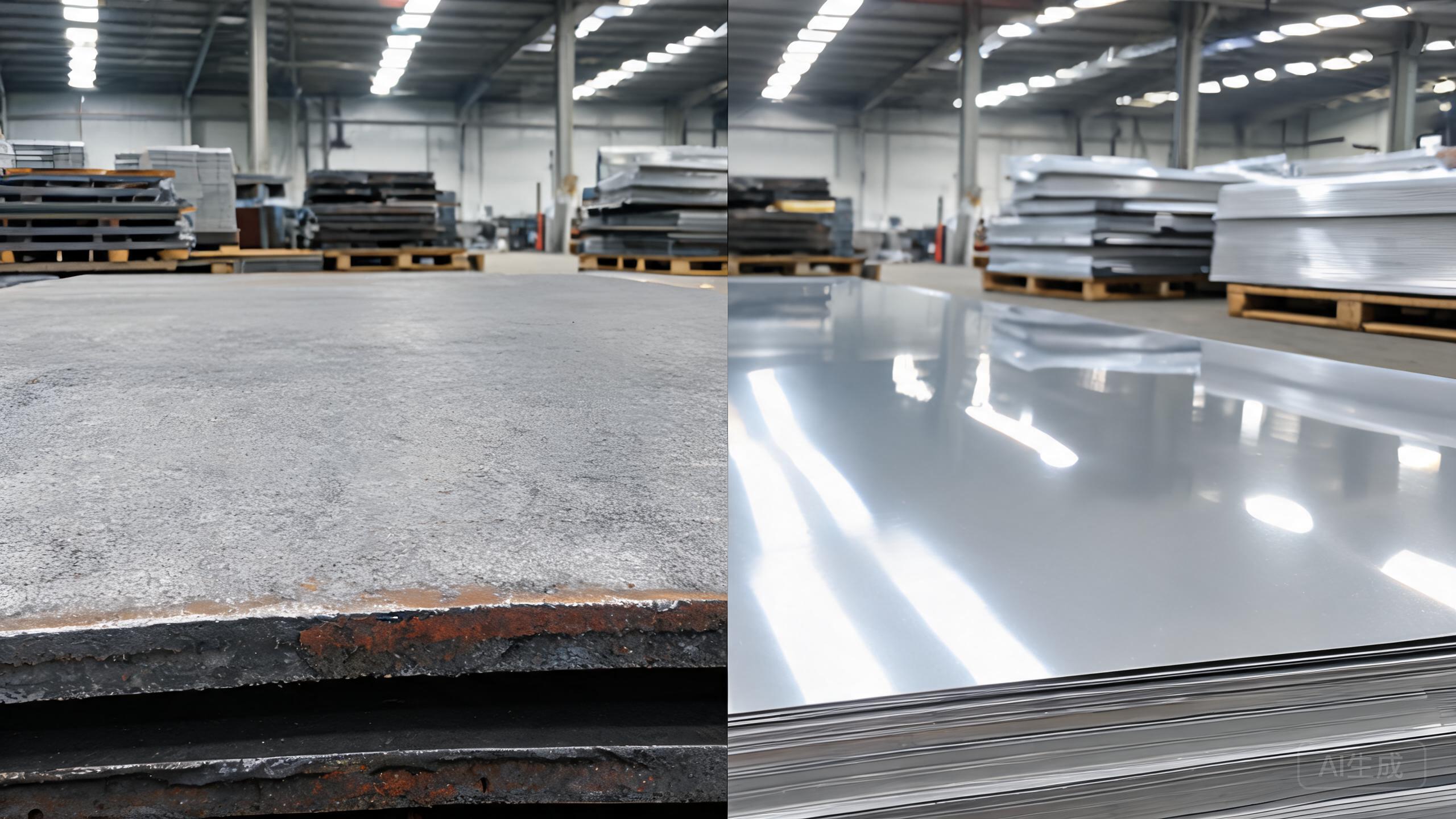
Vergleichen Sie Kalt- und Warmwalz-Edelstahl: wann No.1, 2D oder 2B, Dickenbereiche und was jede Variante pro Tonne kostet.
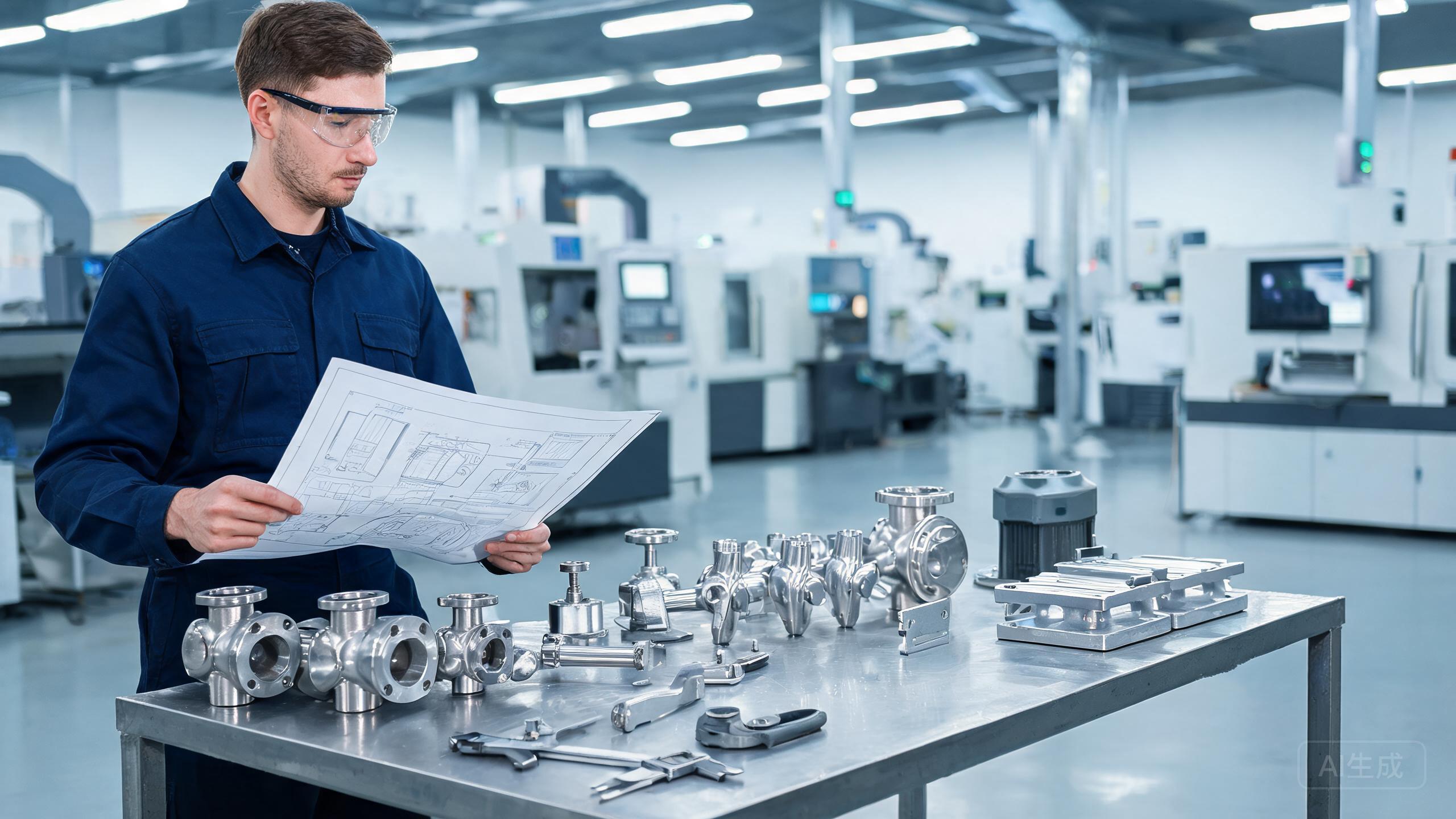
Wie Einkäufer maßgeschneiderte Edelstahlprojekte strukturieren: OEM vs. ODM, Zeichnungsübergabe, Prototypenphasen, NDAs und Meilensteinzahlungen.
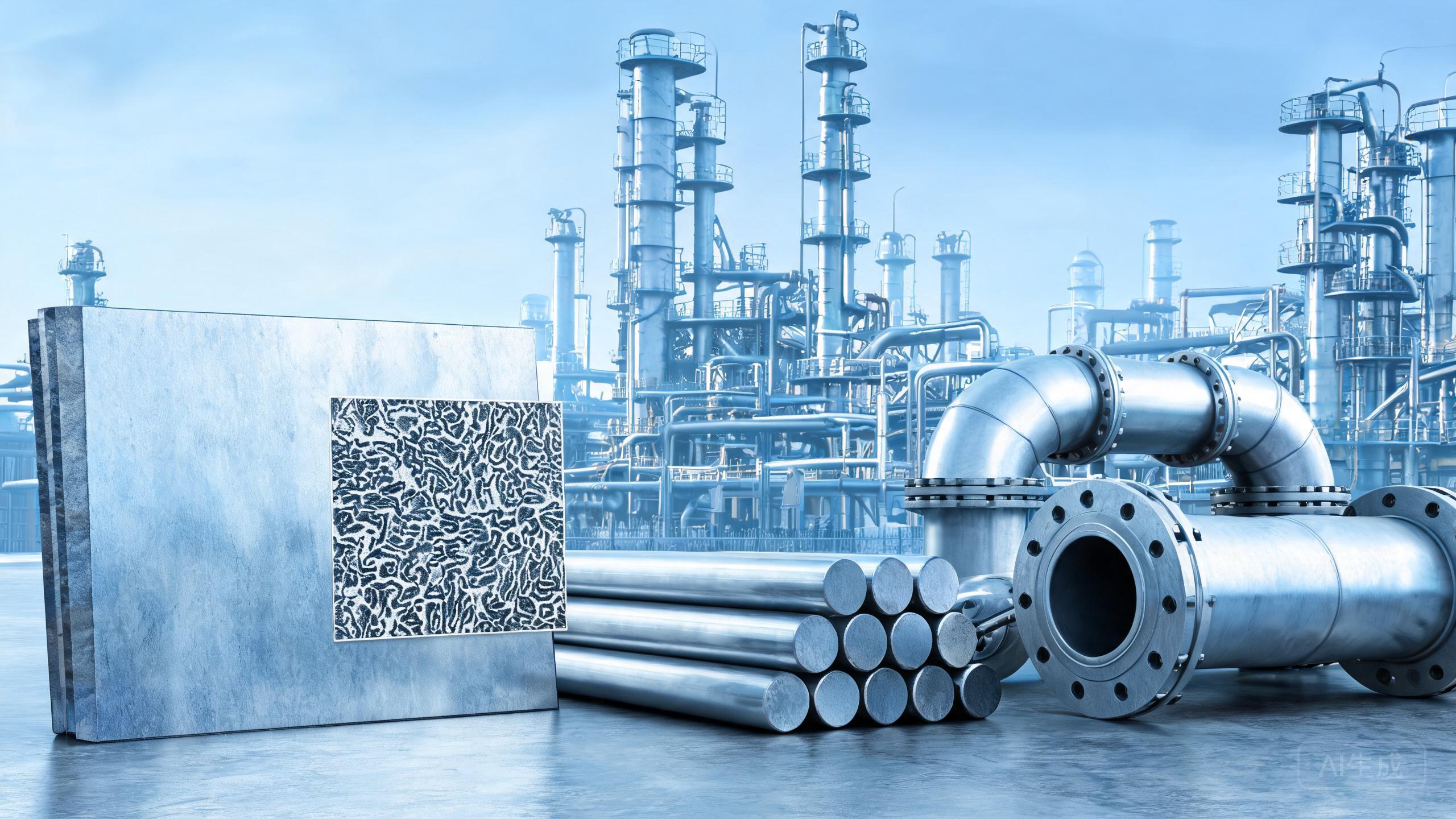
Verstehen Sie Standard-Duplex 2205, Super-Duplex 2507 und Lean-Duplex (2304, 2101) nach Korrosionsbeständigkeit, Festigkeit, Schweißbarkeit und Anwendung.
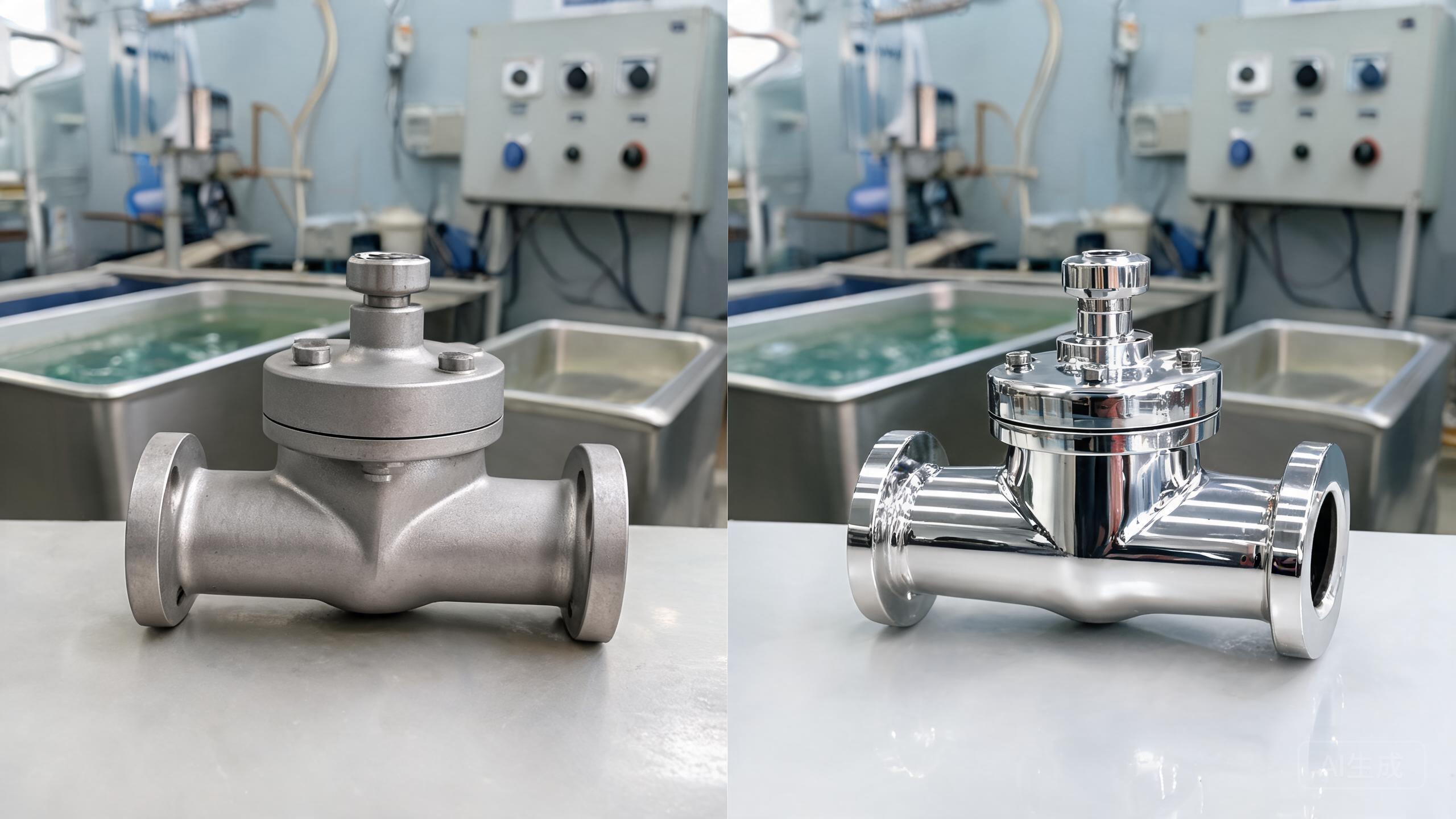
Wie Electropolishing wirkt, was es an Oberflächenrauheit und Korrosionsbeständigkeit ändert und wie Käufer es vs. mechanisches Polieren spezifizieren.
Vergleichen Sie ferritische Sorten 430, 430MA, 439, 441 und 444 nach Korrosionsbeständigkeit, Umformbarkeit, Kosten und Anwendung.
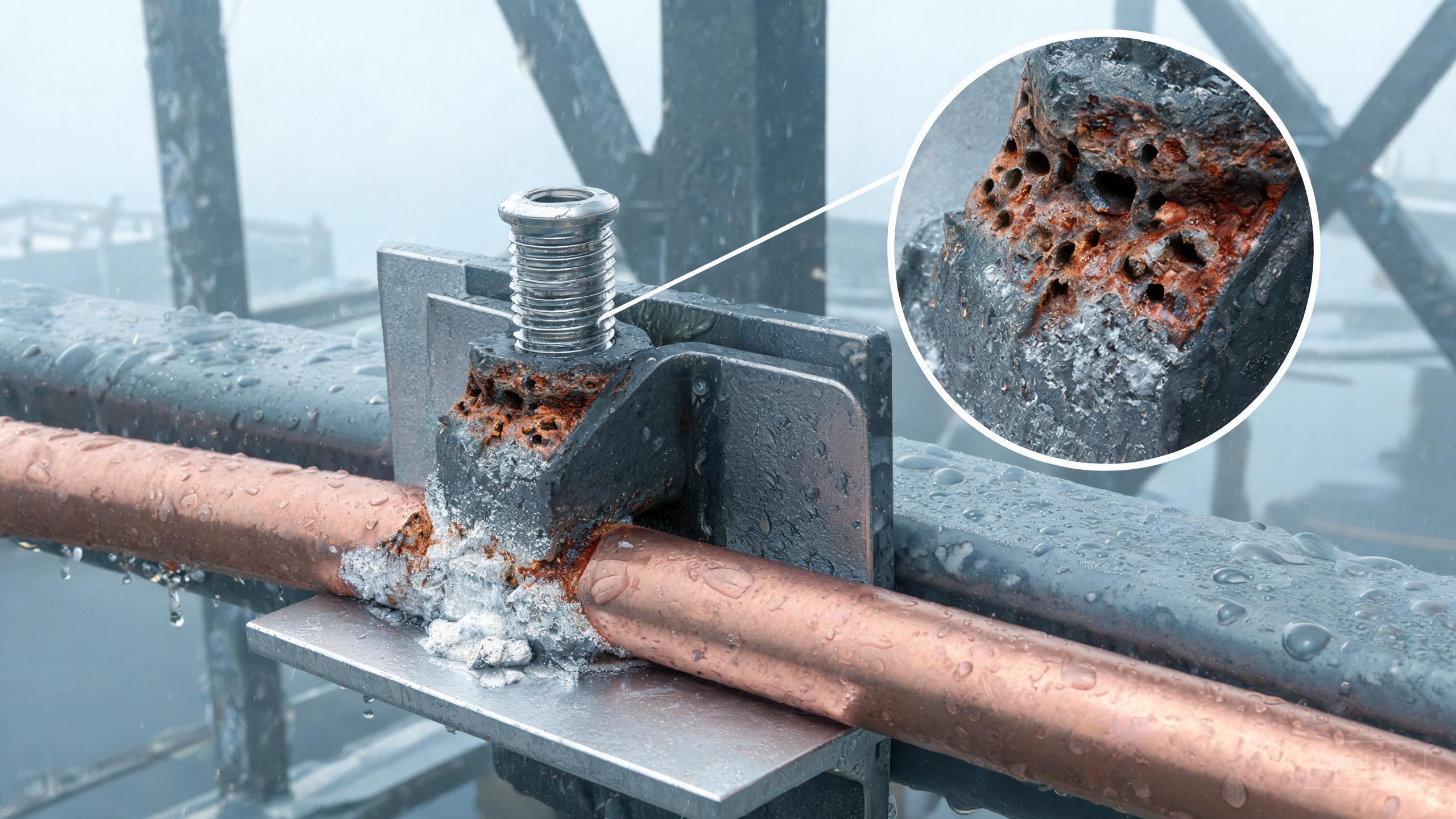
Leitfaden zur galvanischen Reihe: Edelstahl mit Kohlenstoffstahl, Aluminium, Kupfer, Messing – wann isolieren und was bimetallischen Angriff verhindert.
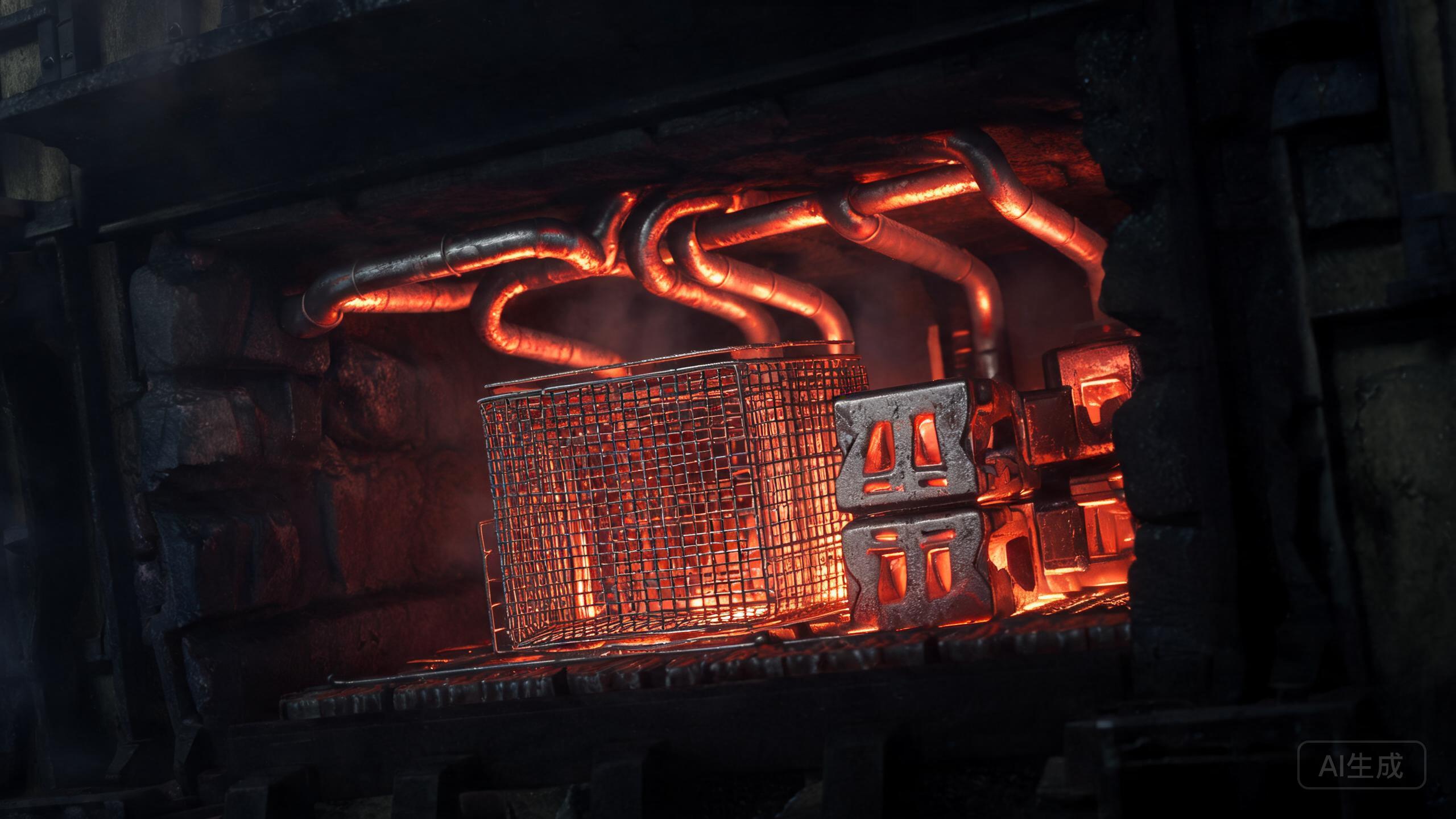
Auswahl hitzebeständiger Edelstähle für 700–1100 °C: 309S, 310S, 314 und 330 plus Versagensarten Aufkohlung, thermische Ermüdung und Versprödung.
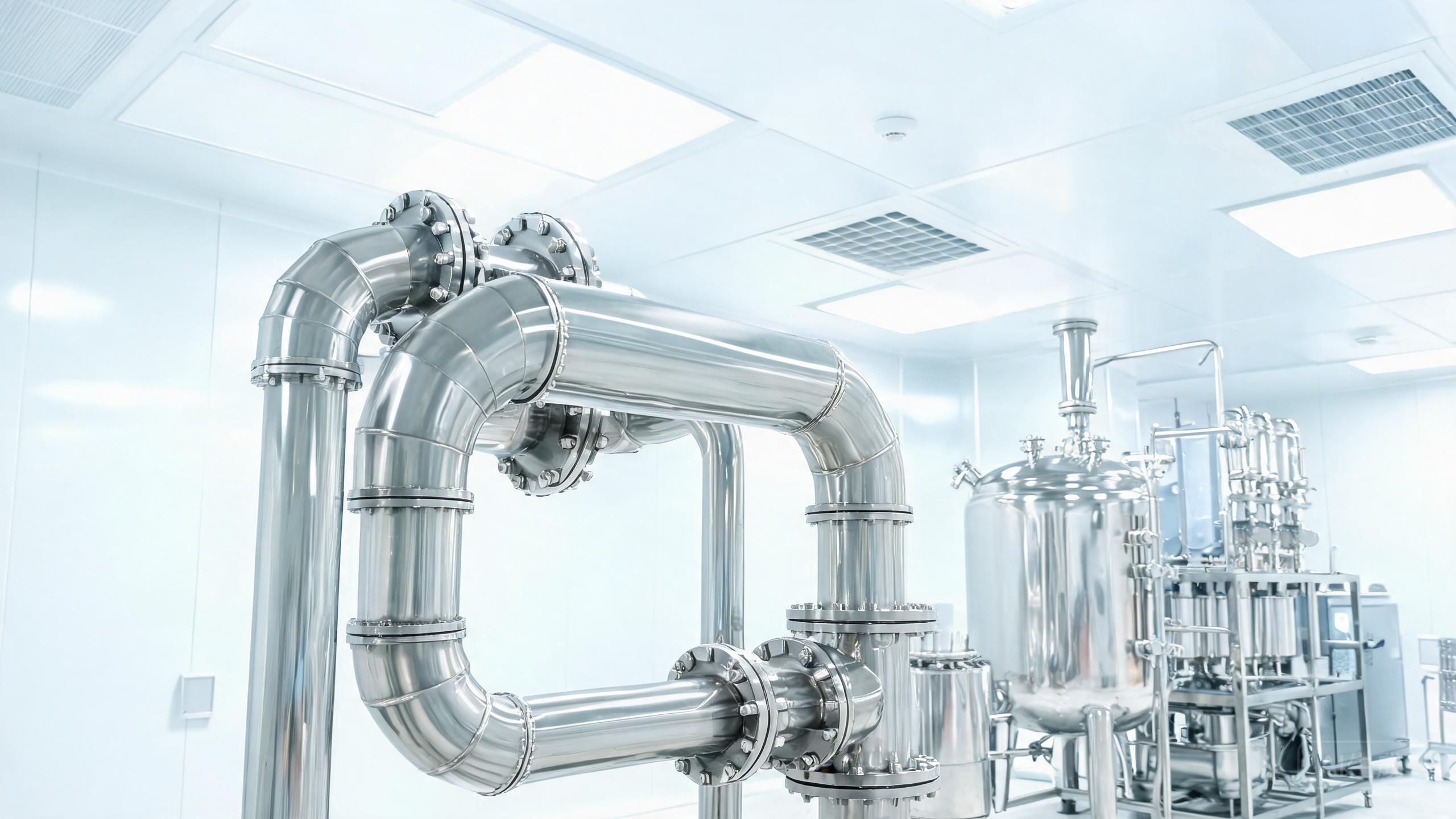
304L vs. 316L, Oberflächenrauheit Ra/Rz, Schweißnaht- und Dichtnormen, Elektropolitur sowie FDA-/EHEDG-Konformität für Pharma-Prozessanlagen.
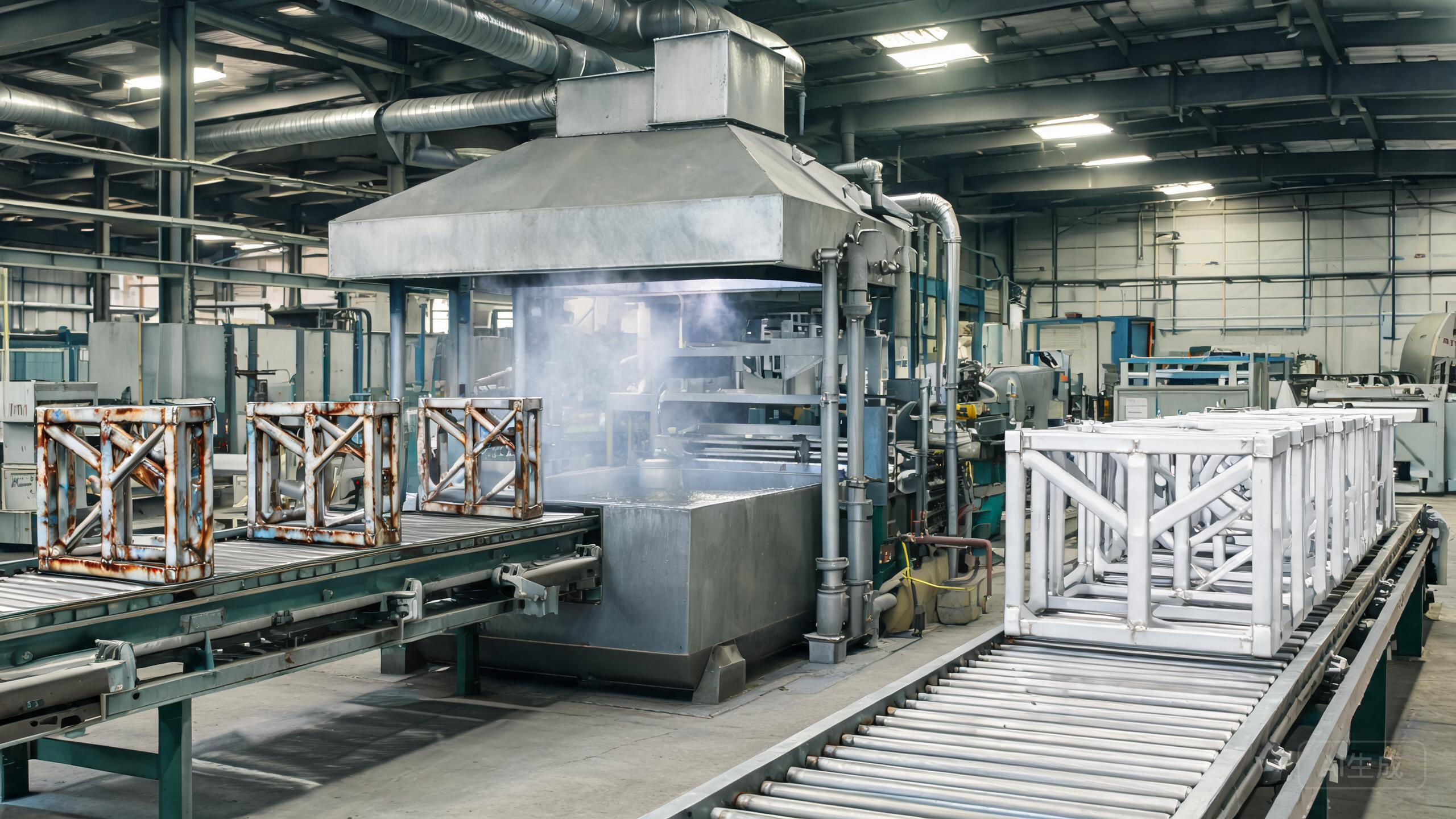
Verstehen Sie Beizen vs. Passivieren, wann beides nötig ist, salpetersaure vs. zitronensaure Route und wie Käufer behandelte Konstruktionen prüfen.
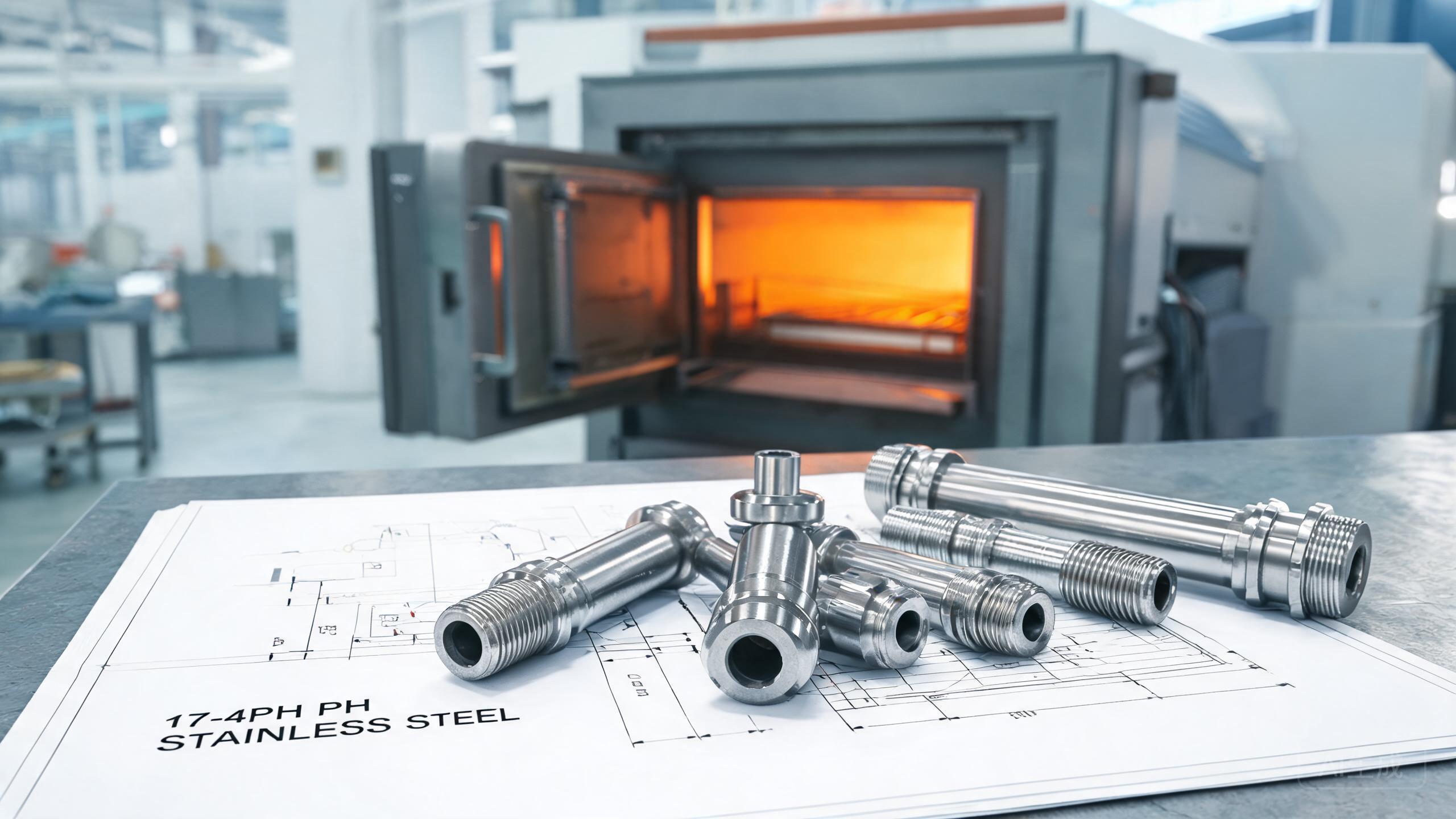
Einführung in PH-Edelstähle 17-4PH, 15-5PH, 17-7PH und PH 13-8 Mo: Festigkeit-Zähigkeit-Korrosion und die typischen H900 / H1100 Vergütungen.
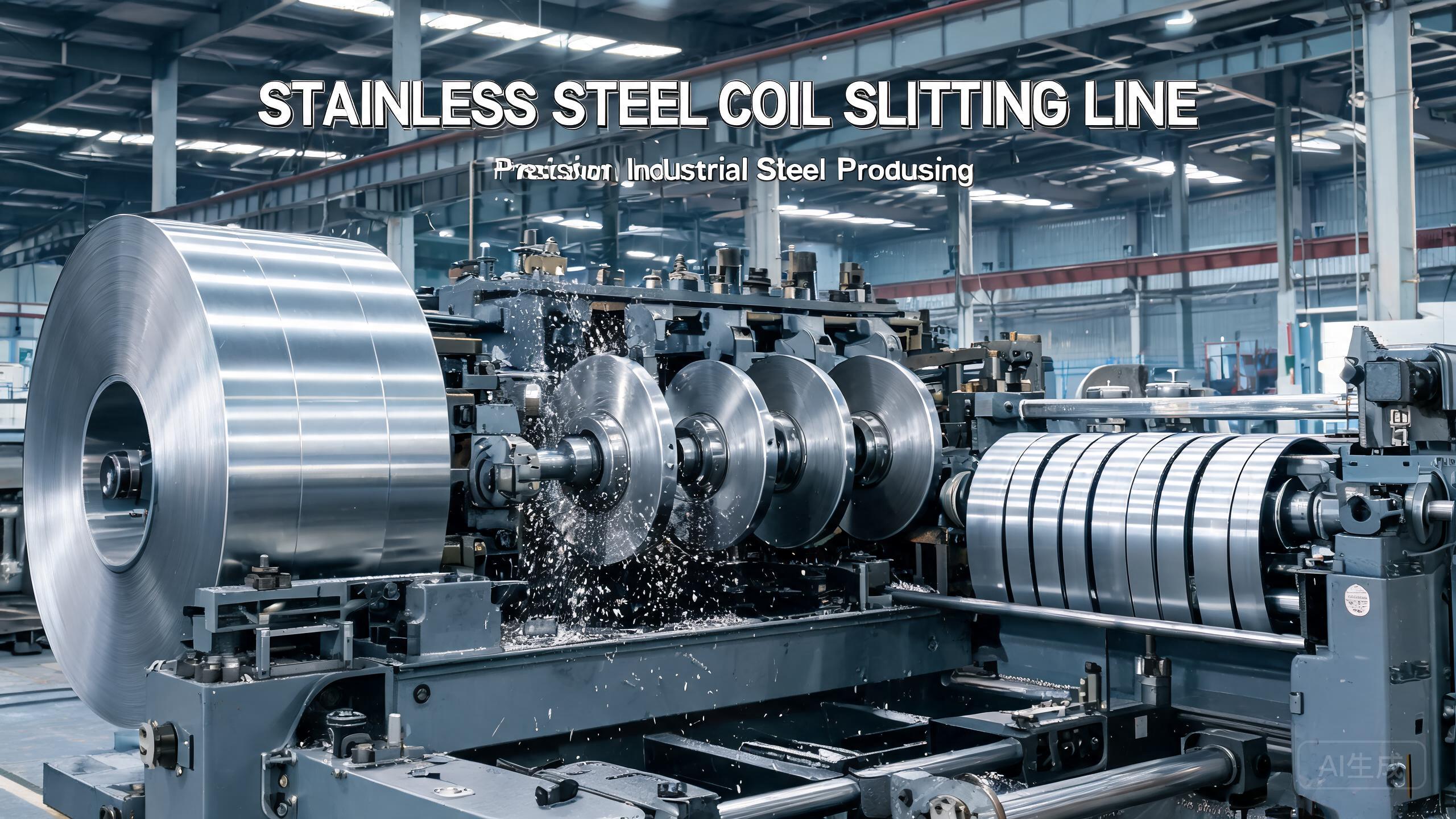
Service-Center-Leitfaden zum Coil-Schlitzen: Wie Grat, Bogenmaß, Breitentoleranz und Kantenqualität Stanzen, Rollformen und Schweißen beeinflussen.
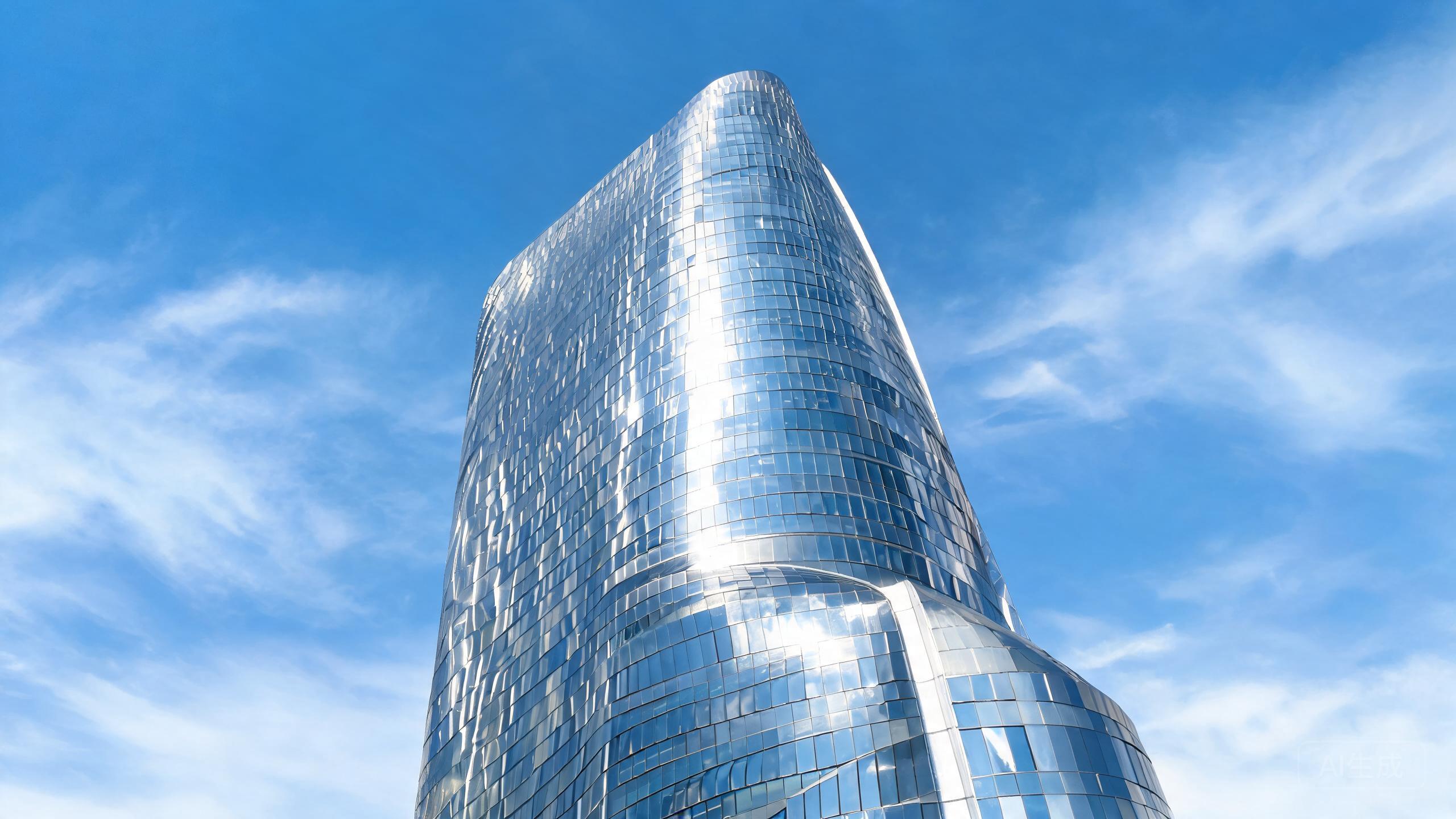
Legen Sie Güte und Oberfläche für Edelstahlgeländer, Handläufe, Wandverkleidungen und Dächer fest – auch für Küsten- und Industrieumgebungen.
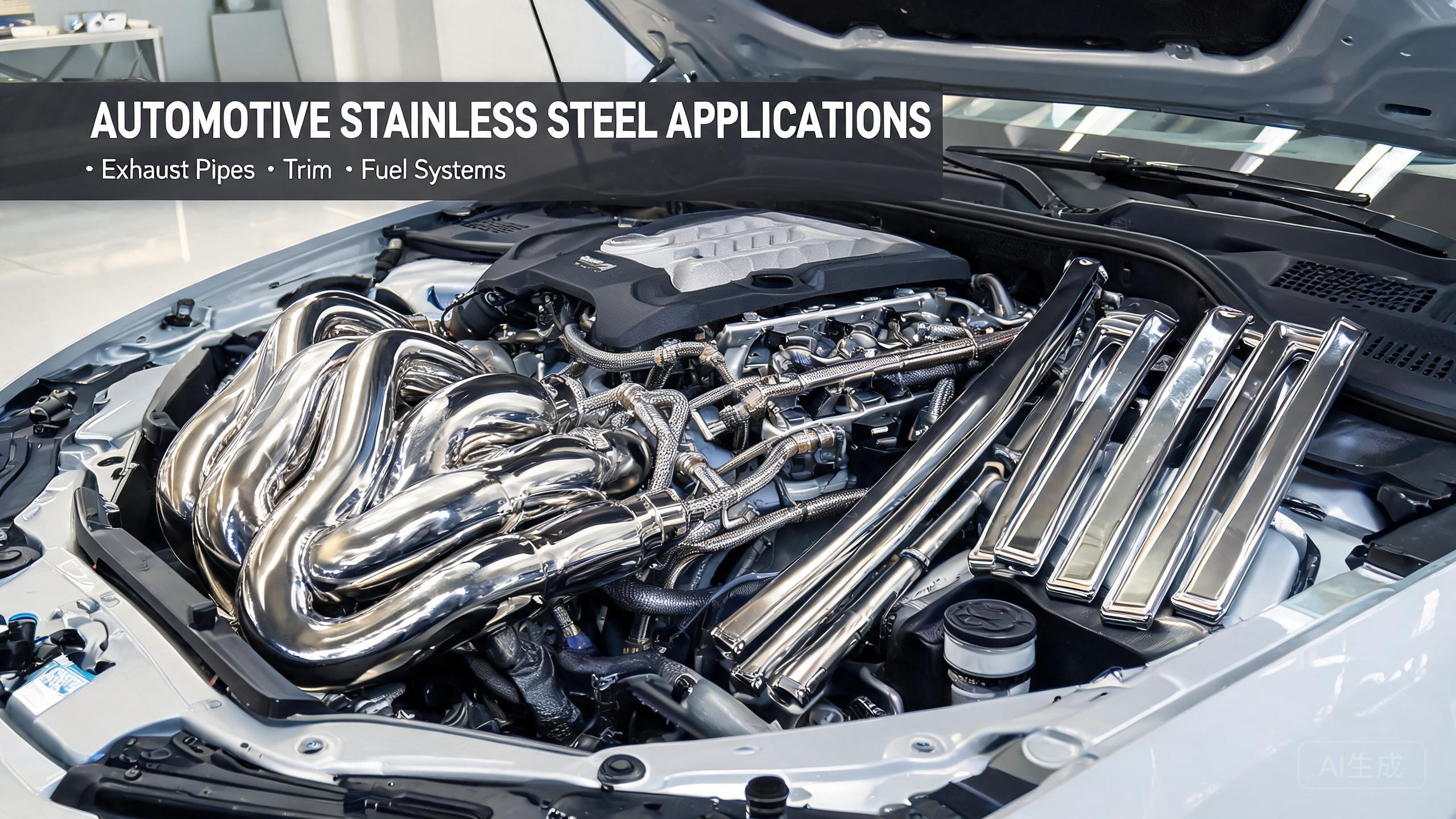
Vergleichen Sie 409, 439, 441, 304 und 316L für Automobil-Abgaskrümmer, Heißenden, Kaltenden, Endrohre und strukturelle Fahrwerksteile.
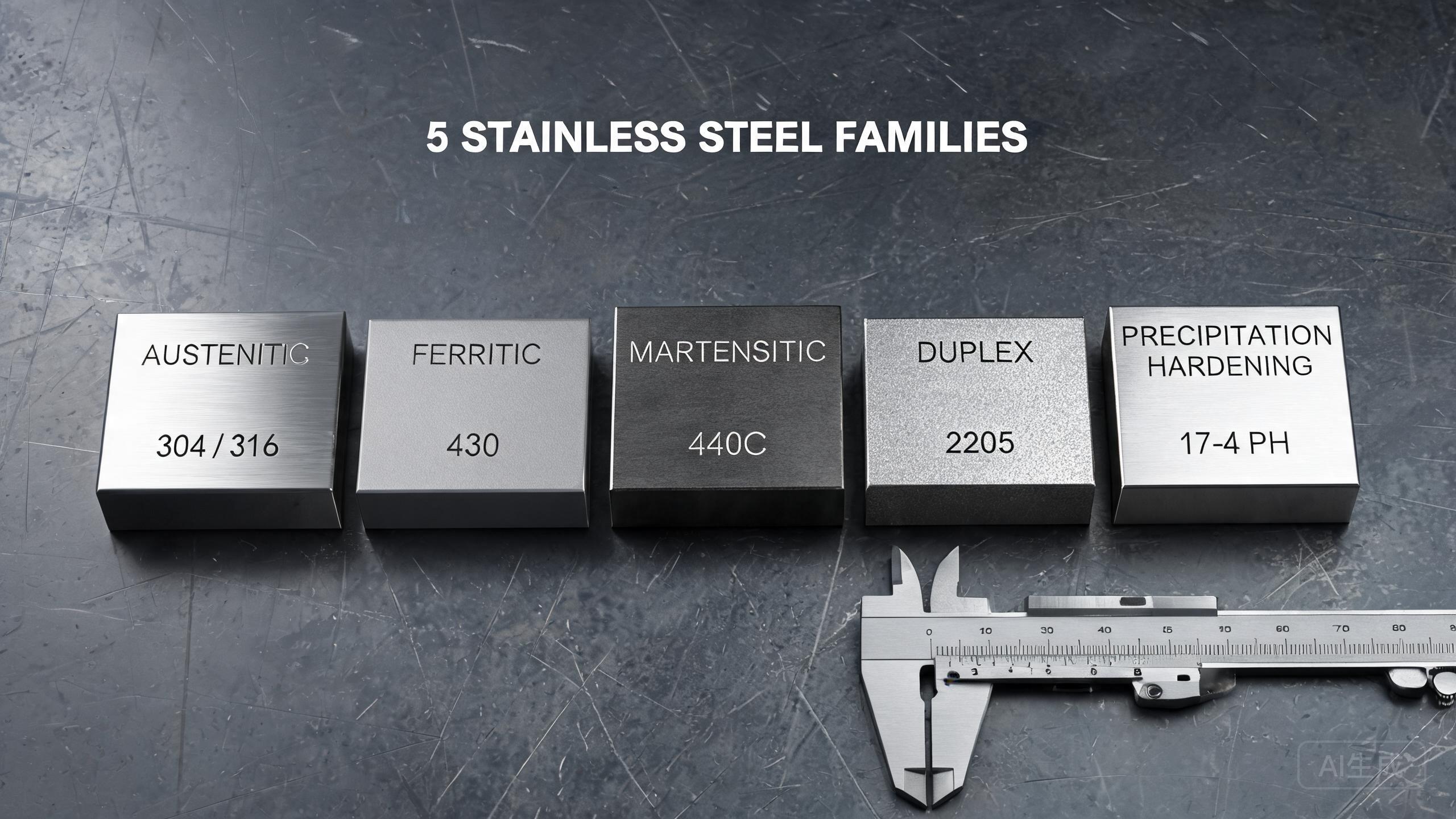
Wählen Sie zwischen den vier Edelstahlfamilien nach Gefüge, Korrosionsbeständigkeit, Festigkeit, Magnetismus, Schweißbarkeit und Anwendung.
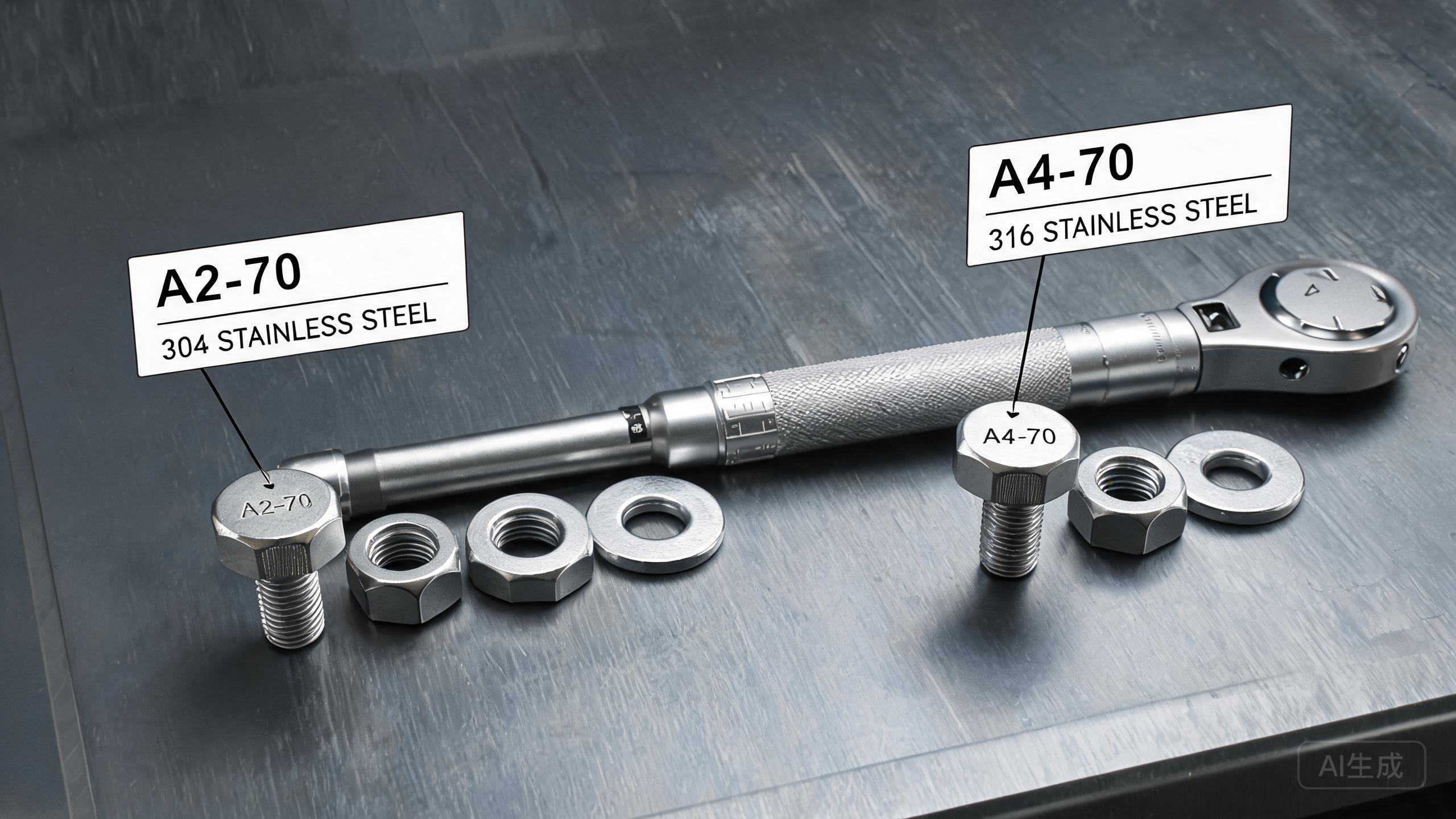
Verstehen Sie die ISO 3506-Klassen von Edelstahlbefestigungen (A2-70, A2-80, A4-70, A4-80), deren Bezug zu 304 und 316 und die häufigsten Feldversagen.
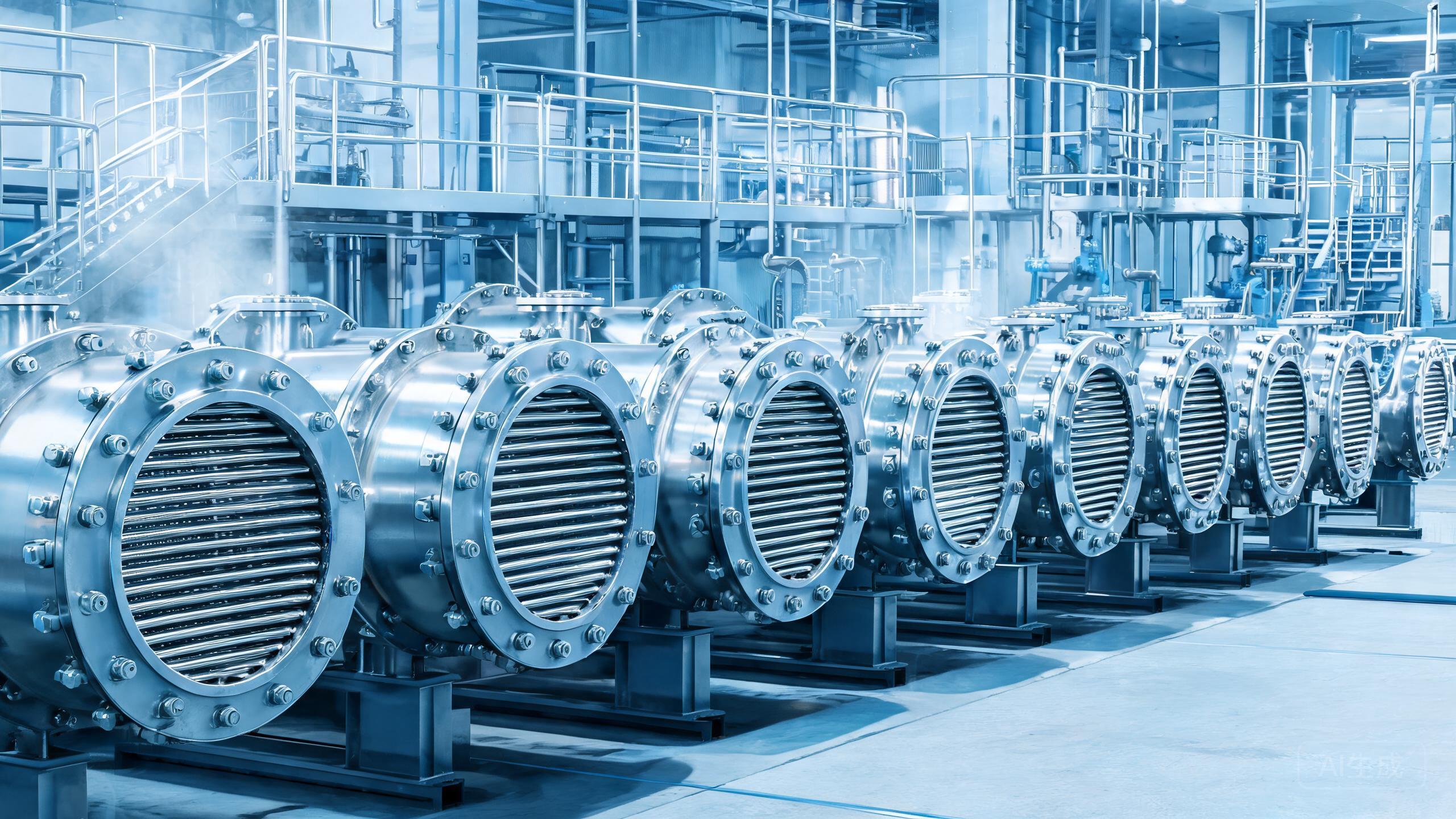
Ein praktischer Einkaufsratgeber für die Auswahl von 304L, 316L, 2205, Titan oder höherwertigen Legierungen für Rohrbündel-, Platten- und gelötete Wärmetauscher.
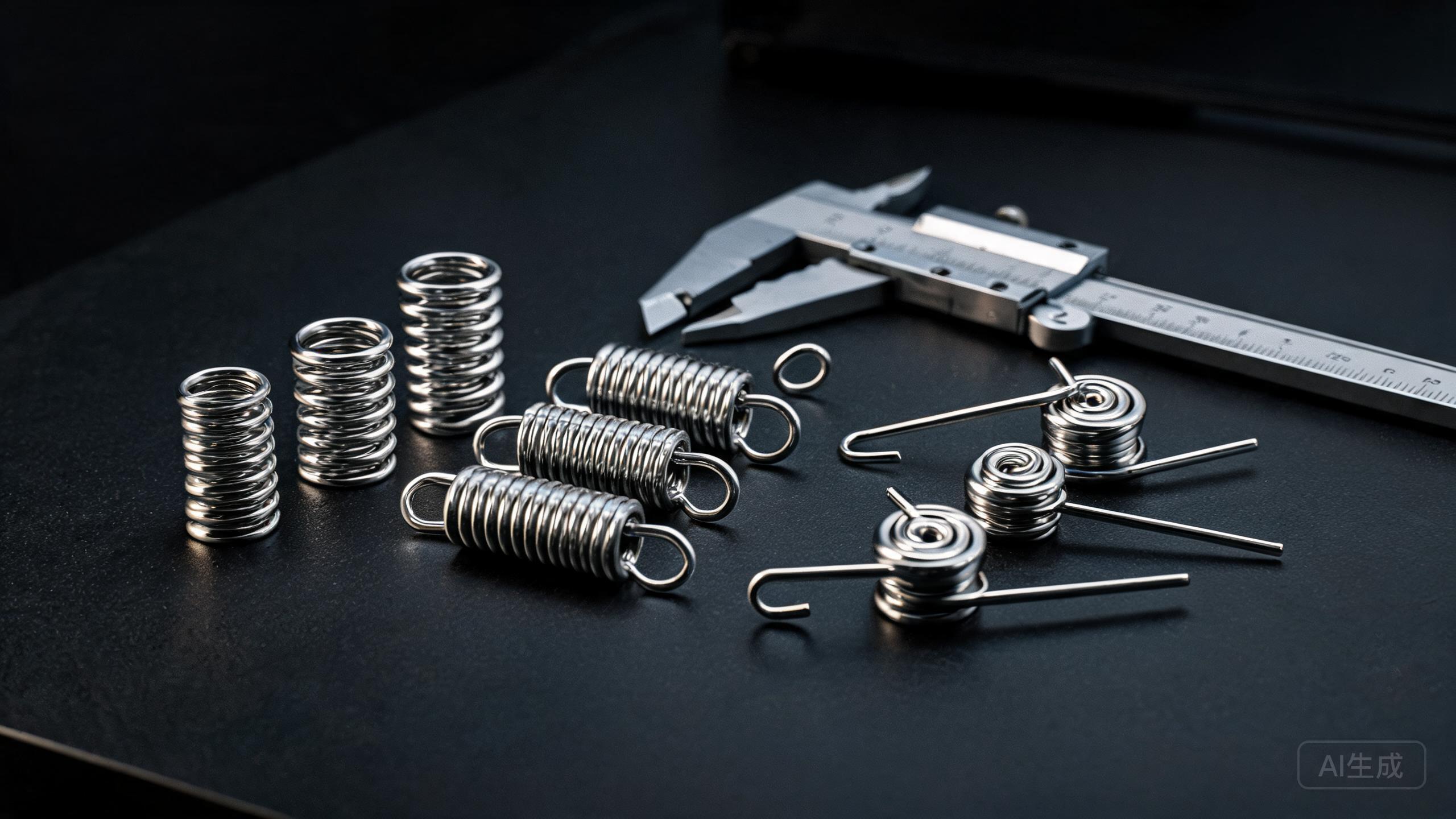
Konstruktions- und Einkaufsleitfaden für Edelstahlfedern: 301 hochfest, 302 universell, 316 korrosionsbeständig, 631 (17-7PH) hochtemperaturbeständig, plus Fallstricke bei Ermüdung und Spannungsrelaxation.
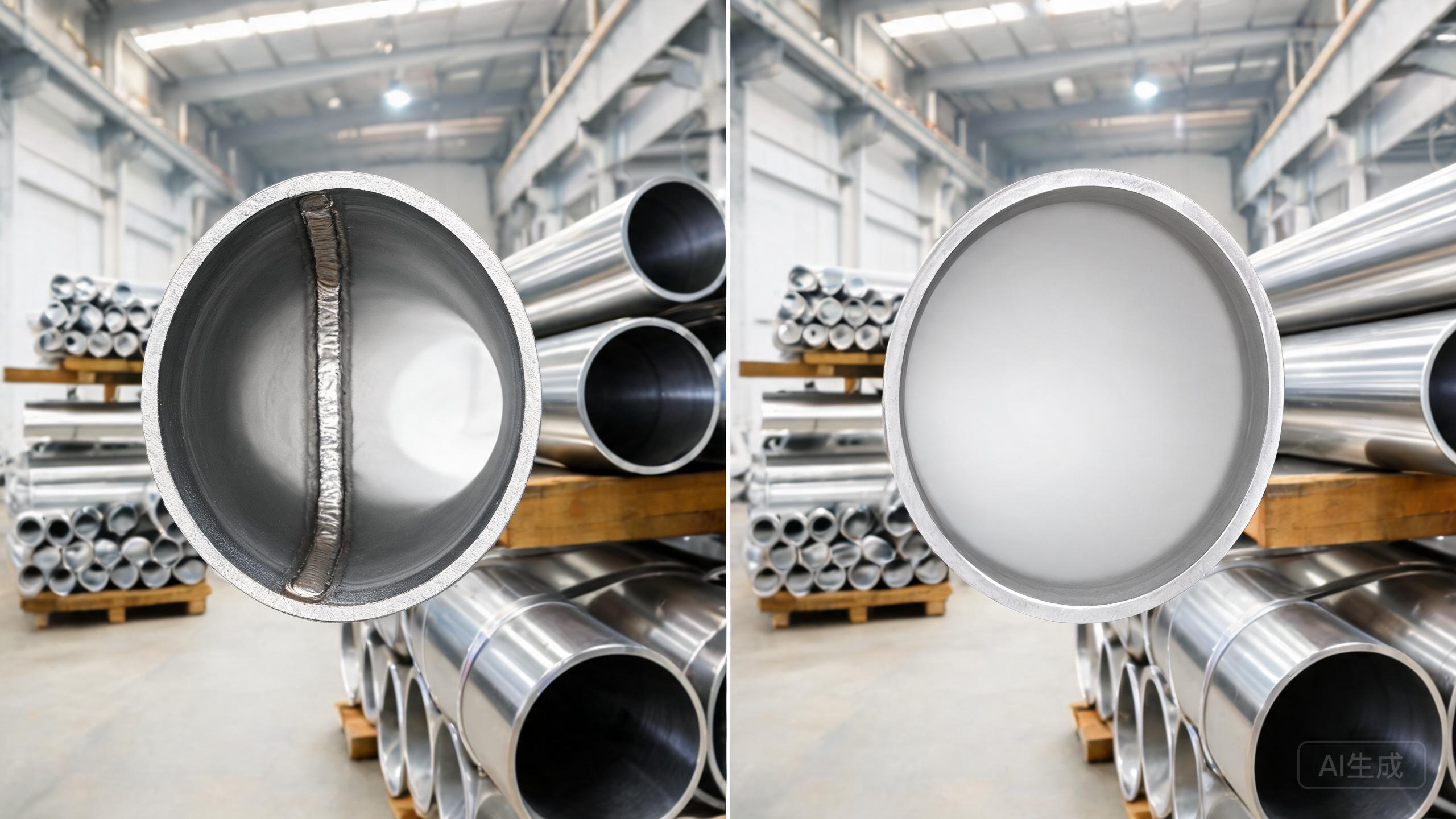
Vergleichen Sie geschweißte (ERW / geschweißt und gezogen) vs. nahtlose Edelstahlrohre für Druck-, Prozess-, mechanische und hygienische Anwendungen.
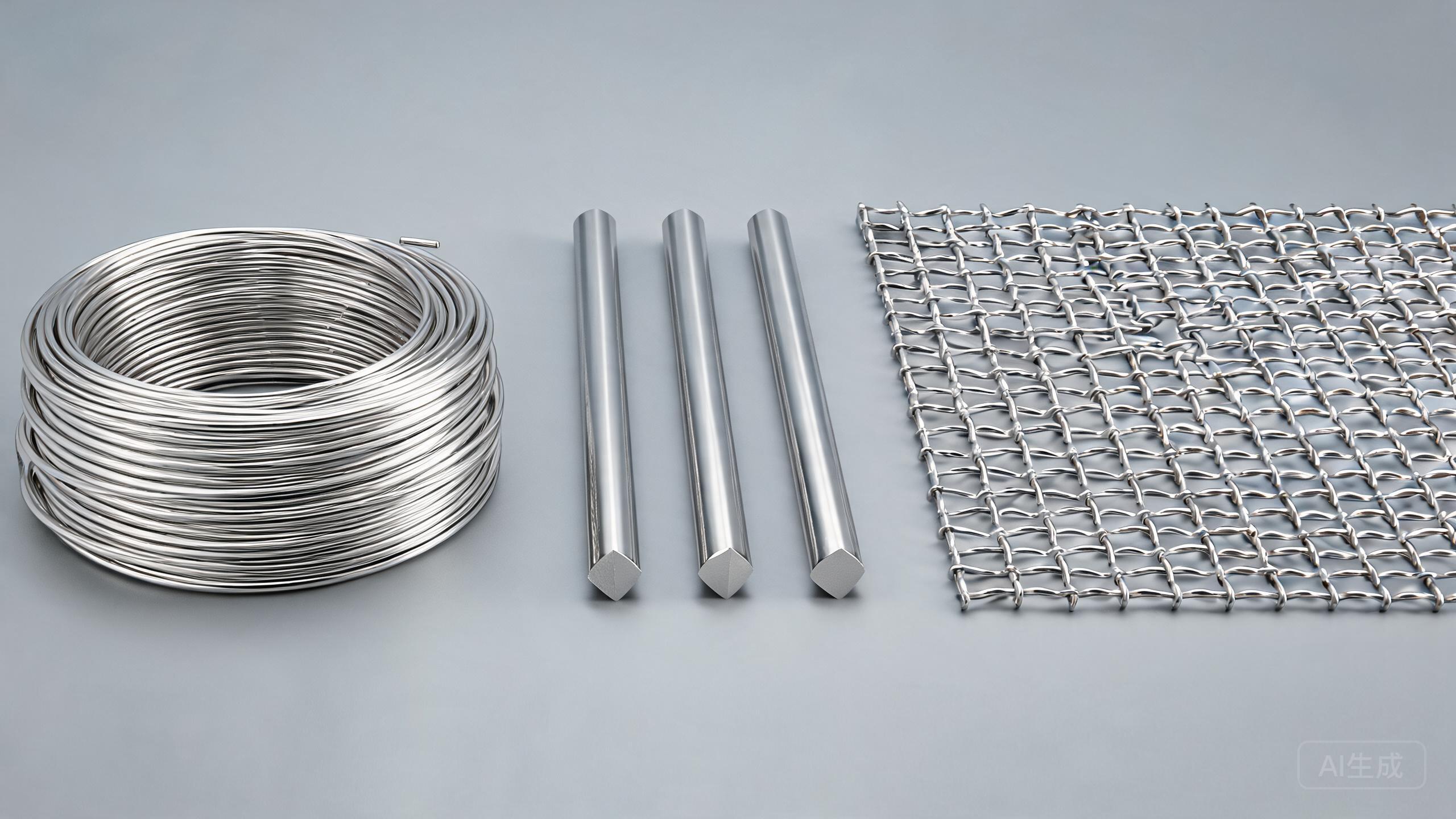
Ein Käuferleitfaden für Edelstahldraht-Familien: 302/304 Allgemein, 301 hochfester Federdraht, 316 maritim, 430 magnetisch und 631 / 17-7PH Federdraht.
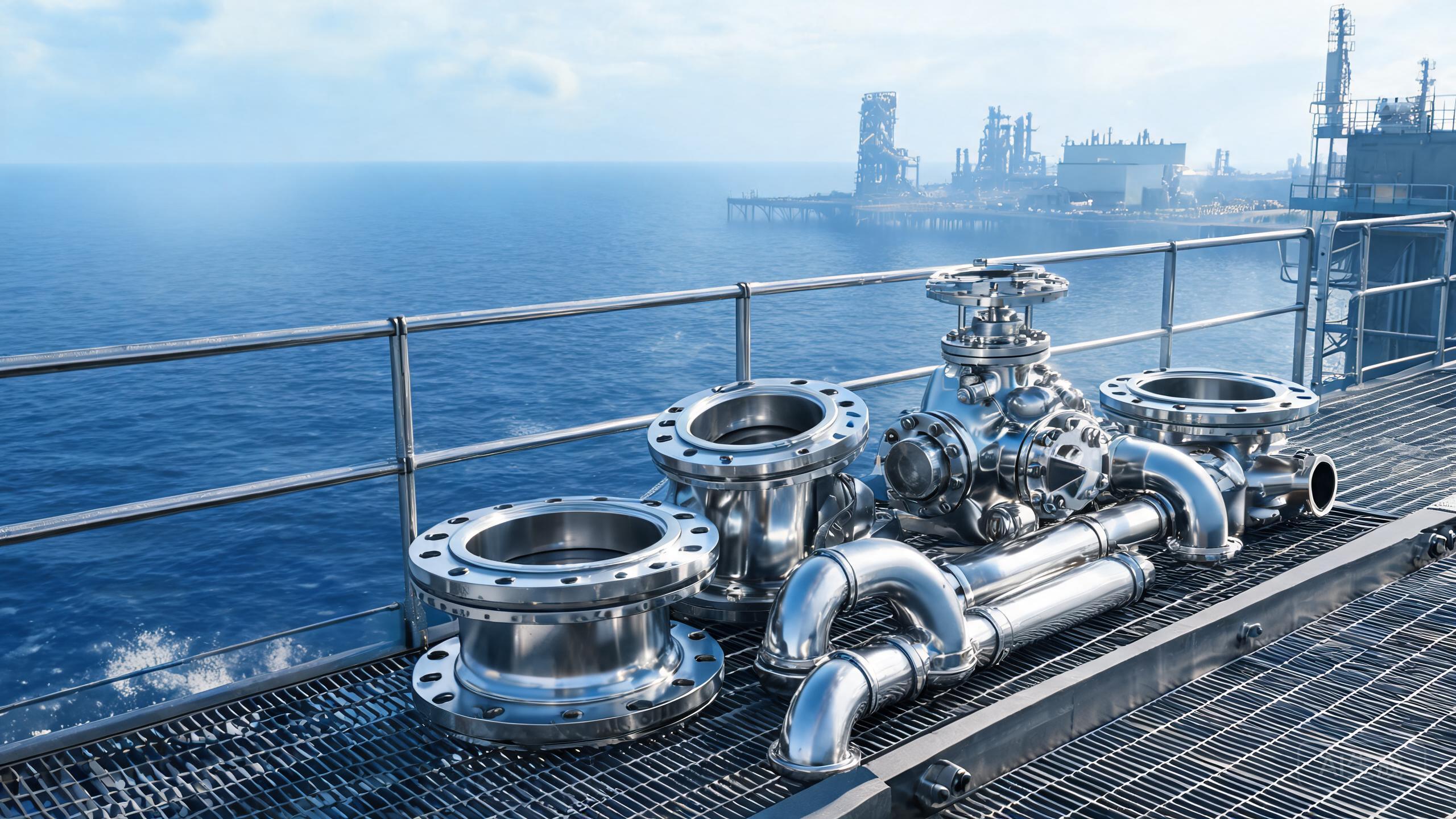
Wann von 316L auf superaustenitische Güten für Schwefelsäure, Meerwasser, Wäscher und Offshore-Rohrleitungen aufgerüstet wird, inkl. PREN-Zielen.
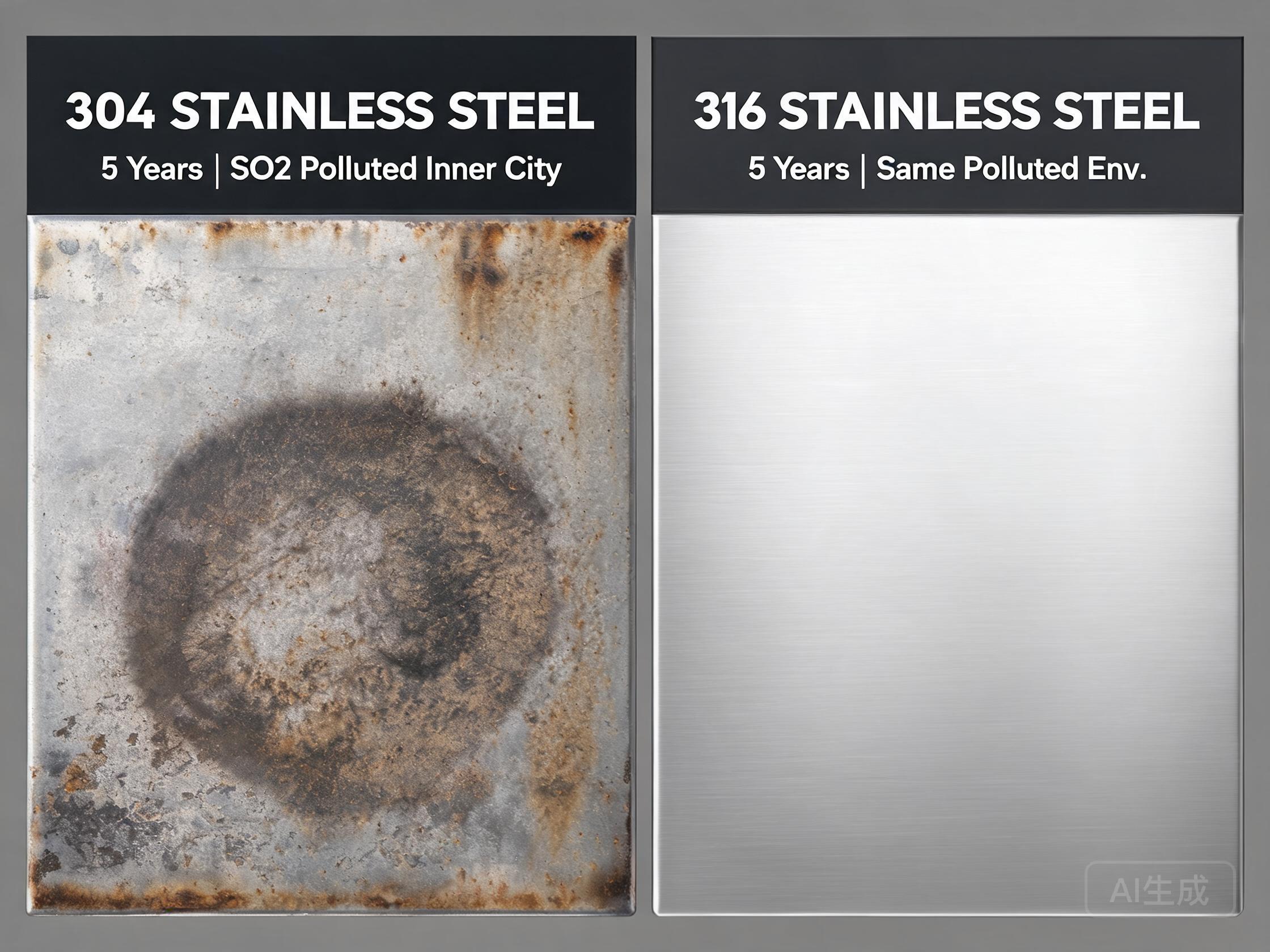
Atmospheric corrosion of cold rolled stainless steel in urban environments. SO2 and NOx levels, annual corrosion rates for 304 vs 316, and how pollution maps determine your grade.
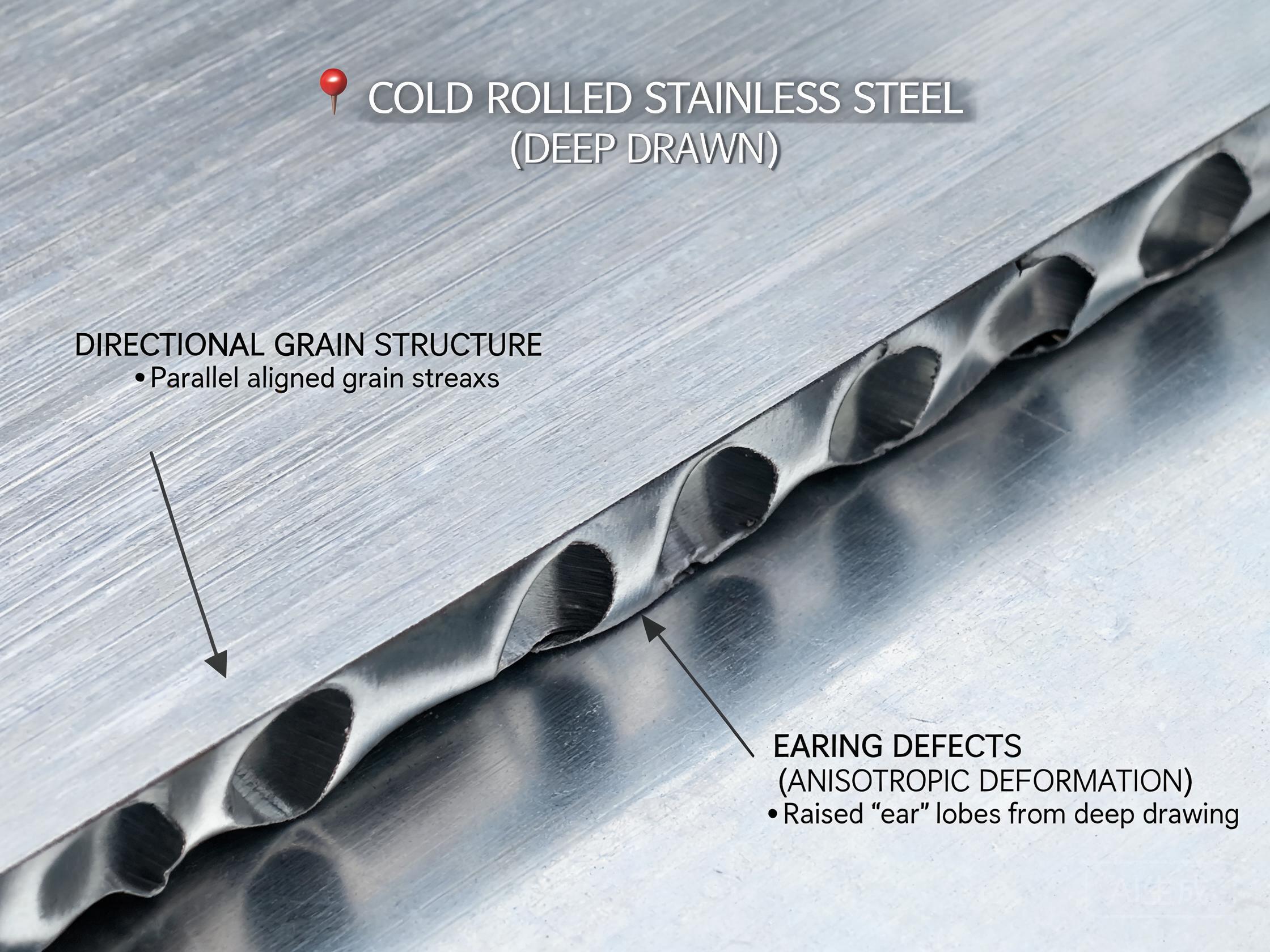
Planar anisotropy Δr in stainless steel explained. Why 301 and 201 show more earing than 304L, how anisotropy creates feather edges during stamping, and what to specify on the RFQ.
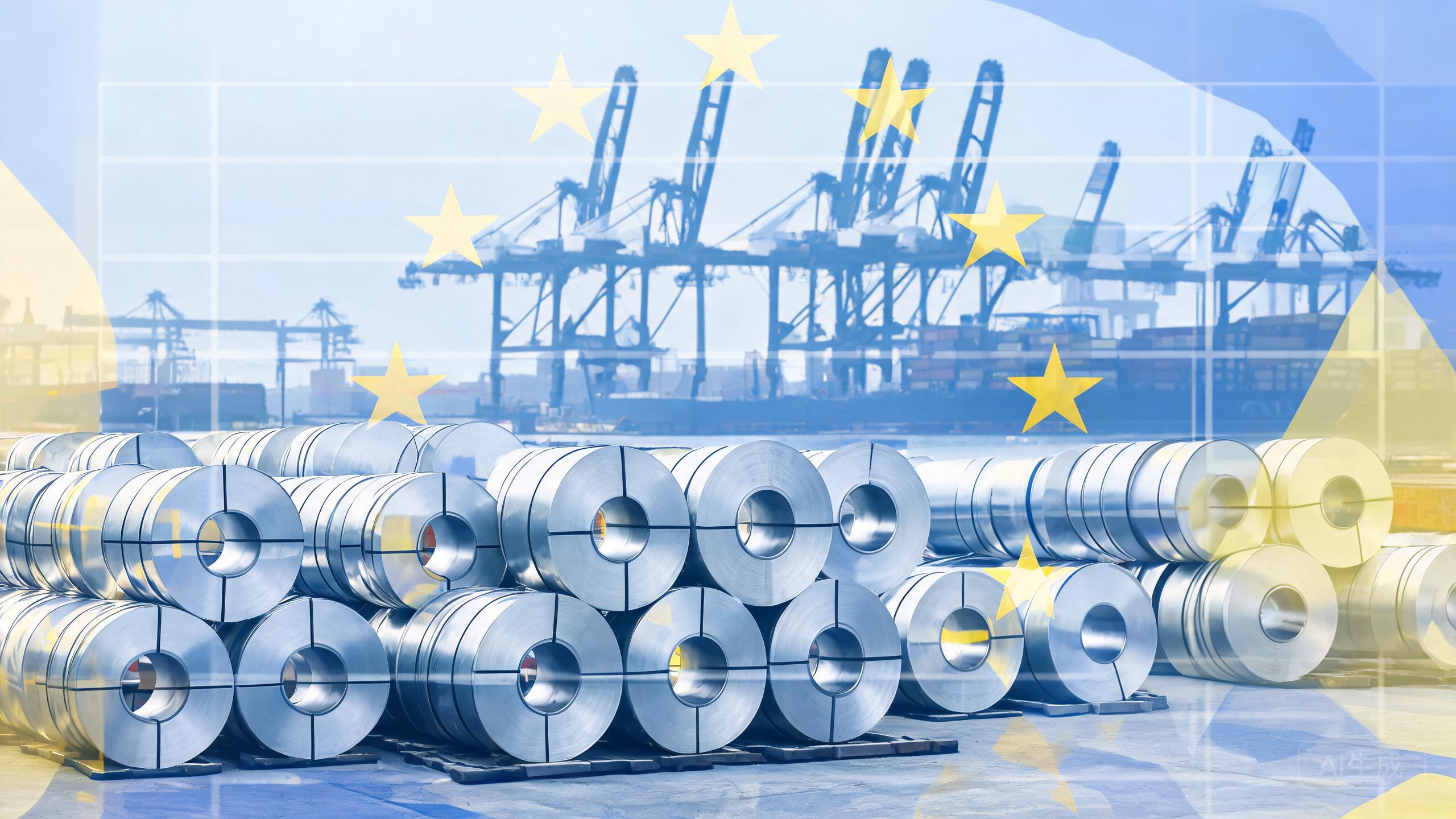
Die EU-Kohlenstoffsteuer (CBAM) verteuert Edelstahlimporte. Was die 2026-Regeln, Standardwerte und der Verifizierungsengpass für Käufer bedeuten.
August China stainless output 369.14 万吨 is a record for the period, yet social inventory fell and FOB rose ~30 USD/t. Cost—not demand—is driving prices.
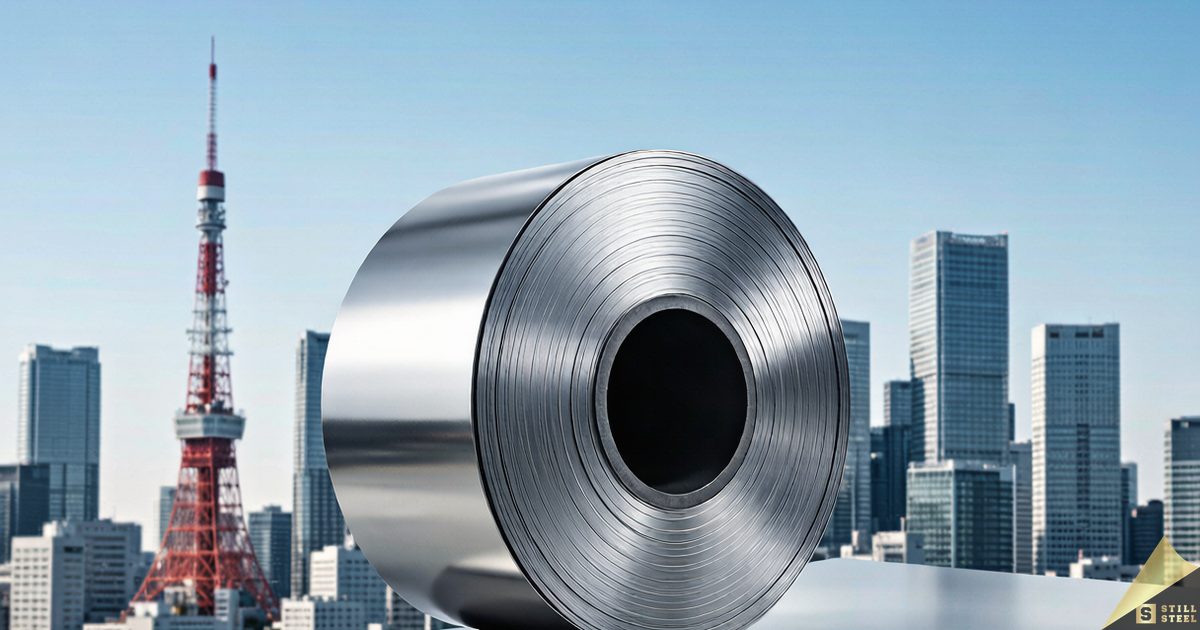
Japan's provisional AD duty on Chinese nickel-bearing cold-rolled stainless hits 42.1%; final ruling due 2026-11-21. Lock arrivals or switch origin.
test
No posts in this catalog yet.