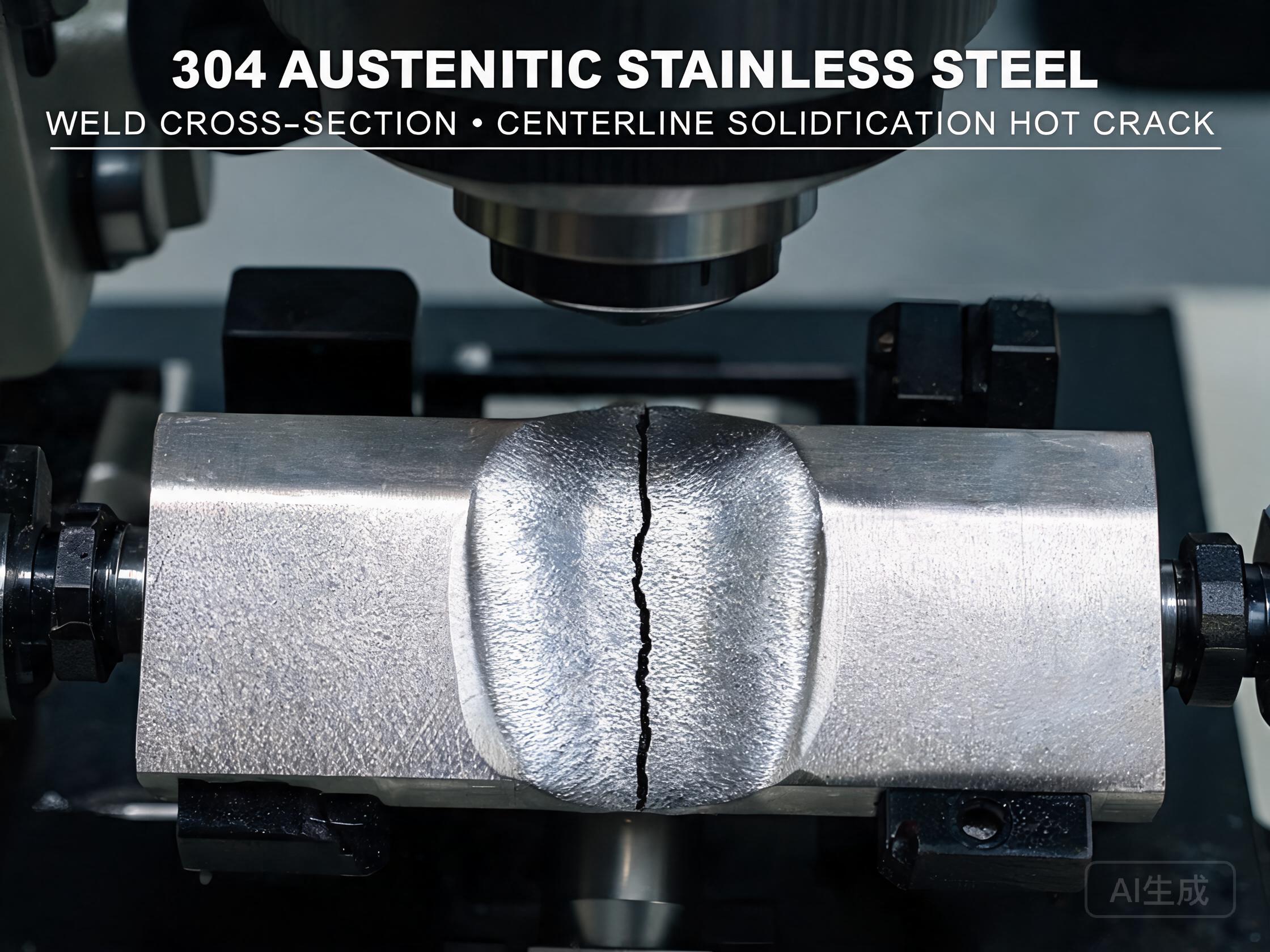
Hot Cracking in Austenitic Stainless Steel Welds: Causes and Prevention
Why hot cracking happens in 304 and 316 welds, how ferrite content prevents it, and what to specify on your filler metal and procedure spec.
 NINGBO WANGUANG
 Why hot cracking happens in 304 and 316 welds, how ferrite content prevents it, and what to specify on your filler metal and procedure spec.
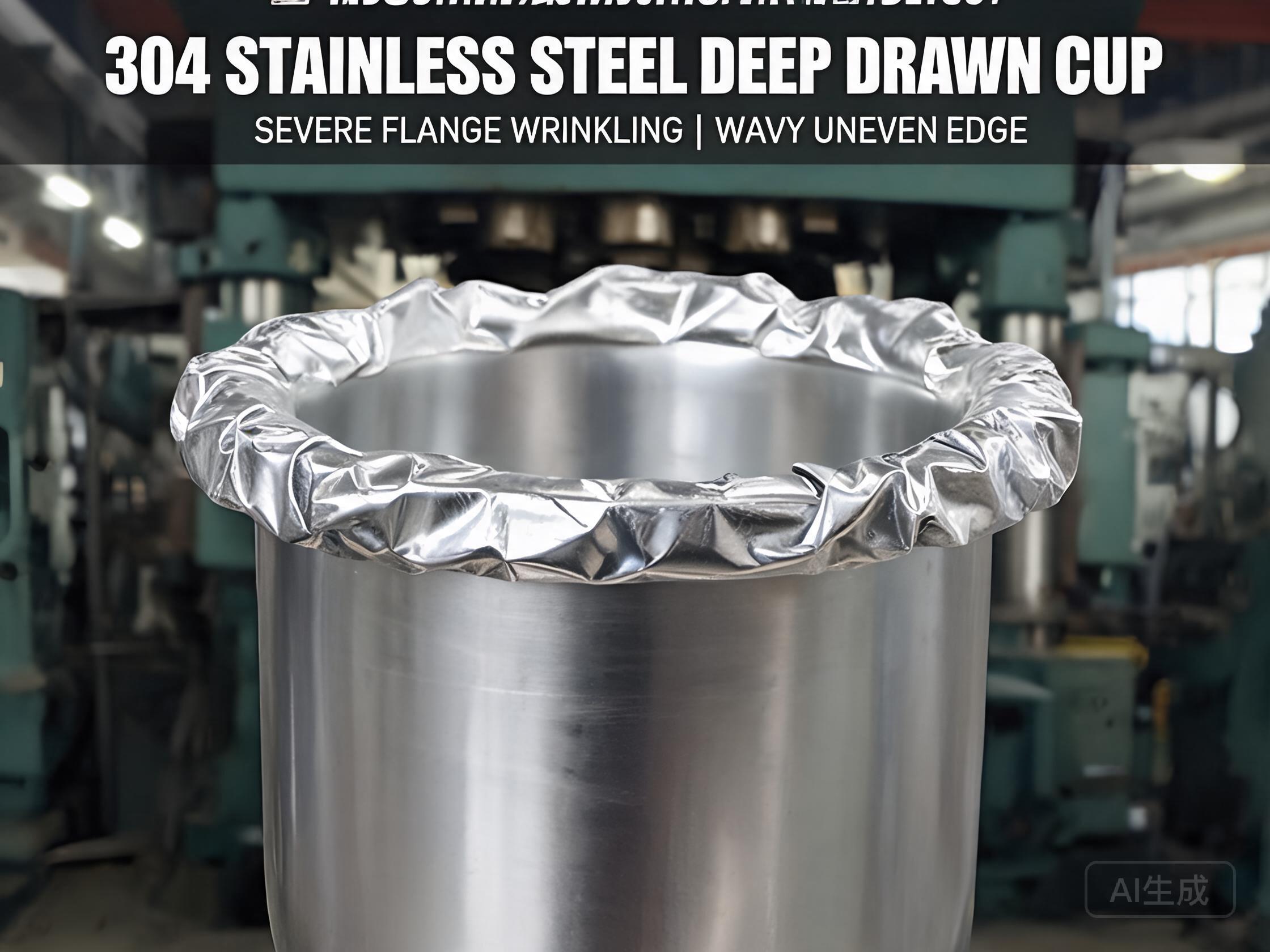
Why your 304 deep drawn cups wrinkle, what blank holder force to set, how the m value predicts 304 drawability, and a radius recommendation for the first pass.
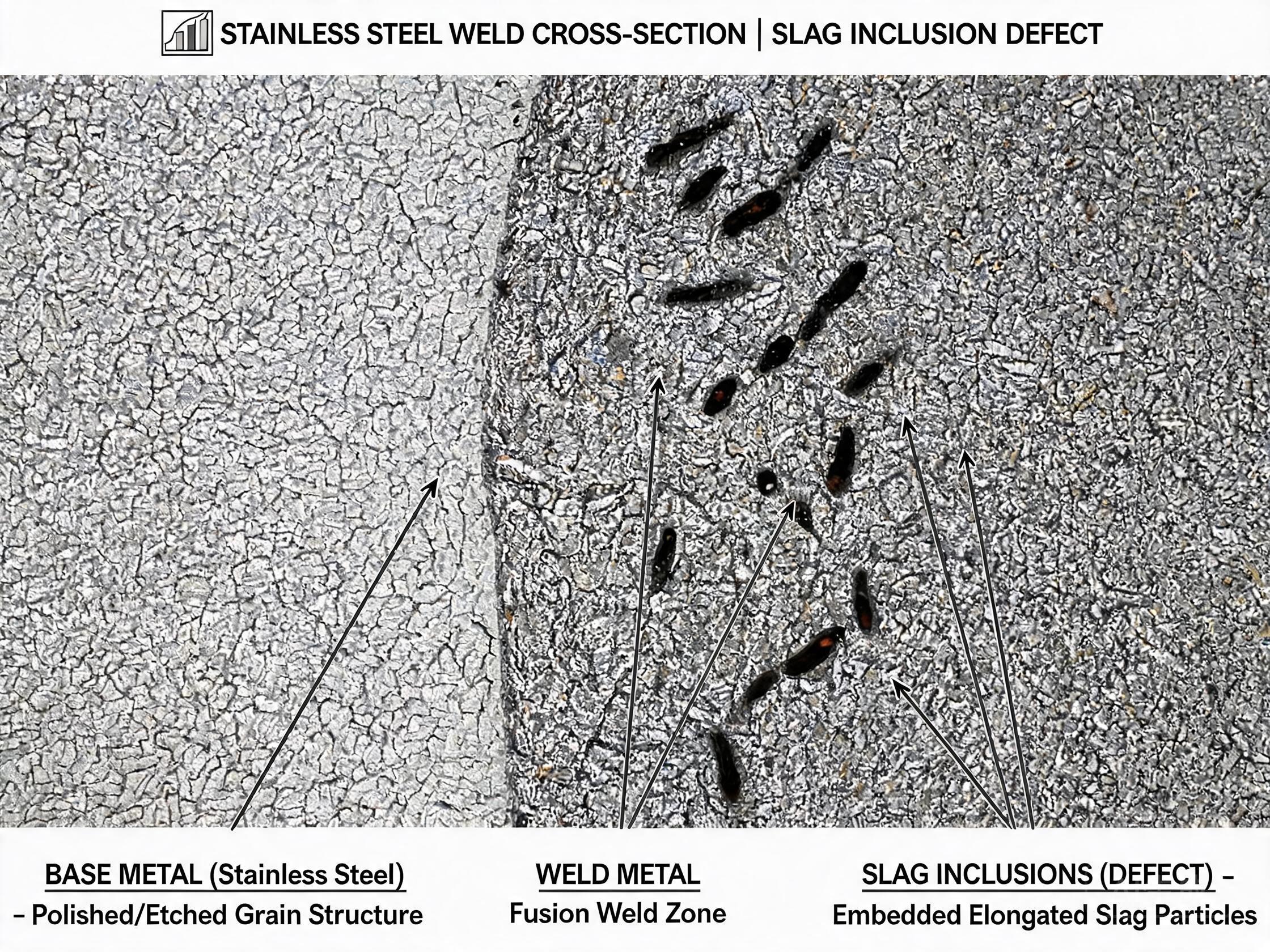
Weld slag inclusions in 304 and 316 — why high current and poor interpass cleaning cause trapped slag, how to detect with UT or radiography, and what to specify.
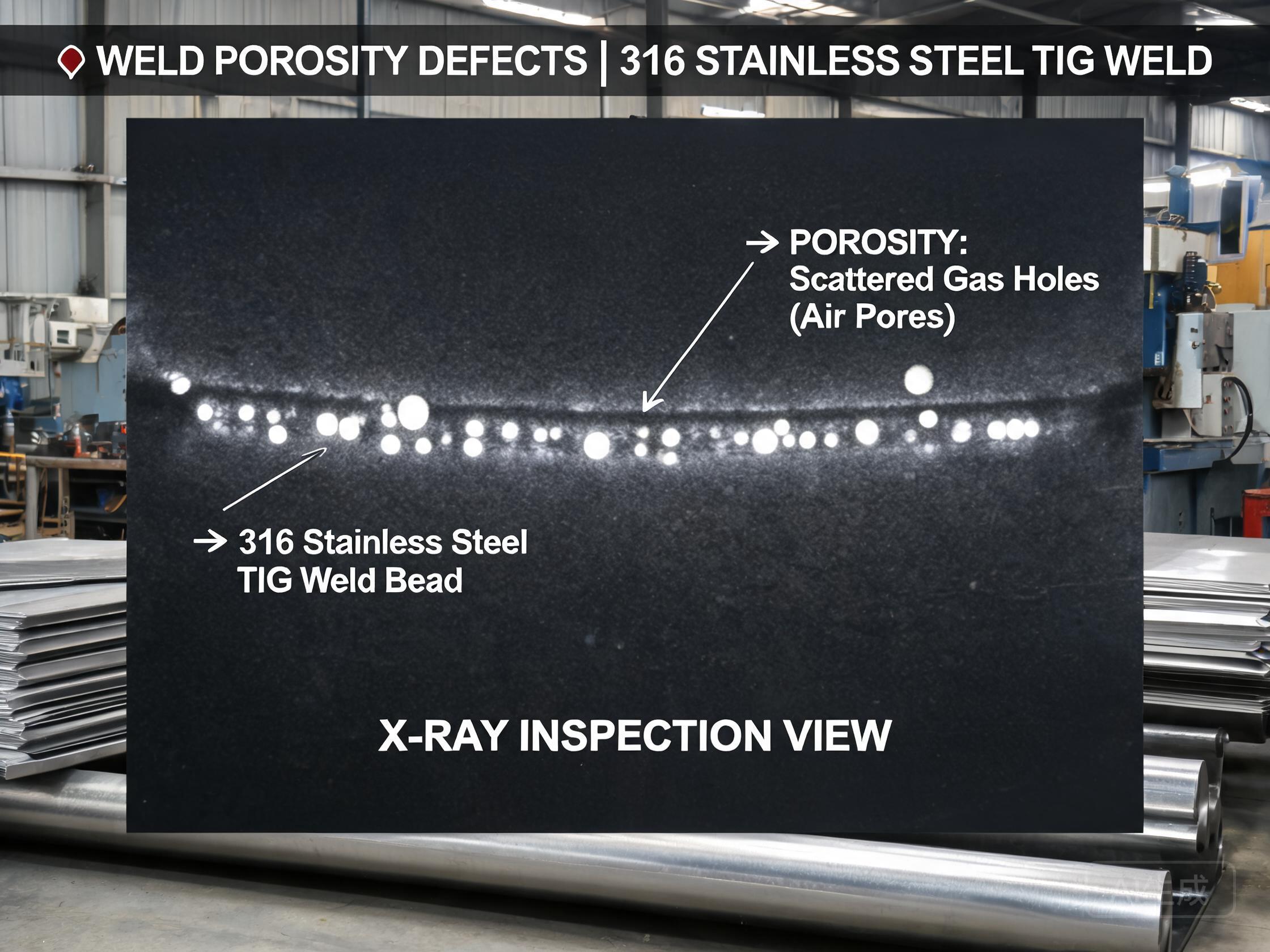
Weld porosity in 304 and 316 — why moisture, oil, impure argon and unbaked wire cause holes, and the 6-step prevention checklist buyers can enforce.
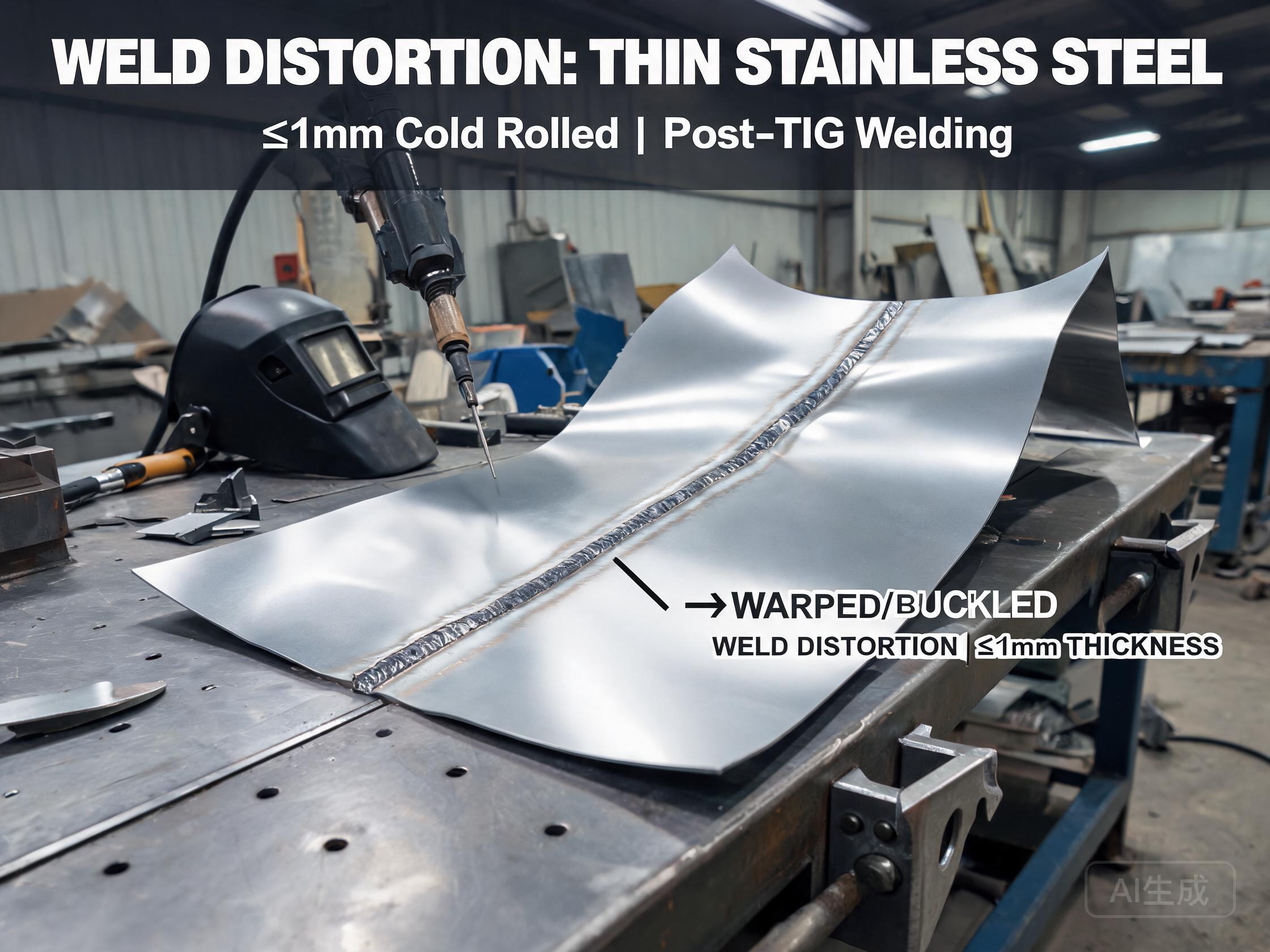
Weld distortion in ≤1mm cold rolled stainless steel sheet — why heat input causes buckling and warping, skip welding copper backing and heat sink solutions.
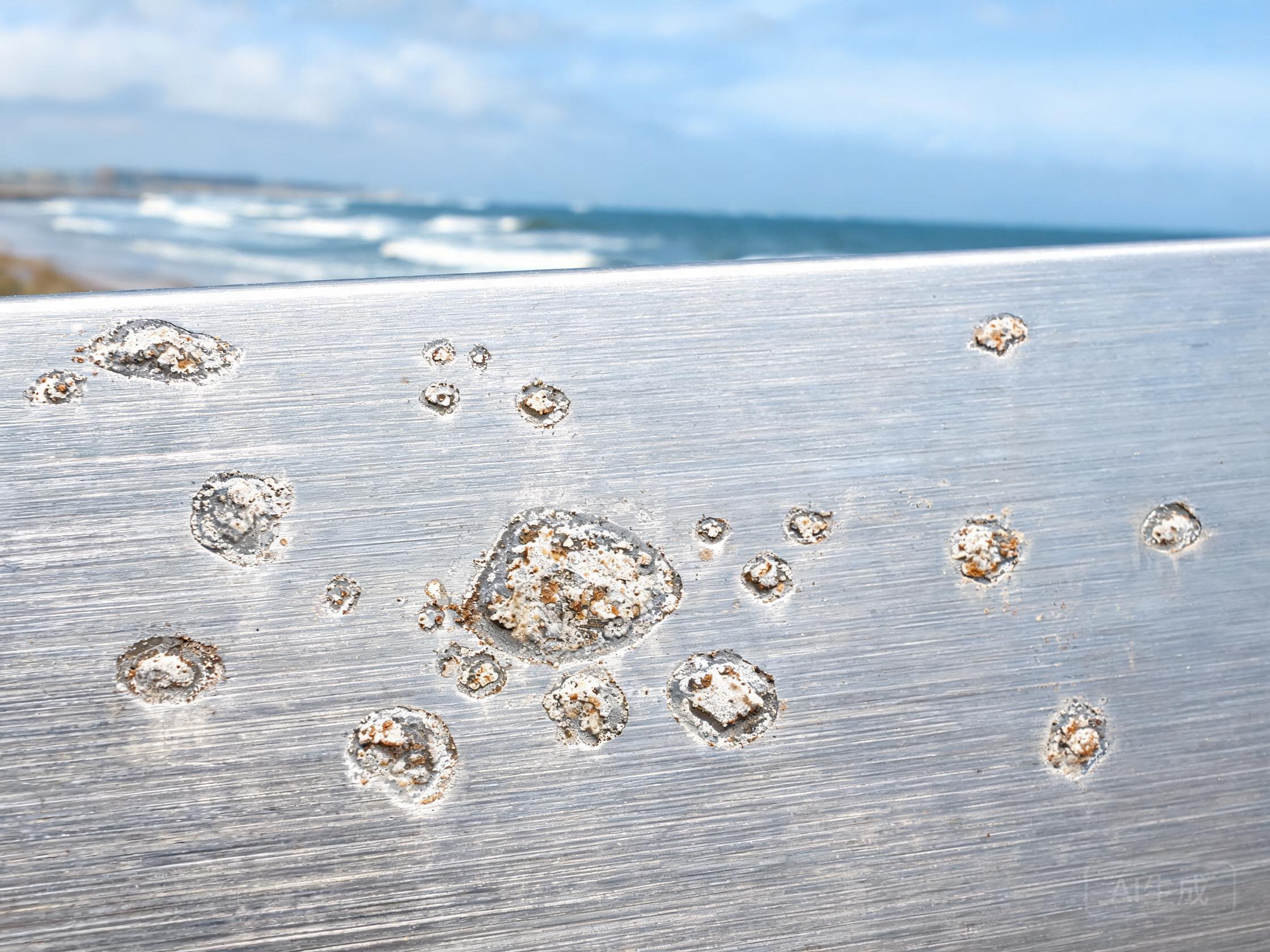
Water spots ruin 316 marine and 304 kitchen stainless panels. Learn why chloride content in tap water, storage humidity and missing spot-free rinse cause permanent staining.
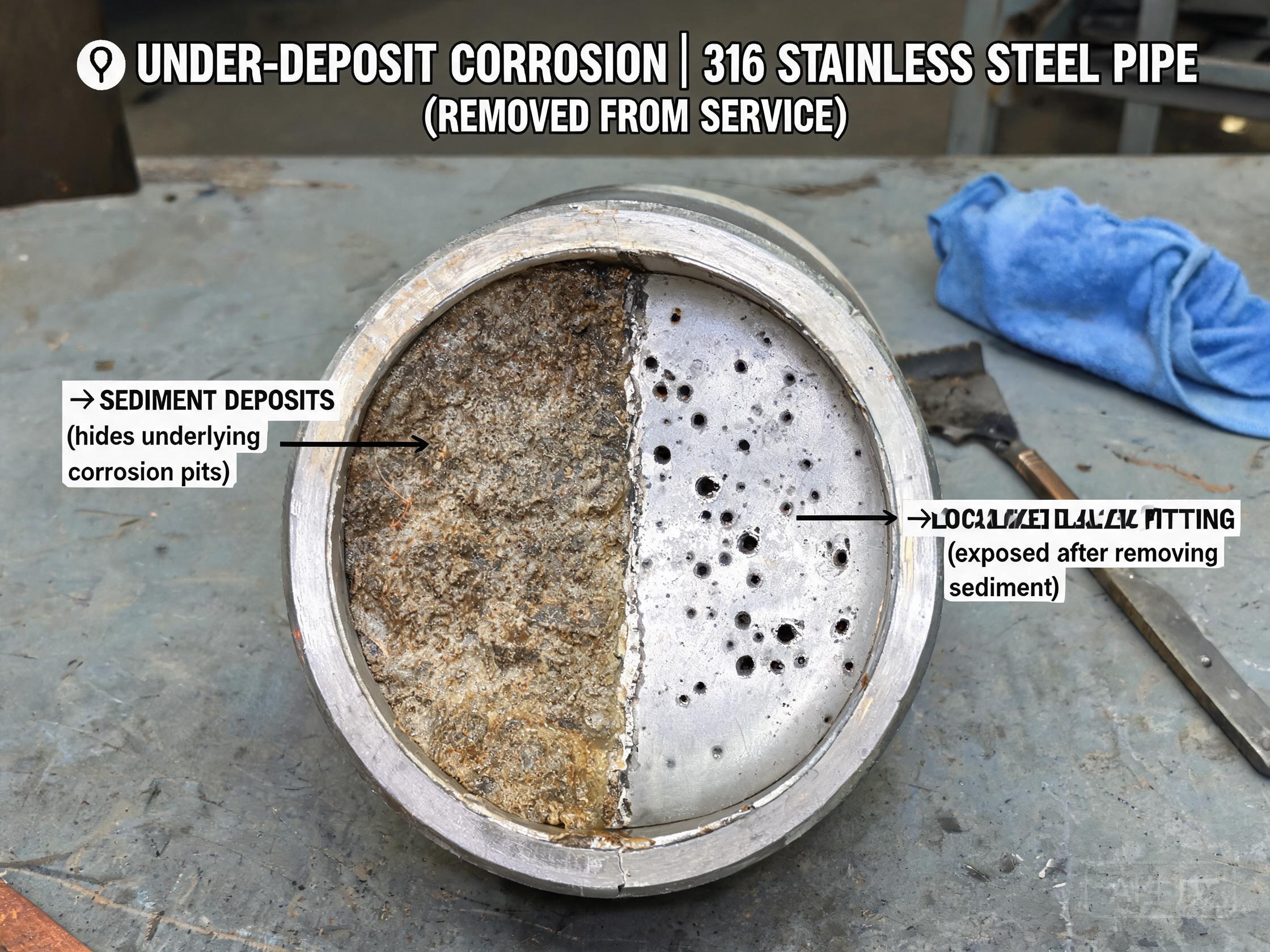
Under-deposit corrosion on cold rolled stainless steel. How sediment and scale create hidden crevices, and why 316 outlasts 304 in systems that cannot be cleaned regularly.
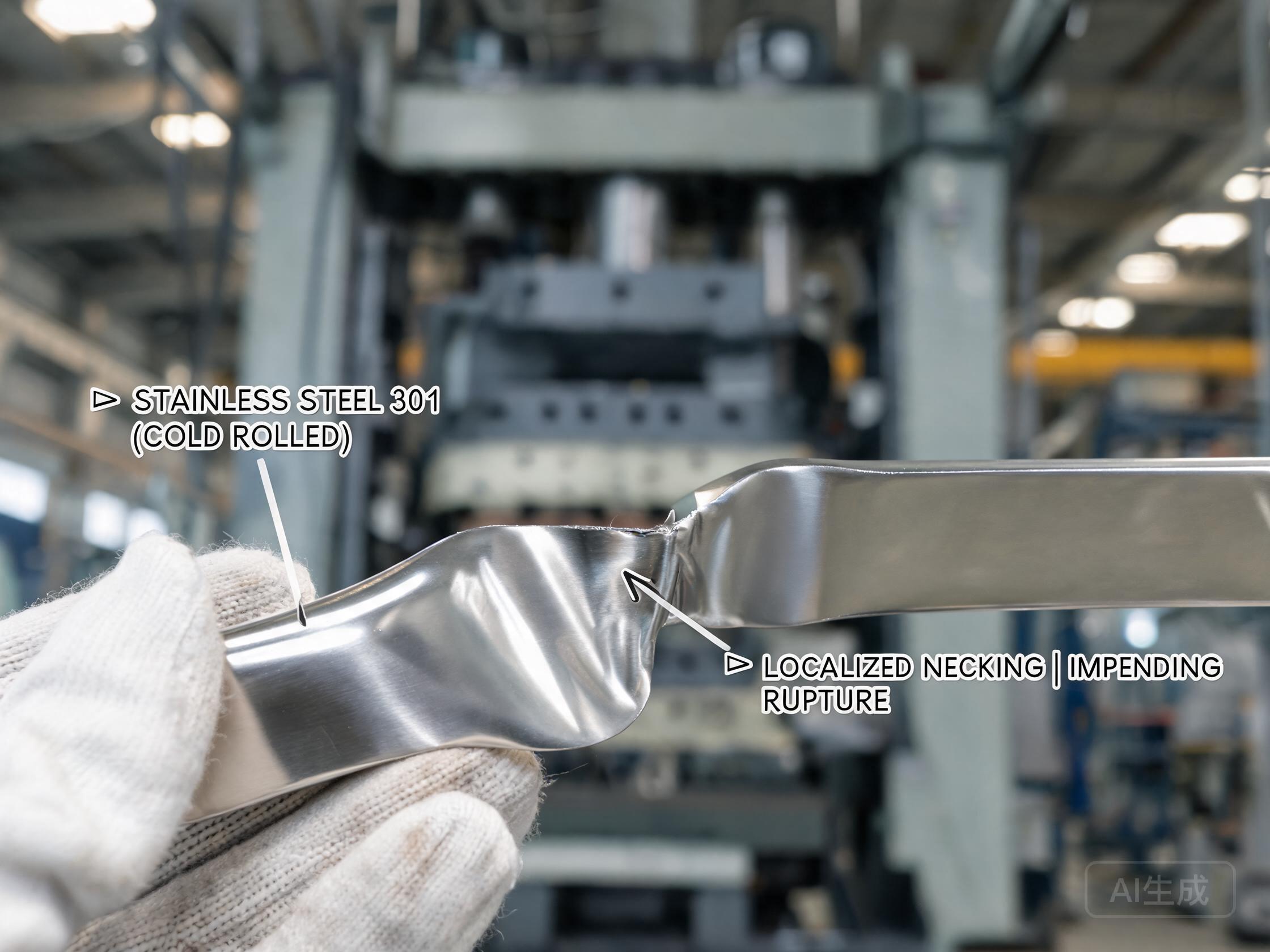
Why stretch formed stainless steel panels neck and crack, how 301 hard temper changes drawability, limit drawing ratio, and the 2B vs BA surface difference in stretch forming.
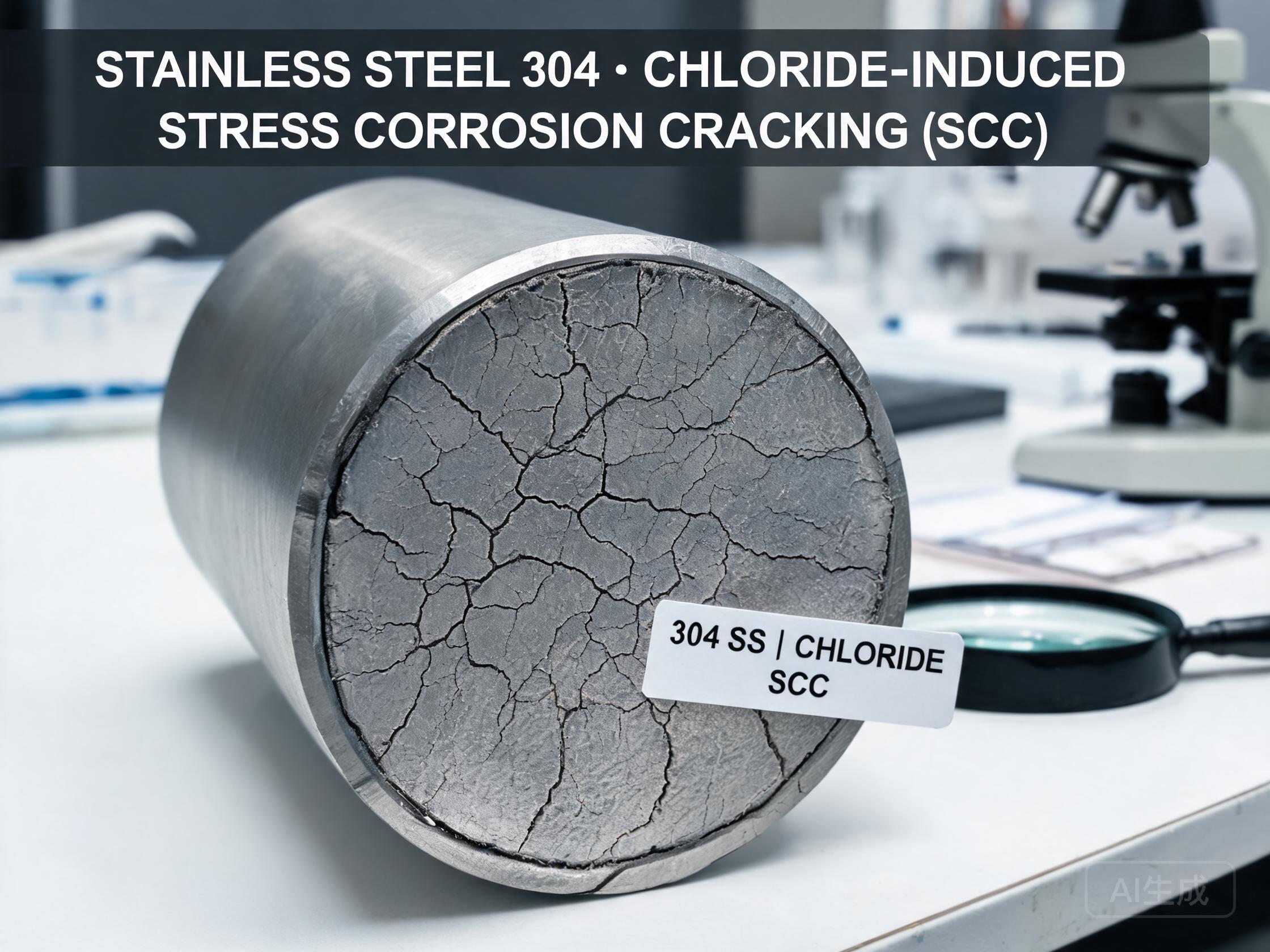
Stress corrosion cracking (SCC) on cold rolled stainless steel. Why 304 cracks at lower chloride levels than 316, and how to prevent it with stress relief annealing.
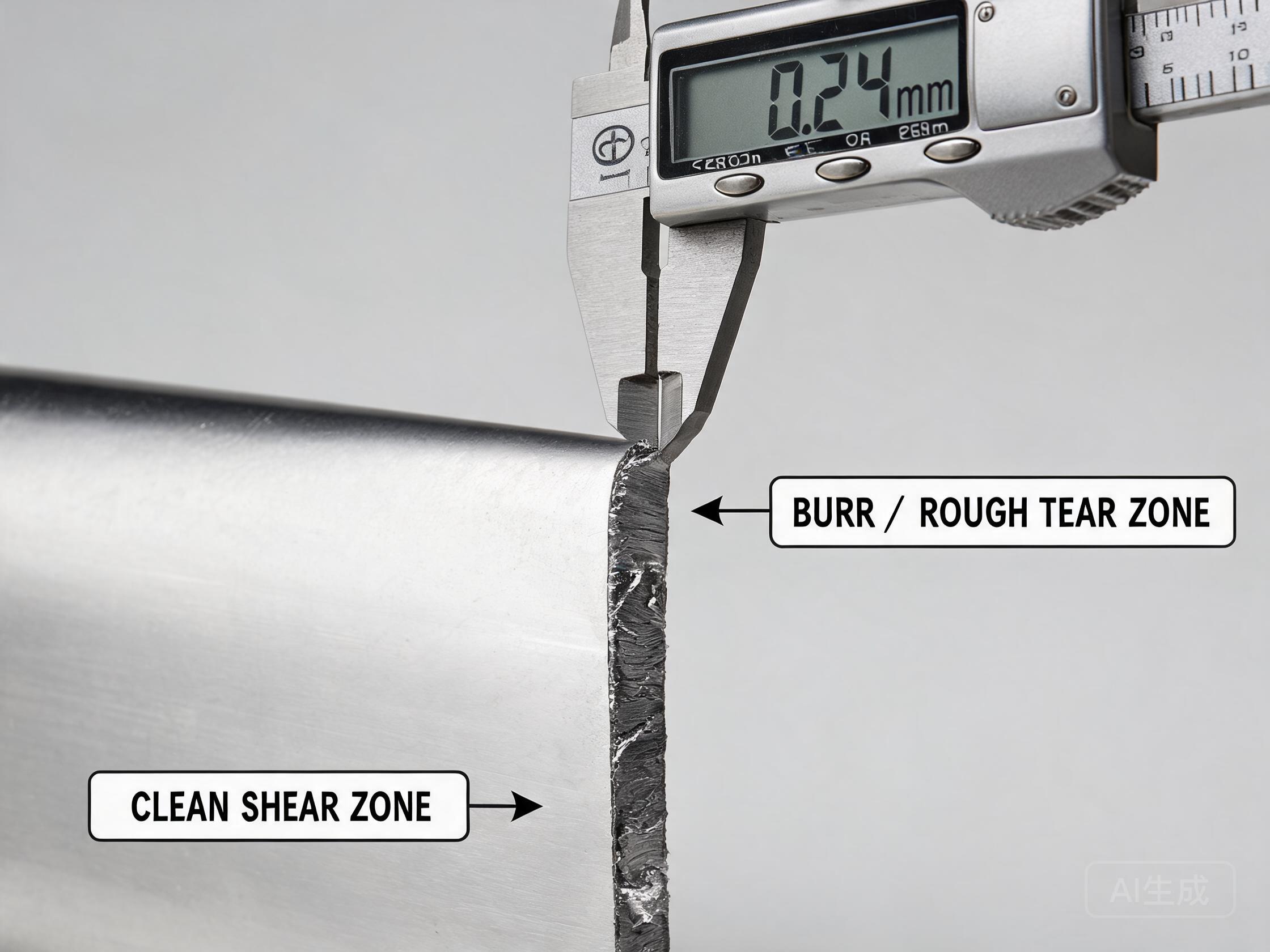
Why 304 produces taller burrs than 430, the correct die clearance for stainless stamping (6–12 % of thickness), and how the shear vs tear zone ratio controls burr height.
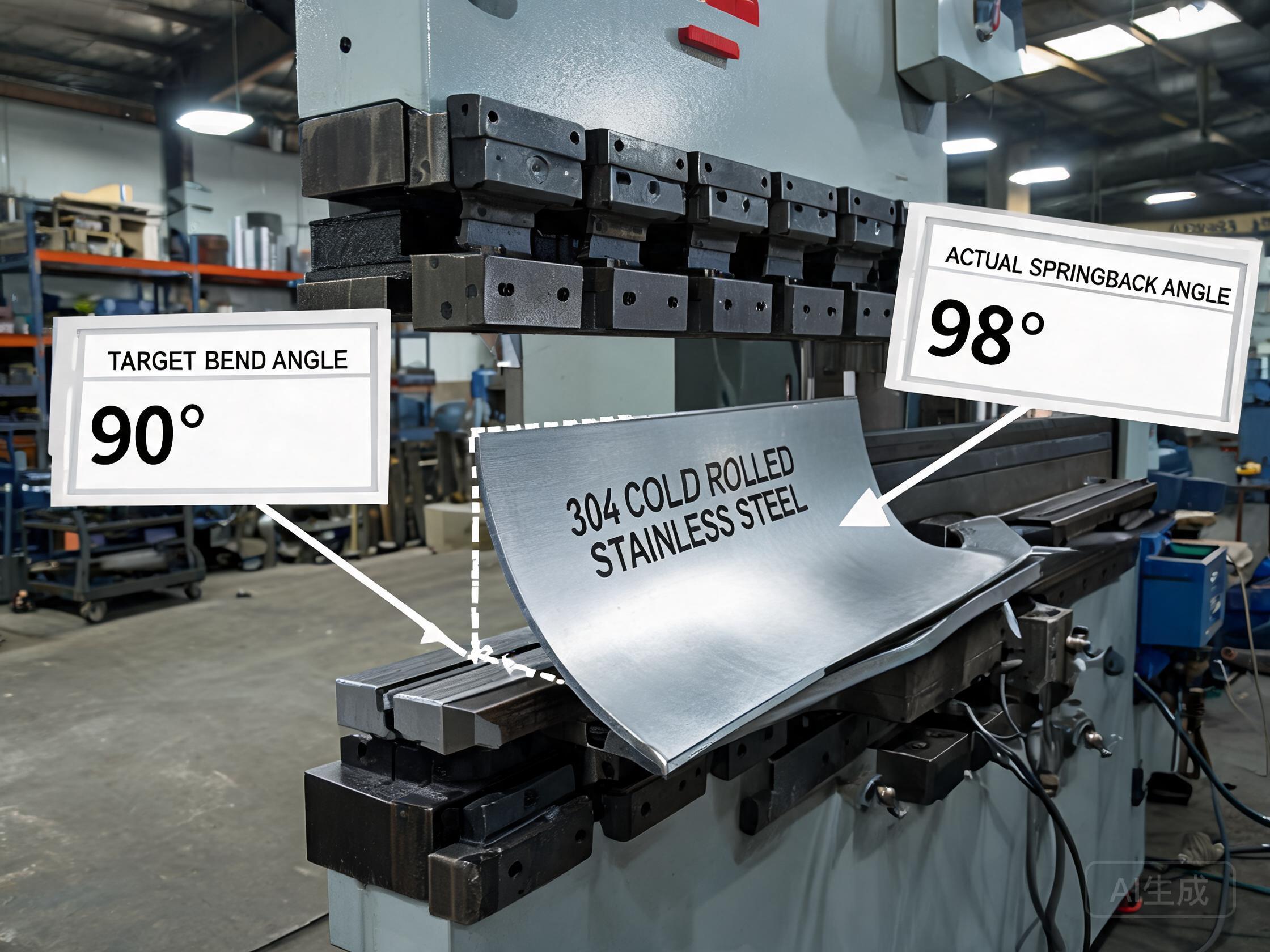
Why springback ruins stainless steel bend angles and stamped parts. Compare 304 vs 430, temper effect, and practical countermeasures for press brake and stamping.
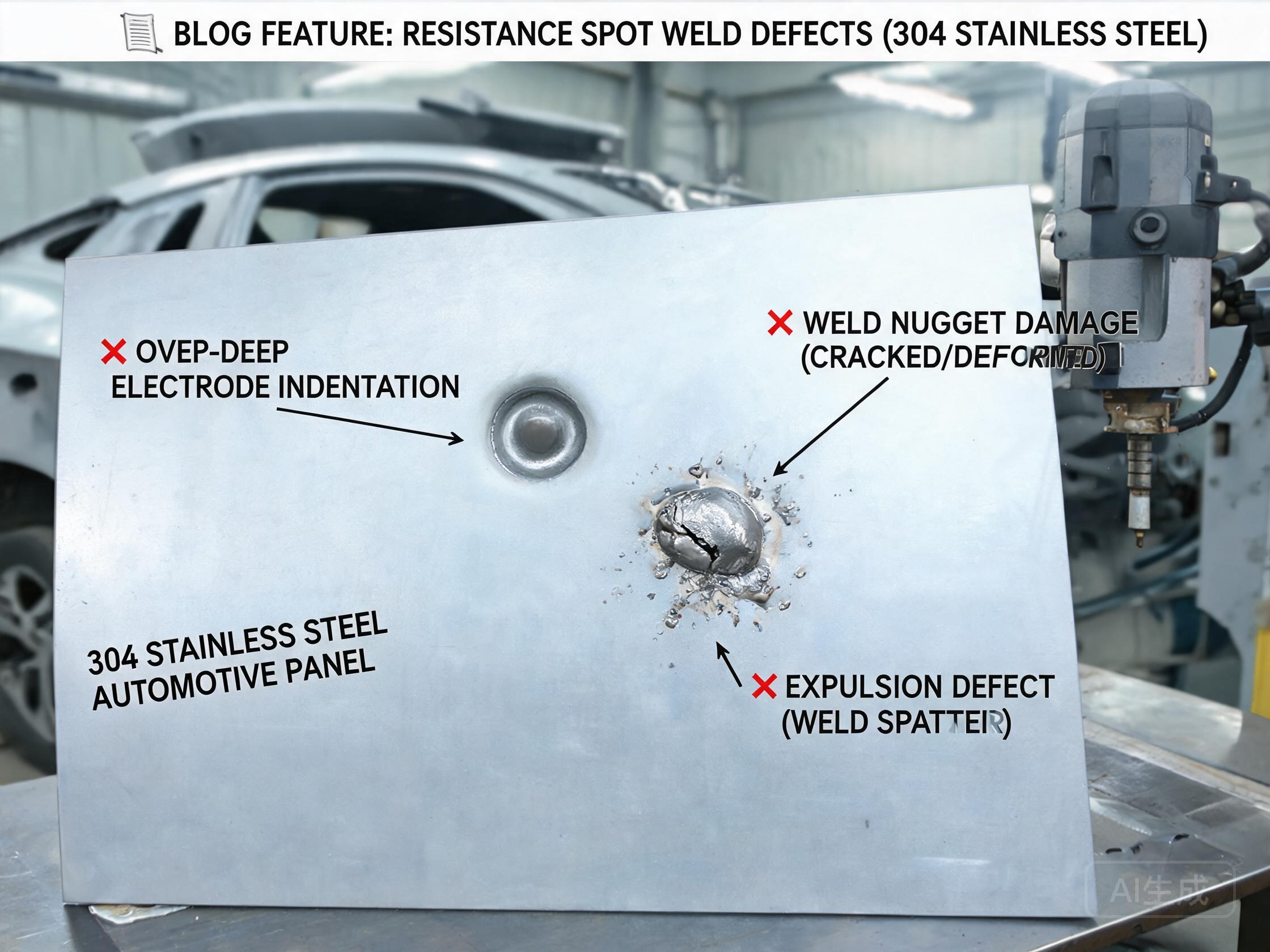
Spot welding stainless steel problems — why 304 needs more current than 430, electrode tip wear, weld shear strength and zinc contamination, with AWS D1.1 guidance.
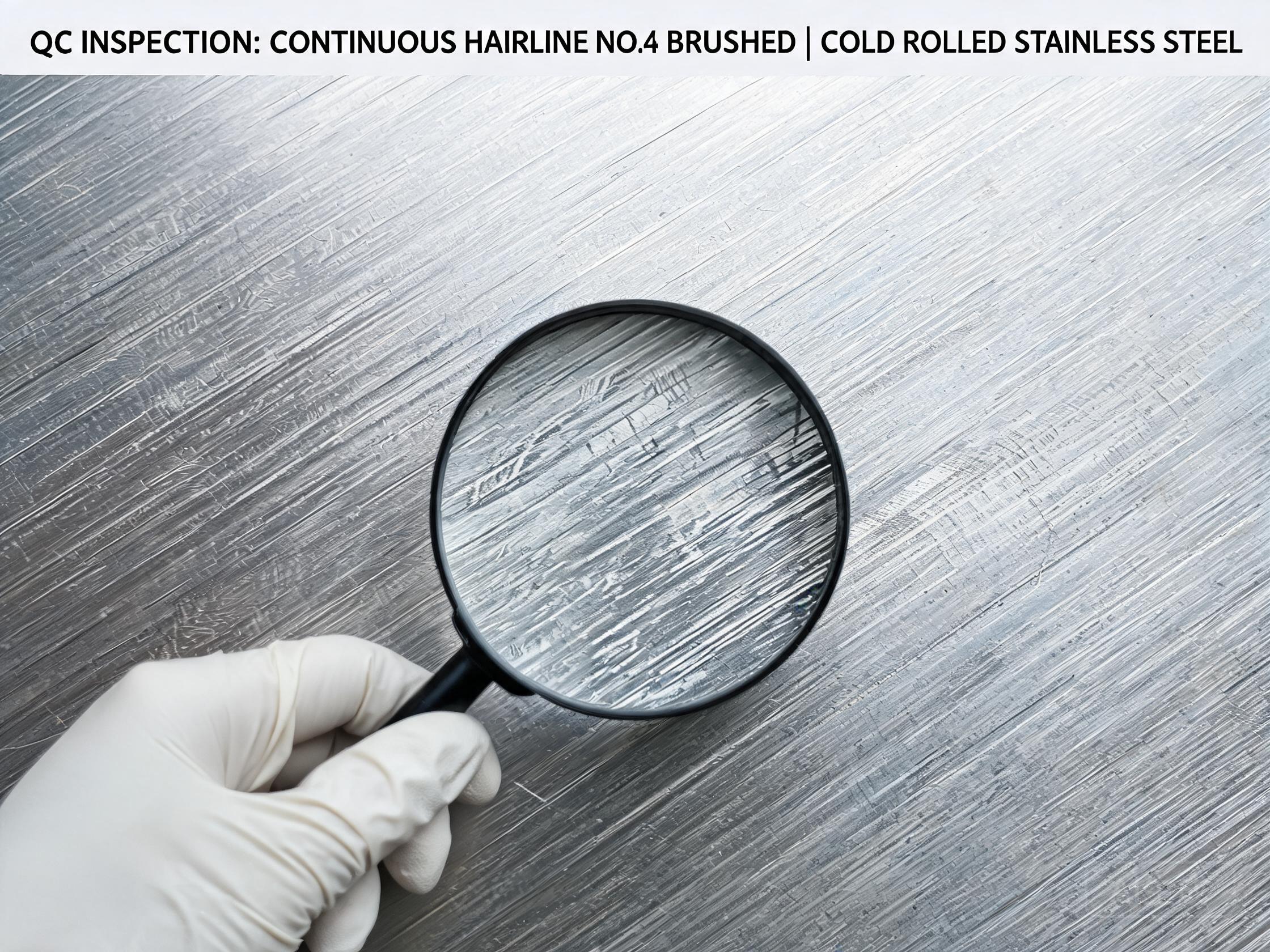
Continuous scratch brush (No.4 hairline) finish defects ruin architectural 304/316 panels. Learn why grit size, brush condition and scratch depth matter — and how to specify correctly.
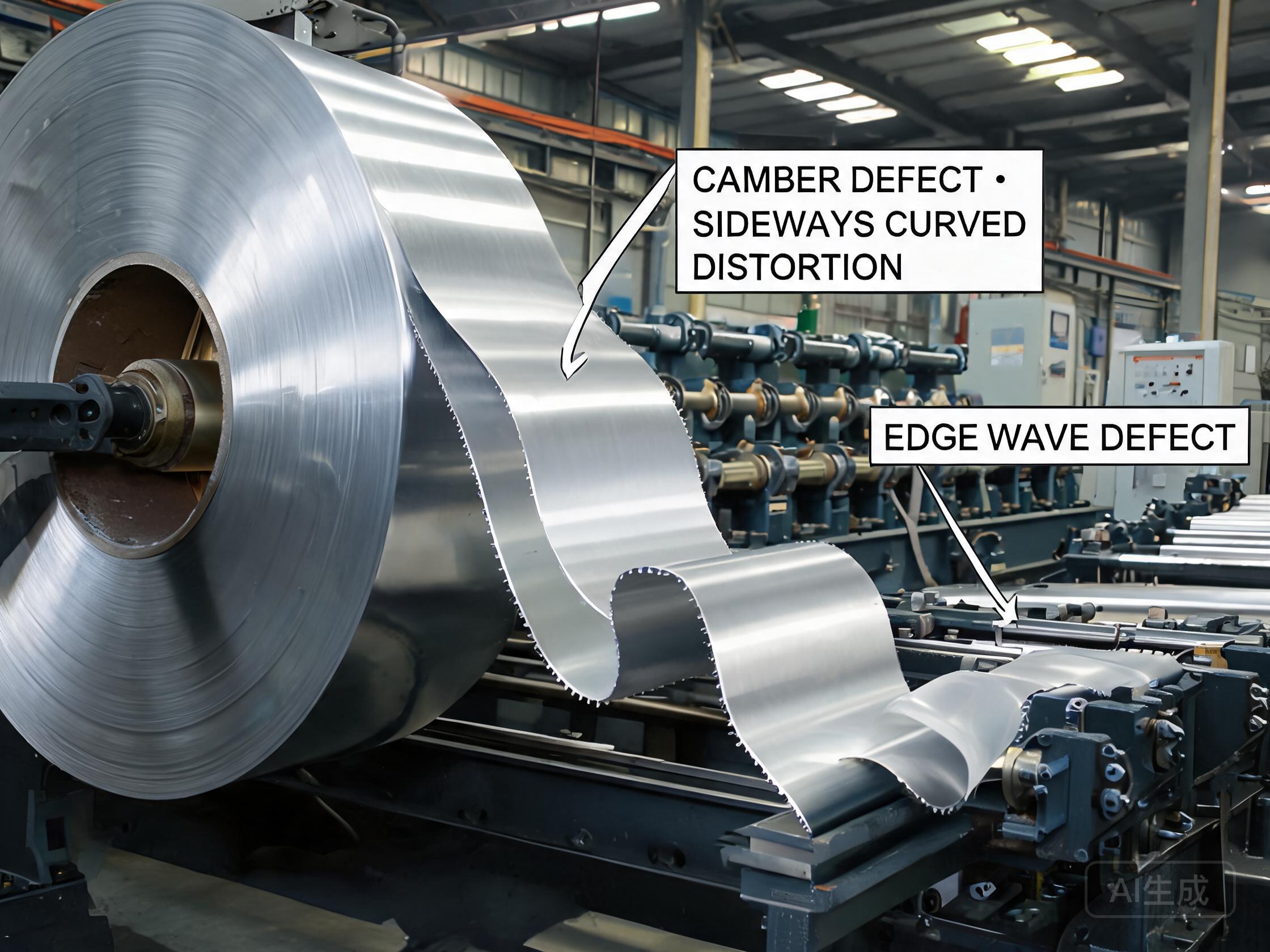
Why your cold rolled stainless steel strip cambers in the roll former, what causes edge wave and cross bow, and the critical difference between 430 ferritic and 304 austenitic behavior.
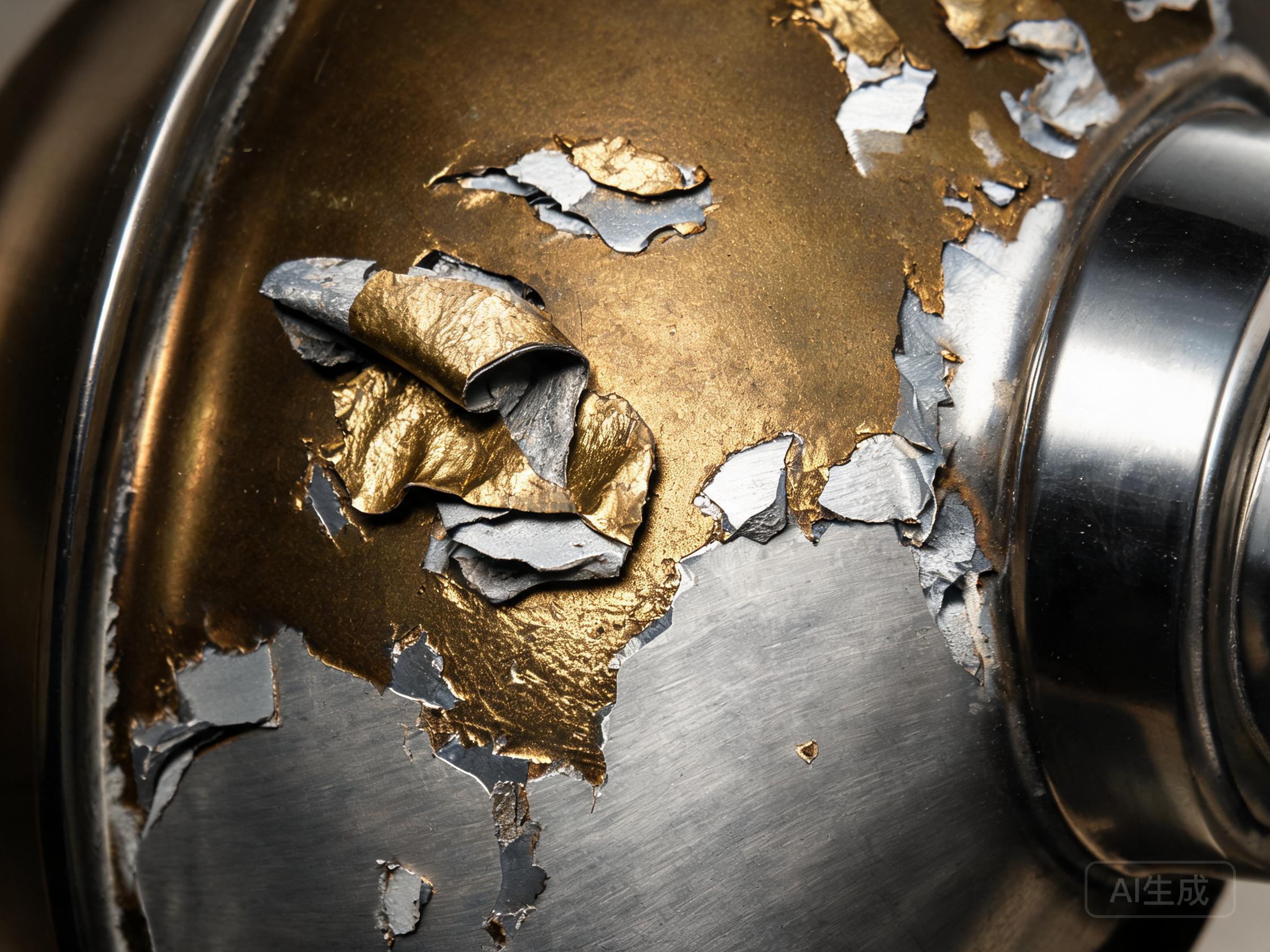
PVD coating peeling ruins colored stainless steel panels. Learn why surface prep, 304 vs 316 substrate and coating thickness cause adhesion failure, and how to specify correctly.
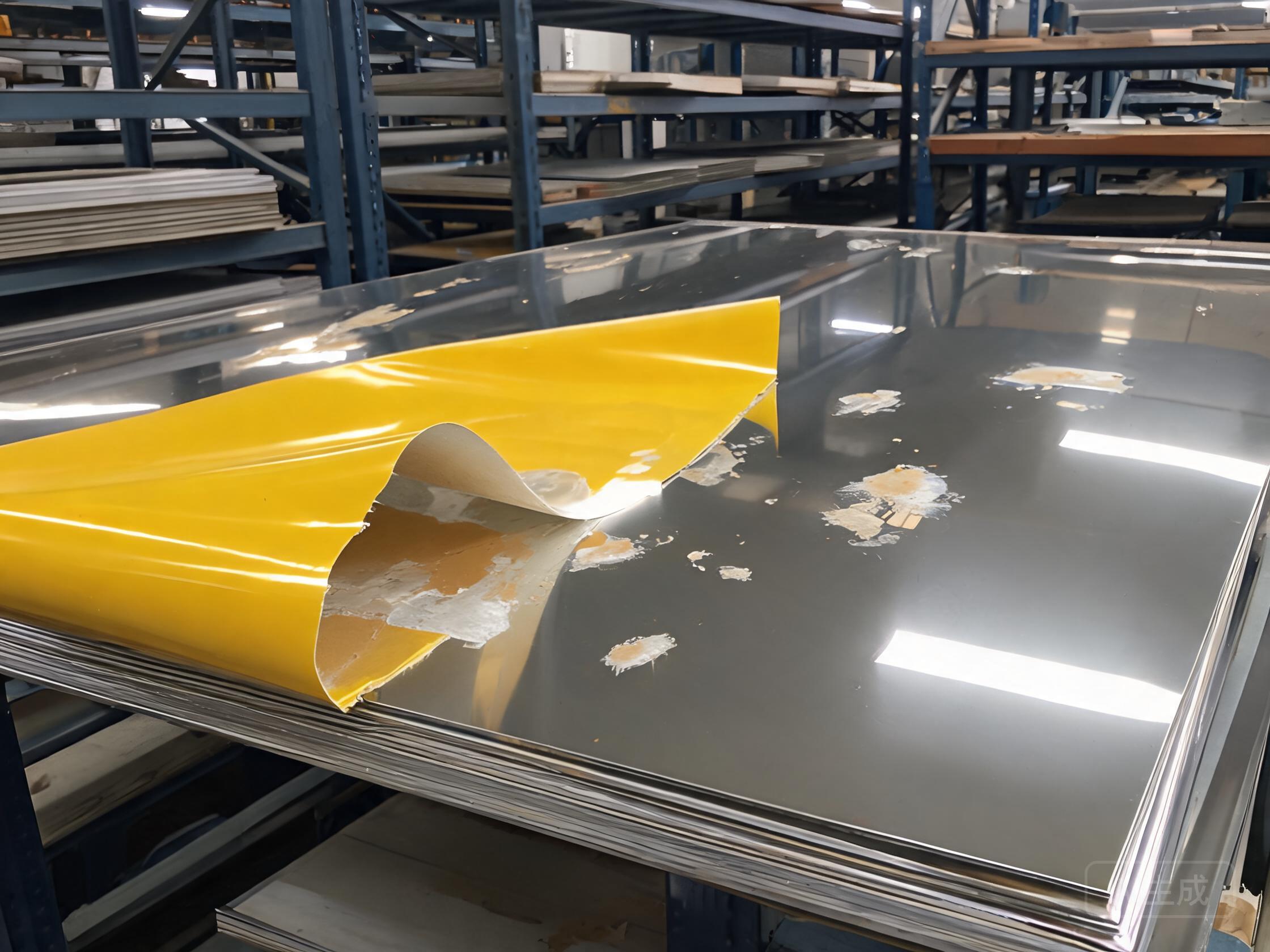
Cheap protective film leaves sticky residue or tears during peeling. Compare Chinese vs Korean/Japanese film, storage time limits and how to specify film quality on your RFQ.
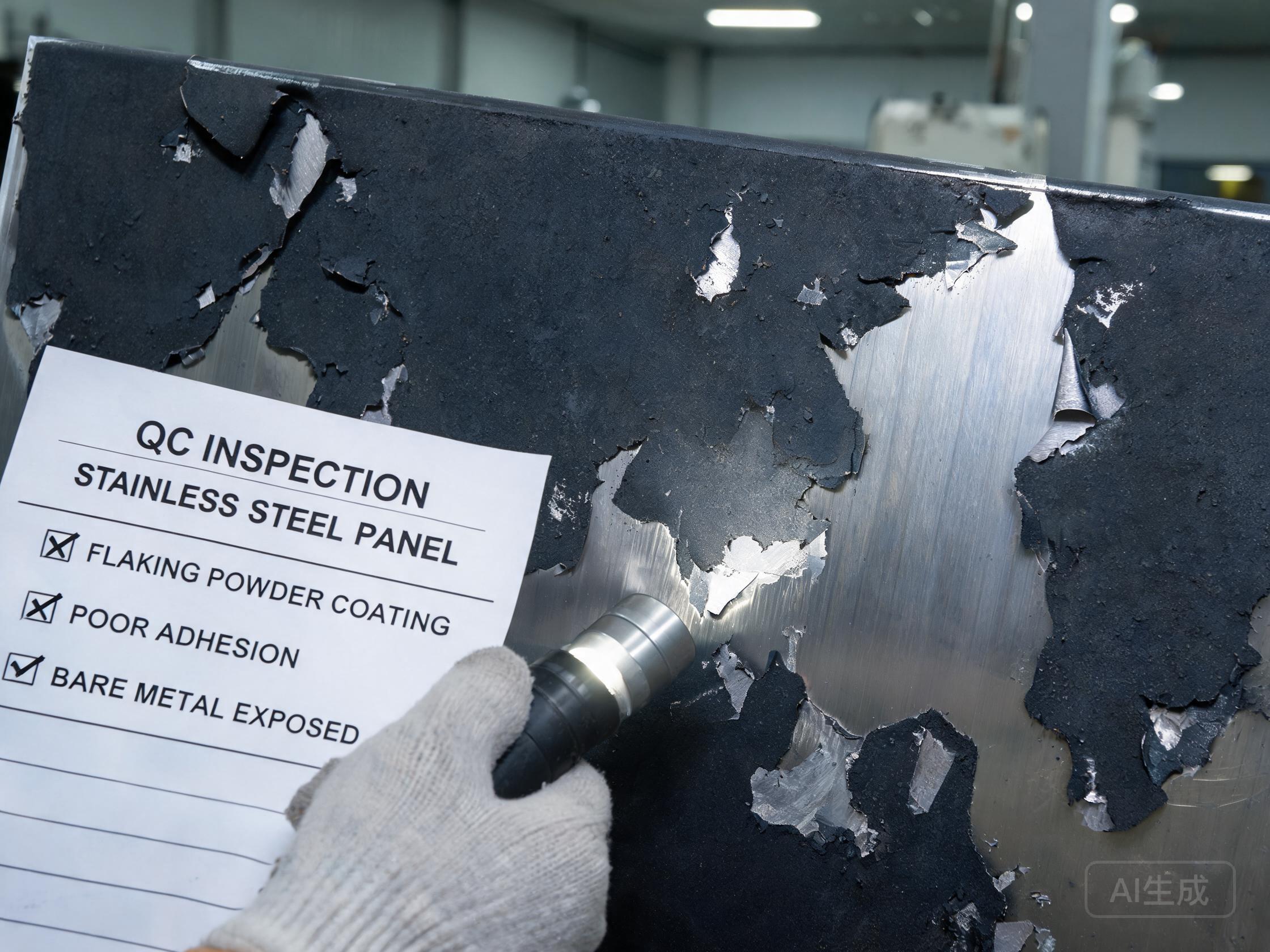
Powder coating peeling on 430 and 304 stainless is caused by missing primer, wrong Ra roughness or skipped pre-treatment. Learn the right specification here.
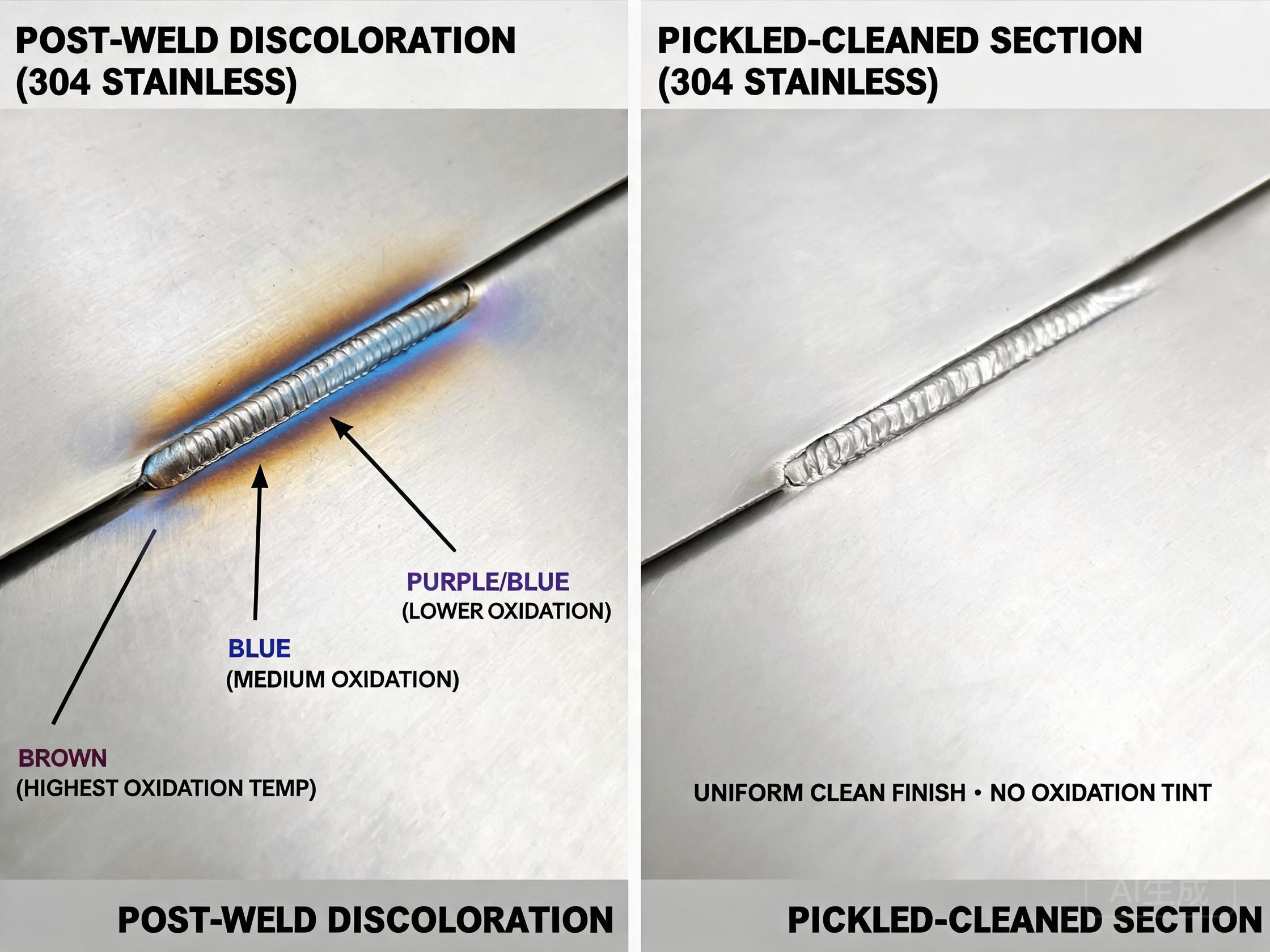
Post-weld cleaning for 304 and 316 — why heat tint and weld discoloration causes rust, pickling paste stainless steel brush and glass bead blasting procedures.
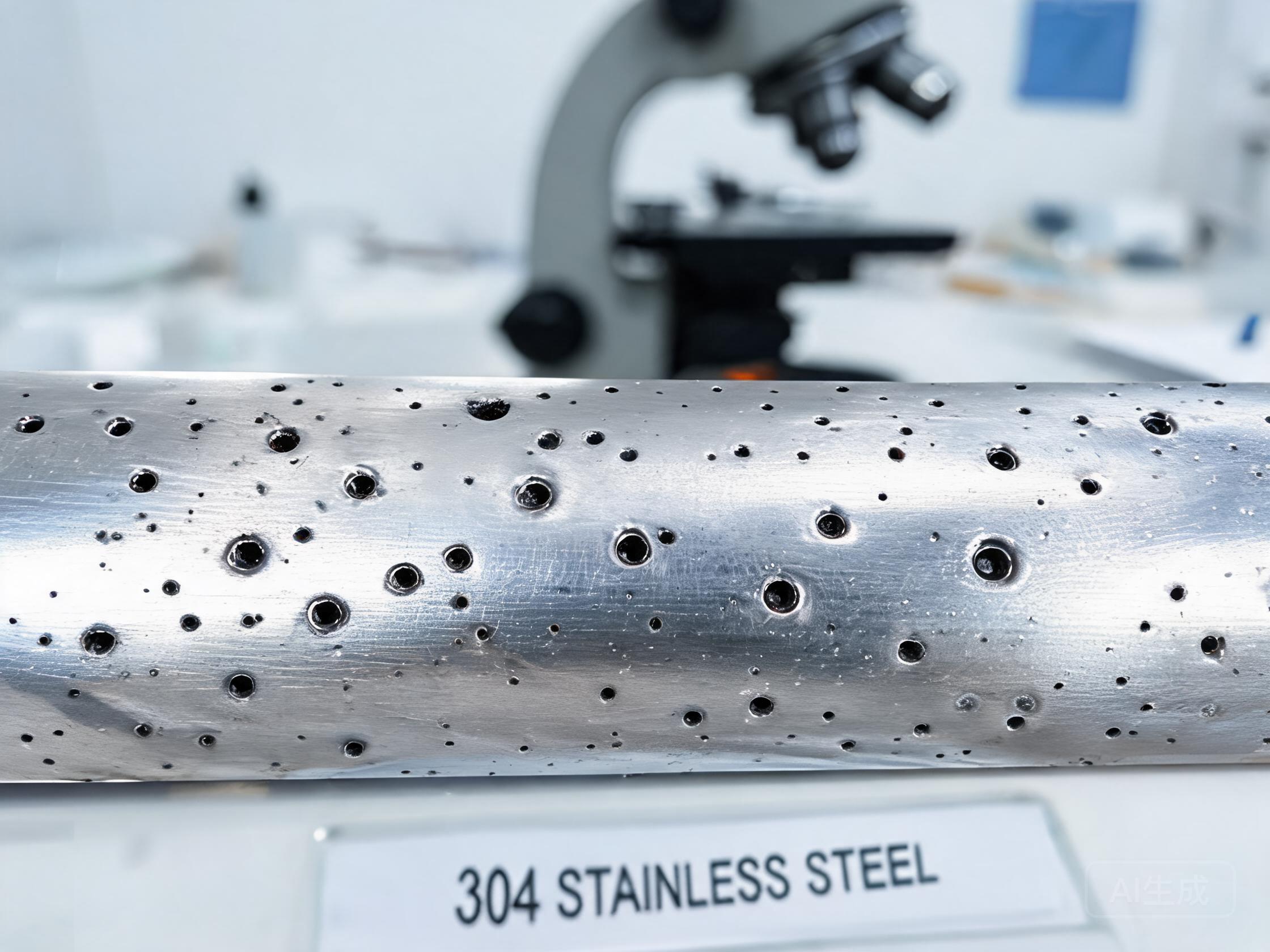
Pitting corrosion on cold rolled stainless steel: what causes it, how to calculate PREN, and why 304 fails where 316 or 2205 survives.
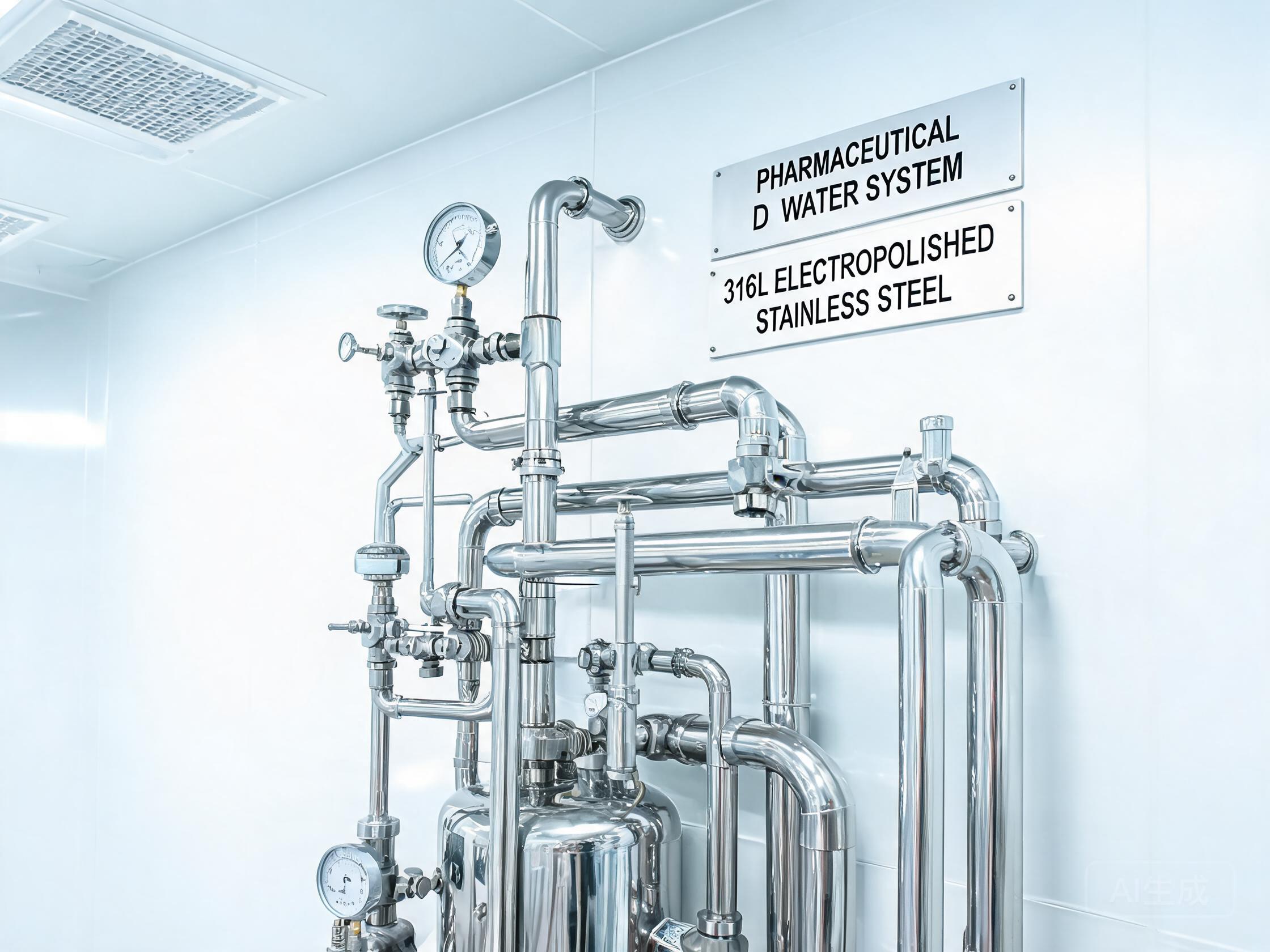
Pharmaceutical deionized (DI) water at 18.2 MΩ·cm requires 316L stainless steel only, electropolished Ra <0.4 μm, proper passivation and ASME BPE compliance. Get the cold rolled sheet spec right and your WFI system meets FDA, EMA and PIC/S audits without rework.
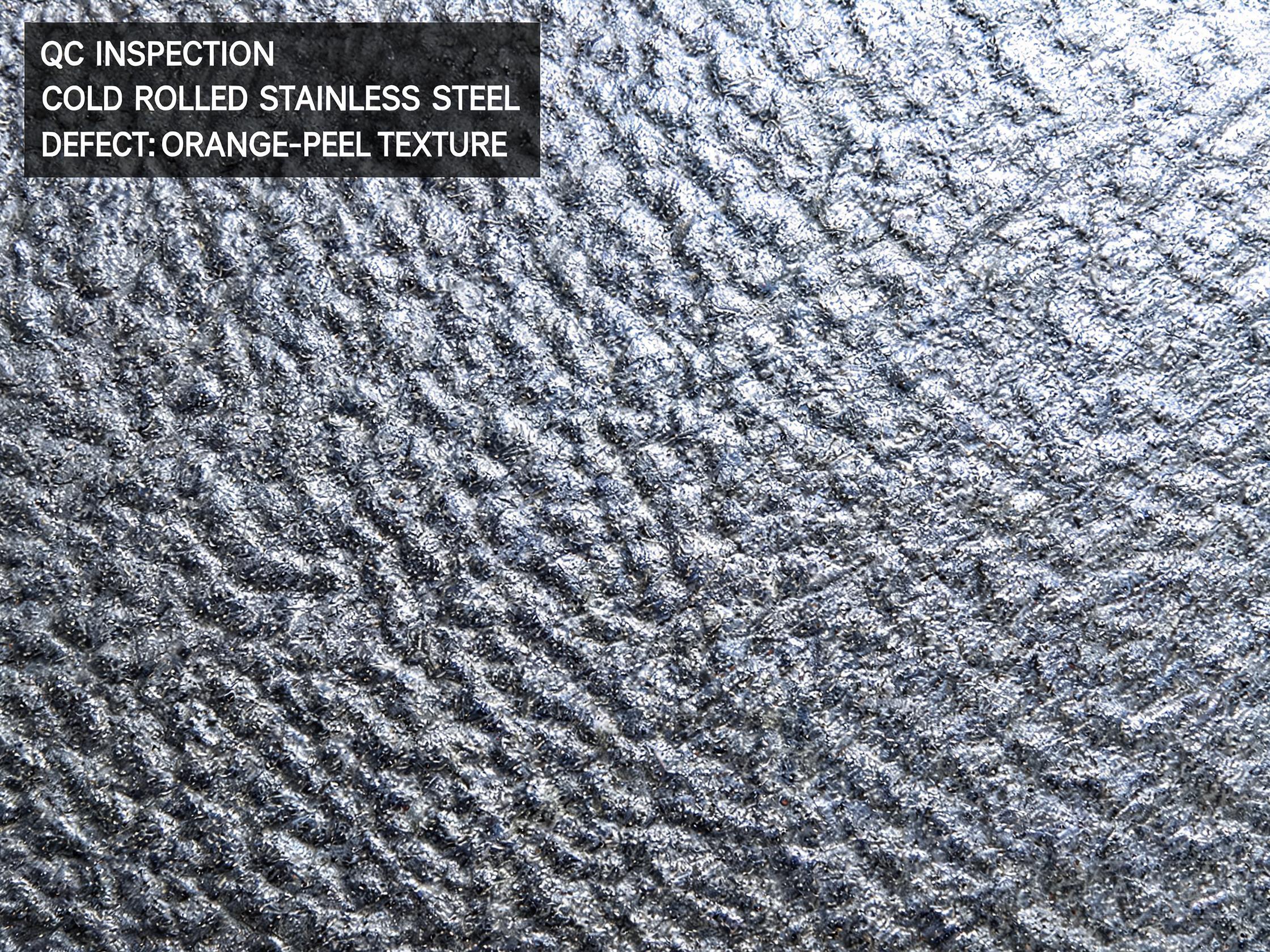
MYMEMORY WARNING: YOU USED ALL AVAILABLE FREE TRANSLATIONS FOR TODAY. NEXT AVAILABLE IN 23 HOURS 10 MINUTES 22 SECONDS VISIT HTTPS://MYMEMORY.TRANSLATED.NET/DOC/USAGELIMITS.PHP TO TRANSLATE MORE
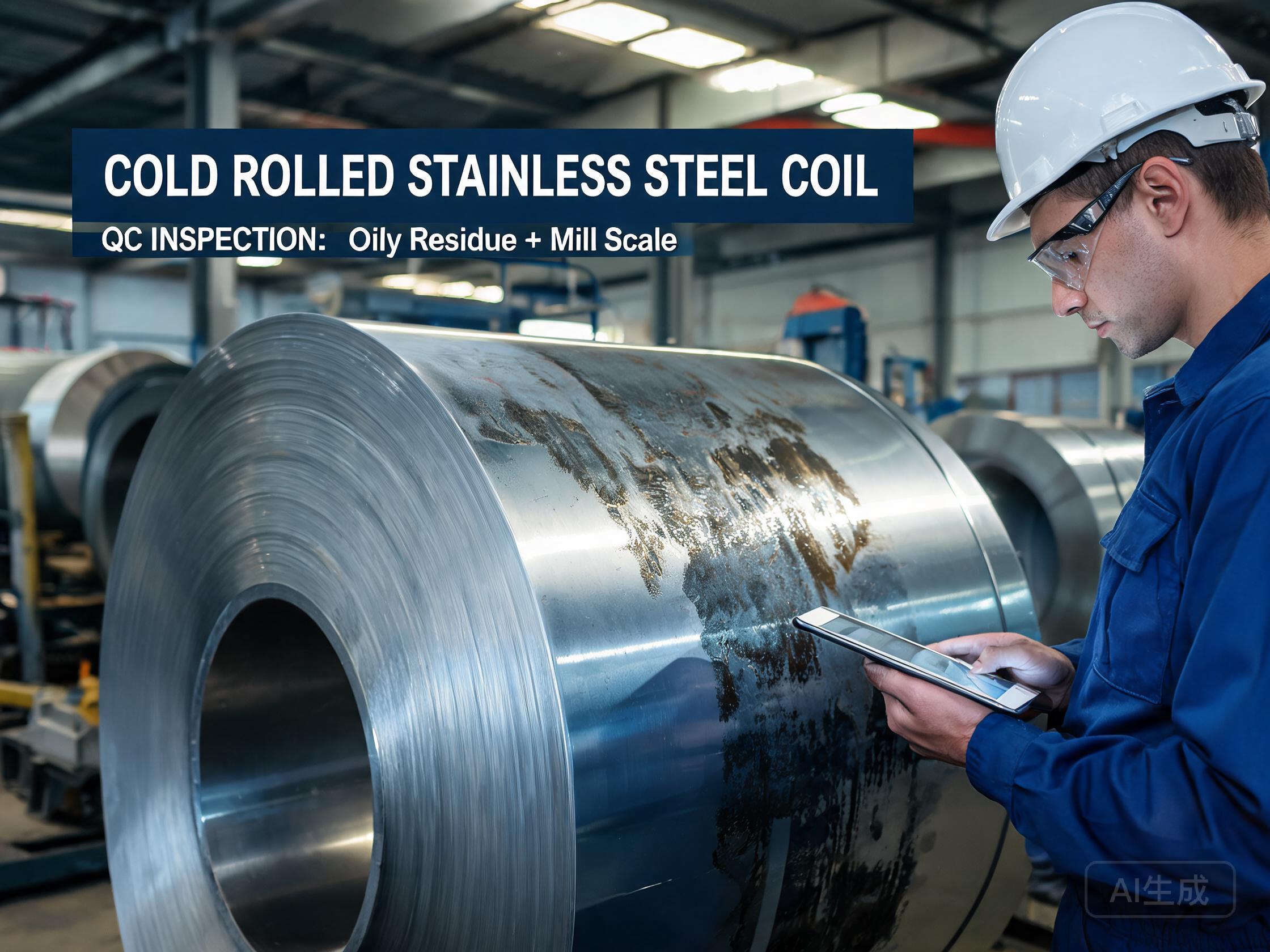
Oil residue causes poor welds, bad PVD adhesion and ugly finish on stainless parts. Learn the difference between mill rolling oil and stamping lubricant, and how to inspect and specify clean steel.
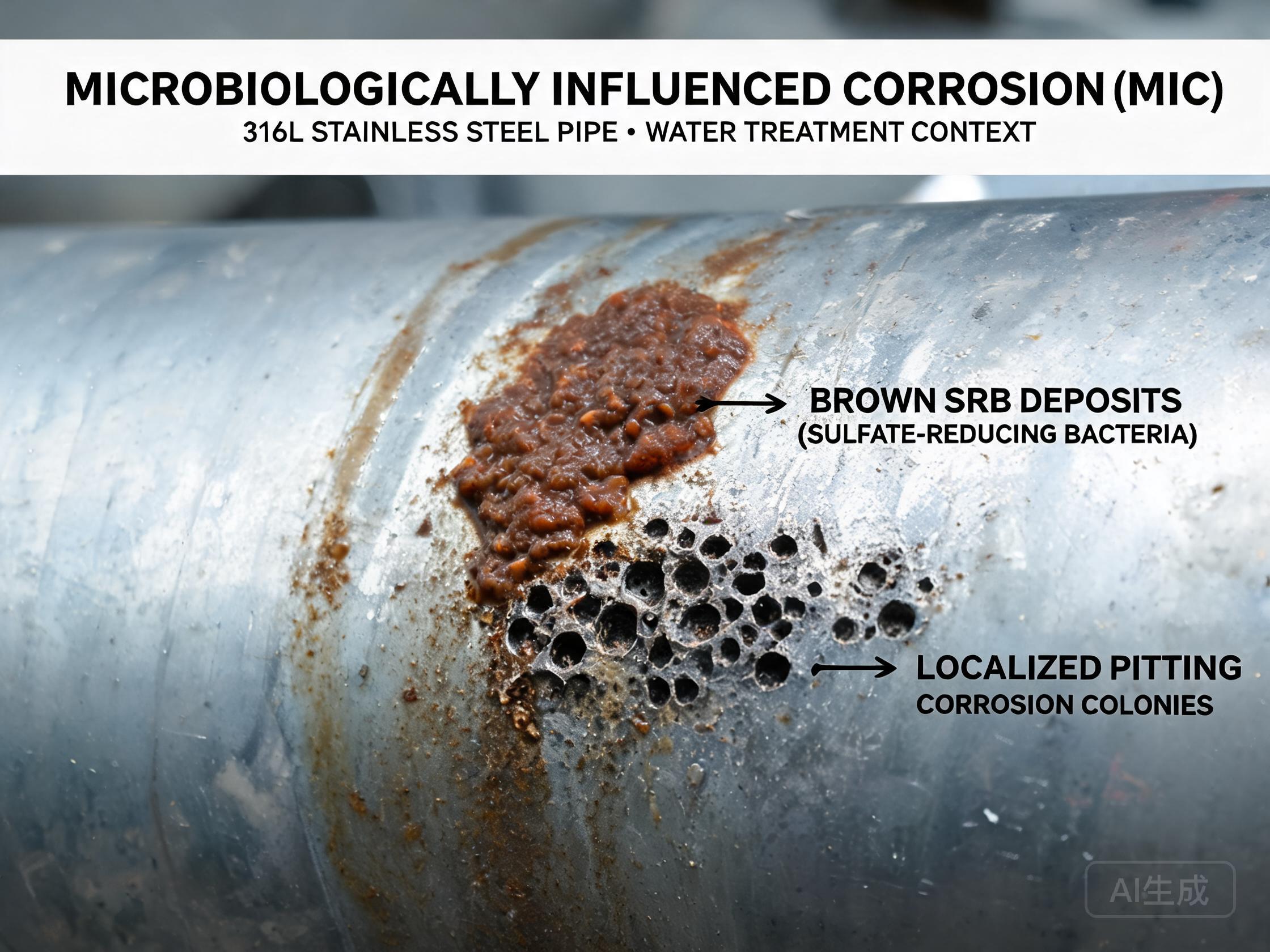
Microbiologically influenced corrosion (MIC) from sulfate-reducing bacteria on cold rolled stainless steel. Why 316L survives where 304 fails, and pasteurization frequency matters.
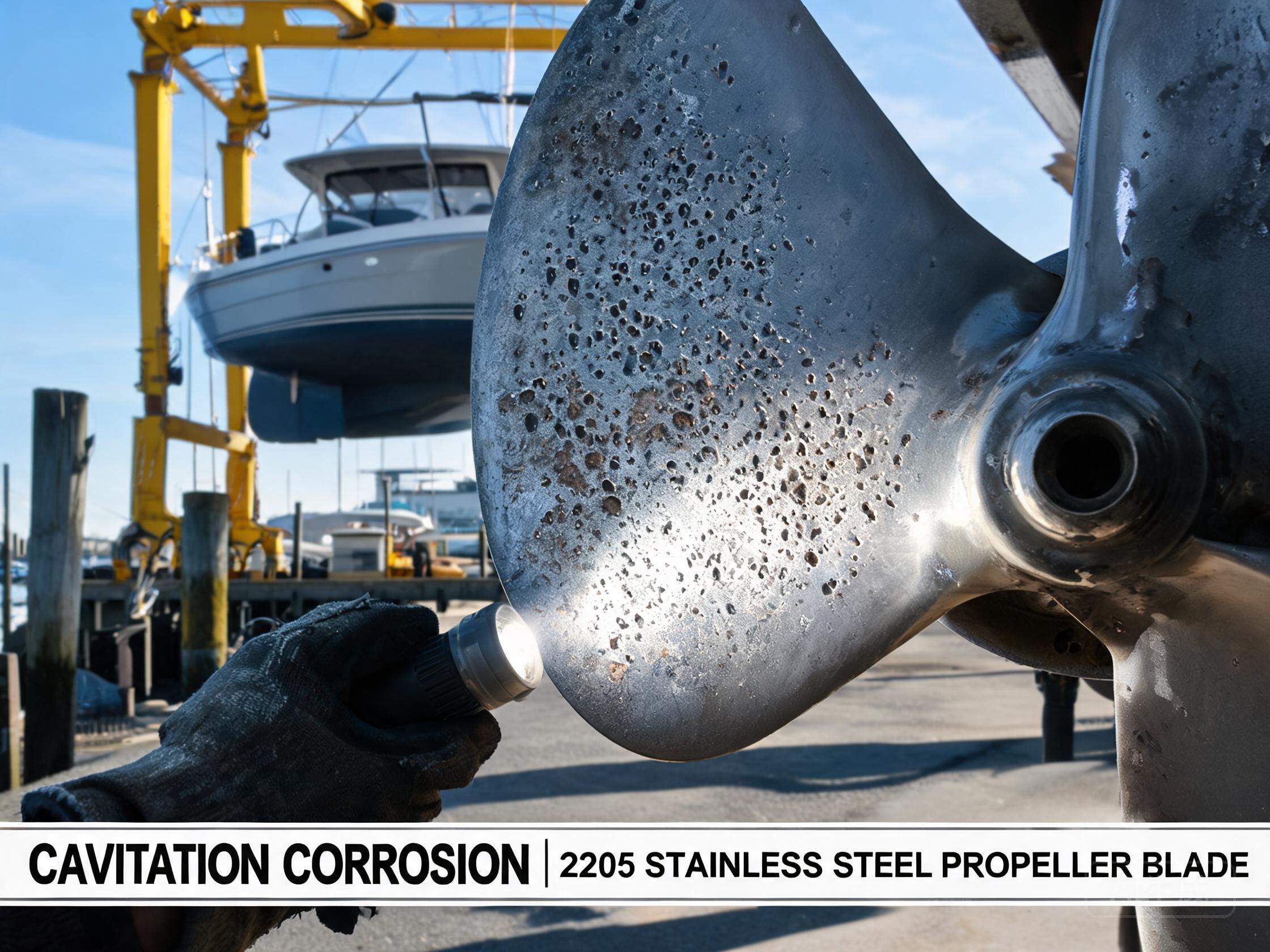
Marine propeller cavitation erodes cold rolled stainless steel in months at high vessel speeds. Compare 2205 duplex vs 316L cavitation resistance (ASTM G32), know the velocity threshold (25 m/s), and specify the grade and thickness that survive five years without repair welding.
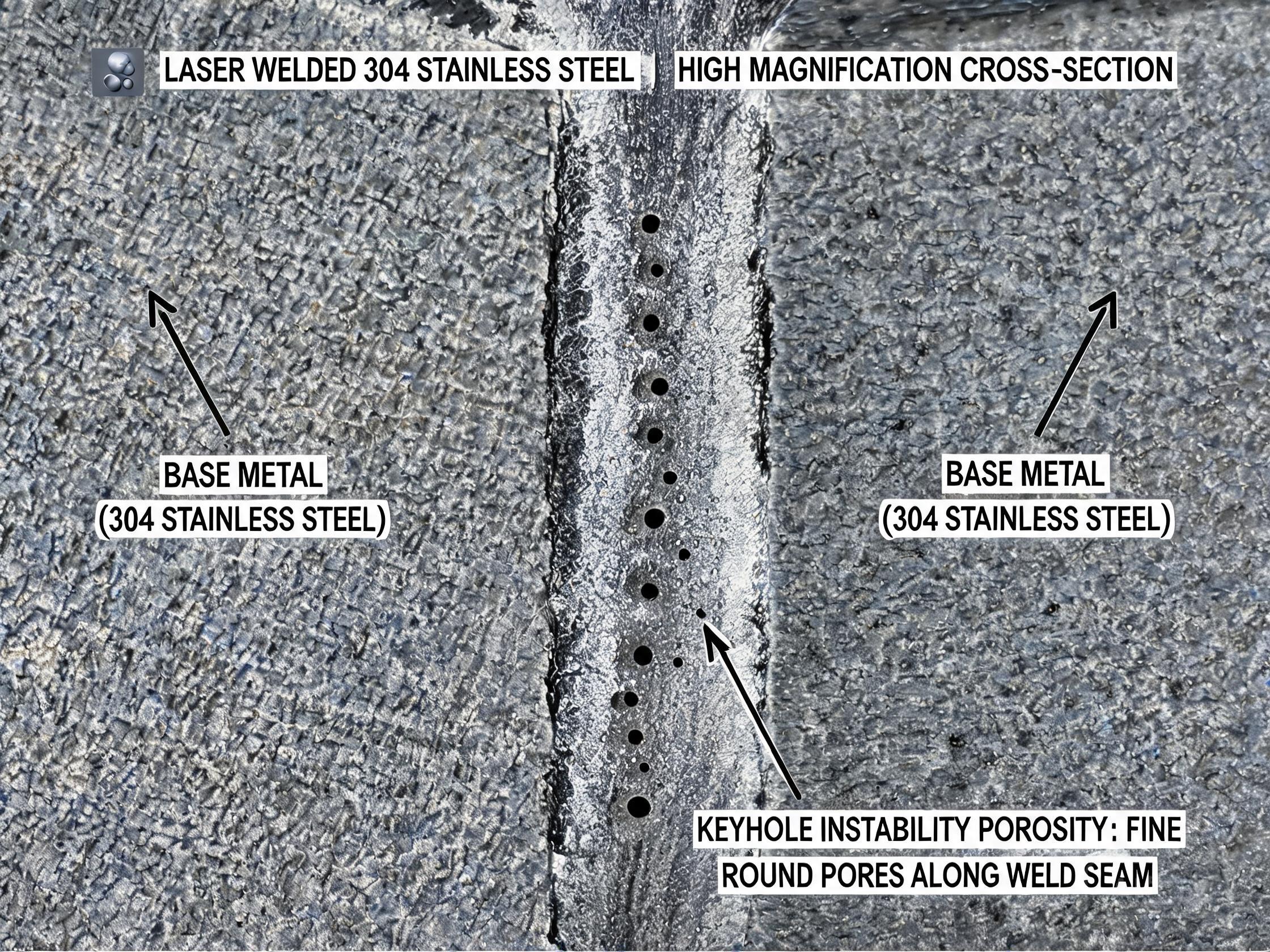
Laser welding porosity in 304 vs 316 — why keyhole collapse causes round holes, argon shielding requirements, travel speed control and the 316 nitrogen difference.
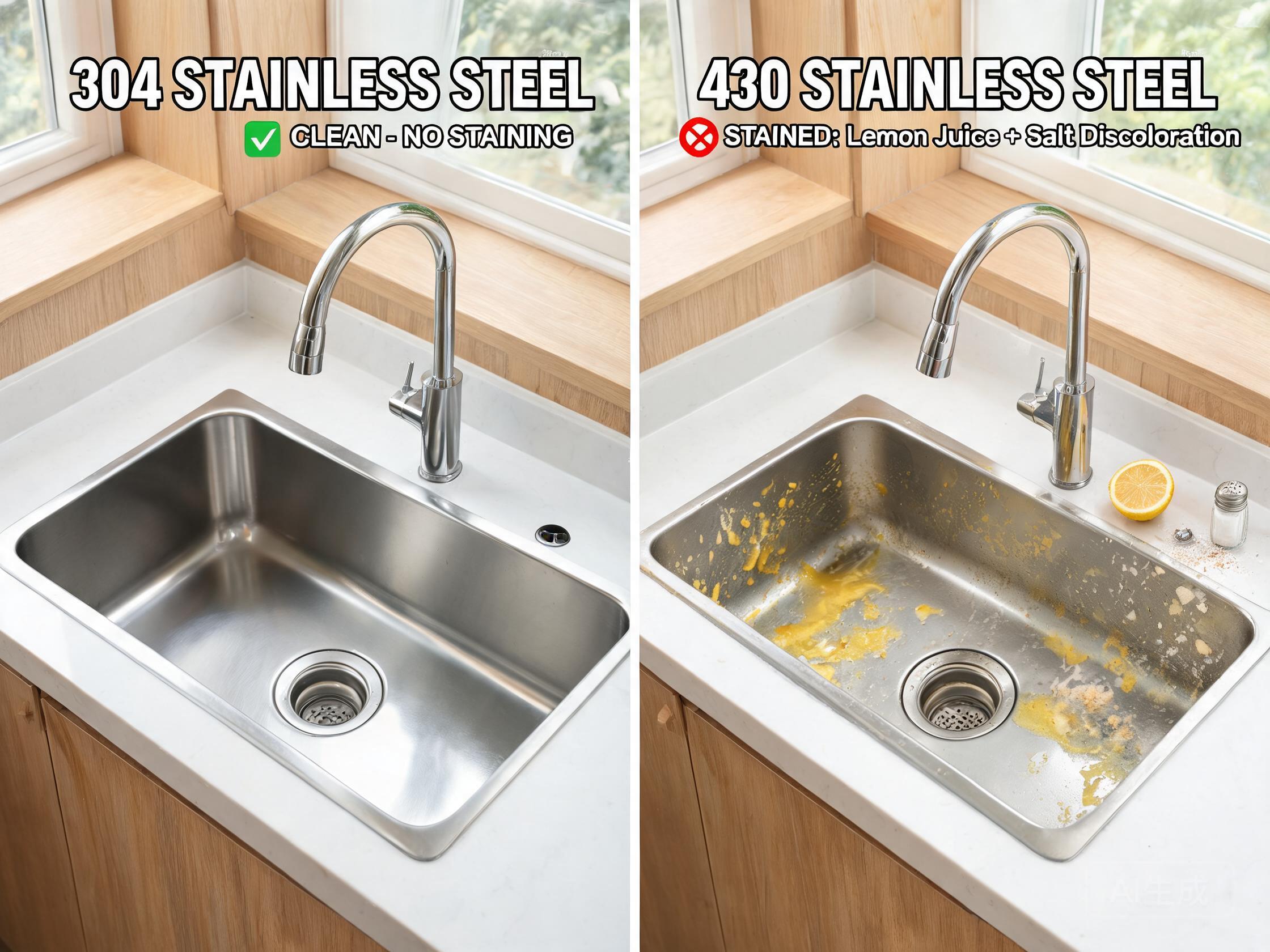
Cold rolled stainless steel kitchen sinks stain from lemon juice, salt water and coffee. Compare 304 vs 430 salt tolerance, run the 24-hour lemon juice test, and choose 8K mirror or No.4 brushed surface that survives daily use for ten years without rust spots.
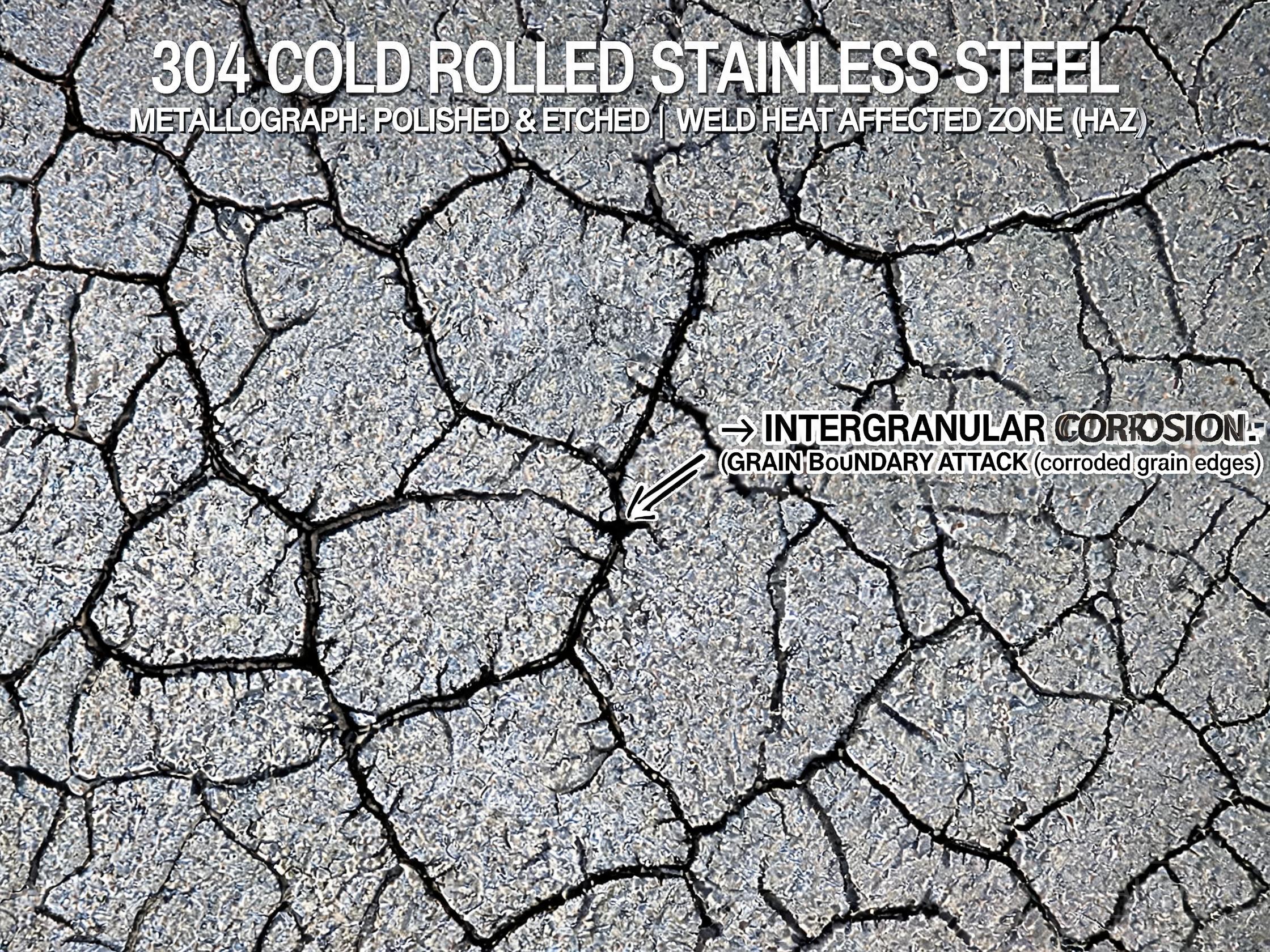
Intergranular corrosion from sensitization in cold rolled stainless steel. How Cr23C6 carbides form at 400-800°C and why 304L with low C content is the fix.
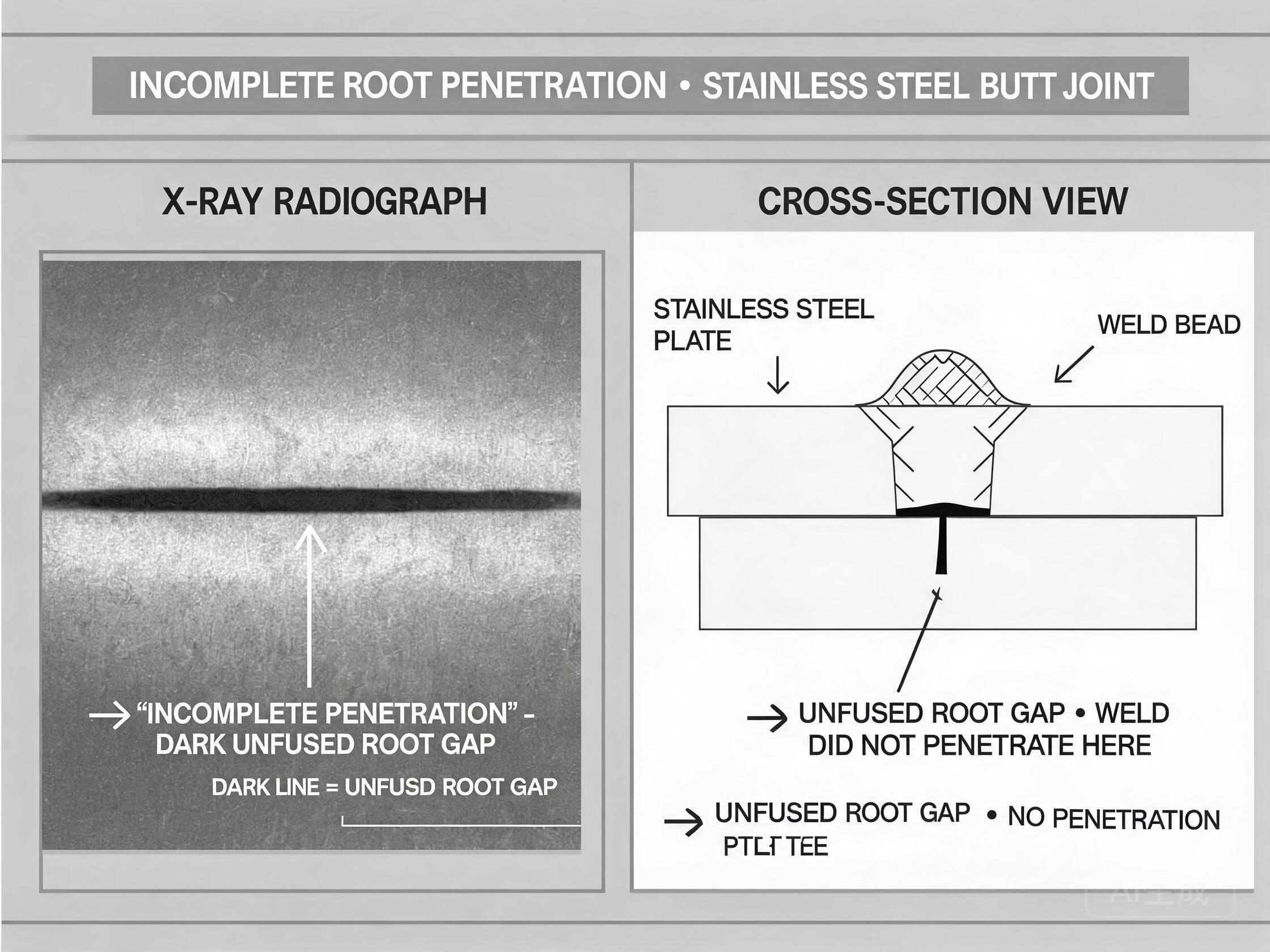
Incomplete penetration in 304 and 316 welds — why tight root gaps, no back purge or wrong joint prep cause it, and how to fix with TIG backing gas at 10 ppm O2.
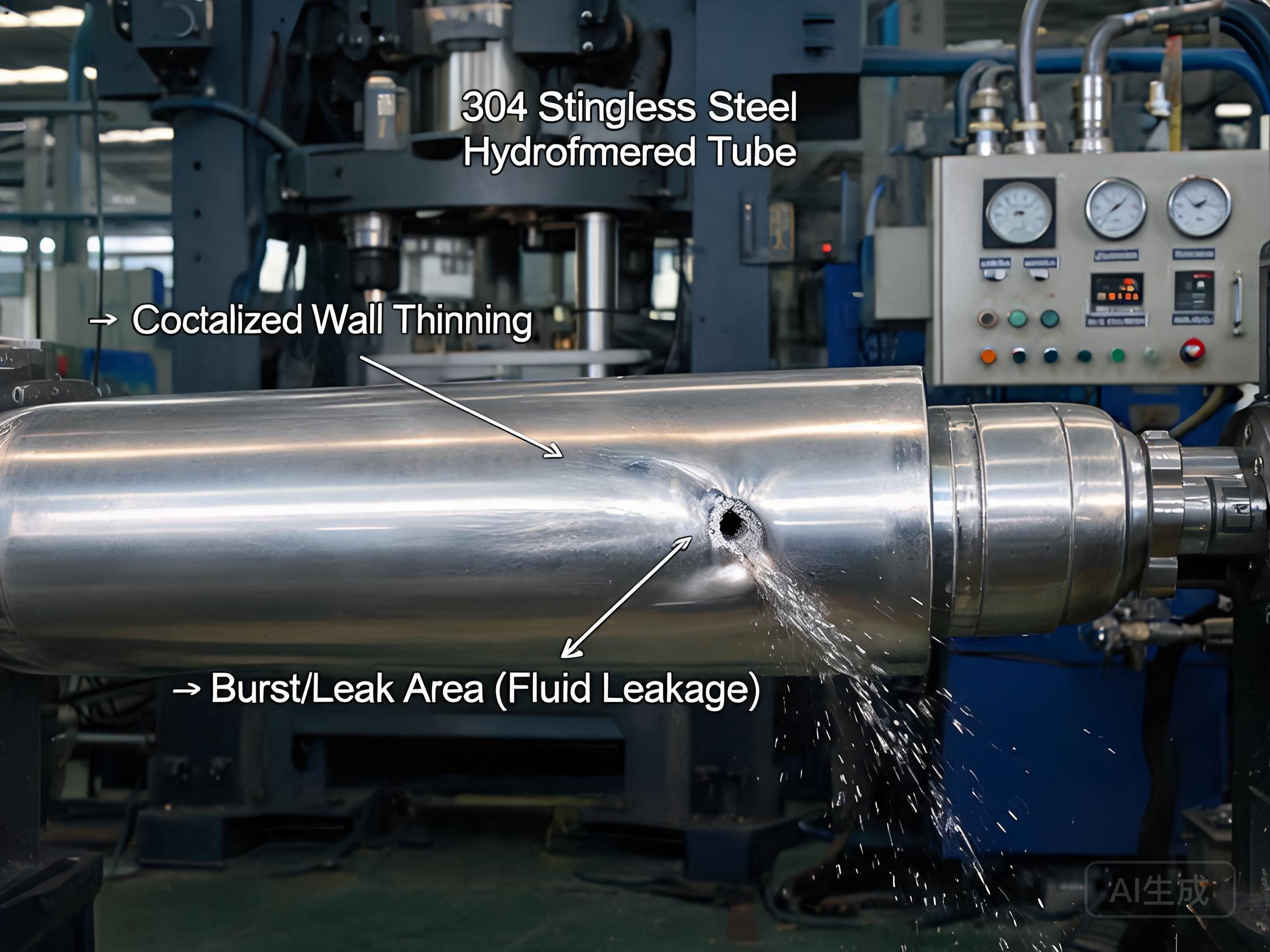
Why your hydroformed stainless steel tubes leak — wall thinning, burst pressure, 304 vs 316 comparison, and when to use high pressure vs low pressure process. Spec the right blank and test first.
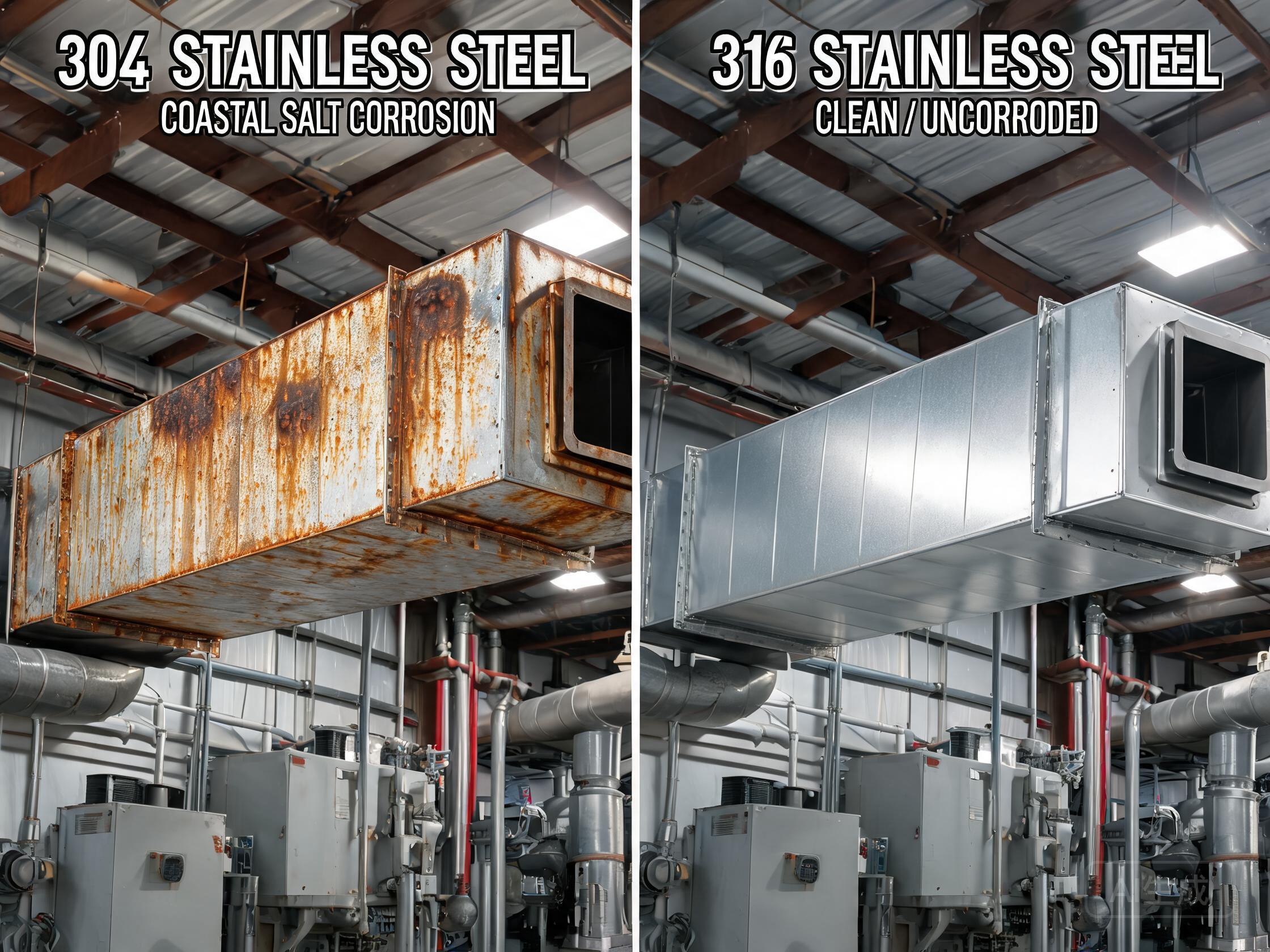
Cold rolled stainless steel HVAC ducts corrode from coastal salt spray and condensation. Compare 304 vs 316 salt tolerance, specify the right insulation and condensation control, and achieve a 10-year corrosion-free duct system that passes NFPA and ASHRAE inspection.
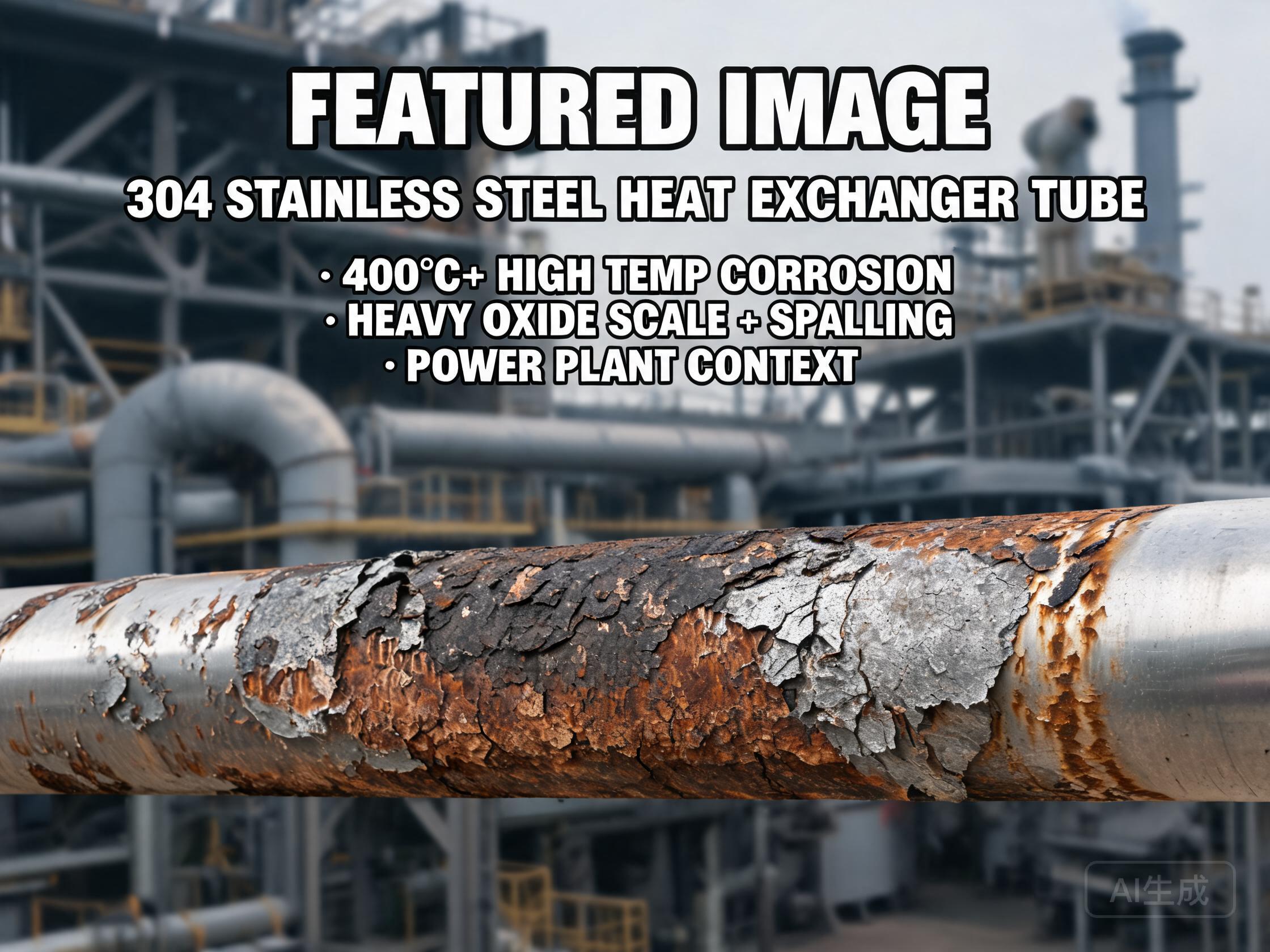
High-temperature corrosion of cold rolled 304 stainless steel at 400-600 °C. Why 310S is the preferred fireproofing and flue gas grade, and what happens when chlorides are present.
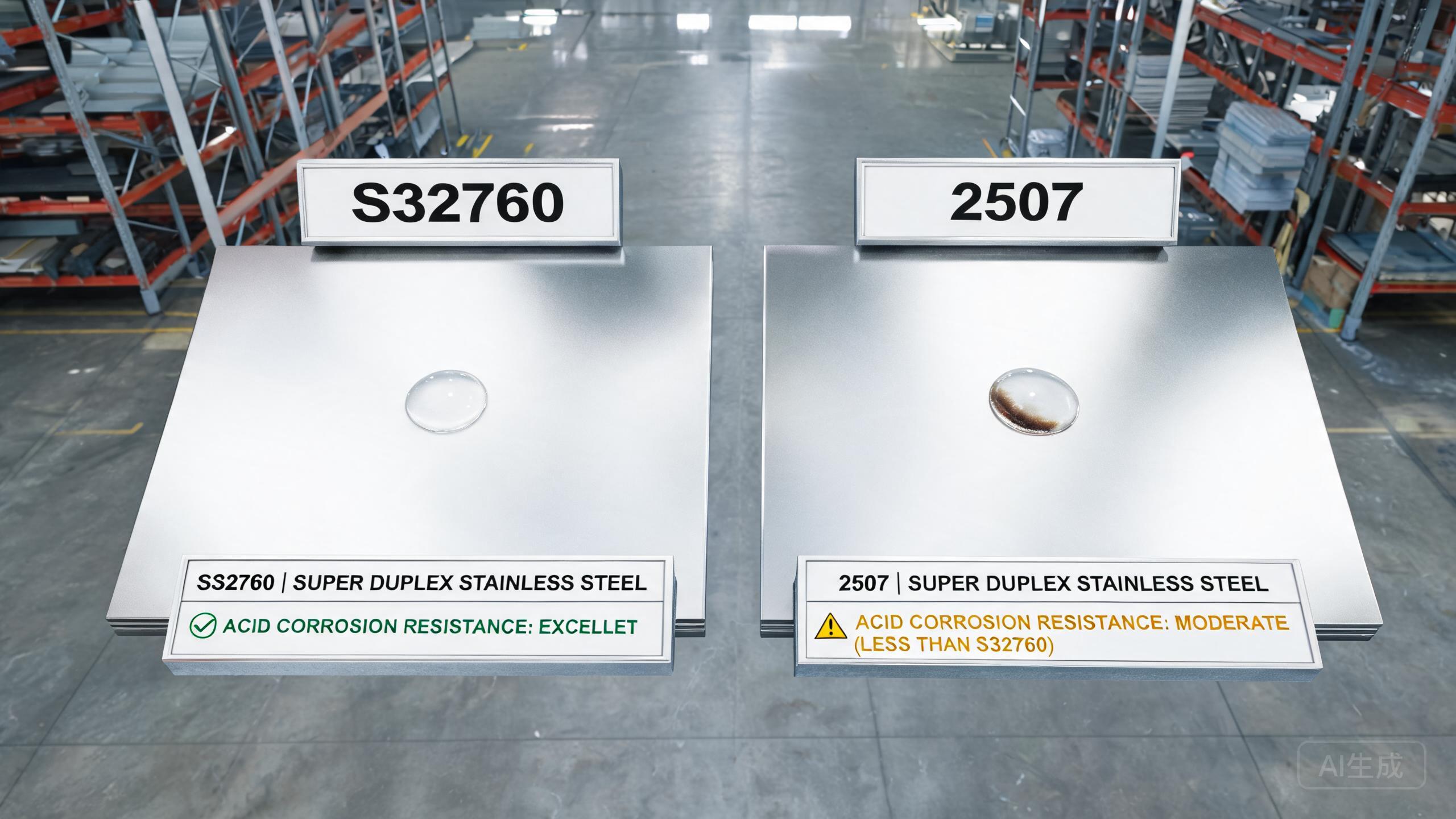
Supra-Duplex S32760 vs. 2507 – Kupferzusatz für Schwefelsäure. S32760 bewältigt H₂SO₄, 2507 glänzt in Chloriden. Preisaufschlag.
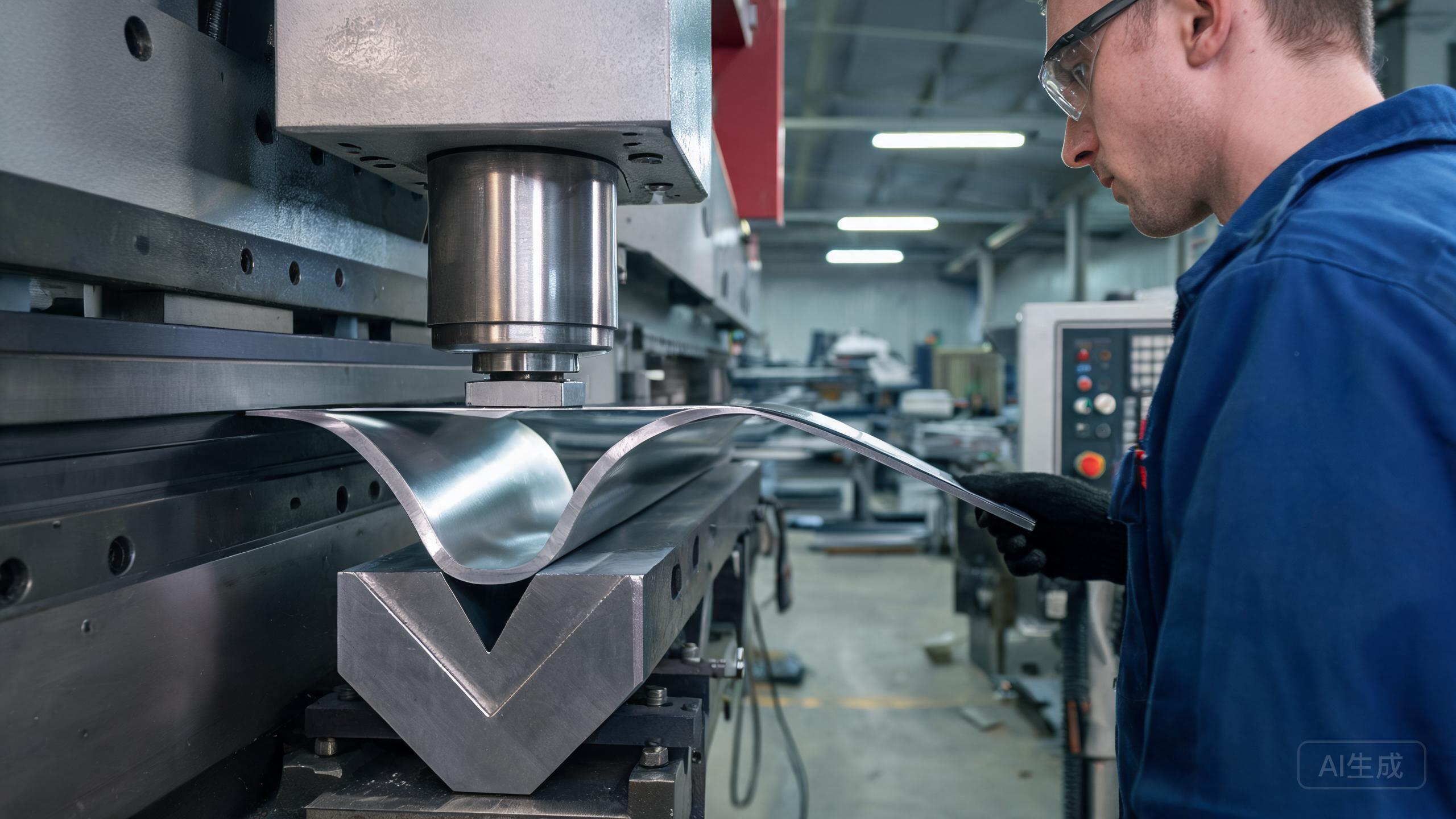
Abkanten von Edelstahl auf der Presse – Mindestbiegeradius je Anlass, Rückfederungsberechnung, V-Düsenbreitenregel, EN 10243-1 Toleranzen.
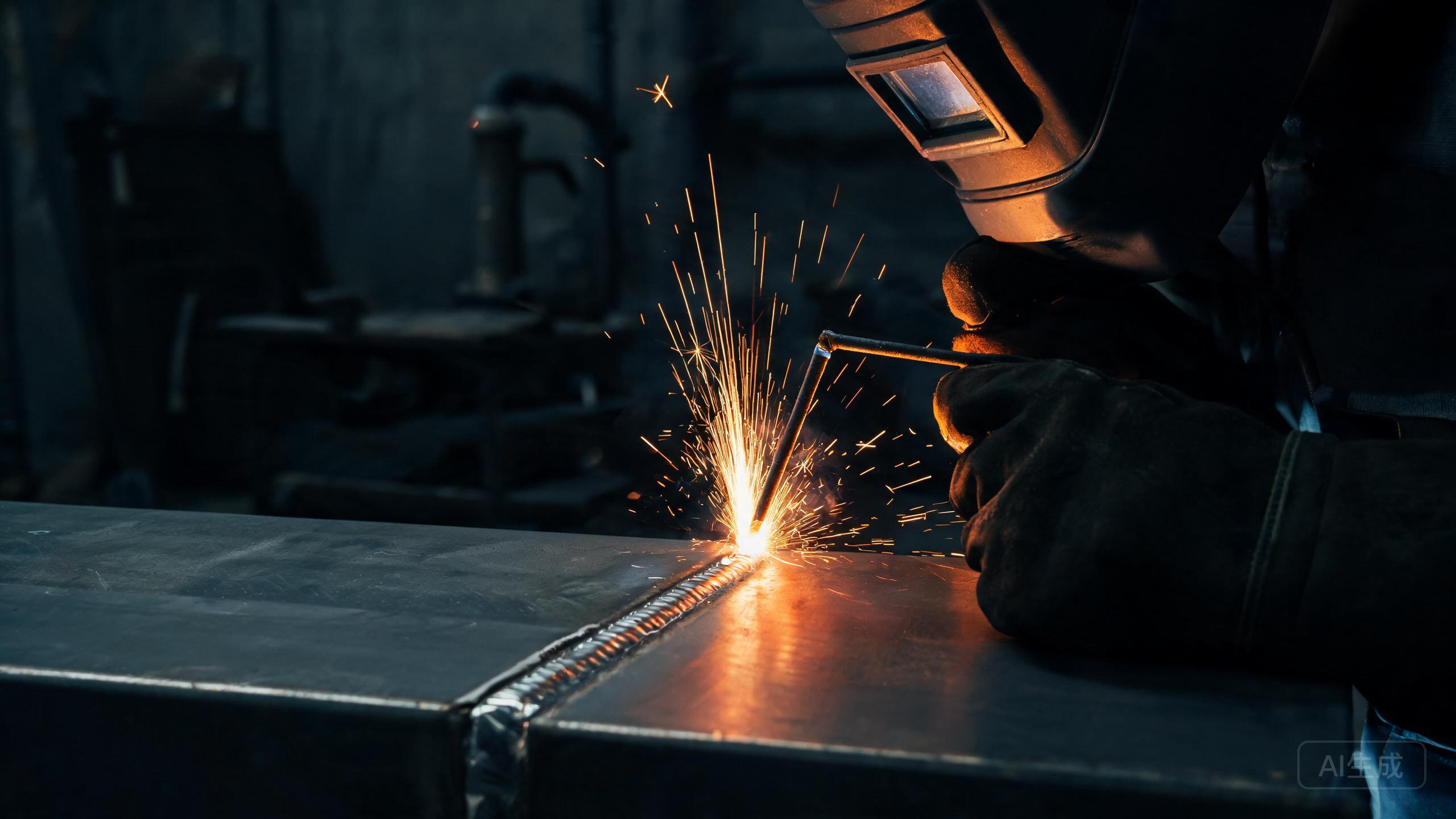
Duplex-Schweißen 2205/2507 – kein Vorwärmen! Zwischenlagentemperatur ≤ 250 °C, ER2209/ER2553-Zusatz, Stickstoff-Schutzgas, AWS D1.6-Code.
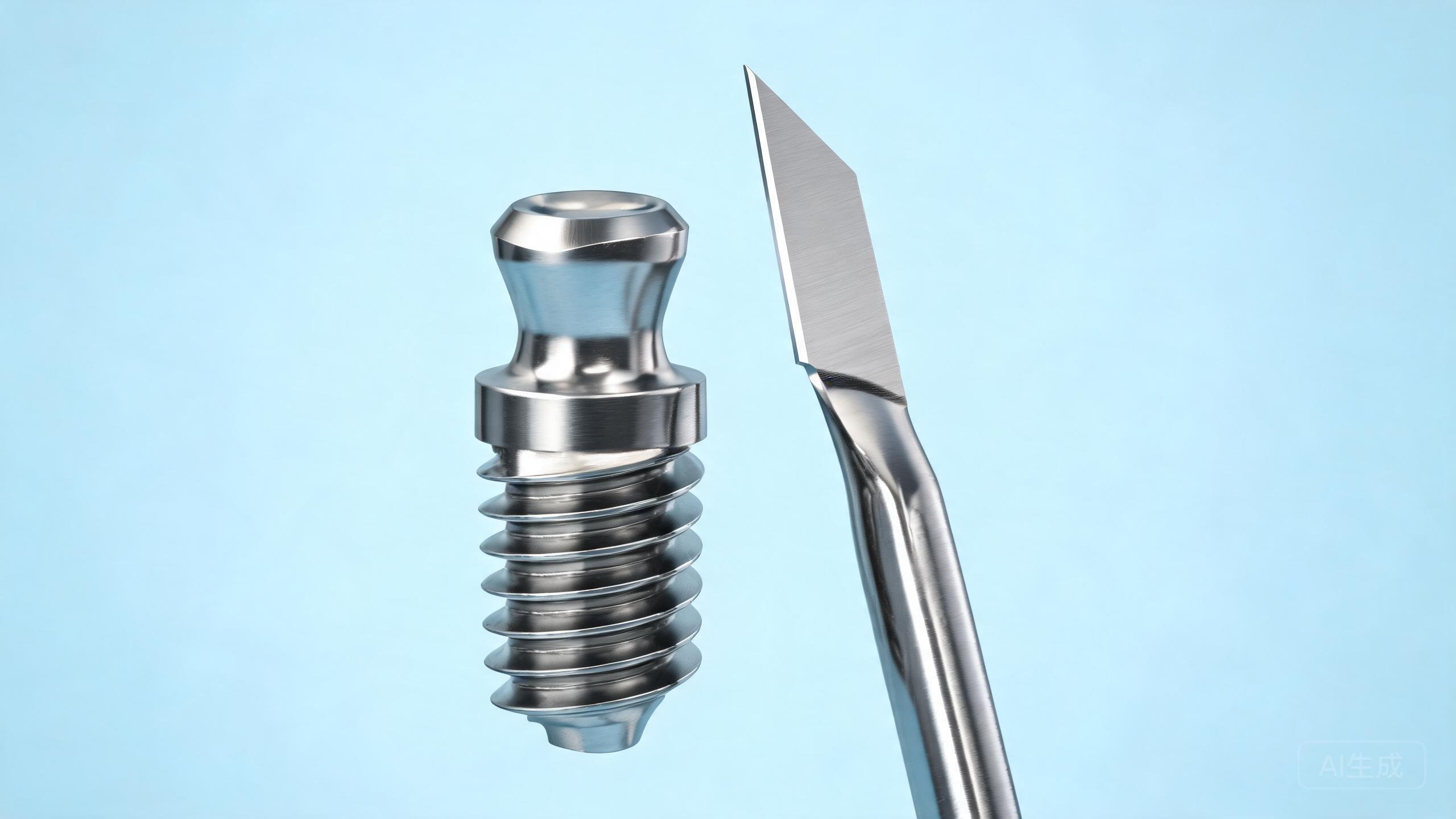
Leitfaden für medizinischen Edelstahl – 316LVM für Implantate (ASTM F138), 420 für chirurgische Instrumente, 430 für Pinzetten. ISO 7153-Normen.
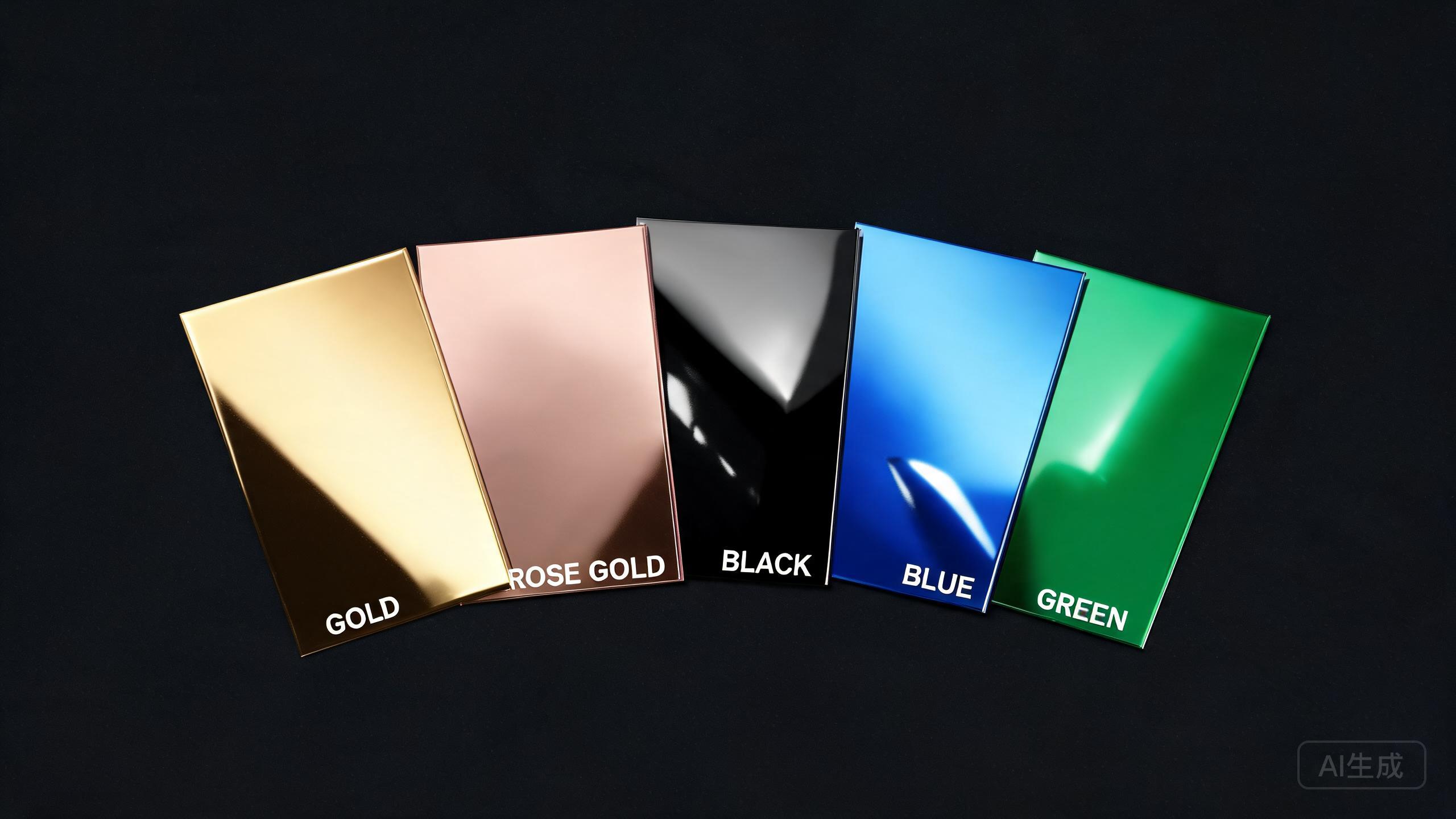
PVD-beschichteter farbiger Edelstahl – Gold, Schwarz, Roségold Schichtdicke, Beständigkeit, FDA-Konformität, Anforderungen an die Substratoberfläche.
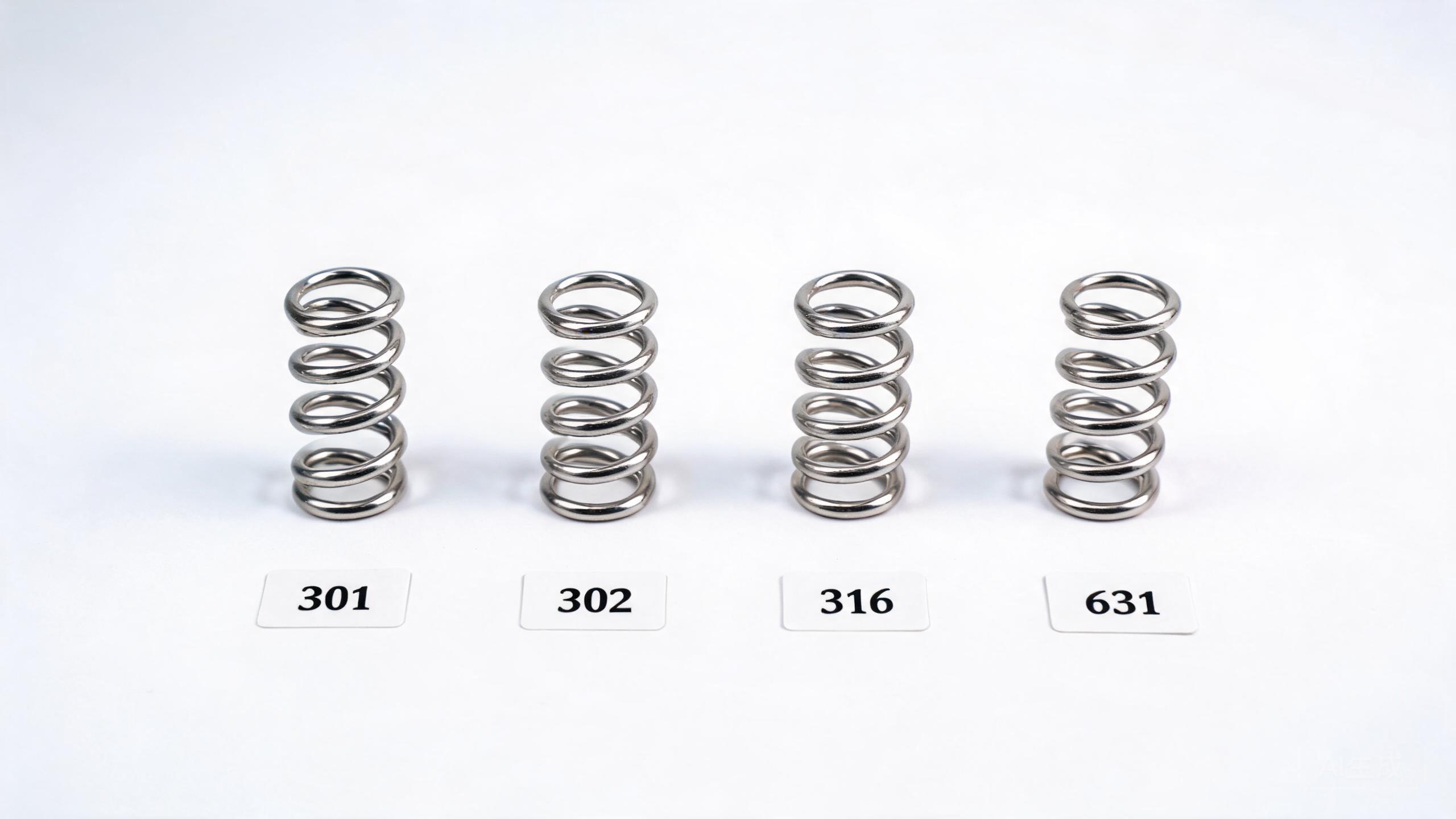
Anlassauswahl für Federn – 301 vollgehärtet, 302 dreiviertelgehärtet, 631 für Hochtemperaturfedern. Mindestbiegeradius, Ermüdungslebensdauer.
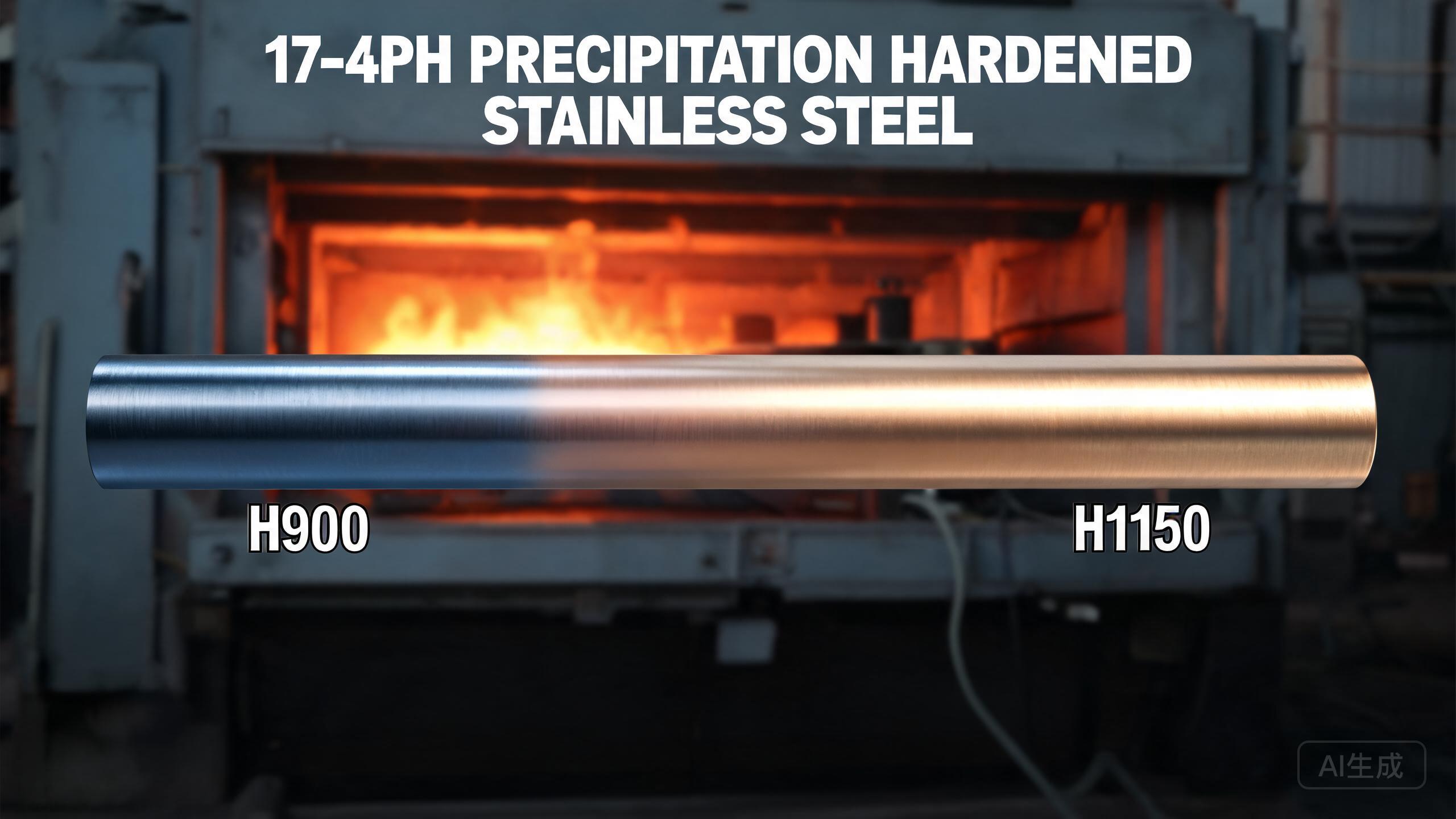
Vollständiger Leitfaden zum Anlassen von 17-4PH – H900, H1025, H1100, H1150. Härte HRC, Zugfestigkeit, Zähigkeitsabwägungen.
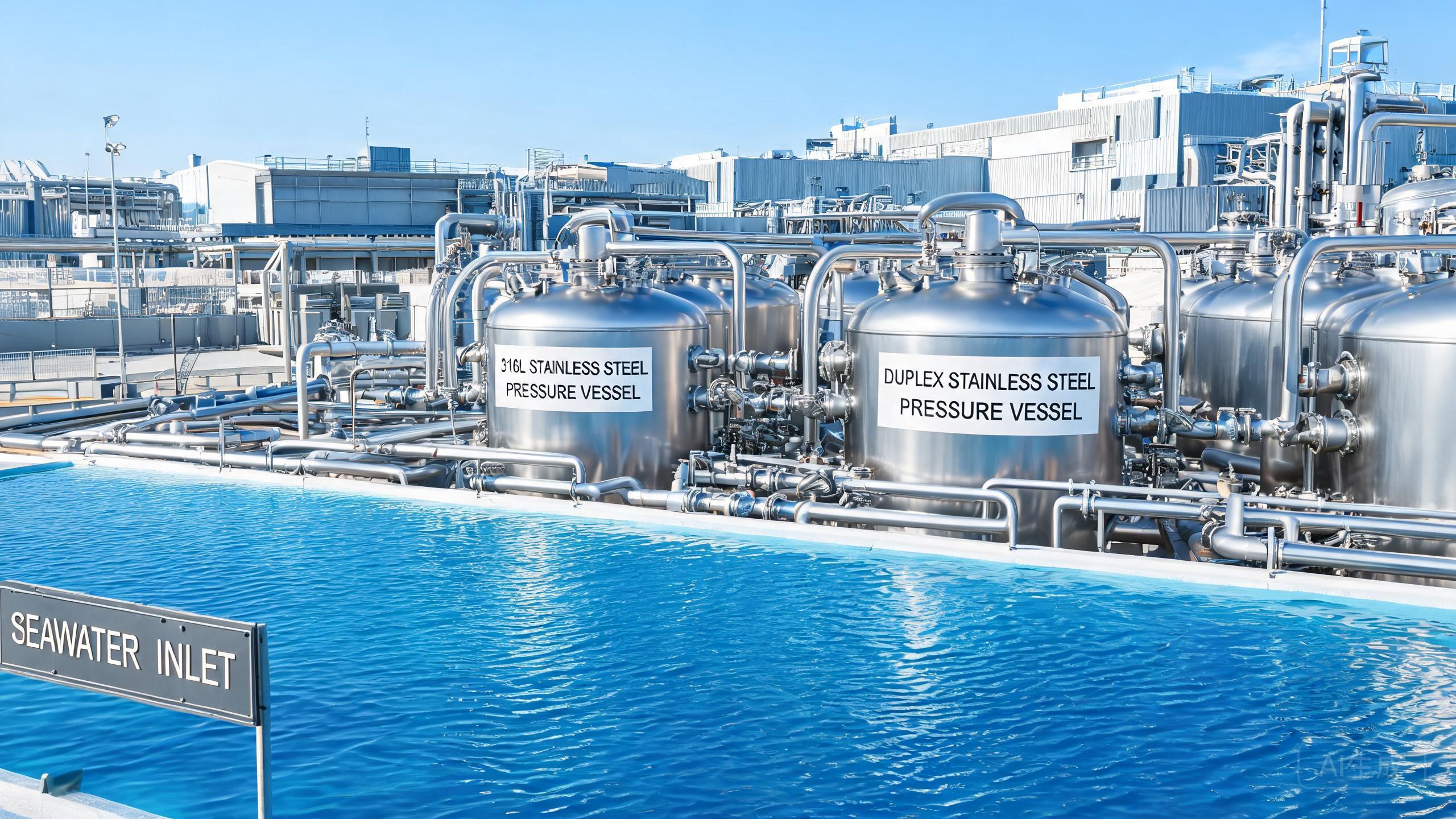
Gütenauswahl für RO-Entsalzungsanlagen – 2205-Druckbehälter, 2507-Wärmetauscher, 254 SMO für Sole.
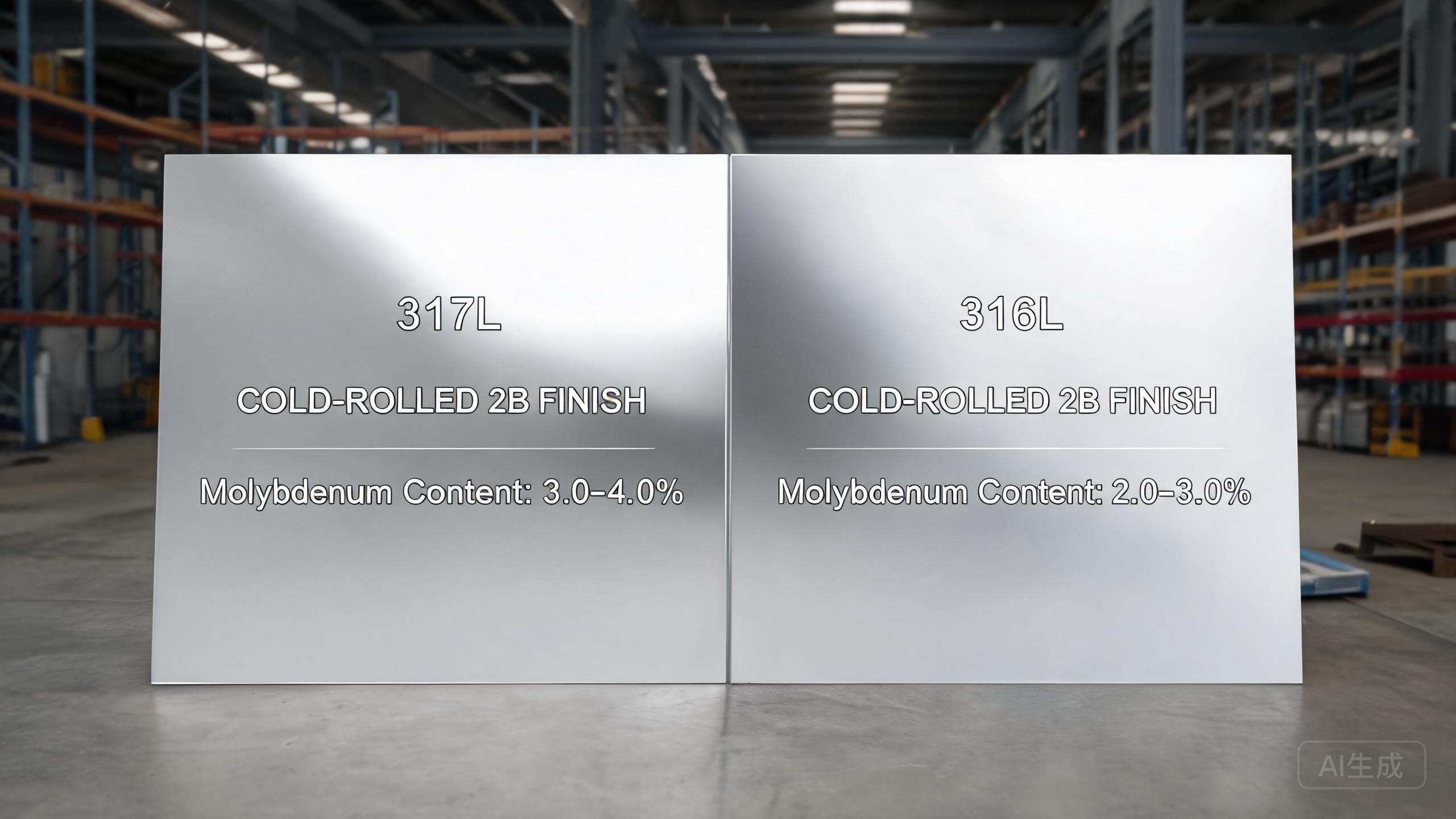
317L vs. 316L – Unterschied von 1 % zusätzlichem Molybdän in Phosphorsäure, heißer Essigsäure und Chloridprozessen. PREN und Preis.
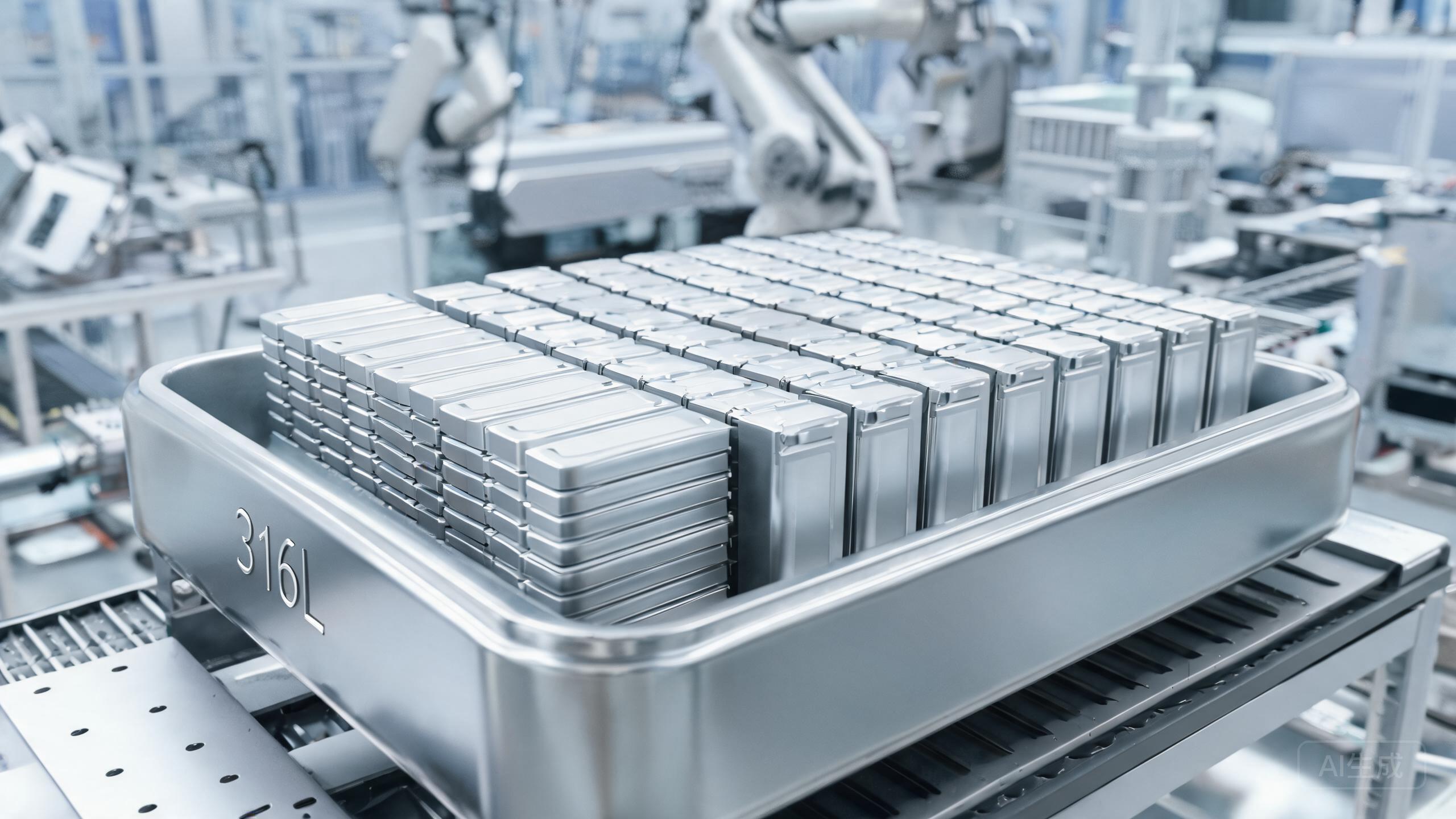
316L siegt für Festkörper-EV-Batteriegehäuse – Korrosionsbeständigkeit gegen Elektrolyte, Umformbarkeit, Laserversiegelung.
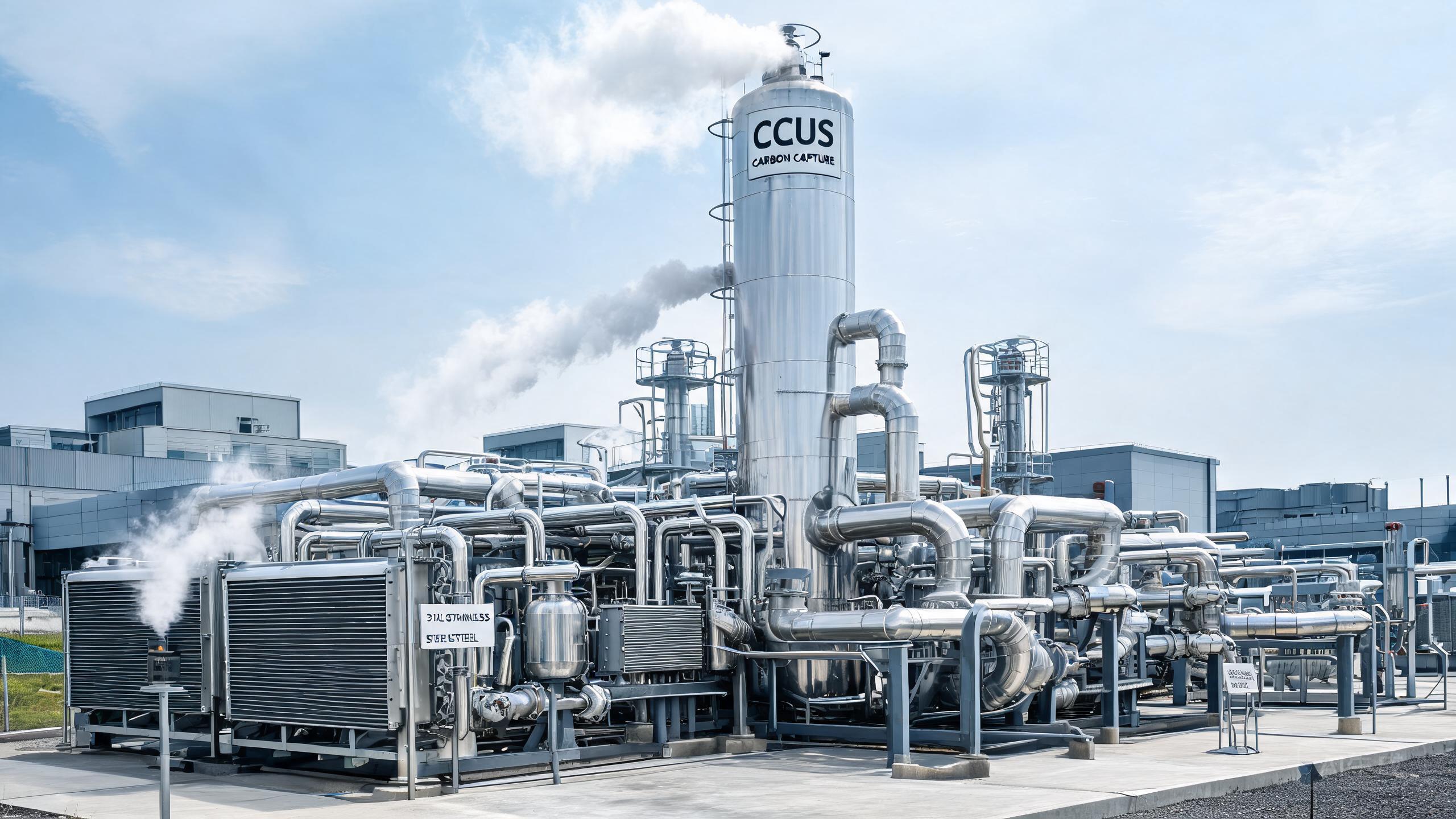
Auswahl der Edelstahlgüte für CCUS-Aminabsorber und Rohrleitungen – 904L, 254 SMO, 2205 Korrosionsbeständigkeit.
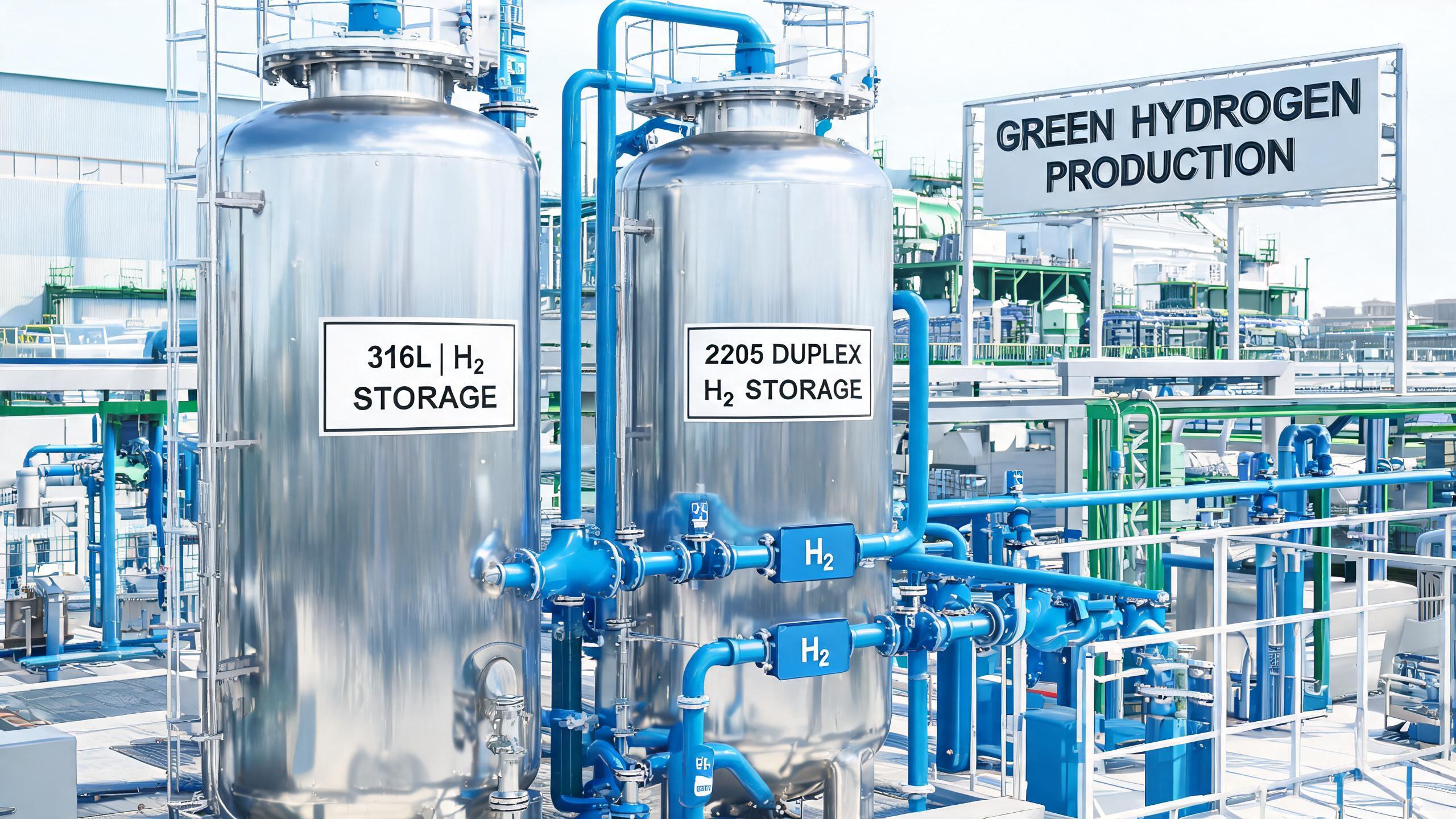
Welcher Edelstahl ist für Wasserstoffspeichertanks sicher? 316L vs. 2205, Versprödungsrisiko, ASME BPVC-Codes.
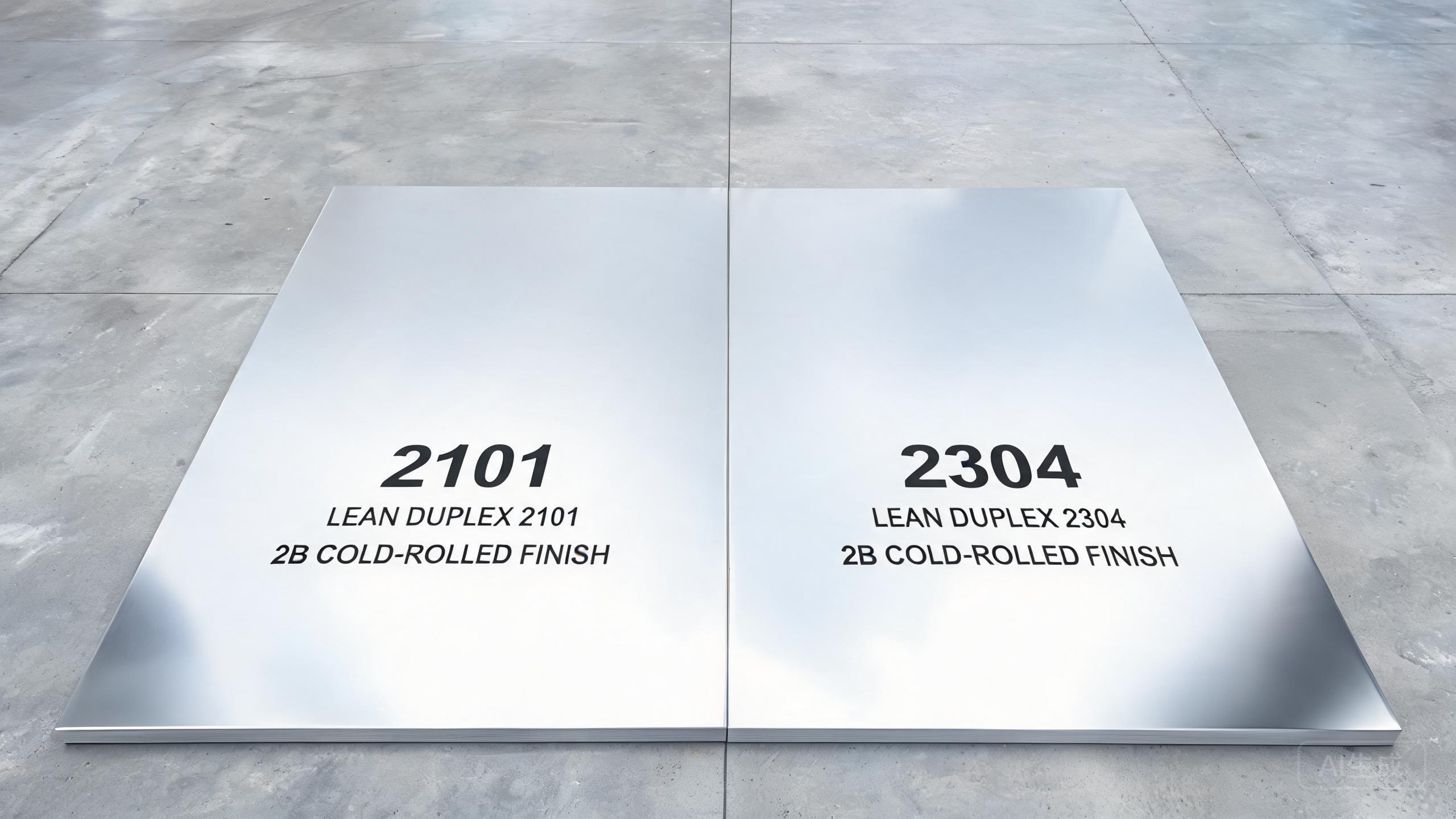
Vergleich von Lean-Duplex-Edelstahl 2101 vs. 2304 – Chemie, PREN, Festigkeit, Korrosion – welche Wahl für tragende Infrastruktur.
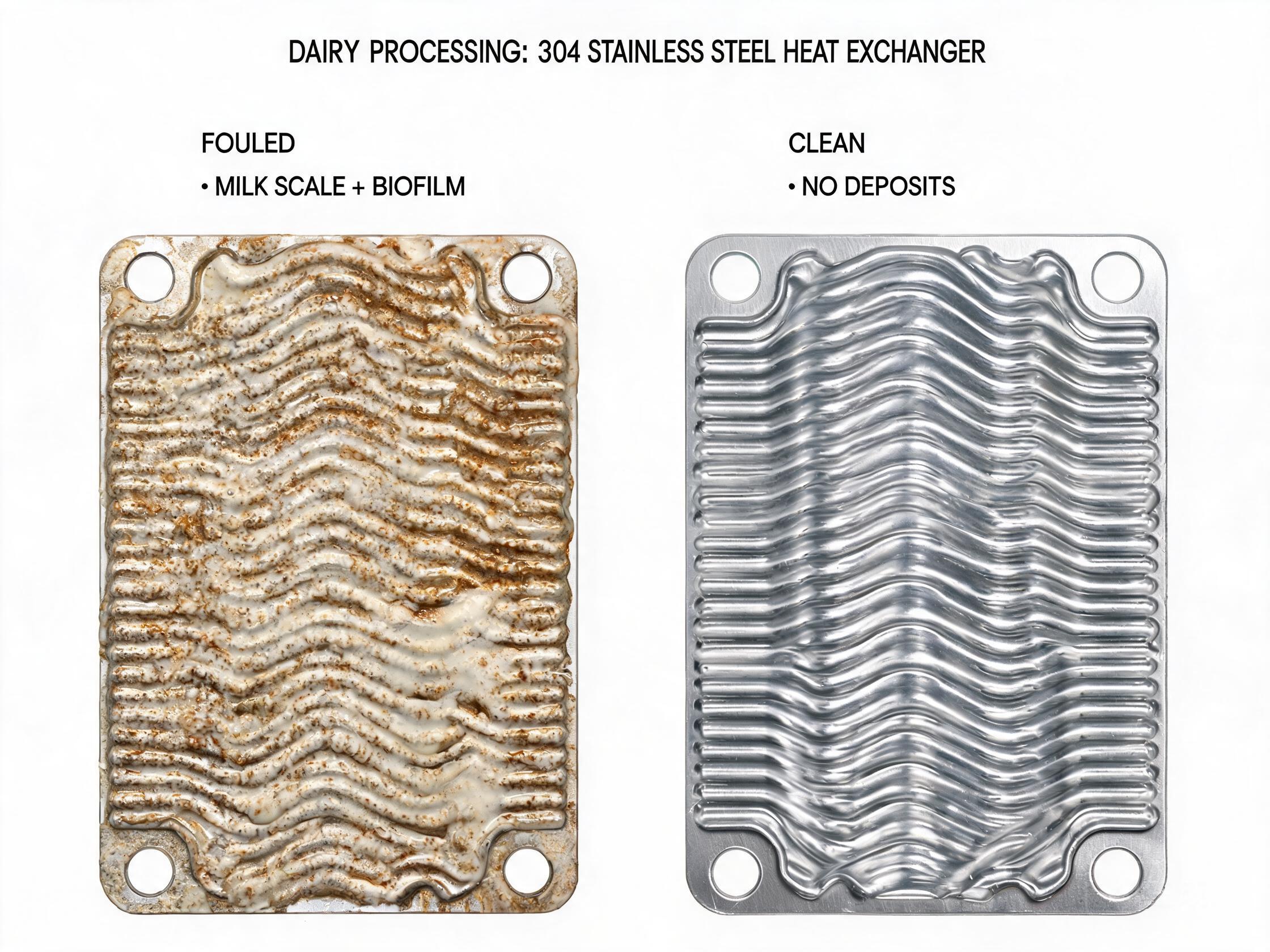
Cold rolled stainless steel heat exchangers foul in milk and food pasteurization when you pick the wrong grade, wrong surface or wrong plate gap. Compare 304 vs 316, get the fouling factor right, and specify the sheet that cuts CIP frequency by 30%.
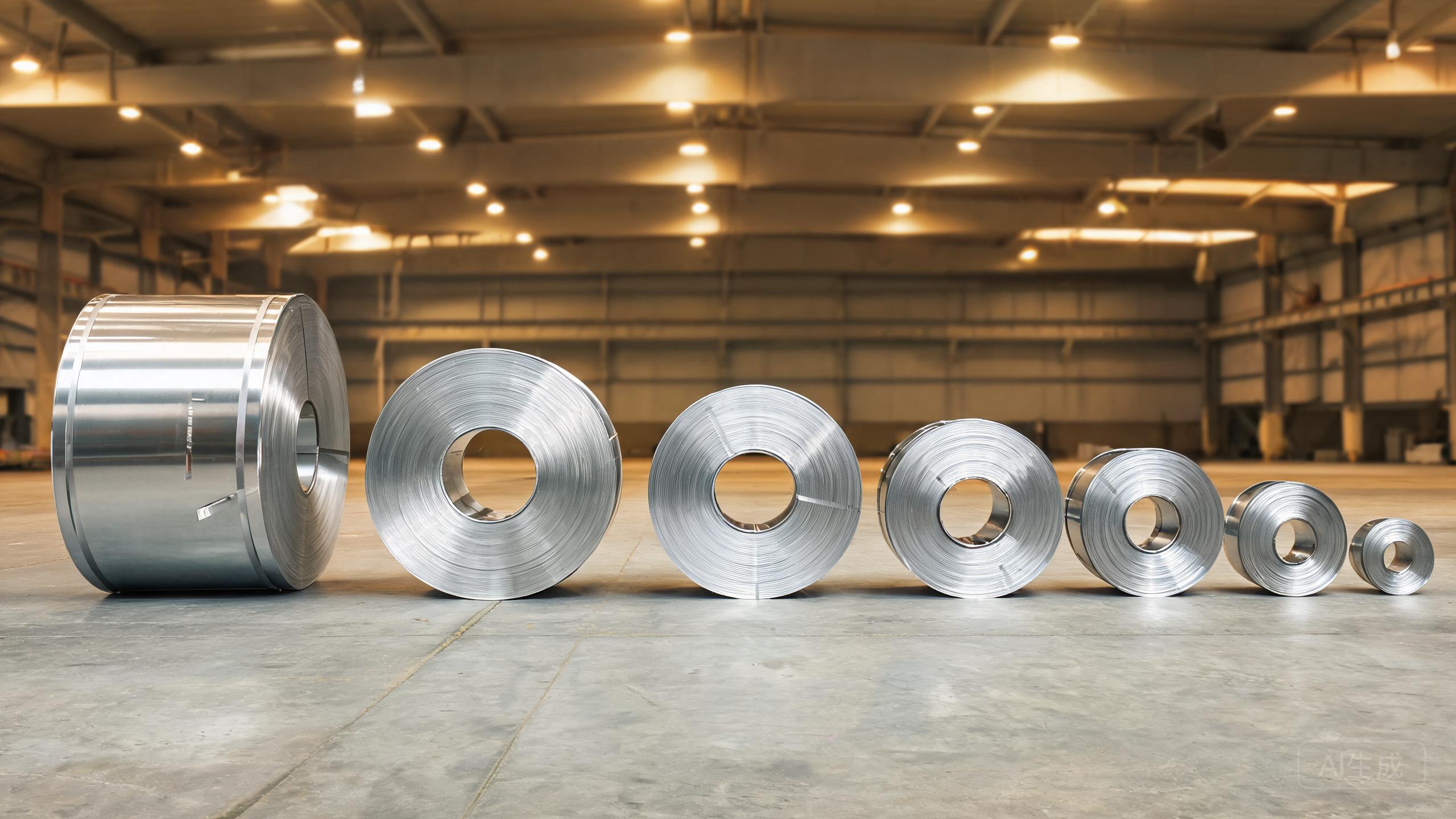
Ultradünnes 304-Band unter 0,2 mm kostet 50–400 % mehr als Standardblech – sechs Kostenfaktoren, die Einkäufer kennen müssen.
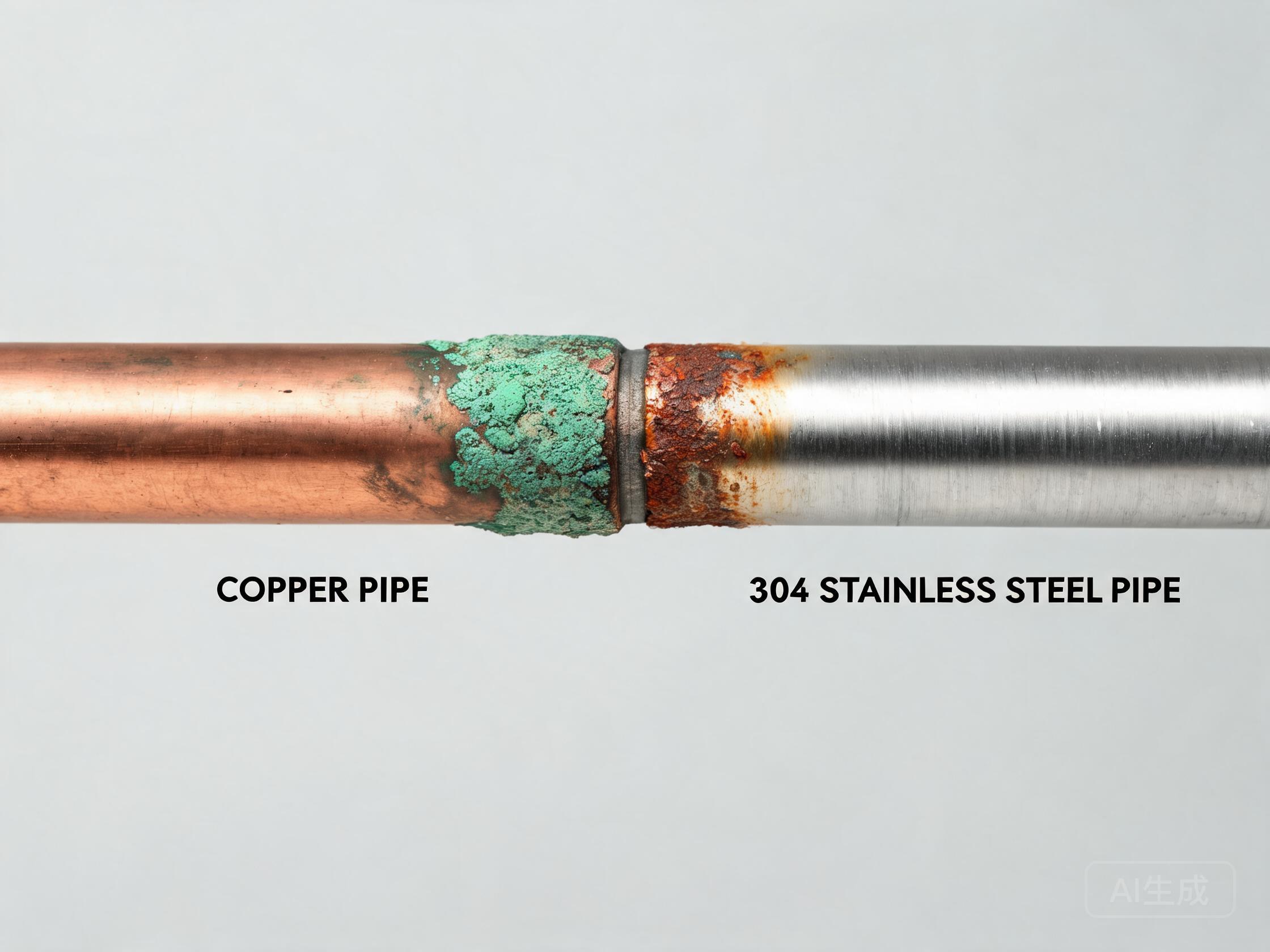
Galvanic corrosion when copper pipes connect to 304 or 316 stainless steel. Why the area ratio matters, what inhibitors work, and how to design joints that survive.
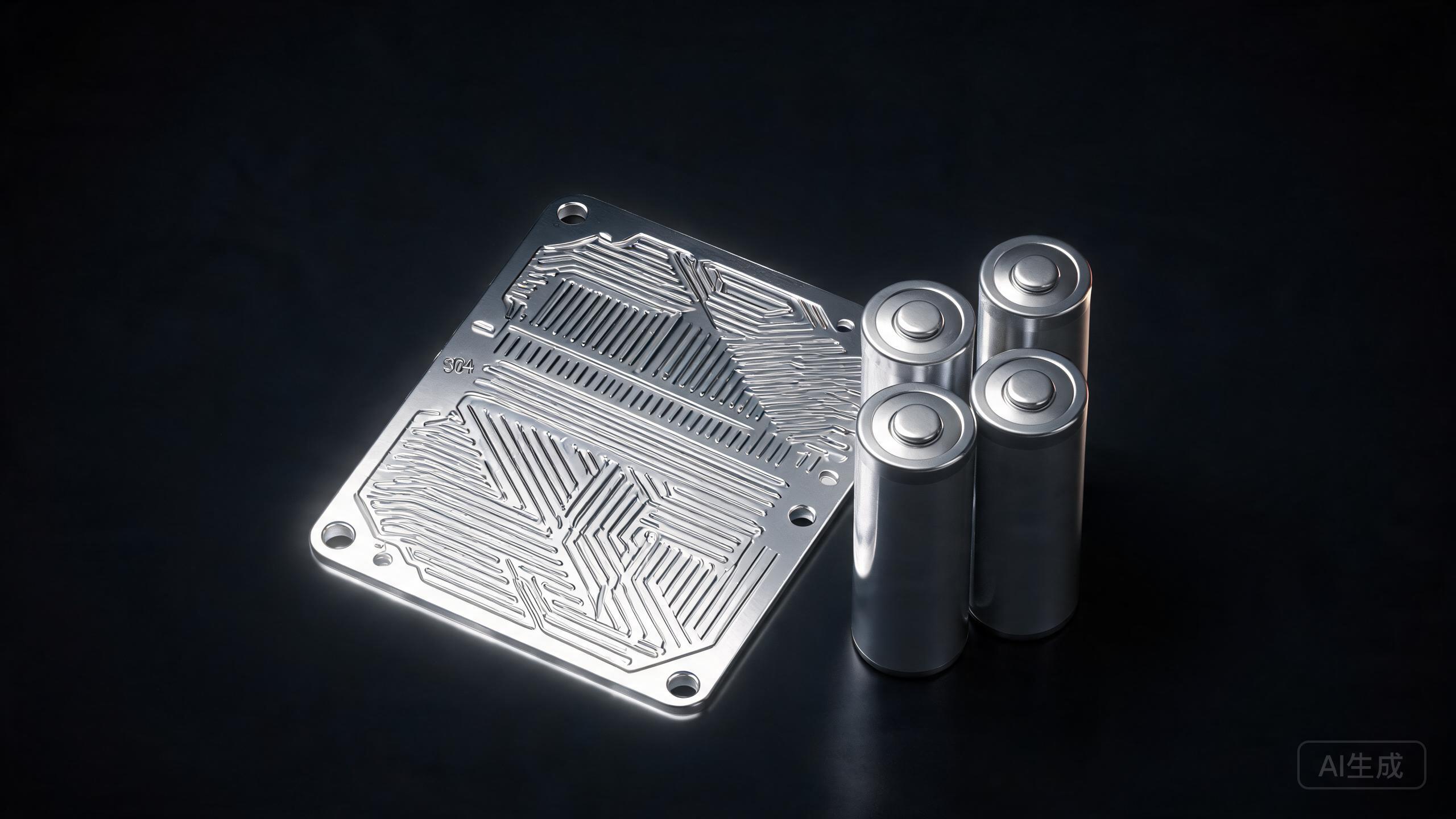
Vernickeltes 304-Band mit 0,1–0,2 mm ist der Standard für Batterielaschen und Bipolarplatten für Brennstoffzellen – wie zu spezifizieren ist.
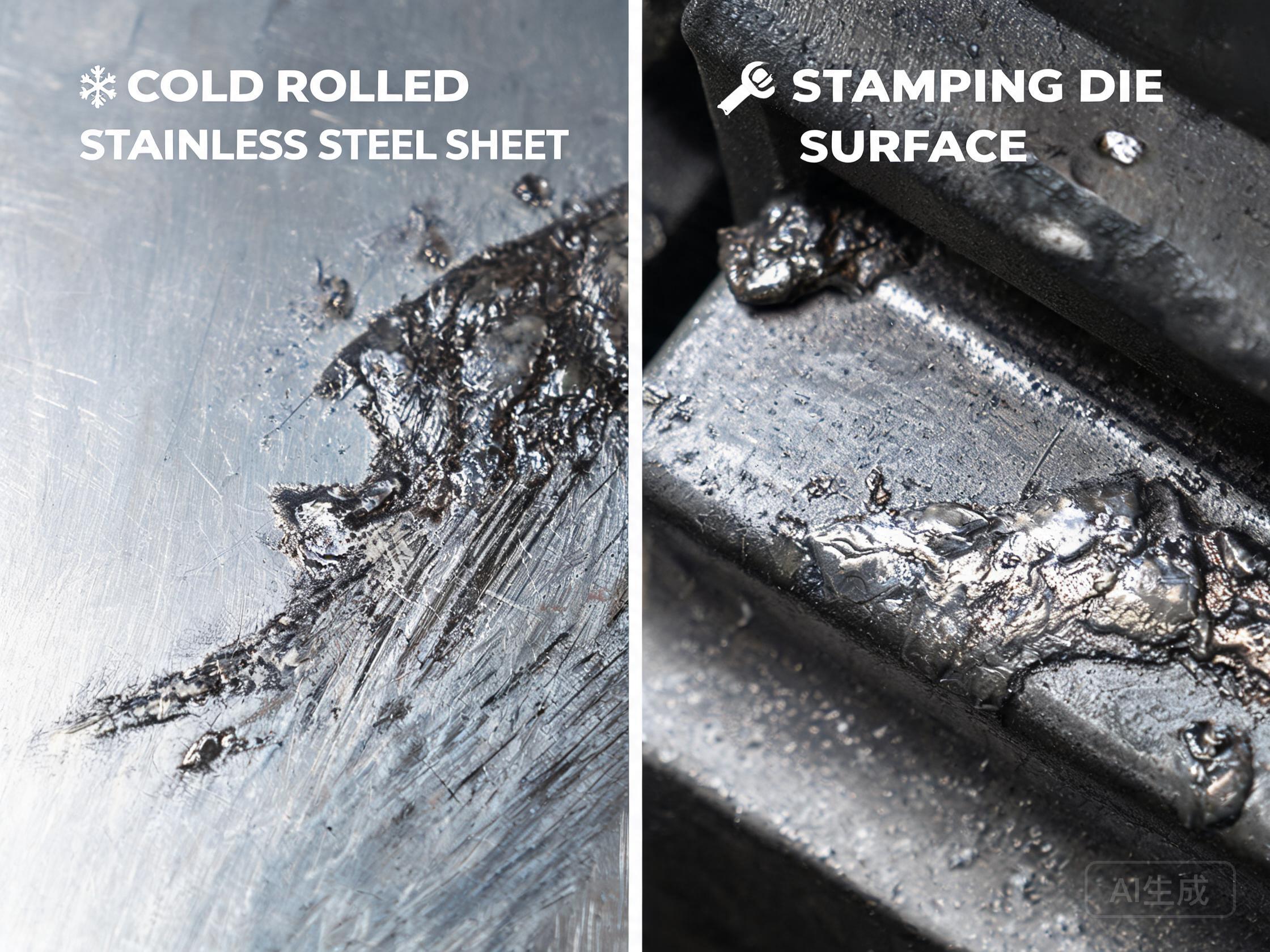
Why 304 galling clogs your die, how 430 compares, and what die steel and lubrication will actually stop it during stamping and bending.
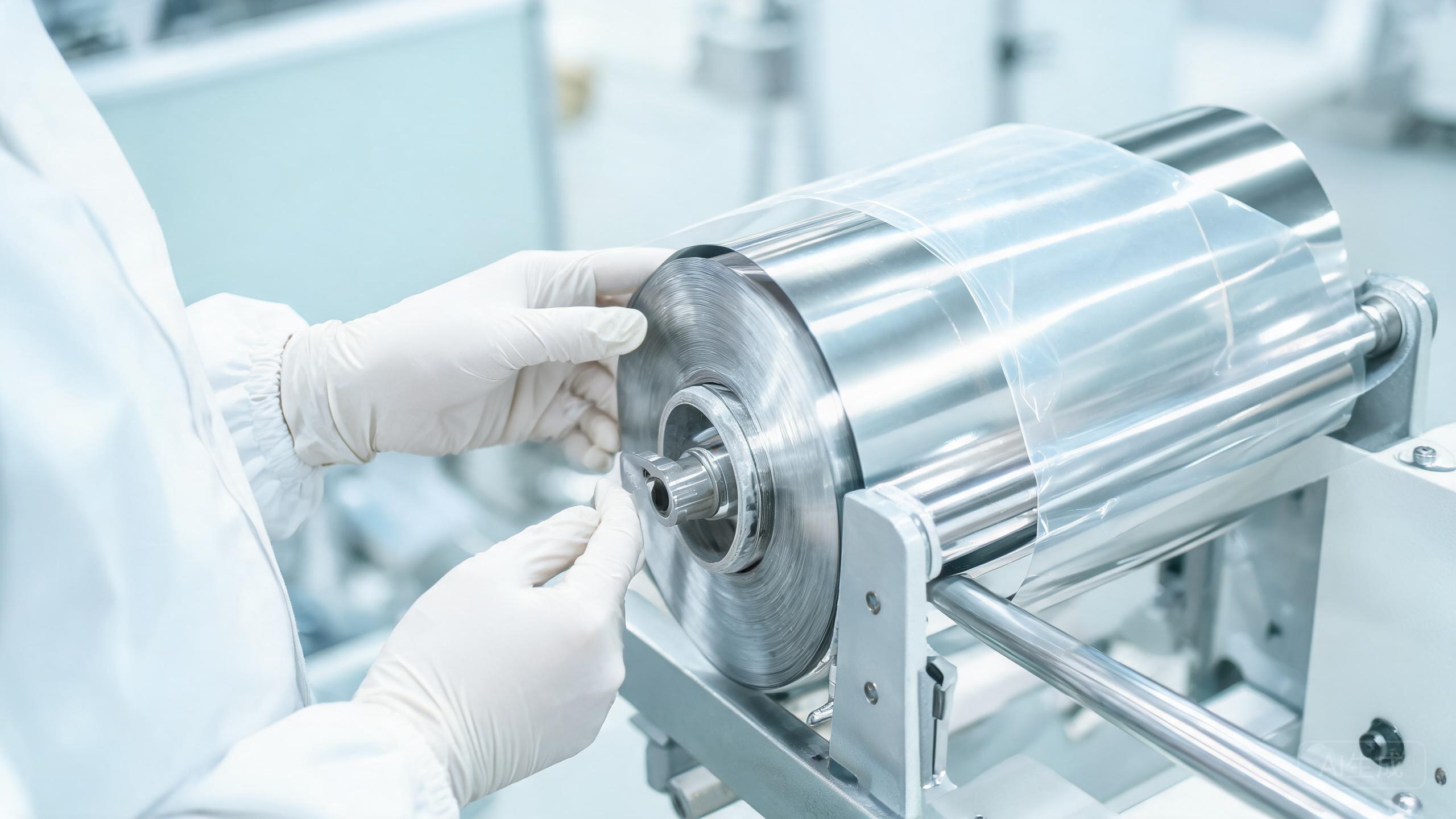
Ultradünne Edelstahlfolie unter 0,2 mm wellt sich, knittert und reißt – wie die Ausbeute vom Abrollen bis zum Bauteil geschützt wird.
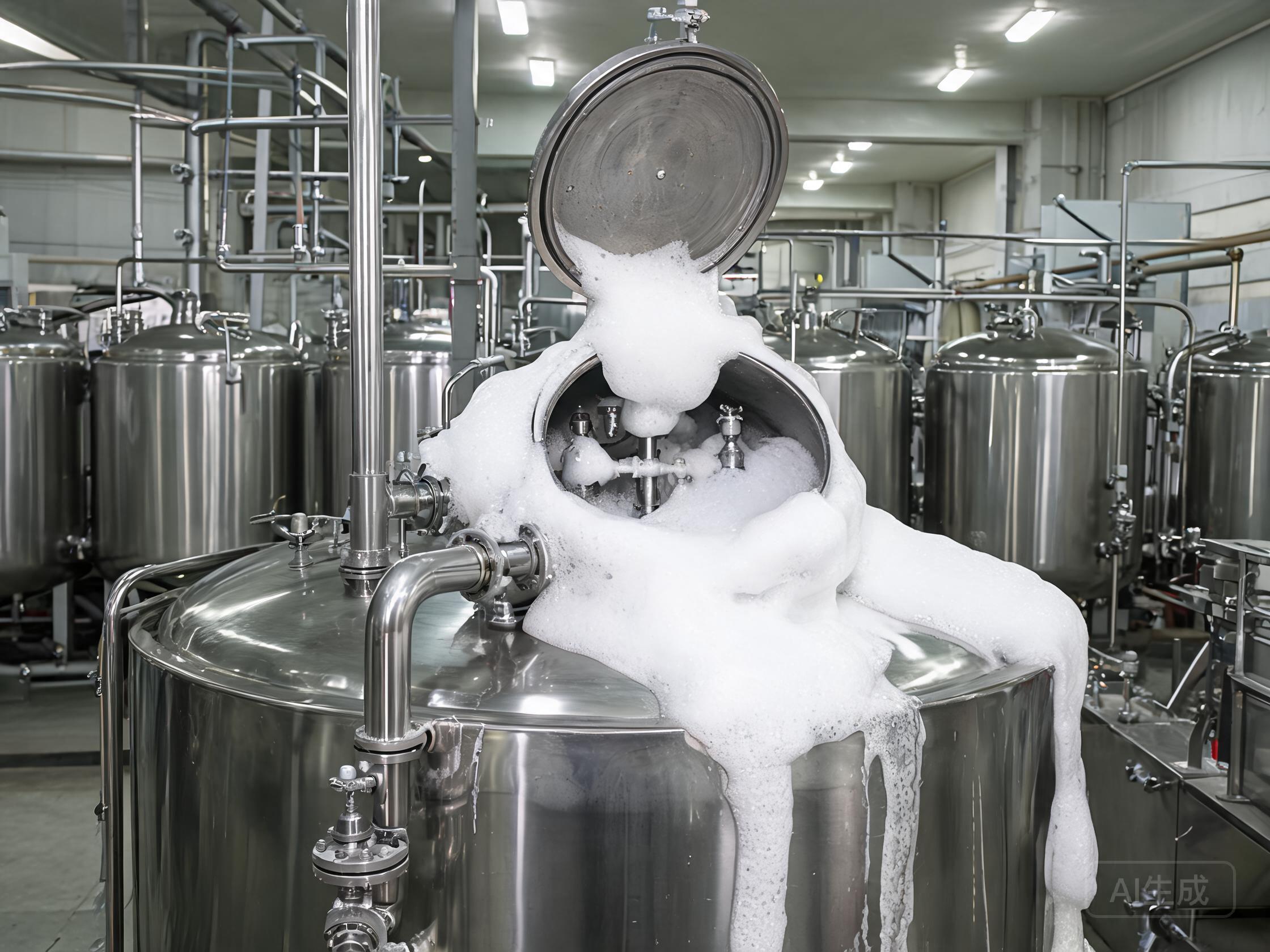
Clean-in-Place (CIP) foaming, caustic 2% NaOH corrosion, 304 vs 316 cold rolled stainless steel and ASTM A240 food contact — solve CIP foam residue and pitting by matching the grade to your cleaning agent and the surface finish to the drain.
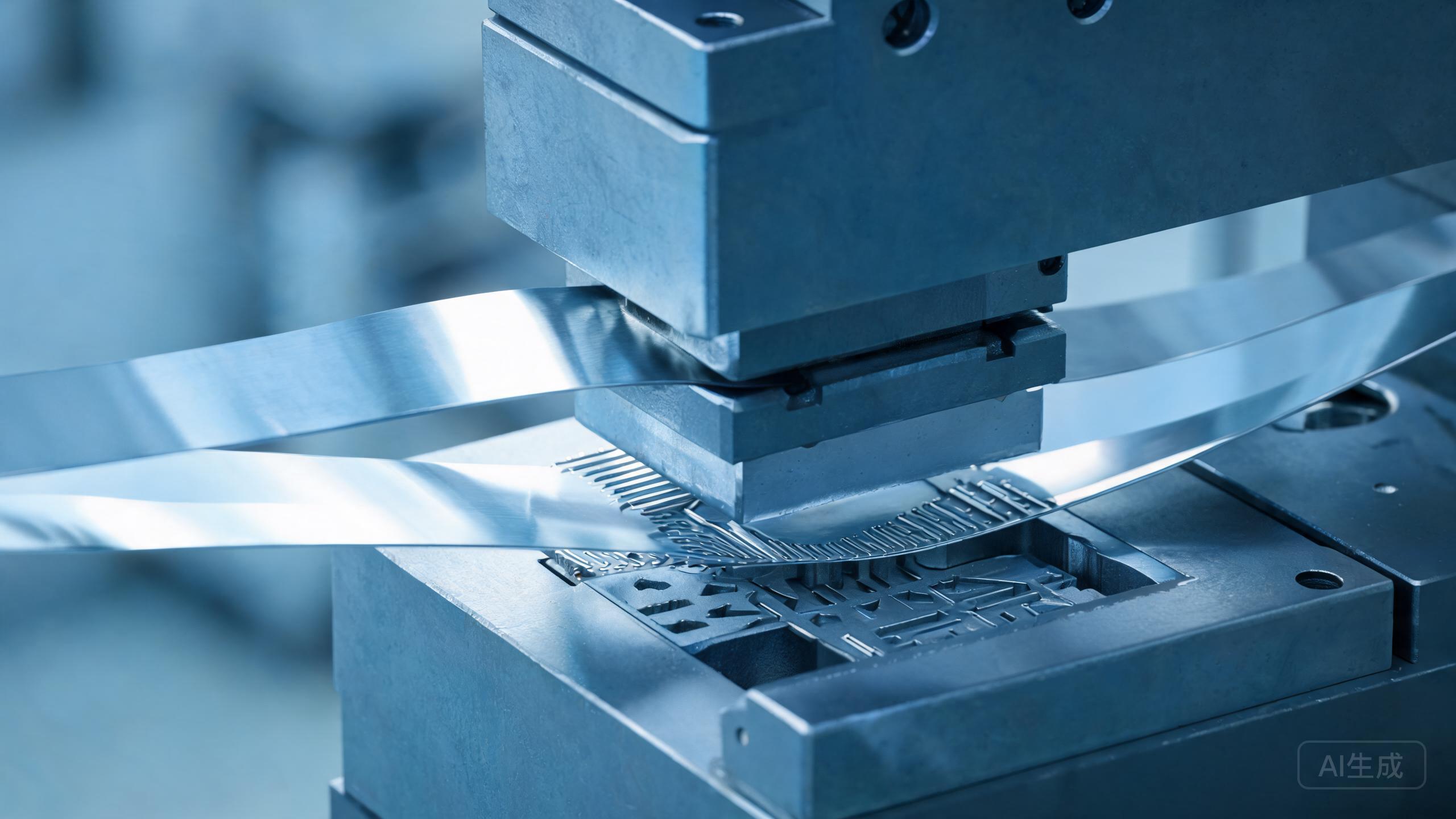
Ultradünner Edelstahl unter 0,2 mm wirft beim Stanzen Falten, reißt und federt zurück – wie alle drei Fehlerbilder verhindert werden.
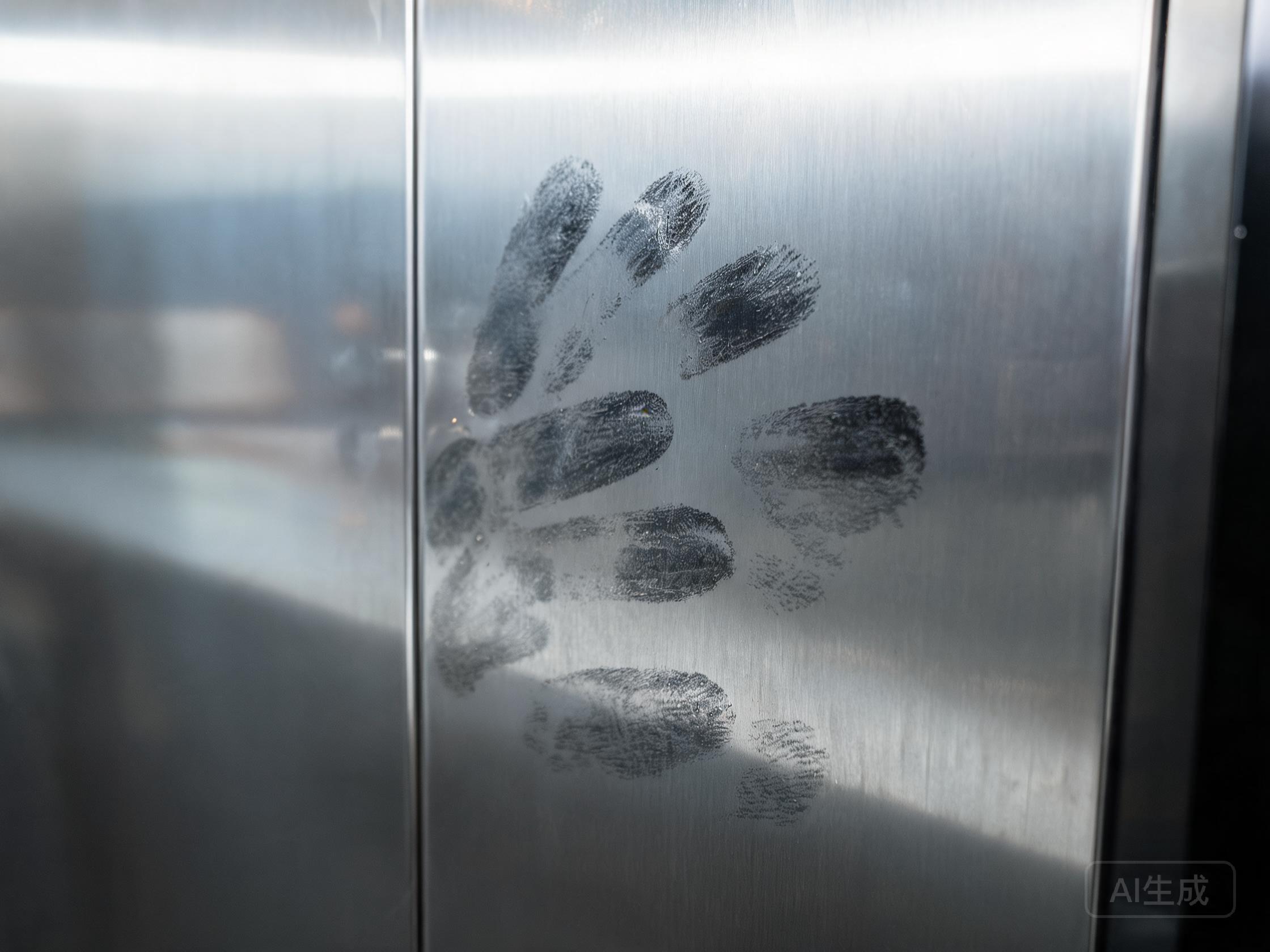
Fingerabdruckflecken ruinieren 304/316 Aufzugs- und Architekturpaneele. Vergleichen Sie 2B mit BA, Anti-Fingerabdruck-Beschichtungsoptionen und Reinigungsmethoden, die tatsächlich funktionieren.
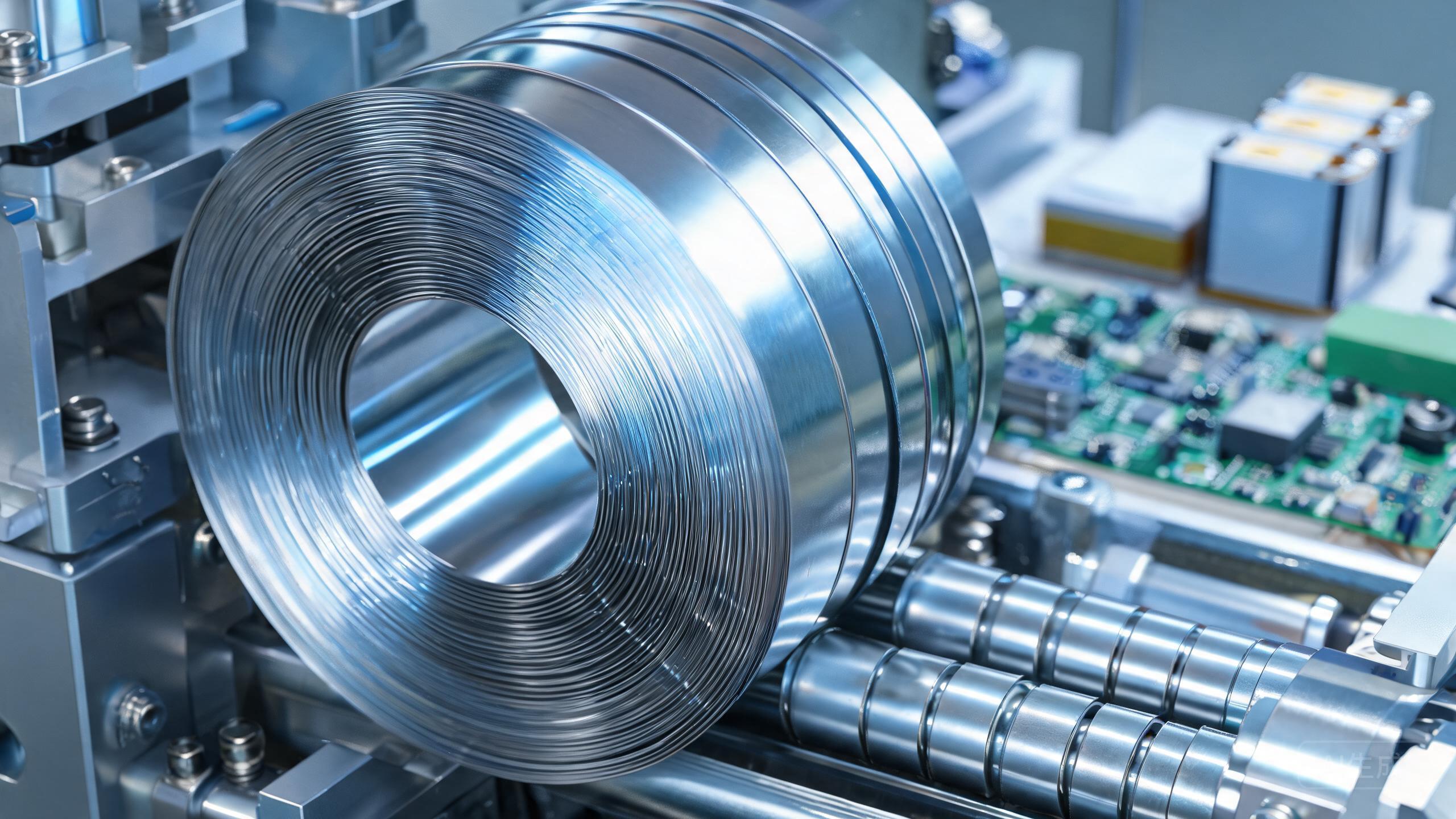
Ultradünnes 304-Band unter 0,2 mm versorgt EMV-Abschirmungen, Batterielaschen und Bipolarplatten – was Einkäufer spezifizieren müssen.
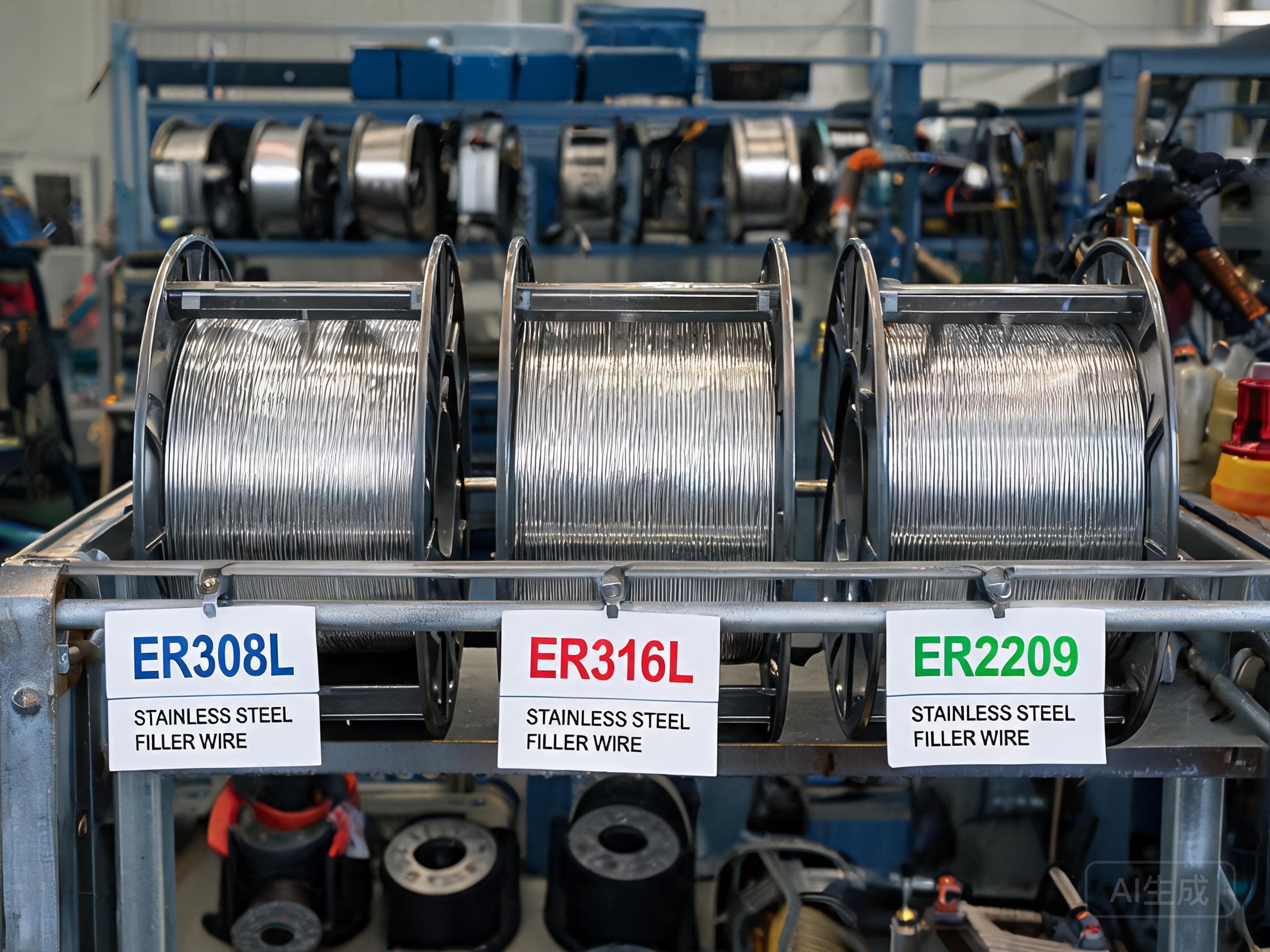
Filler metal selection for stainless steel — ER308L for 304, ER316L for 316, ER2209 for duplex, how PREN must match base metal, and the China factory low-Ni filler trick to avoid.

Entscheidung zwischen 2B- und BA-Edelstahloberflächen für kaltgewalztes Band und Blech bis 2 mm: Optik, Ra-/Reflexionsverhalten, Umformung und Preisunterschiede für Kochgeschirr, Küchengeräte, Hausgeräte und Stanzteile.
Wählen Sie zwischen Ablängen (开平), Schlitzen (纵剪) und Coil in voller Breite für kaltgewalztes Edelstahlblech und -band bis zu 2 mm: Welche Verarbeitungsroute passt zu Ihrer Linie, Ausbeute und Toleranzanforderungen?
Ein Käuferleitfaden zu Ebenheit und Verzug von dünnen kaltgewalzten Edelstahlblechen und -bändern: Was Ebenheit bedeutet, wie man sie misst, Verzug und Spulensatz und was Sie vor der Bestellung überprüfen sollten.
Beschaffung von kaltgewalzten Edelstahlblechen, Spaltbändern und Coils für den VAE- und Golf-Markt aus China: Qualitäten für Architektur, Abmessungen, Zertifikate, Verpackung und Lieferfaktoren, Überprüfung durch Importeure und Hersteller.
Wie Blechdicke, Dickentoleranz und Oberfläche (2B/BA) von kaltgewalztem Edelstahlband und -blech bis 2 mm Preis, Gewicht, Rückfederung und Umformerfolg beeinflussen.
Typische Dickenoleranzen für kaltgewalztes Edelstahl-Feinblech und -Band von 0,2 bis 2 mm, wie Toleranzen gemessen werden und wie sie Umformung, Gewicht und Preis beeinflussen.
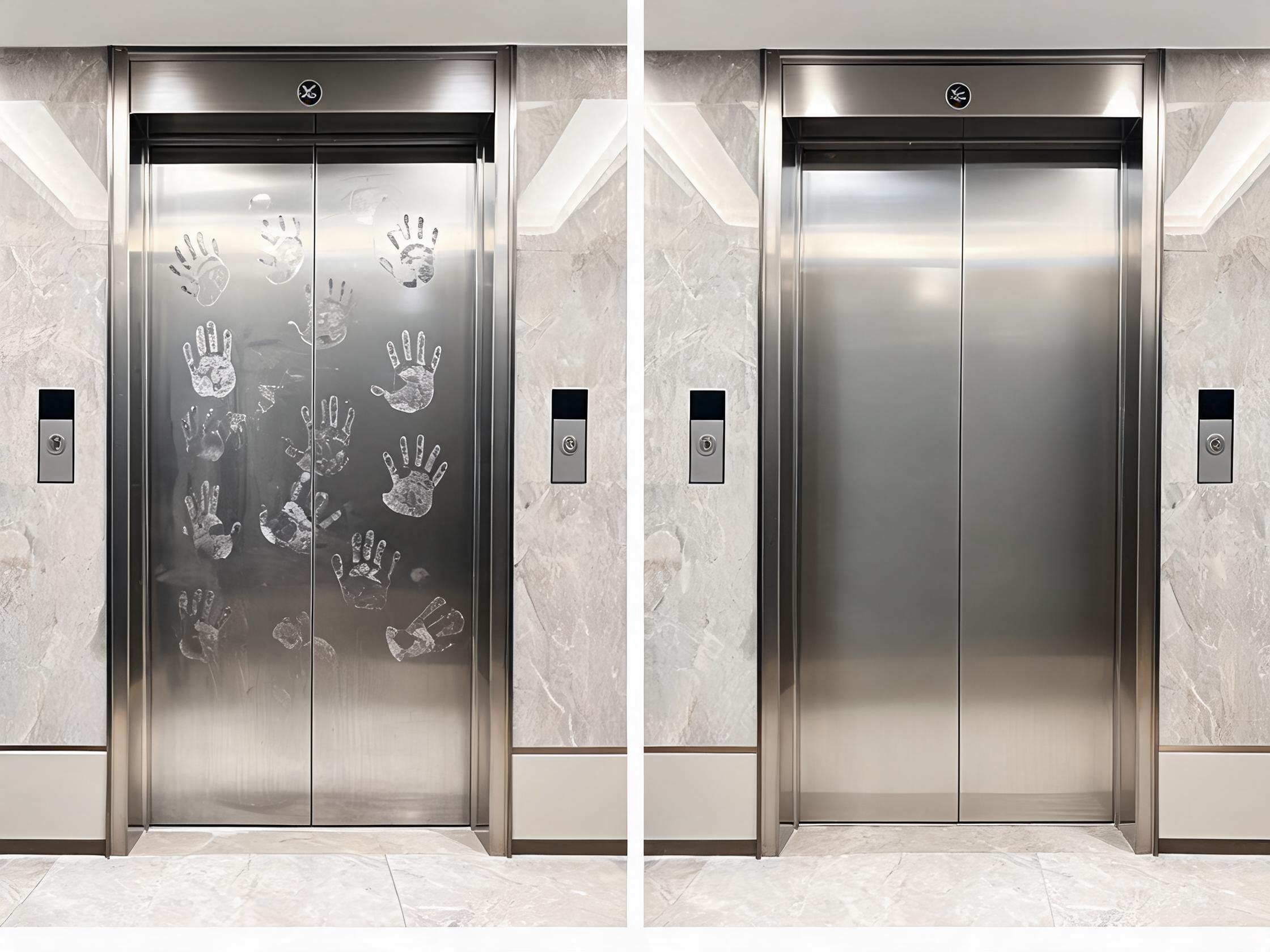
Cold rolled 304 stainless steel elevator panels show fingerprints within 30 minutes of cleaning. Compare PVD anti-fingerprint coating, SiO2 and TiO2 treatments, specify the right 8K mirror finish, and get a cleaning schedule that keeps panels spotless for 7 days instead of 1.
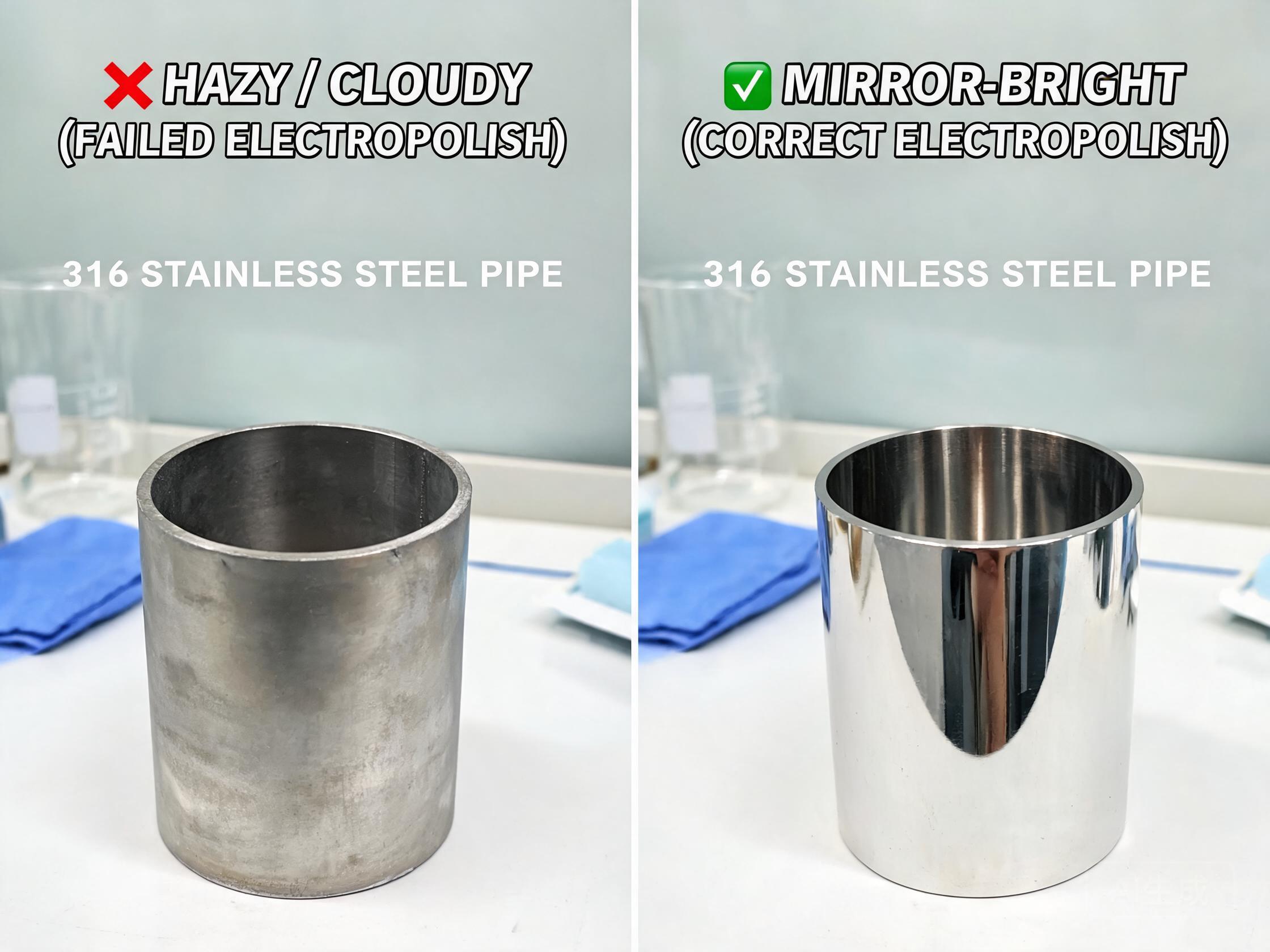
Haze after electropolishing makes 316 medical and pharmaceutical parts look cloudy. Learn why current density, electrolyte concentration and post-rinse contamination create it.
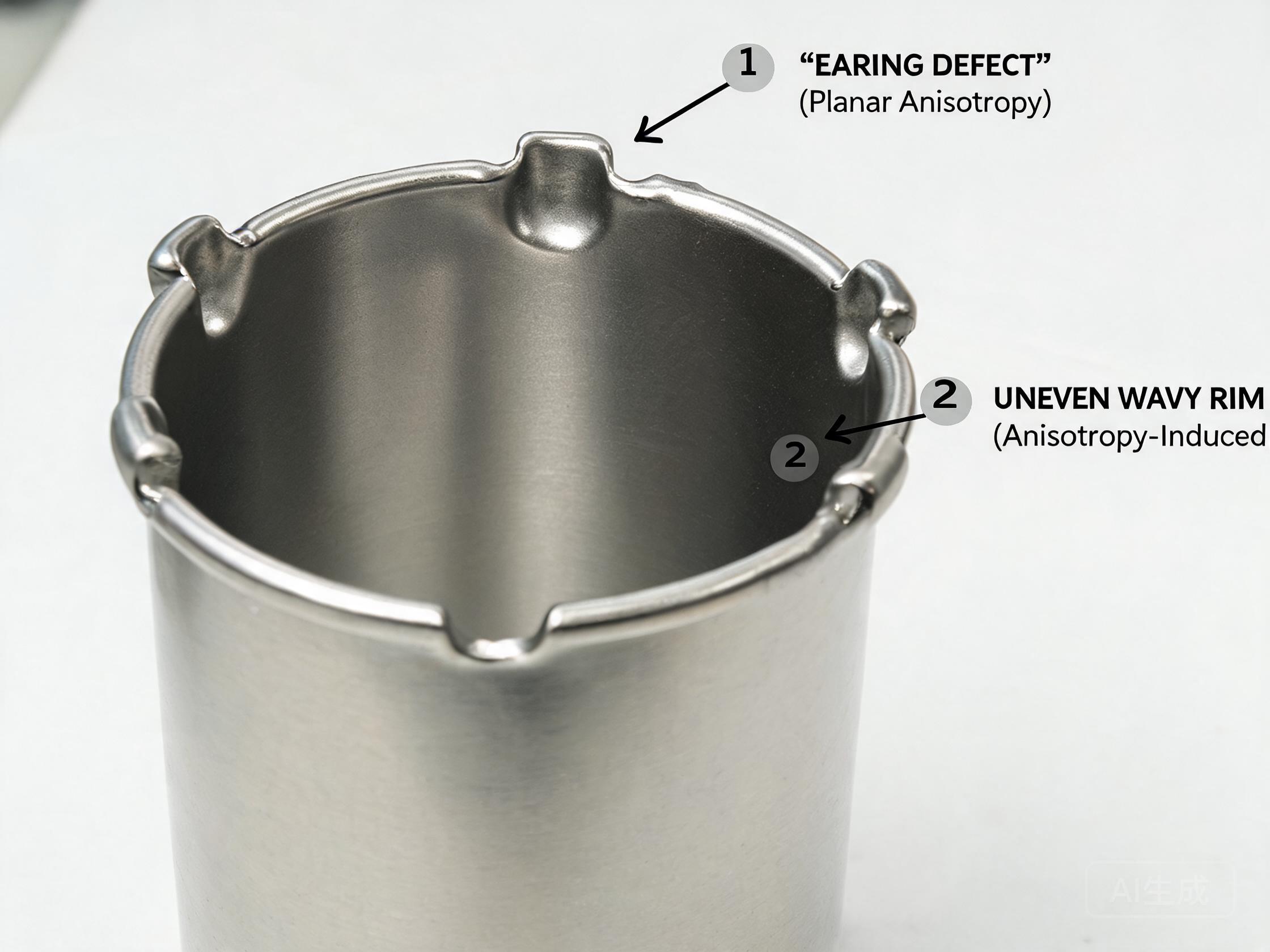
Why 304 deep drawn cups develop ears at 0°, 45° and 90° to rolling direction. Planar anisotropy Δr explained, annealing temperature to minimize it, and why coil always beats sheet.
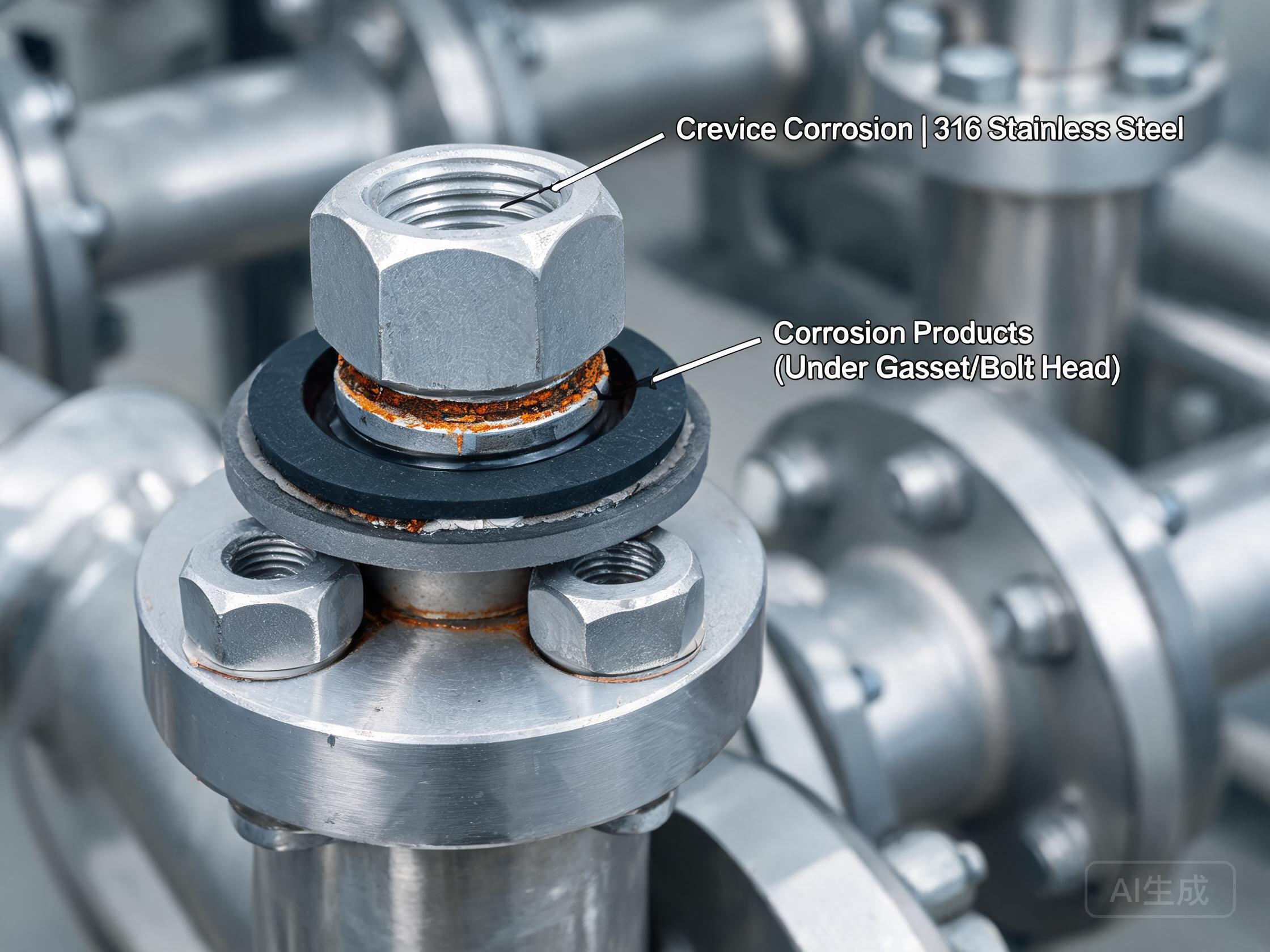
Crevice corrosion at bolted and gasketed joints on cold rolled stainless steel. Why gaps under 0.5mm kill your equipment, and which gasket material actually works.
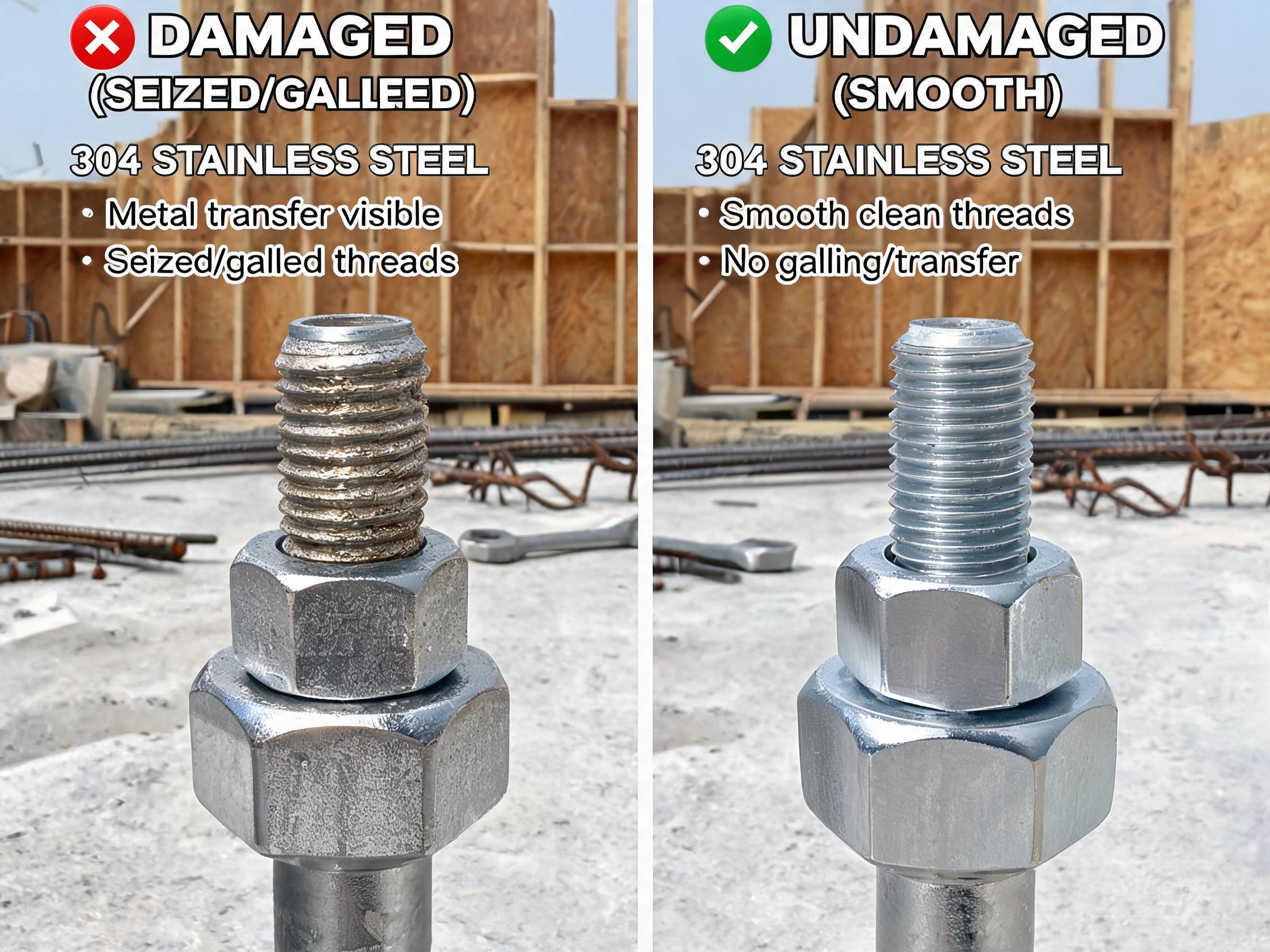
Cold rolled stainless steel construction fasteners seize and gall when both bolt and nut are austenitic. Compare 304 vs 316 galling rates, switch to 410 martensitic, use anti-seize compound, and get the thread pitch right before your high-rise bolt locks up mid-torque.
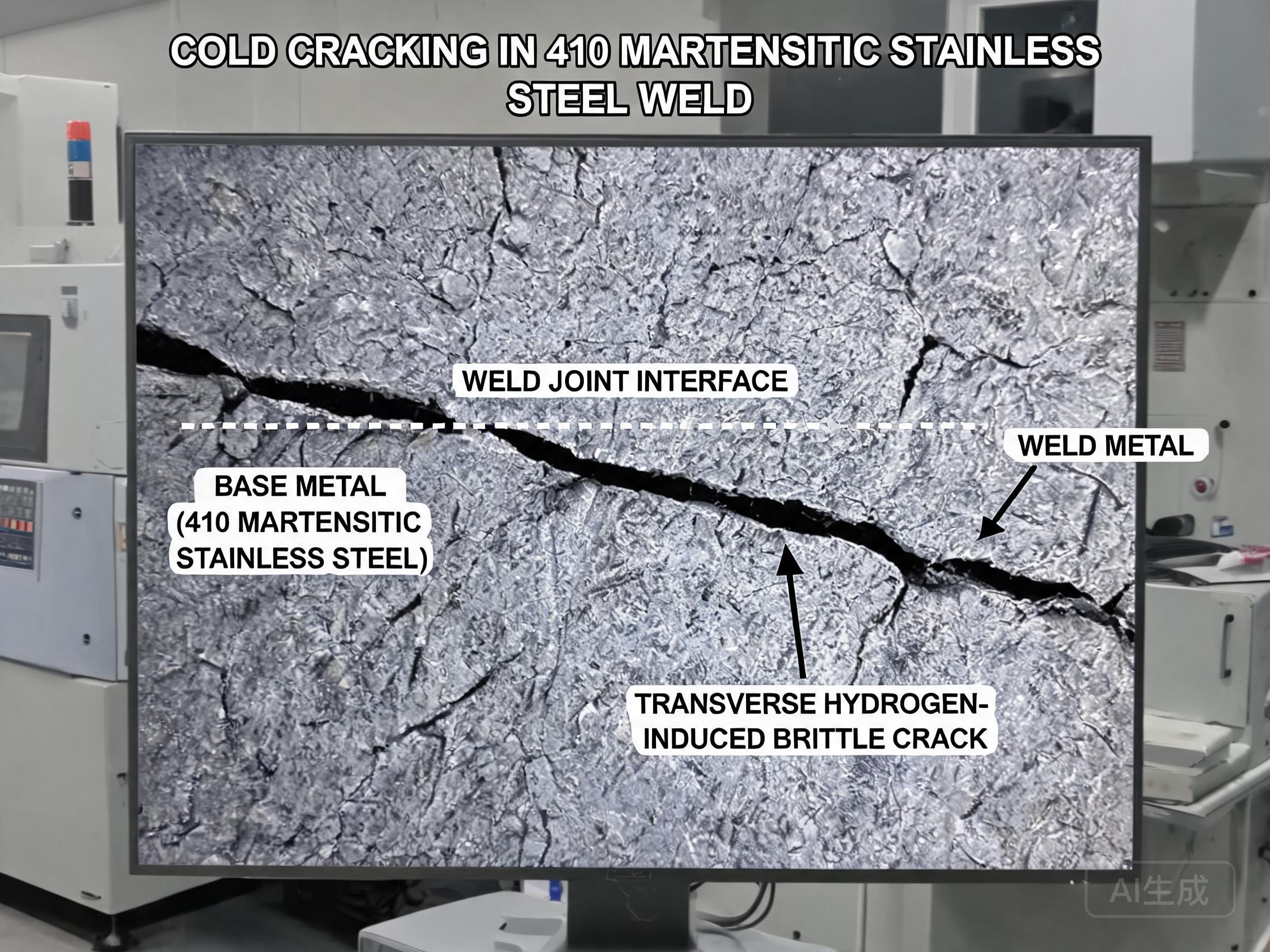
Cold cracking in 410 and 420 welds — why hydrogen, hard martensite and restraint combine to crack, and how preheat and post-weld temper stop it.
Wird Aluminium Edelstahl ersetzen? Nein. Steifigkeit, Härte, Lebensmittelsicherheit, Schmelzenergie, Anodisierfehler und Vorräte sprechen für Edelstahl.
Kaltgewalztes Edelstahlblech und Band bis 2mm beschaffen: Flachbleche und Schmalband, Toleranzen, Kanten und RFQ-Formulierung für einen zuverlässigen Lieferanten.
Gängige Größen kaltgewalzter Edelstahlbleche, standardmäßige, auf Länge zugeschnittene Breiten und Längen sowie die Bemaßung einer Bestellung für flache Bleche und Zuschnitte.
Eine QC-Checkliste für den Wareneingang für kaltgewalztes Edelstahlblech und -band: Dicke, Breite, Ebenheit, Grat, Kante, Folie und Zertifikatsprüfungen, um fehlerhafte Chargen frühzeitig auszuschließen.
Beschaffung von kaltgewalzten Edelstahlblechen, -bändern und -spulen aus China für den vietnamesischen Markt: Qualitäten, Abmessungen, Zertifikate, Verpackung und Lieferfaktoren prüfen Importeure.
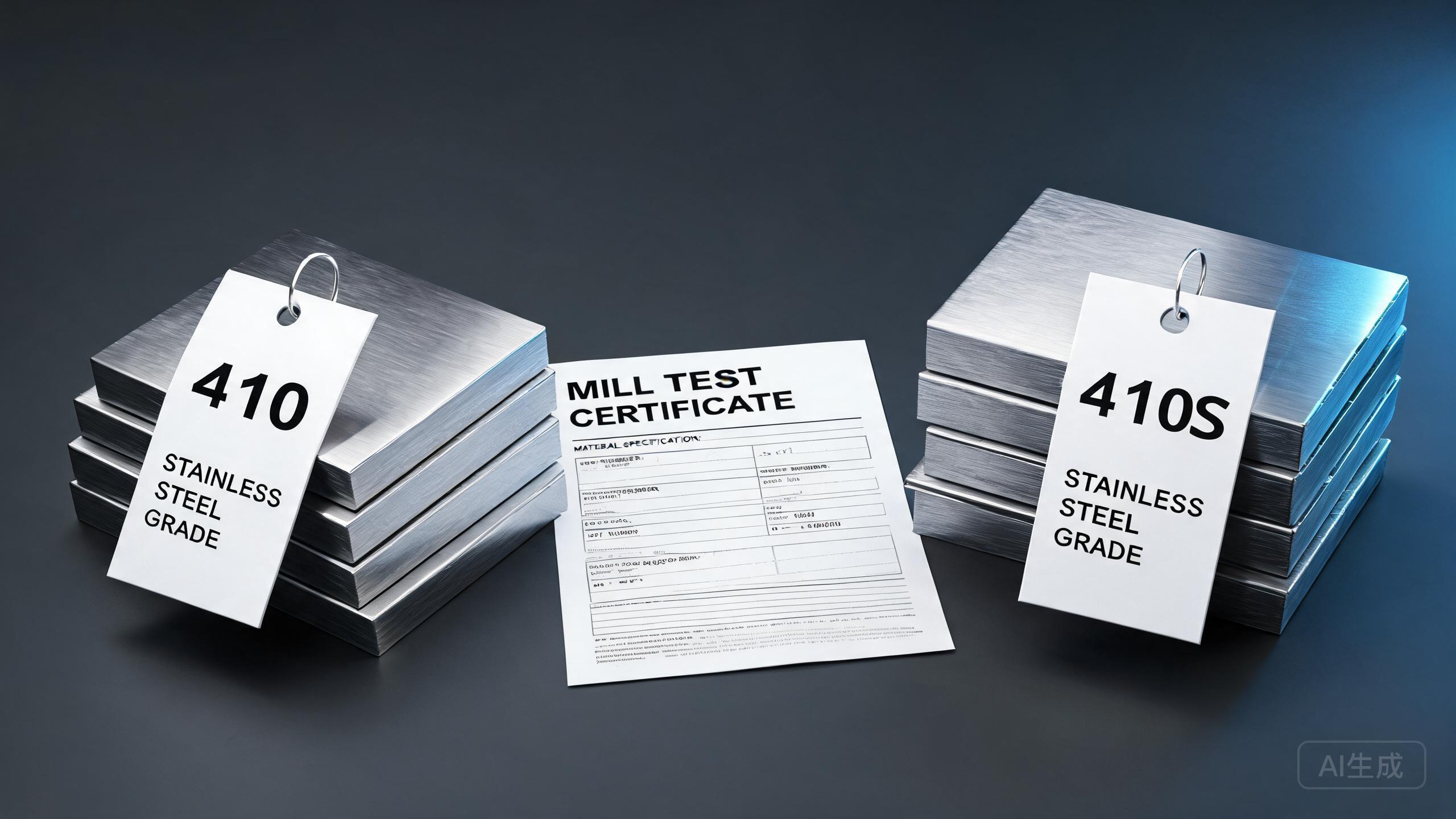
Das S begrenzt den Kohlenstoff und ändert alles. Der 410 härtet bis zur hohen Festigkeit; der 410S bleibt weich, schweißt aber sauber. Härte: 410. Schweißen: 410S.
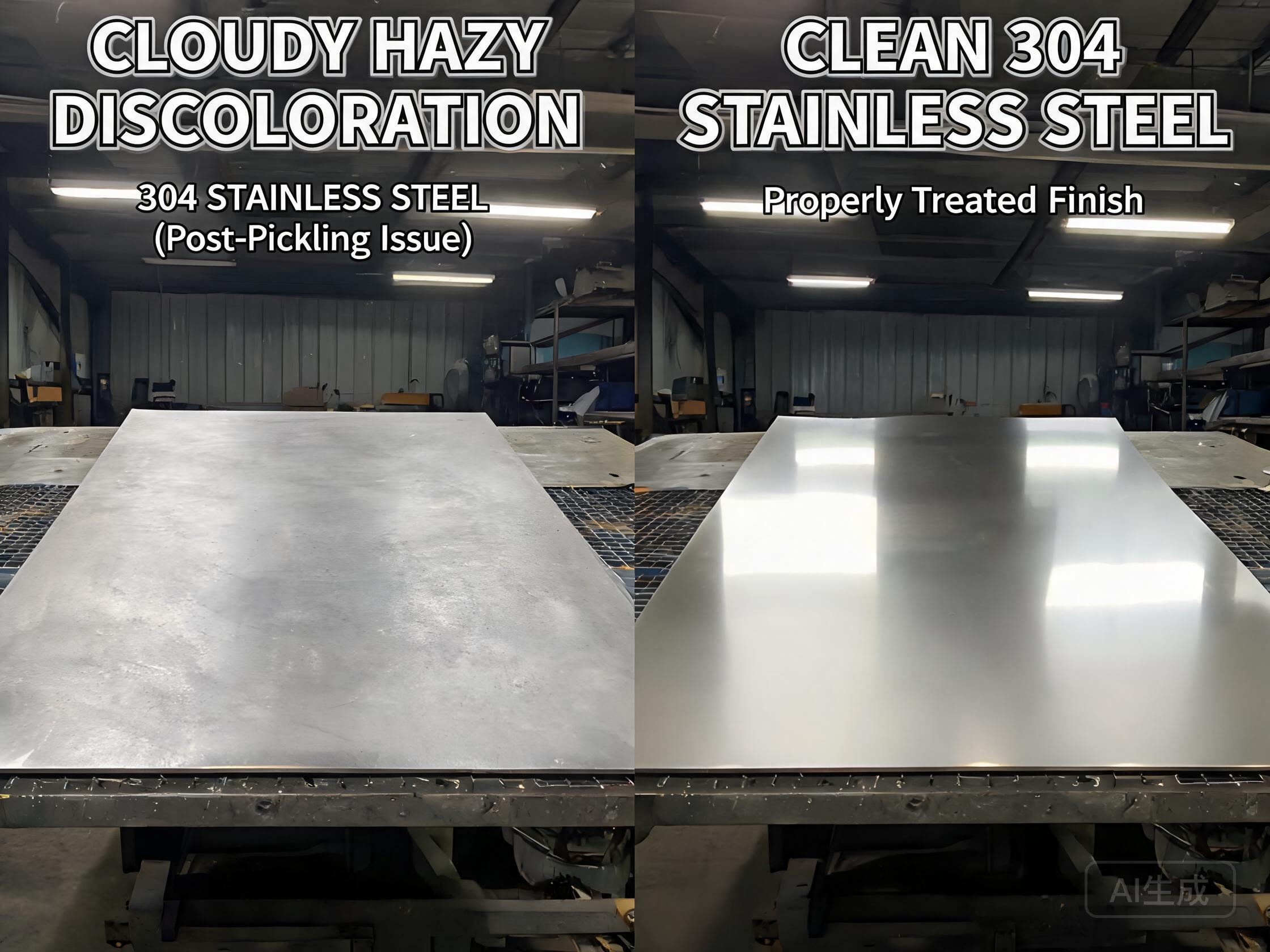
Cloudy hazy stainless after pickling or passivation is a top buyer headache. Compare 304 vs 316, water quality rules and how to specify rinse standards on your RFQ.
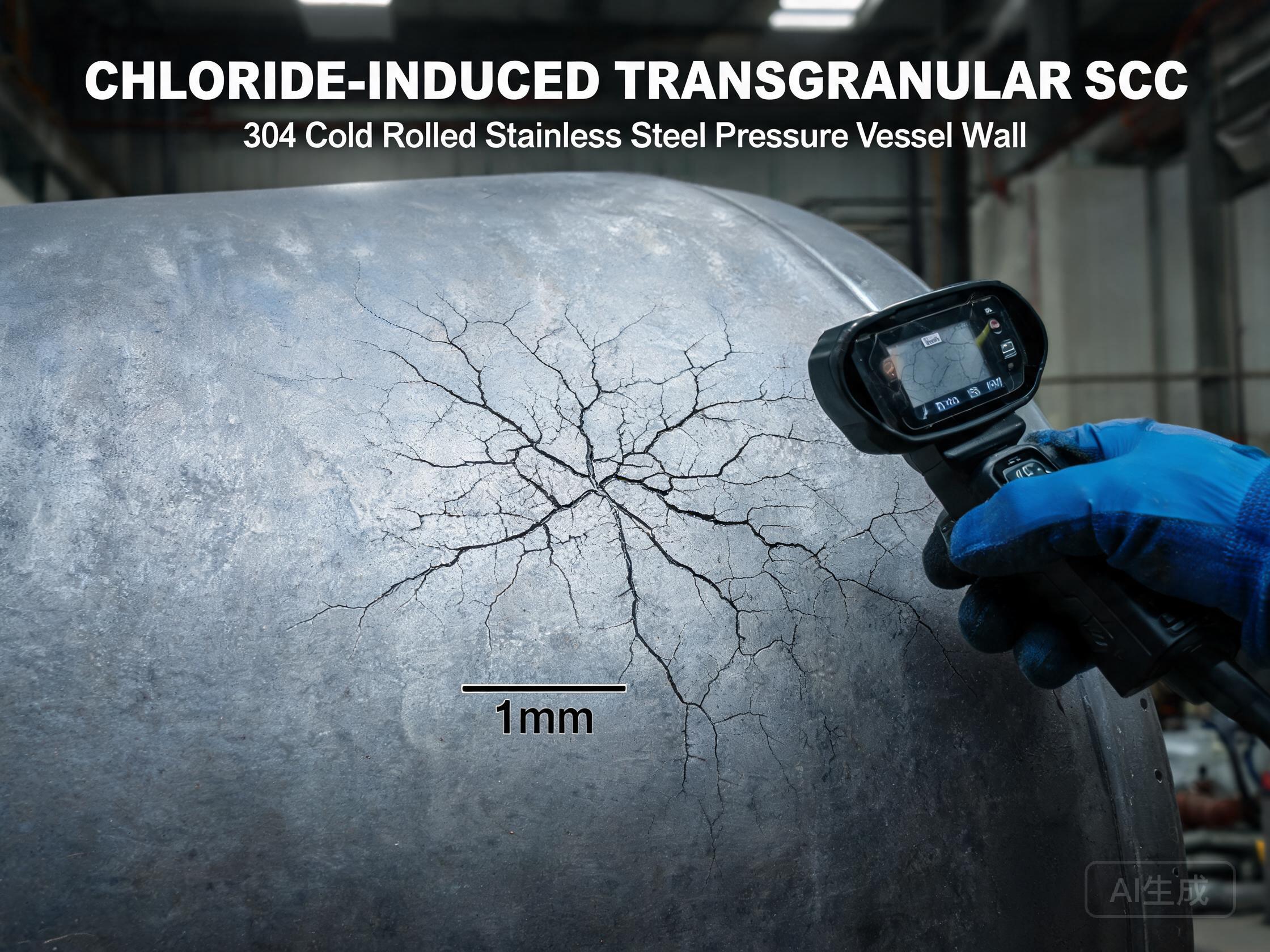
Chloride-induced stress corrosion cracking on cold rolled stainless steel. The 10 ppm threshold for 304, 100 ppm for 316, and why stress relief annealing is non-negotiable.
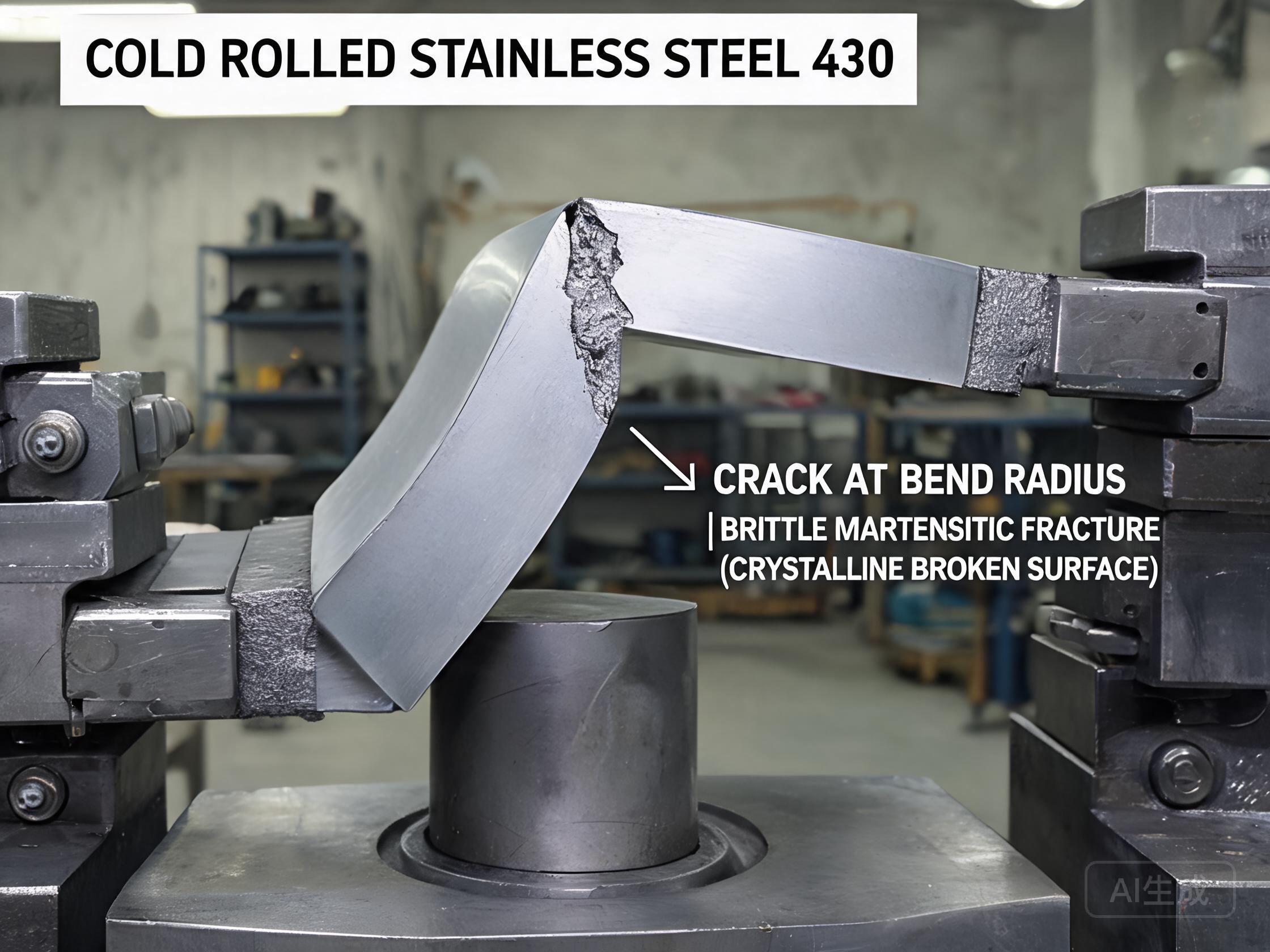
Why your 304 bends crack, what minimum bend radius 304 and 430 really need, and why bending against the grain is 2x more likely to fail — plus how to spot fake anneal from a Chinese mill.
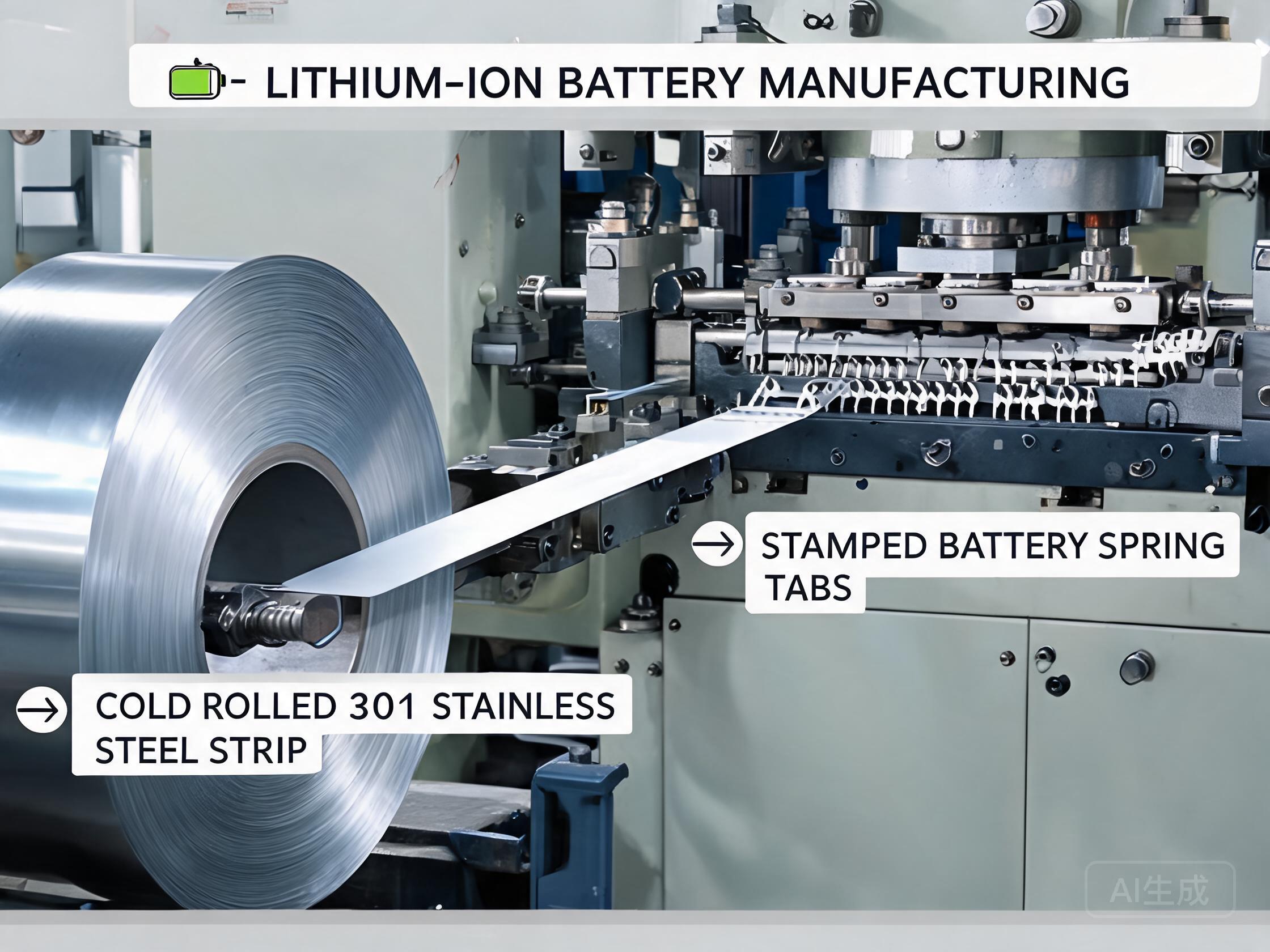
Cold rolled stainless steel for EV battery tabs and housings — 301 temper H for spring tabs, 304 for cell housing, 0.1–0.3 mm thick. Get the edge burr under 10 μm and stamping springback under 1% or your tab refuses to seat in the busbar.
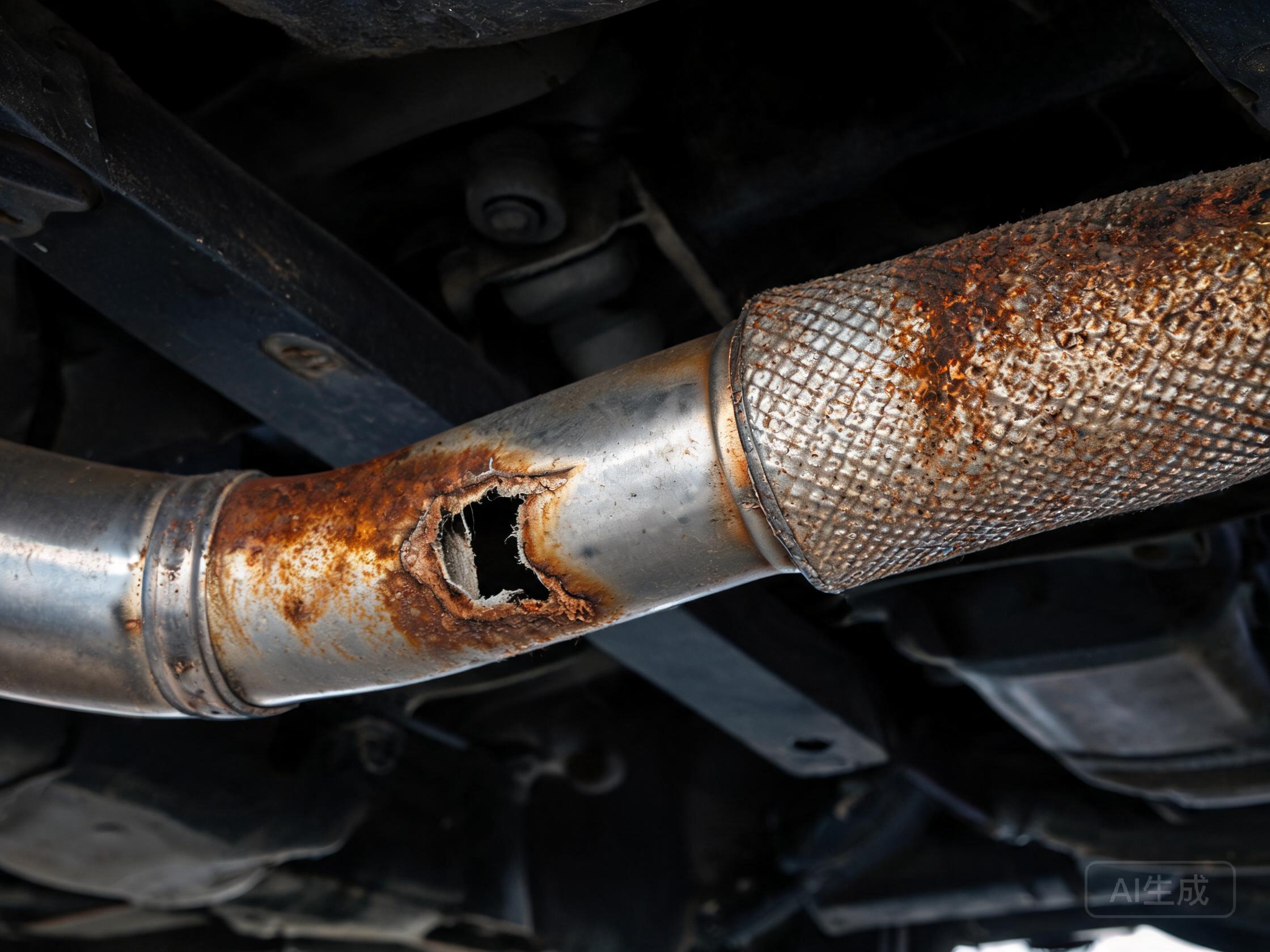
Automotive exhaust corrosion from condensate, 1000°C intermittent heat and thermal fatigue — compare 409, 430 and 304 cold rolled stainless steel and specify the right grade and thickness before your exhaust fails at the weld or the muffler seam.
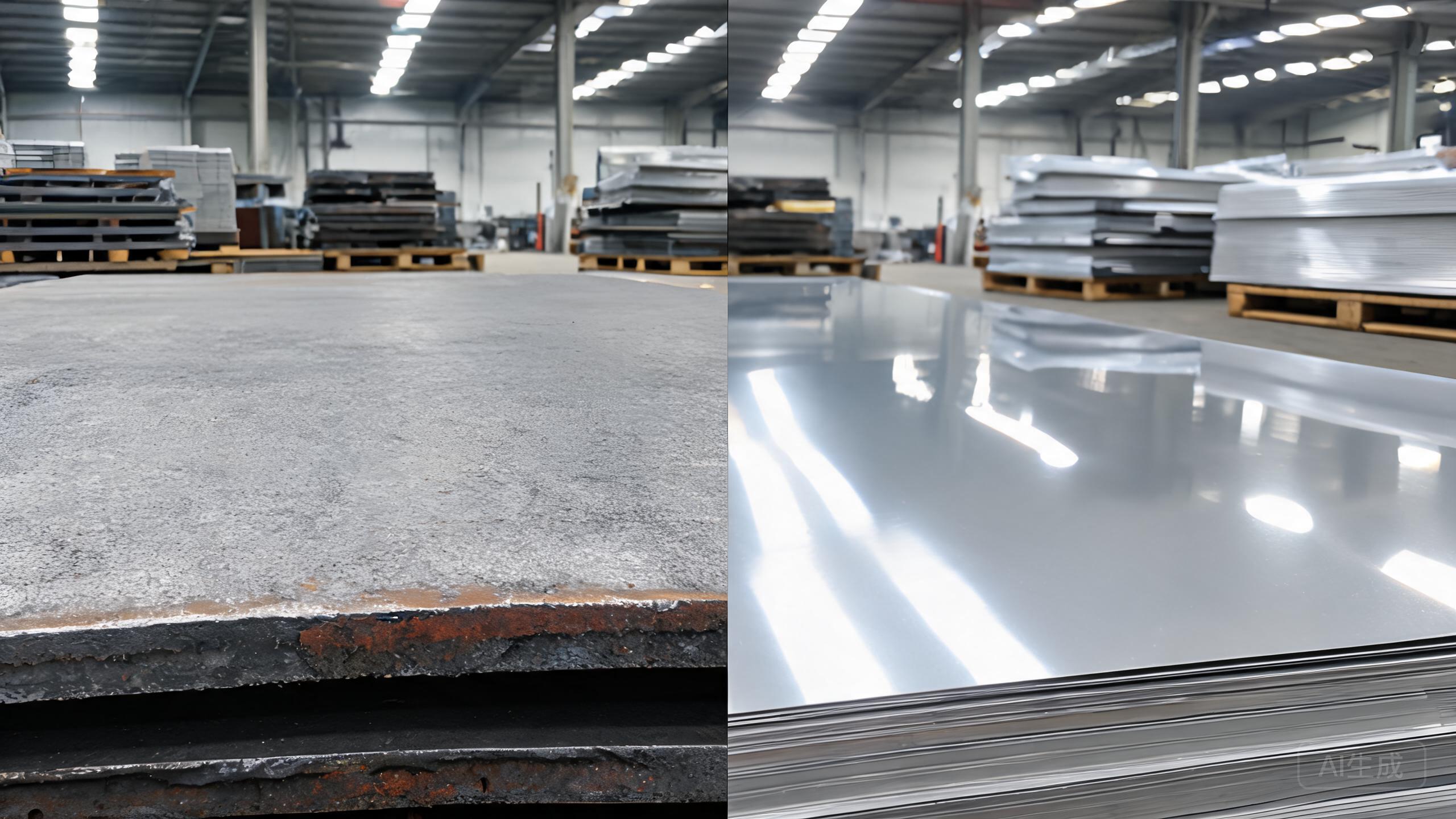
Vergleichen Sie Kalt- und Warmwalz-Edelstahl: wann No.1, 2D oder 2B, Dickenbereiche und was jede Variante pro Tonne kostet.
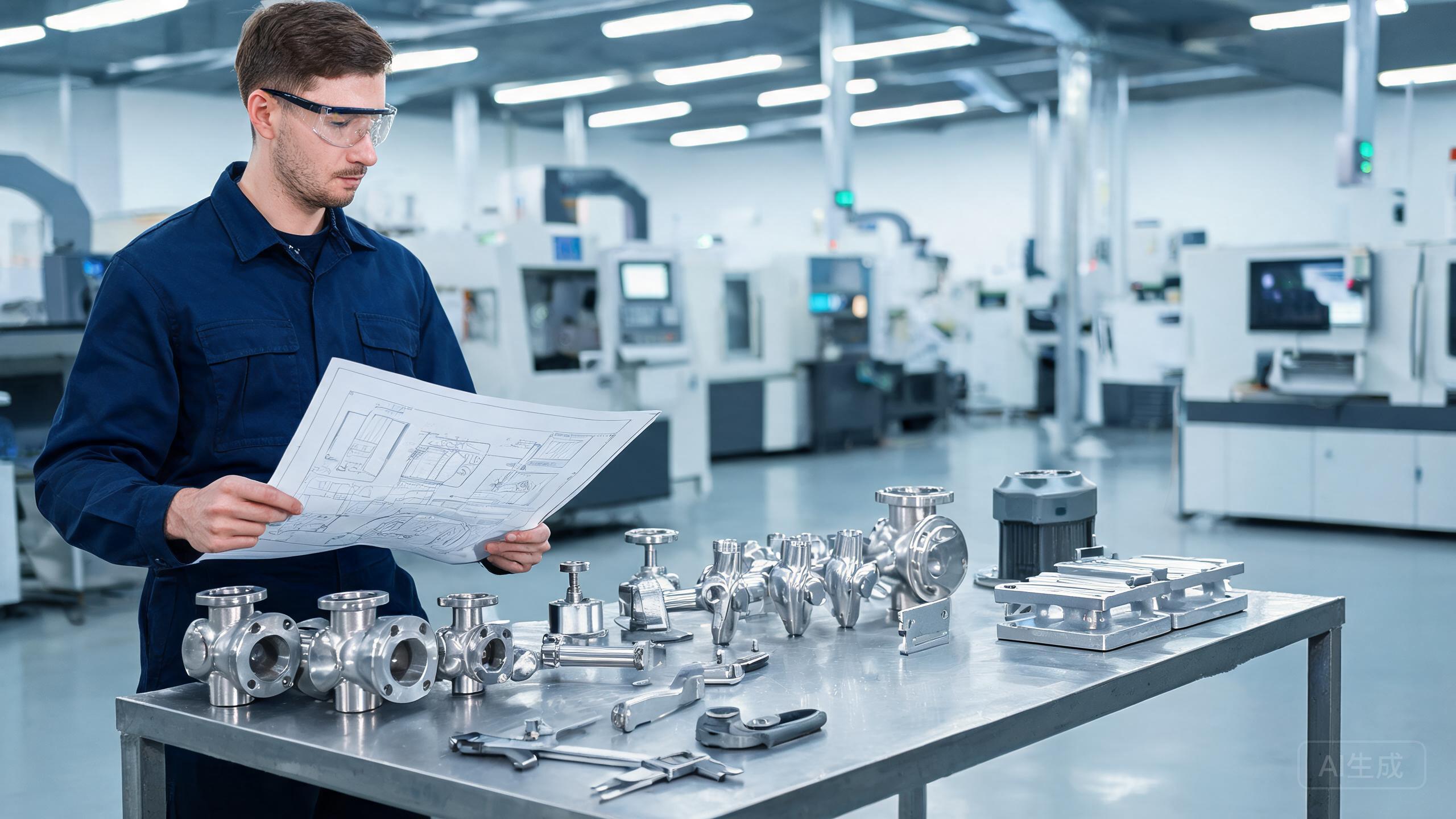
Wie Einkäufer maßgeschneiderte Edelstahlprojekte strukturieren: OEM vs. ODM, Zeichnungsübergabe, Prototypenphasen, NDAs und Meilensteinzahlungen.
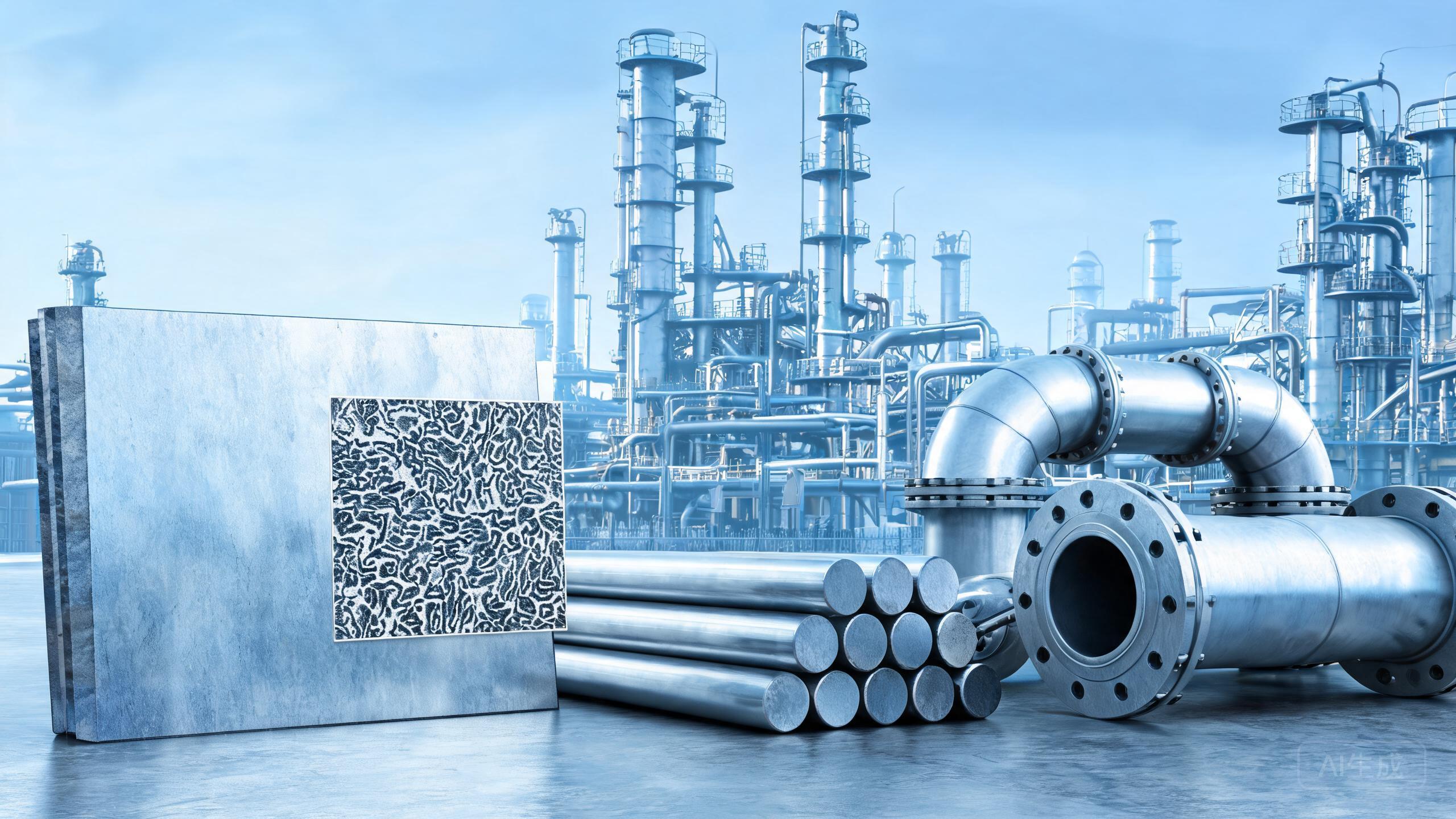
Verstehen Sie Standard-Duplex 2205, Super-Duplex 2507 und Lean-Duplex (2304, 2101) nach Korrosionsbeständigkeit, Festigkeit, Schweißbarkeit und Anwendung.
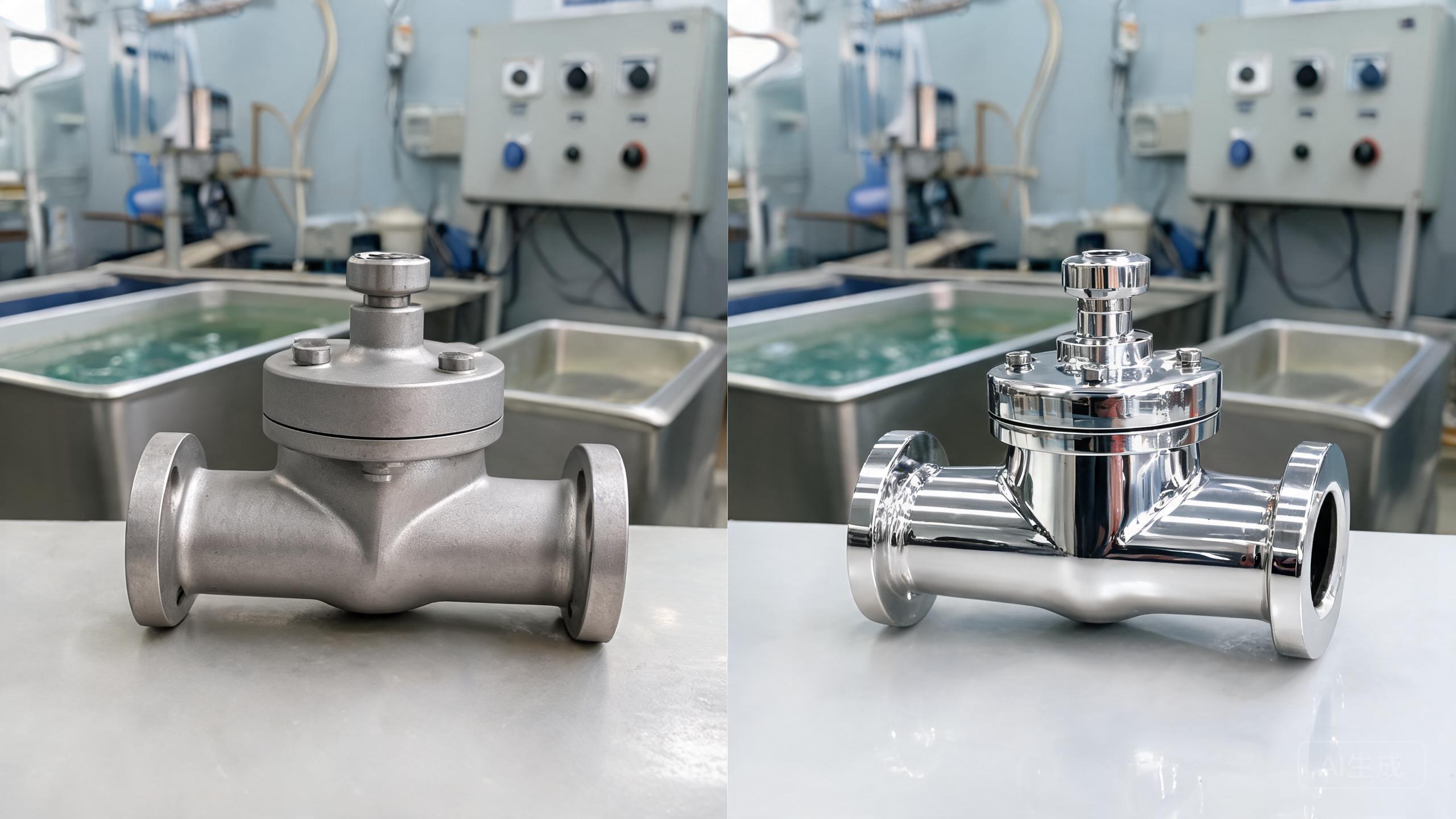
Wie Electropolishing wirkt, was es an Oberflächenrauheit und Korrosionsbeständigkeit ändert und wie Käufer es vs. mechanisches Polieren spezifizieren.
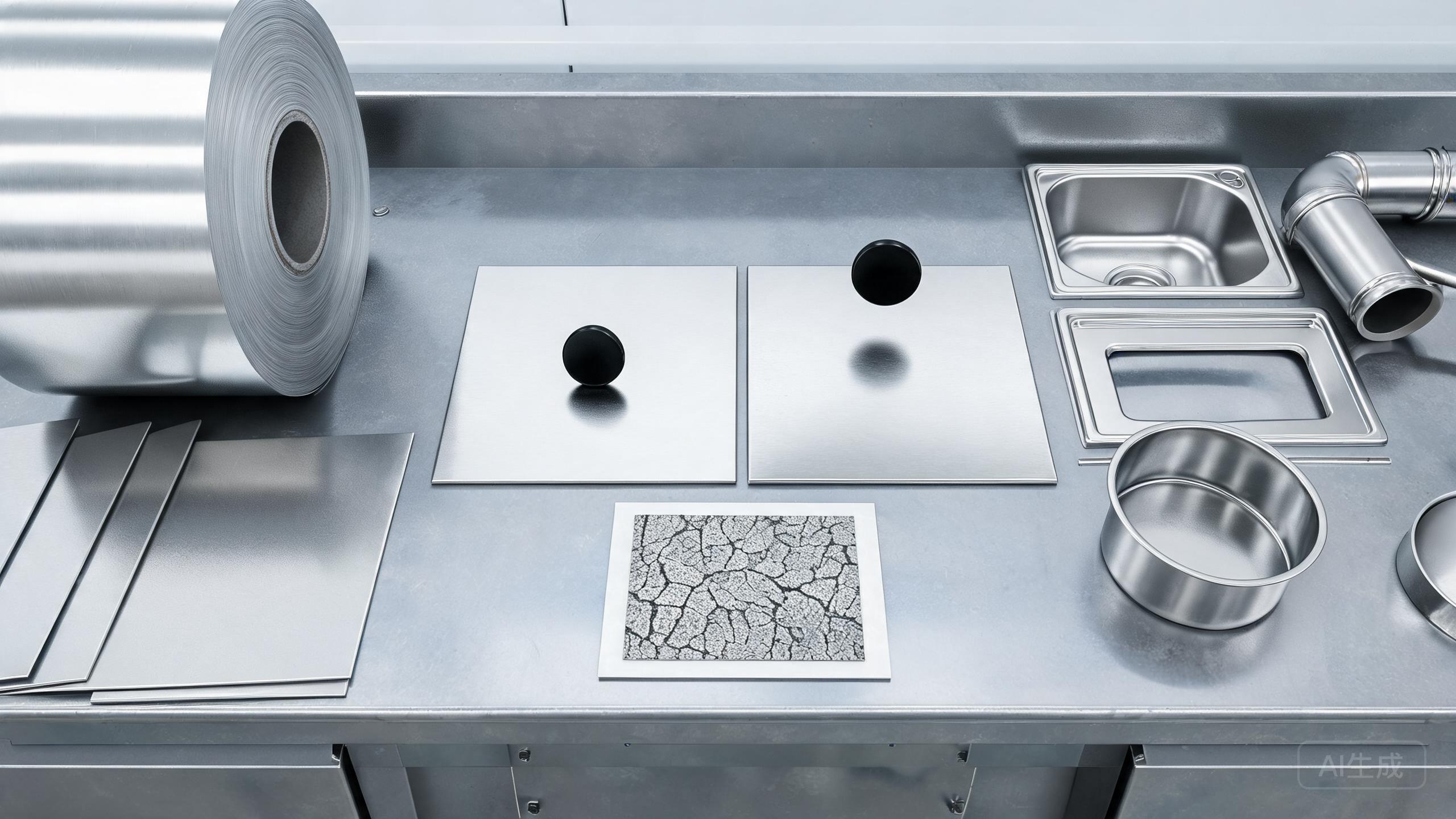
Vergleichen Sie ferritische Sorten 430, 430MA, 439, 441 und 444 nach Korrosionsbeständigkeit, Umformbarkeit, Kosten und Anwendung.
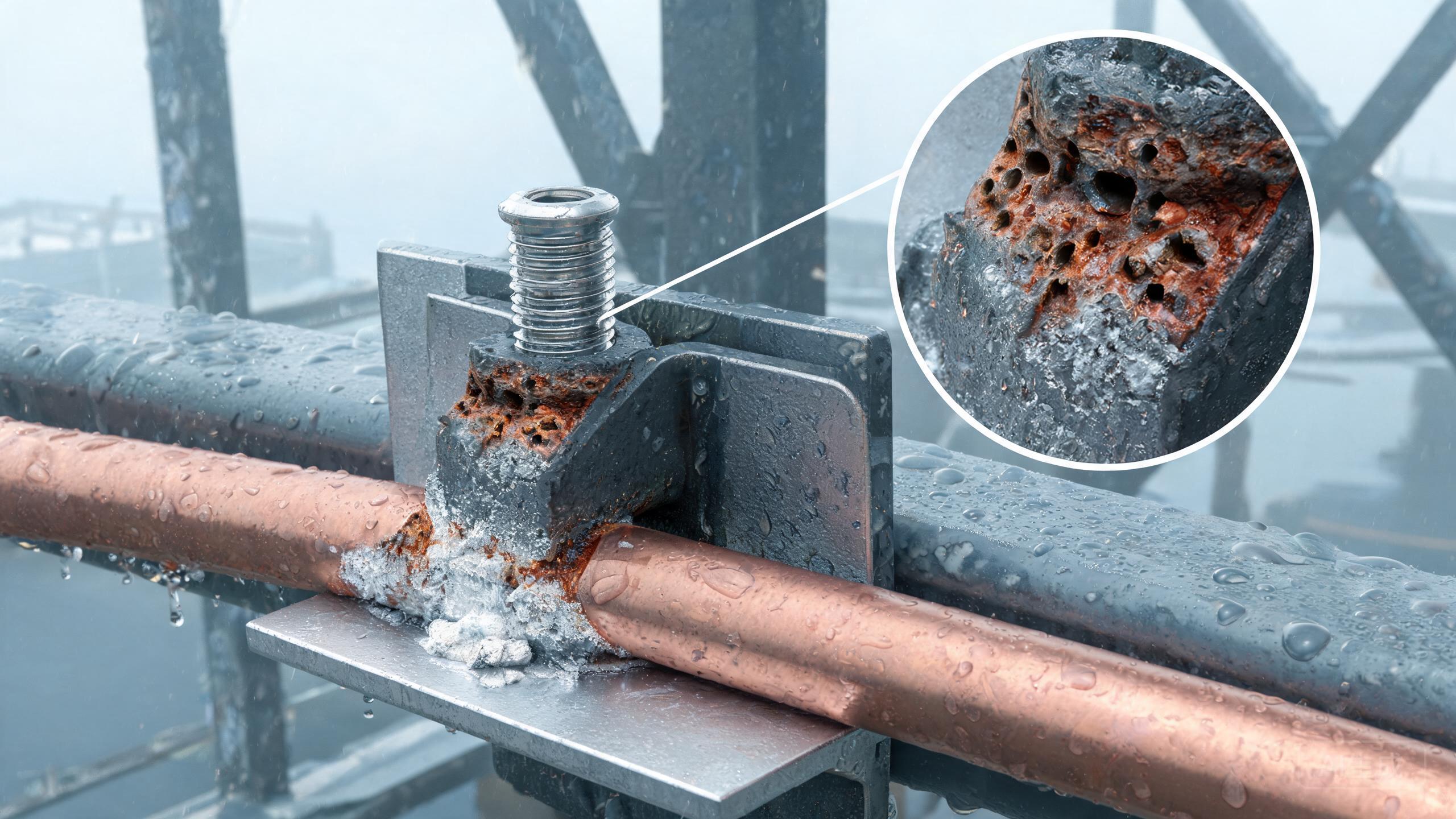
Leitfaden zur galvanischen Reihe: Edelstahl mit Kohlenstoffstahl, Aluminium, Kupfer, Messing – wann isolieren und was bimetallischen Angriff verhindert.
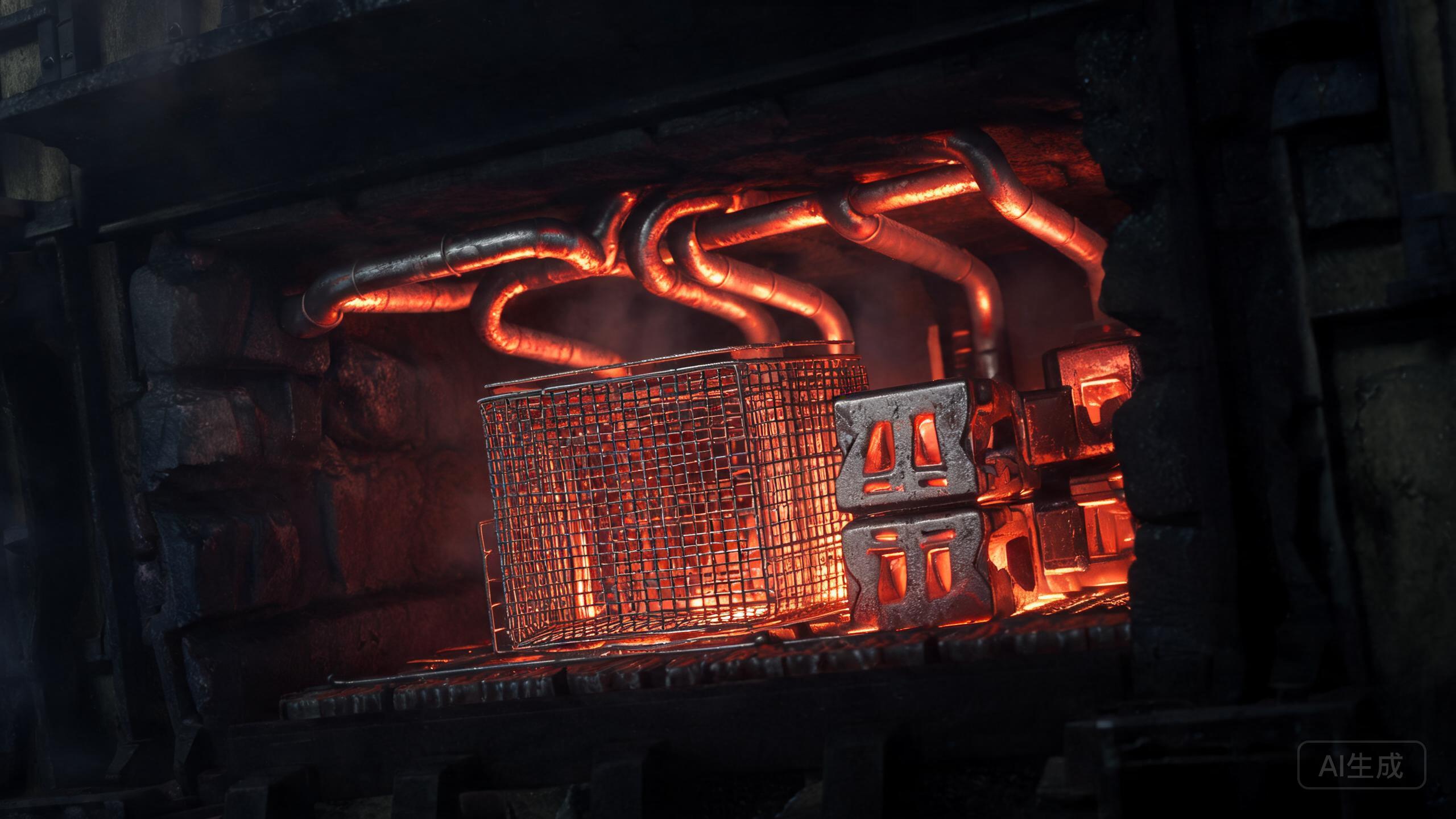
Auswahl hitzebeständiger Edelstähle für 700–1100 °C: 309S, 310S, 314 und 330 plus Versagensarten Aufkohlung, thermische Ermüdung und Versprödung.
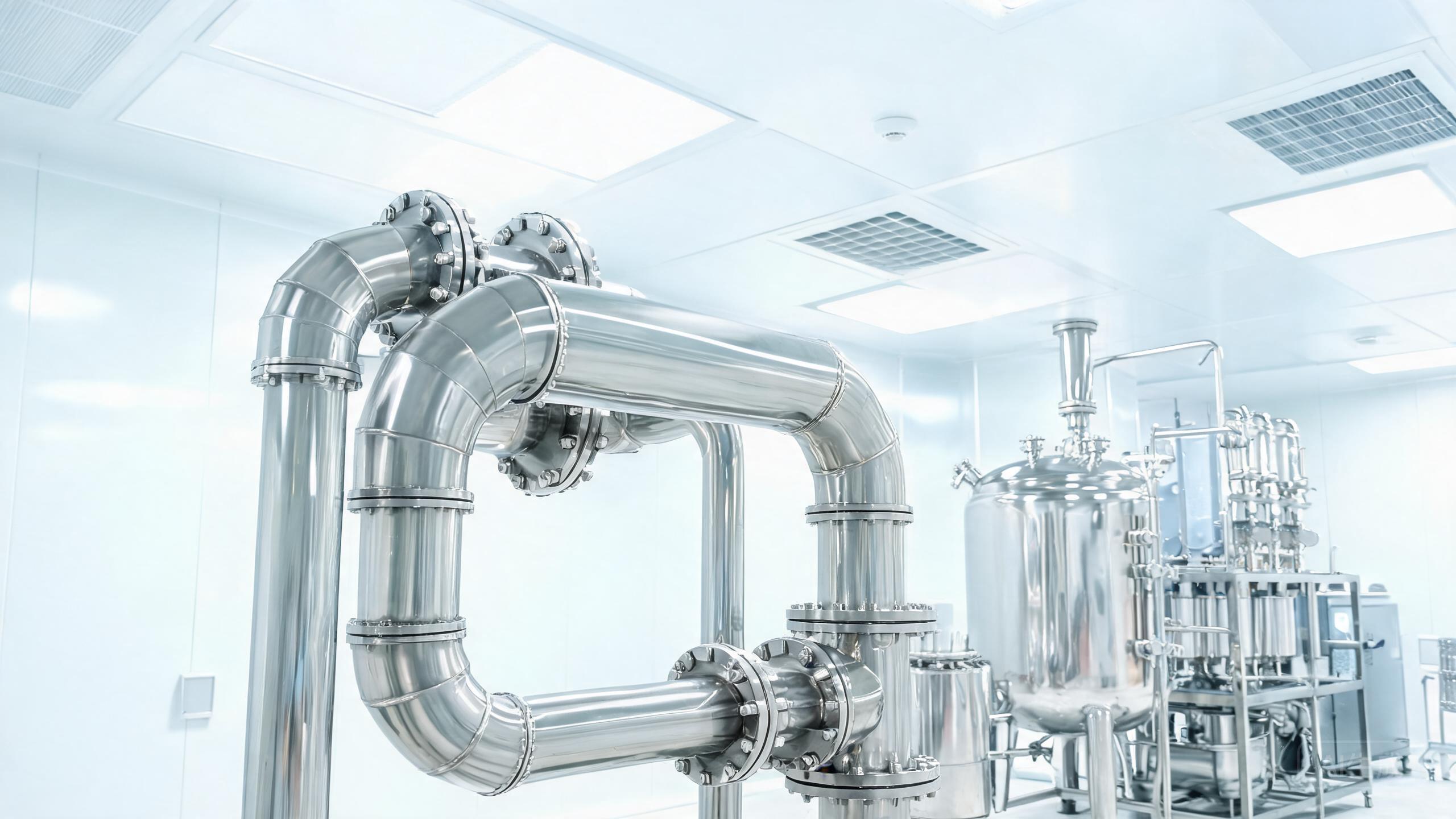
304L vs. 316L, Oberflächenrauheit Ra/Rz, Schweißnaht- und Dichtnormen, Elektropolitur sowie FDA-/EHEDG-Konformität für Pharma-Prozessanlagen.
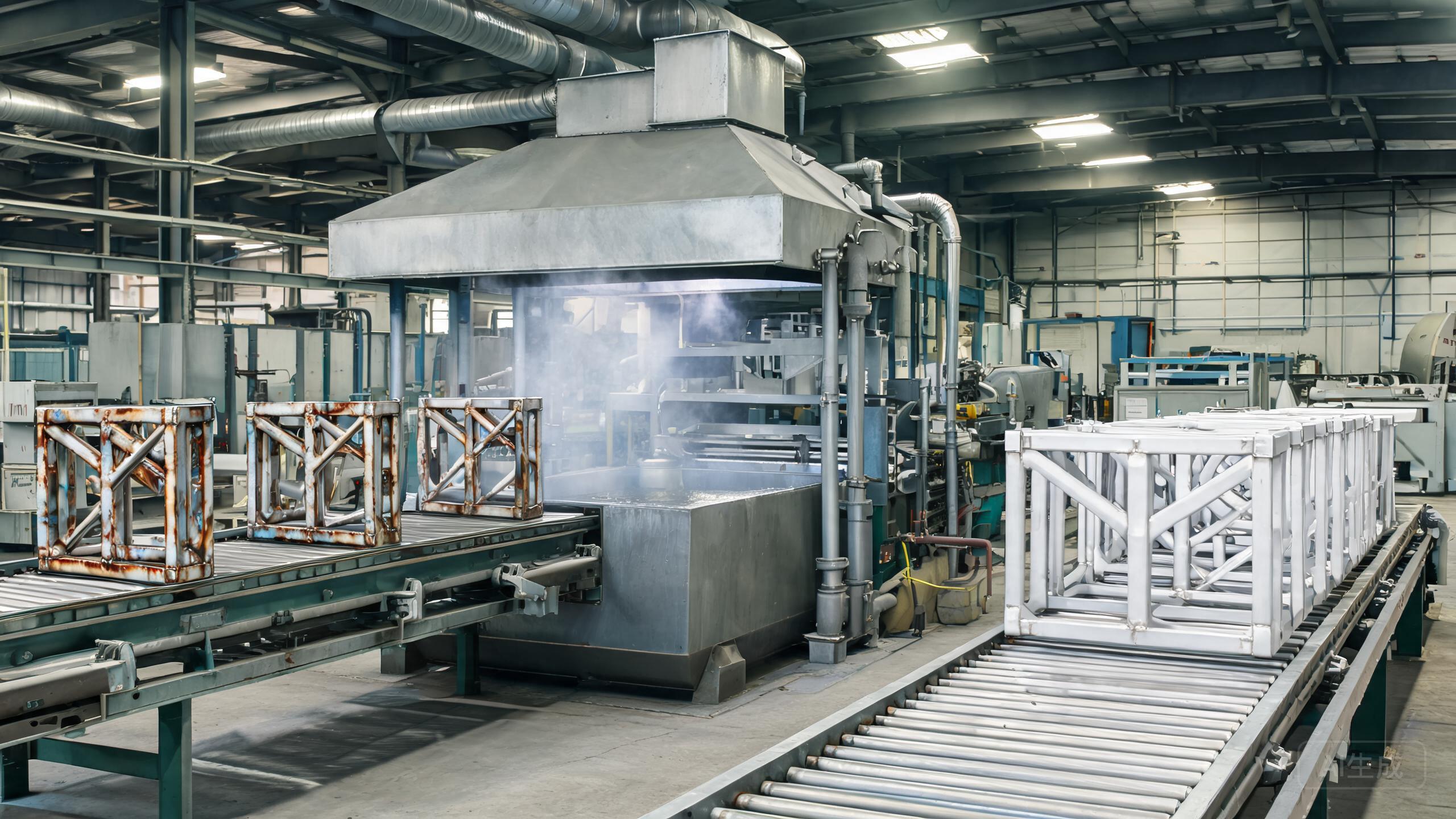
Verstehen Sie Beizen vs. Passivieren, wann beides nötig ist, salpetersaure vs. zitronensaure Route und wie Käufer behandelte Konstruktionen prüfen.
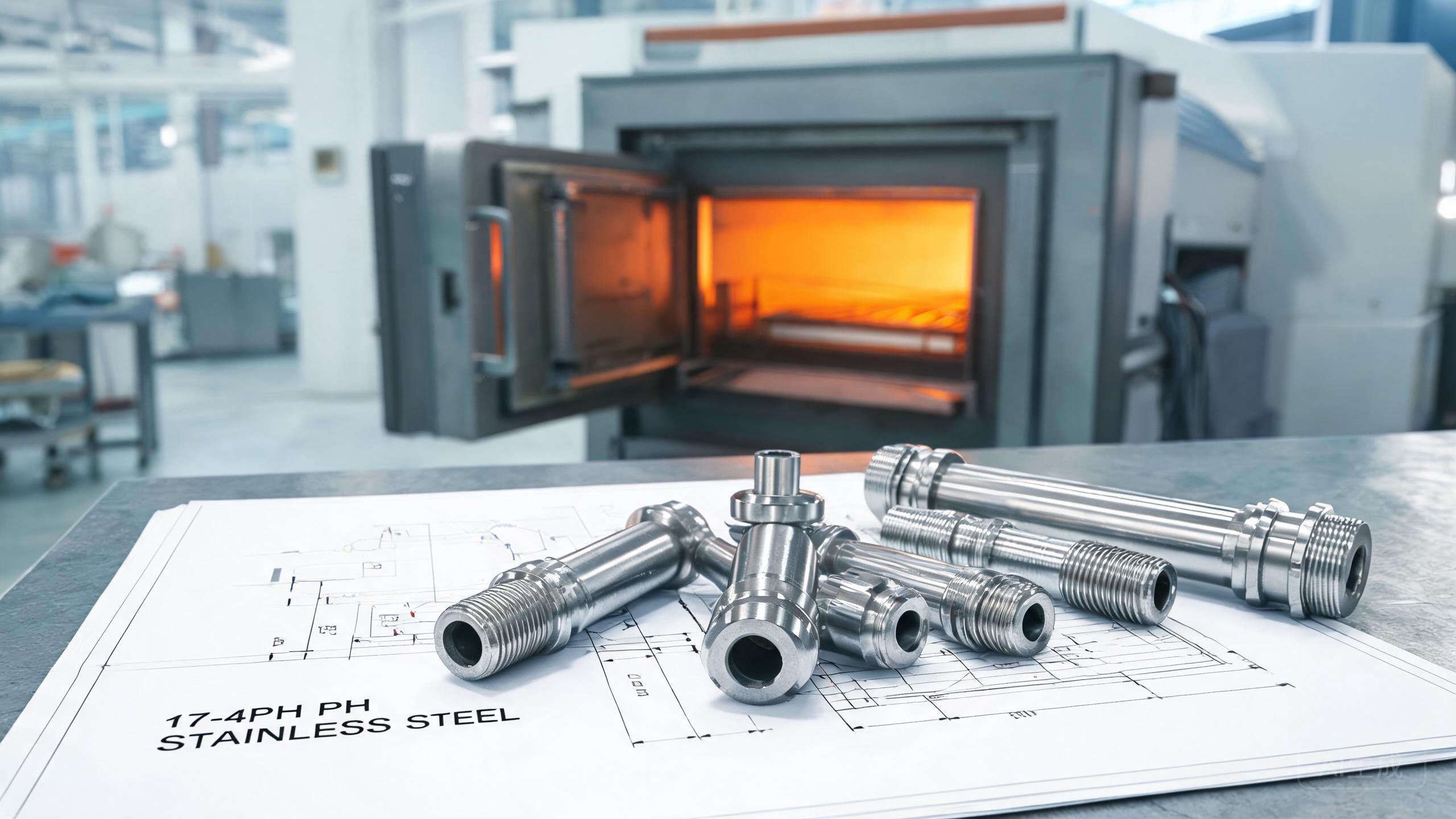
Einführung in PH-Edelstähle 17-4PH, 15-5PH, 17-7PH und PH 13-8 Mo: Festigkeit-Zähigkeit-Korrosion und die typischen H900 / H1100 Vergütungen.
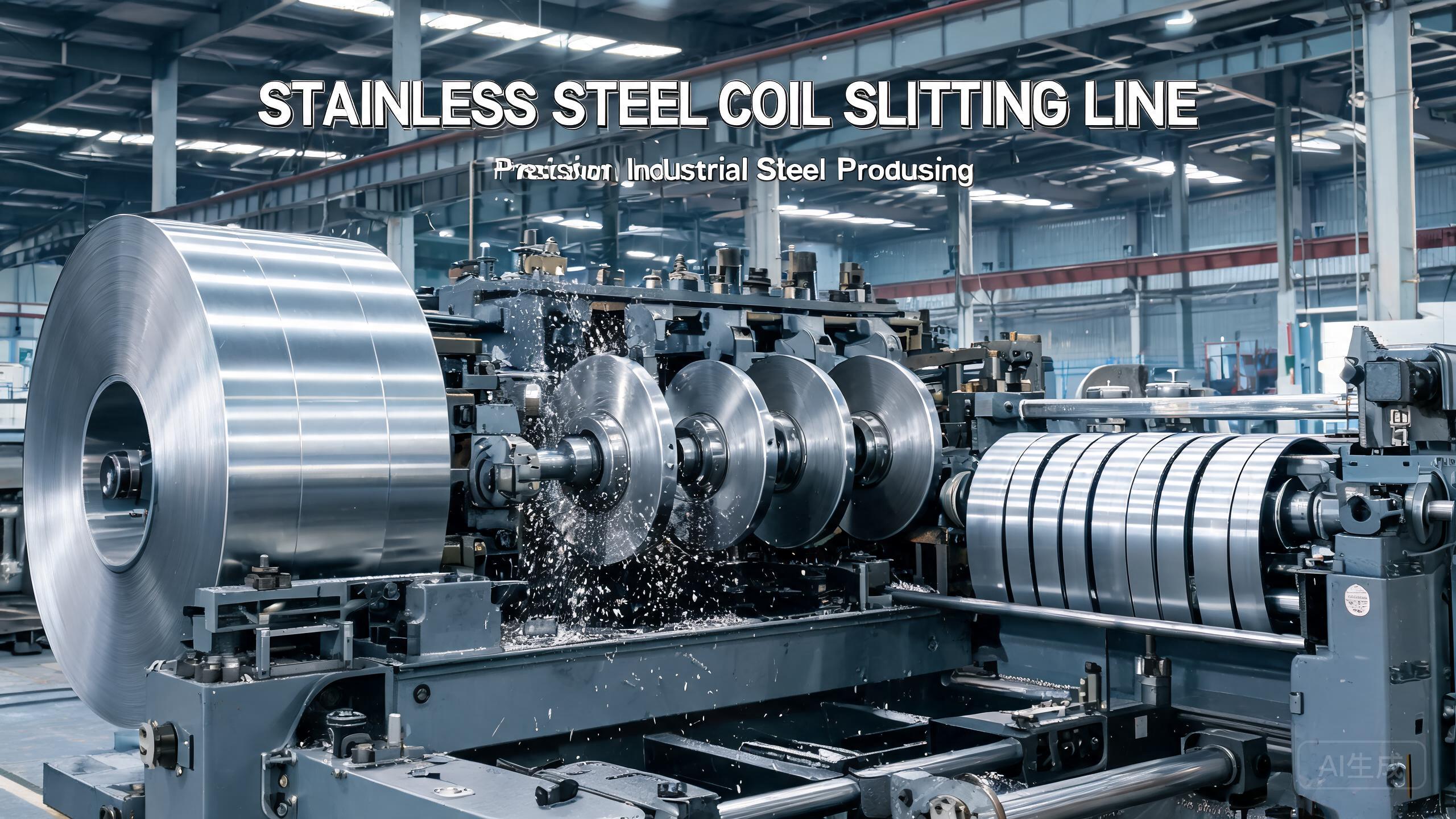
Service-Center-Leitfaden zum Coil-Schlitzen: Wie Grat, Bogenmaß, Breitentoleranz und Kantenqualität Stanzen, Rollformen und Schweißen beeinflussen.
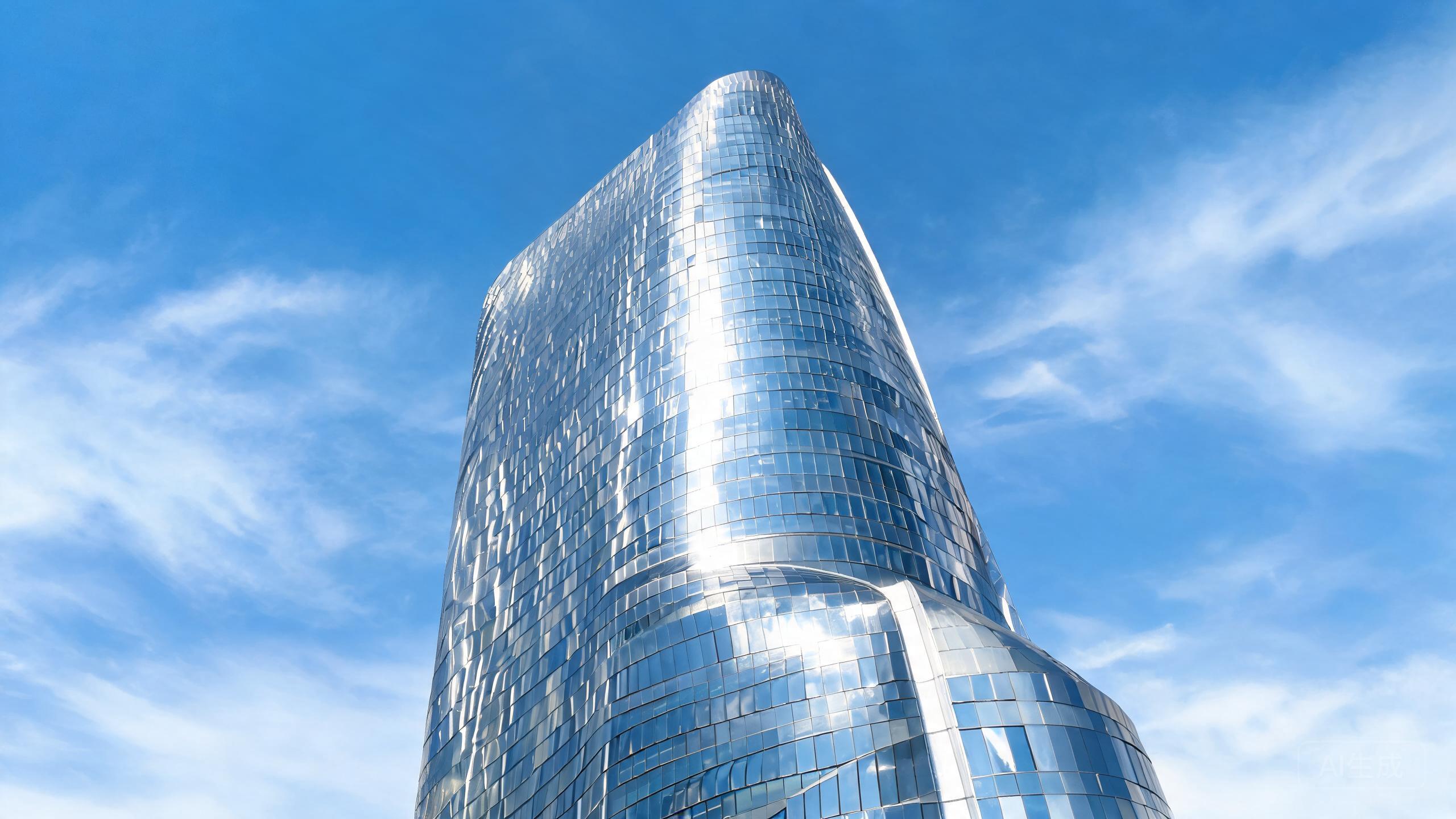
Legen Sie Güte und Oberfläche für Edelstahlgeländer, Handläufe, Wandverkleidungen und Dächer fest – auch für Küsten- und Industrieumgebungen.
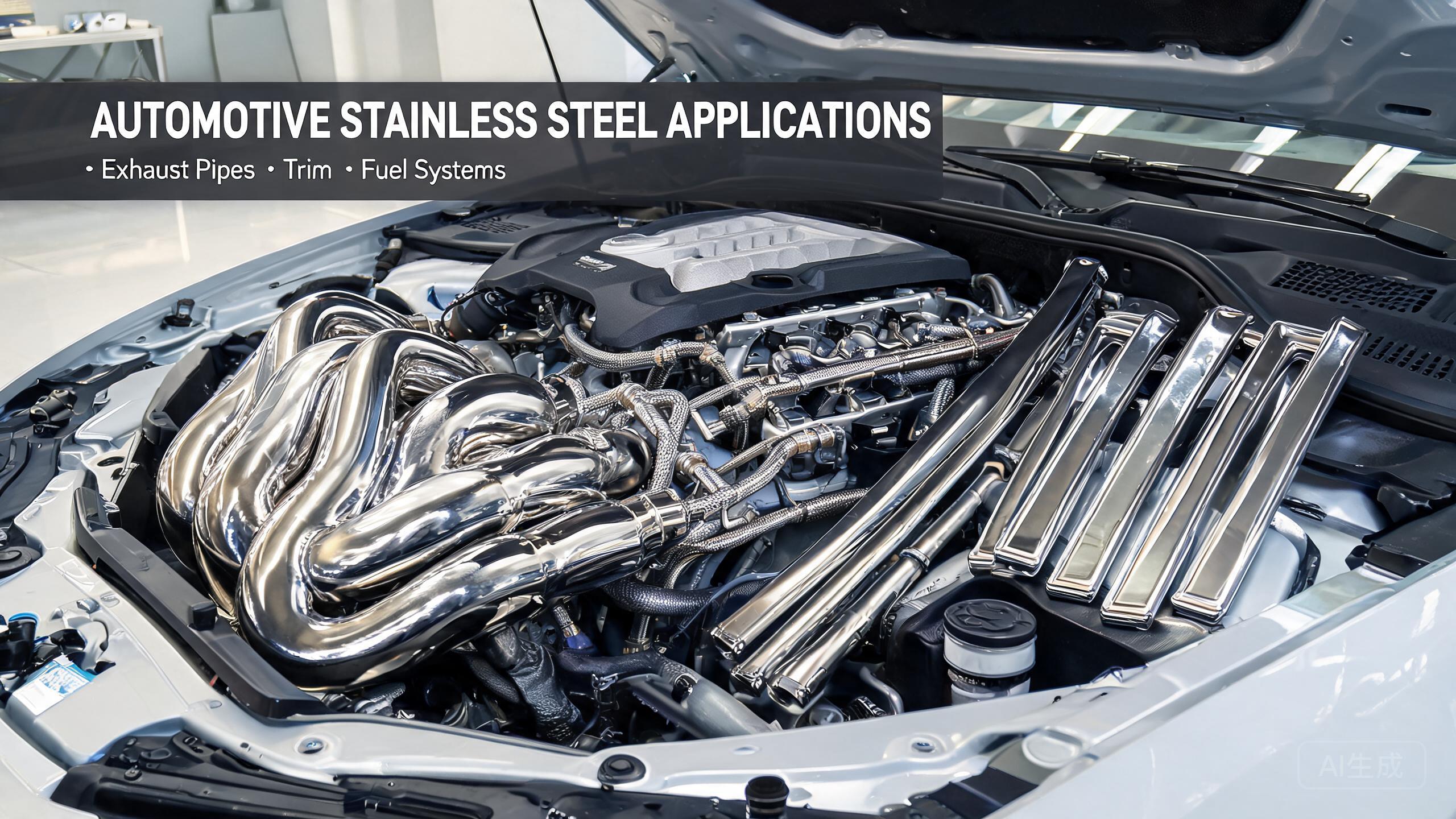
Vergleichen Sie 409, 439, 441, 304 und 316L für Automobil-Abgaskrümmer, Heißenden, Kaltenden, Endrohre und strukturelle Fahrwerksteile.
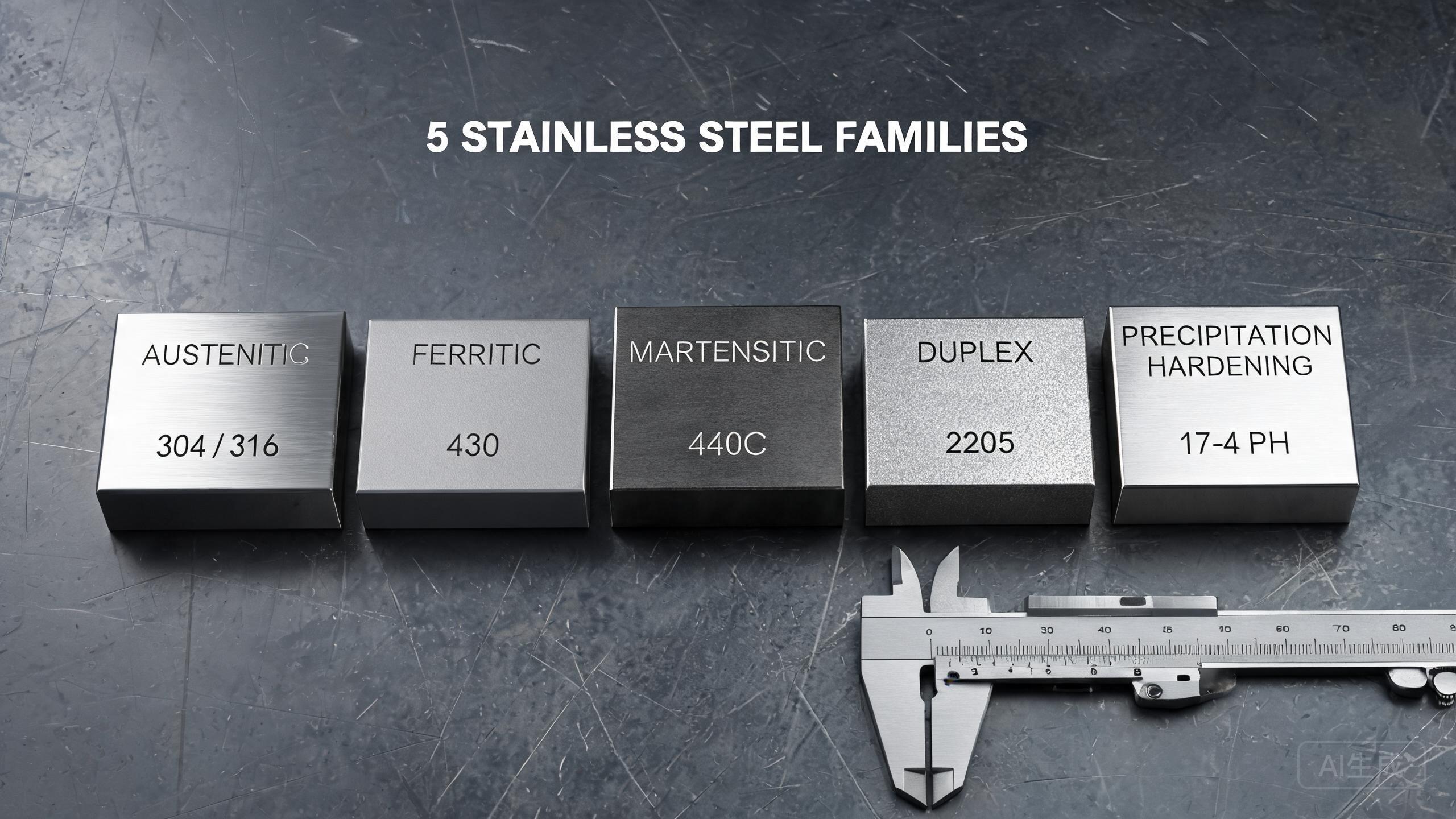
Wählen Sie zwischen den vier Edelstahlfamilien nach Gefüge, Korrosionsbeständigkeit, Festigkeit, Magnetismus, Schweißbarkeit und Anwendung.
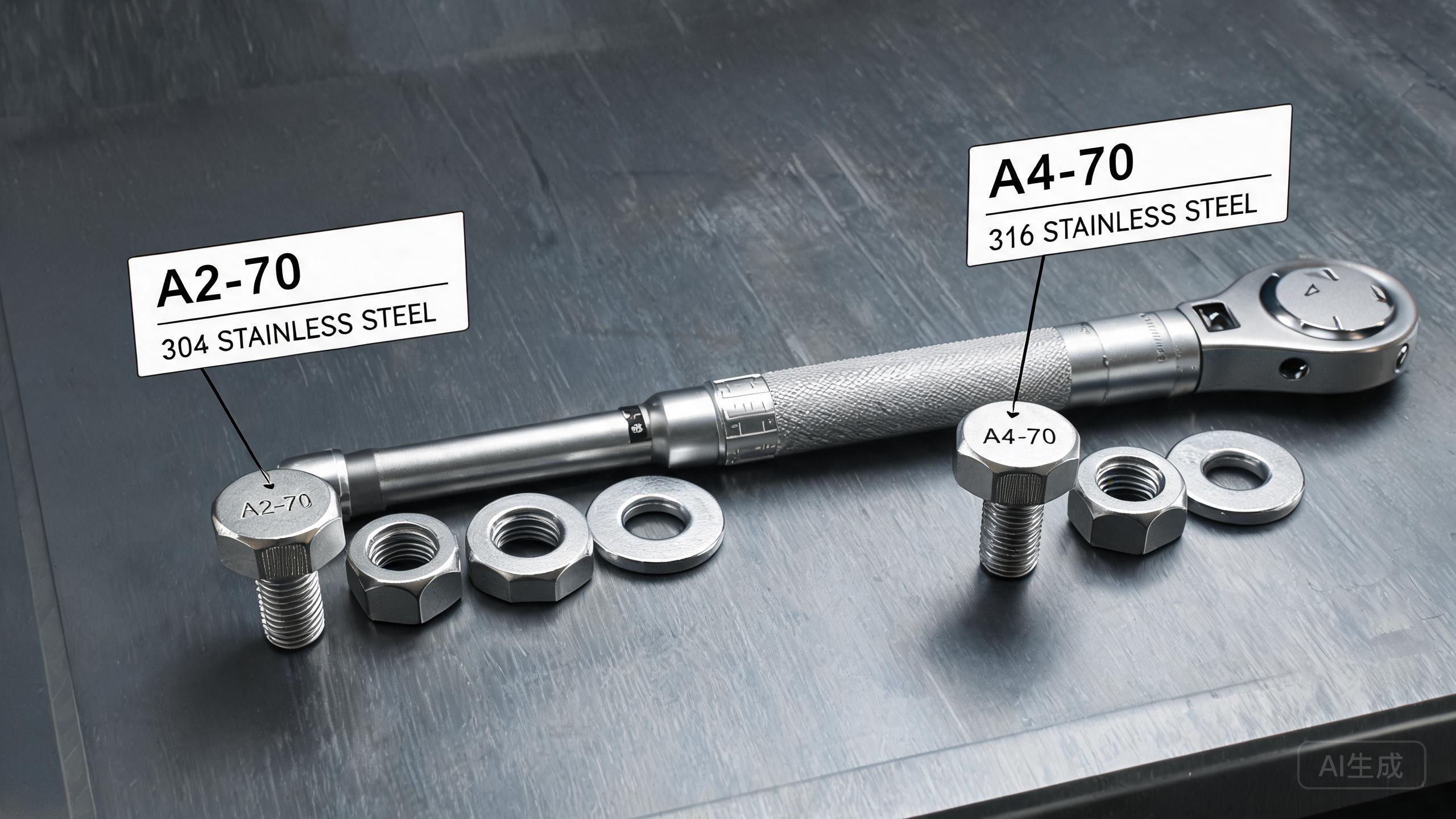
Verstehen Sie die ISO 3506-Klassen von Edelstahlbefestigungen (A2-70, A2-80, A4-70, A4-80), deren Bezug zu 304 und 316 und die häufigsten Feldversagen.
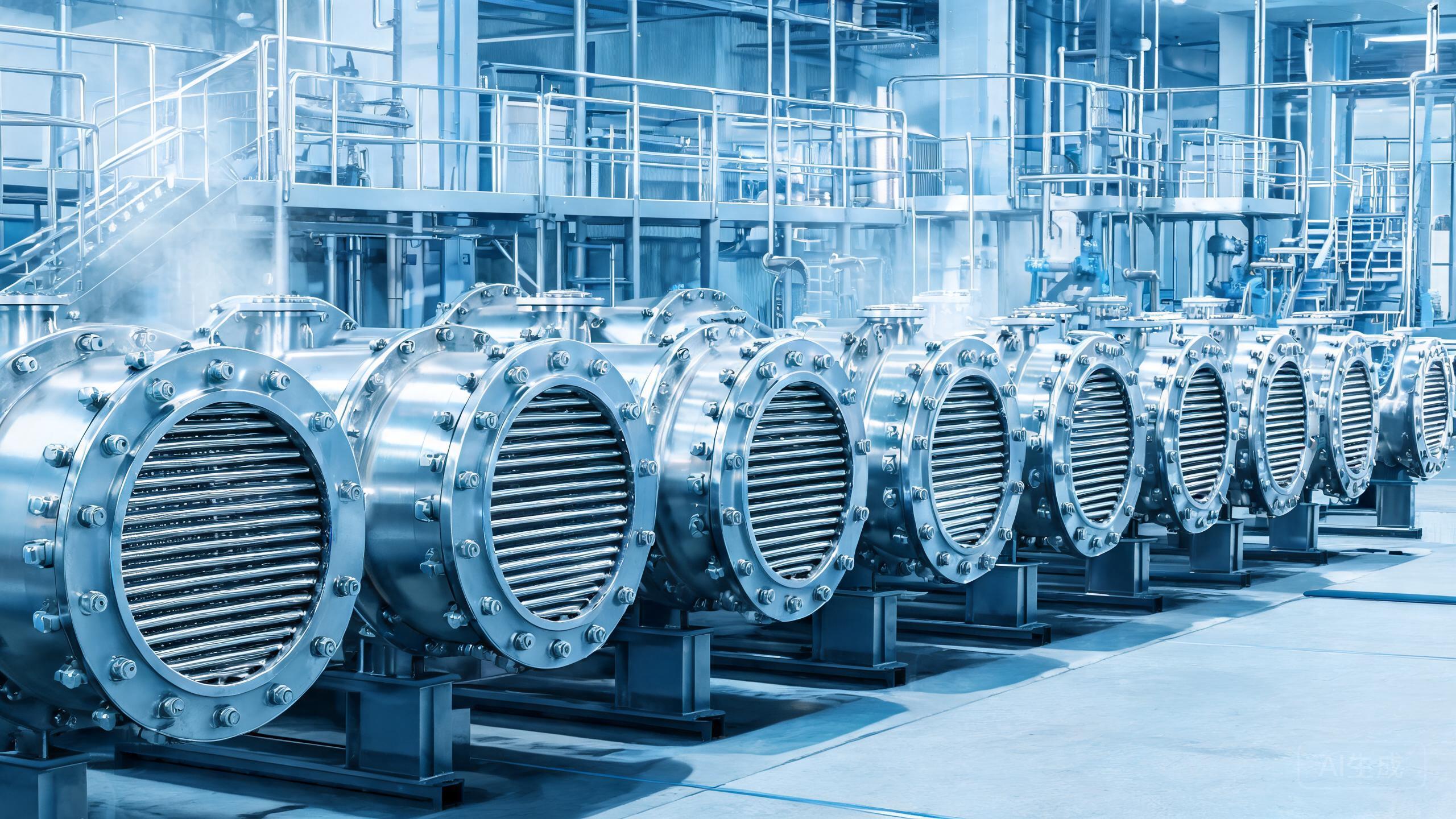
Ein praktischer Einkaufsratgeber für die Auswahl von 304L, 316L, 2205, Titan oder höherwertigen Legierungen für Rohrbündel-, Platten- und gelötete Wärmetauscher.
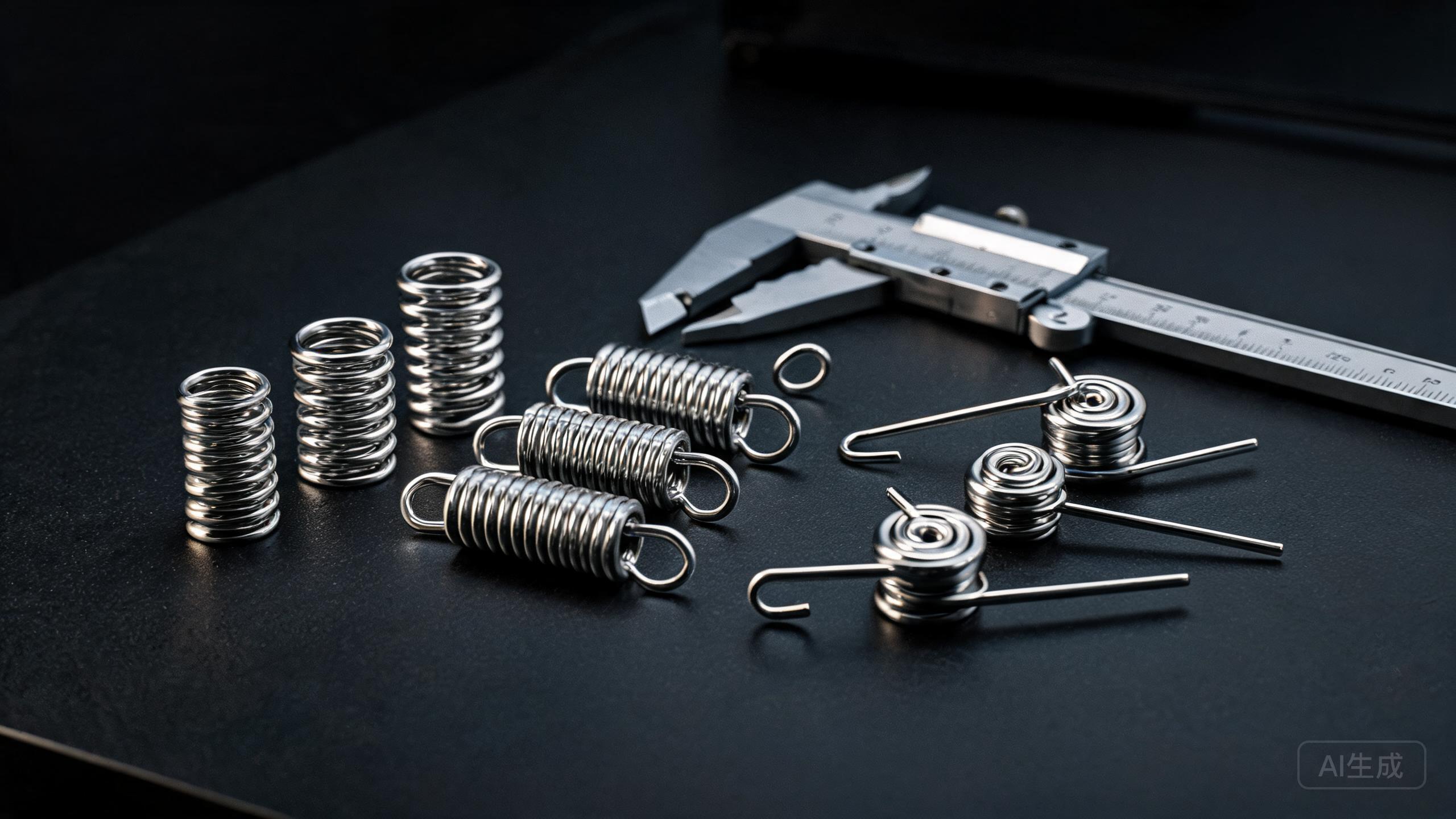
Konstruktions- und Einkaufsleitfaden für Edelstahlfedern: 301 hochfest, 302 universell, 316 korrosionsbeständig, 631 (17-7PH) hochtemperaturbeständig, plus Fallstricke bei Ermüdung und Spannungsrelaxation.
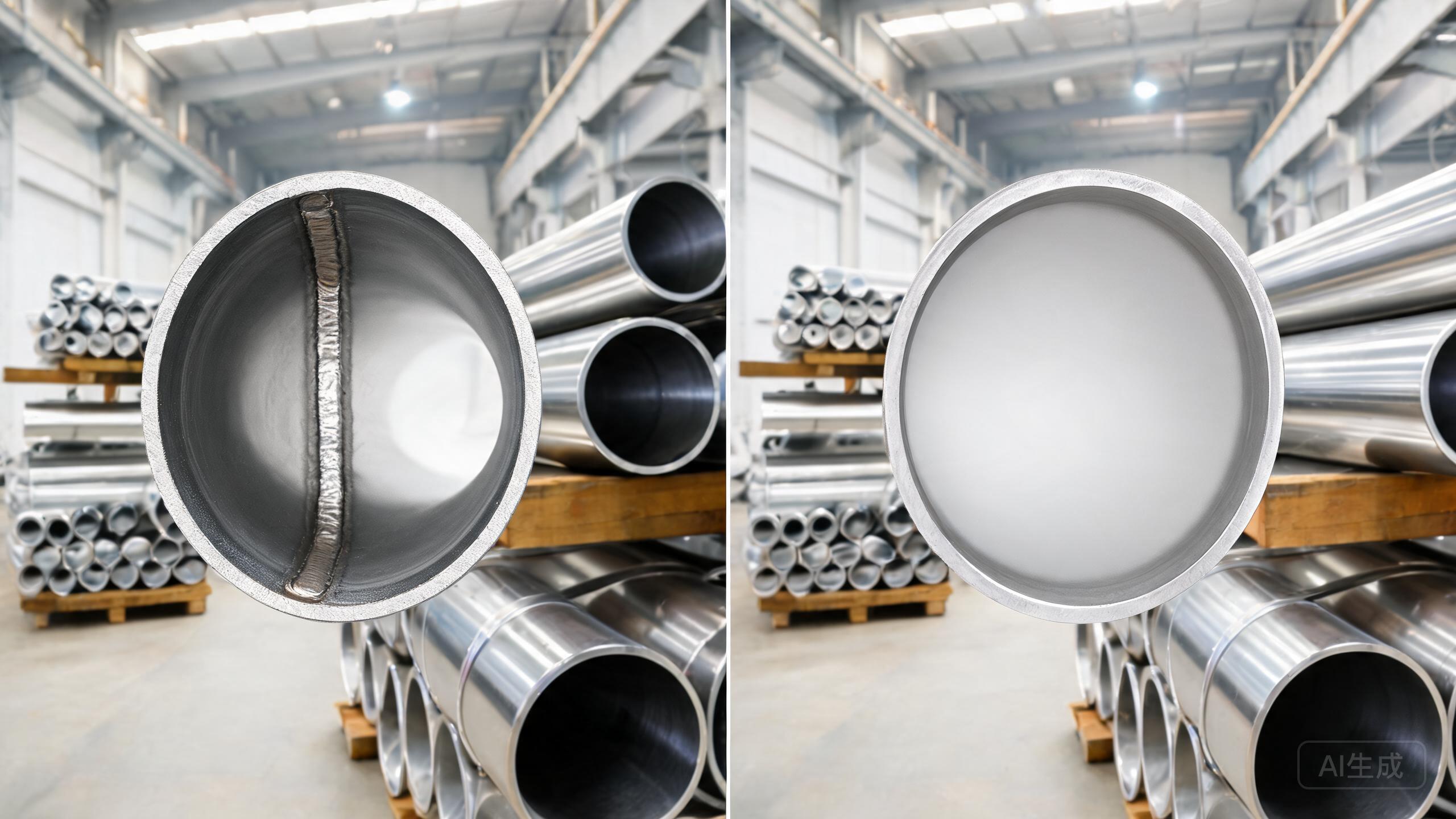
Vergleichen Sie geschweißte (ERW / geschweißt und gezogen) vs. nahtlose Edelstahlrohre für Druck-, Prozess-, mechanische und hygienische Anwendungen.
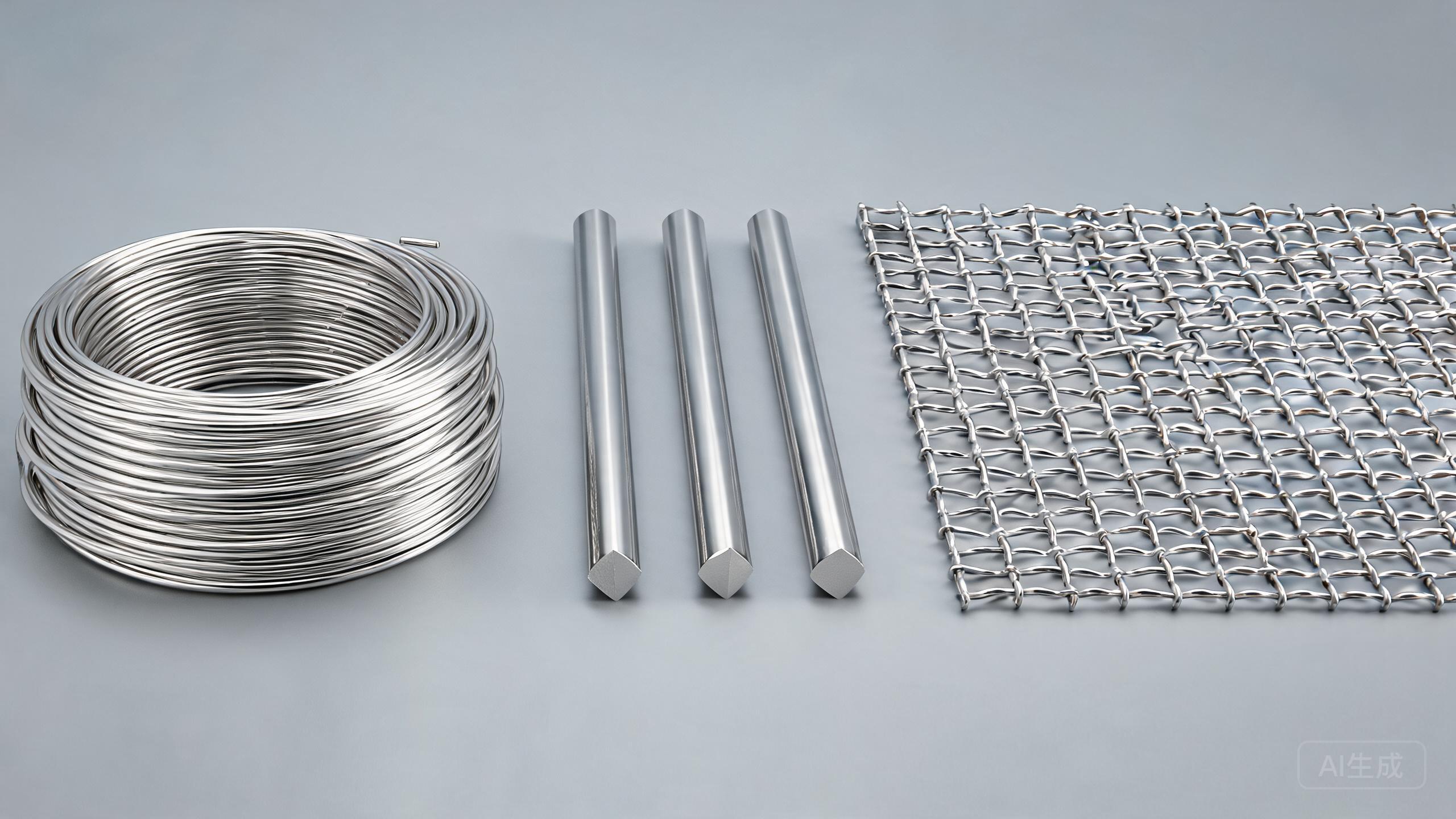
Ein Käuferleitfaden für Edelstahldraht-Familien: 302/304 Allgemein, 301 hochfester Federdraht, 316 maritim, 430 magnetisch und 631 / 17-7PH Federdraht.
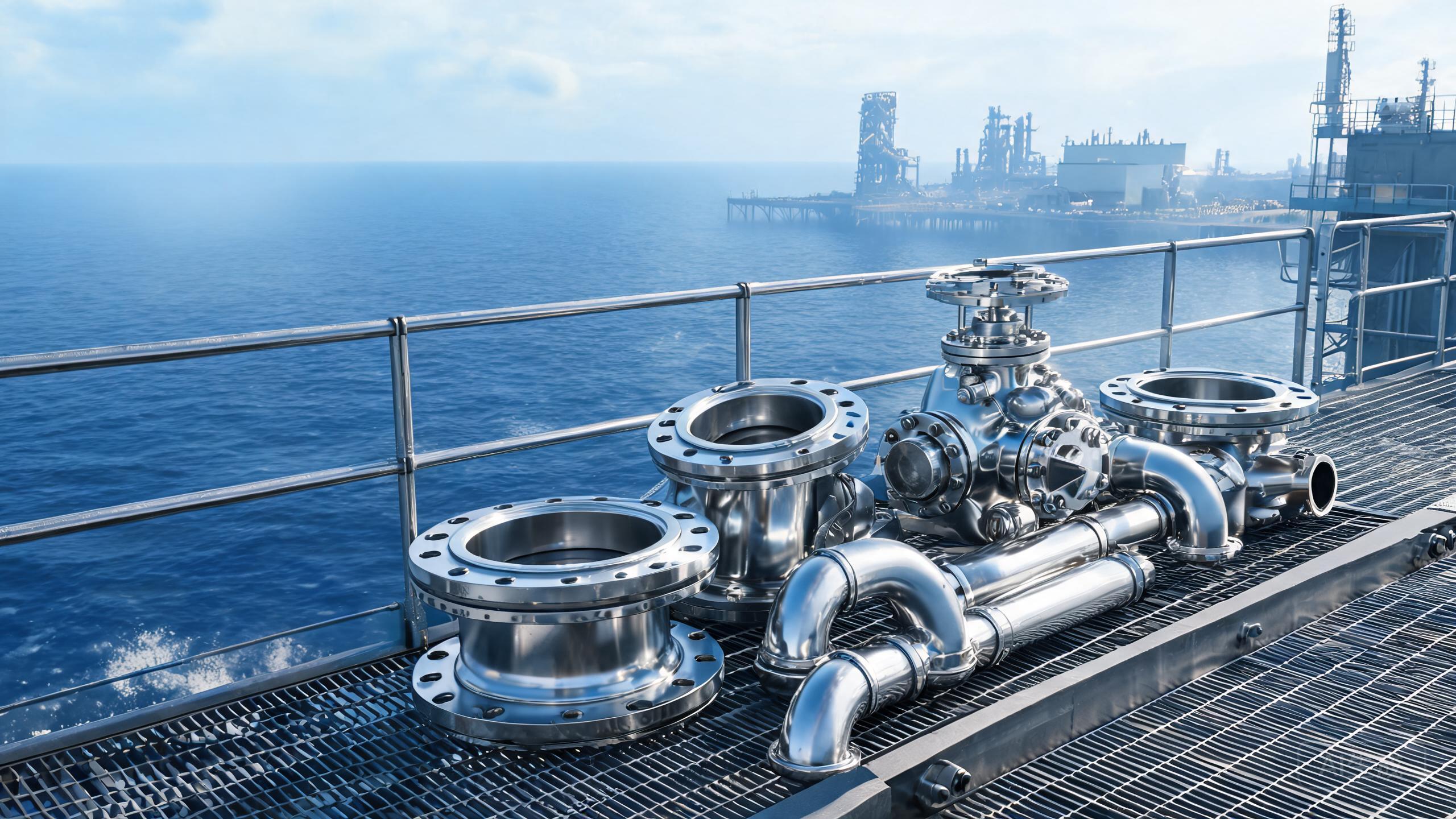
Wann von 316L auf superaustenitische Güten für Schwefelsäure, Meerwasser, Wäscher und Offshore-Rohrleitungen aufgerüstet wird, inkl. PREN-Zielen.
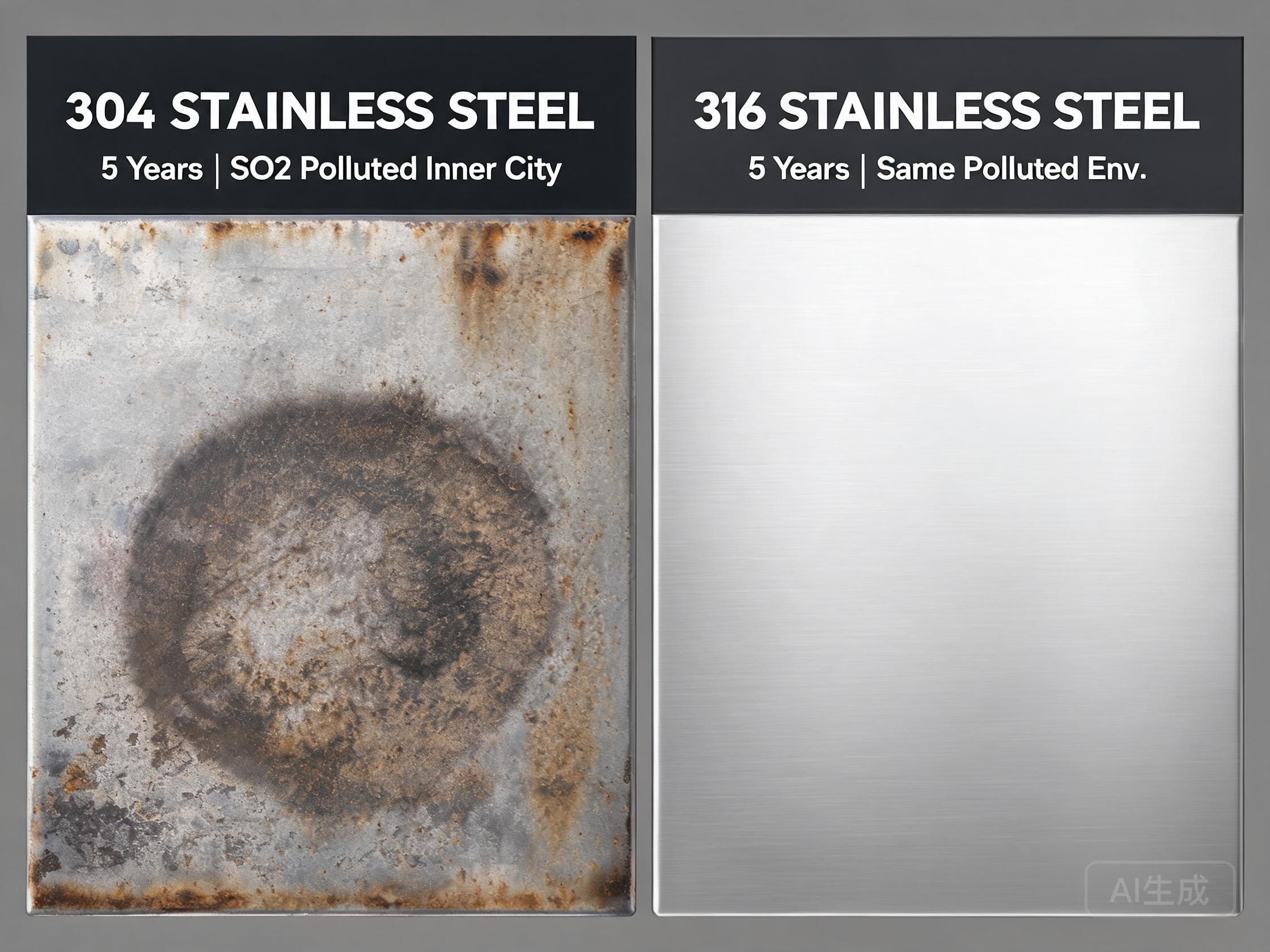
Atmospheric corrosion of cold rolled stainless steel in urban environments. SO2 and NOx levels, annual corrosion rates for 304 vs 316, and how pollution maps determine your grade.
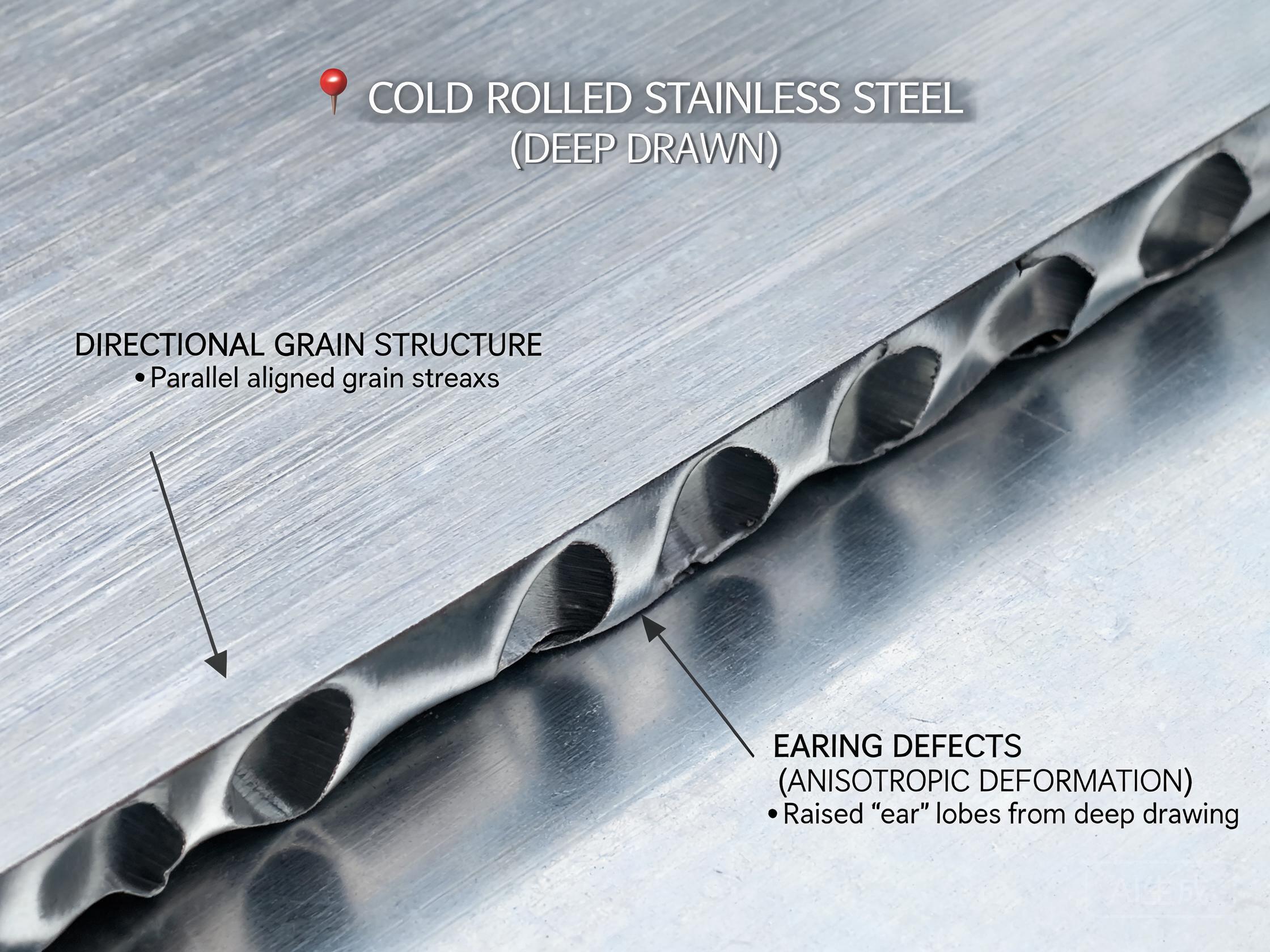
Planar anisotropy Δr in stainless steel explained. Why 301 and 201 show more earing than 304L, how anisotropy creates feather edges during stamping, and what to specify on the RFQ.
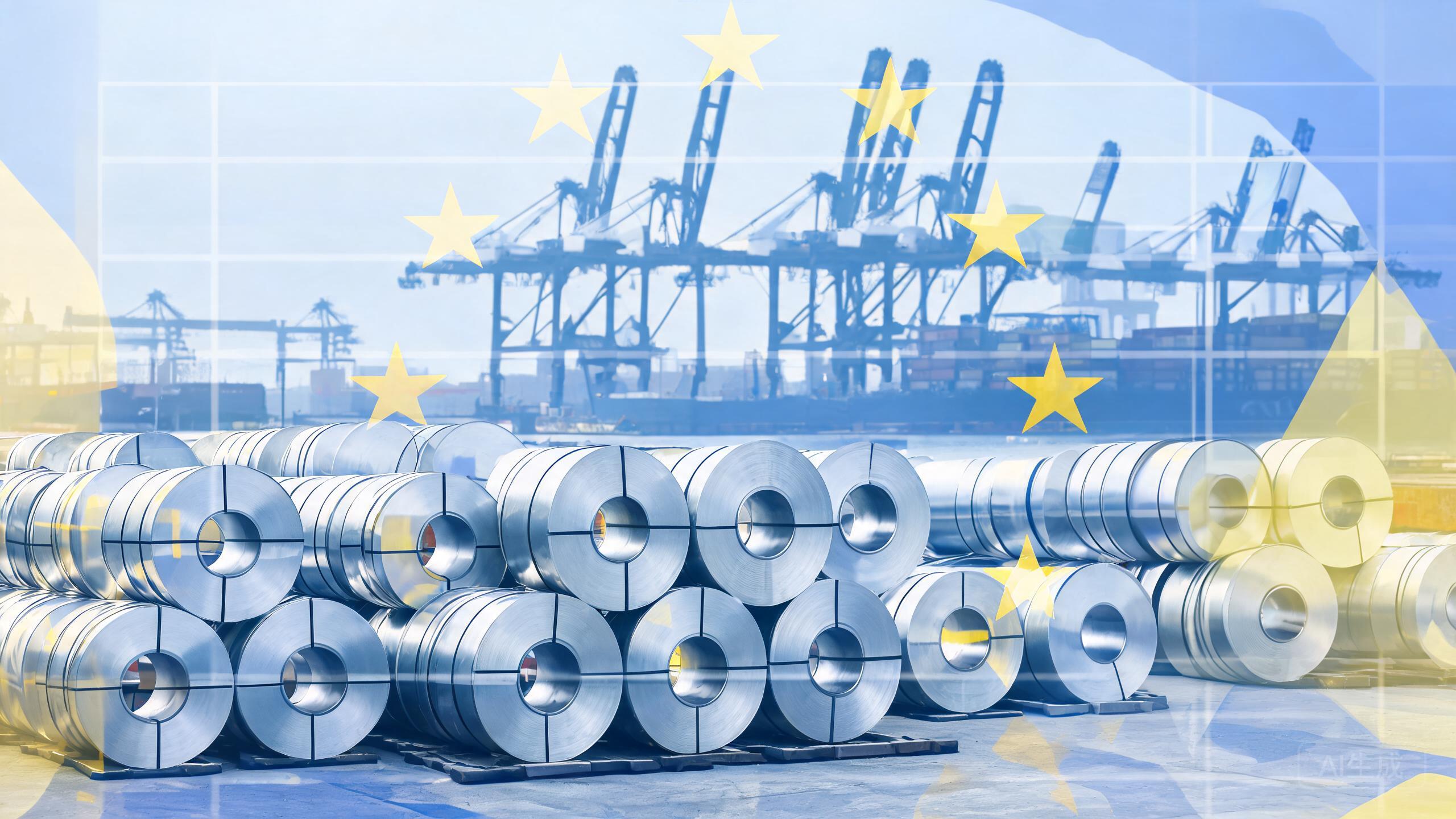
Die EU-Kohlenstoffsteuer (CBAM) verteuert Edelstahlimporte. Was die 2026-Regeln, Standardwerte und der Verifizierungsengpass für Käufer bedeuten.
No posts in this catalog yet.