
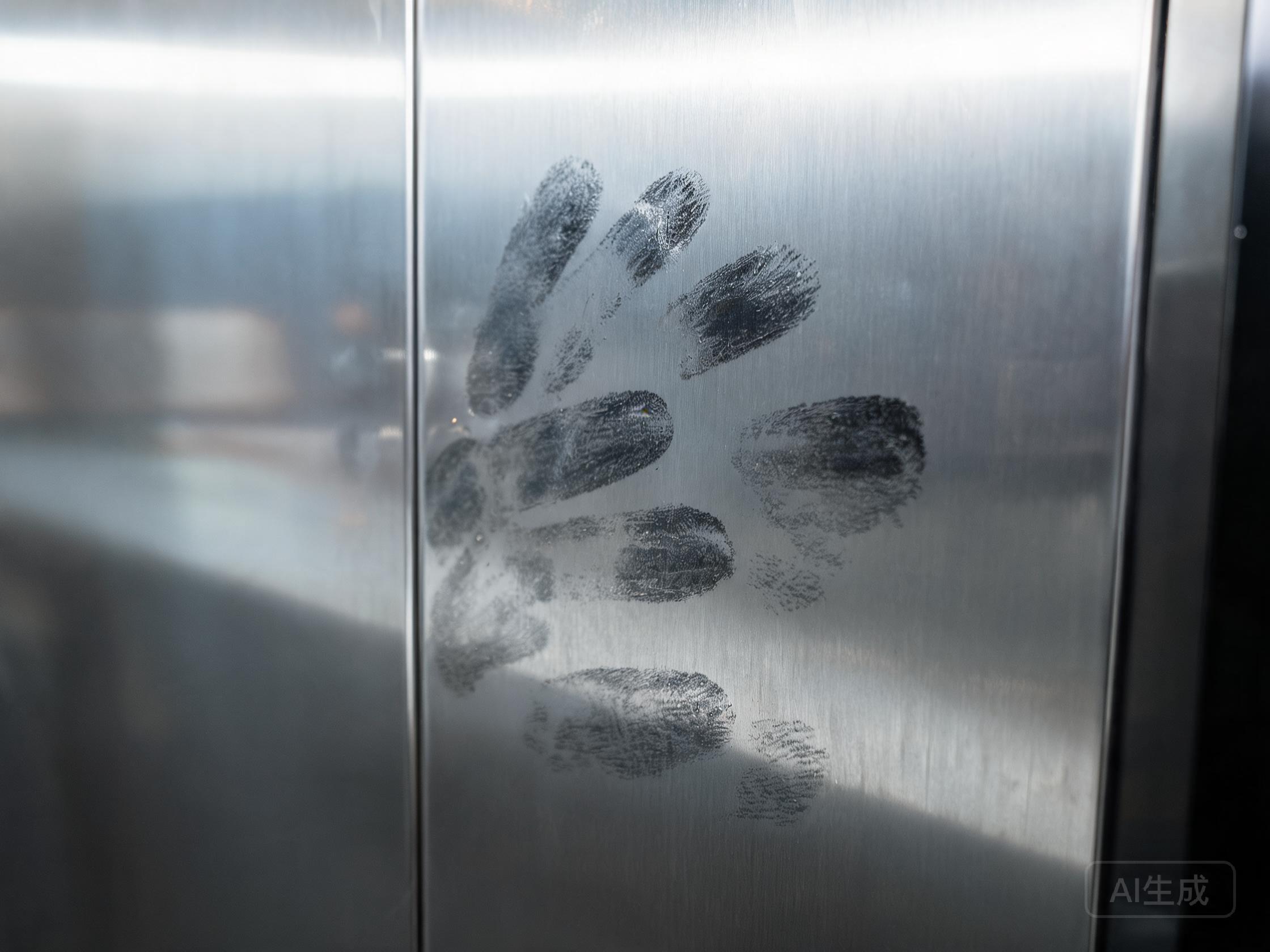
Short answer: Fingerprint stains on cold rolled stainless steel are not a material failure—they are a surface energy problem. Your skin oils spread out on hydrophilic surfaces like 304 2B and become visible. The fix is simpler than buyers expect: choose a lower-energy surface (BA over 2B), add a clear anti-fingerprint coating where appearance matters, and stop cleaning with the wrong chemicals.
Architectural cladding, elevator panels, escalator trim and kitchen appliance doors all live or die by how they look two weeks after handover. Specifying 2B for visibility-critical panels without a coating is the single most common mistake we see from importers.
Quick Comparison
| Surface | Fingerprint visibility | Cleaning effort | Anti-fingerprint coating cost |
|---|---|---|---|
| 304 No.1 (hot rolled, pickled) | Low — rough matte hides prints | Medium — trapped dirt | N/A |
| 304 2B | High — hydrophilic, uniform grey | High — prints spread wide | +15–25 % |
| 304 BA | Medium — smoother, less hydrophilic | Medium — prints wipe off easier | +10–20 % |
| 304 No.4 (hairline) | Low — directional grain hides prints | Medium | +20–35 % |
| 304 8K (mirror) | Medium — high reflectivity shows prints clearly | High | +20–35 % |
For elevator and lobby panels, BA with clear anti-fingerprint coating and a post-installation protective film is the sweet spot in cost and visibility control.
What Buyers Should Evaluate
- Rank your panels by how close people will stand to them. Elevator interior walls are touched constantly; a remote pipe rack is not. Match the coating level to the actual abuse.
- For architectural 304 or 316 panels, request a 2 µm clear epoxy anti-fingerprint topcoat on top of BA, not on 2B. The BA substrate gives the better base.
- Check surface roughness Ra values. A 2B at Ra 0.4 µm will show prints more than a 2B refined to Ra 0.2 µm. Ask for the mill surface report.
- Confirm whether the supplier applies the anti-fingerprint coat in-house or subcontracts it. In-house gives you one warranty for surface quality.
Common Purchasing Mistakes
- Ordering 304 2B for elevator interiors and expecting prints to “just wipe off.” They will not. The hydrophilic oxide layer of 2B spreads oils into thin, stubborn films.
- Accepting a cheap “anti-fingerprint spray” treatment from a Chinese fabricator who sprays canola oil or a cheap acrylic and calls it a coating. Real coatings are factory-applied, have a stated thickness (≥1 µm), and come with a lot number on the certificate. Insist on a thickness measurement report before shipping.
- Confusing the protective peel-off film left on the mill sheet with an anti-fingerprint solution. The film prevents scratches in transit, not prints in use.
Require a sample panel (200 × 200 mm) pressed with a real fingerprint, then wiped three times with a standard cleaner, before you release volume.
Recommended RFQ Wording
Grade: AISI 304L / EN 1.4307, cold rolled, flat sheet Gauge: 1.0 mm ± 0.02 mm, width 1220 mm, length 2440 mm Surface: BA (bright annealed) + factory-applied clear anti-fingerprint epoxy topcoat, dry-film thickness ≥ 2 µm Additional: No.4 hairline finish optional on one side only Certificate: EN 10204 3.1 with surface roughness Ra reading and coating thickness report Quantity: 120 sheets, cut-to-length, wrapped in UV-resistant protective film
How Still Steel Supports the Project
Still Steel supplies cold rolled stainless steel sheet and strip in 304/304L/316/316L/430 with 2B, BA, No.4 and 8K surfaces. We handle pickling passivation, electropolishing and PVD coating under one roof so your surface tolerance stays consistent. Send the grade, gauge, width and your specific surface problem to vip@still-steel.com, or discuss the requirement on WhatsApp.
Frequently Asked Questions
Why do fingerprints show more on 304 2B than on BA surfaces?
The 2B surface is a dull, grey cold-rolled finish with a matte chrome oxide layer. It is more hydrophilic than the bright annealed BA surface, so the natural oils from your skin spread out into thin films that the eye catches. BA is smoother and less hydrophilic—print marks are harder to see.
What is the difference between clear anti-fingerprint coating and PVD anti-fingerprint treatment?
Clear anti-fingerprint coating is a thin topcoat applied over the stainless surface, usually 1–5 µm, that reduces surface energy so oils bead up instead of spreading. PVD anti-fingerprint is a ceramic deposition, thicker (0.5–3 µm of ceramic plus a topcoat layer), more scratch resistant, but also more expensive. Specify which treatment on the RFQ.
How should I clean fingerprint stains without damaging the 8K or BA surface?
Use a pH-neutral, non-abrasive liquid cleaner with a microfiber cloth. Wipe in the original polishing direction if the surface has a No.4 hairline or 8K polish. Avoid steel wool, scouring powders, bleach or chlorine-based detergents—they scratch or etch the passive layer and can cause permanent spotting.
Technical References
- ASTM A240/A240M flat-rolled stainless steel sheet
- EN 10088-2 stainless steels — Part 2: Sheet, strip and plate
- ASTM A480/A480M cold-rolled stainless tolerance standard
Reference documents support general selection and fabrication principles. The final material decision must follow the applicable contract, standard, regulation and engineering review for the specific product.